

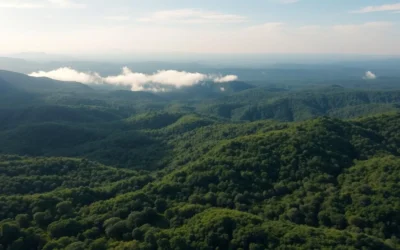
Home to eight species of lemurs found nowhere else on Earth, Ankarafantsika National Park represents one of Madagascar’s last remaining dry, dense deciduous forests. This 160,000-hectare natural treasure offers visitors the rare opportunity to witness the critically endangered Coquerel’s sifaka lemurs leaping between ancient baobabs while red-capped couas dart through the undergrowth. Despite being easily accessible from Madagascar’s main highway, this remarkable park remains one of the country’s hidden gems, offering an authentic wilderness experience without the crowds found at more famous destinations.
Getting There & Planning Your Journey
Ankarafantsika National Park straddles the RN4 highway about 450km northwest of Antananarivo, Madagascar’s capital. While the distance is considerable, the park’s location along a major road makes it surprisingly accessible compared to many of Madagascar’s protected areas.
From Antananarivo
- By car: The journey takes approximately 8-9 hours. Renting a 4×4 vehicle is recommended for comfort and flexibility.
- By taxi-brousse (local bus): Several companies operate daily services from Antananarivo to Mahajanga, all passing the park entrance. The journey takes 8-9 hours and costs around 35,000 Ariary (≈$8).
- Organized tours: Many tour operators include Ankarafantsika in their northwestern Madagascar itineraries.
From Mahajanga
If you’re already in the coastal city of Mahajanga (also called Majunga), the park is just a 2-hour drive away. Regular taxi-brousses run this route throughout the day.
Ankarafantsika National Park is located in northwestern Madagascar, along the RN4 highway
Best Time to Visit & Weather Tips
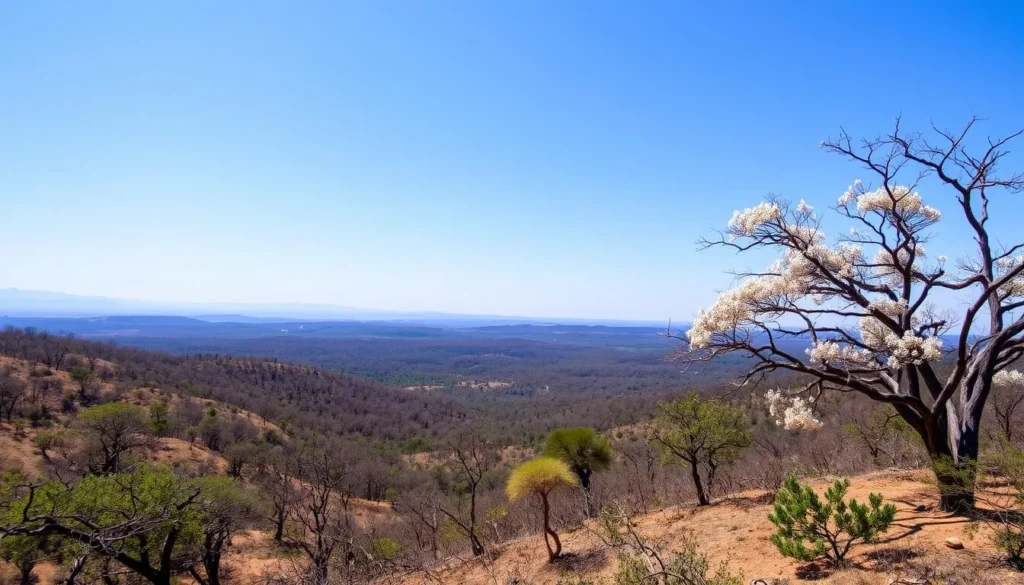
Ankarafantsika National Park can be visited year-round, but timing your trip strategically can significantly enhance your experience.
Dry Season (April to October)
- Best overall time to visit with comfortable temperatures and minimal rainfall
- Wildlife is easier to spot as animals gather around water sources
- Trails are more accessible and less muddy
- Peak tourist season is July-August (European summer holidays)
Wet Season (November to March)
- Lush landscapes with more vibrant vegetation
- Fewer visitors and potentially lower prices
- Some trails may be muddy or temporarily inaccessible
- Afternoon thunderstorms are common but typically brief
Special Interest Timing
- Birdwatching: October to December is optimal when birds are most active and visible
- Reptiles: September to December is best as lizards and snakes emerge from hibernation
- Photography: Early morning (6-8 AM) and late afternoon (4-6 PM) offer the best light and most active wildlife
Pro Tip: Even during the dry season, temperatures can reach 35°C (95°F) during midday. Plan your hikes for early morning or late afternoon, and bring plenty of water regardless of when you visit.
Getting Around Locally

Exploring Ankarafantsika National Park requires some planning, as the protected area is vast and visitors must be accompanied by official guides.
Park Regulations
- All visitors must be accompanied by an official park guide
- Guides can be arranged at the park office/tourist center
- Park permits are required and cost 55,000 Ariary (≈$13) per person per day
- Photography is permitted without additional fees
Transportation Options
Within the Park
- On foot: Most exploration is done via hiking trails
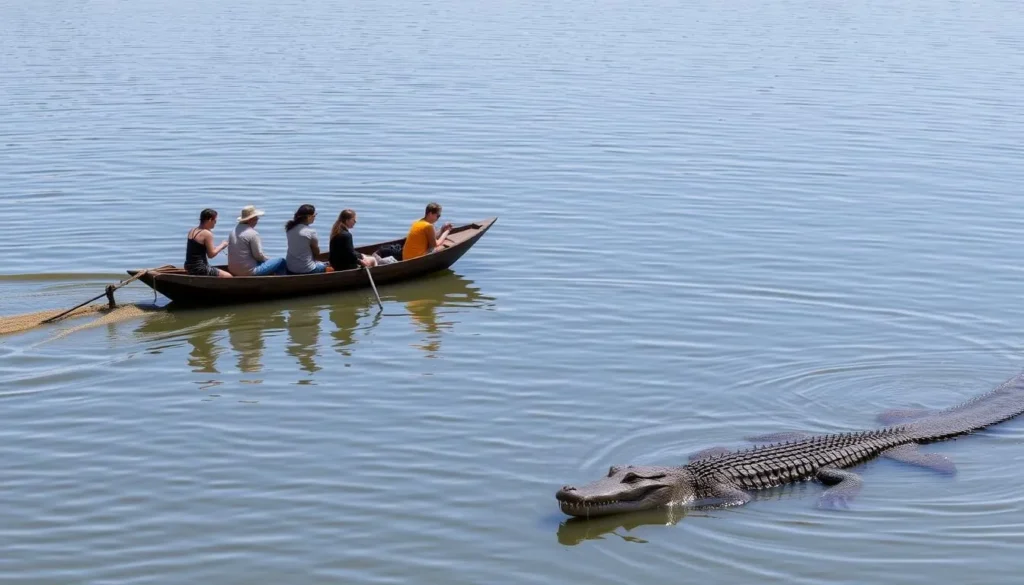
- Boat trips: Available on Lac Ravelobe for crocodile viewing
- Park vehicles: Sometimes available for transport to trailheads (additional fee)
Around the Area
- Taxi-brousse: Local buses pass by the park entrance regularly
- Private vehicle: Provides maximum flexibility
- Arranged transfers: Can be organized through accommodations
Popular Hiking Circuits
- Coquereli Circuit: 3-4 hour trail focused on lemur spotting
- Ankarokaroka Trail: 3-4 hour hike to the impressive canyon
- Botanical Garden Trail: 2-3 hour walk showcasing local flora
- Lake Circuit: 1-2 hour walk around Lac Ravelobe
- Night Walk: 1-2 hour guided evening excursion to spot nocturnal species
Where to Stay
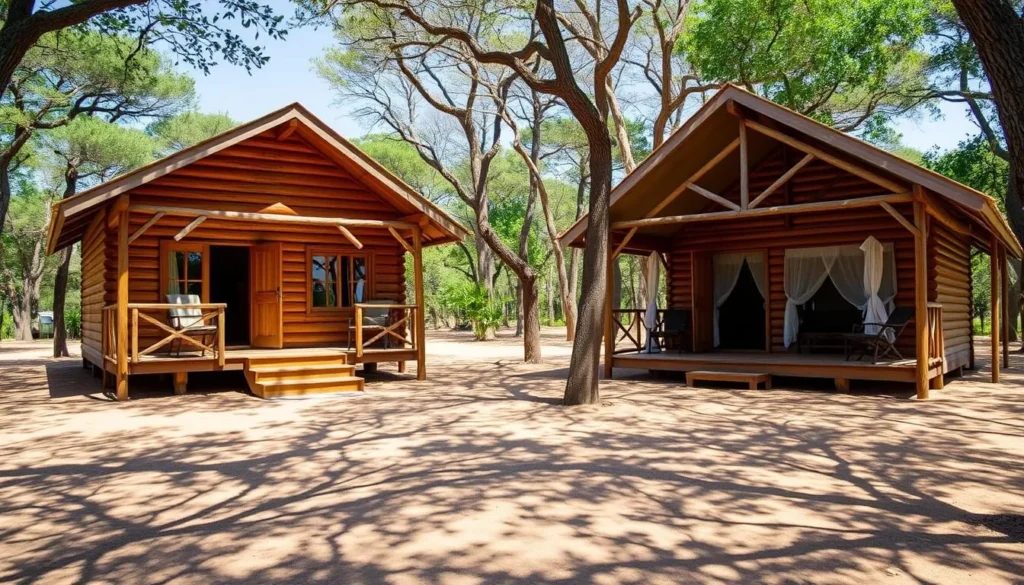
Accommodation options at Ankarafantsika are limited but sufficient for most travelers. Most visitors stay at the park’s Gite d’Ampijora, which offers several lodging types to suit different budgets.
Park Bungalows
Private en-suite bungalows offer the most comfortable option within the park. Each spacious unit can accommodate up to 4 people and includes basic amenities.
- Cost: 90,000 Ariary (≈$22) per night
- Private bathroom with cold water shower
- Beds with mosquito nets
- Electricity available during limited hours
Basic Gites
Simple rooms with shared facilities offer a budget-friendly option for travelers who don’t mind basic accommodations.
- Cost: 30,000 Ariary (≈$7) per night
- Shared bathroom facilities with cold water
- Beds with mosquito nets
- Clean but very basic
Camping
The park’s campsite offers a budget option for those with their own equipment or willing to rent tents.
- Cost: 20,000 Ariary (≈$5) per night
- Tent rental available for 23,000 Ariary
- Access to shared bathroom facilities
- Beautiful setting with wildlife often visible from camp
Alternative Options
- Women’s Association Campground: Located 2km before the park entrance, this community-run site offers camping and home-cooked meals. Reservations required: +261 32 47 78 606
- Andranofasika Village: 4km from the park, this nearby village has simple lodges like Blue Vanga Lodge and Lodge Tia Asity
- Mahajanga: For those wanting more comfort, staying in Mahajanga (2 hours away) and making a day trip is possible
Booking Tip: Accommodations at the park cannot be booked online. For guaranteed space, especially during peak season (July-August), have your tour operator or hotel in Antananarivo call ahead to reserve.
Dining & Local Cuisine

Dining options at Ankarafantsika National Park are limited but adequate. Most visitors eat at the park’s on-site restaurant, which serves simple but tasty Malagasy dishes.
Park Restaurant (Thi Lan)
- Open for breakfast, lunch, and dinner
- Serves traditional Malagasy cuisine and some international dishes
- Main courses cost around 20,000 Ariary (≈$5)
- Breakfast from 15,000 Ariary (≈$3.50)
- Large bottled water: 5,000 Ariary (≈$1.20)
- Beer: 4,000 Ariary (≈$1)
Local Specialties to Try
- Romazava: Traditional Malagasy beef stew with greens
- Vary Amin’anana: Rice with leafy greens
- Ravitoto: Cassava leaves pounded with pork
- Fresh tropical fruits: Depending on season
Food Tip: Bring snacks, energy bars, and extra water for hikes. The park restaurant may have limited options, and there are no stores within the park boundaries.
Alternative Dining Options
- Women’s Association: The community campsite 2km from the park entrance offers home-cooked meals with advance notice
- Andranofasika Village: Several small local restaurants serve basic Malagasy dishes
- Self-catering: The campsite has basic facilities for those who bring their own food and cooking equipment
Attractions, Sightseeing & Activities

Ankarafantsika National Park offers diverse attractions that showcase Madagascar’s unique biodiversity and stunning landscapes. Here are the top experiences not to miss:
Wildlife Encounters
- Lemur spotting: Eight species inhabit the park, including the iconic Coquerel’s sifaka with its distinctive white fur and brown arms
- Birdwatching: Over 129 bird species, with more than half endemic to Madagascar
- Reptile observation: Chameleons, geckos, and the occasional snake
Natural Wonders
- Ankarokaroka Canyon: Spectacular red sandstone formations
- Ancient baobab trees: Iconic symbols of Madagascar
- Lac Ravelobe: Home to Nile crocodiles and numerous water birds
Top Activities
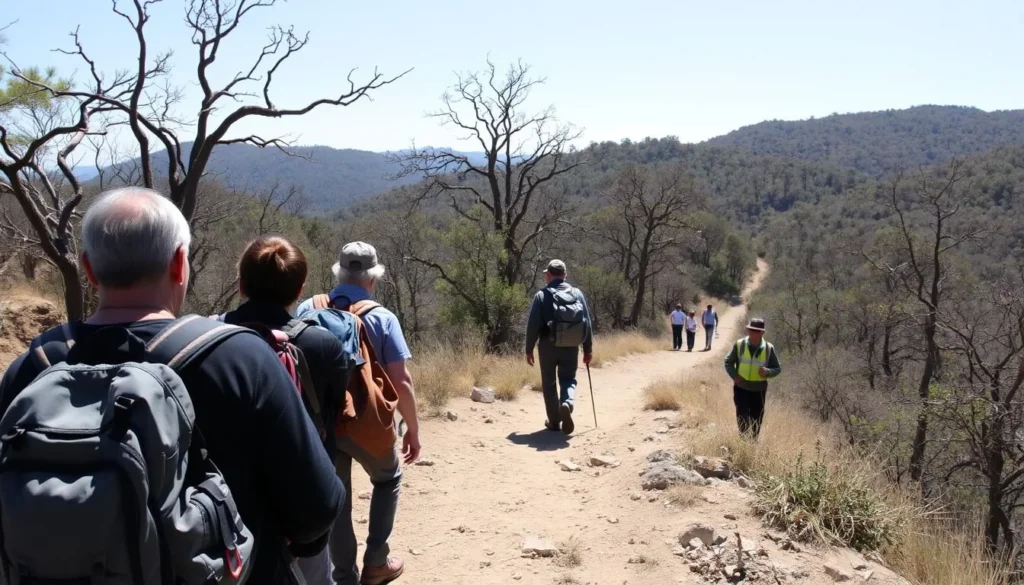
Coquereli Circuit
This popular 3-4 hour trail takes you through dense forest where you’re almost guaranteed to spot the park’s namesake Coquerel’s sifaka lemurs. The circuit also offers excellent opportunities to see other wildlife including brown lemurs and various bird species.
Guide fee: 50,000 Ariary (≈$12) for up to 4 people
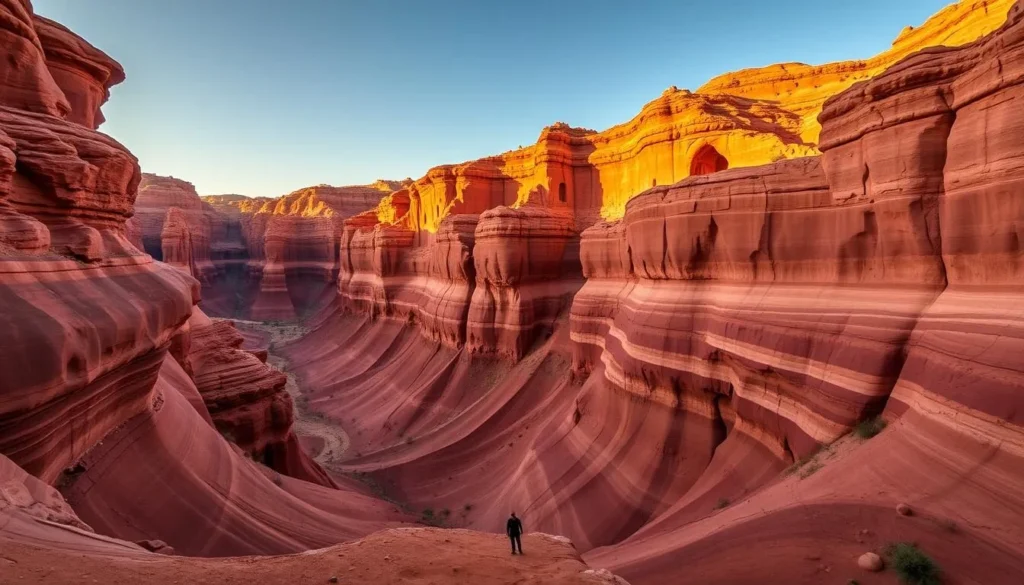
Ankarokaroka Canyon Hike
This 3-4 hour trail takes you through changing landscapes from dense forest to savannah before reaching the spectacular red sandstone canyon. The dramatic erosion patterns and panoramic views make this the park’s most photogenic attraction.
Guide fee: 65,000 Ariary (≈$16) for up to 4 people
Lac Ravelobe Boat Trip
Take a guided boat trip on this crocodile-inhabited lake to spot wildlife from a different perspective. The lake is home to Nile crocodiles (some up to 4 meters long) and numerous water birds including herons and egrets.
Boat fee: 40,000 Ariary (≈$10) per boat (not per person)
Other Notable Activities
- Night walks: Spot nocturnal species like mouse lemurs and chameleons
- Botanical garden tour: Learn about Madagascar’s unique plant species
- Bird hide at Lac Ravelobe: Perfect for photographers and birdwatchers
- Cultural interactions: Visit the nearby women’s association to learn about local life
Photography Tip: The canyon is most photogenic in late afternoon when the setting sun intensifies the red colors of the sandstone. For wildlife photography, early morning offers the best light and most active animals.
Cultural Insights & Local Customs
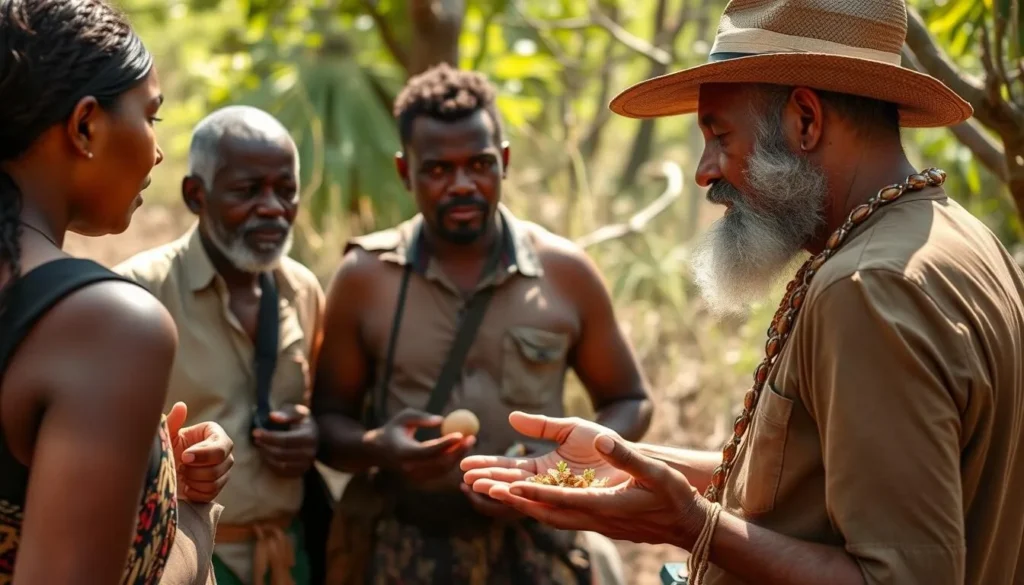
While Ankarafantsika National Park is primarily known for its natural attractions, understanding the cultural context enhances your visit. The park is located in the Boeny Region, home to several ethnic groups including the Sakalava people.
Local Communities
- Several villages surround the park, with many residents working as guides or in tourism-related services
- The Women’s Association near the park entrance offers insights into local life and traditional crafts
- Many guides are extremely knowledgeable about traditional plant uses and cultural practices
Cultural Etiquette
- Fady (taboos): Respect local taboos, which may include restrictions on pointing at certain features or animals
- Photography: Always ask before photographing local people
- Dress code: Modest dress is appreciated when visiting villages
- Greetings: Learning a few basic Malagasy greetings like “Salama” (hello) is always appreciated
Conservation Challenges
Understanding the conservation context helps appreciate the park’s significance. Ankarafantsika represents one of the last remaining large tracts of dry deciduous forest in Madagascar. The park faces ongoing challenges from deforestation, illegal logging, and agricultural encroachment. Many guides are passionate about conservation and can share insights about ongoing efforts to protect this unique ecosystem.
Cultural Insight: Many local guides have fascinating personal stories. Some have transitioned from activities that harmed the forest (like charcoal production) to becoming its protectors through ecotourism. Taking time to learn their stories adds depth to your visit.
Practical Travel Tips
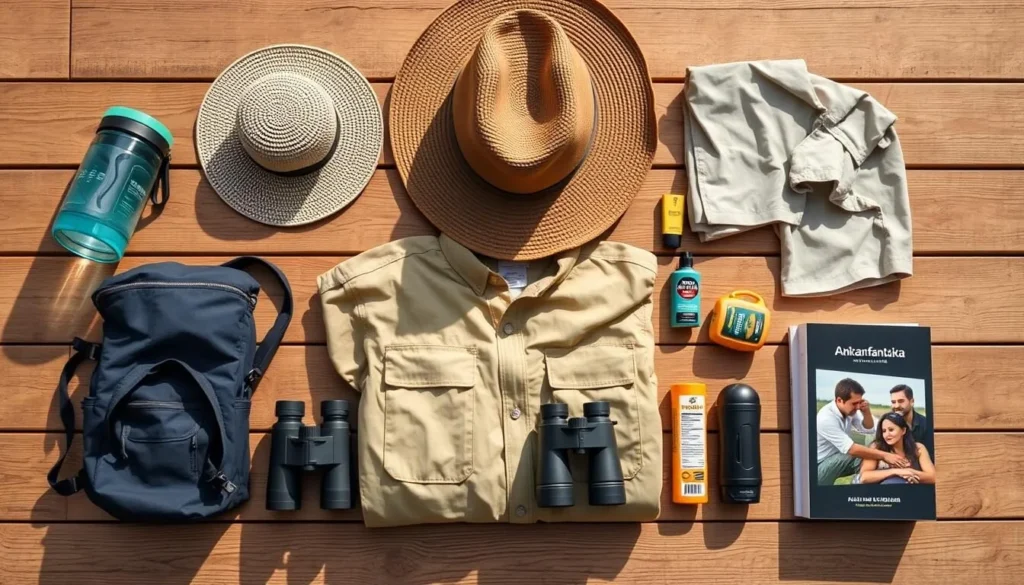
Proper preparation ensures a comfortable and rewarding visit to Ankarafantsika National Park. Here are essential tips to help you make the most of your experience:
What to Pack
- Lightweight, breathable clothing: Long sleeves and pants protect from sun and insects
- Sturdy walking shoes: Trails can be uneven and rocky
- Hat and sunglasses: Essential for sun protection
- Sunscreen: The sun is intense, even on cloudy days
- Insect repellent: Particularly important during wet season
- Binoculars: Essential for wildlife spotting
- Camera with zoom lens: For wildlife photography
- Reusable water bottle: Reduce plastic waste
- Basic first aid kit: Include any personal medications
- Flashlight/headlamp: For night walks and limited electricity
Health & Safety
- Hydration: Drink plenty of water, especially during hikes
- Malaria prevention: Consult your doctor about antimalarials
- Food safety: Stick to cooked foods and bottled water
- Sun protection: The tropical sun is intense
- Wildlife safety: Keep a safe distance from all animals
- Crocodile awareness: Never swim in Lac Ravelobe
- Trail safety: Stay on designated paths with your guide
- Valuables: Keep important documents and valuables secure
Money Matters
- Cash only: No credit card facilities at the park
- Local currency: Bring sufficient Ariary for your entire stay
- Tipping: 10-15% for guides and restaurant service is appreciated
- Budget planning: Allow approximately 245,000 Ariary (≈$60) per person for a full day of activities including park fees and guides
Communication
- Phone reception: Limited or non-existent within the park
- Internet: No WiFi available at park facilities
- Language: Most guides speak some English or French
Important: There are no ATMs or banking facilities at or near the park. Ensure you bring enough cash for your entire stay, including park fees, accommodation, meals, guide fees, and tips.
Suggested Itineraries

Whether you have one day or several to explore Ankarafantsika National Park, here are some itinerary suggestions to help you make the most of your visit:
One-Day Express Visit
Perfect for those breaking the journey between Antananarivo and Mahajanga.
- Early morning: Arrive at the park and arrange a guide for the Coquereli Circuit (3-4 hours)
- Midday: Lunch at the park restaurant
- Afternoon: Ankarokaroka Canyon hike (3-4 hours)
- Evening: Overnight at park accommodation or continue your journey
Two-Day Comprehensive Visit
The ideal timeframe to experience the park’s highlights without rushing.
Day 1
- Early morning: Coquereli Circuit for lemur spotting
- Midday: Lunch and rest during the hottest hours
- Late afternoon: Lake Ravelobe walk or boat trip
- Evening: Night walk to spot nocturnal species
Day 2
- Early morning: Birdwatching around the park headquarters
- Mid-morning: Ankarokaroka Canyon hike
- Afternoon: Botanical garden tour before departure
Three-Day Immersive Experience
For nature enthusiasts wanting to explore thoroughly and increase wildlife sighting chances.
Days 1-2
Follow the two-day itinerary above.
Day 3
- Early morning: Return to your favorite spot for more wildlife viewing
- Mid-morning: Hike through the hills circuit (3 hours)
- Afternoon: Visit the Women’s Association to learn about local culture
- Evening: Second night walk to spot different nocturnal species
Itinerary Tip: If you’re particularly interested in birdwatching, consider adding extra early morning sessions at different locations within the park. October to December offers the best birdwatching opportunities.
Ready for Your Ankarafantsika Adventure?

Ankarafantsika National Park offers a perfect blend of accessibility and authentic wilderness experience. From the enchanting Coquerel’s sifaka lemurs dancing through the canopy to the breathtaking red canyons that appear suddenly amid the savannah, this park showcases Madagascar’s incredible biodiversity and dramatic landscapes.
Whether you’re breaking up a longer journey or dedicating several days to exploration, Ankarafantsika rewards visitors with unforgettable wildlife encounters and stunning natural beauty. The park’s relatively accessible location makes it an excellent introduction to Madagascar’s unique ecosystems without requiring the extensive travel time needed to reach some of the country’s more remote reserves.
As one of Madagascar’s last remaining dry deciduous forests, Ankarafantsika represents not just a tourist destination but a crucial conservation area. Your visit directly supports preservation efforts and provides sustainable livelihoods for local communities who now protect the forest they once depended on for resources.


0 Comments