
Hotels by Trip.com
Flights by Trip.com
Did you know that Antsiranana Bay is the second-largest natural harbor in the world after Rio de Janeiro? This northern Madagascan gem, still often called Diego Suarez by locals, sits at the northernmost tip of the world’s fourth-largest island and offers travelers a fascinating blend of French colonial architecture, breathtaking natural wonders, and authentic Malagasy culture that few tourists ever experience.
With its unique limestone formations, pristine beaches, and lush national parks, Antsiranana provides adventurous travelers with experiences that can’t be found anywhere else on Earth. From the otherworldly red pinnacles of Tsingy Rouge to the mesmerizing turquoise waters of the Emerald Sea, this region rewards those willing to venture off the beaten path.
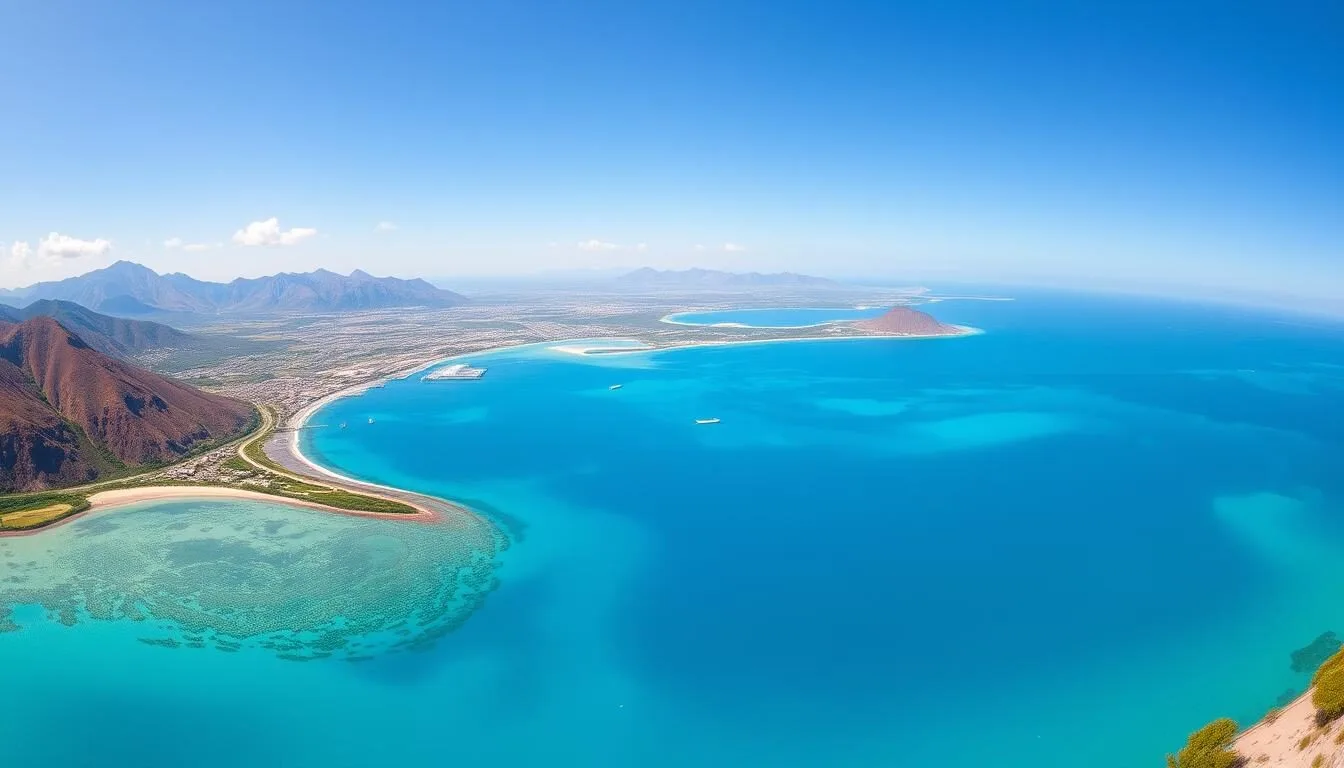
The breathtaking Antsiranana Bay, the second-largest natural harbor in the world
Getting There & Planning Your Journey
Reaching Antsiranana requires some planning, but the journey is well worth the effort. The city has its own airport (DIE) with regular domestic flights from Madagascar’s capital, Antananarivo. These flights typically take about 2 hours and offer spectacular views of Madagascar’s diverse landscapes.
For those arriving by sea, Antsiranana is a port city that welcomes cruise ships, offering visitors a unique way to experience Madagascar’s northern coast. The deep natural harbor makes it an ideal stopping point for cruises in the Indian Ocean.
From Antananarivo, you can also reach Antsiranana by road, though be prepared for a long journey (approximately 25 hours of driving) on roads that vary in quality. Breaking up this journey with stops along the way is recommended for those who want to experience more of Madagascar’s diverse regions.
Best Time to Visit & Weather Tips
Antsiranana enjoys a tropical climate with distinct wet and dry seasons. The best time to visit is during the dry season from April to November, when rainfall is minimal and temperatures are more comfortable. This period is ideal for exploring the national parks, hiking, and enjoying the beaches.
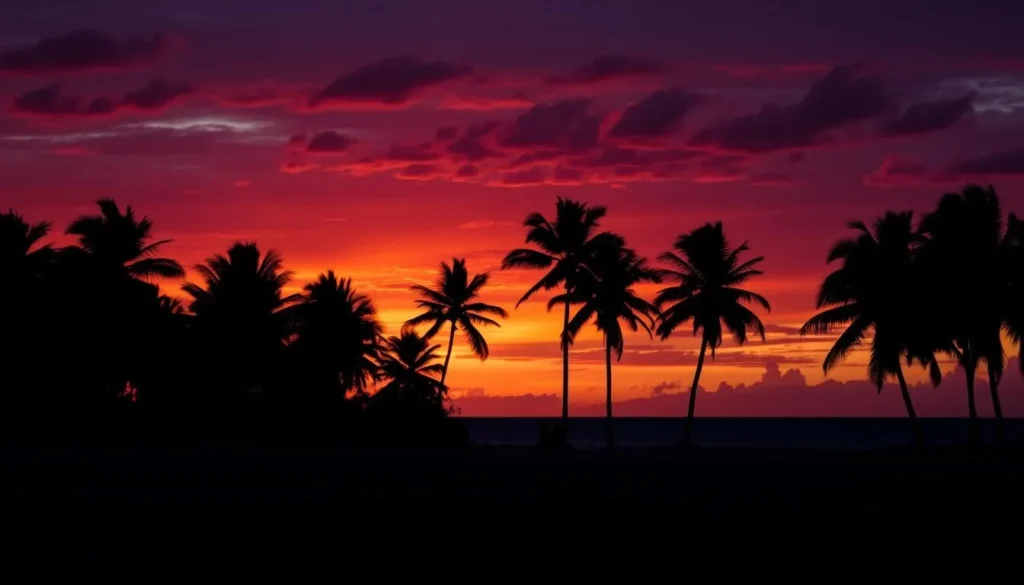
Stunning sunset at Ramena Beach during the dry season (April-November)
| Season | Months | Temperature | Rainfall | Best For |
| Dry Season (Peak) | June – August | 23-28°C (73-82°F) | Minimal | All activities, national parks |
| Dry Season (Shoulder) | April-May, Sept-Nov | 25-30°C (77-86°F) | Low | Fewer tourists, good weather |
| Wet Season | December – March | 26-32°C (79-90°F) | Heavy, potential cyclones | Budget travel, lush landscapes |
The wet season (December to March) brings higher humidity, regular rainfall, and the risk of cyclones. While prices are lower during this period, some attractions may be difficult to access due to flooded roads, particularly the Tsingy Rouge and parts of Ankarana Reserve.
Traveler Tip: If you’re interested in kitesurfing or windsurfing, plan your visit between June and October when the “Varatraza” trade winds create perfect conditions at Sakalava Bay and the Emerald Sea.
Getting Around Locally
Navigating Antsiranana and its surroundings offers several options, each with its own advantages depending on your travel style and the attractions you want to visit.
✓ Check 30,000+ Local Sightseeing Tours Worldwide
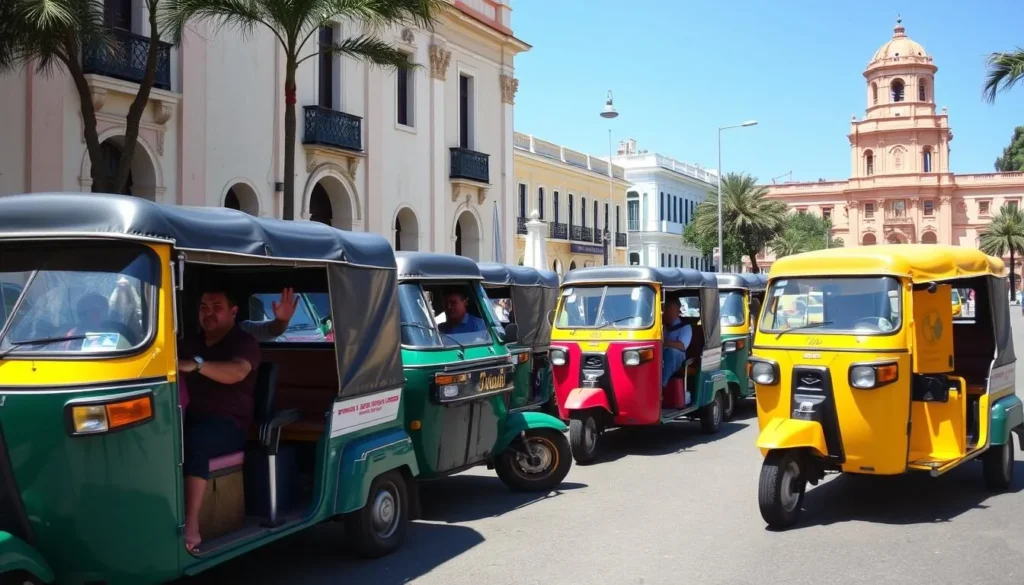
Colorful tuk-tuks are a popular way to get around Antsiranana city
Within the City
- Tuk-tuks are abundant, affordable, and perfect for short trips around the city. Expect to pay about 5,000-10,000 Ariary ($1-2) for most in-town journeys.
- Taxis are available and slightly more comfortable than tuk-tuks but cost a bit more.
- Walking is feasible for exploring the compact city center with its colonial architecture and local markets.
Exploring the Region
- Taxi tours can be arranged for day trips to nearby attractions like Ramena Beach or the Three Bays.
- 4×4 rentals are essential for reaching remote attractions like Tsingy Rouge or the national parks, especially during the wet season.
- Organized tours often provide the most convenient way to visit multiple attractions with knowledgeable guides.
Local Insight: For the best rates on taxis and tuk-tuks, negotiate the price before starting your journey. Drivers at the port or near tourist hotels often start with higher prices, so a friendly negotiation is expected.
Where to Stay in Antsiranana
Accommodation options in Antsiranana range from budget-friendly guesthouses to comfortable mid-range hotels. While luxury options are limited compared to more developed tourist destinations, you’ll find clean, welcoming places to stay with authentic Malagasy hospitality.
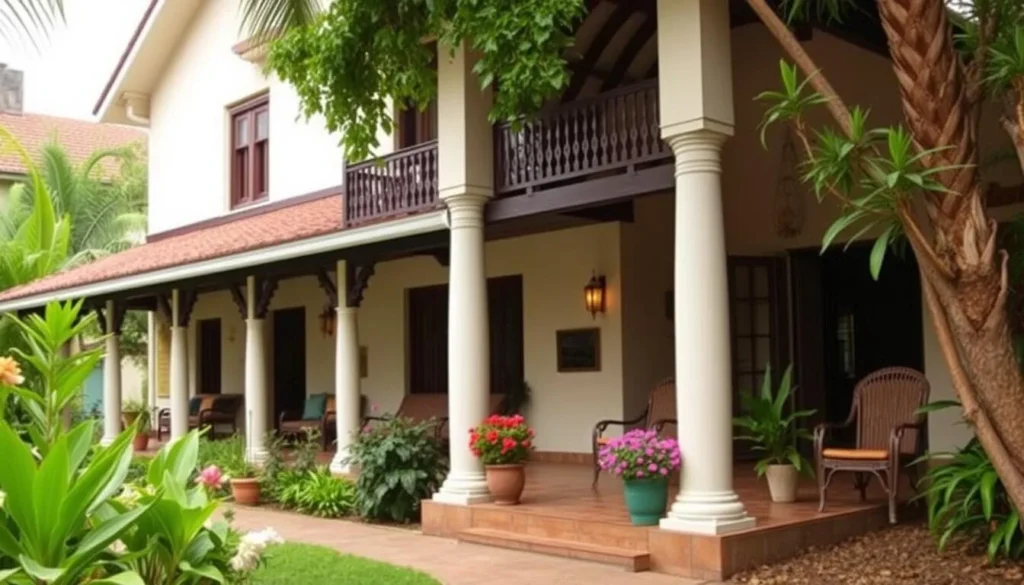
Colonial-style boutique hotels offer comfortable accommodation in Antsiranana
City Center
Staying in downtown Antsiranana puts you close to restaurants, markets, and the historic colonial district. Le Grand Hôtel Diego offers comfortable rooms, a swimming pool, and reliable Wi-Fi – a rarity in this region.
Ramena Beach
Located about 20km from the city, Ramena Beach offers beachfront bungalows and small hotels with stunning views of the bay. Perfect for those seeking a more relaxed, beach-oriented stay.
Eco-Lodges
For adventure travelers, eco-lodges like Jungle Park near Montagne des Français offer unique experiences, including tree houses and clay bungalows immersed in nature.
Traveler Tip: Electricity outages are common throughout Madagascar. Choose accommodations with generators or solar power if reliable electricity is important to you, especially if you need to charge camera equipment or other devices.
Dining & Local Cuisine
Antsiranana’s cuisine reflects its coastal location and cultural influences, offering a delightful mix of Malagasy, French, and seafood dishes. Fresh seafood is abundant, while traditional Malagasy staples like rice accompany most meals.
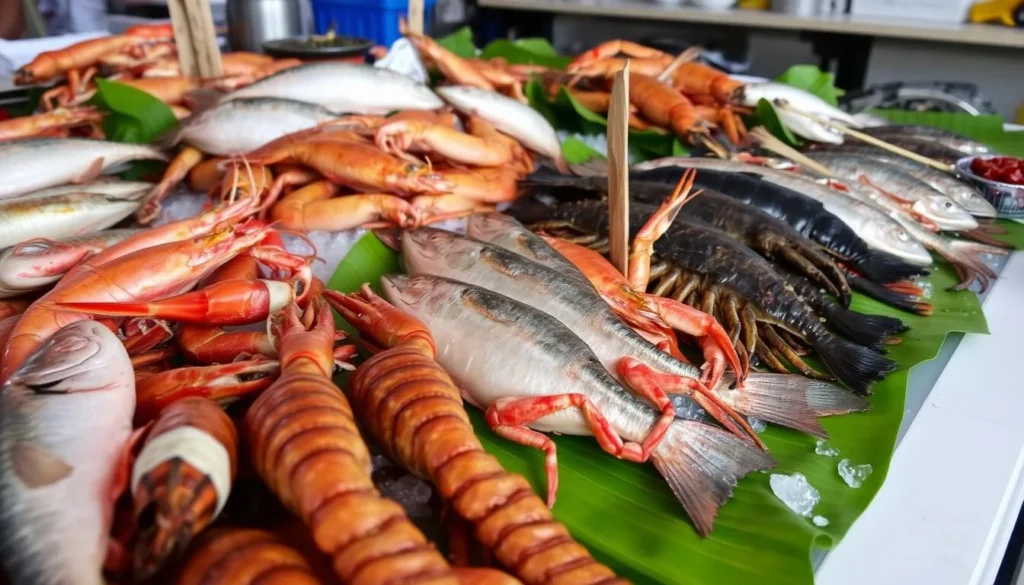
Fresh seafood is a highlight of Antsiranana’s culinary scene
Must-Try Local Dishes
- Romazava – Madagascar’s national dish, a flavorful meat stew with mixed greens and ginger.
- Coconut Crab – A local delicacy found in coastal restaurants, often prepared with coconut milk and spices.
- Ravitoto – Pounded cassava leaves cooked with pork and coconut milk.
- Koba – A sweet dessert made from ground peanuts, rice flour, and banana.
- Fresh Grilled Fish – Often served with a spicy sauce and rice.
- Zebu Steak – Madagascar’s native cattle produce flavorful meat, though it can be tough if overcooked.
- Mofo Gasy – Sweet rice flour pancakes often enjoyed for breakfast.
- Rhum Arrangé – Local rum infused with fruits, vanilla, or other spices.
Where to Eat
The city center offers several good restaurants, many with French influence. For the freshest seafood, head to Ramena Beach where small restaurants serve the day’s catch with stunning ocean views. Don’t miss the opportunity to try street food at the local markets, where you can sample bonbon coco (coconut sweets) and other local snacks.
Dining Tip: Many restaurants in Antsiranana prepare dishes to order using fresh ingredients, which means service can be slower than you might be used to. Embrace the relaxed pace and enjoy the “mora mora” (slowly-slowly) approach to life that defines Madagascar.
Attractions, Sightseeing & Activities
Antsiranana offers a diverse range of attractions from natural wonders to colonial heritage sites. Here are the must-see highlights that should be on every visitor’s itinerary.
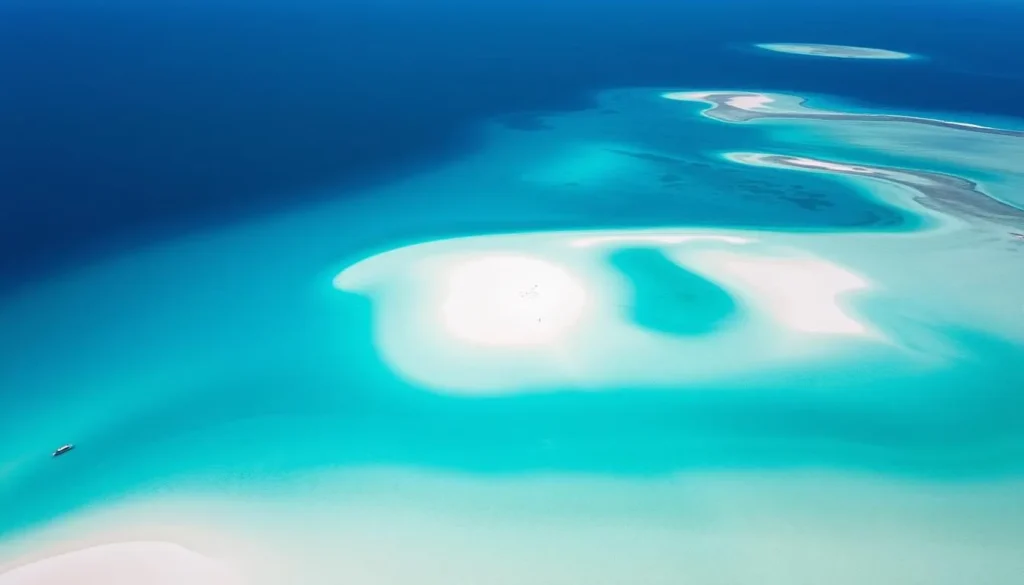
The mesmerizing turquoise waters of the Emerald Sea, one of Antsiranana’s most famous attractions
The Emerald Sea (Mer d’Emeraude)
This shallow, turquoise lagoon located at the entrance to the Bay of Diego Suarez is one of northern Madagascar’s most photogenic spots. Protected by coral reefs and surrounded by small islands, the Emerald Sea offers crystal-clear waters perfect for swimming and snorkeling. Day trips by boat from Ramena Beach typically include a seafood lunch on one of the pristine beaches.
The Three Bays
Just east of Antsiranana, you’ll find three stunning bays with pristine beaches and crystal-clear waters:
- Sakalava Bay – A paradise for kitesurfers and windsurfers due to consistent trade winds.
- Pigeons Bay – A tranquil beach with white sand and calm waters ideal for swimming.
- Dunes Bay – Features impressive sand dunes alongside beautiful beaches.
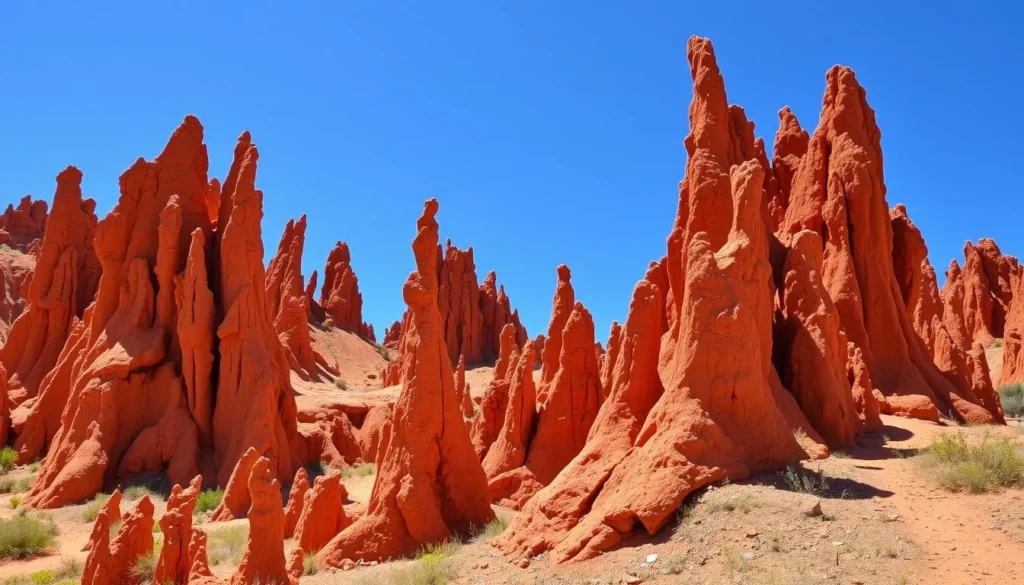
The otherworldly red rock formations of Tsingy Rouge
Tsingy Rouge (Red Tsingy)
Located about 50km south of Antsiranana, these unique red laterite formations have been sculpted by erosion into otherworldly shapes. The vibrant red color contrasts dramatically with the blue sky, creating a landscape that feels almost Martian. Best visited in the morning when the light enhances the rich colors.
Windsor Castle
Despite its English name, this is actually a dramatic rock formation that rises 391 meters above sea level. The hike to the top offers panoramic views of the bay and surrounding landscape. Local guides can lead you through the trail, which takes about an hour to climb.
Ramena Beach
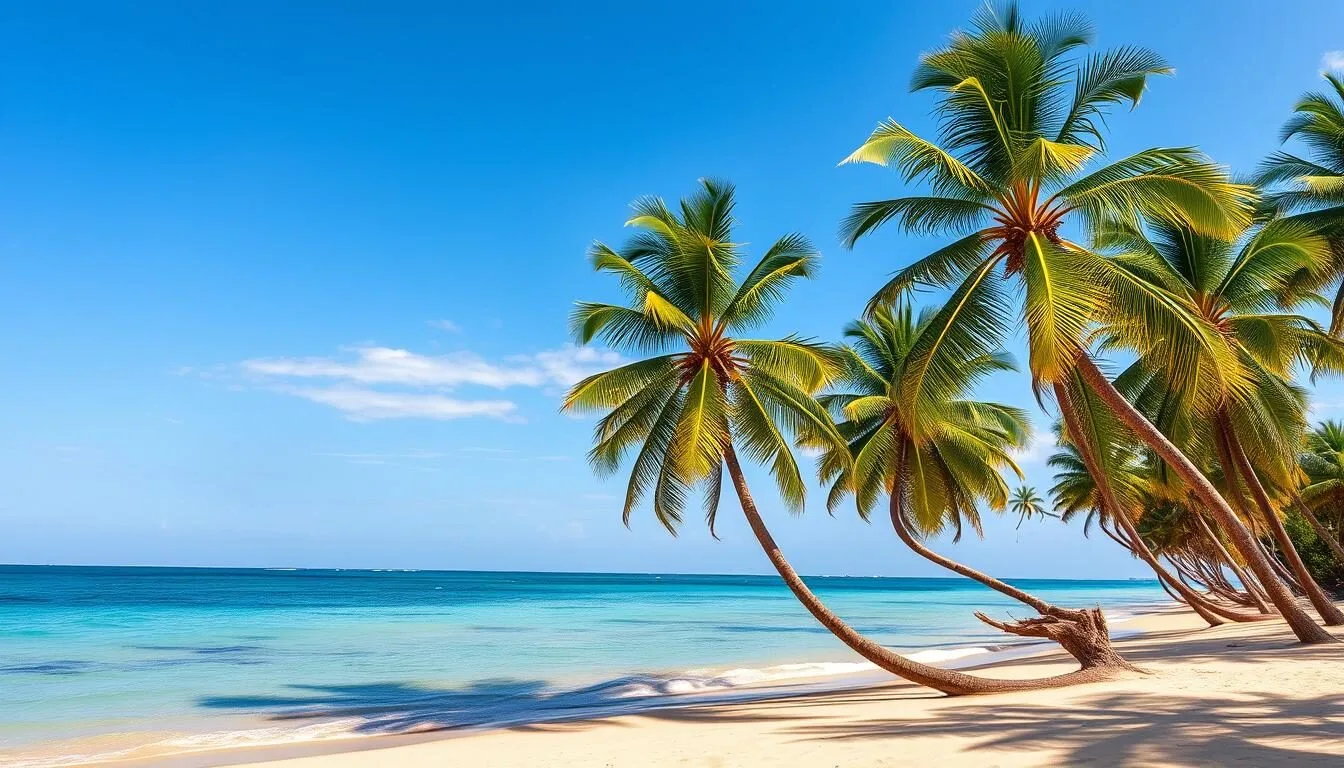
This 3km stretch of white sand beach is located about 20km from Antsiranana and makes for a perfect day trip. The calm, protected waters are ideal for swimming, and beachside restaurants serve fresh seafood under the shade of palm trees.
Museums, Cultural Spots & Festivals
While Antsiranana may not have as many formal museums as larger cities, its rich cultural heritage is evident in its architecture, markets, and local traditions.
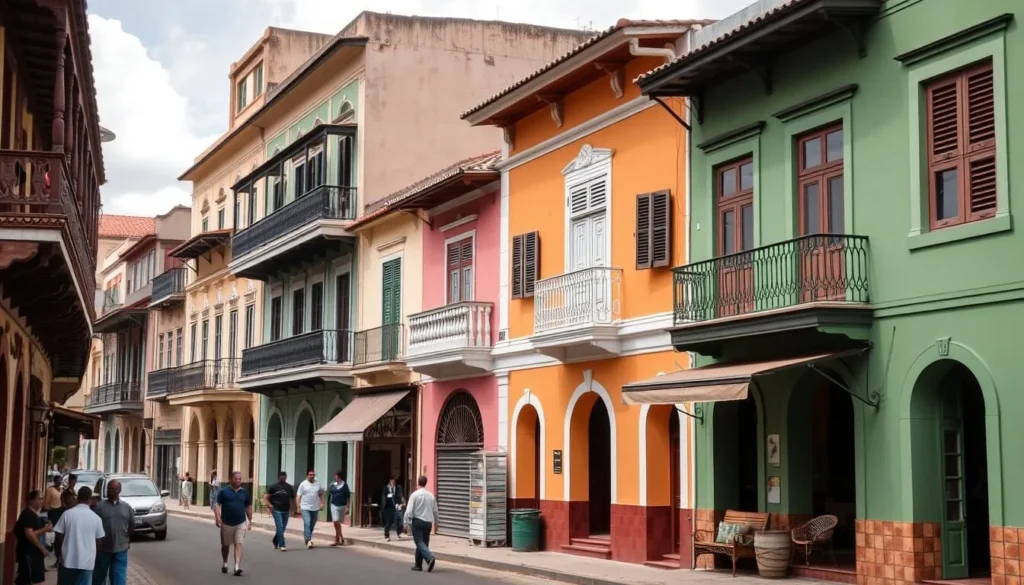
The colorful colonial architecture of downtown Antsiranana reflects its French heritage
Colonial Architecture
Take a walking tour of the city center to admire the French colonial buildings, many dating back to the late 19th and early 20th centuries. Though some are in various states of repair, they provide a fascinating glimpse into the city’s colonial past.
The Great Market (Bazary Be)
This bustling market is the heart of local commerce and culture. Here you’ll find everything from fresh produce and spices to handcrafted souvenirs. It’s an excellent place to observe daily life and interact with friendly local vendors.
Don Bosco Cultural Center
This center showcases traditional Malagasy arts and crafts, with demonstrations of local handicrafts and occasional cultural performances. It’s also a good place to purchase ethically-sourced souvenirs that support local artisans.
Local Festivals
If your visit coincides with Madagascar’s Independence Day (June 26), you’ll witness colorful parades and celebrations throughout the city. The Donia Festival, typically held in May on nearby Nosy Be island, features music and cultural performances that attract visitors from across Madagascar.
Cultural Tip: When visiting markets or interacting with locals, learning a few basic Malagasy phrases will be greatly appreciated. Start with “Manao ahoana” (hello) and “Misaotra” (thank you).
Sports, Nature & Outdoor Experiences
The diverse landscapes around Antsiranana provide the perfect backdrop for outdoor adventures and wildlife encounters. From rainforests to limestone formations, the region offers some of Madagascar’s most spectacular natural attractions.
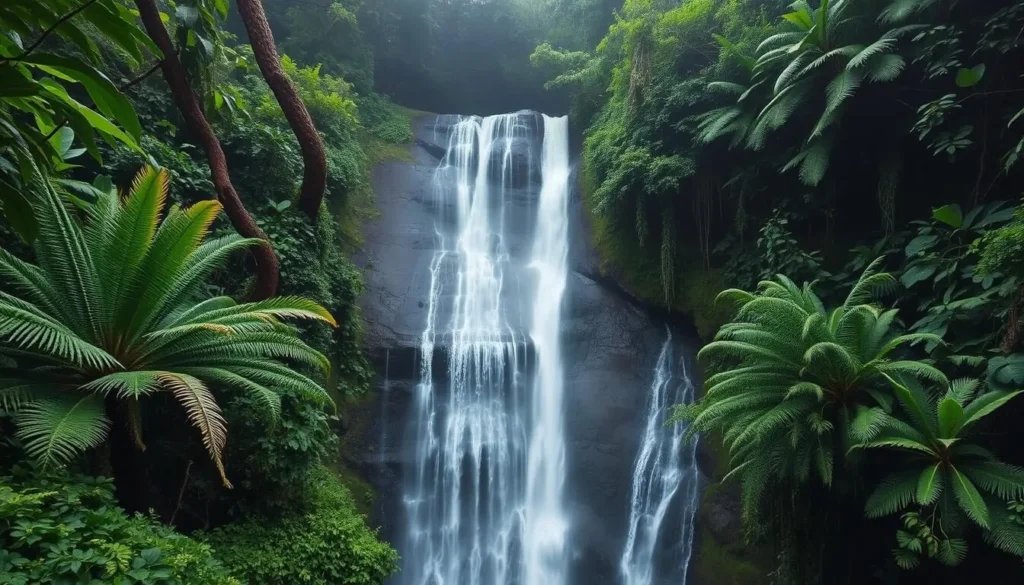
A refreshing waterfall in the lush rainforest of Montagne d’Ambre National Park
Montagne d’Ambre National Park
Just 30km from Antsiranana, this lush rainforest-covered volcanic massif offers a stark contrast to the surrounding dry region. The park is home to seven species of lemurs, including the crowned lemur and Sanford’s brown lemur, as well as numerous chameleon species. Well-maintained trails lead to beautiful waterfalls, volcanic lakes, and spectacular viewpoints. The cooler climate at higher elevations provides a refreshing break from the coastal heat.
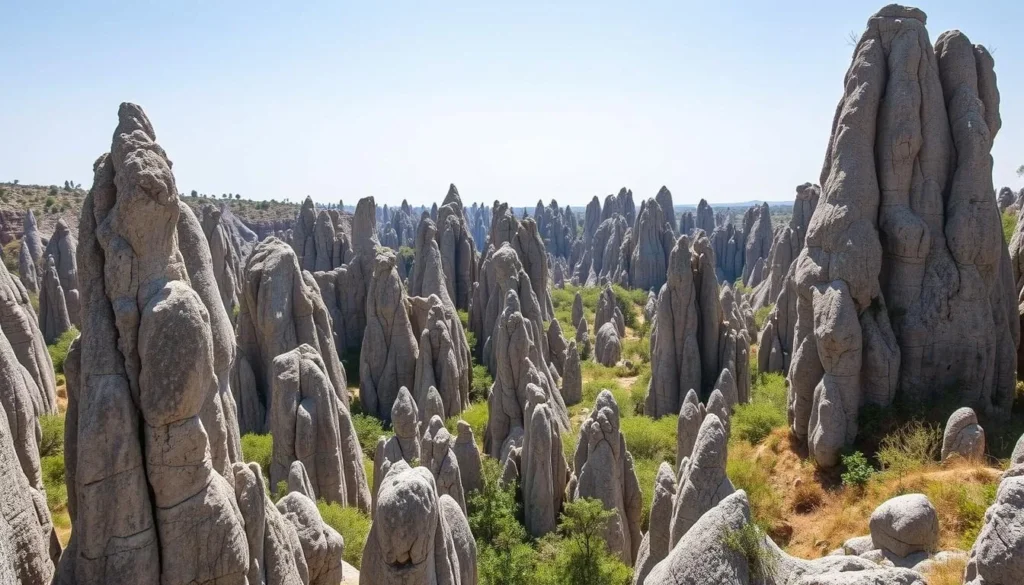
The dramatic limestone tsingy formations of Ankarana Special Reserve
Ankarana Special Reserve
This remarkable protected area, located about 108km southwest of Antsiranana, features some of Madagascar’s most spectacular landscapes. The park is famous for its razor-sharp limestone pinnacles (tsingy), extensive cave systems, suspended bridges, and dry deciduous forests. Wildlife includes the crowned lemur, Sanford’s brown lemur, and numerous bat species inhabiting the caves. The reserve can be explored via several hiking circuits ranging from easy walks to challenging full-day treks.
Water Sports
The protected waters of Antsiranana Bay and the surrounding coast offer excellent conditions for various water sports:
- Kitesurfing and Windsurfing – Sakalava Bay is renowned for its consistent winds, making it one of Madagascar’s premier kitesurfing destinations.
- Snorkeling – The Emerald Sea and Nosy Hara Marine Park offer vibrant coral reefs teeming with colorful fish.
- Diving – Several dive sites around the bay cater to both beginners and experienced divers.
- Fishing – Charter boats offer deep-sea fishing expeditions from Ramena Beach.
Safety, Etiquette & Local Customs
Understanding local customs and taking appropriate safety precautions will enhance your experience in Antsiranana and help you connect more meaningfully with the local culture.
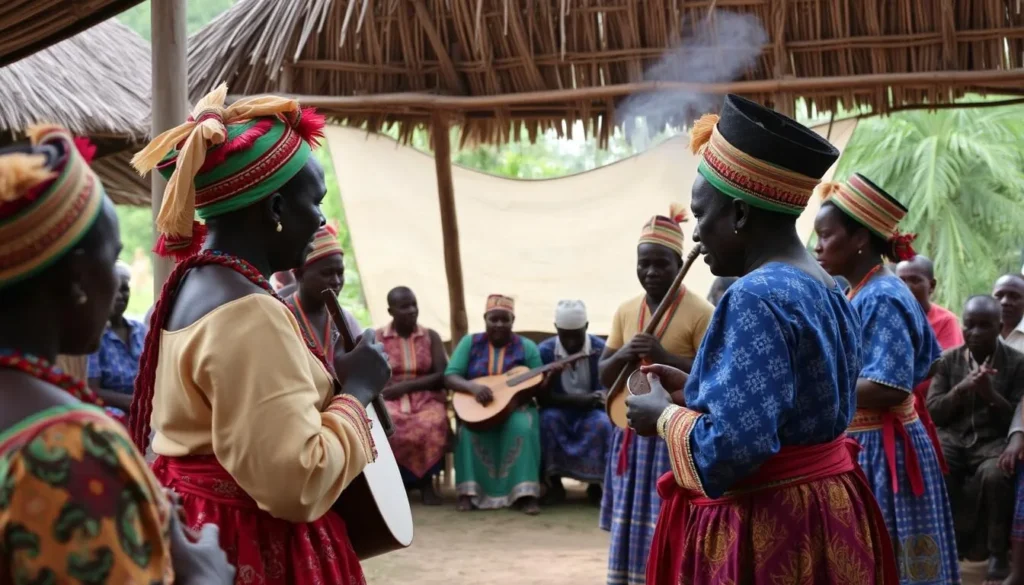
Traditional ceremonies remain an important part of Malagasy culture
Safety Considerations
- Antsiranana is generally safer than larger cities like Antananarivo, but standard travel precautions apply.
- Avoid displaying valuable items like expensive cameras or jewelry, especially in crowded areas.
- It’s advisable not to walk alone at night, particularly in poorly lit areas.
- Keep a copy of your passport and important documents separate from the originals.
- Use hotel safes when available for valuables and excess cash.
Cultural Etiquette
- Fady (Taboos) – Madagascar has many cultural taboos that vary by region. Ask local guides about any specific fady in places you visit.
- Photography – Always ask permission before photographing people, especially in rural villages.
- Dress Code – While casual attire is acceptable in tourist areas, modest dress is appreciated when visiting villages or religious sites.
- Greetings – Handshakes are common, though they tend to be softer than in Western countries. Learning basic Malagasy greetings shows respect.
Local Customs
Malagasy culture places great importance on respect for elders and ancestors. You may notice small offerings or ceremonial sites that hold spiritual significance. The concept of “mora mora” (slowly-slowly) reflects the relaxed pace of life – embracing this mindset will help you adjust to the sometimes slower service and different concept of time.
Cultural Insight: The Malagasy people have a complex relationship with their ancestors, who are believed to remain involved in daily life. Sacred sites and ceremonies related to ancestor veneration are treated with great respect.
Practical Travel Tips
These essential tips will help you navigate the practical aspects of traveling in Antsiranana and northern Madagascar.
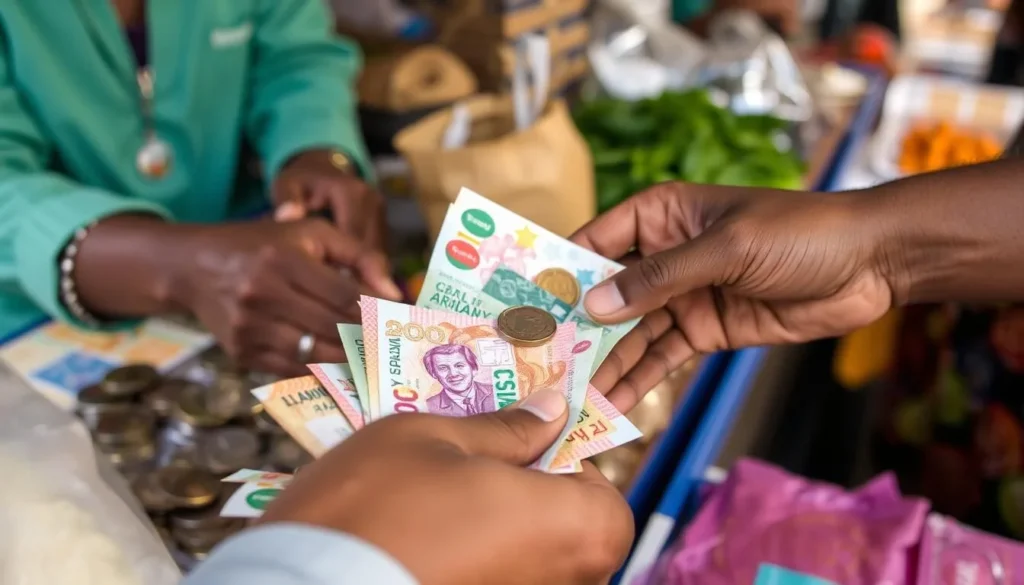
Madagascar is primarily a cash-based economy, especially in smaller cities like Antsiranana
Money & Payments
- The local currency is the Malagasy Ariary (MGA).
- Cash is king – credit cards are rarely accepted outside major hotels.
- ATMs are available in Antsiranana but can be unreliable, so bring enough cash.
- Exchange money at banks or official exchange offices for the best rates.
- Small denominations are useful for markets and small purchases.
Communication
- Purchase a local SIM card for affordable data and calls (Telma, Orange, and Airtel are major providers).
- Wi-Fi is limited and often slow when available.
- French is widely spoken alongside Malagasy; English is less common but found in tourist establishments.
- Download offline maps and translation apps before your trip.
Health & Wellness
- Consult a travel doctor about malaria prophylaxis before your trip.
- Bring a basic medical kit with essentials like pain relievers, anti-diarrheal medication, and bandages.
- Drink only bottled or purified water.
- Use sunscreen and insect repellent, especially when visiting national parks.
- Medical facilities are limited – comprehensive travel insurance is essential.
Packing Essentials
- Lightweight, breathable clothing for hot coastal areas.
- A light jacket or sweater for cooler evenings or visits to Montagne d’Ambre.
- Sturdy walking shoes for hiking in national parks.
- Hat, sunglasses, and high-SPF sunscreen.
- Flashlight or headlamp (power outages are common).
- Biodegradable wet wipes and hand sanitizer.
Embrace the Adventure in Antsiranana
Antsiranana (Diego Suarez) represents Madagascar at its most authentic – a place where dramatic landscapes meet vibrant culture, far from the well-trodden tourist paths. From the otherworldly formations of Tsingy Rouge to the pristine waters of the Emerald Sea, from lush rainforests to colonial architecture, this northern gem rewards travelers willing to venture beyond the ordinary.
As you plan your journey to this remarkable destination, remember that the challenges of traveling in Madagascar – the occasional power outage, the bumpy roads, the relaxed pace of service – are all part of what makes the experience so genuine and memorable. Embrace the “mora mora” philosophy, connect with the warm-hearted local people, and prepare to be amazed by the natural wonders that make Antsiranana one of Madagascar’s most captivating regions.
Related Posts
Zombitse-Vohibasia National Park, Madagascar: Best Things to Do – Top Picks
Zahamena National Park, Madagascar: Best Things to Do – Top Picks
Vangaindrano, Madagascar: Best Things to Do – Top Picks
Toamasina, Madagascar: Best Things to Do – Top Picks
Toliara, Madagascar: Best Things to Do – Top Picks

Tsiroanomandidy, Madagascar: Best Things to Do – Top Picks
Coming Soon: Clickable Maps