

Did you know that Farafangana is one of Madagascar’s last authentic coastal frontiers where three distinct ethnic groups—the Antefasy, Zafizoro, and Rabakara—have preserved their traditional ways of life for centuries? This hidden gem on Madagascar’s southeastern coast offers travelers a rare glimpse into untouched Madagascar, far from the typical tourist trail. With its colonial architecture, vibrant markets, and gateway access to pristine reserves like Manombo, Farafangana rewards adventurous travelers with experiences few visitors to Madagascar ever discover.
Getting There & Planning Your Journey
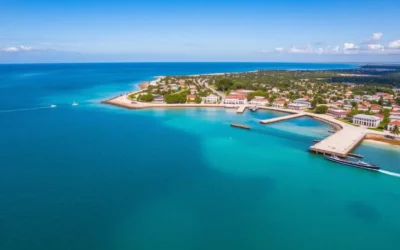
Farafangana’s picturesque coastline with traditional fishing boats
Reaching Farafangana requires some planning, as it’s located approximately 400 km southeast of Antananarivo, Madagascar’s capital. The most convenient way to reach this coastal town is by domestic flight to Farafangana Airport, which receives limited service from the capital. well in advance as schedules can be limited.
Alternatively, you can travel by road from Antananarivo or Fianarantsoa, though be prepared for a long journey on variable road conditions. The RN12 highway connects Farafangana to other coastal towns like Manakara (about 100 km north).
Best Time to Visit & Weather Tips

Farafangana’s beautiful beaches during the dry season
The ideal time to visit Farafangana is during the dry season from April to November. During these months, you’ll experience pleasant temperatures averaging 20-25°C (68-77°F) and minimal rainfall, making it perfect for exploring the town and surrounding natural attractions.
The rainy season from December to March brings heavy rainfall and occasional cyclones to Madagascar’s east coast. While the lush landscapes are beautiful during this time, some roads may become impassable, and outdoor activities can be limited.
Travel Tip: May to October offers the most reliable weather for exploring Farafangana and the nearby Manombo Special Reserve, with comfortable temperatures and clear skies perfect for photography.
Getting Around Locally
Navigating Farafangana and its surroundings is best done through a combination of transportation methods. Within the town, walking is feasible as most attractions are within a reasonable distance. For longer journeys, consider these options:
Local Transport
Pousse-pousse (rickshaws) are abundant in Farafangana and provide an affordable way to get around town. Taxi-brousses (shared minivans) connect Farafangana to nearby villages and attractions, though they operate on flexible schedules.
Private Transport
For maximum flexibility, especially when visiting the Manombo Special Reserve or exploring the coastline, is highly recommended. Local guides can also arrange transportation for day trips.
Where to Stay

Beachfront accommodations blend traditional Malagasy architecture with modern comforts
Accommodation options in Farafangana are limited but authentic, offering a glimpse into local life rather than luxury. Most lodging falls into these categories:
- Basic Hotels: Several modest hotels in the town center offer clean rooms with essential amenities. Prices typically range from $20-40 USD per night.
- Guesthouses: Family-run guesthouses provide a more personal experience with opportunities to connect with locals and enjoy home-cooked Malagasy cuisine.
- Coastal Bungalows: A few simple bungalow operations along the coast offer beachfront accommodations with stunning views of the Indian Ocean.
Accommodation Tip: Book your stay in advance, especially during the high season (July-August), as options are limited. Most accommodations may not be listed on international booking platforms, so consider contacting them directly.
Dining & Local Cuisine

Traditional Malagasy cuisine featuring fresh seafood and local spices
Farafangana’s culinary scene reflects its coastal location and agricultural surroundings. Fresh seafood, tropical fruits, and rice form the foundation of most meals. Here’s what to expect:
Local Specialties
Don’t miss trying romazava (meat and greens stew), fresh crab prepared with local spices, and koba (a sweet rice cake wrapped in banana leaves). The region is also known for its excellent coffee, cloves, and vanilla, which feature prominently in local dishes.
Where to Eat
Small restaurants and food stalls around the central market offer authentic Malagasy cuisine at affordable prices. Hotel restaurants provide reliable meals, while the morning market is perfect for sampling fresh tropical fruits and street food specialties.
Foodie Tip: Visit Farafangana’s vibrant morning market to sample local delicacies and purchase fresh tropical fruits like lychees, mangoes, and jackfruit when in season.
Attractions, Sightseeing & Activities

The Manombo Special Reserve is home to endangered lemur species
Natural Wonders
Manombo Special Reserve
Located 25km from Farafangana, this 5,320-hectare reserve is a biodiversity hotspot protecting rare lemur species, including the critically endangered white-collared brown lemur and black-and-white ruffed lemur. The reserve features both rainforest and marshland habitats, making it excellent for wildlife spotting and bird watching.
Guided tours are essential and can be arranged through local guides or your accommodation. The best time to visit is early morning when wildlife is most active.
Rianambo Waterfall
This hidden gem offers a refreshing swimming spot surrounded by lush vegetation. Reaching the waterfall requires a guided hike through beautiful landscapes, making the journey as rewarding as the destination itself.
Cultural Experiences

Farafangana’s vibrant markets offer a glimpse into local life and culture
Central Market
Farafangana’s bustling market is the heart of local commerce and culture. Here, you can browse stalls selling everything from fresh produce and seafood to handcrafted items and textiles. The market is particularly known for its spices, coffee, and vanilla—all important exports from the region.
Visit in the morning for the freshest selection and to observe locals going about their daily routines. This is also an excellent place to purchase souvenirs that directly support the local economy.
Colonial Architecture
Take a walking tour through Farafangana to admire the remaining French colonial buildings that hint at the town’s historical importance. The Catholic church, administrative buildings, and some private residences showcase architectural styles from the early 20th century.
Explore Farafangana’s location and key attractions
Museums, Cultural Spots & Festivals

Traditional cultural celebrations showcase Farafangana’s rich heritage
While Farafangana doesn’t have formal museums, its cultural heritage is preserved through living traditions and community events:
- Local Festivals: If your visit coincides with a traditional ceremony or celebration, you may witness vibrant displays of music, dance, and cultural practices unique to the Antefasy, Zafizoro, and Rabakara ethnic groups.
- Artisan Workshops: Seek out local craftspeople who create traditional textiles, woodcarvings, and basketry. Many are happy to demonstrate their techniques and share the cultural significance of their work.
- Community Tourism: Some villages near Farafangana offer community-based tourism experiences where visitors can learn about traditional farming practices, fishing techniques, and daily life.
Cultural Tip: Always ask permission before photographing people or cultural ceremonies. Showing respect for local customs will enhance your experience and create meaningful cultural exchanges.
Sports, Nature & Outdoor Experiences

Exploring the Takoandra River by traditional canoe offers unique wildlife viewing opportunities
Farafangana’s natural surroundings provide numerous opportunities for outdoor adventures:
River Excursions
The Takoandra and Manatsimba rivers offer excellent canoeing experiences. Local guides can take you on trips ranging from a few hours to full-day excursions, where you might spot crocodiles, water birds, and unique riverside vegetation.
Beach Activities
Farafangana’s coastline features several secluded beaches perfect for relaxation. While swimming conditions vary due to currents, the beaches offer beautiful settings for picnics and sunset viewing. The Takoandra beach is particularly recommended for its natural swimming pool.
Hiking & Trekking
The surrounding forests and hills provide excellent hiking opportunities. Trails range from easy walks to more challenging treks, all offering chances to spot wildlife and enjoy panoramic views. Always hire a local guide who can enhance your experience with knowledge about local flora, fauna, and cultural significance.

Farafangana’s unspoiled beaches offer peaceful retreats away from crowds
Safety, Etiquette & Local Customs

Understanding local customs enhances cultural interactions in Farafangana
Safety Considerations
Farafangana is generally safe for travelers, but standard precautions apply. Avoid displaying valuables, use reliable transportation, and don’t walk alone at night. Healthcare facilities are limited, so bring a comprehensive first-aid kit and any necessary medications.
During the rainy season (December-March), monitor weather forecasts as cyclones can affect the region.
Cultural Etiquette
Respect for local customs goes a long way in Farafangana. Dress modestly, especially when visiting villages or attending cultural events. Always ask permission before taking photographs of people or sacred sites.
Learning a few basic Malagasy phrases will be greatly appreciated by locals and can enhance your interactions.
Cultural Note: In Madagascar, many places have “fady” (taboos) that visitors should respect. These vary by region, so ask your guide about any local customs or restrictions.
Practical Travel Tips

A local guide can enhance your Farafangana experience with insider knowledge
- Money: Cash is king in Farafangana. There are limited ATM facilities, so bring sufficient Malagasy Ariary. Major currencies like Euros or US Dollars can be exchanged at banks in town.
- Communication: Mobile coverage is available but can be spotty. Consider purchasing a local SIM card in larger cities before arriving in Farafangana.
- Electricity: Power outages are common. Bring a portable charger and flashlight.
- Language: While French is widely spoken in tourist areas, Malagasy is the primary language. Learning a few basic phrases will be appreciated.
- Guides: Hiring a local guide is highly recommended for exploring natural attractions and gaining cultural insights.
Important: Madagascar’s biodiversity is under threat. Support conservation by respecting wildlife, staying on designated trails, and never purchasing products made from endangered species.
Conclusion
Farafangana offers adventurous travelers a genuine glimpse into Madagascar’s diverse cultural heritage and natural beauty. From exploring the biodiversity-rich Manombo Special Reserve to immersing yourself in local markets and traditions, this off-the-beaten-path destination rewards those willing to venture beyond the typical tourist circuit.
While facilities may be basic compared to more developed destinations, the authentic experiences and warm hospitality of the local people make Farafangana a truly memorable addition to any Madagascar itinerary. By approaching your visit with an open mind and respect for local customs, you’ll discover the rich tapestry of experiences that make this coastal town a hidden gem worth exploring.
The above is subject to change.
Check back often to TRAVEL.COM for the latest travel tips and deals.


0 Comments