Hotels by Trip.com
Flights by Trip.com
Despite its ominous name, Hell-Ville on Madagascar’s island of Nosy Be has nothing to do with the underworld. This charming port town was actually named after French Admiral Anne Chrétien Louis de Hell, who served as governor of nearby Réunion Island in the 1840s. Today, this vibrant coastal hub serves as the gateway to Madagascar’s premier beach destination, where vanilla-scented air mingles with sea breezes and lemurs frolic in nearby forests.
Getting There & Planning Your Journey
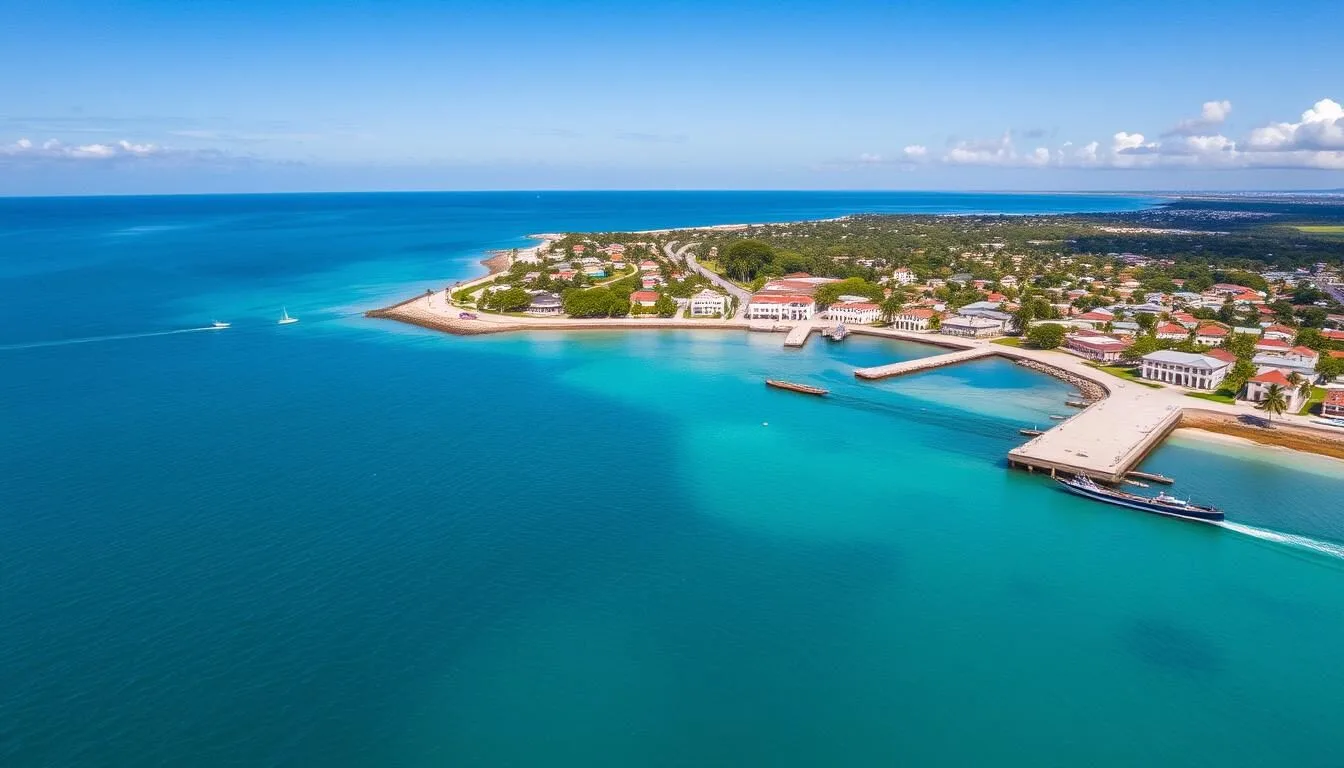
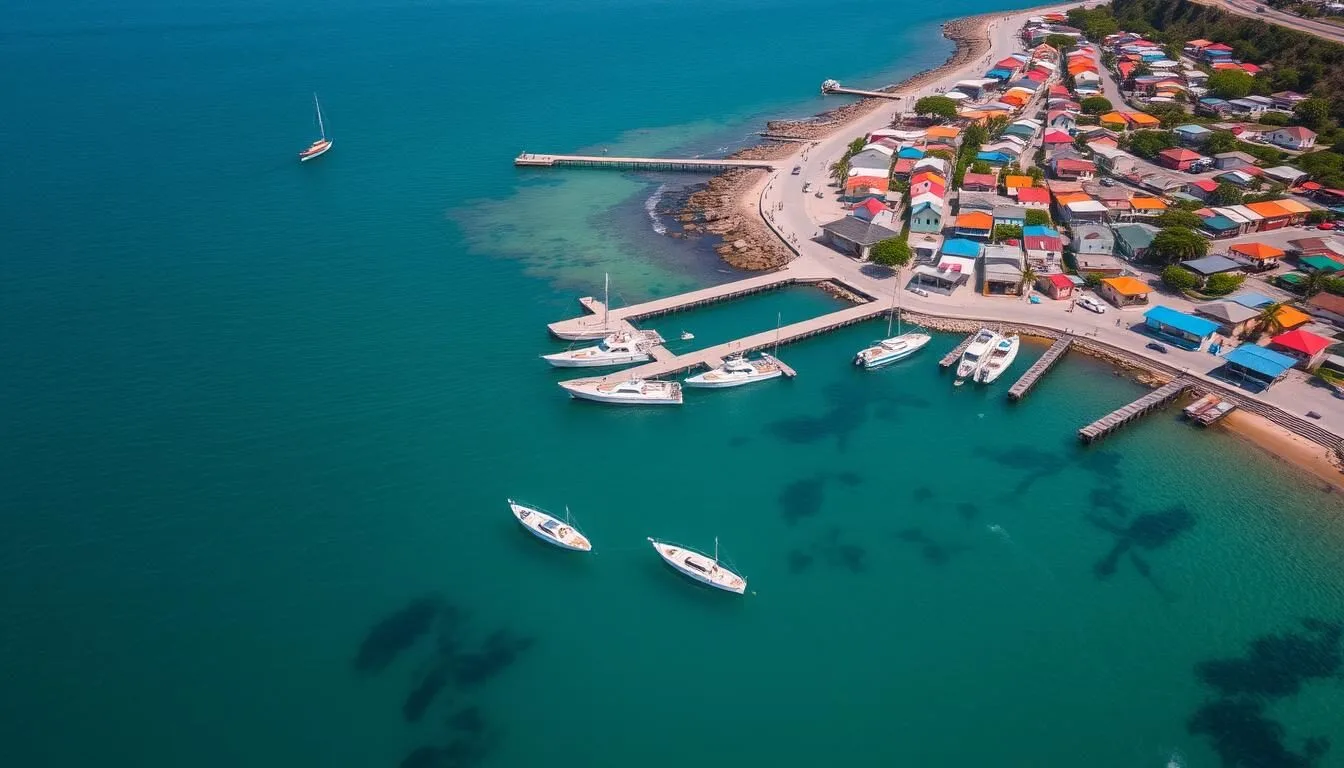
The bustling port of Hell-Ville welcomes visitors from around the world
Reaching this tropical paradise requires some planning. Most international travelers arrive via Fascene Airport (NOS) on Nosy Be island, which receives flights from major hubs including Johannesburg, Addis Ababa, and Antananarivo (Madagascar’s capital). The airport is approximately 20 km from Hell-Ville town center.
For the most competitive airfares, consider booking 2-3 months in advance, especially during high season. Many travelers find that combining flights to Madagascar with a broader Indian Ocean itinerary offers better value.
Upon arrival at Fascene Airport, you’ll need to arrange transportation to Hell-Ville. Taxis are readily available, with fares typically ranging from 25,000-40,000 Ariary (approximately $6-10 USD). Always negotiate the price before departing.
If arriving by sea, Hell-Ville serves as a port of entry for Madagascar, with customs and immigration facilities available. Yachts and cruise ships dock regularly at the main port, making it a popular stop for Indian Ocean sailing itineraries.
Best Time to Visit Hell-Ville (Nosy Be)
Nosy Be enjoys a tropical climate with distinct wet and dry seasons. The best time to visit is during the dry season from April to November, when temperatures hover between 22-28°C (72-82°F) and rainfall is minimal. This period offers ideal conditions for beach activities, wildlife viewing, and outdoor exploration.
| Season | Months | Temperature | Rainfall | Recommendation |
| Dry Season (Peak) | June – September | 22-26°C (72-79°F) | Minimal | Highly Recommended |
| Shoulder Season | April-May, October-November | 24-28°C (75-82°F) | Occasional showers | Recommended |
| Wet Season | December – March | 26-32°C (79-90°F) | Heavy, cyclone risk | Not recommended |
The wet season (December to March) brings higher humidity, frequent heavy rainfall, and the risk of cyclones. During this period, some accommodations and tour operators may close or offer limited services. If you do visit during the wet season, plan for indoor activities during afternoon downpours and be prepared for potential transportation disruptions.
Traveler Tip: June to September offers the best whale-watching opportunities as humpback whales migrate through the waters around Nosy Be. This coincides with peak tourist season, so book accommodations well in advance if visiting during this period.
Getting Around Locally
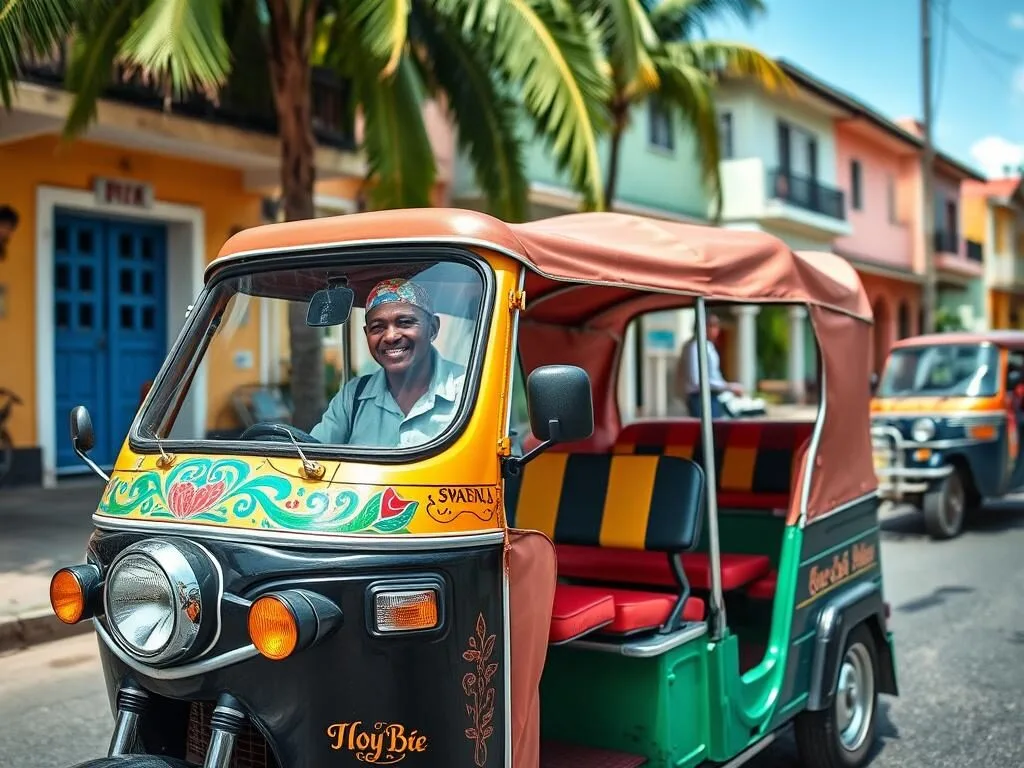
Navigating Hell-Ville and the broader Nosy Be island is relatively straightforward, with several transportation options available:
- Tuk-tuks: These three-wheeled taxis are abundant in Hell-Ville and provide an affordable way to explore the town. A typical ride within Hell-Ville costs 5,000-10,000 Ariary ($1.25-2.50).
- Taxi-brousses: These shared minivans operate on set routes around the island. They’re extremely economical but can be crowded and follow no fixed schedule.
- Rental scooters/motorcycles: Available from several operators in Hell-Ville, rentals typically cost 80,000-120,000 Ariary ($20-30) per day. A valid international driver’s license is required.
- Rental cars: For maximum flexibility, rental cars are available but relatively expensive at $40-60 per day. Roads can be challenging, particularly during the rainy season.
- Boats: To visit nearby islands like Nosy Komba or Nosy Tanikely, hire boats from the main port in Hell-Ville. Negotiate rates before departure.
Map of Hell-Ville showing key attractions and landmarks
✓ Check 30,000+ Local Sightseeing Tours Worldwide
Where to Stay
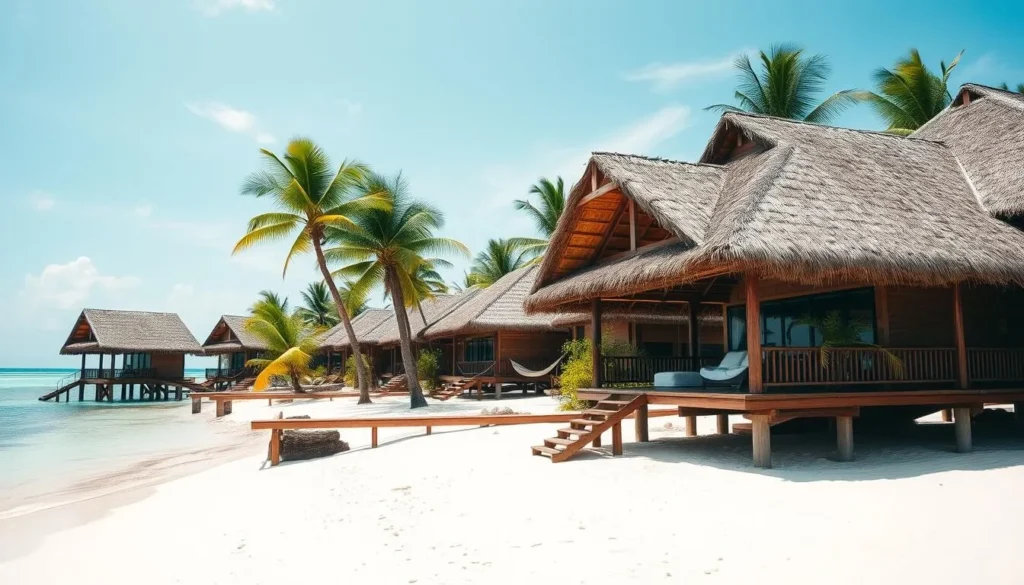
Hell-Ville offers a range of accommodation options, from budget guesthouses to luxury beachfront resorts. Most high-end properties are located outside the town center on nearby beaches, while budget and mid-range options can be found within Hell-Ville itself.
Budget Options
For travelers on a tight budget, guesthouses in Hell-Ville offer rooms from 60,000-120,000 Ariary ($15-30) per night. Many include basic breakfast and have shared bathroom facilities. La Case en Falafa and Hôtel de la Poste are popular choices near the town center.
Mid-Range Options
Mid-range accommodations typically cost 200,000-400,000 Ariary ($50-100) per night and offer private bathrooms, air conditioning, and sometimes a pool. Hotel Chanty Beach and Vanila Hotel & Spa provide good value with ocean views.
Luxury Options
Luxury resorts like Ravintsara Wellness Hotel and Andilana Beach Resort offer all-inclusive packages starting from $150 per night. These properties feature private beaches, multiple restaurants, and extensive activity programs.
Booking Tip: During peak season (June-September), accommodations fill quickly. Book at least 2-3 months in advance to secure your preferred option. Many properties offer significant discounts for stays of a week or longer.
Dining & Local Cuisine
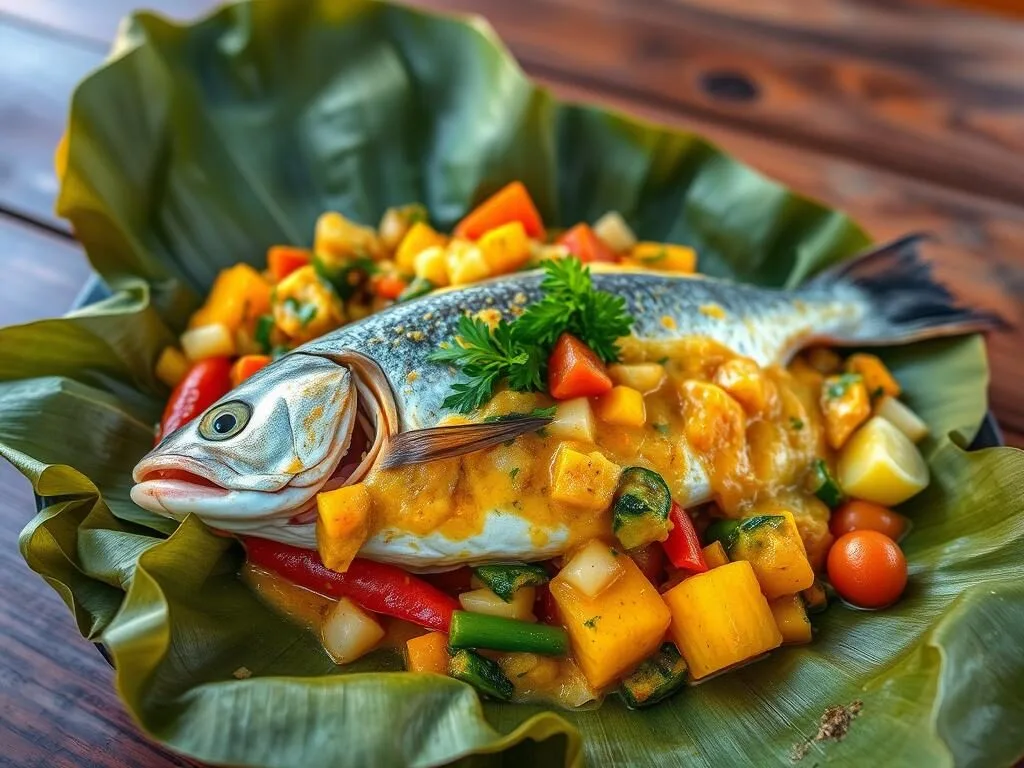
Hell-Ville’s culinary scene reflects Madagascar’s diverse cultural influences, with French, African, and Asian flavors blending harmoniously. Seafood naturally dominates local menus, with freshly caught fish, prawns, and lobster featured prominently.
Must-Try Local Dishes
- Romazava: Madagascar’s national dish, a hearty stew made with beef, pork, or seafood and mixed greens.
- Coconut Crab: A local delicacy, often prepared with vanilla sauce (a Nosy Be specialty).
- Koba: A sweet dessert made from ground peanuts, rice flour, and banana, wrapped in banana leaves.
- Ravitoto: Cassava leaves pounded with pork and coconut milk.
- Mofo Gasy: Sweet rice flour pancakes, often served for breakfast.
Recommended Restaurants
In Hell-Ville
- Le Papillon: French-Malagasy fusion with excellent seafood. Mid-range pricing.
- Chez Loulou: Local favorite serving authentic Malagasy dishes at budget-friendly prices.
- La Terrasse: Rooftop restaurant with panoramic views and international menu.
Beach Restaurants
- L’Heure Bleue: Upscale beachfront dining with fresh seafood and sunset views.
- Chez Nono: Casual beach shack serving grilled fish and cold drinks.
- Vanilla Beach: Italian-influenced menu with wood-fired pizzas and homemade pasta.
Dining Tip: Many restaurants in Hell-Ville close between 2-6pm. Plan your meals accordingly or head to hotel restaurants which typically serve food throughout the day.
Attractions, Sightseeing & Activities
Mahatsingo Sacred Tree
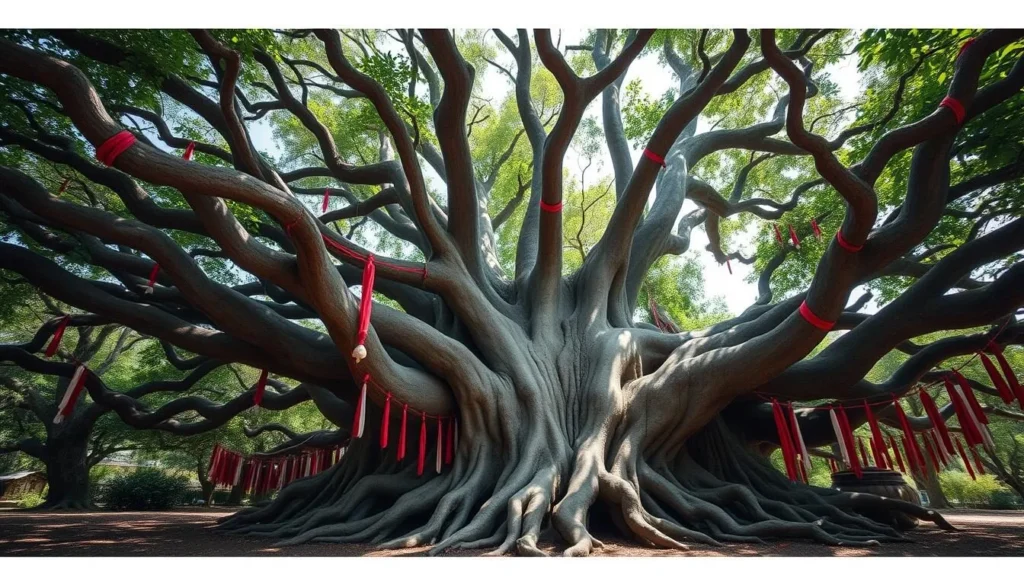
One of Hell-Ville’s most fascinating attractions is the Mahatsingo Sacred Tree (Arbre Sacré), a sprawling 200-year-old banyan fig tree believed by the local Sakalava tribe to house ancestral spirits. Visitors are welcome to explore this spiritual site for a small fee, though certain protocols must be observed: removing shoes, wearing traditional cloth wraps provided at the entrance, and entering right foot first as a sign of respect.
The tree is draped with red and white cloths symbolizing gold and silver, and locals regularly bring offerings. A small museum nearby displays historical photographs and artifacts related to the tree and local culture.
Colonial Architecture
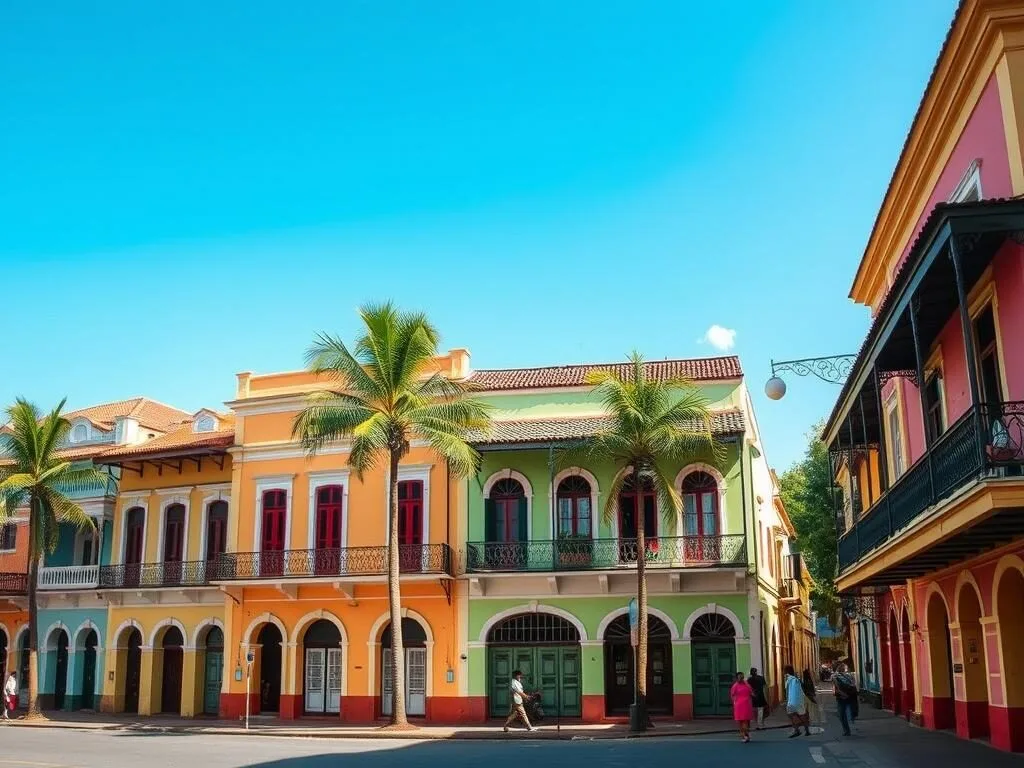
Hell-Ville’s town center preserves numerous examples of colonial architecture dating from the French period. The Governor’s Residence, old customs house, and several administrative buildings showcase distinctive features including wide verandas, shuttered windows, and ornate balconies. A self-guided walking tour of these historical structures offers insight into Madagascar’s colonial past.
Hell-Ville Market
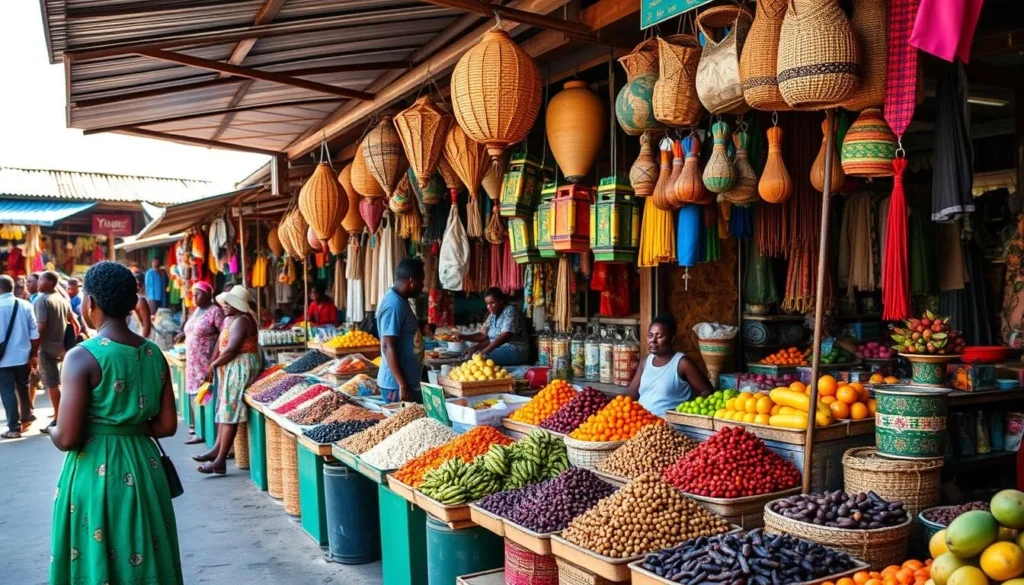
The covered market in Hell-Ville offers a sensory immersion into local life. Stalls overflow with tropical fruits, freshly caught seafood, aromatic spices (particularly vanilla, for which Nosy Be is famous), and handcrafted items. The market is busiest in the morning hours and provides excellent photography opportunities as well as the chance to purchase authentic souvenirs.
Cultural Spots & Festivals
Donia Music Festival
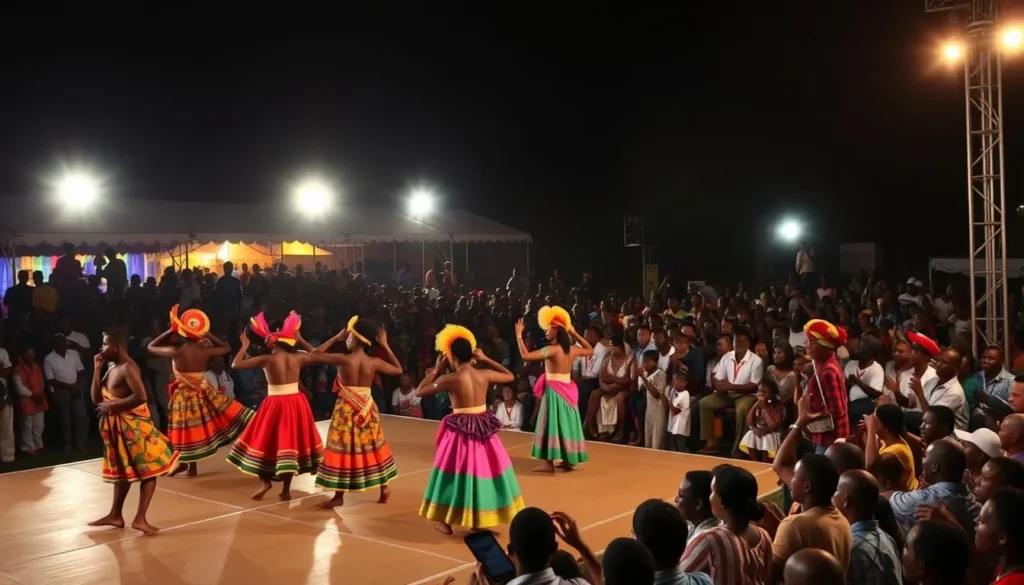
If your visit coincides with late May or early June, don’t miss the Donia Music Festival, Hell-Ville’s largest cultural event. This week-long celebration features musicians and performers from Madagascar and neighboring Indian Ocean islands, including Réunion, Mauritius, and Comoros. The festival transforms Hell-Ville into a vibrant hub of music, dance, and cultural exchange.
Russian Monument
An unexpected historical site in Hell-Ville is the monument commemorating Russian sailors who perished when Japanese forces sank their ships offshore during the Russo-Japanese War of 1904-1905. This little-known historical episode is preserved through this memorial in the town center.
Independence Monument
The monument celebrating Madagascar’s independence from France (achieved in 1960) serves as a focal point for national celebrations, particularly Independence Day on June 26th. The area around the monument often hosts cultural performances and ceremonies during important holidays.
Nature & Outdoor Experiences
Lokobe National Park
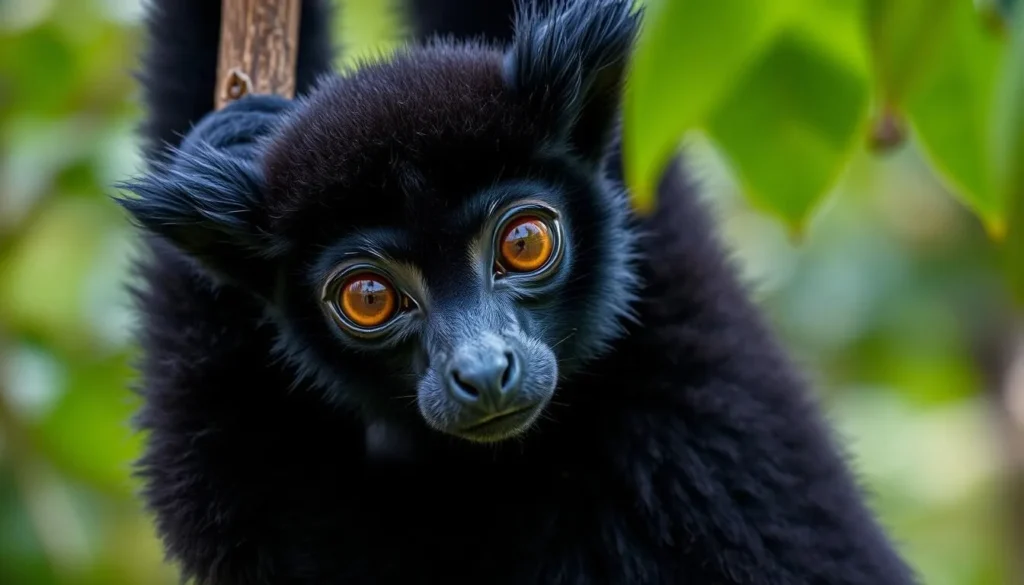
Just a short boat ride from Hell-Ville lies Lokobe National Park, a pristine rainforest reserve home to numerous endemic species. Guided tours offer the chance to spot black lemurs, panther chameleons, Madagascar tree boas, and a variety of rare birds. The park’s biodiversity makes it a must-visit for nature enthusiasts.
Nosy Tanikely Marine Reserve
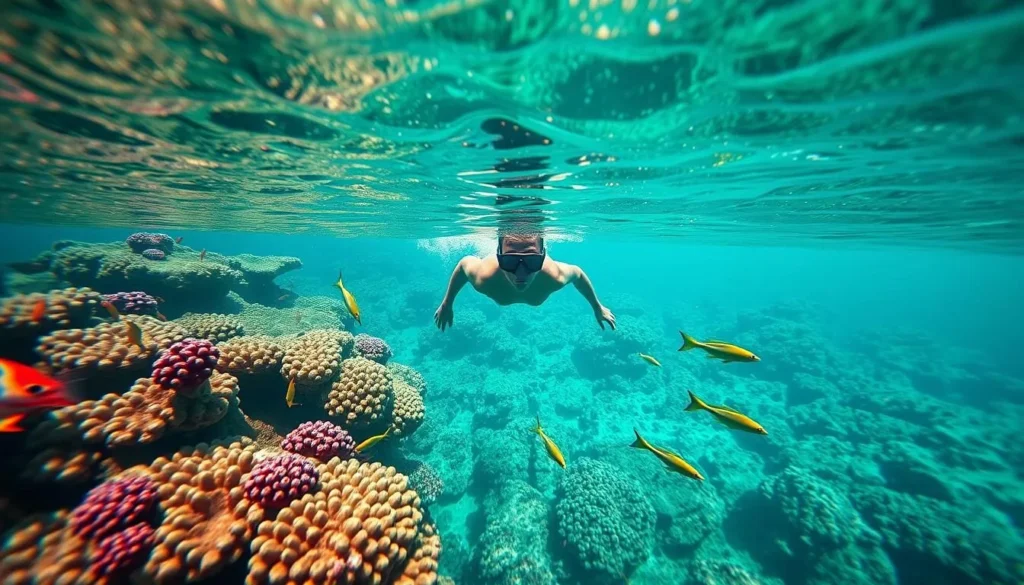
Often described as an underwater paradise, Nosy Tanikely Marine Reserve offers some of Madagascar’s best snorkeling and diving opportunities. The protected waters teem with colorful coral formations and diverse marine life, including sea turtles, rays, and hundreds of fish species. Day trips from Hell-Ville include boat transportation, snorkeling equipment, and often a beach picnic lunch.
Mont Passot
For panoramic views of Nosy Be and surrounding islands, head to Mont Passot, the island’s highest point at 329 m (1,079 ft). The summit is accessible by car or scooter and offers spectacular sunset vistas across volcanic crater lakes and the Indian Ocean beyond.
Safety, Etiquette & Local Customs
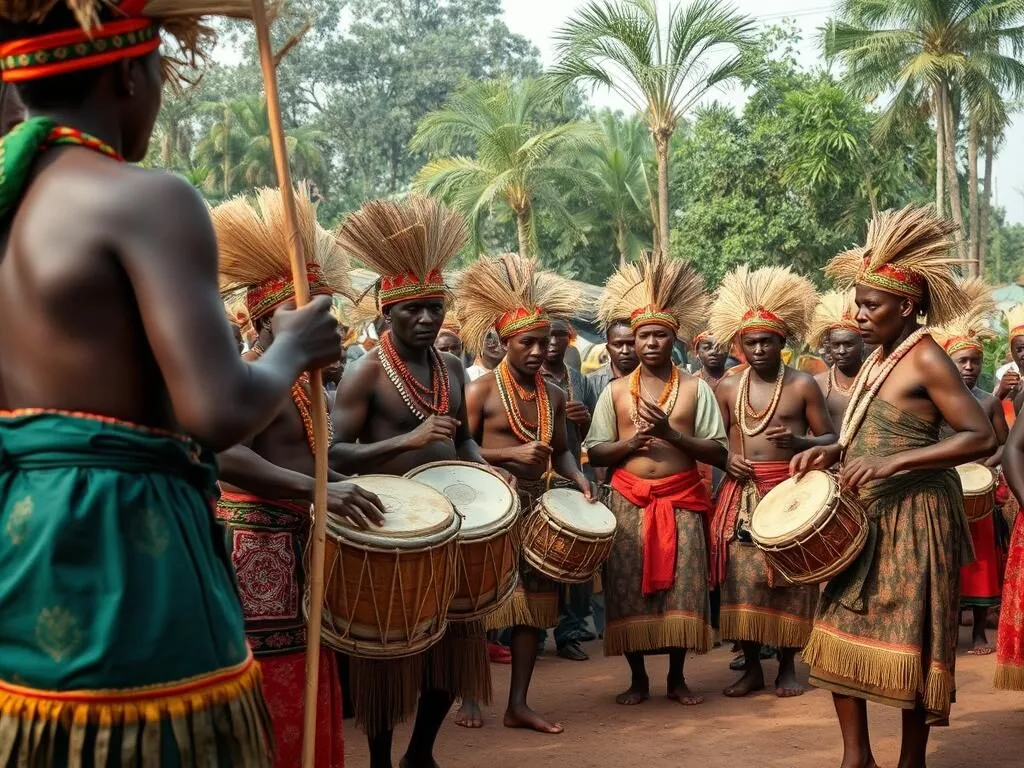
Hell-Ville and Nosy Be are generally considered safer than mainland Madagascar, but standard travel precautions should still be observed. Avoid displaying valuable items, use hotel safes when available, and be cautious when withdrawing money from ATMs.
Cultural Etiquette
- Ask permission before photographing people, especially during ceremonies.
- Remove shoes when entering homes or sacred sites.
- Dress modestly when visiting villages or religious places (shoulders and knees covered).
- Learn basic Malagasy greetings: “Salama” (hello) and “Misaotra” (thank you).
- When invited to a meal, it’s polite to leave a small amount of food on your plate to show you’ve had enough.
Local Taboos (Fady)
- Madagascar has numerous cultural taboos called “fady” that vary by region.
- In some areas, pointing with your finger is considered rude.
- Avoid whistling at night (believed to attract spirits).
- Some areas prohibit eating certain foods or visiting specific locations.
- Follow your guide’s advice regarding local customs and restrictions.
Health Tip: Malaria is present in Madagascar. Consult your doctor about antimalarial medication before travel, use insect repellent, and sleep under mosquito nets. Drink only bottled or purified water.
Practical Travel Tips
Currency & Money
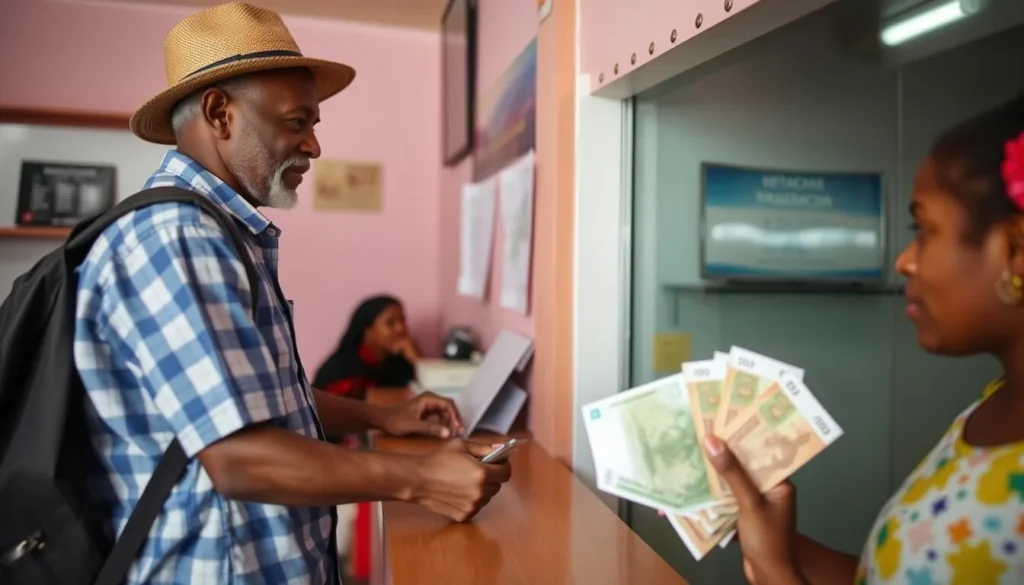
The local currency is the Malagasy Ariary (MGA). ATMs are available in Hell-Ville but may not always be reliable, so bring some cash (Euros or US Dollars) to exchange. Credit cards are accepted at higher-end hotels and restaurants but rarely in smaller establishments or markets.
Language
Malagasy and French are the official languages. English is spoken in tourist areas but learning a few basic Malagasy or French phrases will enhance your experience and is appreciated by locals.
Electricity
Madagascar uses 220V with European-style round two-pin plugs (Type C and E). Power outages are common, so a portable power bank is recommended.
Internet & Communication
WiFi is available at most hotels but can be slow and unreliable. For better connectivity, purchase a local SIM card from providers like Telma or Orange, available at the airport or in Hell-Ville.
Tipping
Tipping is not mandatory but appreciated for good service. In restaurants, 5-10% is appropriate if a service charge isn’t included. Tour guides typically expect 10,000-20,000 Ariary ($2.50-5) per day.
Ready for Your Hell-Ville Adventure?
From its intriguing colonial history to its vibrant markets and proximity to natural wonders, Hell-Ville offers a fascinating gateway to the treasures of Nosy Be island. Whether you’re seeking cultural immersion, wildlife encounters, or simply relaxation on pristine beaches, this charming port town provides the perfect base for your Madagascar adventure.
The blend of French colonial influence, traditional Malagasy culture, and natural beauty creates an experience unlike any other destination in the Indian Ocean. As you plan your journey to this tropical paradise, remember that the warm Malagasy welcome—”Tonga Soa”—awaits you in Hell-Ville.