

Home to 11 species of lemurs found nowhere else on Earth, Kirindy Mitea is Madagascar’s only national park where arid spiny forest meets coastal mangroves. This 72,000-hectare paradise, established just 20 years ago, offers a rare glimpse into multiple ecosystems within a single protected area. From the elusive Madame Berthe’s mouse lemur—the world’s smallest primate—to magnificent baobab trees and pristine beaches, Kirindy Mitea represents Madagascar’s incredible biodiversity in one remarkable destination.
Overview of Kirindy Mitea National Park
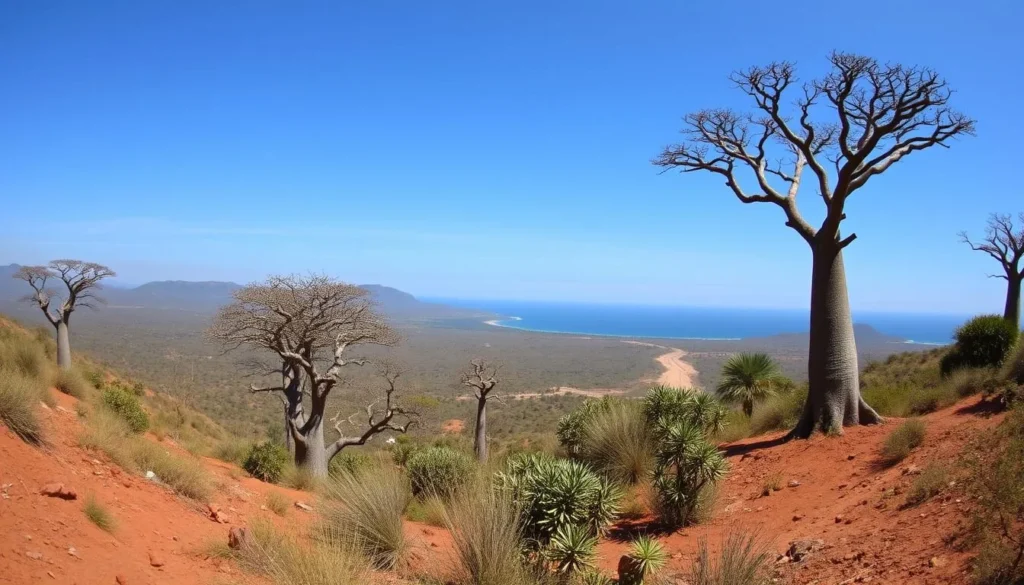
Located approximately 90km south of Morondava in western Madagascar, Kirindy Mitea National Park represents a unique convergence of ecosystems. The park encompasses Madagascar’s largest tropical dry deciduous forest alongside the spiny forests typical of the arid south. What makes this park truly special is the diversity of landscapes—from mangroves and grassy dunes to lakes, beaches, and coral reefs—all within a single protected area.
Opened to visitors only since 2006, Kirindy Mitea remains one of Madagascar’s less-visited national parks, offering a more pristine and authentic experience. The park’s remoteness has preserved its natural beauty, making it an ideal destination for travelers seeking to escape the more touristy areas of Madagascar.
Park Facts
- Size: 72,000 hectares
- Established: Early 2000s
- Open to visitors since: 2006
- Location: Western Madagascar, south of Morondava
- Ecosystems: Dry deciduous forest, spiny forest, mangroves, beaches
- Altitude: 18-40m (59-131ft)
Biodiversity Highlights
- 11 mammal species including rare lemurs
- 10 amphibian species
- 50+ bird species
- 90+ butterfly species
- 3 species of baobab trees
- 7 mangrove species in coastal areas
Best Time to Visit Kirindy Mitea National Park
Kirindy Mitea experiences dramatic seasonal changes that significantly impact wildlife activity and accessibility. Understanding these patterns is crucial for planning your visit.
Dry Season (April to November)
- Best for: Accessibility, comfortable temperatures
- Wildlife: Many animals are less active, some in hibernation
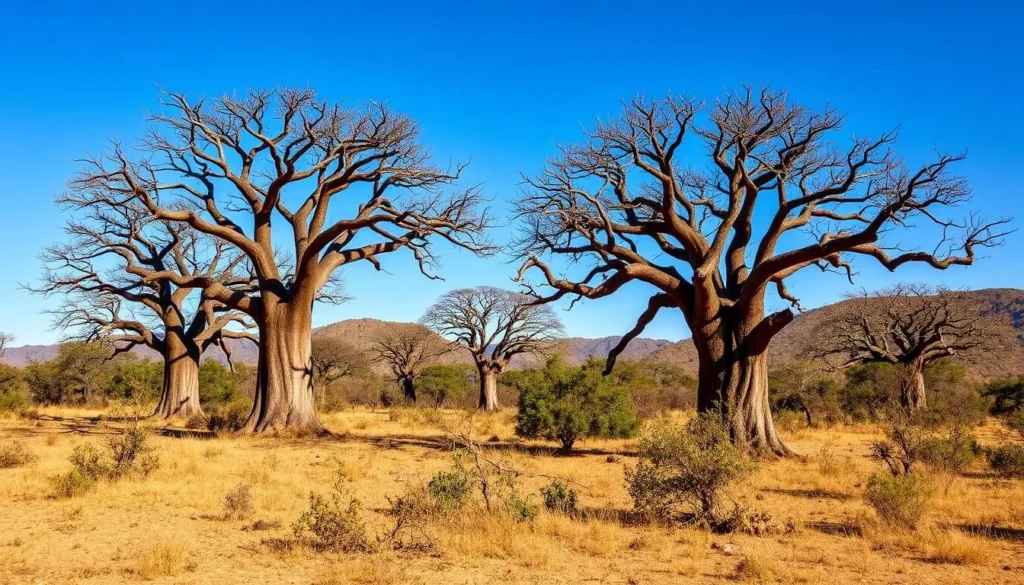
- Landscape: Leafless baobabs, dry vegetation
- Temperature: Average 25-30°C (77-86°F)
- Road conditions: Better accessibility by car
Rainy Season (December to March)
- Best for: Vibrant landscapes, active wildlife
- Wildlife: Explosion of life, active reptiles and amphibians
- Landscape: Lush green forests, flowering plants
- Temperature: Hot and humid, up to 40°C (104°F)
- Road conditions: Difficult access by land; boat access recommended
Recommended months: April-May and October-November offer the best compromise between accessibility and wildlife activity. October and November are particularly good for fossa sightings during their mating season.
Getting to Kirindy Mitea National Park
Reaching Kirindy Mitea requires some planning due to its remote location. Most visitors access the park via Morondava, a coastal town in western Madagascar with regular connections to the capital, Antananarivo.

Transportation Options
By Road
- From Morondava: 90km south, approximately 3-4 hours drive
- Road conditions: Unpaved and challenging, especially during rainy season
- Vehicle recommendation: 4×4 vehicle essential during all seasons
- Best during: Dry season (April-November)
By Boat
- From Morondava: 3-5 hours by motorboat
- Accessibility: Available year-round, including rainy season
- Advantages: Scenic coastal views, more reliable during rainy season
- Booking: Arrange through hotels in Morondava or tour operators
Local Tip: The park office is located in Morondava, with a smaller local office in Belo-sur-Mer. Visitors should register and arrange for local guides at either location before entering the park.
Wildlife and Biodiversity in Kirindy Mitea
Kirindy Mitea National Park is a biodiversity hotspot where multiple ecosystems converge, creating habitats for numerous endemic species. The park’s isolation has helped preserve populations of rare animals found nowhere else on Earth.
Iconic Wildlife Species
Lemurs
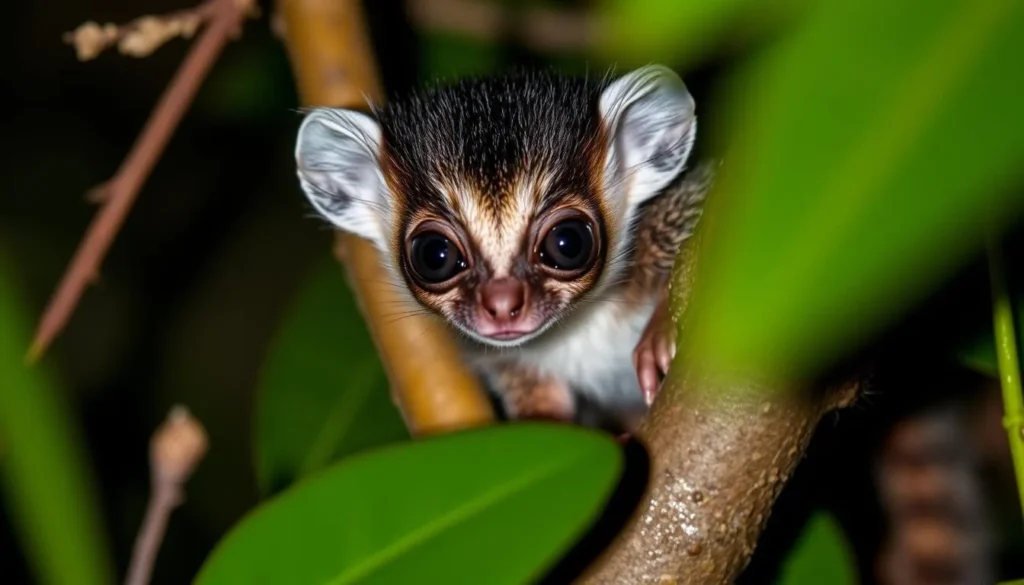
- Madame Berthe’s mouse lemur (world’s smallest primate)
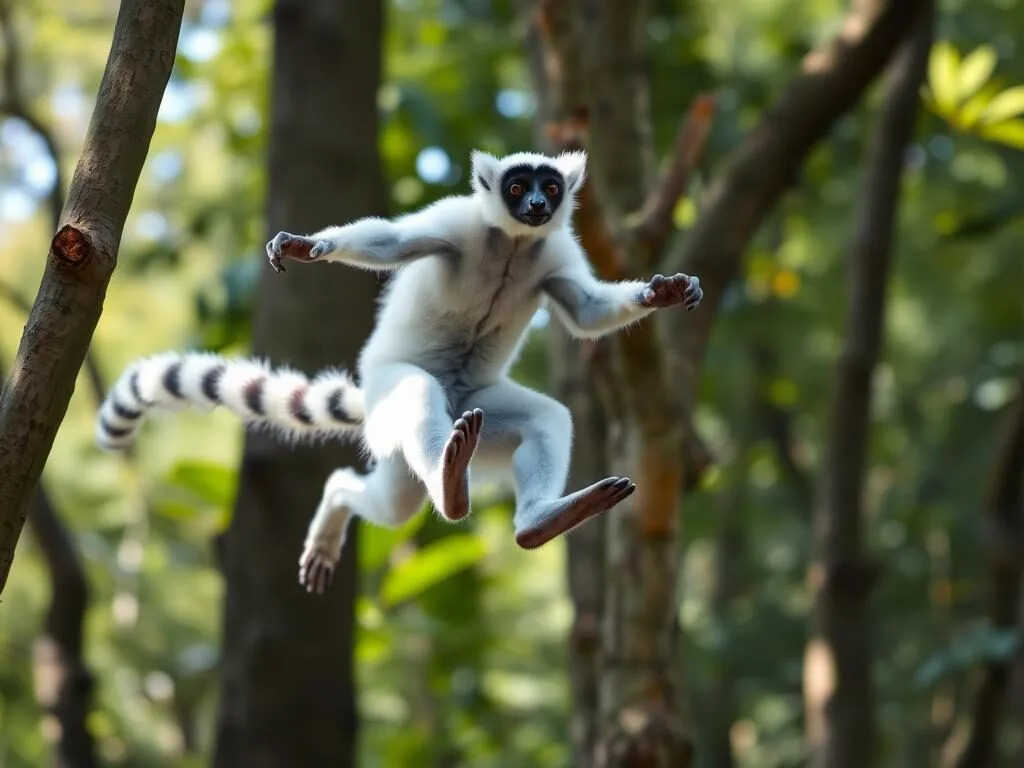
- Verreaux’s sifaka (known for their dancing sideways movement)
- Red-tailed sportive lemur
- Several species of nocturnal mouse lemurs and dwarf lemurs
Other Mammals
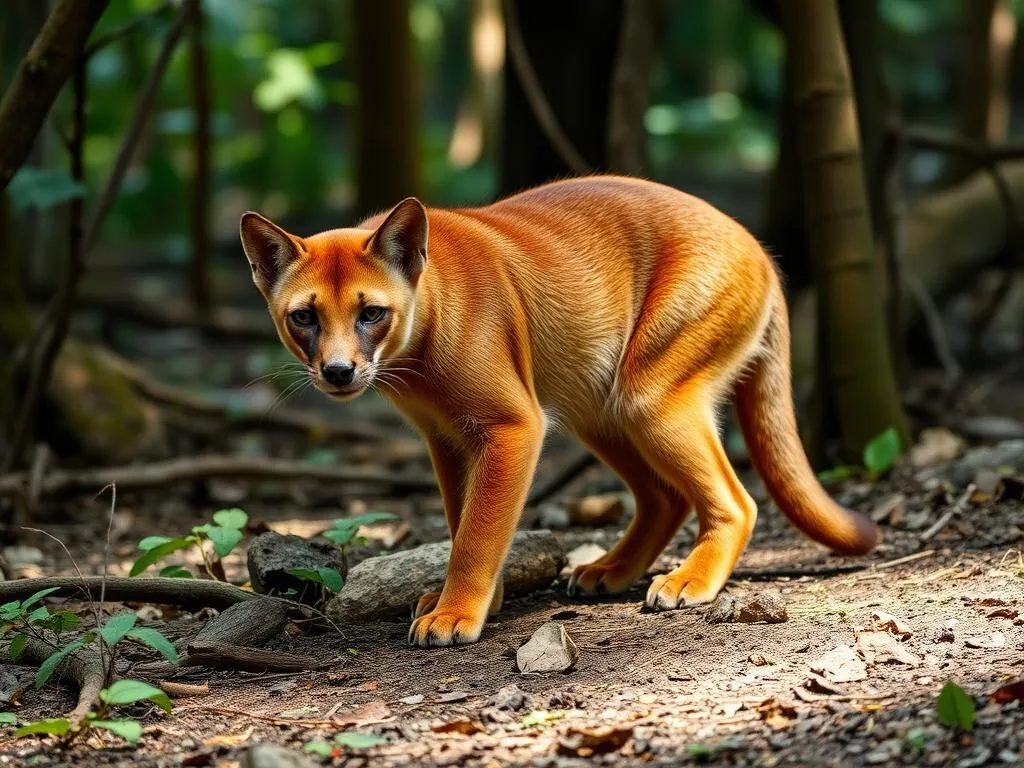
- Fossa (Madagascar’s largest predator, best seen October-November)
- Narrow-striped mongoose
- Malagasy giant rat
- Several bat species
Birds & Reptiles
- Pink and lesser flamingos (in wetland areas)
- Bernier’s teal (endangered duck species)
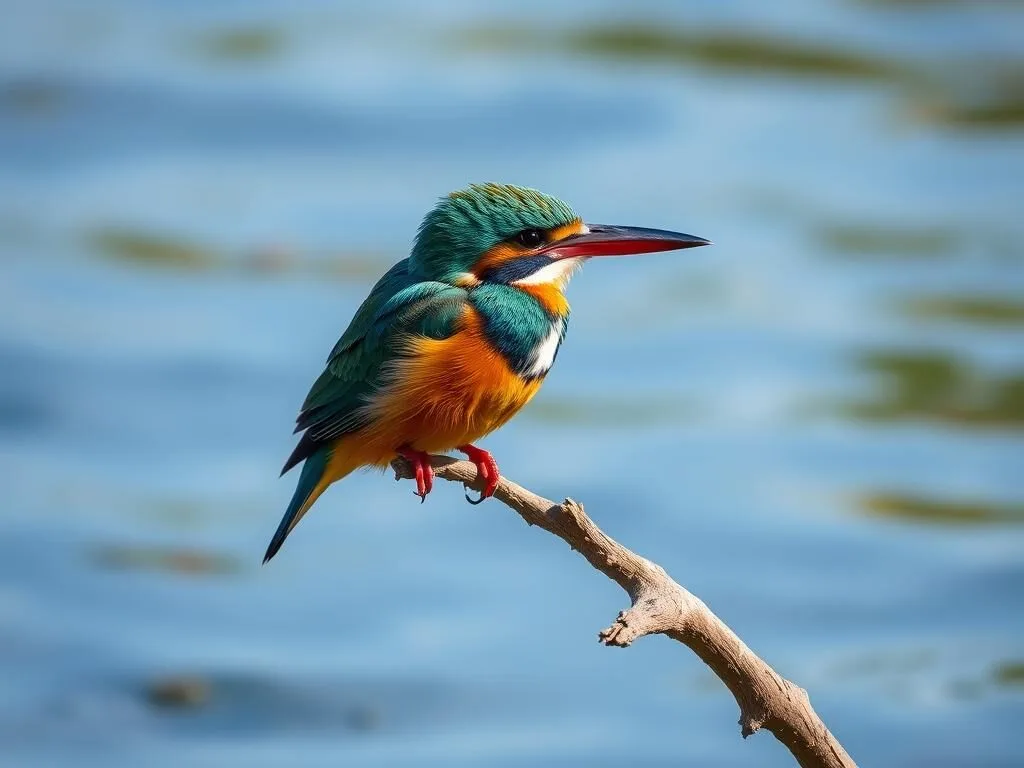
- Malagasy kingfisher
- Various chameleon and gecko species
Flora Highlights
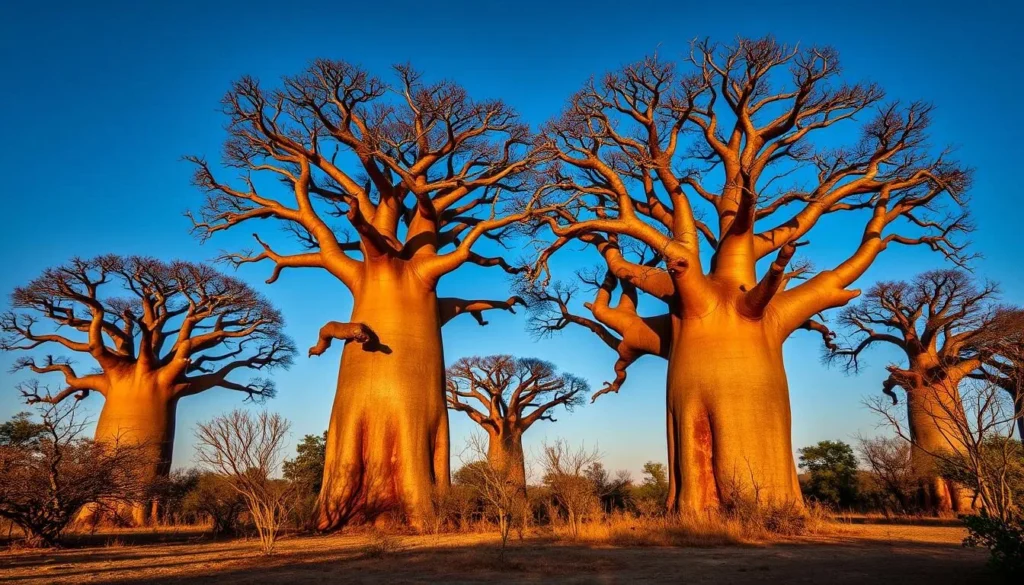
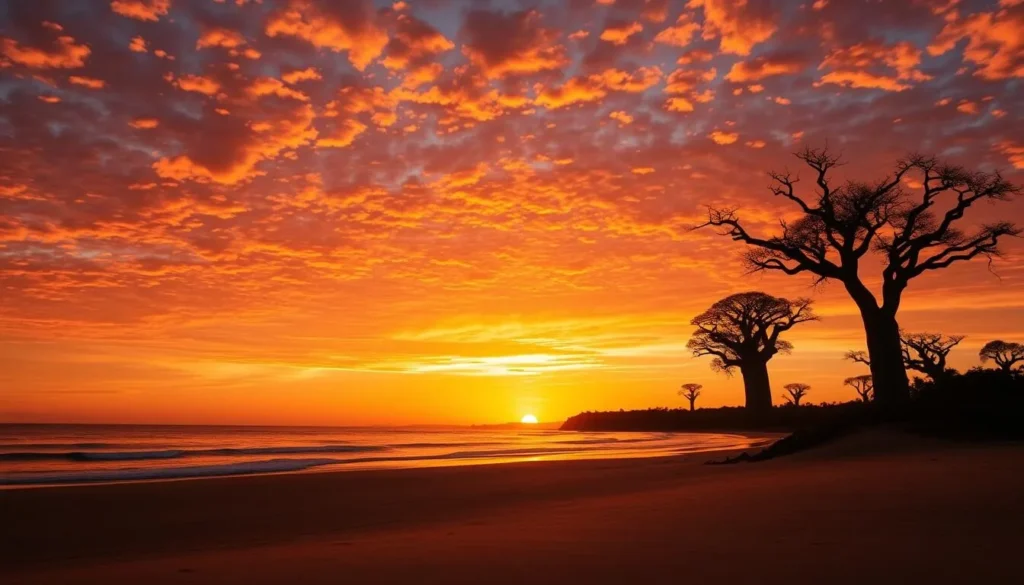
- Baobabs: Three species including Grandidier’s baobab, Madagascar’s largest baobab species
- Mangroves: Seven species creating crucial coastal ecosystems
- Spiny Forest Plants: Unique drought-adapted species with thorns and succulent features
- Deciduous Trees: Species that shed leaves during the dry season to conserve water
Things to Do in Kirindy Mitea National Park
Kirindy Mitea offers diverse activities that allow visitors to experience its unique ecosystems. From wildlife viewing to coastal exploration, the park provides opportunities for both adventure seekers and nature enthusiasts.
Top Activities
Guided Wildlife Walks
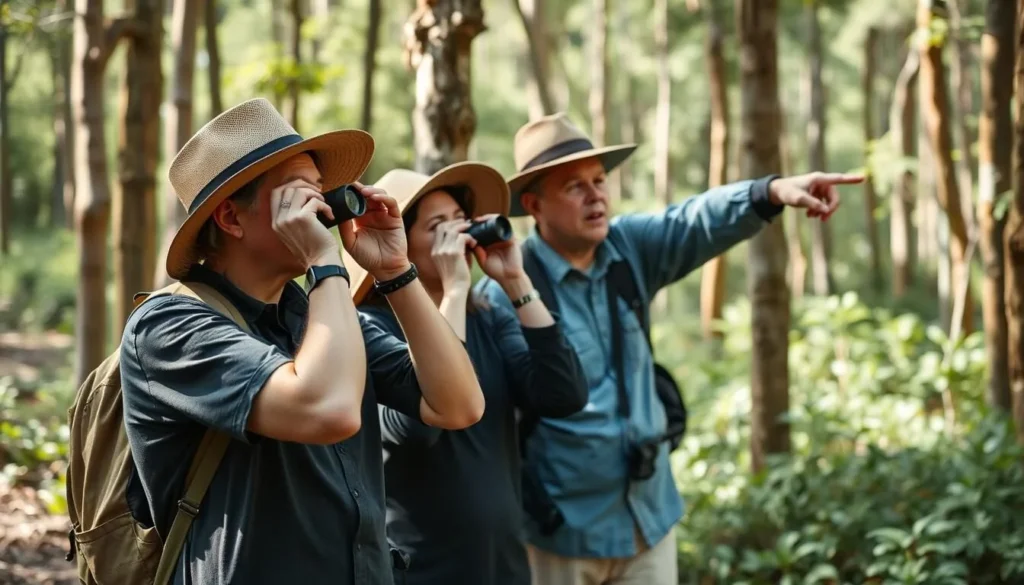
- Day walks: Best for bird watching and lemur spotting
- Night walks: Essential for seeing nocturnal species
- Duration: Typically 2-4 hours
- Guide requirement: Local guides mandatory
Hiking Trails
- Sirave and Ambondro Lakes trail: Passes sand dunes and offers bird watching
- Dry forest trail: Showcases baobabs and forest wildlife
- Difficulty level: Easy to moderate
- Duration: 3-6 hours depending on route
Coastal Activities
- Beach relaxation: Pristine, uncrowded beaches
- Swimming: Safe in designated areas
- Snorkeling: Emerging opportunities near coral reefs
- Island exploration: Seven small islands within the protected area
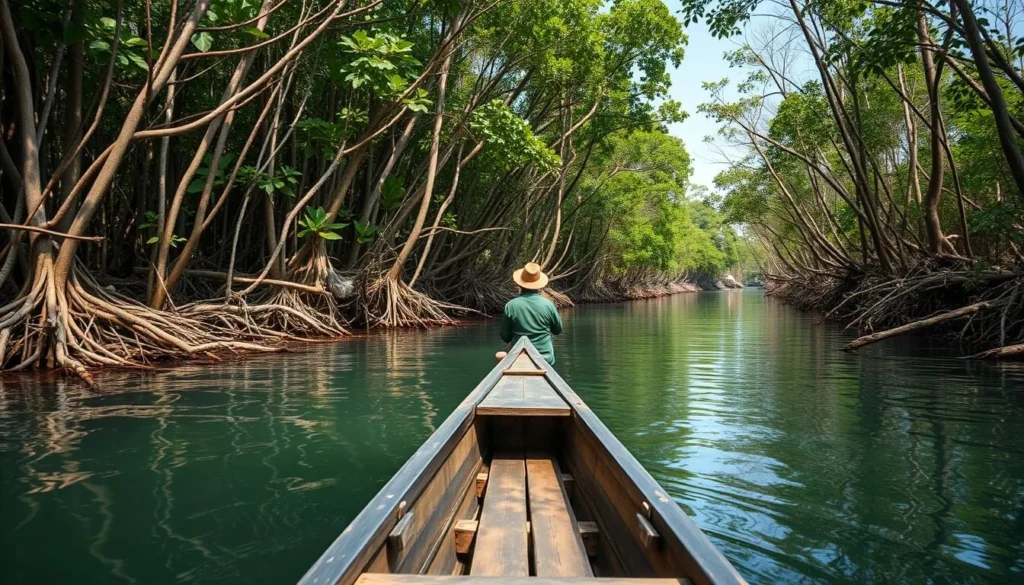
Canoe Excursions
- Mangrove exploration: Paddle through mysterious mangrove forests
- Bird watching: Excellent for spotting water birds
- Duration: 2-3 hours
- Best time: Early morning or late afternoon
Important: Always follow your guide’s instructions and stay on designated trails. Flash photography is prohibited around nocturnal animals, and visitors should maintain a respectful distance from all wildlife.
Where to Stay Near Kirindy Mitea National Park
Accommodation options near Kirindy Mitea are limited but growing. Most visitors stay in nearby towns and make day trips to the park, though camping within the park is also possible.
Accommodation Options
Belo-sur-Mer
Most visitors choose to stay in this small coastal town, which offers several accommodation options:
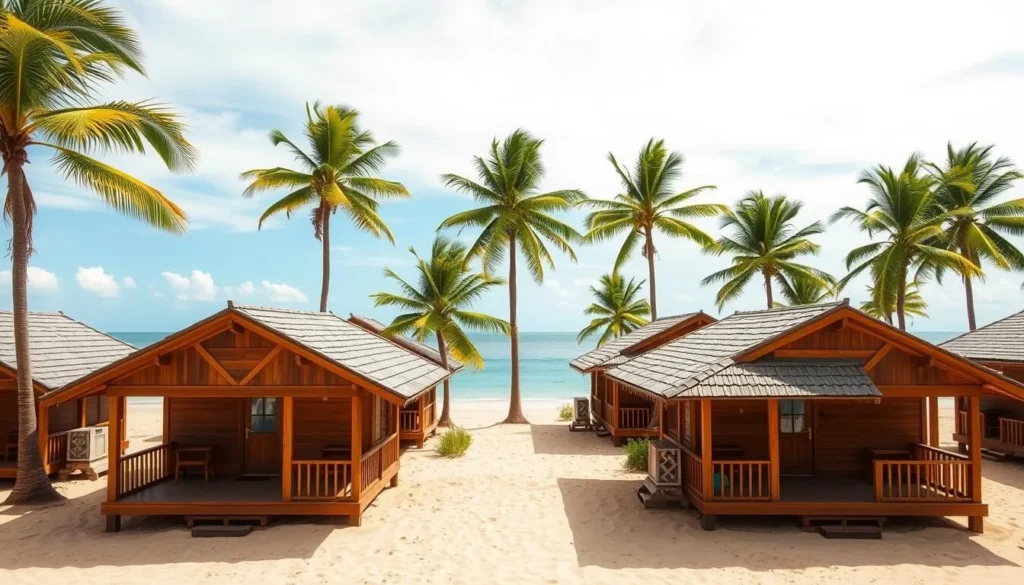
- Beach hotels with basic amenities
- Traditional bungalows
- Distance to park: 15-20km
- Price range: $30-100 USD per night
Manahy Village
Located at the main entrance to the park, this village is developing new accommodation options:
- New eco-lodges under construction
- Basic guesthouses
- Distance to park: At the entrance
- Price range: $20-50 USD per night
Camping
For the adventurous traveler, camping within the park is permitted:
- Bring your own equipment
- Basic facilities only
- Permission required from park office
- Cost: Small fee plus park entrance
Planning tip: Book accommodation in advance, especially during the high season (July-August and December). Options are limited and can fill up quickly with researchers and the few tourists who visit the area.
Practical Information for Visitors
Before visiting Kirindy Mitea National Park, it’s important to understand the practical aspects of your trip, from park fees to safety considerations.
Park Information
- Entrance fee: Approximately 55,000-65,000 Ariary ($15-18 USD) per person
- Guide fee: 100,000-150,000 Ariary ($25-40 USD) per day
- Opening hours: 6:00 AM to 4:00 PM
- Required permits: Available at park offices in Morondava or Belo-sur-Mer
- Guide requirement: Mandatory for all visitors
What to Bring
- Sturdy walking shoes or hiking boots
- Light, breathable clothing (long sleeves/pants recommended)
- Hat and sunscreen
- Insect repellent
- Flashlight for night walks
- Binoculars for wildlife viewing
- Sufficient water and snacks
Health and Safety
Health Precautions
- Malaria prevention recommended
- Up-to-date vaccinations
- Travel insurance with evacuation coverage
- First aid kit for minor injuries
- Bottled water for drinking
Safety Considerations
- Avoid traveling after dark on roads
- Keep valuables secure
- Follow guide instructions regarding wildlife
- Inform someone of your hiking plans
- Check weather forecasts during rainy season
Conservation note: Kirindy Mitea National Park supports local community development through tourism. Several schools and infrastructure projects have been funded by park revenues, creating a sustainable relationship between conservation and local communities.
Plan Your Visit to Kirindy Mitea National Park
Kirindy Mitea National Park offers a rare opportunity to experience Madagascar’s incredible biodiversity in a less-visited, pristine setting. From the world’s smallest primate to majestic baobabs and beautiful beaches, this park showcases the natural wonders that make Madagascar so special.
The park’s relative isolation means visitors can enjoy a more authentic experience away from crowds, while contributing to conservation efforts and local community development. Whether you’re a wildlife enthusiast, photographer, or adventure traveler, Kirindy Mitea promises unforgettable encounters with some of the planet’s most unique ecosystems and species.


0 Comments