
Hotels by Trip.com
Flights by Trip.com
Did you know that Mahajanga is home to one of Madagascar’s most iconic baobab trees? This magnificent 700-year-old giant with a circumference of 21 meters has witnessed centuries of the city’s rich history, from ancient tribal gatherings to colonial conquests. As Madagascar’s second-busiest port and a melting pot of African, Arab, Indian, and French influences, Mahajanga offers travelers a fascinating glimpse into the island’s diverse cultural tapestry while serving as the perfect gateway to northwestern Madagascar’s natural wonders.
Overview of Mahajanga
Nestled at the mouth of the majestic Betsiboka River where it empties into Bombetoka Bay, Mahajanga (also spelled Majunga) is Madagascar’s third-largest city. Located on the northwestern coast approximately 550 km from Antananarivo, this vibrant port city of roughly 250,000 people serves as the capital of the Boeny Region.
Unlike the more tourist-frequented destinations of Nosy Be or Antananarivo, Mahajanga rewards curious travelers with its authentic charm and strategic position as a jumping-off point to some of Madagascar’s most spectacular natural attractions. The city itself blends colonial architecture with traditional Malagasy influences, creating a distinctive atmosphere that reflects its centuries-old history as a trading hub.
With its tropical climate, palm-lined promenades, and access to pristine beaches, red sandstone formations, and wildlife-rich national parks, Mahajanga offers a perfect balance of urban exploration and natural adventure for travelers seeking to experience Madagascar beyond the typical tourist trail.
Best Time to Visit Mahajanga
Mahajanga has a tropical savanna climate with two distinct seasons that significantly impact your travel experience. Understanding these seasonal patterns is crucial for planning your visit.
Dry Season (May-October)
Best time to visit
- Pleasant temperatures: 25-31°C (77-88°F)
- Minimal rainfall
- Lower humidity
- Ideal for sightseeing and outdoor activities
- Best road conditions for excursions
Rainy Season (November-April)
Less ideal for travel
- Hot and humid: 27-35°C (81-95°F)
- Heavy rainfall, especially December-February
- Potential for cyclones
- Some roads may become impassable
- Lush landscapes but challenging conditions
Shoulder Months
May and November
- Transitional weather
- Fewer tourists
- May: beginning of dry season
- November: beginning of rainy season
- Potential for good deals on accommodations
Getting to Mahajanga
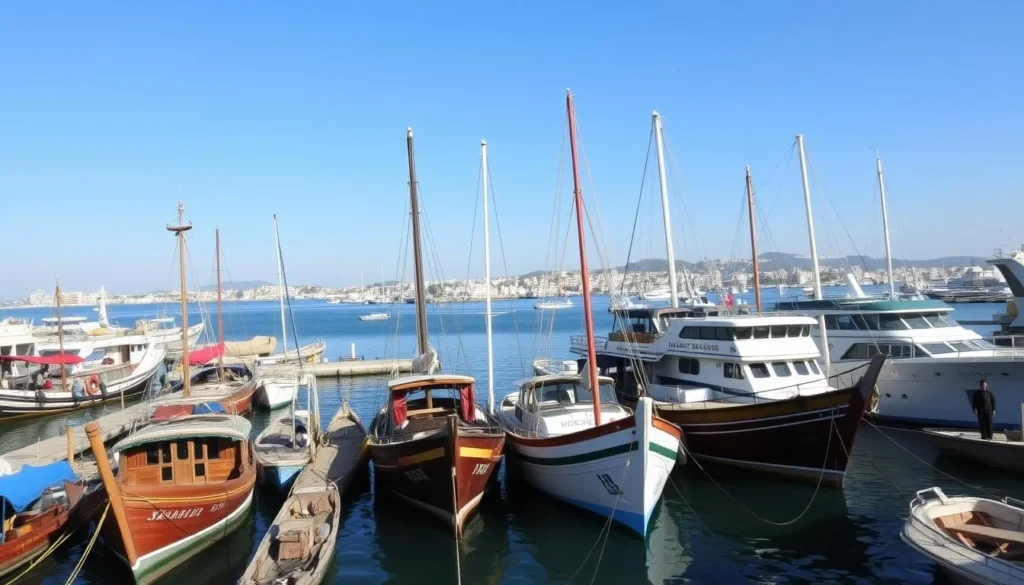
Reaching Mahajanga requires some planning, but the journey is part of the adventure. Here are the main ways to get to this northwestern coastal city:
By Air
The most convenient way to reach Mahajanga is by flying into Amborovy Airport (MJN), located about 7 km from the city center.
- Regular flights from Antananarivo (1-hour flight)
- Limited international connections from Mayotte and Comoros
- Taxis are readily available at the airport for transfers to the city
By Road
If you’re up for an adventure, traveling by road from Antananarivo to Mahajanga is an option:
- Distance: approximately 550 km
- Duration: 8-10 hours depending on road conditions
- Road quality varies significantly by season
- Regular taxi-brousse (shared minibus) services are available
- Private car hire with driver is recommended for comfort
By Sea
As a major port city, Mahajanga can also be reached by sea:
- Regular ferry services from Mayotte and Comoros
- Private yachts and sailing vessels can dock at the port
- Cruise ships occasionally visit during the dry season
Getting Around Mahajanga
Navigating Mahajanga is relatively straightforward, with several affordable transportation options available for exploring the city and its surroundings.
Check 30,000+ Local Sightseeing Tours Worldwide
✓ Numerous languages and currencies are available
Within the City
- Pousse-pousse (Rickshaws): These colorful hand-pulled or cycle rickshaws are perfect for short distances within the city center. Always negotiate the fare before starting your journey.
- Tuk-tuks: Three-wheeled motorized vehicles offer a faster alternative to pousse-pousse for slightly longer city trips.
- Taxis: Standard taxis are available but less common than tuk-tuks. They’re useful for longer distances or when carrying luggage.
- Walking: The city center and waterfront promenade are pleasant to explore on foot, especially in the cooler morning or evening hours.
Exploring Beyond the City
- Rental Cars: For independent exploration of attractions like Ankarafantsika National Park or the Cirque Rouge, renting a vehicle is ideal. 4WD is recommended, especially during the rainy season.
- Taxi-brousse: These shared minibuses connect Mahajanga to nearby villages and attractions but run on loose schedules.
- Organized Tours: Local tour operators offer day trips and multi-day excursions to major attractions, often the most hassle-free option.
- Boat Services: Ferries and smaller boats connect Mahajanga to Katsepy across the bay and other coastal destinations.
Where to Stay in Mahajanga
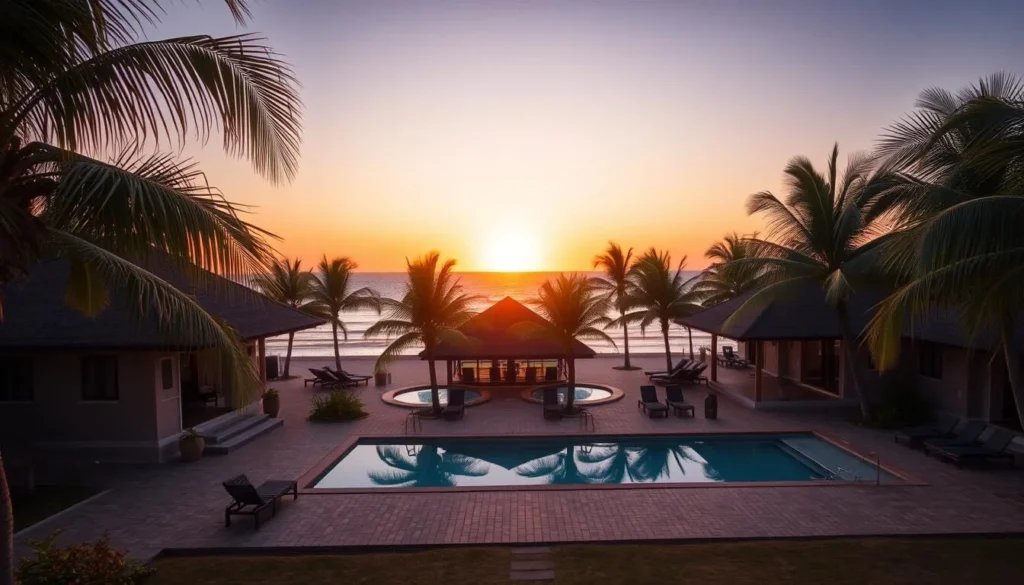
Mahajanga offers a range of accommodation options to suit different budgets and preferences. While not as developed for tourism as other parts of Madagascar, you’ll find everything from simple guesthouses to comfortable hotels.
City Center
Staying in central Mahajanga puts you close to restaurants, markets, and the waterfront promenade:
- Mid-range hotels: Several comfortable options with air conditioning, restaurants, and sometimes pools
- Budget guesthouses: Simple but clean rooms, often family-run
- Pros: Convenient for exploring the city, proximity to dining options
- Cons: Can be noisy, fewer beachfront options
Beachfront Areas
For a more relaxing stay with ocean views:
- Beach resorts: Higher-end options with pools, restaurants, and direct beach access
- Boutique hotels: Smaller properties with personalized service
- Pros: Scenic setting, more peaceful atmosphere
- Cons: Further from city amenities, may require transportation
Antsanitia Beach
Located about 20 km north of Mahajanga, this area offers a more secluded experience:
- Eco-lodges: Environmentally conscious accommodations
- Beach bungalows: Simple but charming options right on the sand
- Pros: Beautiful beaches, peaceful setting
- Cons: Limited dining options, need transportation to visit the city
Top Things to Do in Mahajanga
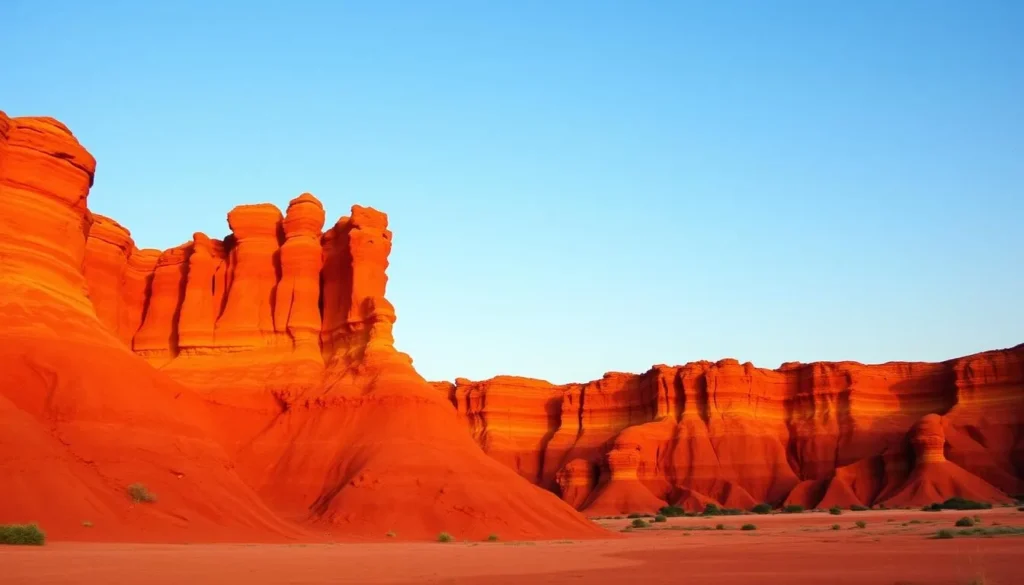
Mahajanga offers a diverse range of attractions from natural wonders to cultural experiences. Here are the must-see places and activities during your visit:
1. Explore the Cirque Rouge (Red Circus)
Just 12 km from Mahajanga lies one of Madagascar’s most striking geological formations:
- Dramatic natural amphitheater of eroded red, ochre, and pink sandstone
- Best visited at sunset when the colors are most vibrant
- Easily accessible by tuk-tuk or rental car
- Perfect for photography and short hikes
2. Stroll Along the Waterfront Promenade
Mahajanga’s palm-lined seafront is the heart of the city:
- Known locally as “Le Bord” or “La Corniche”
- Bustling with locals, especially at sunset
- Lined with restaurants and street food vendors
- Great for people-watching and soaking up the atmosphere
3. Visit the Sacred Baobab Tree
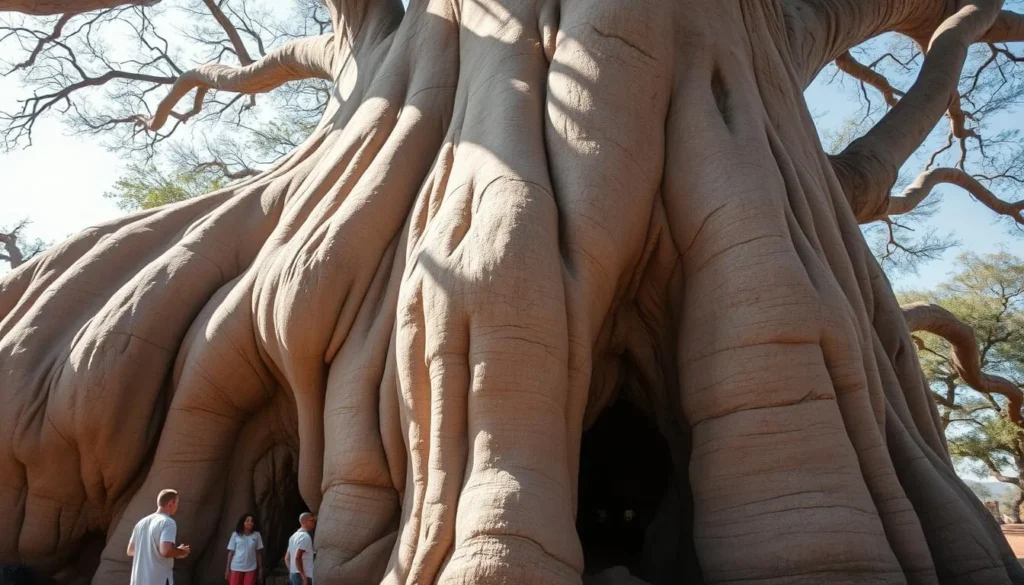
This iconic symbol of Mahajanga has stood for centuries:
- Approximately 700-800 years old with a 21-meter circumference
- Historically used for important meetings and ceremonies
- According to tradition, visitors should walk around it seven times
- Located near the city center and easily accessible
4. Relax at Antsanitia Beach
Considered the most beautiful beach in the region:
- Located about 20 km north of Mahajanga
- Golden sand, palm trees, and calm waters ideal for swimming
- Great for birdwatching and local canoe tours
- Several eco-lodges available for overnight stays
5. Explore Ankarafantsika National Park
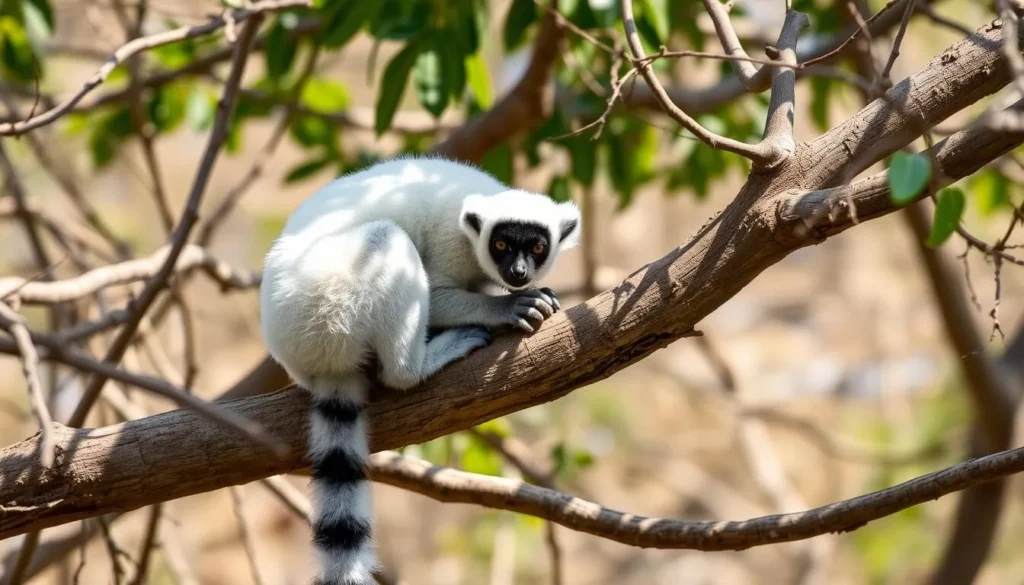
A biodiversity hotspot about 2 hours from Mahajanga:
- Home to 8 species of lemurs, including the Coquerel’s sifaka
- Over 120 species of birds
- Trails through dry deciduous forests, lakes, and canyons
- Guided tours available at the park entrance
- Can be visited as a day trip or overnight excursion
6. Day Trip to Katsepy
A small village across the bay from Mahajanga:
- Reachable by boat across the Bombetoka estuary (30-45 minute trip)
- Historic lighthouse with panoramic views
- Quiet beaches and lemur colonies
- Traditional fishing communities
- Perfect for a half or full-day adventure
7. Discover the Anjohibe Caves
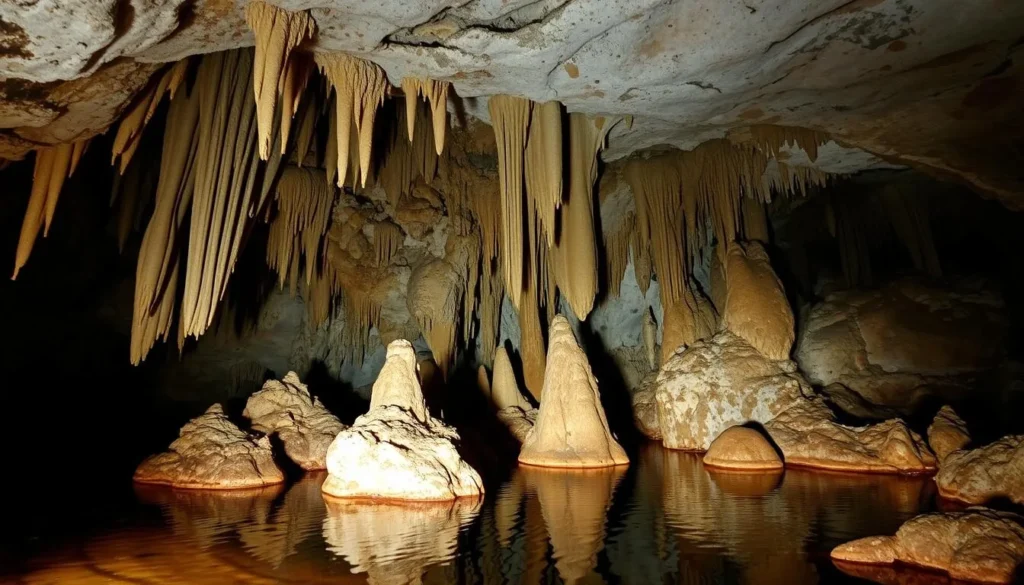
A hidden natural wonder for the adventurous traveler:
- Located about 4-5 hours from Mahajanga (4WD required)
- Massive limestone cave system with stalactites and underground pools
- Natural swimming holes and waterfalls
- Guided tours necessary for safety and navigation
- Best experienced as a 2-day excursion
Local Cuisine and Dining
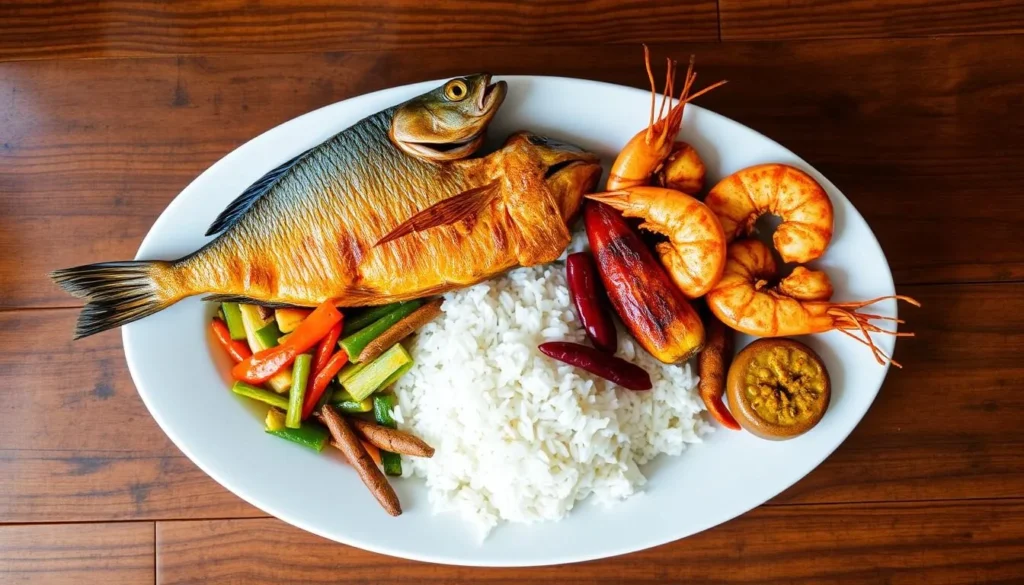
Mahajanga’s cuisine reflects its coastal location and multicultural heritage, blending Malagasy traditions with Indian, Arab, and French influences. Here’s what to expect from the local food scene:
What to Eat
- Seafood: Fresh fish, prawns, crabs, and lobster feature prominently on menus
- Rice dishes: The Malagasy staple, often served with laoka (meat or vegetable accompaniment)
- Samosas: Reflecting Indian influence, these triangular pastries are popular street food
- Koba: A traditional dessert made with ground peanuts, rice flour, and banana
- Coconut-based curries: Common along the coast, often with seafood
- Fresh tropical fruits: Mangoes, papayas, pineapples, and bananas are abundant
Where to Eat
Mahajanga offers dining options for every budget:
- Waterfront restaurants: Higher-end establishments serving seafood with ocean views
- Local hotely: Simple eateries serving affordable Malagasy dishes
- Street food stalls: For quick, inexpensive bites (exercise usual precautions)
- Hotel restaurants: Often serving a mix of Malagasy and international cuisine
- Markets: The central market is perfect for fresh fruits and snacks
Dining Tips
- Most restaurants serve lunch between 11:30 AM and 2:00 PM, dinner from 6:30 PM
- Reservations are rarely needed except at upscale establishments
- Tipping is not customary but appreciated (5-10% is generous)
- Bottled water is recommended for visitors
- Many restaurants close or have limited menus on Sundays
Practical Travel Tips
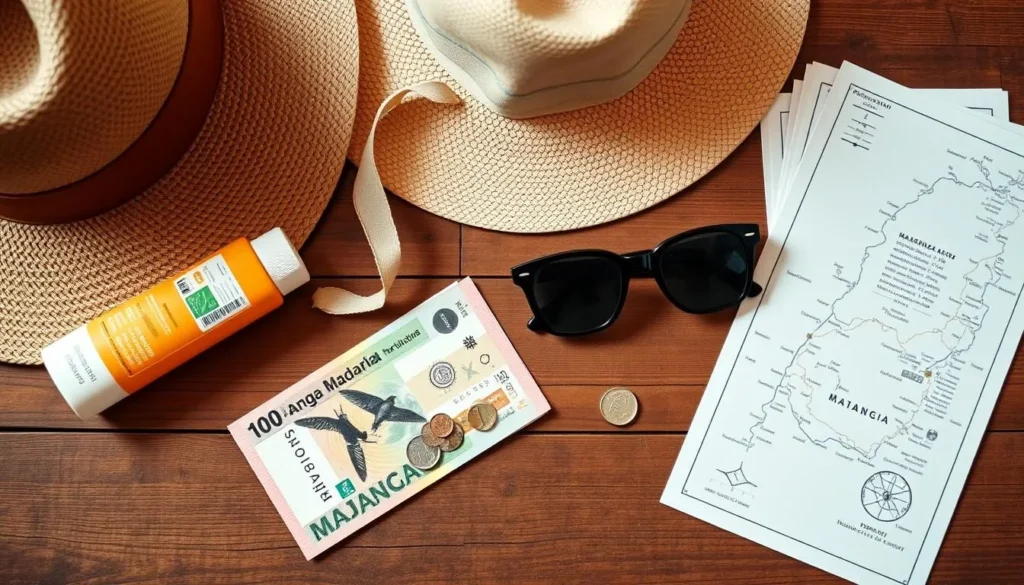
Make your trip to Mahajanga smoother with these essential tips:
Money and Payments
- The local currency is the Malagasy Ariary (MGA)
- ATMs are available in Mahajanga but may not always work; bring cash as backup
- Credit cards are accepted only at higher-end hotels and restaurants
- Exchange money at banks or official exchange offices for better rates
- Keep small denominations handy for markets, taxis, and small purchases
Health and Safety
- Consult your doctor about malaria prophylaxis before traveling
- Use insect repellent, especially during dawn and dusk
- Drink only bottled or purified water
- Bring basic medications, sunscreen, and a first-aid kit
- Avoid swimming in rivers or stagnant water due to potential parasites
- Exercise normal precautions regarding personal belongings, especially at night
Communication
- Purchase a local SIM card for affordable data and calls (ID required)
- Major providers include Telma, Orange, and Airtel
- Wi-Fi is available in most hotels but may be slow
- Download offline maps before traveling to remote areas
- French is widely spoken; English less so outside of tourist establishments
Cultural Etiquette
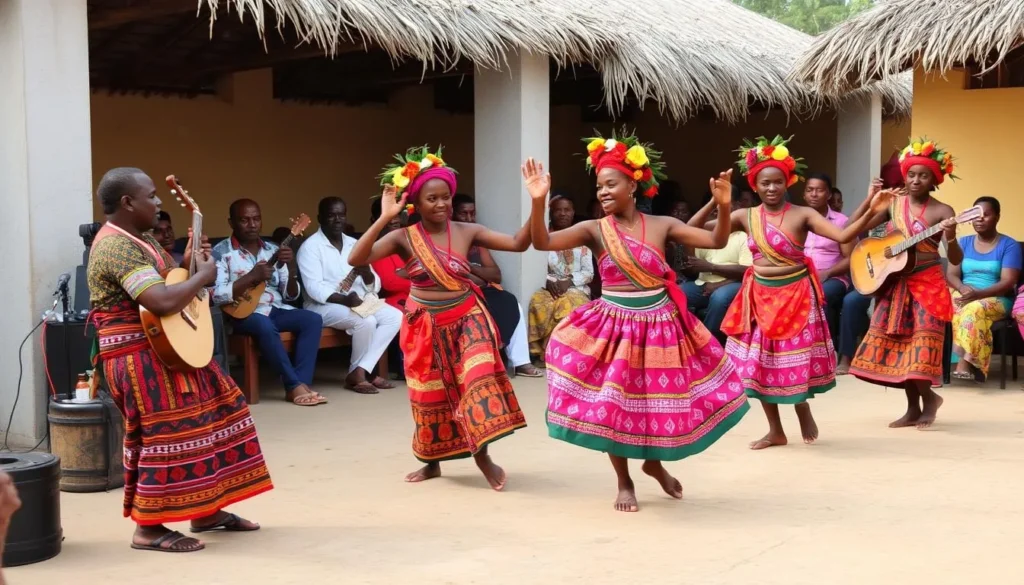
- Ask permission before photographing people, especially in rural areas
- Dress modestly, particularly when visiting religious sites
- Learn basic Malagasy greetings: “Salama” (Hello) and “Misaotra” (Thank you)
- Remove shoes when entering someone’s home
- Respect local taboos (fady) which vary by region
- The Sakalava people are the predominant ethnic group in the region
Packing Essentials
- Lightweight, breathable clothing
- Rain jacket during the wet season
- Sturdy walking shoes for excursions
- Hat, sunglasses, and high-SPF sunscreen
- Insect repellent with DEET
- Power adapter (Madagascar uses Type C, D, E, and J plugs)
- Flashlight or headlamp (power outages are common)
Final Thoughts on Visiting Mahajanga
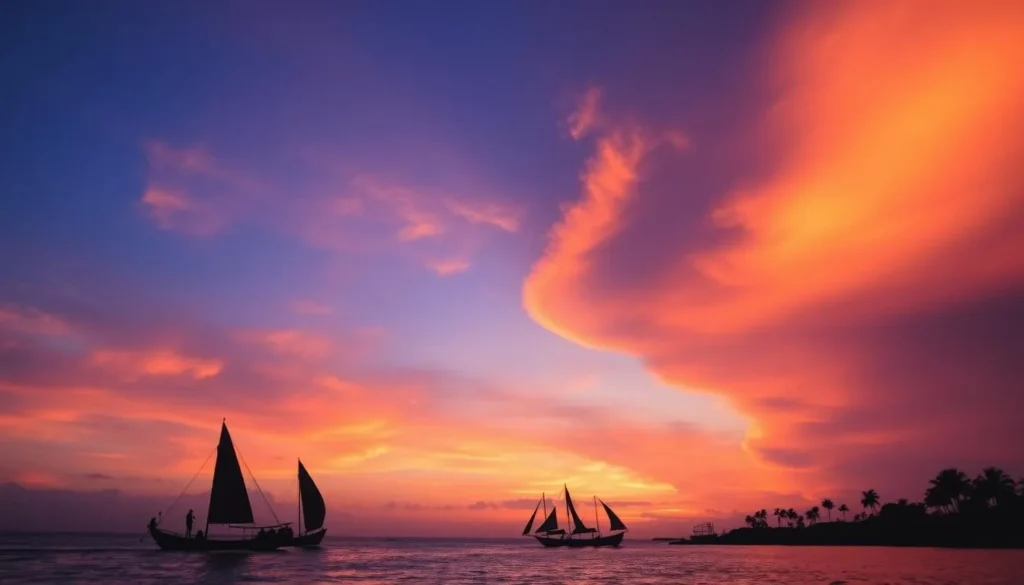
Mahajanga may not be Madagascar’s most famous destination, but it offers something increasingly rare in today’s world: an authentic travel experience rich in cultural diversity and natural beauty. From the moment you arrive, you’ll be struck by the city’s unique blend of African, Arab, Indian, and French influences that have shaped its architecture, cuisine, and way of life over centuries.
What makes Mahajanga special is its dual identity as both a gateway to northwestern Madagascar’s natural wonders and a destination worthy of exploration in its own right. The city rewards those who take the time to wander its streets, chat with locals, and embrace its unhurried rhythm. Meanwhile, adventures to the Cirque Rouge, Ankarafantsika National Park, or the Anjohibe Caves provide unforgettable encounters with Madagascar’s unique landscapes and wildlife.
Whether you’re watching the sunset paint the sky above Bombetoka Bay, photographing the ancient baobab tree, or simply enjoying fresh seafood at a waterfront restaurant, Mahajanga offers moments of discovery that will stay with you long after you’ve returned home. This is Madagascar at its most genuine – less polished than some destinations perhaps, but infinitely more rewarding for the curious traveler.
Related Posts
Zombitse-Vohibasia National Park, Madagascar: Best Things to Do – Top Picks
Zahamena National Park, Madagascar: Best Things to Do – Top Picks
Vangaindrano, Madagascar: Best Things to Do – Top Picks
Toamasina, Madagascar: Best Things to Do – Top Picks
Toliara, Madagascar: Best Things to Do – Top Picks

Tsiroanomandidy, Madagascar: Best Things to Do – Top Picks
Coming Soon: Clickable Maps