
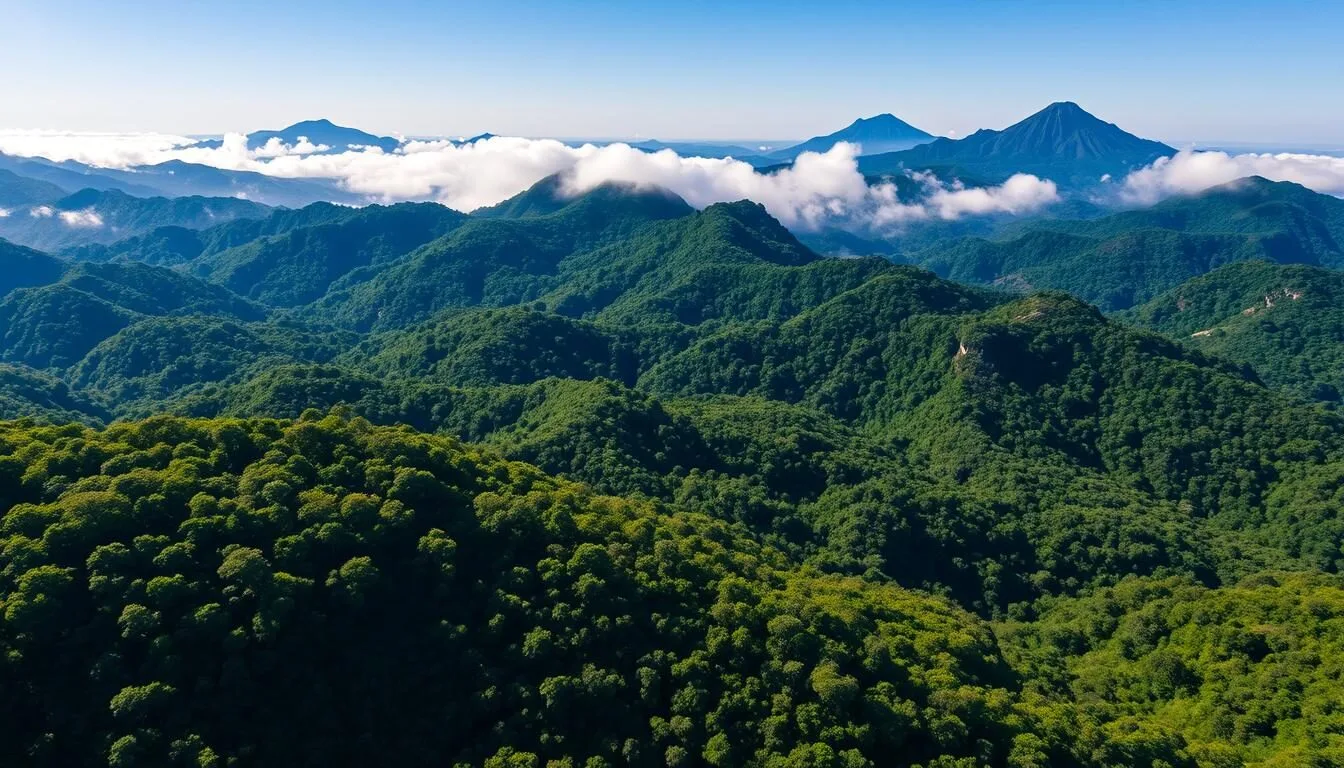
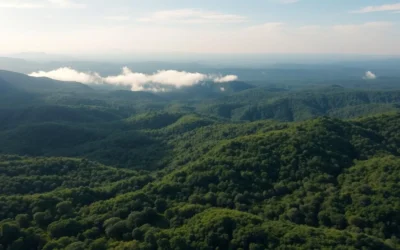
Home to 11 species of lemurs found nowhere else on Earth, Marojejy National Park’s misty peaks hide a pristine wilderness that feels like stepping into a lost world. This UNESCO World Heritage Site protects one of Madagascar’s most intact mountain ecosystems, where the critically endangered silky sifaka lemur—with fewer than 250 mature adults remaining—swings through ancient forests that cascade down steep granite slopes. For adventurous travelers seeking authentic wilderness experiences, Marojejy offers a rare glimpse into Madagascar’s extraordinary biodiversity and some of the most rewarding hiking on the island.
Getting There & Planning Your Journey
Reaching Marojejy National Park requires some planning, as it’s located in Madagascar’s remote northeastern SAVA region. Most international travelers fly into Antananarivo (Tana), Madagascar’s capital, before connecting to the coastal town of Sambava via domestic flight.
From Sambava, you’ll need to travel 66 km west to reach Manantenina village, which takes approximately 2 hours by car on the RN3B road. The park entrance is located 2.7 km from Manantenina, followed by a 2.9 km hike to the official park boundary.
For those with more time, it’s possible to travel overland from Antananarivo, but this journey takes approximately three days and the roads may be impassable during the rainy season (December to April).
Best Time to Visit & Weather Tips
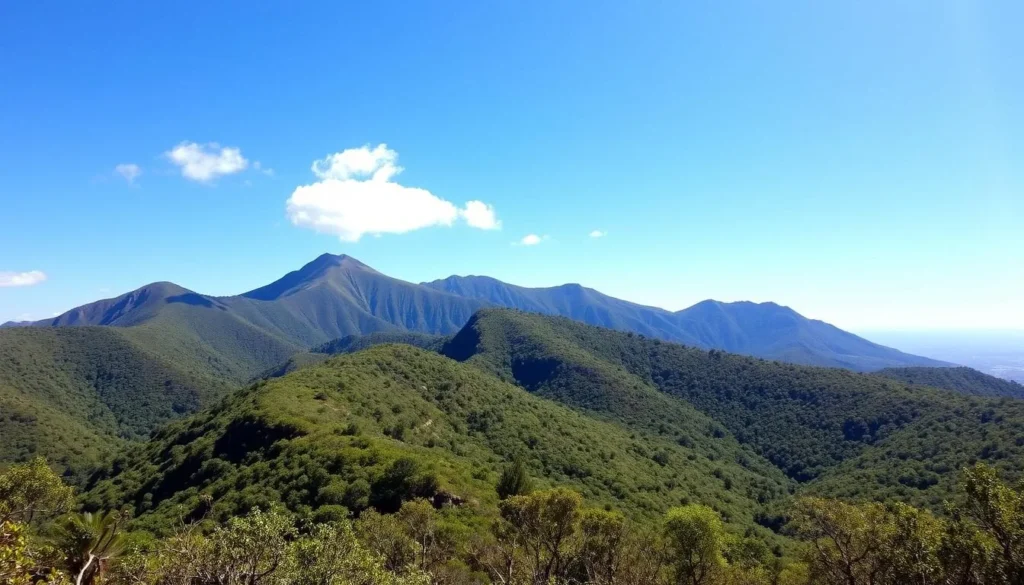
Marojejy National Park has a very wet climate, with rainfall throughout the year. However, some months offer better conditions for hiking and wildlife viewing than others.
Best Time to Visit Marojejy National Park
Recommended Months (August to November)
- Less rainfall and rare torrential downpours
- Animals are more active and visible
- Reptiles display vibrant colors
- Peak birding season
- Average temperatures: 25°C (77°F)
- Book cabins in advance (September-November is high season)
Months to Avoid (January to March)
- Very high rainfall with torrential downpours
- High possibility of cyclones
- Trails become extremely slippery and dangerous
- Some routes may be impassable
- Average temperatures: 28°C (82°F)
- Roads to the park may be inaccessible
The park’s steep terrain combined with heavy rainfall creates challenging hiking conditions, so timing your visit during the drier months is strongly recommended, especially if you plan to attempt the summit trail.
Getting Around Locally
Marojejy National Park can only be explored on foot, and the steep terrain makes for demanding hiking conditions. The park has a network of maintained stone paths, but these can become slippery, especially after rain.
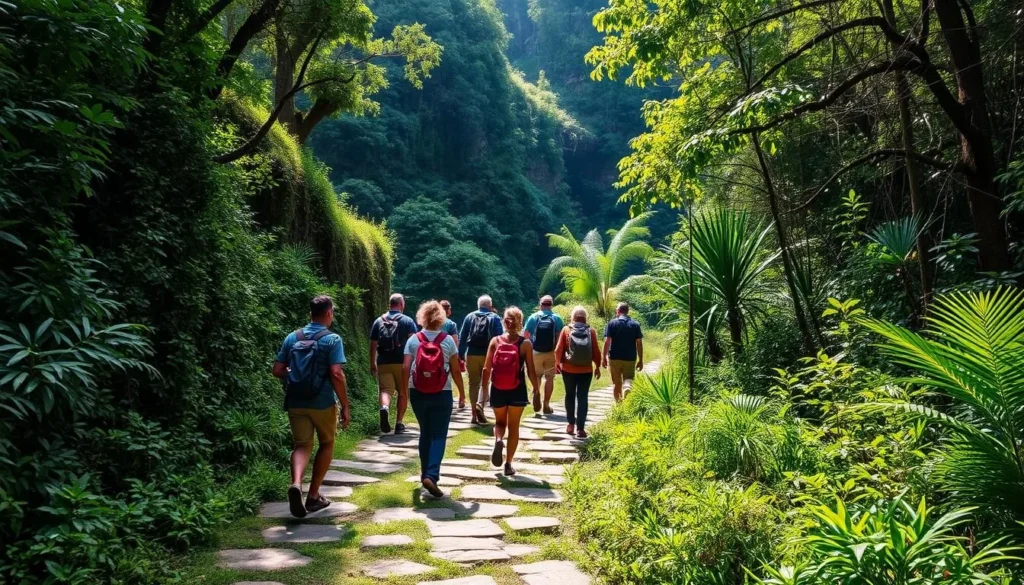
To reach the park from Sambava, you’ll need transportation to Manantenina village. Options include:
- Hiring a 4×4 vehicle with driver (recommended)
- Taking a shared taxi-brousse (local minibus) on Tuesday, Thursday, or Saturday
- Arranging transport through your accommodation in Sambava
Within the park, guides are mandatory and porters are available to help carry equipment and supplies. This is especially recommended if you’re planning to stay overnight at the higher camps.
Where to Stay
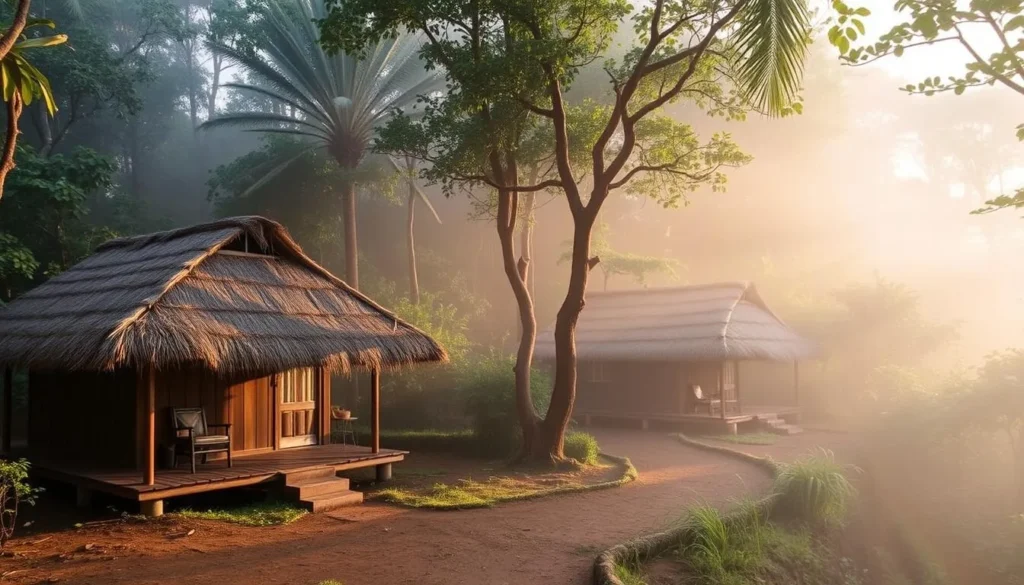
Accommodation options within Marojejy National Park consist of three basic camps at different elevations along the main trail. Each camp has simple bungalows equipped with bunk beds, mattresses, pillows, and basic cooking facilities.
Park Camps
Camp Mantella (450m)
The first camp with six bungalows, a sheltered eating area, cooking facilities, and access to a natural swimming pool and waterfall.
Price: 10,000 Ariary per night
Camp Marojejya (775m)
The second camp with four bungalows, cooking facilities, and beautiful views of the granite cliffs and forested mountains.
Price: 10,000 Ariary per night
Camp Simpona (1,250m)
The highest camp with two bungalows, completely isolated in wild nature. A base for summit attempts.
Price: 10,000 Ariary per night
For those preferring more comfortable accommodations, staying in Sambava before and after your park visit is recommended. Hotels in Sambava can also help arrange park excursions.
Dining & Local Cuisine
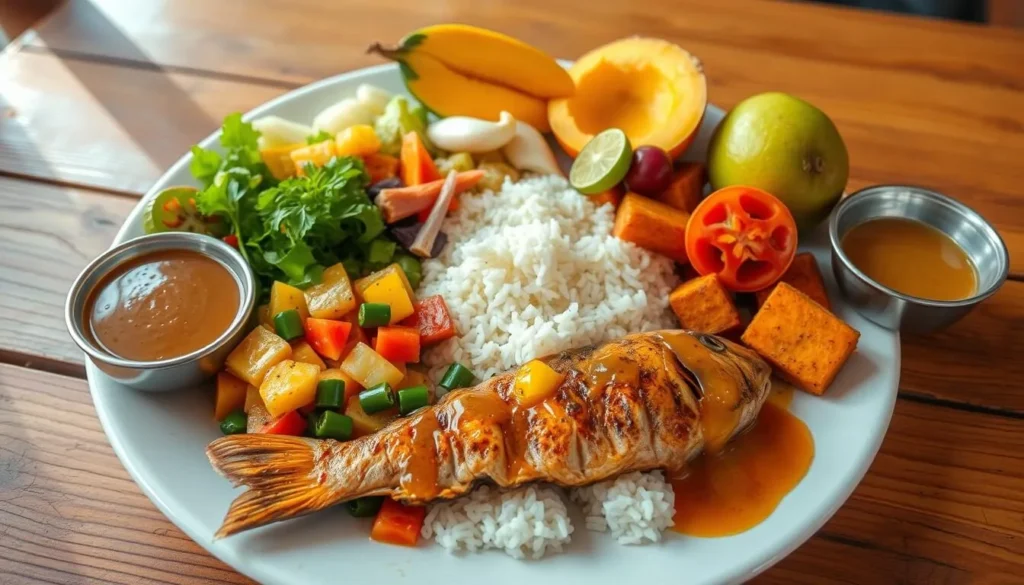
There are no restaurants within Marojejy National Park, so visitors need to bring their own food supplies. Each camp has cooking facilities with charcoal ovens and basic utensils available for a fee (8,000-20,000 Ariary depending on group size).
In Sambava and Manantenina, you can purchase supplies for your trek. The SAVA region is famous for vanilla production, and you might find local dishes flavored with this prized spice.
Food Recommendations
- Pack lightweight, high-energy foods for the trek
- Bring plenty of water or water purification tablets
- Consider hiring a cook through your guide service
- Try local Malagasy specialties like romazava (meat and greens stew) in Sambava
- Sample vanilla-infused dishes and fresh tropical fruits from local markets
Many guided tour packages include meals prepared by a cook who accompanies your group, which can greatly enhance your trekking experience.
Attractions, Sightseeing & Activities
Marojejy National Park offers several established hiking circuits of varying difficulty, each showcasing different aspects of the park’s biodiversity and landscapes.
Main Hiking Circuits
Mantella Circuit
A medium difficulty 4.3km trek from the park entrance to Camp Mantella (450m elevation). Features lowland primary forest with opportunities to spot reptiles, amphibians, birds like the Helmet vanga, and lemurs including the White-fronted brown lemur.
Duration: 2-3 hours
Simpona Circuit
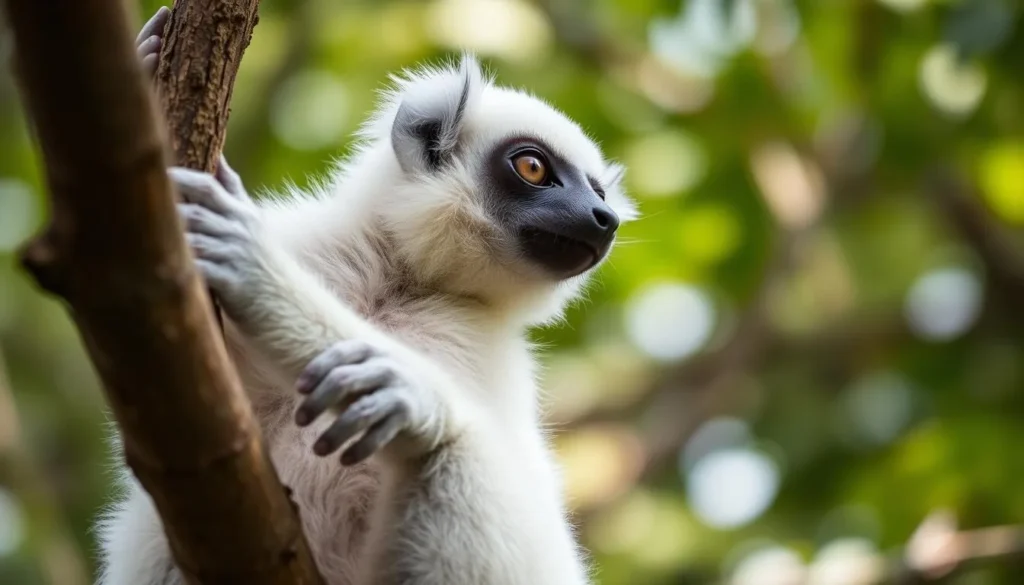
A medium-to-difficult 2km trek from Camp Mantella to Camp Marojejya (775m elevation). Named after the Malagasy word for the Silky sifaka, this trail offers the best chance to spot this critically endangered lemur.
Duration: 1-2 hours
Summit Circuit
A challenging 4km trek from Camp Marojejya to the summit (2,132m elevation), with Camp Simpona (1,250m) as an intermediate base. Crosses high-altitude rainforest and offers panoramic views extending to the Indian Ocean on clear days.
Duration: 6-7 hours
Black Swimming Pool Circuit
An easy 600m trek suitable for day visitors. Leads to a waterfall with a black pool where you might spot birds such as the Blue coua and Helmet vanga.
Duration: 30 minutes
Wildlife Highlights
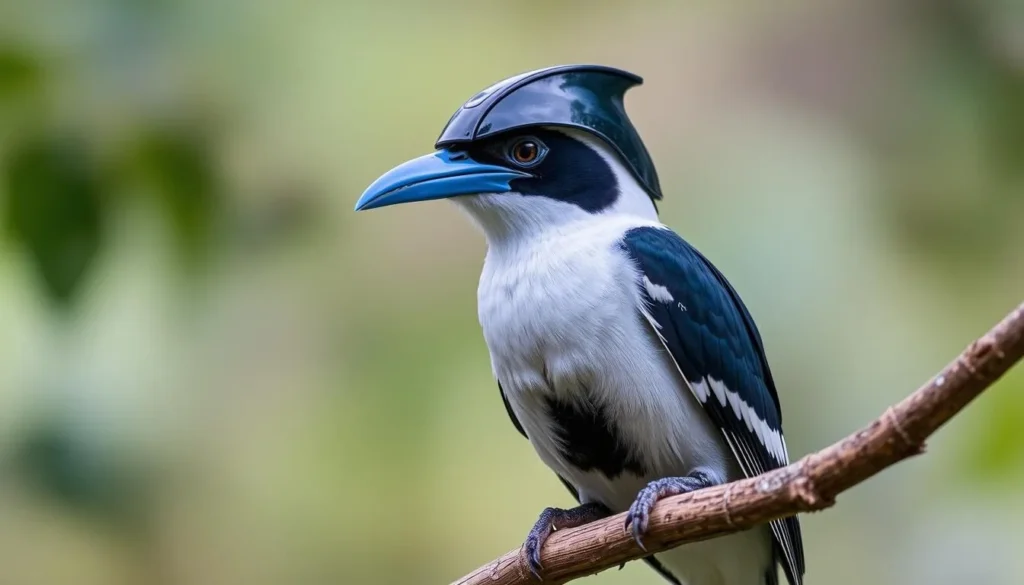
Marojejy National Park is renowned for its exceptional biodiversity, with many species found nowhere else on Earth. The park is home to 11 lemur species, 118 bird species, and over 148 species of reptiles and amphibians.
Must-See Wildlife
Lemurs
- Silky sifaka (critically endangered)
- White-fronted brown lemur
- Eastern grey bamboo lemur
- Red-bellied lemur
- Eastern woolly lemur
Birds
- Helmet vanga
- Madagascar serpent eagle
- Blue coua
- Madagascar paradise-flycatcher
- Sunbird asity
Reptiles & Amphibians
- Brookesia karchei (leaf chameleon)
- Mantella laevigata (green-backed frog)
- Uroplatus fimbriatus (leaf-tail gecko)
- Madagascar tree boa
- Various endemic skinks and snakes
The park is also home to remarkable plant life, including 305 species of ferns, 50 species of palms, and rare specimens like the Takhtajania perrieri—a plant dating back to the time of dinosaurs, 120 million years ago.
Safety, Etiquette & Local Customs

Visiting Marojejy National Park requires preparation and respect for local customs and the environment.
Important Guidelines
Safety Tips
- Hiring a guide is mandatory and costs 25,000-30,000 Ariary per day
- Porters are recommended (5,000-8,000 Ariary per day)
- Bring proper hiking boots with good grip
- Pack rain gear regardless of season
- Bring a basic first aid kit with leech repellent
- Carry sufficient water or purification tablets
Cultural Etiquette
- The dominant ethnic group is Tsimihety
- Respect any local taboos (fady) your guide mentions
- Ask permission before photographing local people
- Support the local economy by hiring local guides and porters
- Never remove plants, animals, or artifacts from the park
- Pack out all trash you bring in
The park entrance fee for foreign adults is 45,000 Ariary (approximately $11 USD) and 25,000 Ariary for children. All fees are paid at the park office in Manantenina.
Practical Travel Tips

Essential Packing List
Clothing
- Moisture-wicking shirts and pants
- Waterproof jacket and pants
- Sturdy hiking boots with ankle support
- Quick-dry socks (multiple pairs)
- Hat for sun protection
- Warm layers for higher elevations
Equipment
- Backpack with rain cover
- Headlamp or flashlight
- Binoculars for wildlife viewing
- Camera with extra batteries
- Water bottles or hydration system
- Sleeping bag liner for camp bungalows
Health & Safety
- First aid kit with basic medications
- Insect repellent with DEET
- Sunscreen (SPF 30+)
- Water purification tablets
- Anti-leech socks or repellent
- Hand sanitizer and toilet paper
Trip Planning Recommendations
- Allow at least 3-4 days for a comprehensive park experience
- Budget approximately €200 per person for a 3-day guided excursion
- Book accommodations in Sambava before and after your trek
- Arrange your guide and porter through your Sambava hotel or the park office
- Bring enough cash as there are no ATMs near the park
- Consider combining your visit with nearby Anjanaharibe-Sud Special Reserve
Conclusion
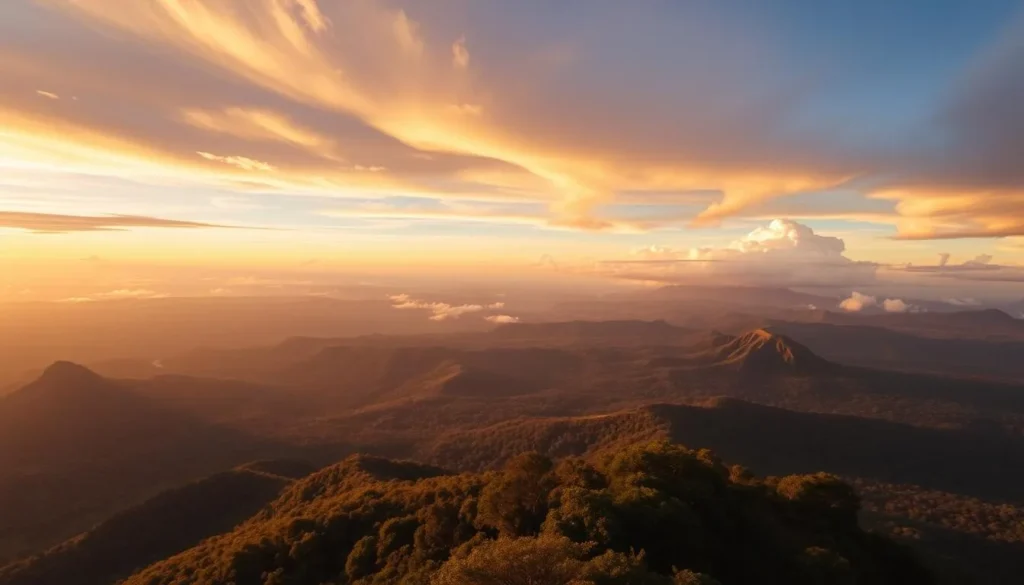
Marojejy National Park offers an authentic wilderness experience that rewards adventurous travelers with pristine forests, rare wildlife encounters, and breathtaking mountain landscapes. While reaching and exploring the park requires effort, the opportunity to trek through one of Madagascar’s most intact ecosystems and potentially spot the critically endangered silky sifaka makes it an unforgettable destination for nature lovers.
From the lowland rainforests to the misty mountain summit, Marojejy showcases the extraordinary biodiversity that makes Madagascar one of the world’s most unique natural treasures. By visiting with respect and preparation, you’ll not only create lasting memories but also contribute to the conservation of this remarkable protected area.


0 Comments