Hotels by Trip.com
Flights by Trip.com
Did you know that Mikea National Park is home to one of the last hunter-gatherer societies on Earth? This remote wilderness in southwestern Madagascar remains one of the country’s least visited yet most fascinating national parks. Established in 2009, this 250,000-hectare protected area offers a rare glimpse into both pristine ecosystems and traditional ways of life that have remained largely unchanged for centuries.
Mikea National Park: Madagascar’s Hidden Gem
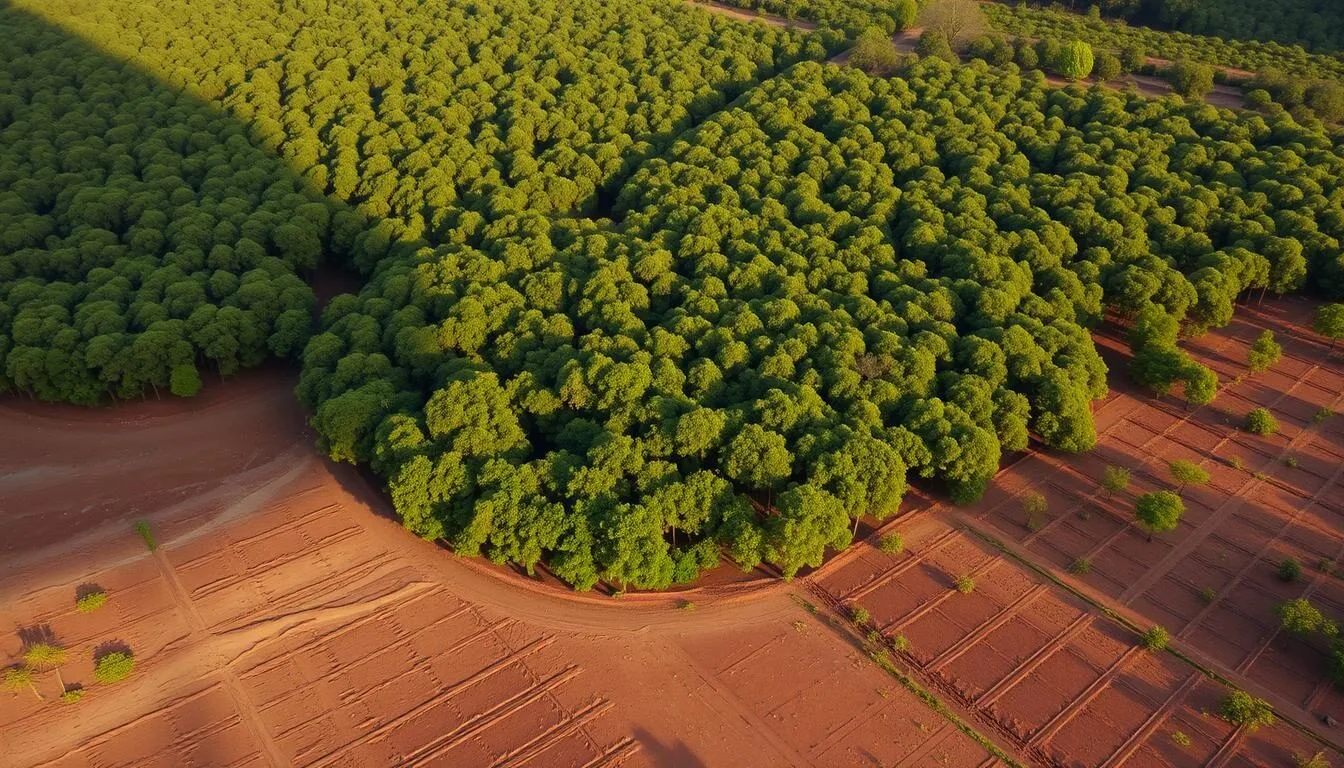
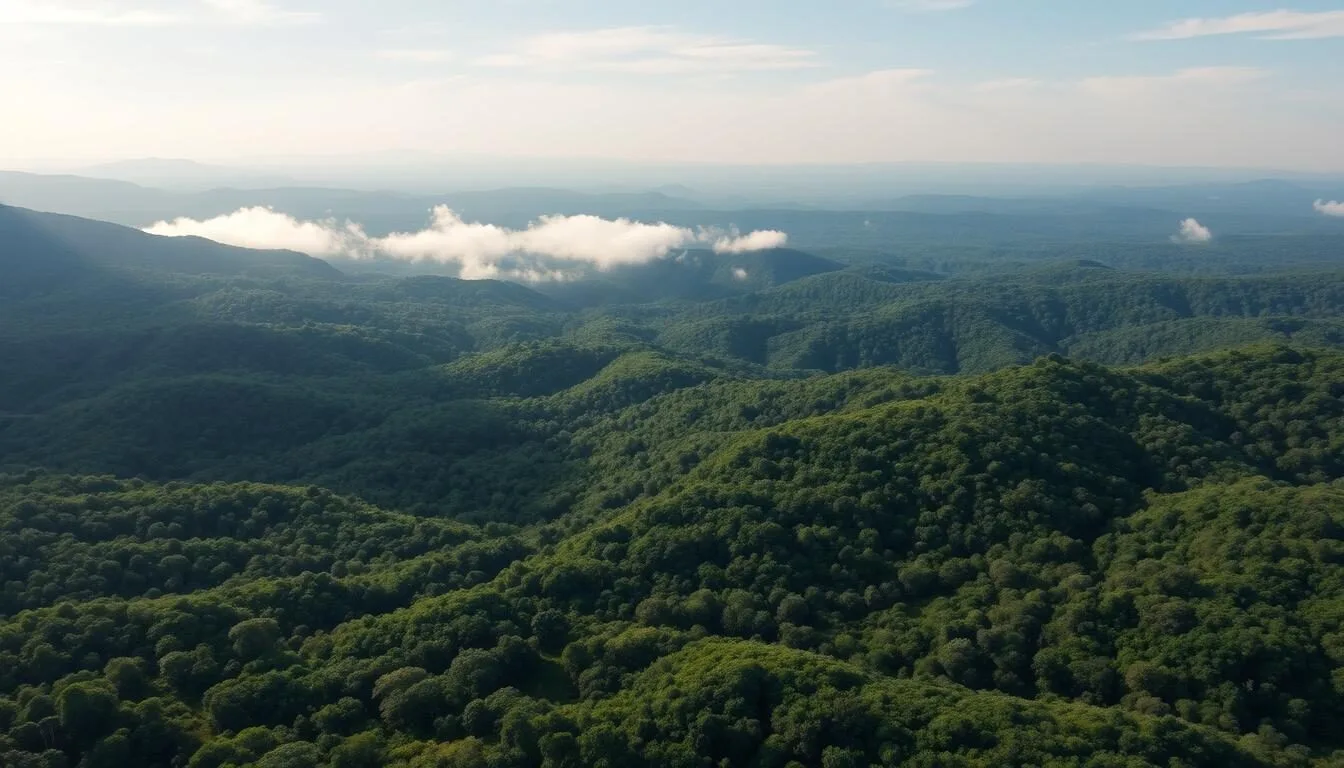
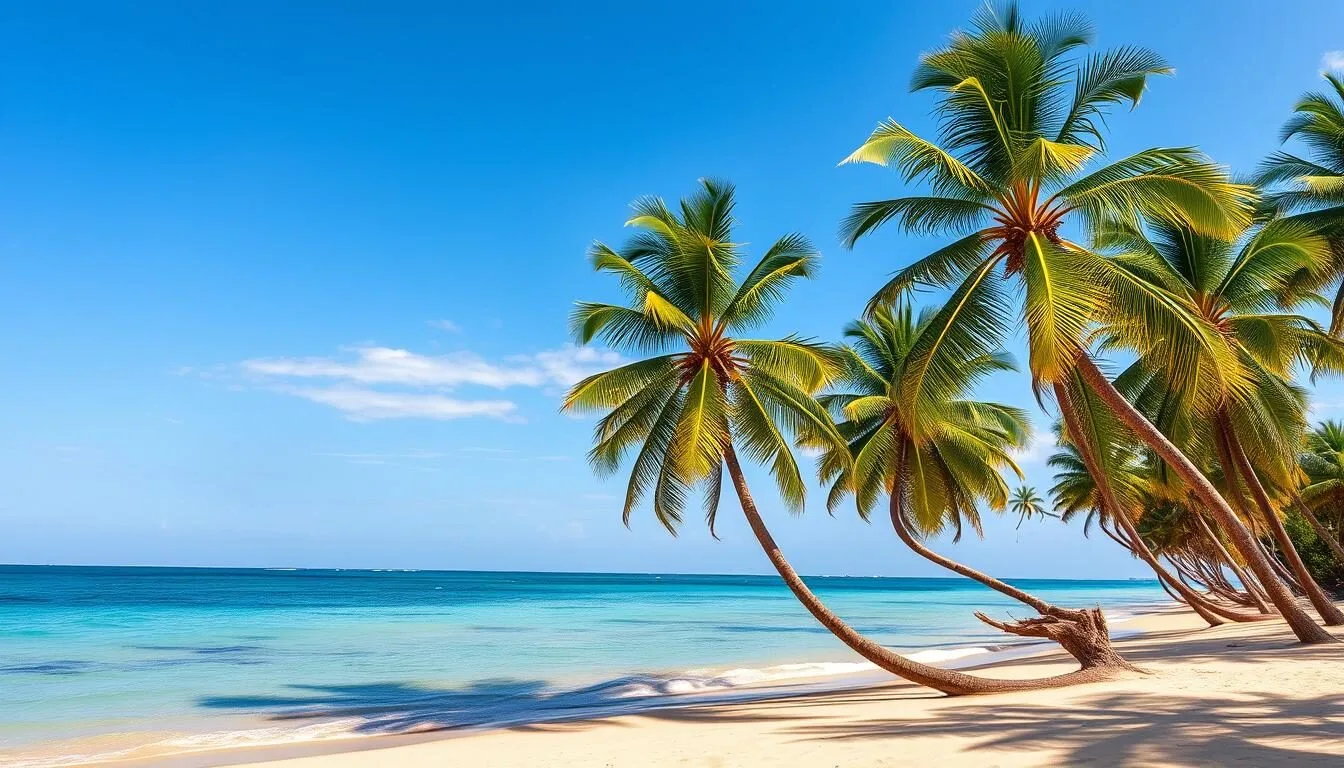
Found in the southwest of Madagascar, Mikea National Park offers an enticing alternative for travelers seeking to explore beyond the country’s more popular destinations. This diverse park encompasses stunning white-sand beaches, spiny forests, lakes, rivers, and marshes – creating a mosaic of ecosystems teeming with unique wildlife.
The park is named after the Mikea people, one of the last remaining hunter-gatherer societies in Madagascar who continue their traditional lifestyle within the forest. With its rich biodiversity, cultural significance, and relatively untouched landscapes, Mikea provides adventurous travelers with an authentic Madagascar experience far from the tourist crowds.
Getting There & Planning Your Journey
Reaching Mikea National Park requires some advance planning due to its remote location. The park is situated between the Manombo and Mangoky Rivers in southwestern Madagascar, approximately 100 km north of Toliara (also known as Tuléar).

How to Reach Mikea National Park:
- Fly into Antananarivo (Tana), Madagascar’s capital, then take a domestic flight to Toliara.
- From Toliara, hire a 4×4 vehicle with a driver-guide for the journey to Mikea (approximately 3-4 hours on rough roads).
- Alternative route: Some visitors access the park via boat along the coast from Ankasy or Morondava, which offers spectacular views but depends on weather conditions.
The journey to Mikea is challenging but rewarding. The roads are often sandy and unpaved, making a 4×4 vehicle essential. Many travelers choose to visit as part of a longer Madagascar itinerary that includes other southwestern attractions like Isalo National Park or the famous Avenue of the Baobabs near Morondava.
Best Time to Visit Mikea National Park
Timing your visit to Mikea National Park is crucial for an optimal experience. The region has a distinct dry and wet season that significantly impacts accessibility and wildlife viewing opportunities.
Recommended Months to Visit:
Best Time (May to October):
- Dry season with minimal rainfall
- Temperatures range from 20-30°C (68-86°F)
- Better road conditions for accessing the park
- Clearer visibility for wildlife spotting
- Ideal for beach activities and snorkeling
Months to Avoid (November to April):
- Wet season with heavy rainfall
- Temperatures range from 25-35°C (77-95°F)
- Roads may become impassable
- Higher humidity levels
- Risk of cyclones, especially January-February
The dry season (May-October) offers the most comfortable conditions for exploring Mikea National Park. During this period, the weather is pleasantly warm during the day and cooler at night. The drier conditions also make wildlife more concentrated around water sources, increasing your chances of spotting lemurs and other animals.
Getting Around Locally
Once you’ve reached Mikea National Park, getting around requires local transportation options suited to the terrain. The park’s diverse landscapes – from beaches to forests – demand different approaches to exploration.
Local Transportation Options:
- Guided 4×4 Excursions: The most common way to explore inland areas of the park, allowing access to remote baobab forests and Mikea settlements.
- Buggies and Quad Bikes: Available at some lodges for exploring sandy areas and reaching the baobab forests.
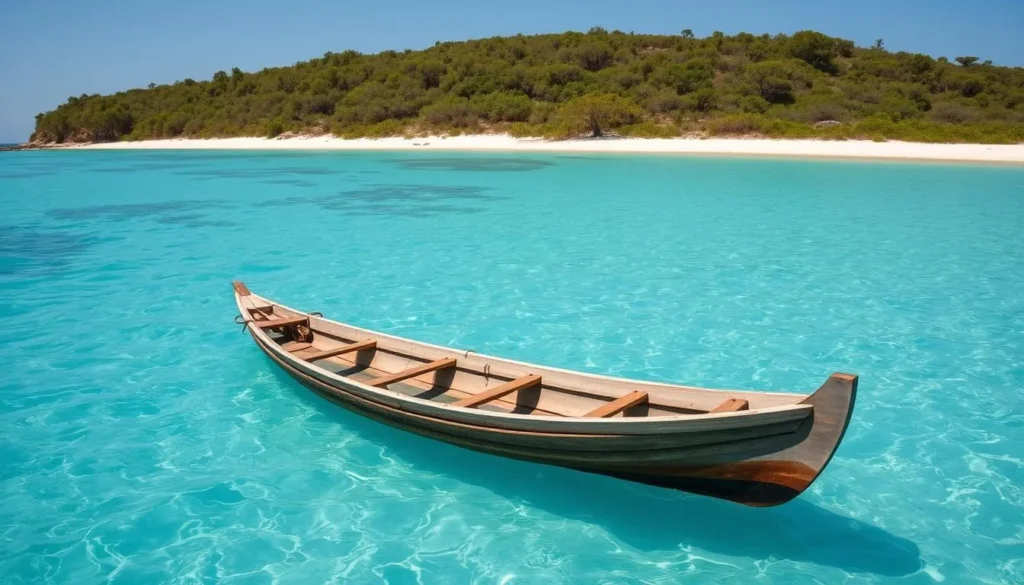
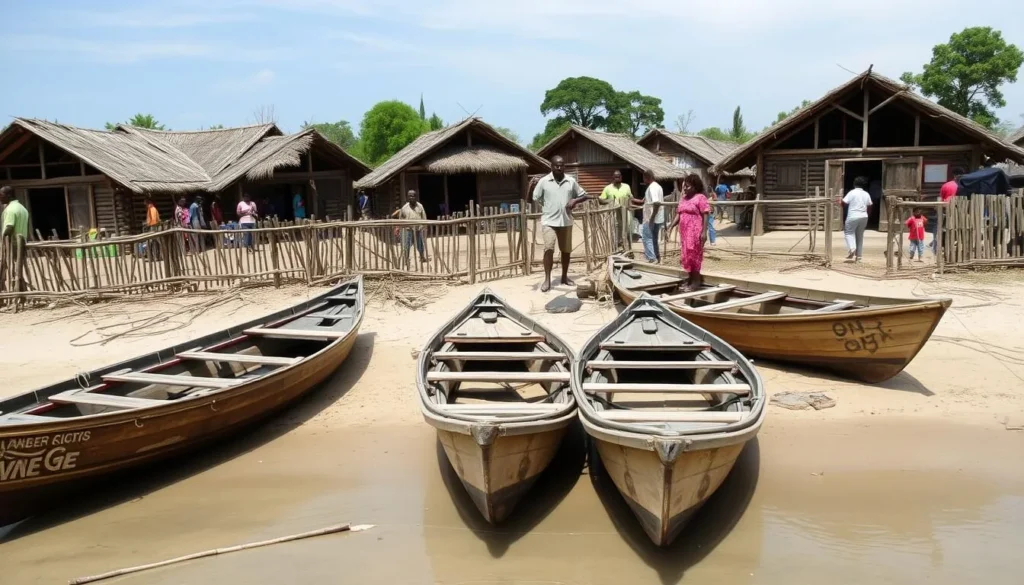
- Traditional Pirogues: Wooden boats used for coastal exploration, fishing villages visits, and accessing snorkeling spots.
- Zebu Carts: Traditional ox-drawn carts sometimes used to transport visitors from boats to shore or for short trips near villages.
- Guided Hiking: The best way to experience the spiny forest and spot wildlife with a knowledgeable local guide.
Most visitors explore Mikea National Park with the assistance of guides from their accommodation or through pre-arranged tours. Local guides are essential not only for navigation but also for their knowledge of wildlife, plants, and cultural aspects of the region. They can also facilitate respectful interactions with the Mikea people if such opportunities arise.
Where to Stay
Accommodation options near Mikea National Park are limited but offer unique experiences that complement the park’s remote character. From beachfront lodges to camping under baobabs, each option provides a different perspective on this remarkable region.
Accommodation Options:
Mikea Lodge
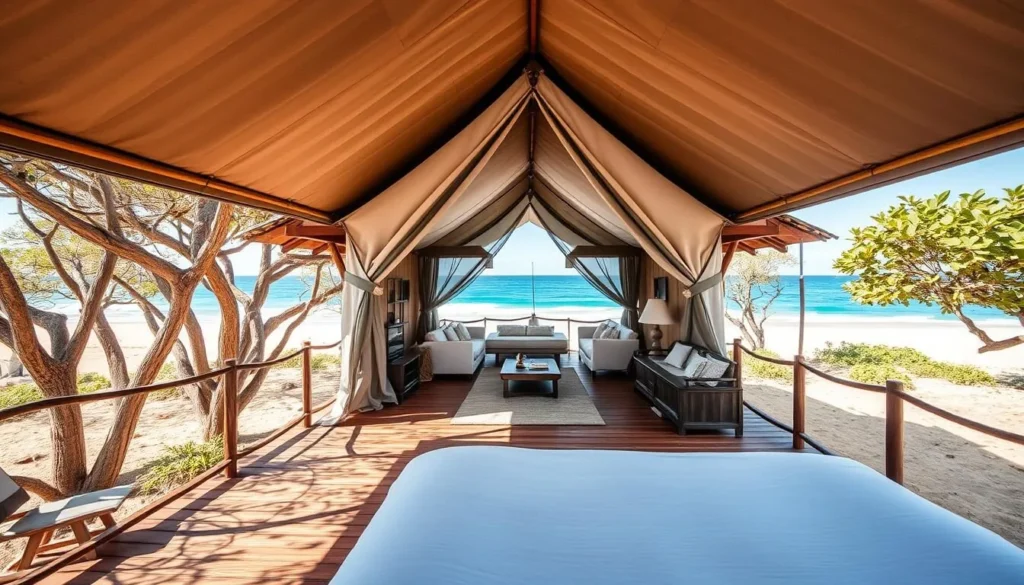
The premier accommodation option in the area, offering luxury “glamping” chalets on stilts along the beach. Each tent features comfortable beds, outdoor showers, and stunning ocean views. The lodge provides full-board meals, guided excursions, and boat transfers.
Check 30,000+ Local Sightseeing Tours Worldwide
✓ Numerous languages and currencies are available
Baobab Camp
A unique camping experience set up among ancient baobab trees. Military-grade tents with basic amenities allow guests to sleep beneath 900-year-old giants. Usually arranged as an excursion from Mikea Lodge, complete with BBQ dinners and campfires.
Ankasy Accommodations
Several simple guesthouses and bungalows in the nearby village of Ankasy offer more budget-friendly options. These basic accommodations provide an authentic experience but with fewer amenities than the lodge.
Most visitors choose to stay at Mikea Lodge due to its proximity to the park and comprehensive services. The lodge can arrange all necessary permits, guides, and excursions to explore the national park. Advance booking is essential as accommodation options are limited in this remote region.
Dining & Local Cuisine
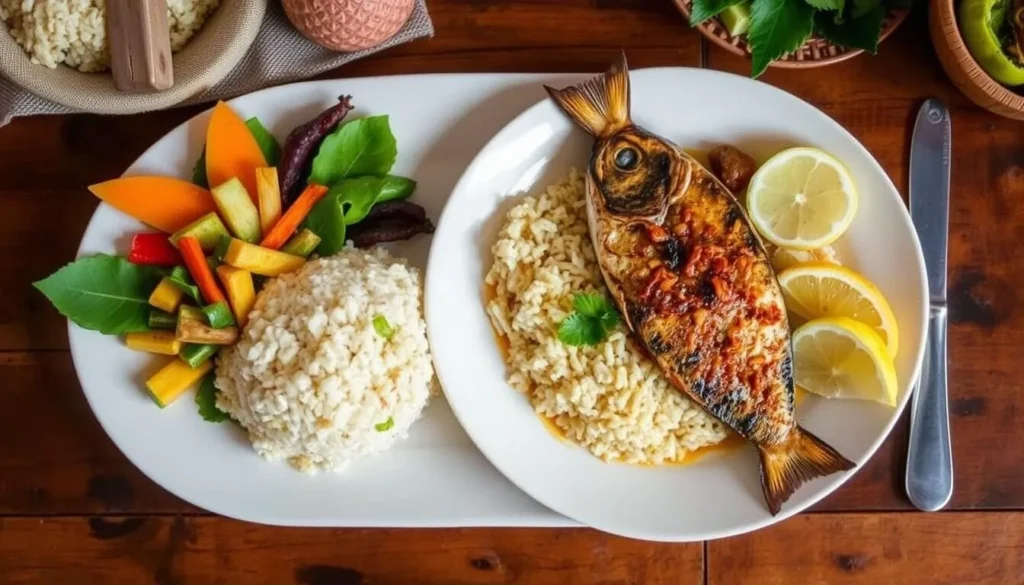
Dining options in Mikea National Park are primarily limited to lodge restaurants and camp meals, but they offer delicious opportunities to sample Malagasy cuisine with a coastal influence. Fresh seafood features prominently on most menus in this region.
Culinary Experiences:
- Lodge Dining: Mikea Lodge offers full-board meals featuring fresh seafood caught daily, tropical fruits, and Malagasy specialties. Expect fish skewers, coconut curries, and homemade desserts.
- Beach BBQs: Special dinners arranged on the beach with freshly caught fish, zebu meat, and vegetables grilled over open fires.
- Baobab Camp Meals: Rustic yet delicious BBQ dinners served under the stars when staying at the Baobab Camp.
- Local Village Food: Simple meals of rice, beans, and fish can be arranged when visiting nearby fishing villages.
- Traditional Drinks: Try local rum arrangements (infused with vanilla, cinnamon, or fruits) and fresh coconut water.
Most visitors rely on their accommodation for meals due to the remote location. Mikea Lodge and similar establishments pride themselves on creating memorable dining experiences despite logistical challenges. The chefs often incorporate local ingredients and traditional Malagasy cooking techniques, creating a unique fusion of flavors that reflect the coastal region’s cultural influences.
Attractions, Sightseeing & Activities
Mikea National Park offers diverse activities that showcase its unique natural and cultural heritage. From pristine beaches to ancient forests, the park provides numerous opportunities for exploration and adventure.
Top Attractions and Activities:
Baobab Forest Exploration
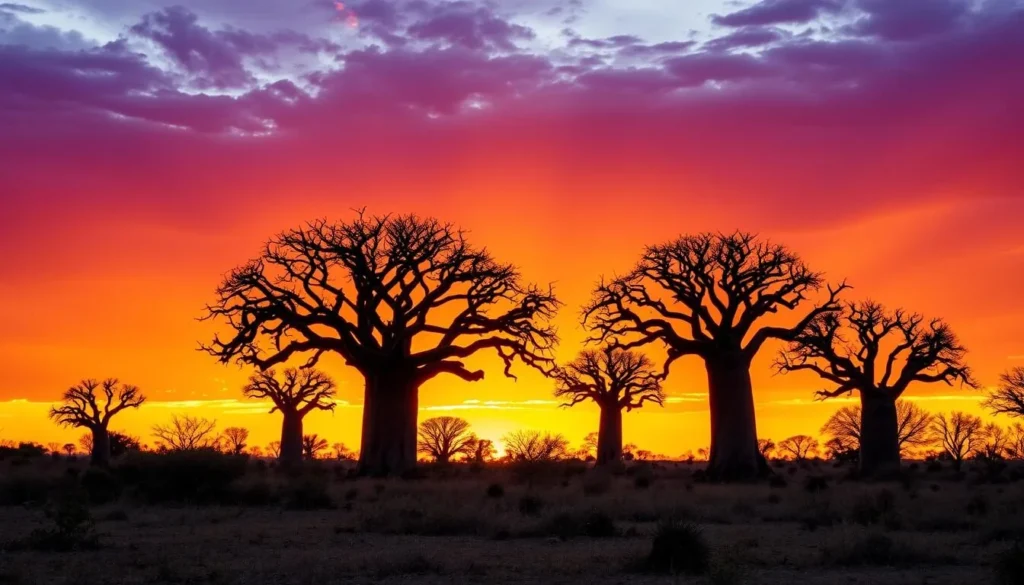
Visit one of Madagascar’s last natural baobab forests, home to 600-900 year old Grandidier’s baobabs. These iconic trees with their massive water-storing trunks are perfect for photography, especially at sunrise or sunset when the light creates dramatic silhouettes.
Pristine Beaches
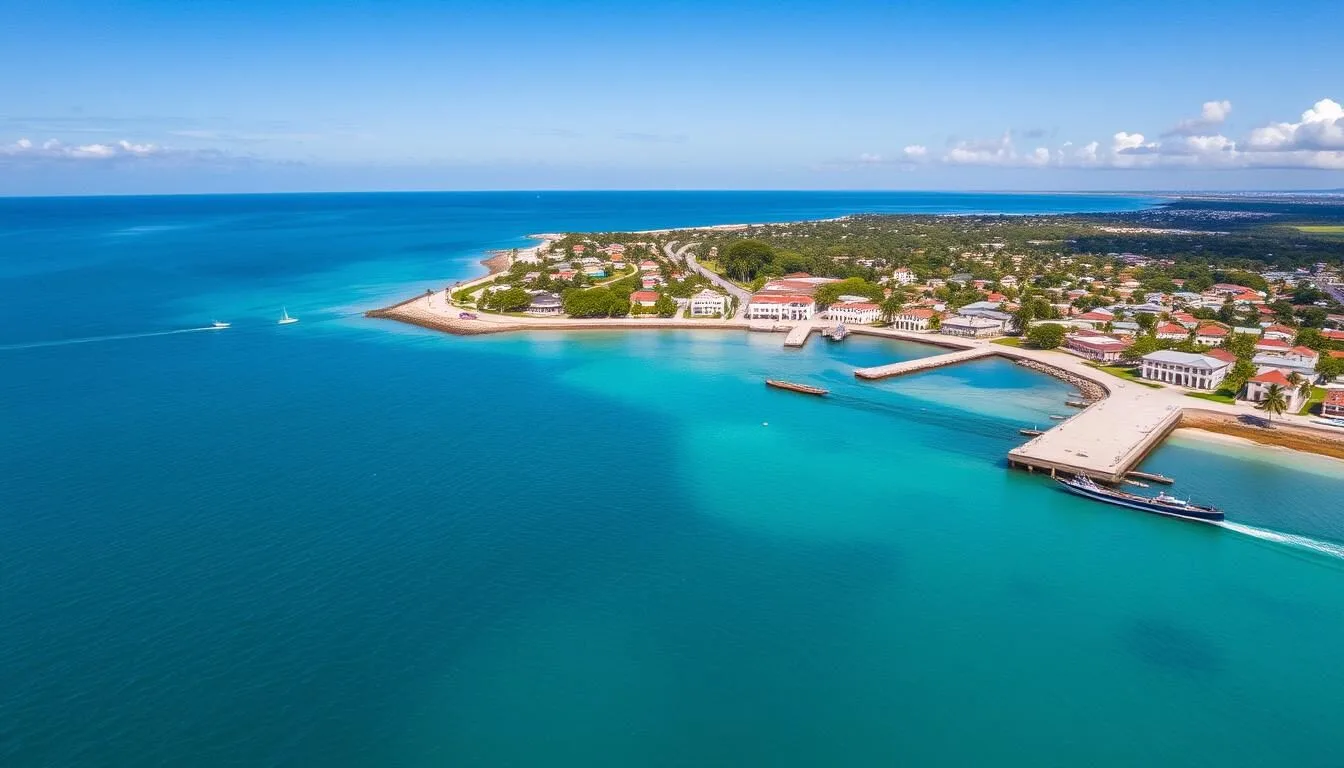
Enjoy the park’s stunning white-sand beaches with crystal-clear turquoise waters. These uncrowded shores are perfect for swimming, sunbathing, and beachcombing. The shallow waters near the shore make for excellent snorkeling opportunities to observe colorful marine life.
Wildlife Spotting
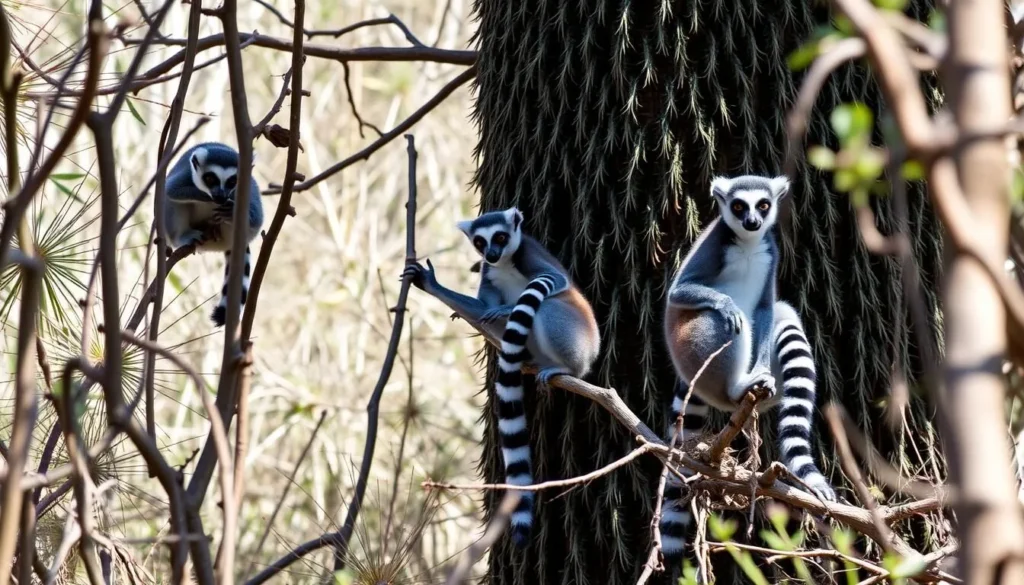
Look for the park’s diverse wildlife, including nine species of lemur such as the ring-tailed lemur and Verreaux’s sifaka. The park is also home to 63 bird species, including the striking running coua and chabert vanga with their distinctive blue eye markings.
Cultural Encounters
With proper arrangements and respect, visitors may have the opportunity to meet members of the Mikea tribe who maintain a traditional hunter-gatherer lifestyle in the forest. These rare cultural interactions offer insight into one of Madagascar’s most unique indigenous communities.
Spiny Forest Trekking
Explore the distinctive spiny forest ecosystem with a guided trek. This unique habitat features octopus trees (didieras) and other drought-adapted plants found nowhere else on Earth. Morning walks offer the best wildlife viewing opportunities.
Coastal Boat Excursions
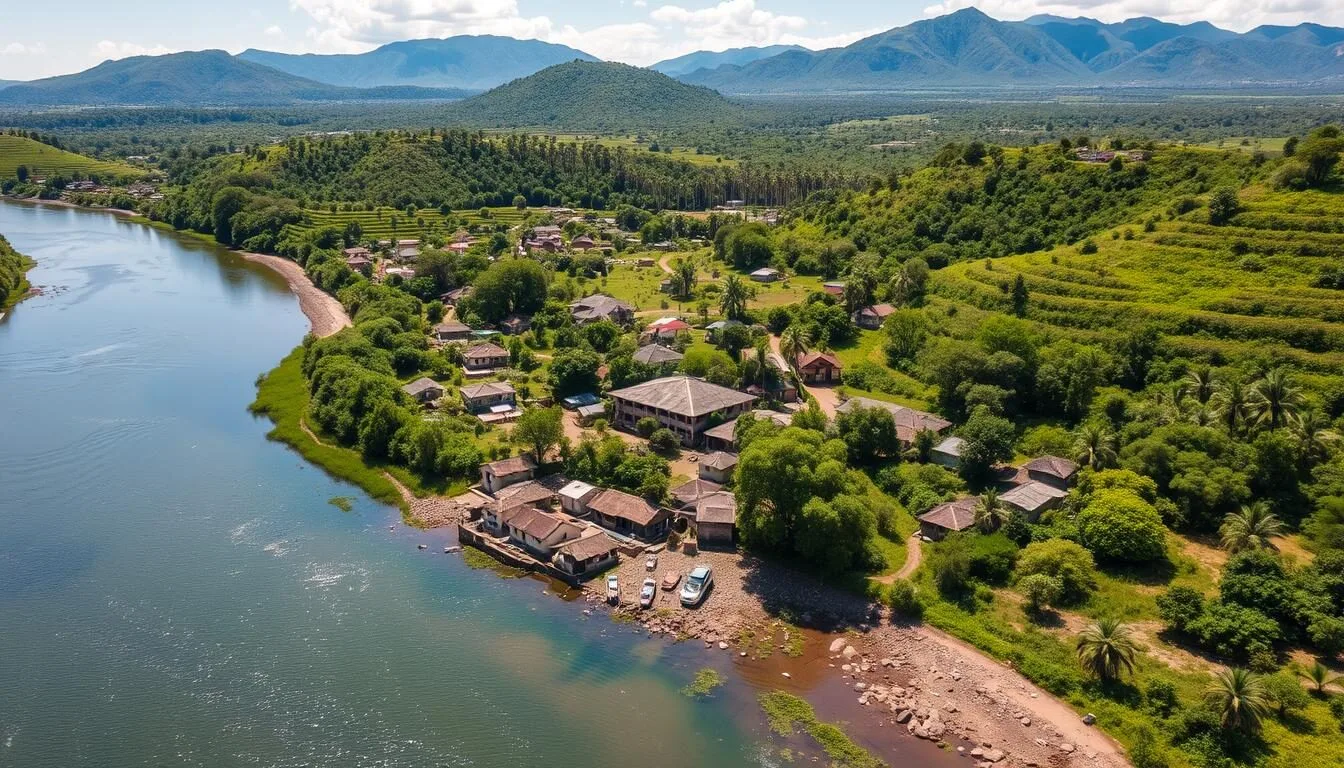
Take a traditional pirogue boat trip along the coast to visit remote fishing villages, hidden coves, and excellent snorkeling spots. These excursions provide a different perspective on the park’s coastal environments and local way of life.
Most activities in Mikea National Park require a guide, both for navigation and to enhance your understanding of the unique ecosystems and cultural aspects. Your accommodation can typically arrange guided excursions with knowledgeable local experts who speak French and basic English.
Cultural Insights & The Mikea People
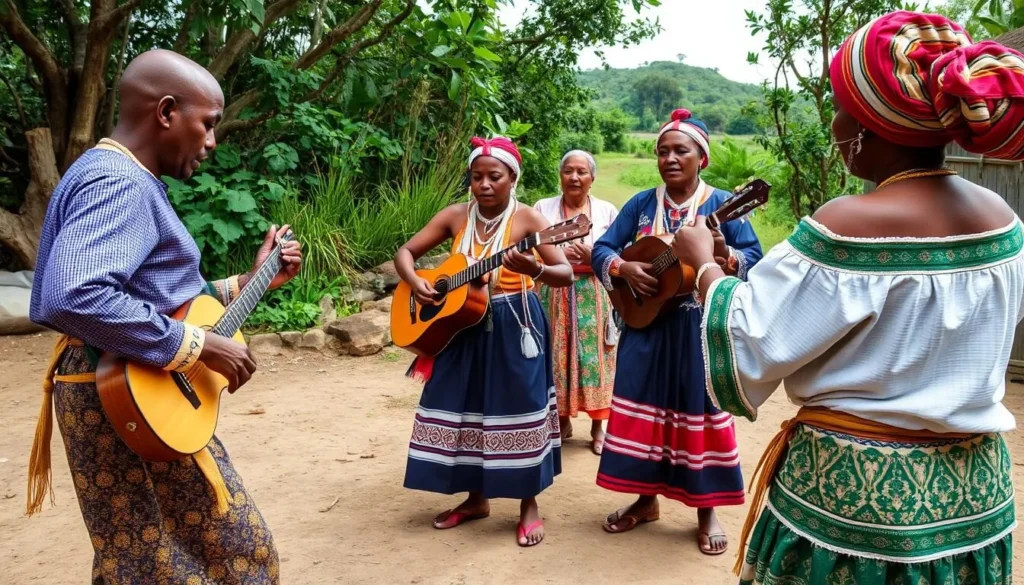
One of the most fascinating aspects of Mikea National Park is the presence of the Mikea people, one of the last hunter-gatherer societies in Madagascar and indeed the world. Their traditional lifestyle and deep connection to the forest environment offer visitors a rare glimpse into an ancient way of life.
The Mikea People:
- The Mikea are believed to number no more than 1,500 people, most living within the forests of the national park.
- They maintain a traditional hunter-gatherer lifestyle, hunting birds and small mammals while gathering wild fruits, honey, and tubers.
- Some Mikea groups practice limited agriculture, growing corn and manioc during the dry season.
- The Mikea have developed specialized survival skills, including the ability to extract water from baobab trees during dry periods.
- Their spiritual practices include distinctive dance, music, and mask-making traditions.
The origins of the Mikea people are debated. Some local legends connect them to the mythical Vazimba, Madagascar’s original inhabitants from over 2,000 years ago. However, researchers suggest they may be descendants of villagers who fled into the forests to escape invading armies in the mid-20th century and subsequently adapted to a hunter-gatherer lifestyle.
If cultural encounters with the Mikea are possible during your visit, they should be approached with the utmost respect and only through proper channels with experienced guides who understand appropriate protocols. Some families have agreed to limited interaction with visitors, but many prefer to maintain their privacy and traditional way of life.
Practical Travel Tips
Visiting Mikea National Park requires preparation due to its remote location and limited infrastructure. These practical tips will help you plan a smooth and enjoyable experience in this unique destination.
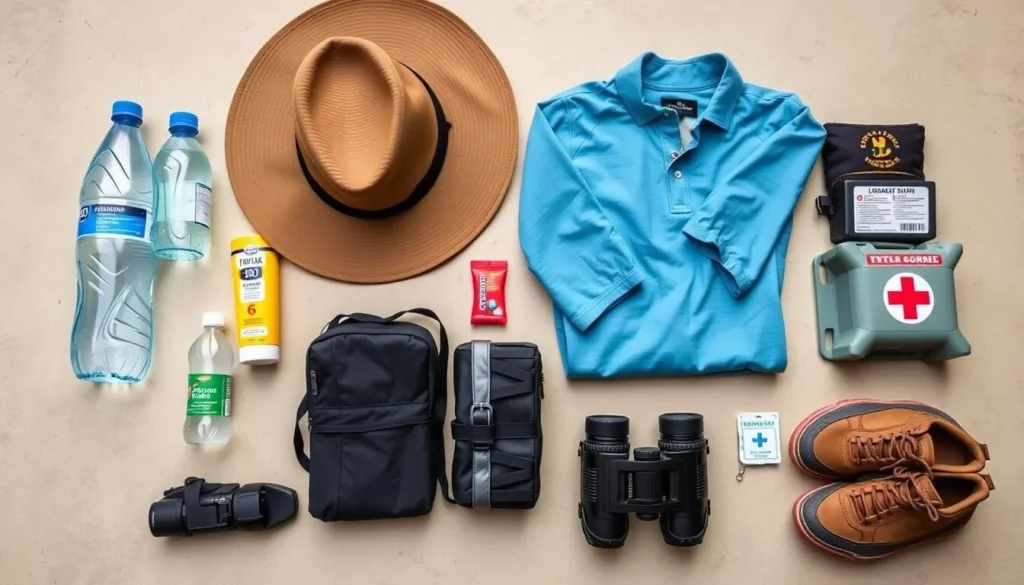
Essential Travel Tips:
Health & Safety:
- Consult a travel doctor before your trip for recommended vaccinations and malaria prophylaxis.
- Bring a comprehensive first-aid kit as medical facilities are extremely limited.
- Pack plenty of high-SPF sunscreen, insect repellent, and a wide-brimmed hat.
- Carry sufficient drinking water or water purification methods.
Packing Essentials:
- Lightweight, breathable clothing that covers arms and legs for sun protection and insect defense.
- Sturdy walking shoes for forest treks and water shoes for beach activities.
- Binoculars for wildlife spotting and a good camera with extra batteries.
- Flashlight or headlamp with spare batteries for nighttime at camps or lodges.
Practical Arrangements:
- Book accommodations and transportation well in advance due to limited options.
- Bring sufficient cash (Malagasy Ariary) as there are no ATMs in the area.
- Purchase a local SIM card in larger cities before heading to Mikea, though coverage may be limited.
- Arrange park permits through your accommodation or tour operator.
Cultural Considerations:
- Always ask permission before photographing local people, especially the Mikea.
- Dress modestly when visiting villages (shoulders and knees covered).
- Learn a few basic Malagasy phrases as a courtesy to locals.
- Follow your guide’s instructions regarding cultural protocols and taboos.
The remote nature of Mikea National Park means visitors should be prepared for basic conditions and occasional logistical challenges. However, with proper planning and an adventurous spirit, these minor inconveniences are far outweighed by the extraordinary experiences this unique destination offers.
Experience the Untouched Beauty of Mikea National Park
Mikea National Park represents Madagascar at its most authentic and untamed. From ancient baobab forests to pristine beaches, from unique wildlife to fascinating cultural encounters, this remote destination offers experiences that can’t be found anywhere else on the island – or perhaps the world.
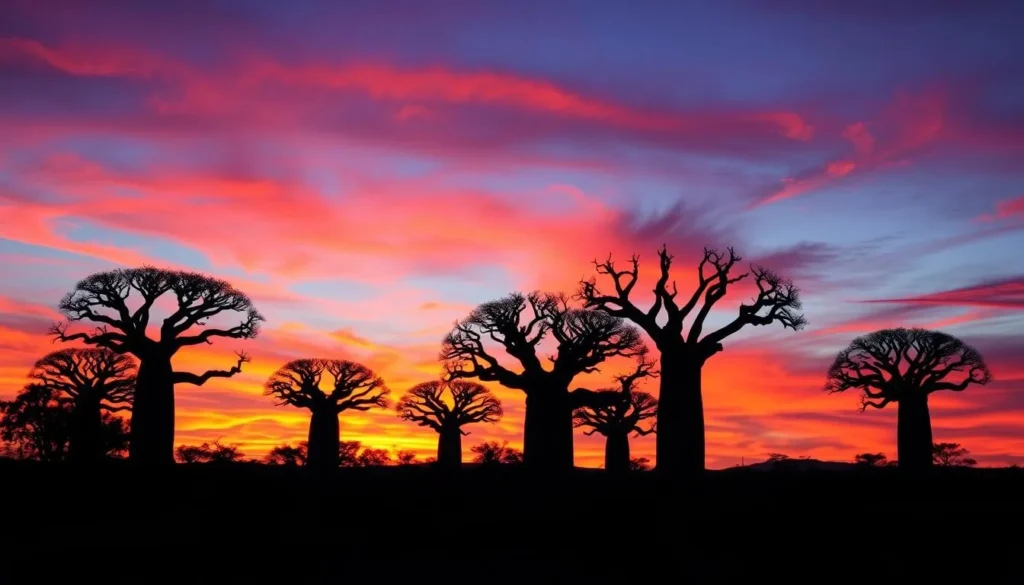
While reaching this hidden gem requires effort, the rewards are immeasurable. Visitors who make the journey to Mikea return with not just photographs but stories of genuine adventure, cultural insights, and memories of landscapes that few travelers ever witness. In an increasingly connected world, Mikea National Park offers something increasingly rare – a truly off-the-beaten-path experience where nature and traditional ways of life continue much as they have for centuries.