
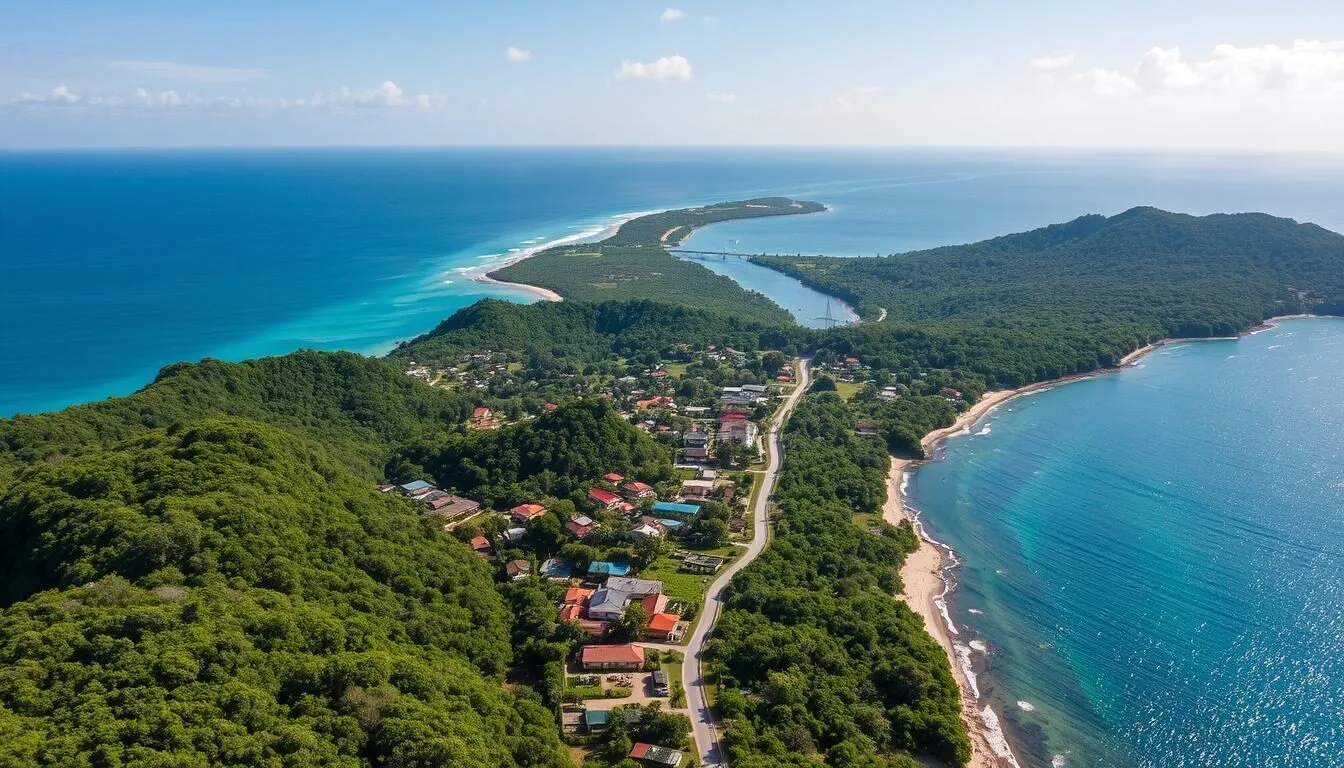
Did you know that Nosy Varika is one of the few places in Madagascar where you can experience the famous Pangalanes Canal system while being surrounded by pristine rainforest? This hidden gem on Madagascar’s eastern coast remains largely untouched by mass tourism, offering authentic cultural experiences that have disappeared from more popular destinations.
Nestled between the Indian Ocean and the Pangalanes Canal on Madagascar’s eastern coast, Nosy Varika offers travelers a rare glimpse into traditional Malagasy life. With its vibrant local markets, pristine beaches, and access to both canal adventures and rainforest exploration, this unassuming town deserves a spot on any Madagascar itinerary.
Getting There & Planning Your Journey
Reaching Nosy Varika requires some planning, but the journey itself becomes part of the adventure. The town is located approximately 250 km south of Toamasina (formerly Tamatave), Madagascar’s main eastern port city.
By Air
The closest airport is in Mananjary, about 90 km south of Nosy Varika. From there, you’ll need to arrange land transportation or a boat along the Pangalanes Canal. Flights to Mananjary from Antananarivo (the capital) operate a few times weekly.
By Road
From Antananarivo, take the RN2 highway to Toamasina (approximately 8 hours), then continue south along the coastal road (RN5) to Nosy Varika. Be prepared for a long journey with variable road conditions, especially during the rainy season.
By Boat
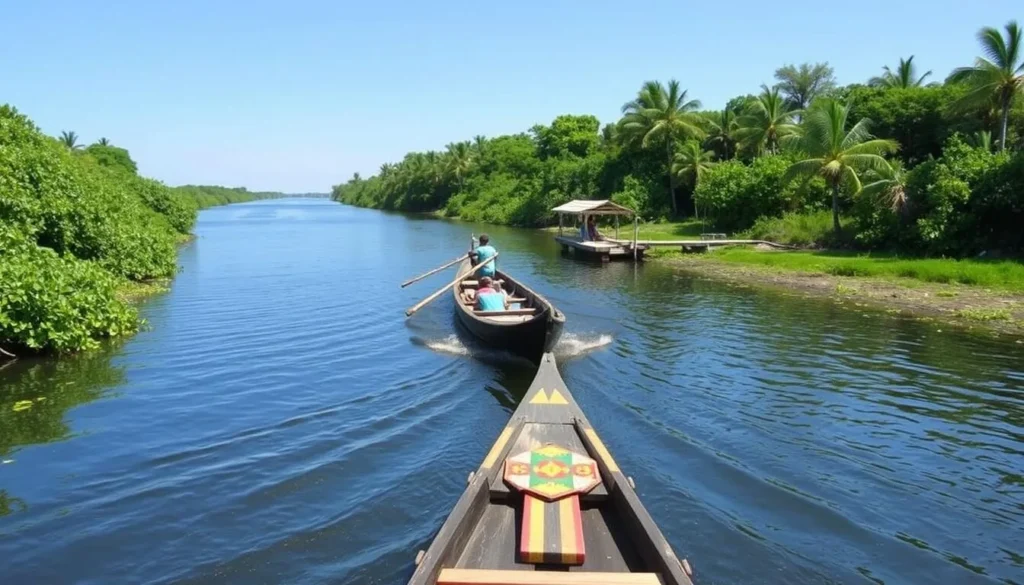
The most scenic route to Nosy Varika is via the Pangalanes Canal. You can arrange boat transportation from Toamasina or Mananjary. The journey takes longer but offers stunning views of local villages, lush vegetation, and wildlife along the way.
Best Time to Visit & Weather Tips
Madagascar’s east coast has a tropical climate with distinct wet and dry seasons. Understanding the weather patterns will help you plan the optimal time for your visit to Nosy Varika.
Best Time to Visit Nosy Varika
Recommended (April-October)
- Dry season with less rainfall
- Temperatures average 20-25°C (68-77°F)
- Ideal for outdoor activities and canal trips
- July-August offers the coolest temperatures
- September-October brings flowering plants
Avoid (January-March)
- Peak cyclone season
- Heavy rainfall makes travel difficult
- Some roads may become impassable
- High humidity levels (often above 80%)
- Some accommodations may close
The shoulder seasons (April-May and November-December) offer a good balance of fewer tourists and reasonable weather, though brief afternoon showers are common.
Getting Around Locally
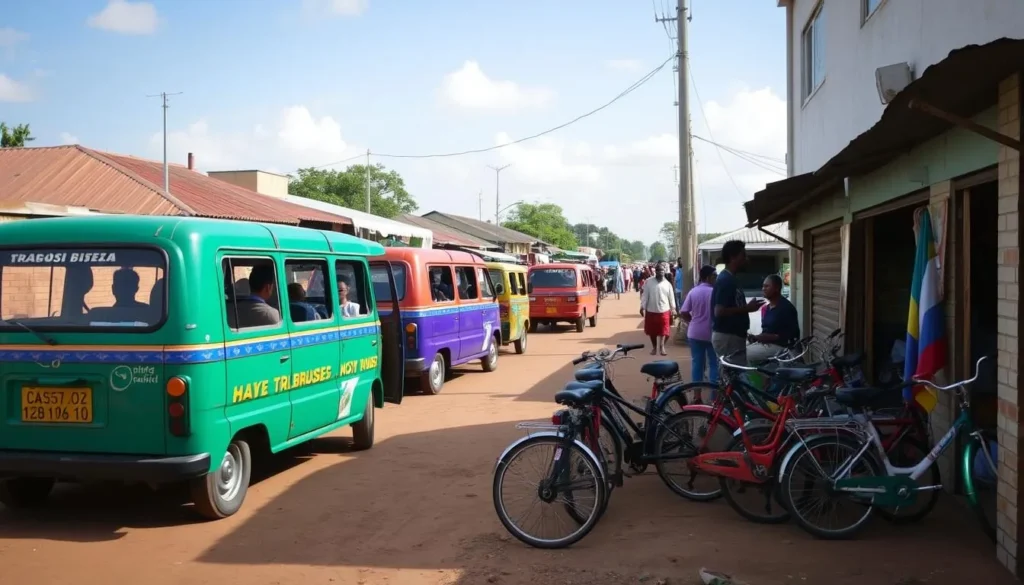
Nosy Varika is a relatively small town that’s easy to navigate on foot. However, for exploring the surrounding areas and attractions, you’ll need to consider other transportation options.
Local Transportation Options
- Walking: The town center is compact and walkable
- Bicycle rentals: Available from some guesthouses for exploring nearby areas
- Taxi-brousses: Shared minivans that serve as local public transportation
- Motorcycle taxis: For quick trips around town
- Pirogues: Traditional wooden boats for canal exploration
Where to Stay
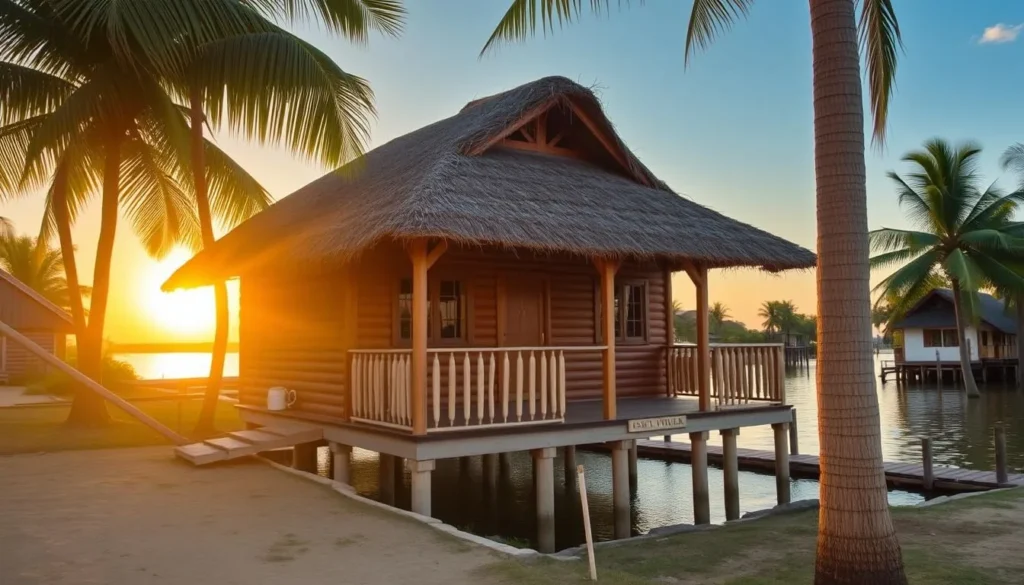
Accommodation options in Nosy Varika are limited but authentic, offering a chance to experience local hospitality. Don’t expect luxury resorts, but rather charming guesthouses and simple lodges that provide a genuine Malagasy experience.
Accommodation Options
Guesthouses
Family-run establishments offering basic but clean rooms with shared facilities. Prices range from 40,000-80,000 Ariary ($10-20 USD) per night.
Eco-Lodges
Simple bungalows built with local materials, often with private bathrooms and verandas overlooking the canal. Prices from 120,000-200,000 Ariary ($30-50 USD).
Homestays
Stay with local families for the most authentic experience. Arrangements can often be made through local guides for around 30,000 Ariary ($8 USD) per night including meals.
Dining & Local Cuisine
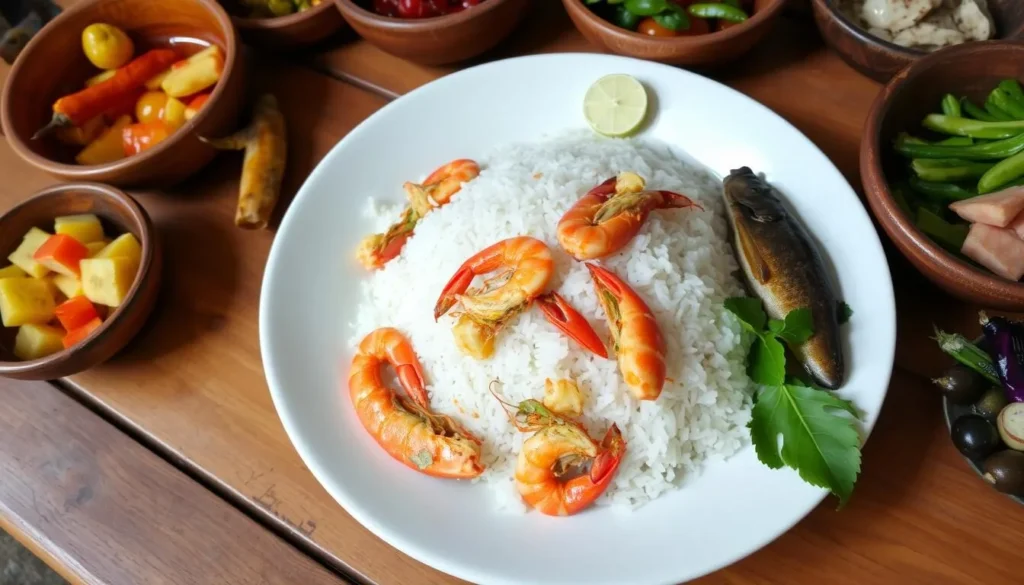
The cuisine in Nosy Varika reflects the town’s location between the ocean and the canal, with seafood featuring prominently alongside traditional Malagasy staples. Most meals are served in small local restaurants or prepared by guesthouses.
Must-Try Local Dishes
- Vary sy Laoka: The staple dish of rice served with accompaniments, often seafood or zebu meat
- Ravitoto: Cassava leaves pounded and cooked with coconut milk and pork
- Romazava: A traditional beef stew with mixed greens and ginger
- Fresh seafood: Locally caught fish, prawns, and crabs prepared simply with local spices
- Tropical fruits: Mangoes, lychees, passion fruit, and bananas grown in the surrounding areas
Most restaurants in Nosy Varika don’t have fixed menus but serve what’s fresh that day. Ask about the daily specials for the best experience.
Attractions, Sightseeing & Activities
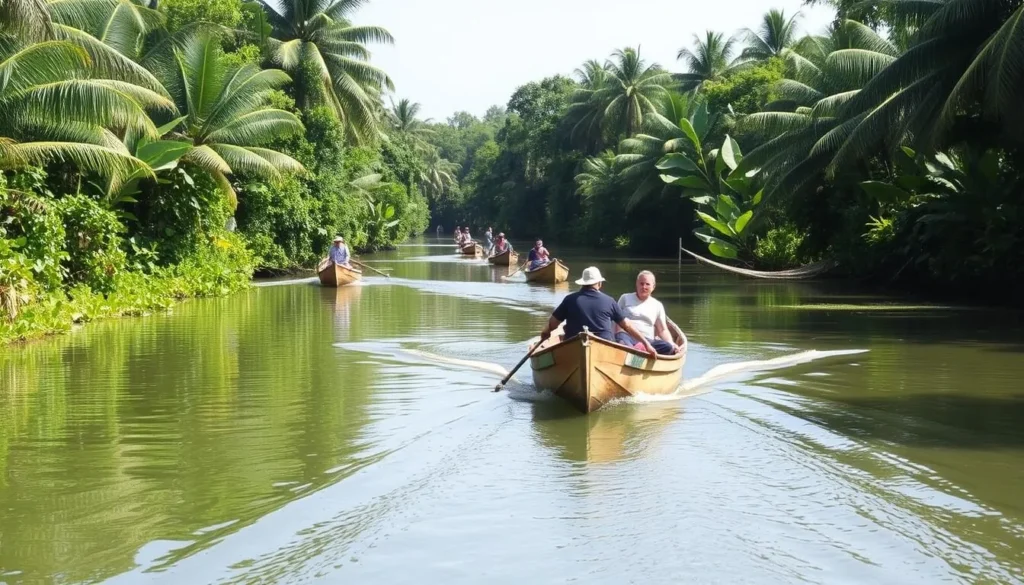
Nosy Varika offers a blend of natural beauty, cultural experiences, and outdoor adventures. While not as famous as other Madagascar destinations, its authentic charm and off-the-beaten-path appeal make it special.
Top Attractions in Nosy Varika
Pangalanes Canal
This 600 km waterway runs parallel to the east coast and is the lifeblood of Nosy Varika. Take a day trip by pirogue to explore local villages, spot birds, and experience rural Malagasy life.
Local Markets
Visit the vibrant town market where locals trade everything from fresh produce to handcrafted items. The market is busiest on Wednesdays and Saturdays.
Beaches
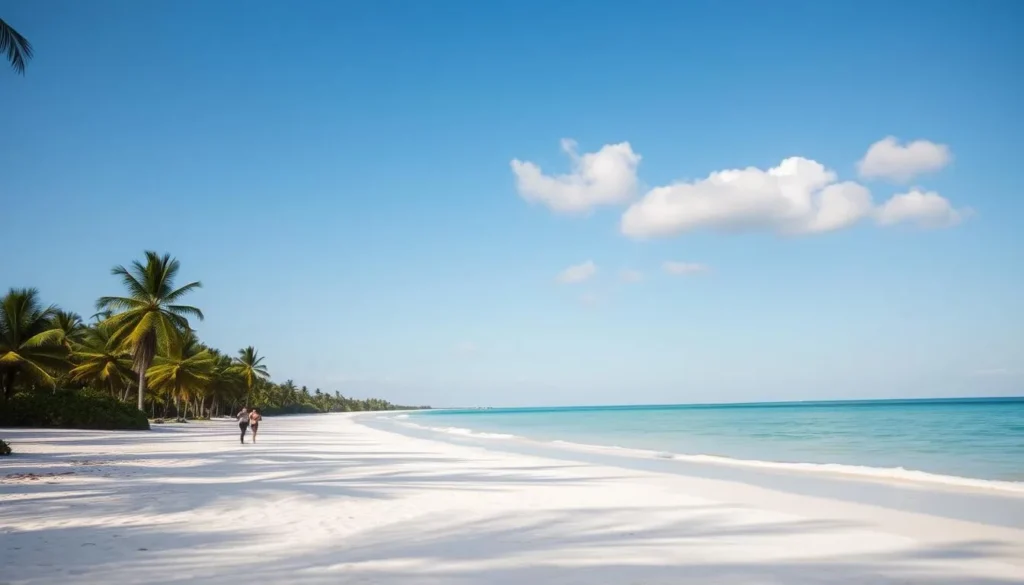
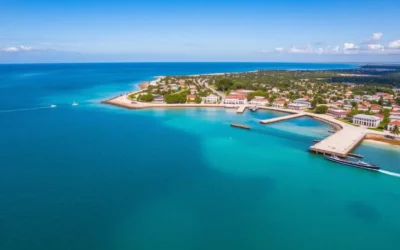
The beaches around Nosy Varika offer a peaceful retreat with golden sands and warm waters. Most are undeveloped, giving you a true castaway experience.
Museums, Cultural Spots & Festivals
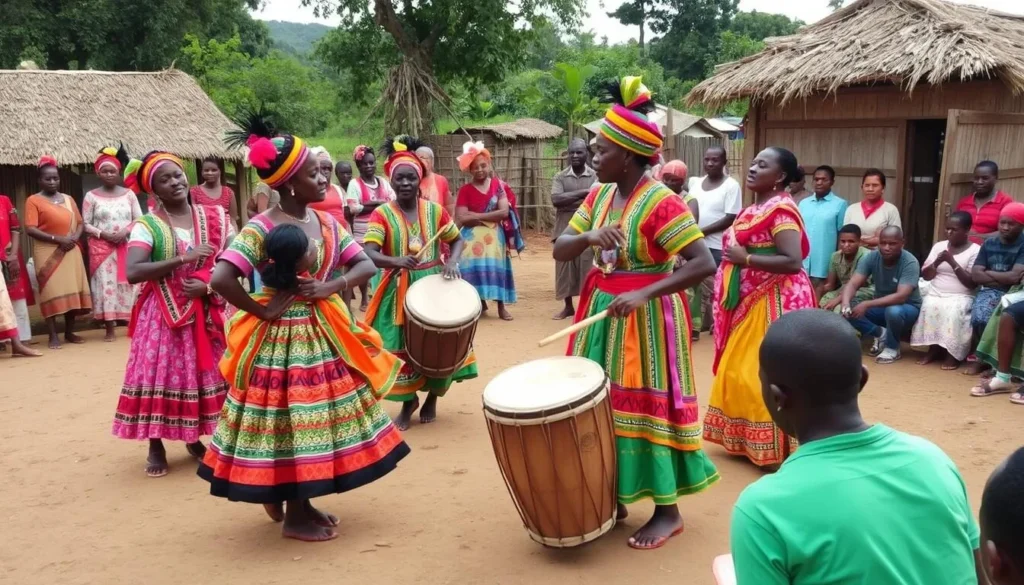
The Betsimisaraka people are the predominant ethnic group in the Nosy Varika region, and their cultural traditions are evident throughout the area. While there are no formal museums, cultural experiences abound.
Cultural Experiences
- Traditional Fishing Demonstrations: Learn about local fishing techniques that have remained unchanged for generations
- Handicraft Workshops: Visit local artisans creating woven baskets, mats, and hats from local materials
- Betsimisaraka Music: Experience traditional music performances featuring local instruments like the valiha (bamboo tube zither)
Local Festivals
If your visit coincides with these celebrations, you’re in for a special treat:
- Famadihana: The “turning of the bones” ceremony usually occurs between July and September
- Independence Day: June 26th celebrations with parades and festivities
- New Year Celebrations: Both January 1st and the traditional Malagasy New Year in March/April
Sports, Nature & Outdoor Experiences
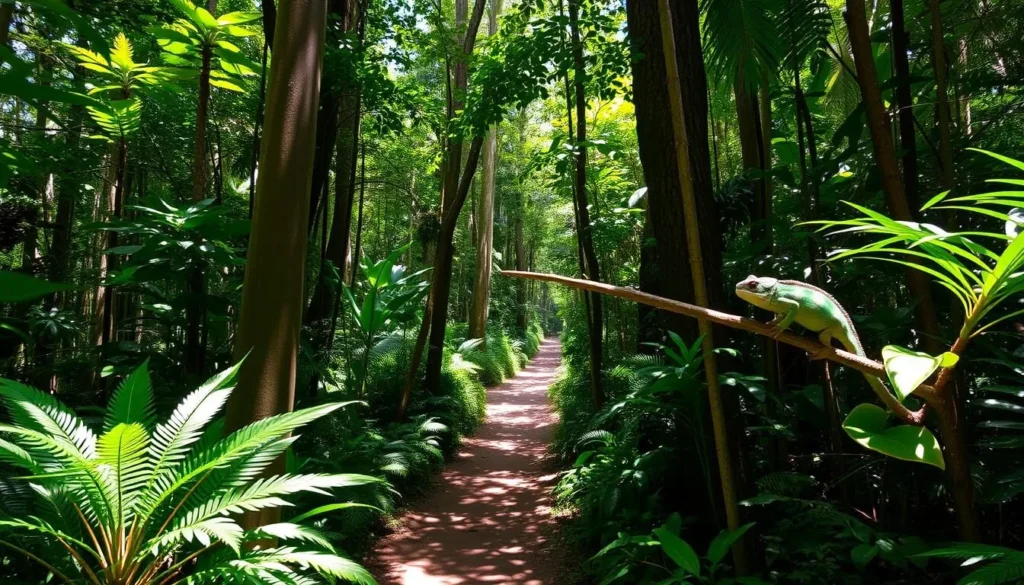
The natural environment around Nosy Varika offers plenty of opportunities for outdoor enthusiasts. From water-based activities on the canal and ocean to exploring the nearby rainforests, there’s something for every nature lover.
Top Outdoor Activities
Canal Excursions
Full or half-day pirogue trips along the Pangalanes Canal to spot wildlife, visit local villages, and experience the tranquil waterway.
Rainforest Hikes
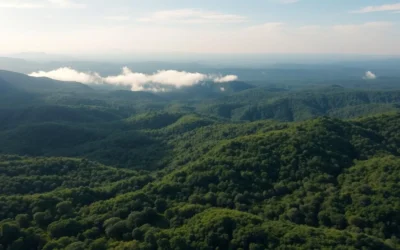
Guided walks through patches of remaining eastern rainforest to spot lemurs, chameleons, and endemic bird species.
Fishing Experiences
Join local fishermen for traditional fishing outings using time-honored techniques on both the canal and the ocean.
Wildlife Watching
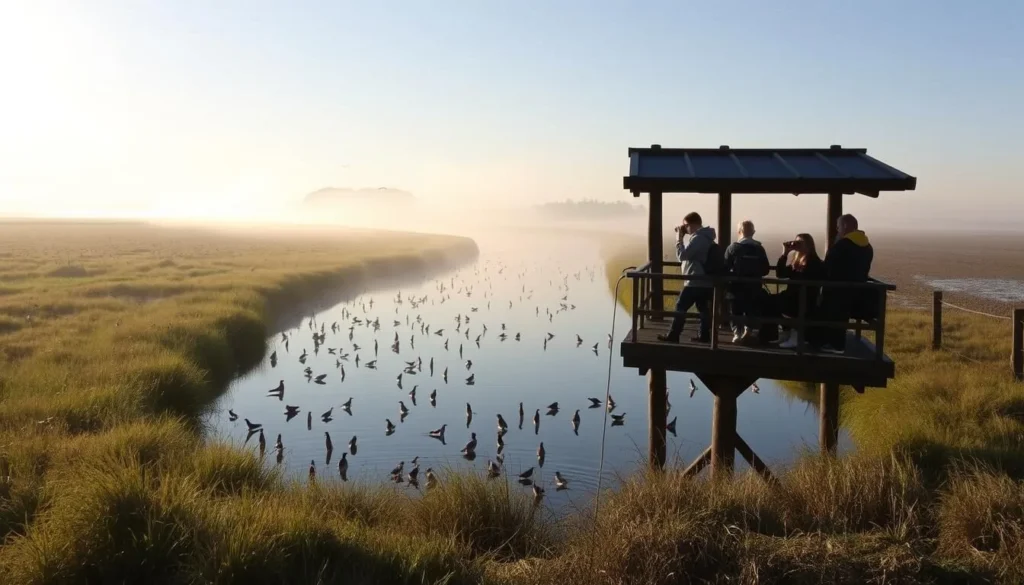
The eastern region of Madagascar is known for its unique biodiversity. Around Nosy Varika, you might spot:
- Various lemur species in forest patches
- Chameleons and other reptiles
- Numerous bird species, especially around the canal
- Unique insects, including colorful butterflies
Safety, Etiquette & Local Customs
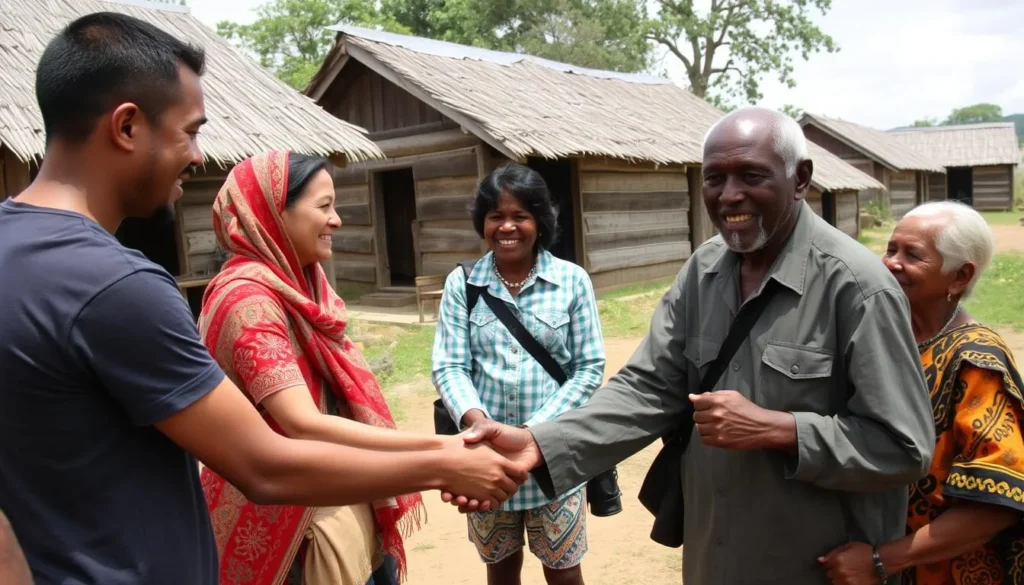
Traveling to remote areas of Madagascar requires some preparation and cultural sensitivity. Here are important safety tips and cultural considerations for your visit to Nosy Varika.
Health & Safety
- Consult a travel doctor before your trip for recommended vaccinations
- Take malaria prophylaxis as eastern Madagascar has a higher risk
- Bring a well-stocked first aid kit as medical facilities are limited
- Drink only bottled or purified water
- Use insect repellent, especially during dawn and dusk
Cultural Etiquette
- Ask permission before taking photos of people or sacred sites
- Dress modestly, especially when visiting villages (shoulders and knees covered)
- Remove shoes when entering someone’s home
- Learn basic Malagasy greetings: “Salama” (Hello) and “Misaotra” (Thank you)
- Respect fady (local taboos) which vary by region
The Betsimisaraka people of the east coast are known for their hospitality, but always approach sacred sites and ceremonies with respect and follow your guide’s instructions.
Practical Travel Tips
Essential Information
- Currency: Malagasy Ariary (MGA) – bring cash as ATMs are not available in Nosy Varika
- Language: Malagasy and French; English is limited
- Electricity: 220V, European-style plugs; power outages are common
- Internet: Limited and slow; mobile data is available but coverage can be spotty
- Time Zone: East Africa Time (EAT), GMT+3
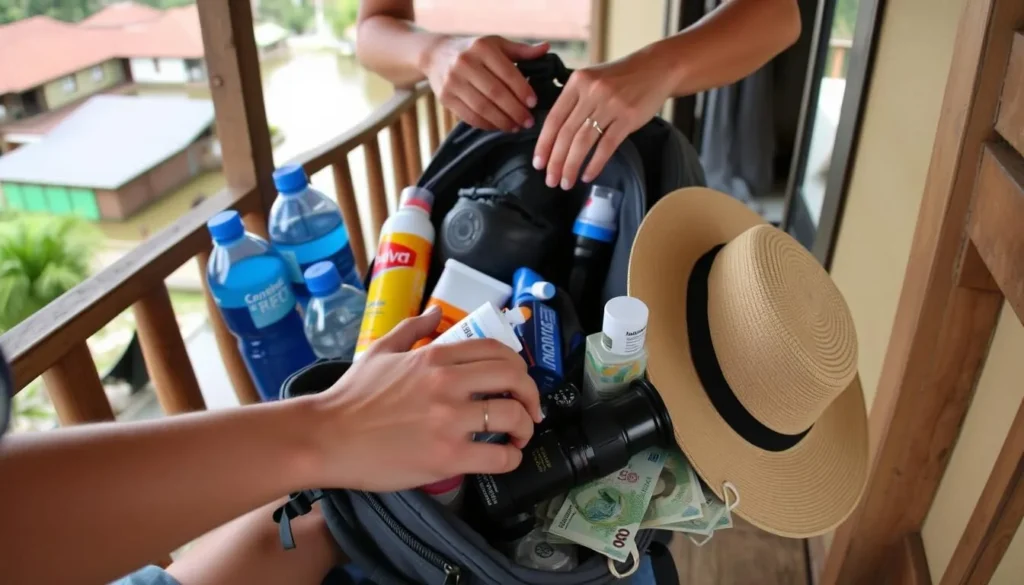
Packing Essentials
- Lightweight, breathable clothing with some warmer layers for evenings
- Rain jacket or poncho, even in the dry season
- Sturdy walking shoes and sandals
- Sun protection (hat, sunglasses, high SPF sunscreen)
- Insect repellent with DEET
- Headlamp or flashlight (power outages are common)
- Basic medications and first aid supplies
- Biodegradable toiletries to minimize environmental impact
Experience the Authentic Madagascar in Nosy Varika
Nosy Varika offers travelers a rare opportunity to experience Madagascar away from the tourist trail. With its strategic location between the Pangalanes Canal and the Indian Ocean, vibrant local culture, and unspoiled natural beauty, it provides an authentic glimpse into Malagasy life that’s increasingly hard to find.
While the journey may require more effort than visiting Madagascar’s more established destinations, the rewards are immense: genuine cultural exchanges, pristine environments, and the satisfaction of exploring a place few travelers ever see. Pack your sense of adventure, bring a flexible attitude, and prepare to be charmed by this hidden gem on Madagascar’s eastern coast.


0 Comments