
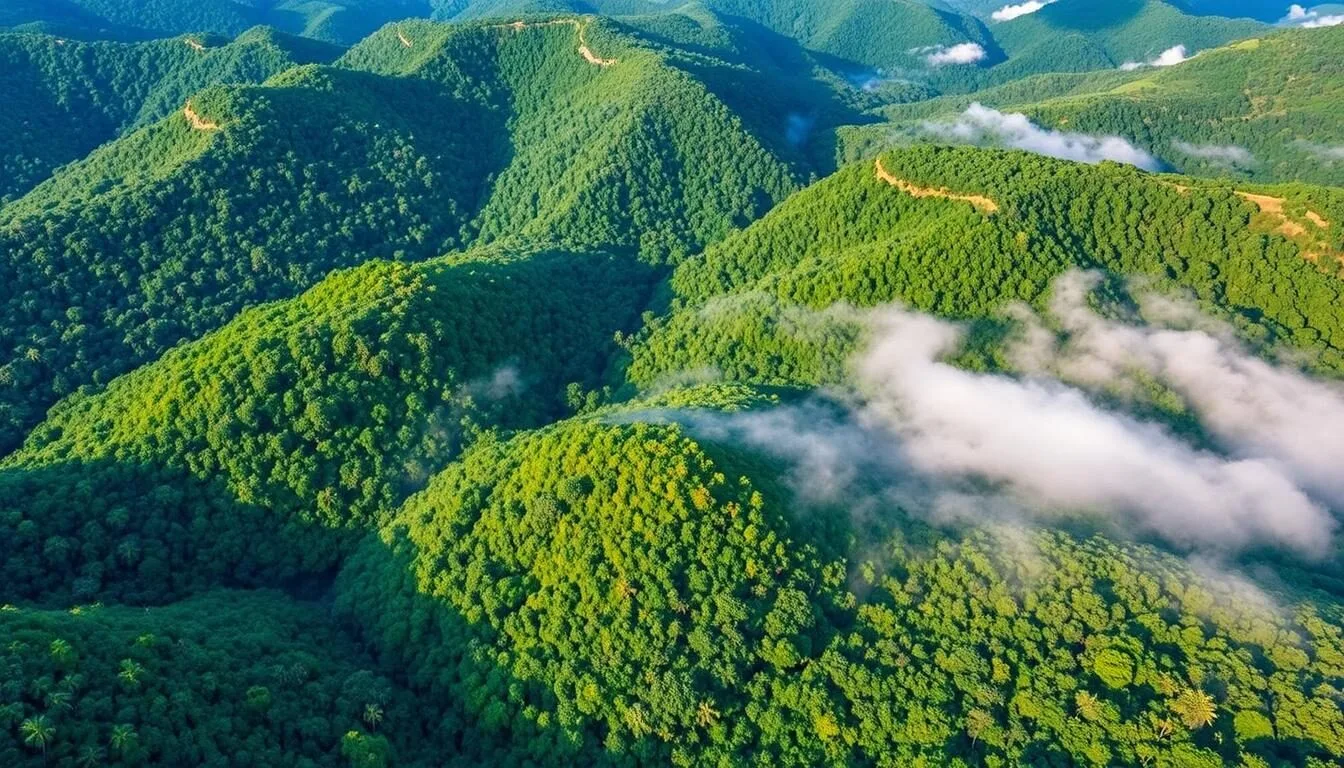
Established in 1991 following the discovery of the critically endangered golden bamboo lemur, Ranomafana National Park now protects over 41,600 hectares of Madagascar’s most pristine mid-altitude rainforest. Home to an astonishing 12 lemur species found nowhere else on Earth, this UNESCO World Heritage site represents one of the island’s most biodiverse ecosystems and offers visitors a rare glimpse into Madagascar’s unique evolutionary history.
Getting to Ranomafana National Park & Planning Your Journey
Ranomafana National Park is located in southeastern Madagascar, approximately 420 km from Antananarivo, the capital city. Most visitors begin their journey with a flight to Ivato International Airport in Antananarivo before continuing to the park.
From Antananarivo to Ranomafana
The most common route follows the RN7 highway south from the capital. The journey takes approximately 7-8 hours by car, passing through the highland town of Antsirabe and the city of Fianarantsoa. While public transportation exists, most visitors opt for a private vehicle or organized tour due to the challenging road conditions.
Transportation Options
While public taxis-brousse (shared minibuses) connect major towns along the route, they can be uncomfortable for long journeys. For greater flexibility and comfort, consider renting a vehicle with a driver who knows the roads well.
Park Entry and Guides
All visitors must pay an entrance fee (approximately 55,000 Ariary or $15 USD per person) and hire a local guide, which is mandatory for exploring the park. Guide fees vary depending on the trail difficulty and duration, ranging from 40,000 to 130,000 Ariary ($10-35 USD) for groups of 1-4 people.
Best Time to Visit Ranomafana National Park
Ranomafana experiences a humid tropical climate with distinct wet and dry seasons that affect your wildlife viewing opportunities and hiking conditions.
Recommended Months to Visit
- April-May (Shoulder Season): Ideal conditions with decreasing rainfall, comfortable temperatures (22-26°C/72-79°F), and active wildlife including lemurs with newborns.
- September-November (Dry Season): Pleasant weather with minimal rain, making trails more accessible. October and November are excellent for viewing baby lemurs.
Months to Avoid
- January-March (Peak Rainy Season): Heavy rainfall makes trails extremely slippery and muddy. This is also cyclone season, which can disrupt travel plans.
- June-August (Coldest Months): While drier, temperatures can drop to 8°C (46°F) at night, and some reptiles and insects are less active.
Weather Considerations
Regardless of when you visit, Ranomafana receives over 100 inches of annual rainfall, and the rainforest remains humid year-round. Always pack rain gear, moisture-wicking clothing, and sturdy waterproof hiking boots. Morning fog is common throughout the year but typically clears by mid-morning.
Getting Around Locally
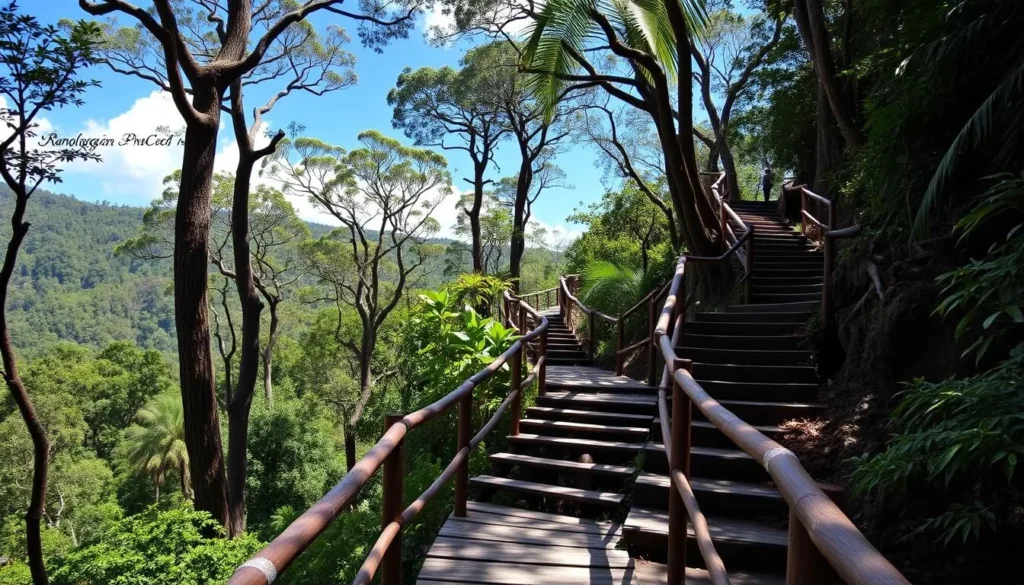
Navigating Ranomafana National Park requires some planning, as the terrain is steep and trails can be challenging, especially after rainfall.
Within the Park
All exploration within Ranomafana is done on foot via designated hiking trails. The park features several circuits of varying difficulty and length, from easy 2-hour walks to demanding full-day hikes. Your guide will help select the most appropriate trail based on your fitness level and wildlife interests.
Between Villages
The main village of Ranomafana sits just outside the park entrance and is where most accommodations are located. If staying at lodges further from the park entrance, your accommodation can typically arrange transportation to the park headquarters where guides are available.
Where to Stay in Ranomafana
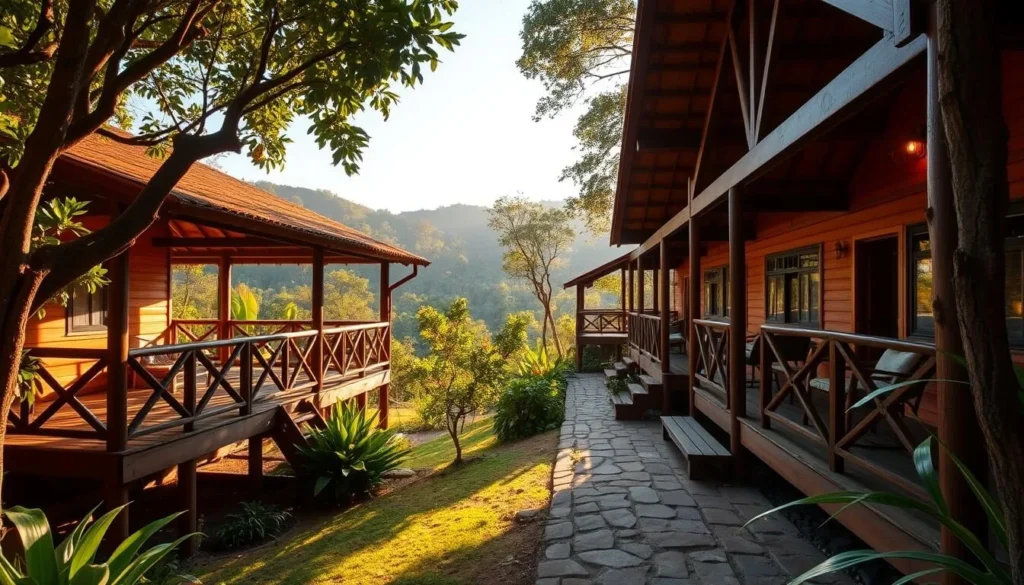
Accommodation options around Ranomafana range from basic guesthouses to comfortable lodges, most concentrated in the village just outside the park entrance.
Recommended Accommodations
- Hotel Thermal: A mid-range option located near natural hot springs with comfortable rooms and a restaurant serving Malagasy cuisine. Convenient location for early morning park visits.
- Centrest Sejour: Budget-friendly accommodation with clean rooms and a central location in Ranomafana village, walking distance to the park entrance.
- Le Grenat Hotel: Affordable option with private bathrooms and a restaurant serving good local food. Popular with tour groups.
Practical Accommodation Tips
Most lodges provide mosquito nets, but bringing your own repellent is advisable. Electricity can be intermittent in the area, so pack a headlamp or flashlight. Many accommodations offer laundry services, which is useful after muddy hikes.
Dining & Local Cuisine

Dining options in Ranomafana village are limited but offer authentic Malagasy cuisine that highlights local ingredients and traditional cooking methods.
Where to Eat
Most visitors dine at their accommodation, as most hotels and lodges have on-site restaurants. For those looking to venture out, there are several small restaurants in Ranomafana village serving local dishes at reasonable prices.
Local Specialties
- Vary sy Laoka: The staple Malagasy meal consisting of rice served with accompanying dishes, often featuring local vegetables and occasionally zebu (local beef).
- Ravitoto: A popular dish made from pounded cassava leaves typically cooked with pork.
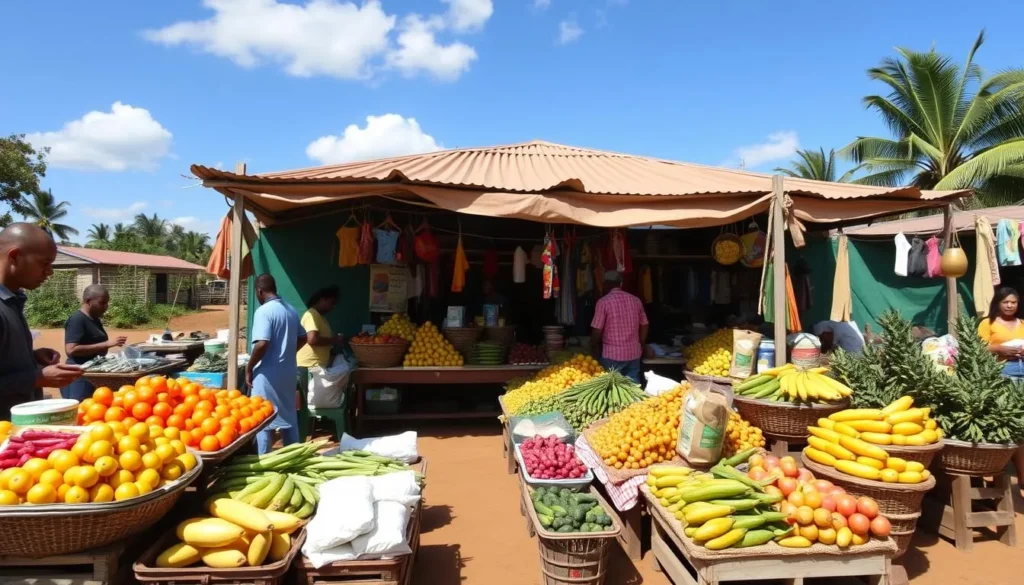
- Fresh Fruits: The region’s markets offer an abundance of tropical fruits including lychees, mangoes, and bananas at very affordable prices.
Dining Tips
If planning a full-day hike, arrange a packed lunch through your accommodation or guide. Bring plenty of water and snacks for trail excursions. Most restaurants accept cash only (Ariary), so ensure you have sufficient local currency.
Attractions & Activities in Ranomafana National Park
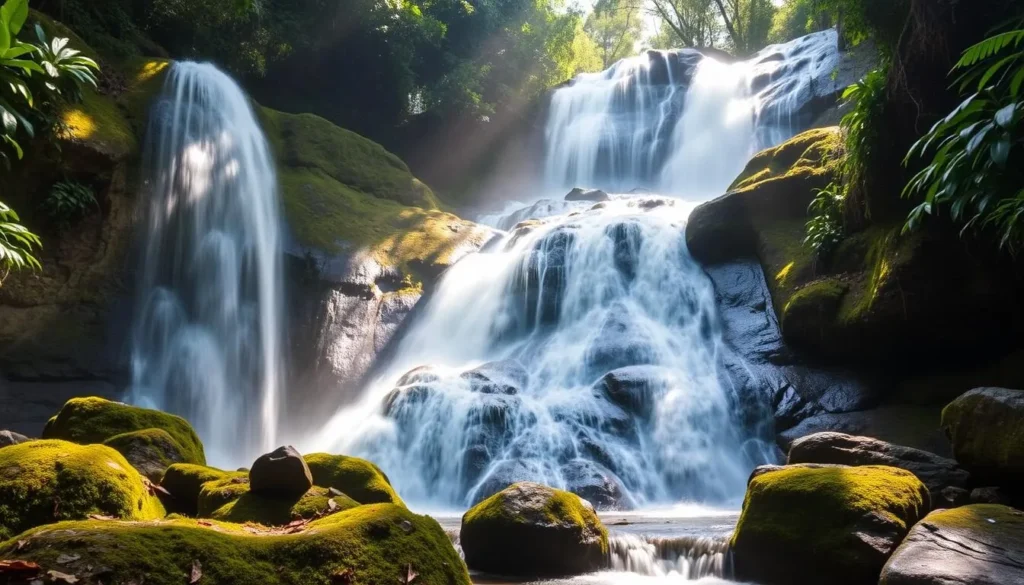
Ranomafana offers diverse activities centered around its exceptional biodiversity and stunning landscapes. Here are the top experiences to include in your visit:
Guided Wildlife Hikes
The primary activity in Ranomafana is guided hiking through the rainforest to spot lemurs and other wildlife. Several trails of varying difficulty are available, from the relatively easy Varibolomena Trail (3-4 hours) to the challenging Vohiparara Trail (6-7 hours). All hikes require a guide, who will help track and identify wildlife.
Night Walks
Evening guided walks along the park’s periphery offer opportunities to spot nocturnal species like mouse lemurs, chameleons, and frogs. These typically last 1-2 hours and cost around 40,000 Ariary ($10-15 USD) per group.
Thermal Hot Springs
The name “Ranomafana” means “hot water” in Malagasy, referring to the natural thermal springs in the area. Several basic facilities allow visitors to enjoy these therapeutic waters after a day of hiking.
Namorona River Kayaking
For the adventurous, guided kayaking trips on the Namorona River provide a different perspective of the park’s ecosystem. These three-hour excursions offer excellent bird watching opportunities.
Wildlife & Nature Experiences
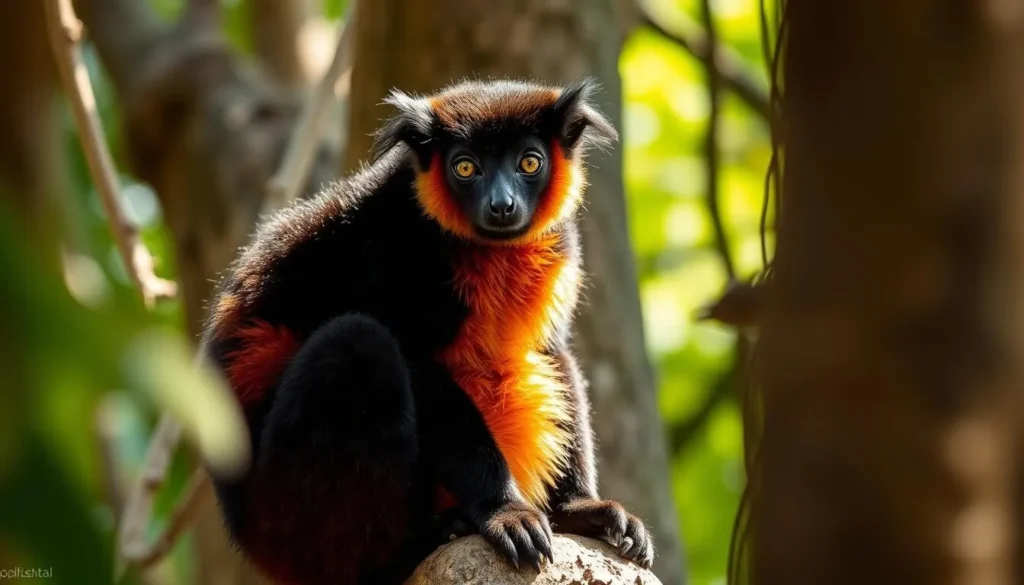
Ranomafana’s biodiversity is exceptional even by Madagascar’s standards, with numerous endemic species found nowhere else on Earth.
Lemur Species to Spot
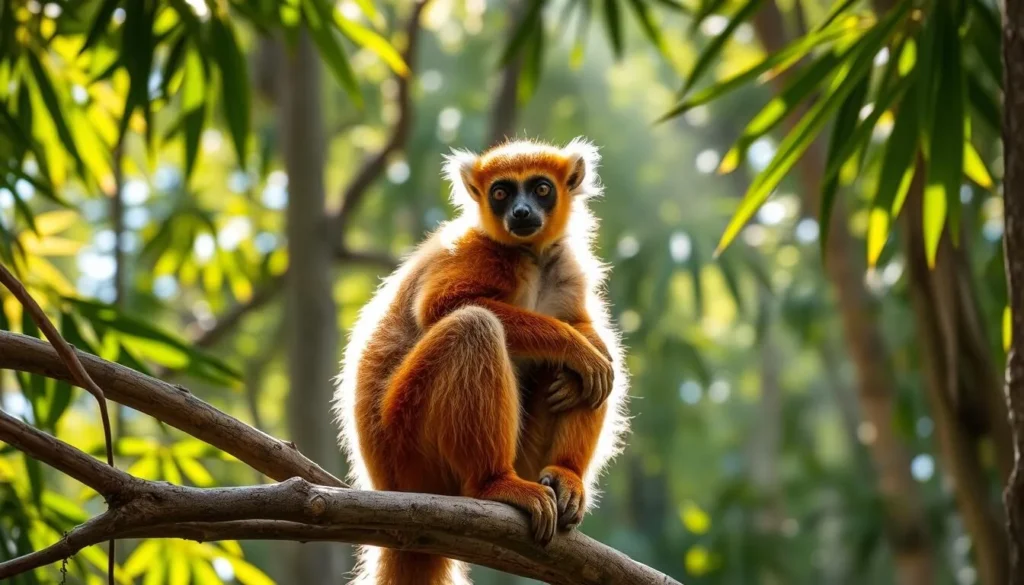
- Golden Bamboo Lemur: The park’s flagship species, discovered in 1986 and remarkable for its ability to consume bamboo containing cyanide that would be lethal to other animals.
- Greater Bamboo Lemur: One of the world’s most endangered primates with fewer than 1,000 individuals remaining in the wild.
- Black-and-White Ruffed Lemur: Distinguished by its striking contrasting coat and loud, territorial calls that echo through the forest.
- Red-Bellied Lemur: Relatively common in the park and often spotted in small family groups.
- Brown Mouse Lemur: The world’s smallest primate, active at night and often seen during evening walks.
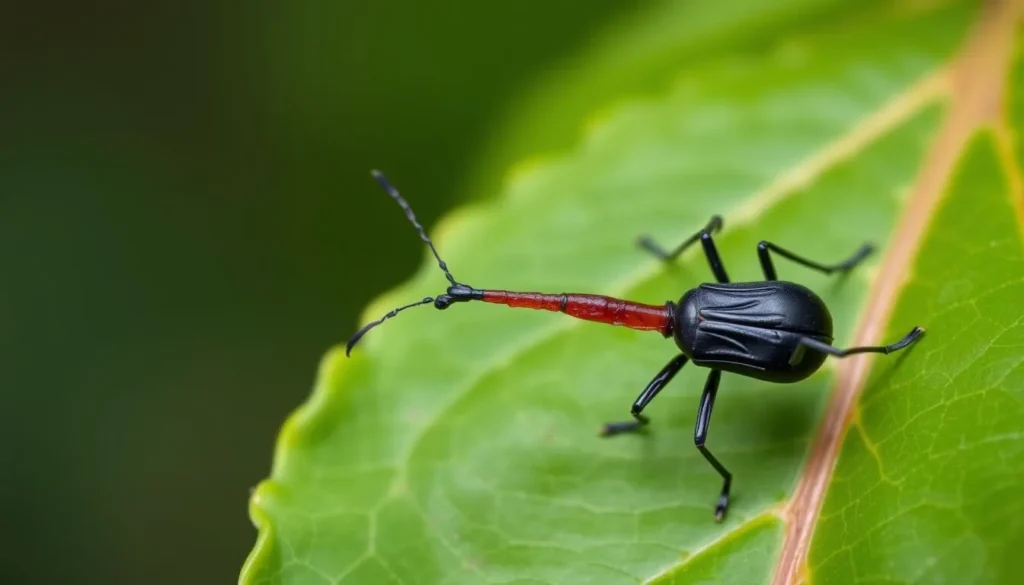
Other Notable Wildlife
- Giraffe-Necked Weevil: A bizarre red and black beetle with an extremely elongated neck found only in Madagascar.
- Chameleons: Several species inhabit the park, including the colorful Parson’s chameleon.
- Birds: Over 115 species have been recorded, with 30 endemic to Madagascar, including the rare Henst’s goshawk and the velvet asity.
- Frogs: More than 100 species of amphibians inhabit the park, many of which are active after rainfall.
Best Wildlife Viewing Tips
Early morning (6:00-10:00 AM) offers optimal wildlife viewing when lemurs are most active. Hiring an experienced guide significantly increases your chances of spotting rare species. Bring binoculars for canopy viewing and a camera with zoom capability for wildlife photography.
Practical Travel Tips
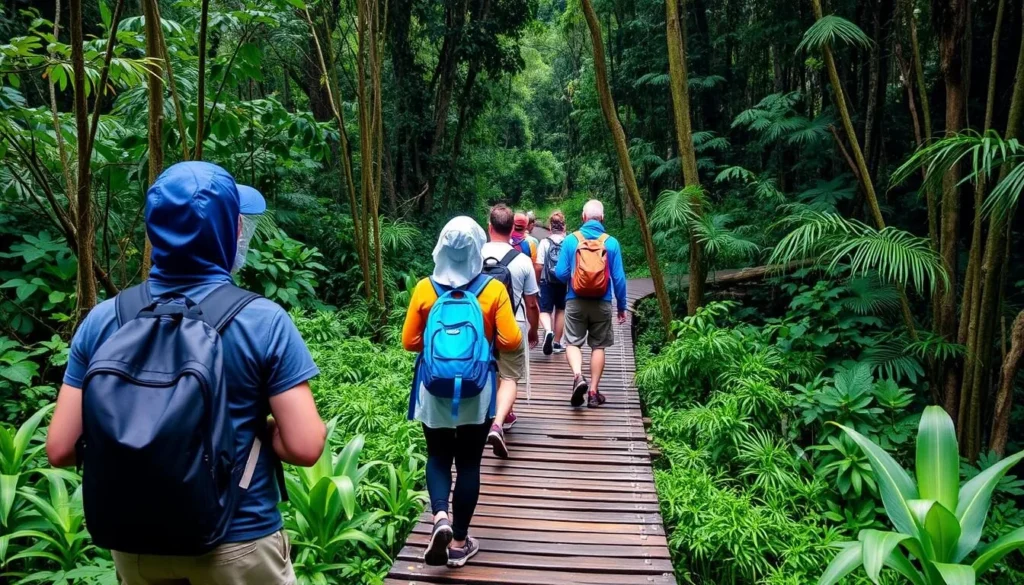
What to Pack
- Waterproof Gear: Rain jacket or poncho, waterproof backpack cover, and dry bags for electronics.
- Appropriate Footwear: Sturdy hiking boots with good grip for muddy, steep trails.
- Insect Protection: Repellent with DEET, long-sleeved shirts, and long pants (tucked into socks to prevent leech attachment).
- Binoculars: Essential for spotting wildlife in the dense canopy.
- Medications: Personal prescriptions plus basic first aid supplies including antihistamines for insect bites.
Health and Safety
Consult your doctor about malaria prophylaxis before traveling to Madagascar. The risk in Ranomafana is lower than in coastal areas but still present. Leeches are common on trails during wet periods—they’re harmless but can be unsettling. Apply insect repellent to boots and lower legs as a deterrent.
Communication
Mobile coverage in Ranomafana village is limited but available with local carriers like Telma and Orange. Most accommodations offer Wi-Fi, though connections can be slow and unreliable. Download offline maps and essential information before arriving.
Money Matters
There are no ATMs in Ranomafana village. Bring sufficient Ariary (local currency) from larger towns like Fianarantsoa or Antananarivo. Most services in the area accept only cash. Budget approximately 150,000-200,000 Ariary ($40-55 USD) per day for guides, park fees, meals, and basic accommodation.
Plan Your Unforgettable Ranomafana Adventure
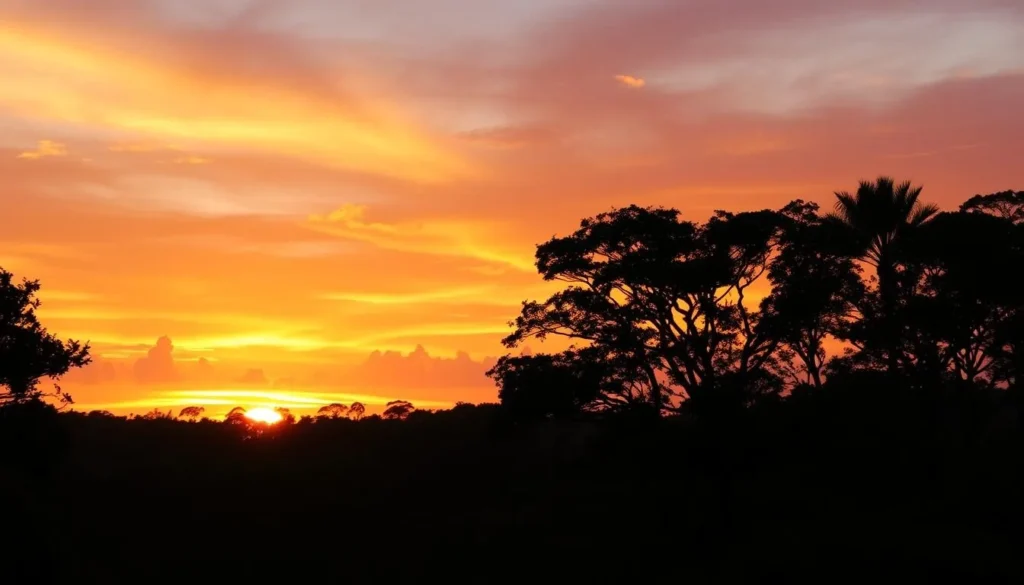
Ranomafana National Park offers a rare glimpse into Madagascar’s extraordinary biodiversity and evolutionary marvels. From tracking golden bamboo lemurs through misty morning forests to discovering tiny chameleons hidden among the foliage, each day brings new wonders in this pristine rainforest sanctuary.
With proper planning and an adventurous spirit, your journey to Ranomafana will reward you with unforgettable wildlife encounters and a deeper appreciation for Madagascar’s irreplaceable natural heritage. The park’s accessibility, combined with its remarkable biodiversity, makes it an essential destination for any Madagascar itinerary.


0 Comments