
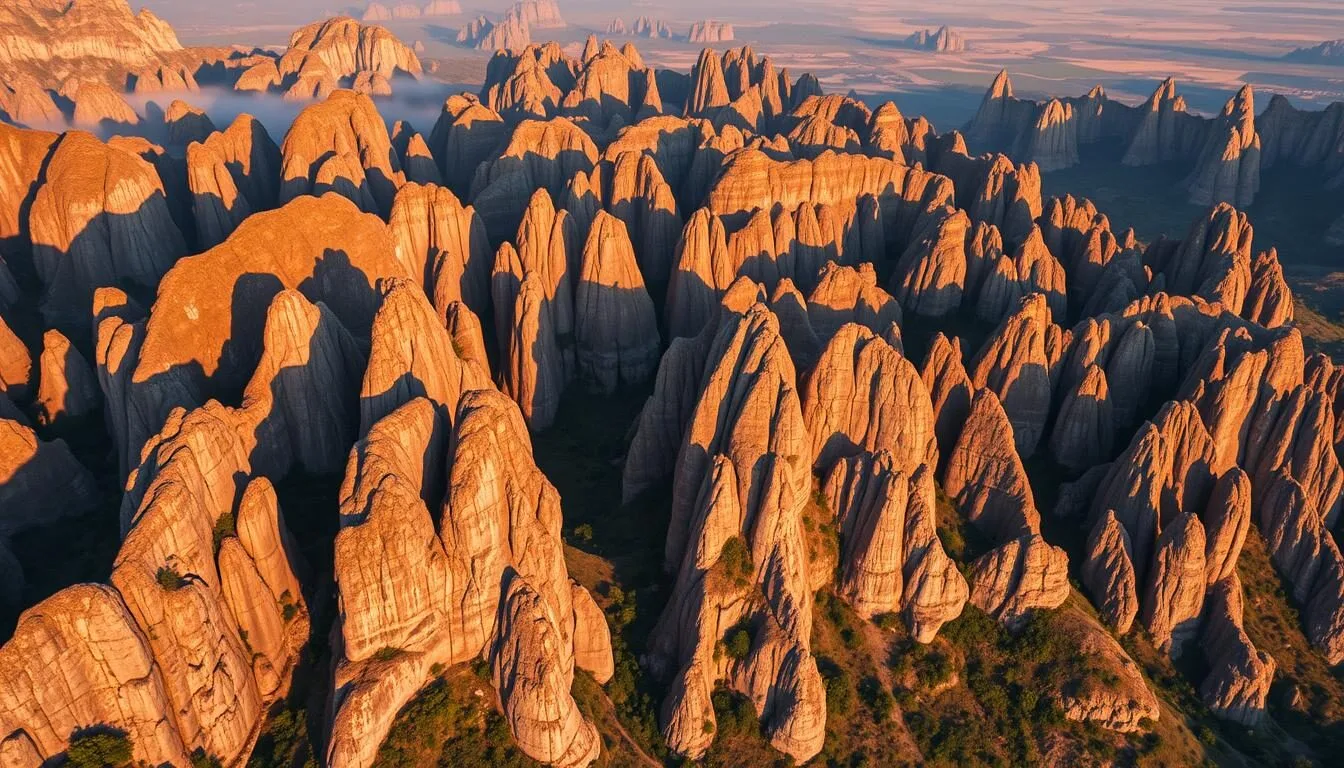
Did you know that 85% of the plants and animals in Tsingy de Bemaraha National Park exist nowhere else on Earth? This UNESCO World Heritage Site in western Madagascar features one of the most unusual landscapes on the planet – a forest of limestone needles so sharp that the local name “tsingy” literally means “where one cannot walk barefoot.” These razor-sharp stone formations, reaching heights of up to 70 m (230 ft), create a surreal maze that harbors extraordinary biodiversity and offers intrepid travelers a truly one-of-a-kind adventure.
Getting There & Planning Your Journey
Reaching Tsingy de Bemaraha National Park requires determination and planning, as it’s located in one of Madagascar’s most remote regions. The journey is part of the adventure, taking you through changing landscapes and rural villages rarely seen by outsiders.
By Air and Road
Most visitors begin their journey by flying into Antananarivo (Tana), Madagascar’s capital. From there, you have two options:
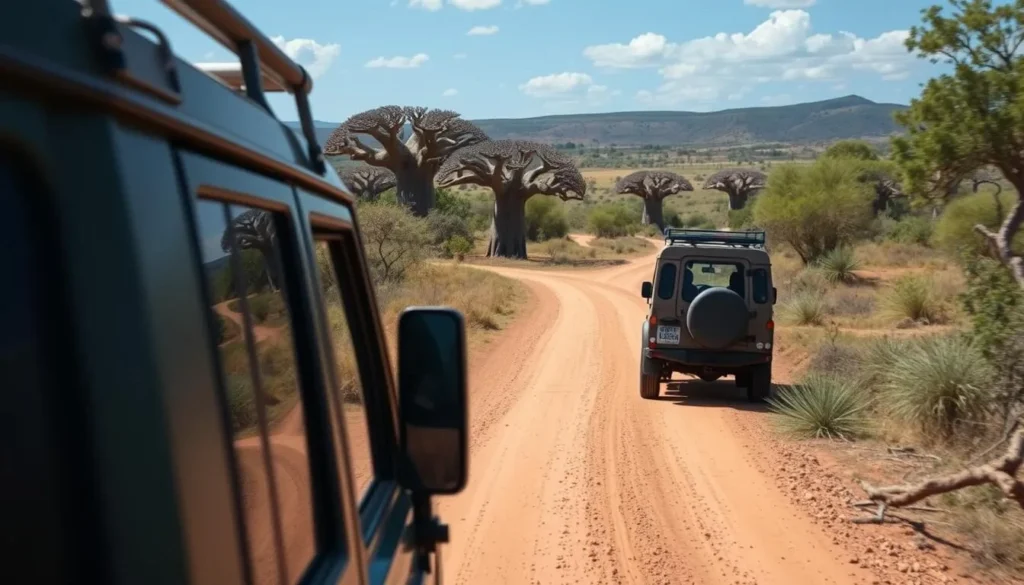
- Fly to Morondava on the west coast (approximately 1-hour flight), then travel by 4×4 vehicle to Bekopaka (8-9 hours on rough roads)
- Drive the entire route from Antananarivo to Bekopaka (2-3 days with overnight stops)
By River
For the more adventurous traveler, a multi-day boat trip down the Tsiribihina River offers a unique approach to the park:
- Begin in Miandrivazo and travel by traditional pirogue (dugout canoe) or motorized boat
- Enjoy 2-3 days on the river, camping on beaches and spotting wildlife
- Arrive at Belo-sur-Tsiribihina, then take a 4×4 to Bekopaka
Whichever route you choose, a 4×4 vehicle is essential for the final leg to Bekopaka, the gateway town to the national park. The roads are unpaved, often muddy, and include several river crossings by simple ferries.
Best Time to Visit & Weather Tips
Timing your visit correctly is crucial, as the park is completely closed during part of the year due to impassable conditions.
Best Time to Visit Tsingy de Bemaraha
Recommended (April-November):
- April-May: Early dry season, less crowded, lush vegetation
- June-August: Peak dry season, ideal conditions, cooler temperatures
- September-November: Late dry season, warming temperatures, good wildlife viewing
Avoid (December-March):
- Heavy rainfall makes roads impassable
- Park is officially closed
- High humidity and temperatures
- Risk of cyclones
Important: The Grand Tsingy section typically opens later (June) and closes earlier than the Petit Tsingy due to safety concerns. Always check current opening dates before planning your trip.
Daytime temperatures range from 25-30°C (77-86°F) during the dry season, but can feel much hotter when hiking through the exposed limestone formations. Early morning starts are highly recommended to avoid the midday heat.
Getting Around Locally
Once you’ve reached Bekopaka, the gateway to the park, you’ll need to organize transportation to and within the national park itself.
Park Transportation Options
- 4×4 Vehicles: Required to reach both the Petit and Grand Tsingy trailheads from Bekopaka
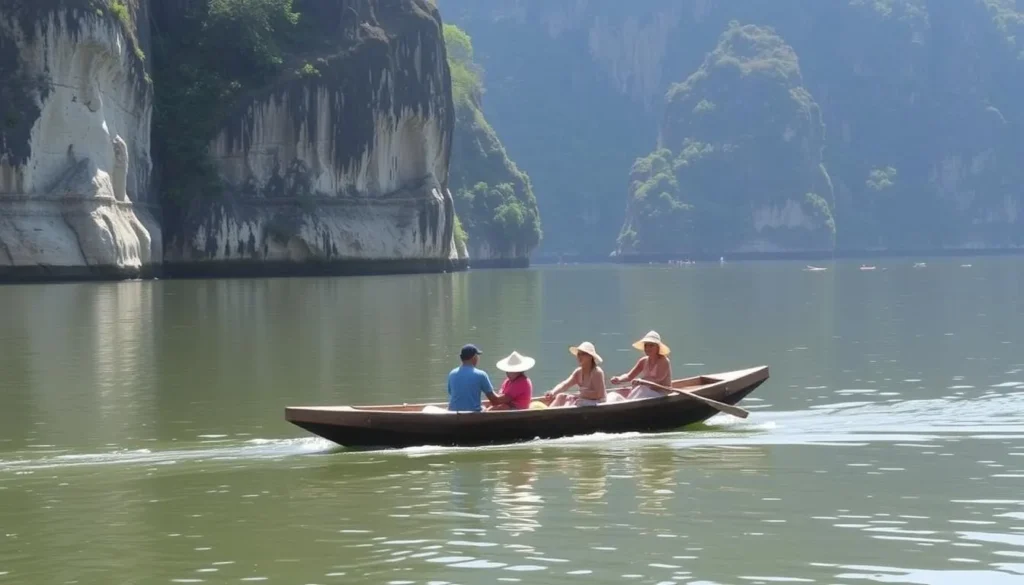
- Pirogues (Traditional Canoes): Used for the river portion of visits to Petit Tsingy and the Manambolo Gorge
- Guided Hiking: All exploration within the park must be done on foot with an official guide
The park is divided into two main sections – Petit Tsingy and Grand Tsingy – located about 17 km apart. Most visitors spend at least two days exploring the park to experience both areas.
Local Tip: Arrange your guide and transportation the day before your planned visit. The park office in Bekopaka opens at 7:00 AM, but having arrangements in place allows for an earlier start to beat the heat.
Where to Stay
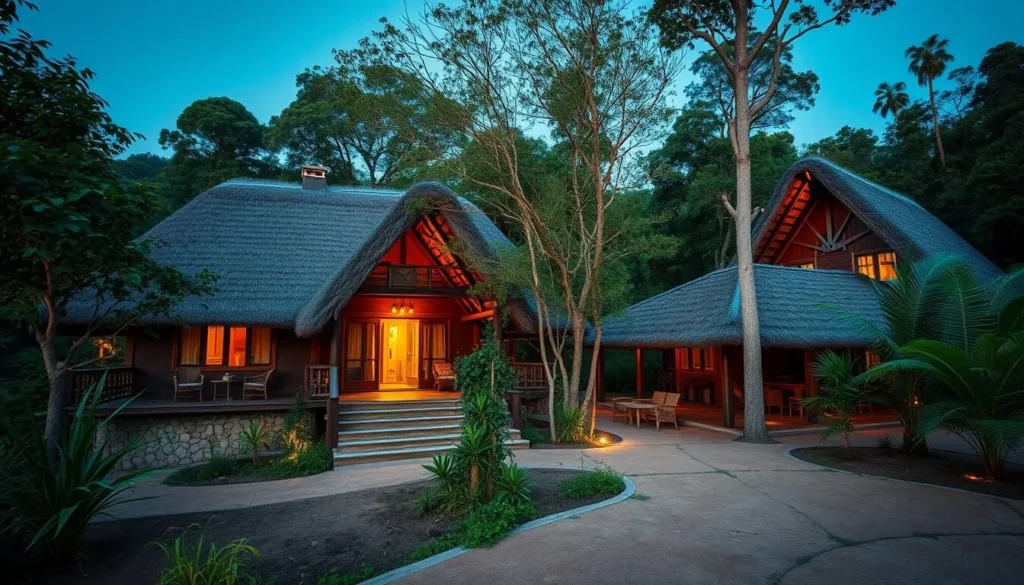
Accommodation options near Tsingy de Bemaraha are limited but have improved in recent years. All lodging is concentrated in or near Bekopaka village.
Accommodation Options
Budget
Simple guesthouses in Bekopaka village offer basic rooms with mosquito nets and shared facilities. Expect to pay 30,000-60,000 Ariary ($7-15 USD) per night.
Mid-Range
Several comfortable lodges like Orchidée de Bemaraha and Le Grand Hotel du Tsingy offer private bungalows with en-suite bathrooms, restaurants, and sometimes swimming pools.
Upscale
Soleil des Tsingy provides the area’s most luxurious option with spacious bungalows, excellent views, a swimming pool, and quality restaurant.
Important: Advance booking is essential during the high season (June-August). Electricity is often limited to certain hours, and internet connectivity is minimal or non-existent in most accommodations.
Dining & Local Cuisine
Dining options around Tsingy de Bemaraha are primarily limited to hotel restaurants and a few simple establishments in Bekopaka village.
What to Eat
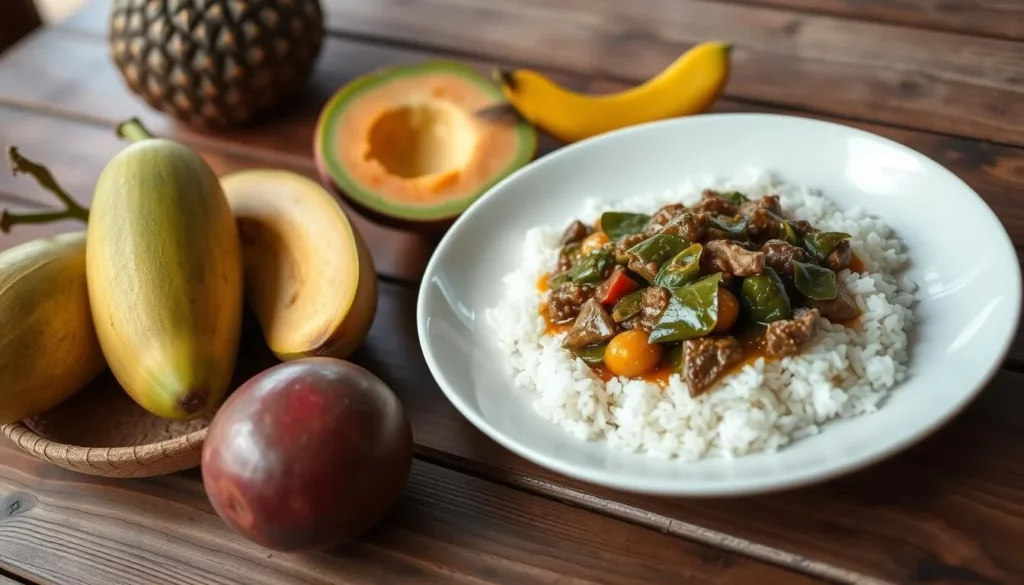
- Romazava: Madagascar’s national dish – a beef stew with mixed greens and ginger
- Ravitoto: Pork cooked with crushed cassava leaves
- Vary Amin’anana: Rice with leafy greens
- Fresh Seafood: Often available due to proximity to the Mozambique Channel
- Tropical Fruits: Mangoes, pineapples, lychees, and passion fruit
Most lodges offer set menus or limited à la carte options. The quality varies, but ingredients are typically fresh and locally sourced. For day trips into the park, your accommodation can usually prepare packed lunches upon request.
Local Tip: Try Three Horses Beer (THB), Madagascar’s popular local brew, or rhum arrangé – rum infused with local fruits, spices, or vanilla – for a taste of local flavor.
Attractions, Sightseeing & Activities
The park offers several distinct attractions, each providing a different perspective on this unique ecosystem.
Grand Tsingy
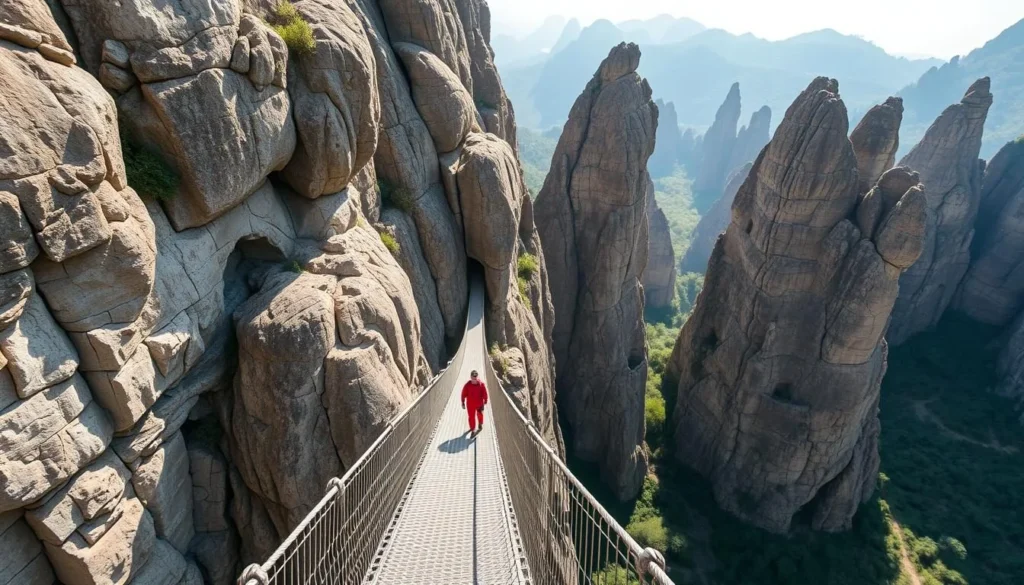
The most dramatic section of the park features towering limestone pinnacles reaching up to 70 m (230 ft). Exploring Grand Tsingy involves navigating a series of ladders, bridges, and via ferrata (fixed cable routes) that allow you to climb through and above this stone forest. The circuit takes 4-6 hours and requires reasonable fitness and comfort with heights.

Petit Tsingy
A less challenging but equally beautiful area featuring smaller limestone formations. The 2-3 hour circuit is more accessible and includes impressive viewpoints and opportunities to spot wildlife in the surrounding forest. This area is often combined with a boat trip on the Manambolo River.

Manambolo Gorge
A boat trip through this spectacular gorge offers a different perspective of the limestone landscape. The journey by traditional pirogue (dugout canoe) includes stops to explore caves containing ancient tombs of the Vazimba people, Madagascar’s earliest inhabitants.
Wildlife & Natural Wonders
Despite its harsh appearance, Tsingy de Bemaraha is teeming with wildlife that has adapted to this unique environment.
Lemurs and Other Mammals
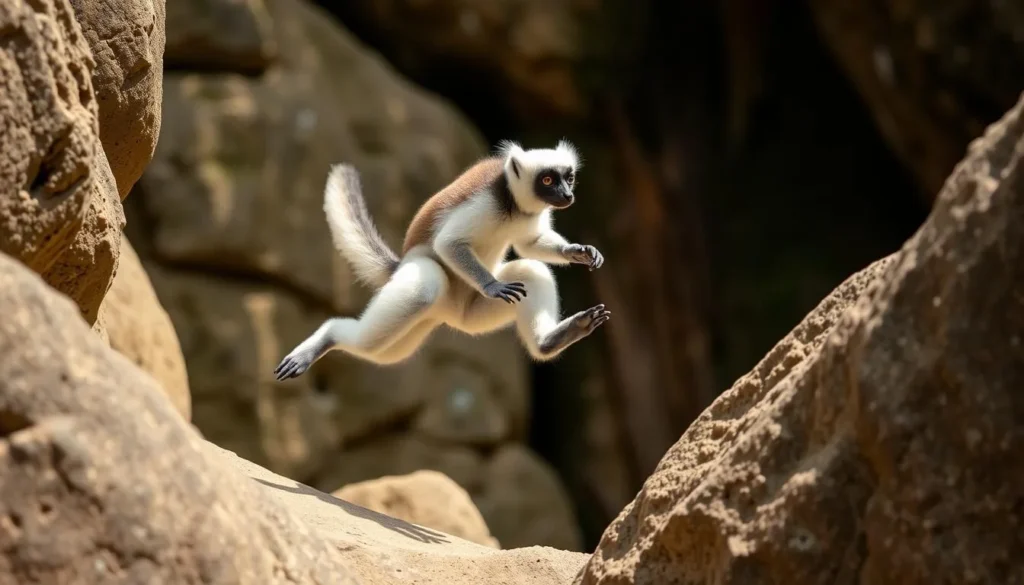
The park is home to 11 species of lemurs, including the acrobatic Decken’s sifaka, which can be seen leaping between the sharp limestone pinnacles, and the nocturnal mouse lemur – the world’s smallest primate. Lucky visitors might also spot the fossa, Madagascar’s largest predator, resembling a cross between a cat and a mongoose.
Reptiles and Amphibians
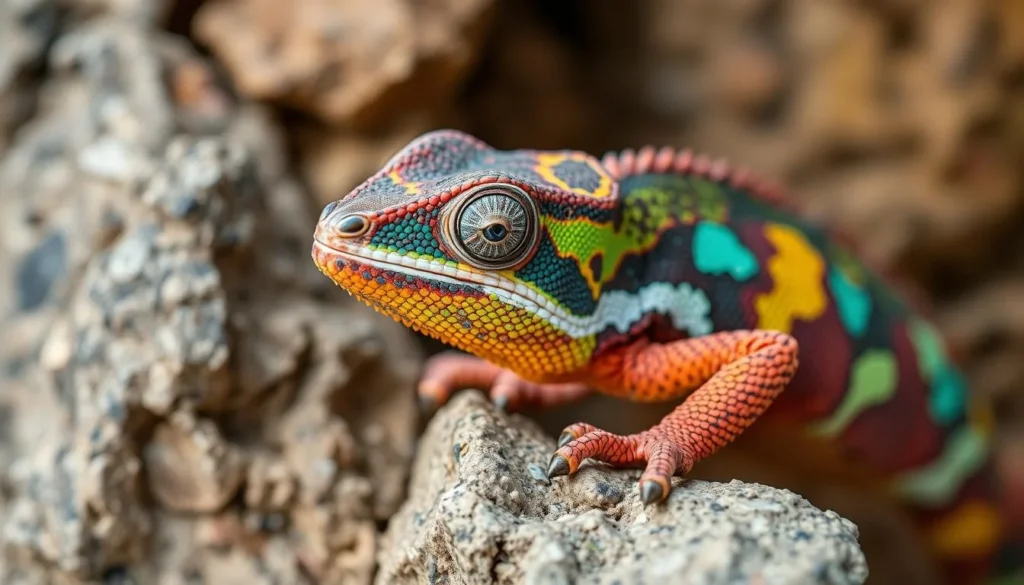
The park boasts extraordinary reptile diversity, including the leaf-tailed gecko – a master of camouflage – and the tiny Brookesia chameleons, among the smallest in the world. The critically endangered Antsingy leaf chameleon is found nowhere else on Earth.
Birds
Over 100 bird species inhabit the park, including the Madagascar fish eagle, paradise flycatcher, and various couas and vangas – bird families unique to Madagascar.
Wildlife Viewing Tip: Early morning and late afternoon offer the best wildlife viewing opportunities. Hiring a knowledgeable local guide significantly increases your chances of spotting well-camouflaged species.
Practical Travel Tips
Preparing properly for your visit to Tsingy de Bemaraha will ensure a more enjoyable and safe experience.
What to Pack
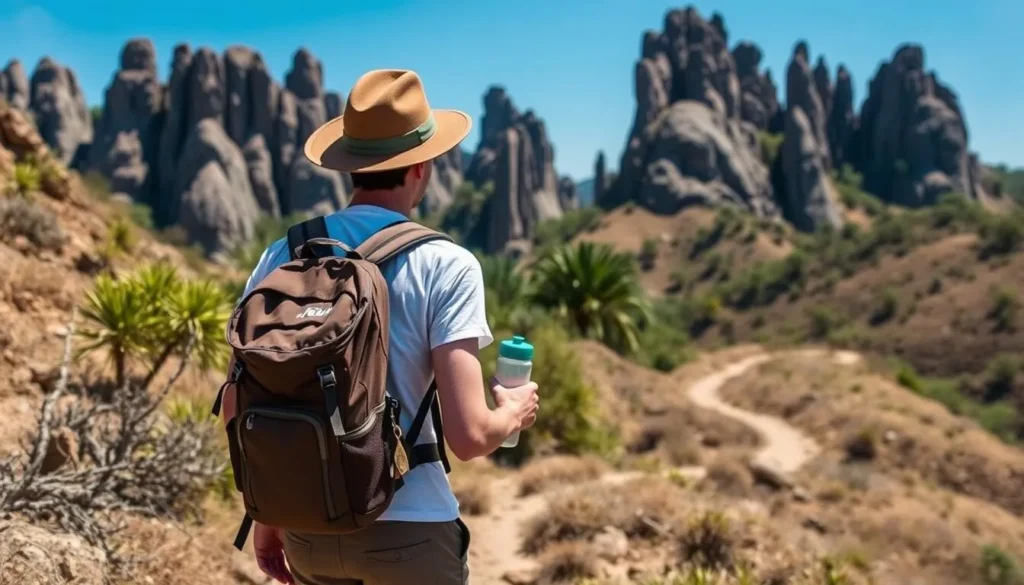
- Sturdy Hiking Shoes: Essential for navigating the sharp limestone terrain
- Sun Protection: Hat, sunglasses, and reef-safe sunscreen
- Water: At least 2-3 liters per person for day hikes
- Cash: No ATMs in Bekopaka, bring sufficient Ariary for your entire stay
- First Aid Kit: Include bandages, antiseptic, and personal medications
- Insect Repellent: Preferably natural to protect the environment
- Light Rain Jacket: Even in the dry season, brief showers can occur
Health and Safety
Madagascar requires some health precautions, particularly for remote areas like Tsingy de Bemaraha:
- Consult a travel doctor about malaria prophylaxis before your trip
- Bring a basic medical kit as healthcare facilities are extremely limited
- Purchase comprehensive travel insurance that covers emergency evacuation
- Drink only bottled or purified water
Nearby Attractions
While Tsingy de Bemaraha is the main draw, several nearby attractions are worth including in your itinerary.
Avenue of the Baobabs
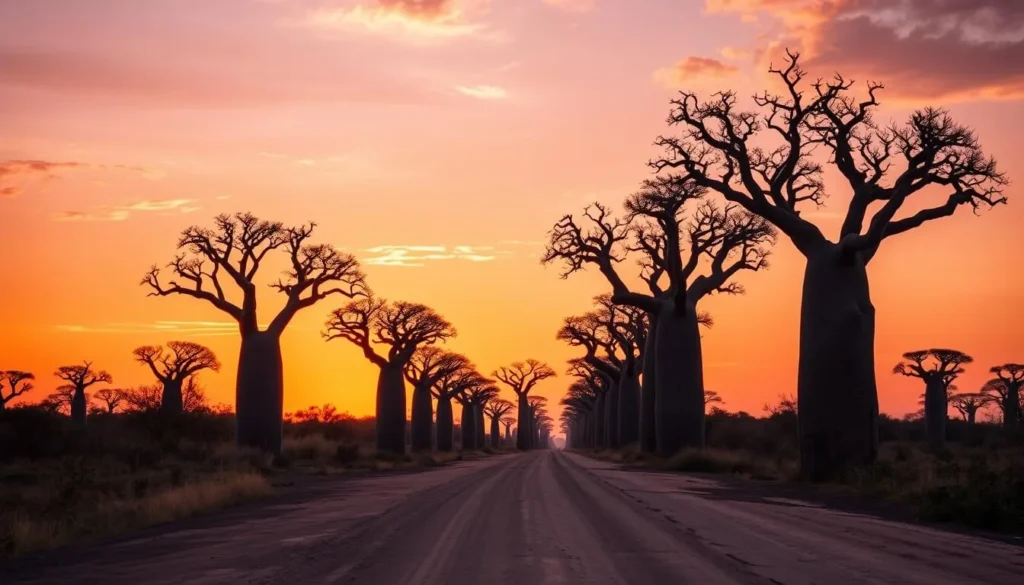
Located near Morondava, this famous dirt road lined with ancient baobab trees (some over 800 years old) is one of Madagascar’s most photographed sites. The most magical time to visit is at sunrise or sunset when the light creates a spectacular display.

Kirindy Forest Reserve
This private reserve protects one of Madagascar’s most threatened habitats – the dry deciduous forest. It’s home to the fossa (Madagascar’s largest predator), seven lemur species, and the giant jumping rat. Night walks here are particularly rewarding.
Belo-sur-Tsiribihina
This riverside town offers a glimpse into rural Malagasy life and serves as the starting point for boat trips down the Tsiribihina River – a multi-day adventure that can be an alternative route to reach the Tsingy.
Ready for Your Tsingy Adventure?
Tsingy de Bemaraha National Park offers a truly unique experience that combines adventure, natural wonder, and the chance to see wildlife found nowhere else on Earth. The journey may be challenging, but those who make the effort are rewarded with memories of one of the planet’s most extraordinary landscapes. From navigating suspension bridges above razor-sharp pinnacles to spotting lemurs leaping between the stones, this UNESCO World Heritage Site delivers experiences that will stay with you long after you’ve returned home.


0 Comments