

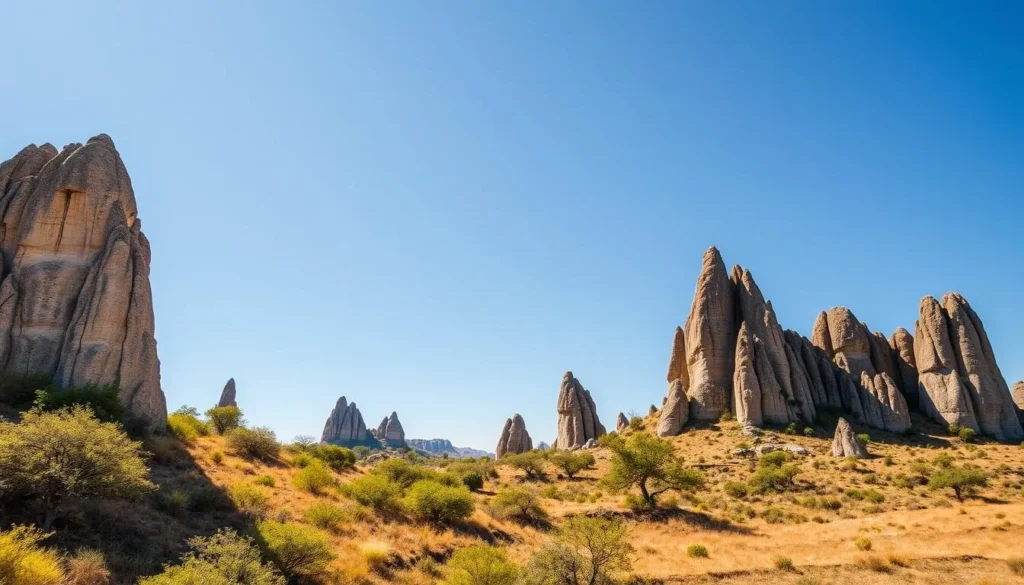
Did you know that the razor-sharp limestone formations of Tsingy de Bemaraha took an astonishing 200 million years to form? This geological marvel in western Madagascar features stone forests with pinnacles reaching up to 100 meters high, creating one of the most unique landscapes on Earth. The word “tsingy” in Malagasy literally means “where one cannot walk barefoot” – an apt description for this otherworldly terrain that looks like nothing else on our planet.
Overview of Tsingy de Bemaraha Strict Nature Reserve
Tsingy de Bemaraha Strict Nature Reserve spans approximately 1,520 square kilometers in Madagascar’s western region. Designated as a UNESCO World Heritage Site in 1990, this remarkable reserve protects not only the spectacular limestone karst formations but also a diverse ecosystem of rare and endemic species.
The reserve consists of two main sections: the Grand Tsingy and the Petit Tsingy. The Grand Tsingy features the most dramatic and challenging terrain, while the Petit Tsingy offers a somewhat more accessible experience. Between these stone labyrinths, you’ll find canyons, gorges, undisturbed forests, and underground river systems that add to the area’s biodiversity and appeal.
What makes Tsingy de Bemaraha truly special is its role as a biological refuge. The undisturbed forests serve as habitat for many rare and endangered species with highly restricted ranges, including lemurs, chameleons, and other unique Malagasy wildlife found nowhere else on Earth.
Getting to Tsingy de Bemaraha: Planning Your Journey
Reaching Tsingy de Bemaraha is an adventure in itself and requires some advance planning. The reserve is located near the small village of Bekopaka in western Madagascar, and the journey there involves several stages.
From Antananarivo to Morondava
Most journeys begin in Antananarivo, Madagascar’s capital. You have two main options to reach Morondava, the gateway city:
- Fly directly from Antananarivo to Morondava (approximately 1 hour)
- Drive overland, which takes about 2 days with an overnight stop (700 km)
From Morondava to Bekopaka
From Morondava, you’ll need to continue to Bekopaka, which is the base for visiting the reserve:
- The journey takes a full day (8-10 hours) on rough roads
- A 4×4 vehicle is absolutely essential
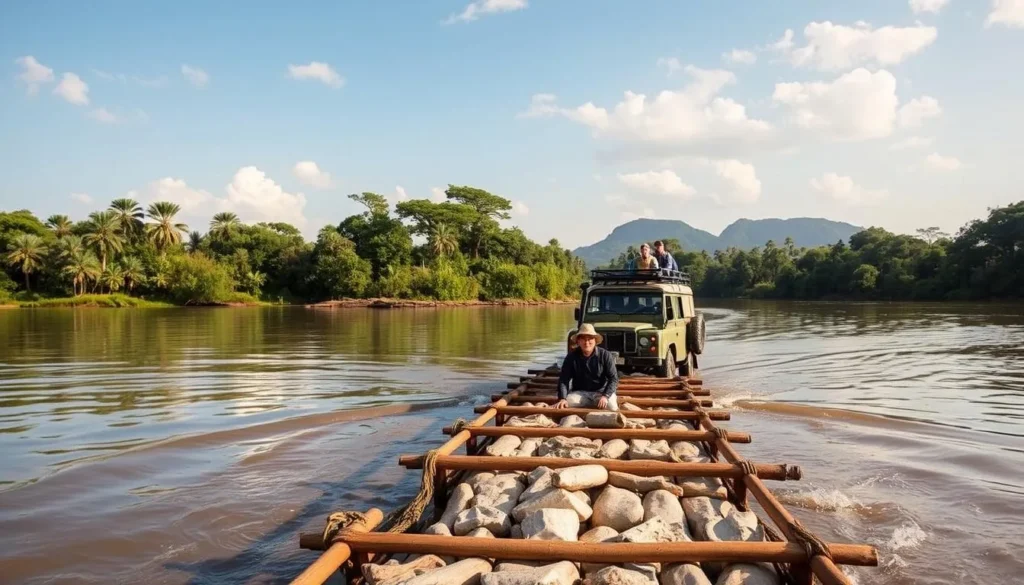
- You’ll cross two rivers via basic car ferries
- Most visitors arrange this transportation through tour operators
The road to Bekopaka is only accessible during the dry season (April to November). During the rainy season, the roads become impassable, and the park closes to visitors.
Travel Tip: Most travelers combine their visit to Tsingy de Bemaraha with a stop at the famous Avenue of the Baobabs, which is on the route between Morondava and Bekopaka.
Best Time to Visit Tsingy de Bemaraha
Timing your visit to Tsingy de Bemaraha is crucial, as the reserve is only accessible during certain months of the year. The park officially opens to visitors during the dry season and closes completely during the rainy months.
Recommended Months to Visit
- April to November: The dry season when the park is open and roads are accessible
- June to September: The peak dry season with the most comfortable temperatures and best trail conditions
- April-May and October-November: Shoulder seasons with fewer visitors but still good conditions
Months to Avoid
- December to March: Rainy season when the park is officially closed
- January and February: The height of cyclone season with the heaviest rainfall
Weather Considerations
During the dry season, daytime temperatures typically range between 25°C to 35°C (77°F to 95°F). The stone formations can get extremely hot under the midday sun, so early morning starts are recommended. Nights can be cooler, especially in June and July, with temperatures dropping to around 15°C (59°F).
Important: Even during the dry season, occasional rain showers can occur. The limestone becomes extremely slippery when wet, making the trails dangerous. Always follow your guide’s advice regarding weather conditions.
Top Things to Do in Tsingy de Bemaraha
Tsingy de Bemaraha offers several unique experiences that can’t be found anywhere else in the world. Here are the must-do activities during your visit:
1. Explore the Grand Tsingy
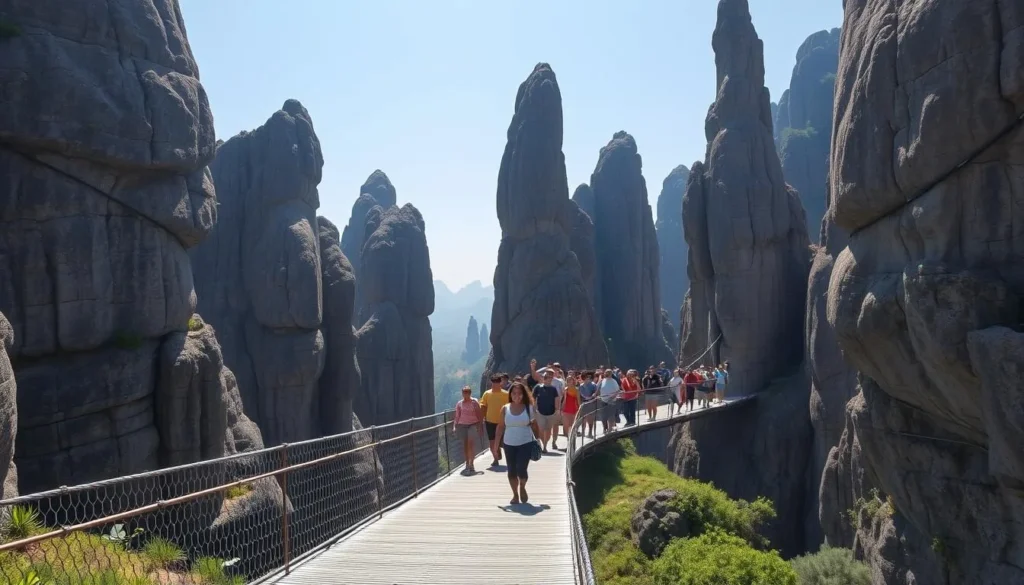
The Grand Tsingy is the main attraction and offers the most dramatic landscapes. Exploring this stone labyrinth involves climbing steel ladders, crossing suspension bridges, and squeezing through narrow passages. Several circuits of varying difficulty are available:
- Andamozavaky Circuit: The most challenging route (4-5 hours) with the most spectacular views
- Anjohimanintsy Circuit: A moderate route (3-4 hours) with good variety
- Berano Circuit: A shorter option (2-3 hours) that still showcases impressive formations
2. Visit the Petit Tsingy
The Petit Tsingy offers a less strenuous but still impressive experience. The limestone formations are smaller but equally beautiful, and the trails are more accessible. This is a good option for those with less experience or physical conditioning. The main circuit takes about 2-3 hours to complete.
3. Cruise the Manambolo Gorge
Take a traditional dugout canoe (pirogue) trip down the Manambolo River to see the limestone cliffs from a different perspective. The journey reveals caves, tombs of the Vazimba people (Madagascar’s original inhabitants), and diverse wildlife along the riverbanks. Most trips last 1-2 hours and are best done in the early morning.
4. Wildlife Spotting
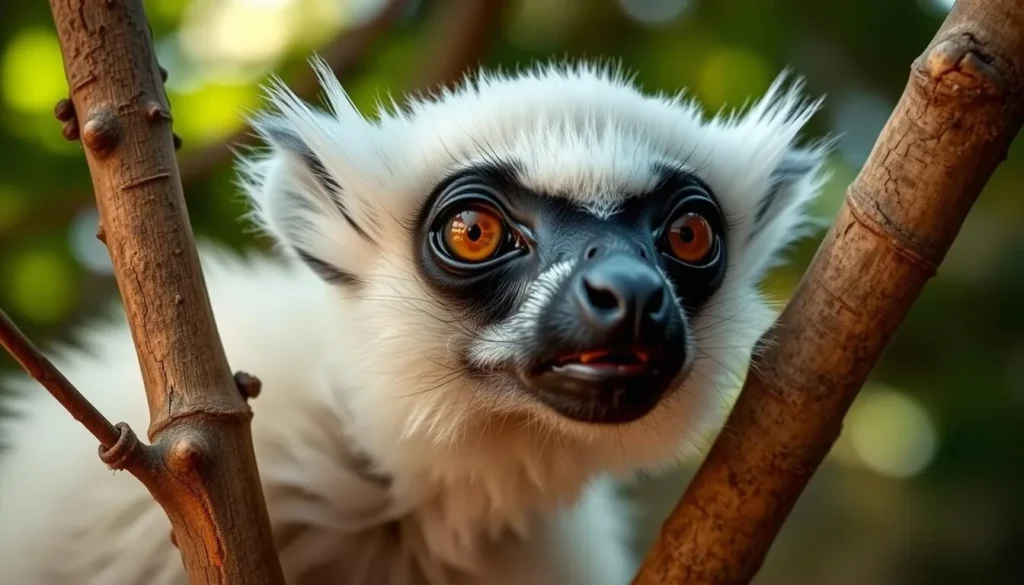
Tsingy de Bemaraha is home to 11 species of lemur, including the rare Decken’s sifaka and the recently described Bemaraha woolly lemur. Early morning and late afternoon are the best times for wildlife spotting. Other animals to look for include:
- Madagascar big-headed turtle in the Manambolo River
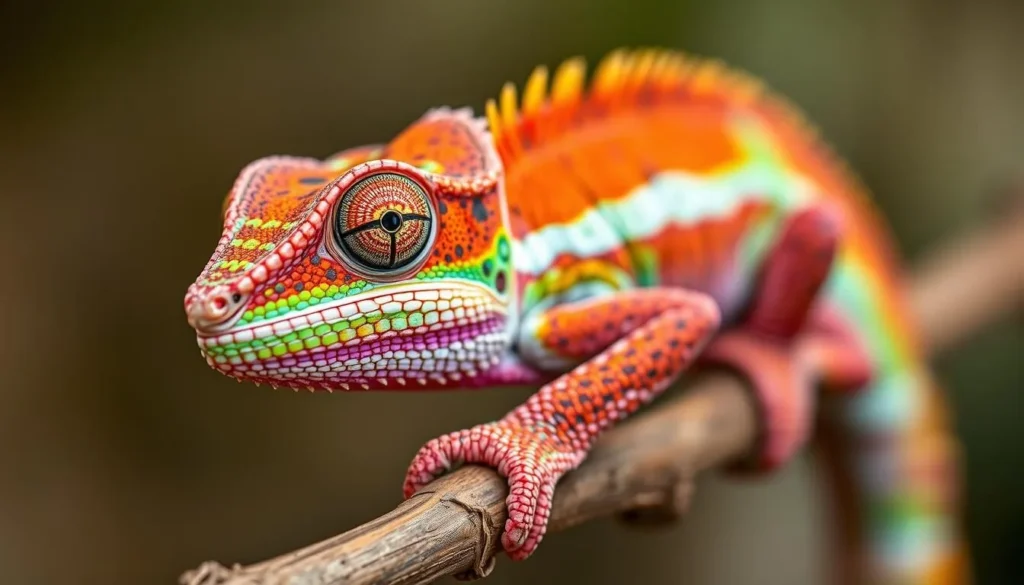
- Various chameleon species, including the tiny Brookesia perarmata
- Numerous bird species, including the Madagascar fish eagle
5. Photography
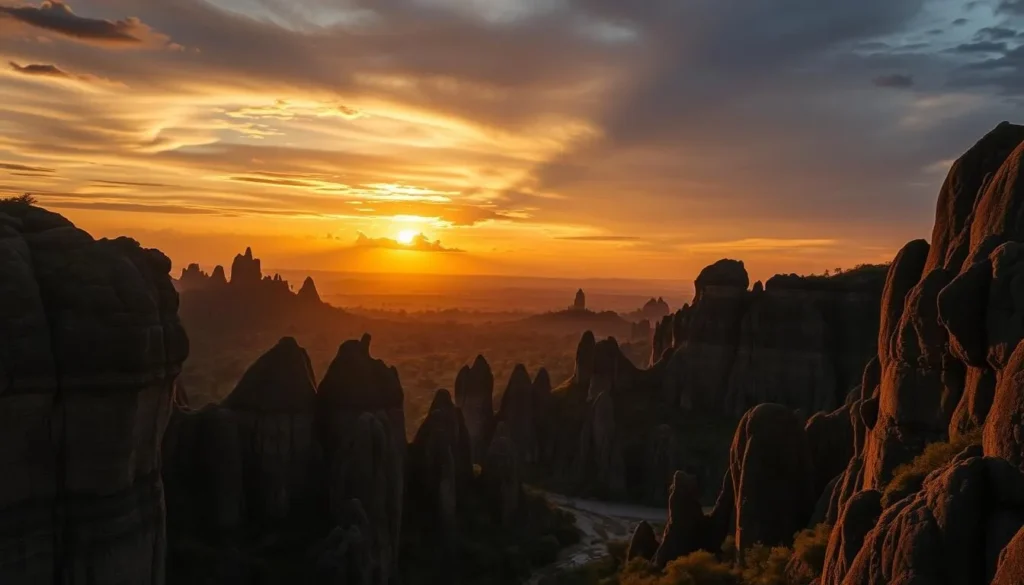
The unique landscapes of Tsingy de Bemaraha offer incredible photography opportunities. The best light for photography is during the early morning and late afternoon when the sun creates dramatic shadows across the limestone pinnacles. Bring a wide-angle lens to capture the scale of the formations and a zoom lens for wildlife.
Where to Stay Near Tsingy de Bemaraha
Accommodation options near Tsingy de Bemaraha are limited but have improved in recent years. Most visitors stay in or near the village of Bekopaka, which serves as the gateway to the reserve.
Luxury Options
- Soleil des Tsingy – Upscale lodge with pool and restaurant
- Le Paradis du Tsingy – Comfortable bungalows with good amenities
Mid-Range Options
- Orchidée du Bemaraha – Simple but comfortable rooms
- Tanankoay – Family-run lodge with traditional bungalows
Budget Options
- Gîte du Bemaraha – Basic rooms with shared facilities
- Camping – Some lodges offer camping options
Most accommodations include meals as there are few restaurant options in the area. It’s advisable to book well in advance, especially during the peak season (July-August), as capacity is limited.
Practical Travel Tips for Visiting Tsingy de Bemaraha
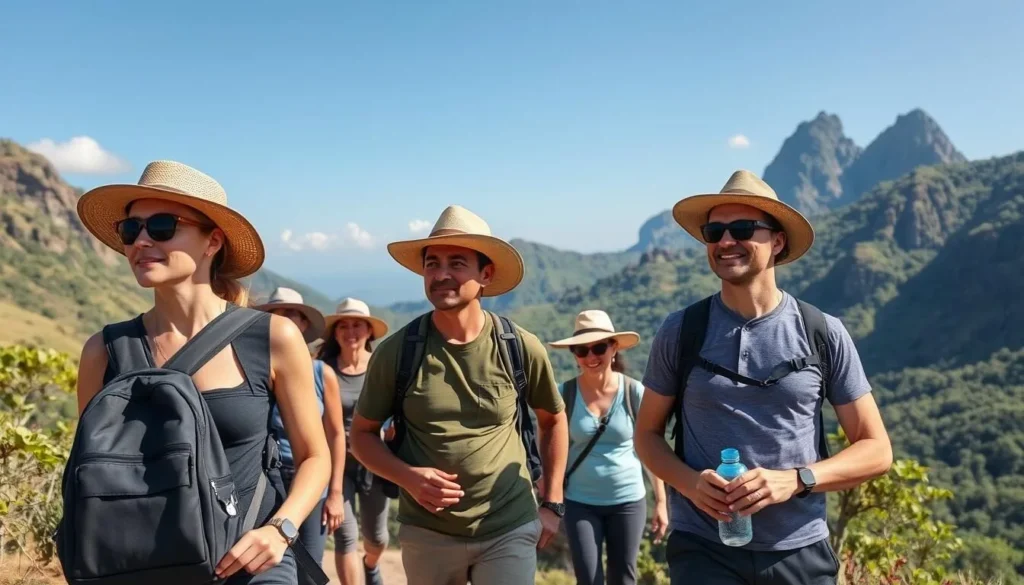
Essential Items to Pack
- Sturdy hiking shoes with good grip (the limestone can be very slippery)
- Lightweight, breathable clothing that covers arms and legs (to protect from sharp rocks)
- Hat and sunscreen (there’s limited shade on the trails)
- Plenty of water (at least 2 liters per person for a half-day hike)
- Camera with extra batteries (there’s no electricity to recharge in the park)
- Basic first aid kit including bandages for minor cuts
Safety Considerations
Safety is paramount when exploring Tsingy de Bemaraha:
- A local guide is mandatory and for good reason – they know the safest routes
- Follow your guide’s instructions carefully, especially regarding where to step
- Wear gloves if available for sections with via ferrata-style cables
- Don’t attempt difficult circuits if you have a fear of heights
- Start hikes early to avoid the midday heat
Park Fees and Guides
Entry to the park requires payment of fees that help support conservation efforts:
- Park entrance fee: Approximately 55,000 Ariary (about $15 USD) per person per day
- Guide fee: 100,000-150,000 Ariary ($25-40 USD) per group depending on the circuit
- Additional fees may apply for special activities like river cruises
Language Tip: Most guides speak some English and French, but learning a few basic phrases in Malagasy will be appreciated by locals.
Local Customs and Etiquette
Understanding and respecting local customs will enhance your experience at Tsingy de Bemaraha:
Cultural Considerations
- Fady (taboos): Madagascar has many local taboos that vary by region. Your guide can advise on specific fady in the area.
- Sacred sites: Some caves within the tsingy contain tombs and are considered sacred. Never touch or photograph these without permission.
- Photography: Always ask before photographing local people, especially in villages.
- Dress code: When visiting villages, modest dress is appreciated (shoulders and knees covered).
Supporting Local Communities
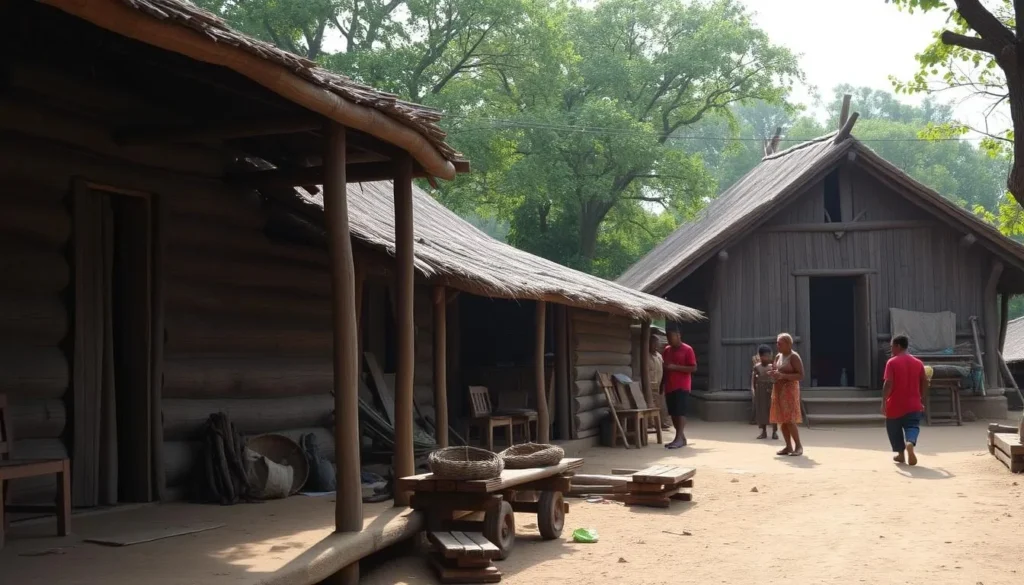
Tourism is an important source of income for communities around Tsingy de Bemaraha:
- Consider purchasing handicrafts from local artisans
- Use local guides and services
- Some lodges contribute to community projects – ask about these initiatives
Wildlife and Nature in Tsingy de Bemaraha
The unique ecosystem of Tsingy de Bemaraha harbors an impressive diversity of plant and animal species, many of which are endemic to Madagascar or even to this specific region.
Lemurs and Mammals
The reserve is home to 11 species of lemur, including:
- Decken’s sifaka: A white lemur with a distinctive jumping locomotion
- Bemaraha woolly lemur: Described only recently and endemic to this area
- Red-fronted brown lemur: Often seen in groups near the forest edges
- Western fat-tailed dwarf lemur: A tiny nocturnal species
Other mammals include the rare Grandidier’s mongoose, Tsingy tuft-tailed rat, and several bat species that inhabit the caves.
Reptiles and Amphibians
The reserve boasts an exceptional diversity of reptiles and amphibians:
- 63 reptile species, with 17 found only in the Bemaraha massif
- 19 amphibian species, representing the highest diversity in Madagascar’s dry regions
- Notable species include the critically endangered Madagascar big-headed turtle and the tiny Brookesia perarmata chameleon
Birds
Birdwatchers can spot approximately 94 bird species, including:
- The critically endangered Madagascar fish eagle
- Madagascar paradise flycatcher
- Couas and vangas (endemic bird families)
- Sickle-billed vanga with its distinctive curved bill
Flora
The vegetation varies from dry deciduous forest to more humid canyon forests:
- Baobab trees (several endemic species)
- Pachypodium (bottle plants) growing directly on limestone
- Orchids and aloes in more sheltered areas
- Drought-adapted succulents on exposed rocks
Conservation Note: Many species in Tsingy de Bemaraha are threatened or endangered. By visiting, you contribute to conservation efforts that help protect these unique animals and their habitats.
Suggested Itineraries for Tsingy de Bemaraha
Planning your time at Tsingy de Bemaraha depends on your interests and physical abilities. Here are some suggested itineraries:
2-Day Express Visit
Day 1: Arrive in Bekopaka, afternoon Manambolo River cruise
Day 2: Full day exploring Petit Tsingy in the morning and part of Grand Tsingy in the afternoon
3-Day Standard Visit
Day 1: Arrive in Bekopaka, afternoon Manambolo River cruise
Day 2: Full day at Grand Tsingy (Andamozavaky Circuit)
Day 3: Morning at Petit Tsingy, afternoon departure
4-Day Comprehensive Visit
Day 1: Arrive in Bekopaka, afternoon village visit
Day 2: Manambolo River cruise and Petit Tsingy
Day 3: Full day at Grand Tsingy
Day 4: Morning wildlife walk, afternoon departure
Nearby Attractions to Combine with Your Visit
While Tsingy de Bemaraha is a destination in itself, there are several other attractions in western Madagascar that pair well with your visit:
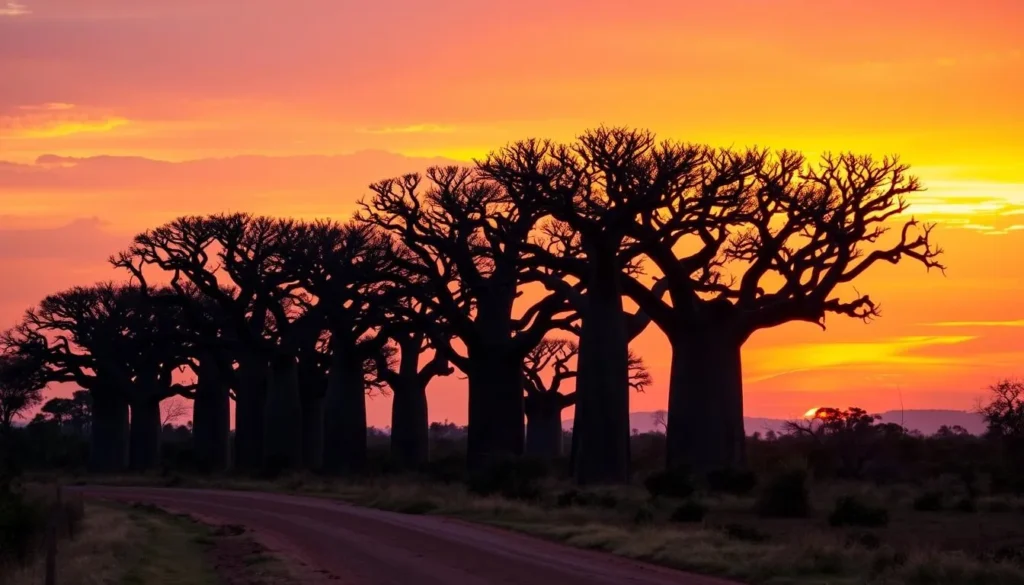
Avenue of the Baobabs
Located near Morondava, this iconic alley of massive baobab trees is one of Madagascar’s most photographed sites. The best time to visit is at sunrise or sunset when the light creates a magical atmosphere. Most travelers stop here on their way to or from Tsingy de Bemaraha.
Kirindy Forest Reserve
This dry deciduous forest is located between Morondava and Bekopaka and is home to eight lemur species, including the famous Verreaux’s sifaka. Kirindy is also one of the best places to spot the fossa, Madagascar’s largest predator. Night walks here are particularly rewarding.
Manambolo River Villages
Several traditional villages along the Manambolo River offer insights into rural Malagasy life. Some tour operators arrange homestays or cultural visits that provide authentic experiences and support local communities.
Location and Map
Tsingy de Bemaraha Strict Nature Reserve is located in the Melaky Region of western Madagascar, approximately 200 km north of Morondava.
Dining and Local Cuisine
Dining options around Tsingy de Bemaraha are limited primarily to lodge restaurants. Most accommodations offer full-board packages that include breakfast, lunch, and dinner.
What to Expect
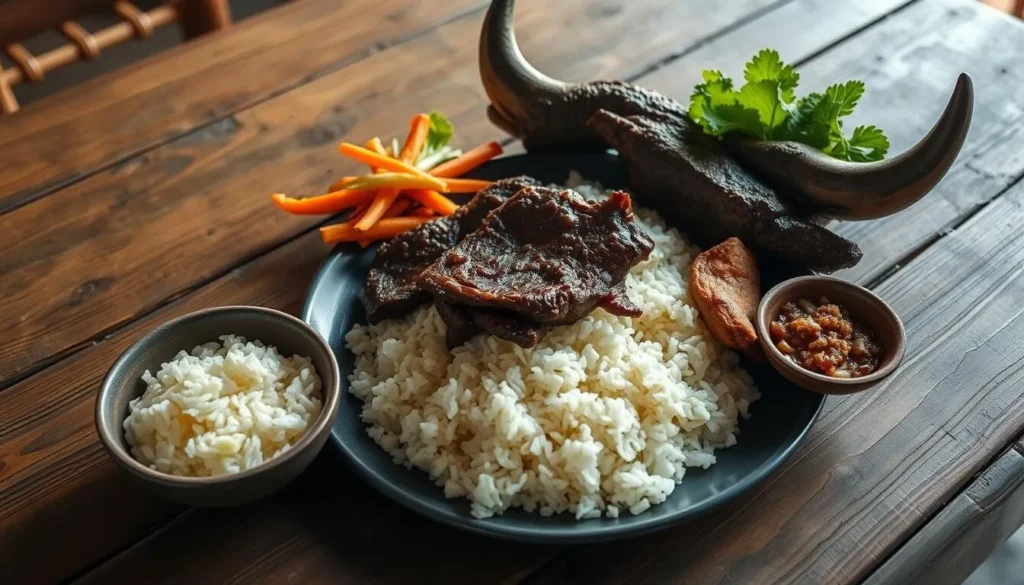
- Simple but fresh meals, often featuring rice (the Malagasy staple)
- Zebu (local beef) is a common protein option
- Fresh fruits and vegetables when in season
- French influence in some dishes and preparation methods
Practical Tips
- Inform your accommodation of any dietary restrictions in advance
- Bring some snacks for hiking days
- Most lodges can prepare packed lunches for full-day excursions
- Bottled water is essential and usually available at lodges
Final Thoughts on Visiting Tsingy de Bemaraha
Tsingy de Bemaraha represents one of the most unique and rewarding destinations not just in Madagascar, but in the world. The journey may be challenging, but those who make the effort are rewarded with otherworldly landscapes, rare wildlife encounters, and an adventure that few travelers experience.
The stone forest of Tsingy de Bemaraha offers a powerful reminder of nature’s artistry and the incredible biodiversity that Madagascar harbors. As you navigate through the razor-sharp pinnacles and lush canyons, you’ll gain a deeper appreciation for this island nation’s natural heritage and the importance of preserving these extraordinary ecosystems for future generations.
Whether you’re an adventure seeker, wildlife enthusiast, photographer, or simply a curious traveler looking for something truly different, Tsingy de Bemaraha delivers an unforgettable experience that will remain etched in your memory long after you’ve returned home.


0 Comments