
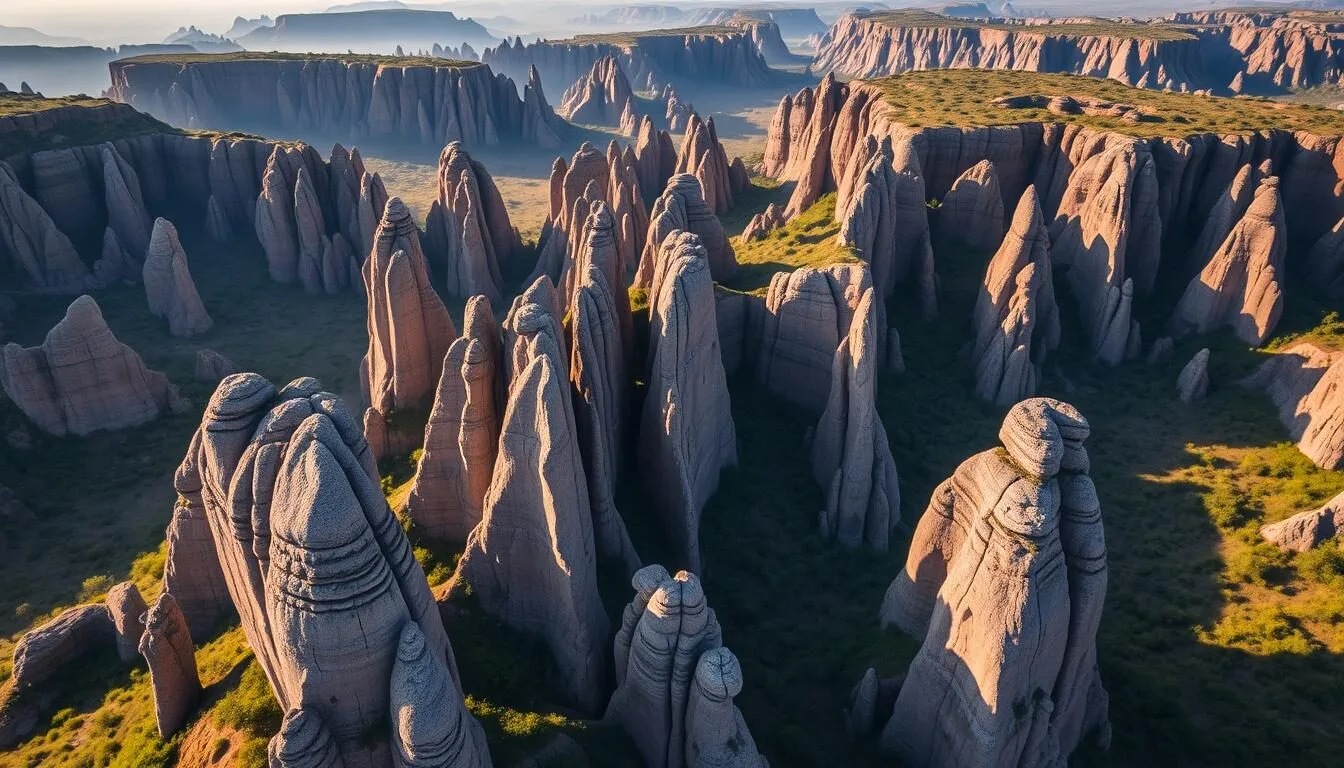
Did you know that the razor-sharp limestone formations of Tsingy de Namoroka took over 200 million years to form? This remarkable “stone forest” in northwestern Madagascar harbors more endemic species per square kilometer than almost any other park in the country. With its labyrinth of jagged peaks, hidden caves, and diverse wildlife, this remote national park offers an adventure unlike any other on Earth.
Getting There & Planning Your Journey
Reaching Tsingy de Namoroka National Park requires determination and careful planning. Located in the Boeny region of northwestern Madagascar, approximately 220 km southwest of Mahajanga (Majunga), the journey takes about 12 hours by 4×4 vehicle over challenging terrain.
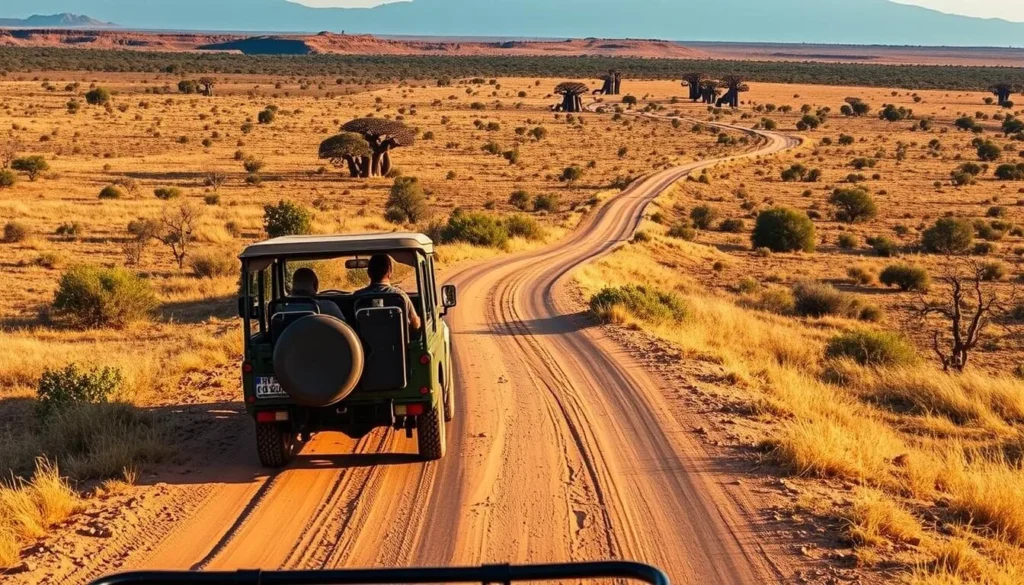
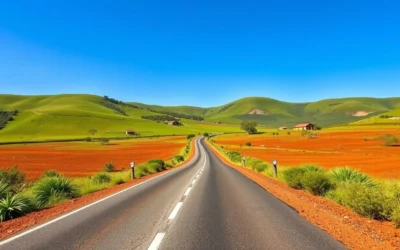
Most visitors arrange transportation through tour operators in Mahajanga or the capital, Antananarivo. The final approach involves navigating dirt tracks that become impassable during the rainy season. For the adventurous traveler, this remote location offers the reward of experiencing one of Madagascar’s least-visited natural wonders.
Best Time to Visit & Weather Tips
Tsingy de Namoroka National Park is only accessible during the dry season from April to October. The park is effectively closed during the rainy season (November to March) when roads become impassable and conditions within the park can be dangerous.
| Season | Months | Temperature | Conditions | Recommendation |
| Early Dry | April-May | 25-30°C (77-86°F) | Transitional period, vegetation still green | Good time to visit, fewer visitors |
| Peak Dry | June-August | 20-25°C (68-77°F) | Cooler, very dry, best visibility | Ideal for hiking and photography |
| Late Dry | September-October | 25-32°C (77-90°F) | Warming up, very dry | Good wildlife viewing |
| Rainy | November-March | 30-35°C (86-95°F) | Heavy rainfall, roads impassable | Park closed/inaccessible |
The most comfortable months for exploration are June through August when temperatures are milder. Early mornings and evenings can be cool, so pack layers. During the day, temperatures can still reach 25°C (77°F), making sun protection essential when navigating the exposed limestone formations.
Getting Around Locally
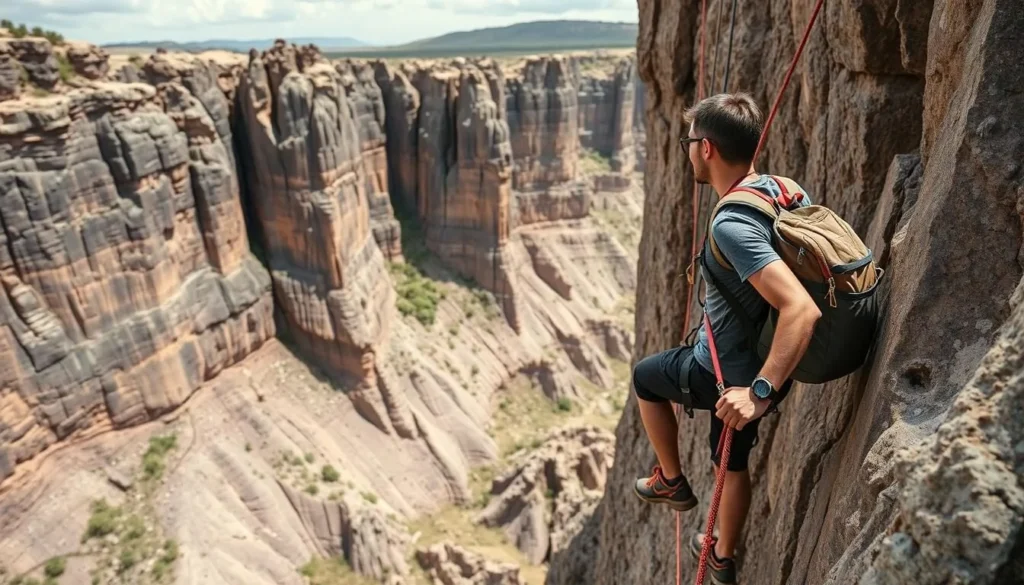
Once you arrive at Tsingy de Namoroka National Park, exploration is primarily on foot with local guides. The park’s rugged terrain requires good physical fitness and appropriate footwear. Some sections of the tsingy formations can only be traversed using safety harnesses and fixed cables.
For transportation to and around the park region, a 4×4 vehicle is essential. Most visitors arrange this as part of a guided tour package, which typically includes transportation from Mahajanga. If you’re planning an independent trip, consider renting a reliable 4×4 with a driver familiar with the region.
Where to Stay
Accommodation options near Tsingy de Namoroka are extremely limited due to its remote location. Most visitors choose one of these options:
Camping in the Park
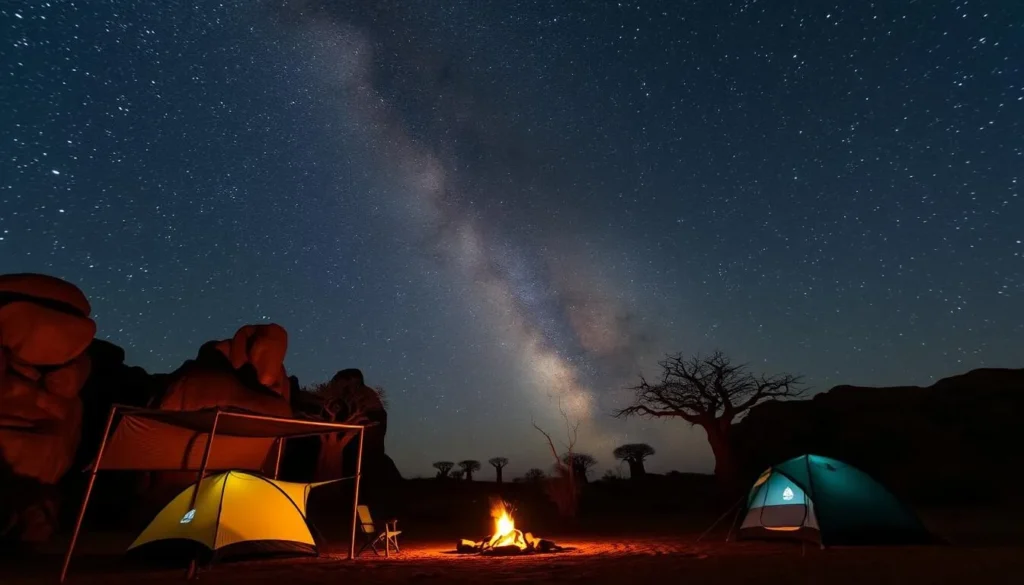
The most immersive option is camping within the park boundaries. Basic camping facilities are available, but you must bring all necessary equipment. Park rangers can help identify suitable camping locations. This option provides the unique experience of spending nights under spectacular starry skies.
Soalala Accommodations
The nearest town, Soalala, is about 4 hours’ drive from the park and offers very basic guesthouses. While not luxurious, these provide a roof over your head and sometimes a simple meal. Electricity may be intermittent, and facilities are minimal.
For those seeking more comfort, consider staying in Mahajanga before and after your park visit. This coastal city offers a range of accommodations from budget guesthouses to upscale hotels with modern amenities.
Dining & Local Cuisine
Due to the remote location of Tsingy de Namoroka, dining options are extremely limited. Visitors should plan to be self-sufficient with food and water during their stay in the park.
What food should I bring to the park?
Pack non-perishable, high-energy foods like dried fruits, nuts, energy bars, and canned goods. If camping, bring easy-to-prepare meals that require minimal cooking. Don’t forget plenty of drinking water or water purification methods.
Can I try local Malagasy cuisine?
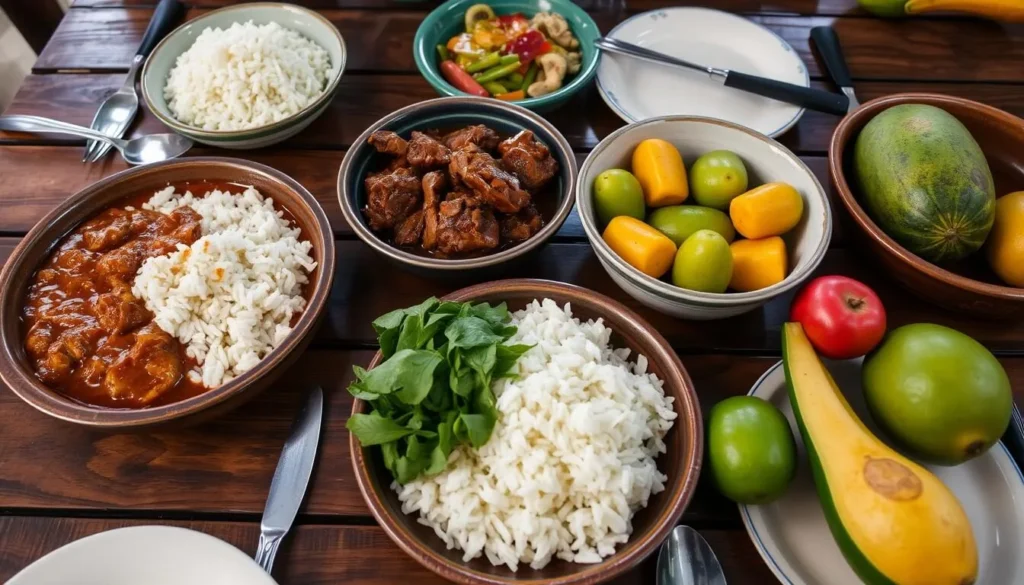
In Mahajanga or Soalala, you can sample traditional Malagasy dishes before heading to the park. Look for rice (the staple food) served with laoka (accompaniments) like ravitoto (pounded cassava leaves with pork), romazava (beef and greens stew), or fresh seafood along the coast.
If arranging your trip through a tour operator, inquire about meal provisions. Many guided tours include food preparation as part of their service, with guides cooking traditional Malagasy meals using local ingredients combined with supplies brought from larger towns.
Attractions, Sightseeing & Activities
Tsingy de Namoroka National Park offers several remarkable attractions that showcase its unique geological formations and biodiversity.

Tsingy Formations
The park’s namesake limestone karst formations create a spectacular stone forest of razor-sharp pinnacles. These unique geological features were formed through millions of years of rainfall eroding the underlying limestone plateau. Guided tours take you through accessible sections with established paths and safety equipment where necessary.
Cave Networks
Beneath the tsingy lies an extensive network of caves, some of which are accessible to visitors. These caves contain fascinating geological formations and occasionally reveal fossil remains, including those of extinct species like the giant lemur Archaeolemur, which once weighed up to 26 kg.
Natural Swimming Pools
During the dry season, natural pools form at the base of some tsingy formations. These crystal-clear waters offer a refreshing respite from the heat and a chance to observe unique aquatic ecosystems that have adapted to this specialized environment.
Wildlife & Natural Wonders
The park’s diverse ecosystems support an impressive array of endemic wildlife, making it a paradise for nature enthusiasts and wildlife photographers.
Remarkable Wildlife to Spot:
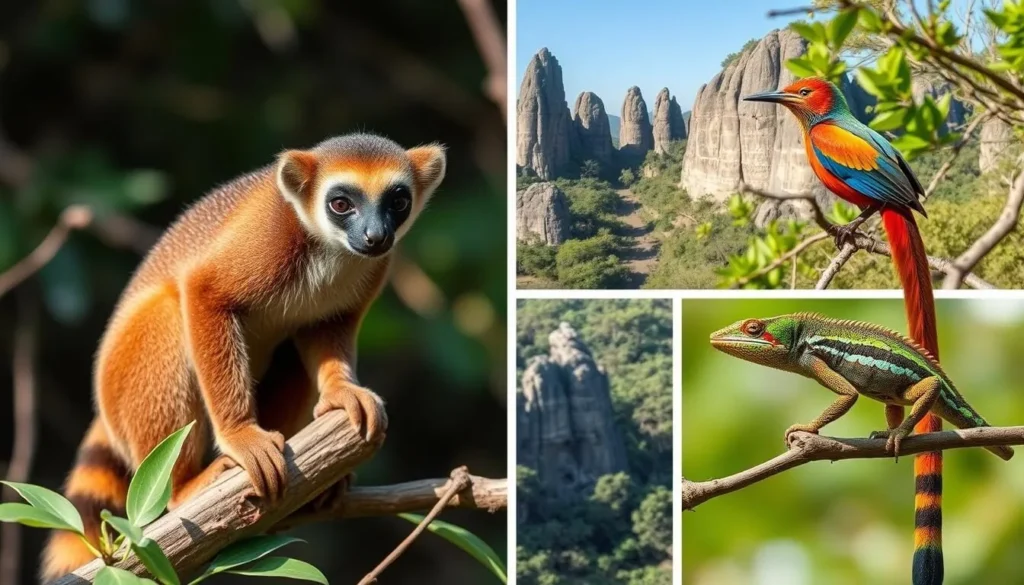
- Eight lemur species, including the elusive aye-aye, Decken’s sifaka, and red-fronted brown lemur
- Madagascar’s largest carnivore, the cat-like fossa
- Over 80 bird species, including endemic vangas, couas, and Madagascar buttonquail
- Diverse reptiles such as chameleons, geckos, and snakes uniquely adapted to the tsingy environment
- Rare amphibians that survive in this relatively dry habitat
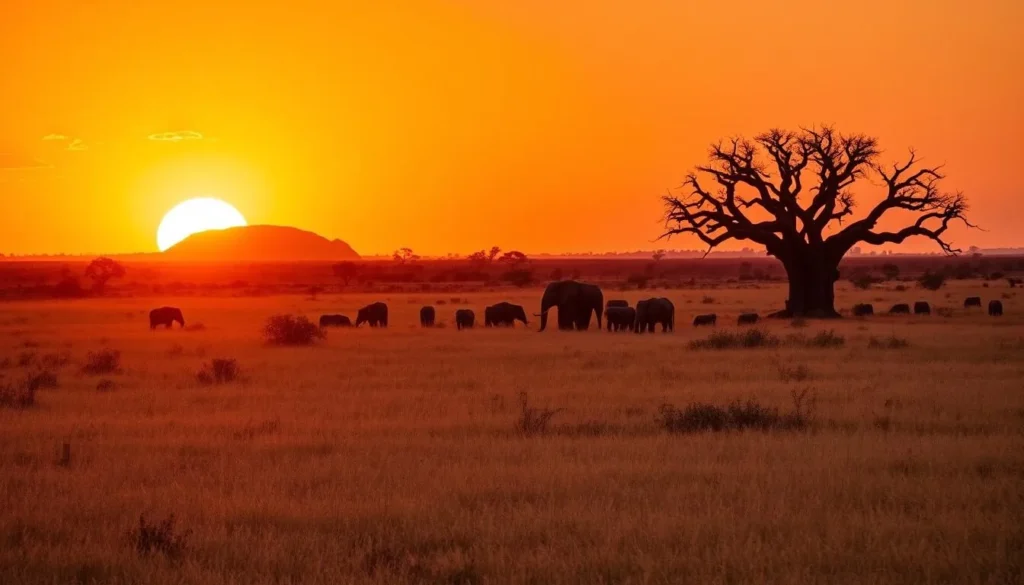
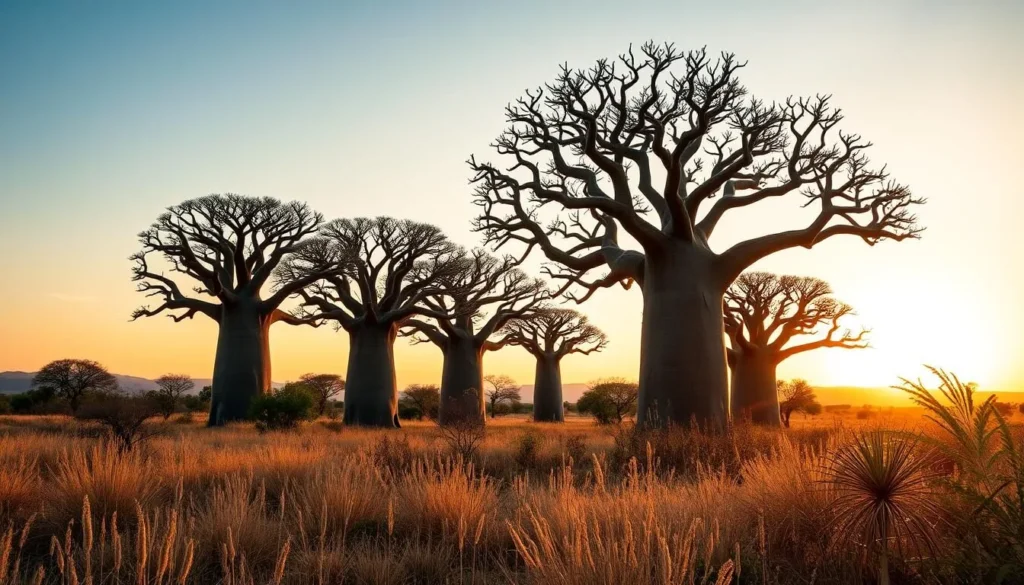
The park’s flora is equally impressive, with over 220 plant species, more than 100 of which are endemic to Madagascar. Look for the iconic baobab trees dotting the landscape and various drought-adapted plants that thrive in this challenging environment.
Practical Travel Tips
Visiting Tsingy de Namoroka requires careful preparation due to its remote location and limited facilities.
Essential Items to Bring
- Sturdy hiking boots with good ankle support
- Lightweight, breathable clothing with long sleeves and pants
- Hat, sunglasses, and high-SPF sunscreen
- Insect repellent and basic first aid kit
- Headlamp or flashlight for cave exploration
- Sufficient water and water purification methods
- Camera with extra batteries (no charging facilities)
Important Cautions
- No medical facilities in or near the park
- Very limited or no mobile phone coverage
- Risk of cuts from sharp limestone formations
- Potential for heat exhaustion during midday hours
- Limited rescue capabilities in case of emergency
- No ATMs or banking facilities nearby
- Challenging terrain not suitable for those with mobility issues
Local Guide Requirement
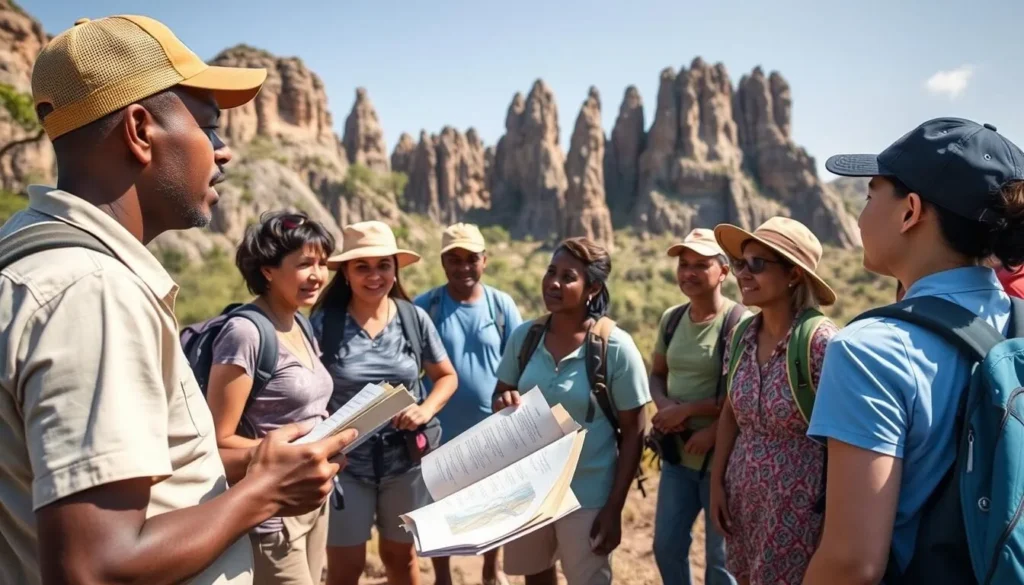
A local guide is mandatory for exploring Tsingy de Namoroka National Park. Guides can be arranged at the park entrance for approximately 50,000 MGA (about $12 USD) for a group of up to four people, with prices varying based on the chosen circuit and duration. Guides provide invaluable knowledge about the park’s geology, wildlife, and safe navigation through the challenging terrain.
Cultural Respect & Local Customs
While Tsingy de Namoroka is primarily known for its natural features, respecting local customs and traditions is essential when traveling through Madagascar.
Fady (Taboos)
Madagascar has numerous cultural taboos known as “fady” that vary by region. These might include restrictions on pointing at certain features, eating specific foods, or visiting particular areas. Your guide will inform you of any local fady relevant to the park and surrounding communities.
Community Interaction
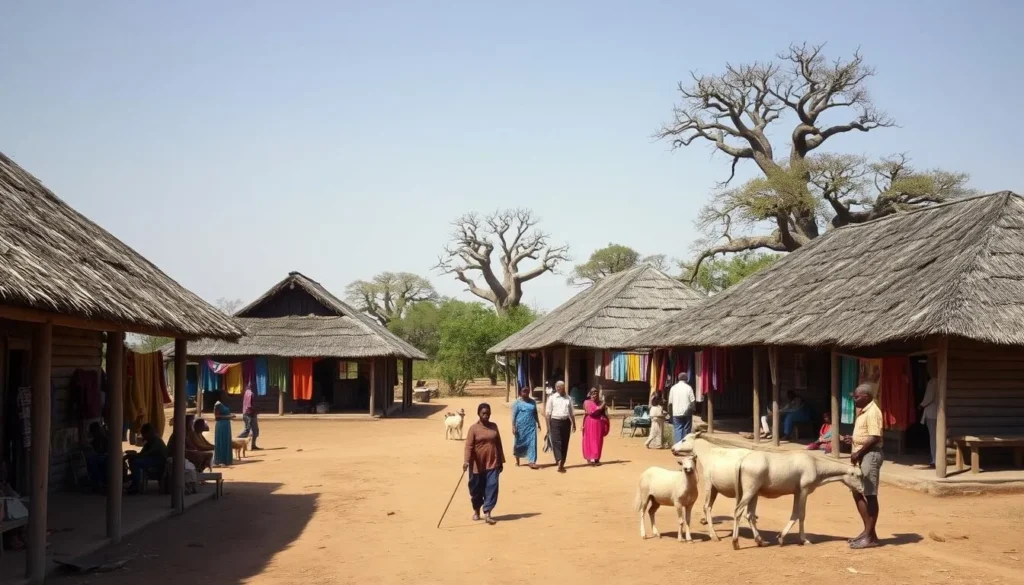
When passing through villages, greet locals with “Salama” (hello) and ask permission before taking photographs of people or their homes. Small gifts of school supplies or basic necessities are appreciated but avoid giving money directly to children as it encourages begging.
Supporting local communities by purchasing handicrafts or using local services helps ensure tourism benefits those living near the park. Many guides come from nearby villages, and their knowledge of the area has been passed down through generations.
Ready for Your Tsingy Adventure?
Tsingy de Namoroka National Park offers an extraordinary adventure for those willing to venture off Madagascar’s beaten path. From its otherworldly limestone formations to its remarkable biodiversity, this remote wilderness rewards intrepid travelers with experiences few will ever witness.
The journey may be challenging, but standing among these ancient stone forests, watching lemurs leap through the canopy, and discovering hidden caves makes every bump in the road worthwhile. As one of Madagascar’s least-visited national parks, Tsingy de Namoroka provides a rare opportunity to experience pristine nature in splendid isolation.


0 Comments