
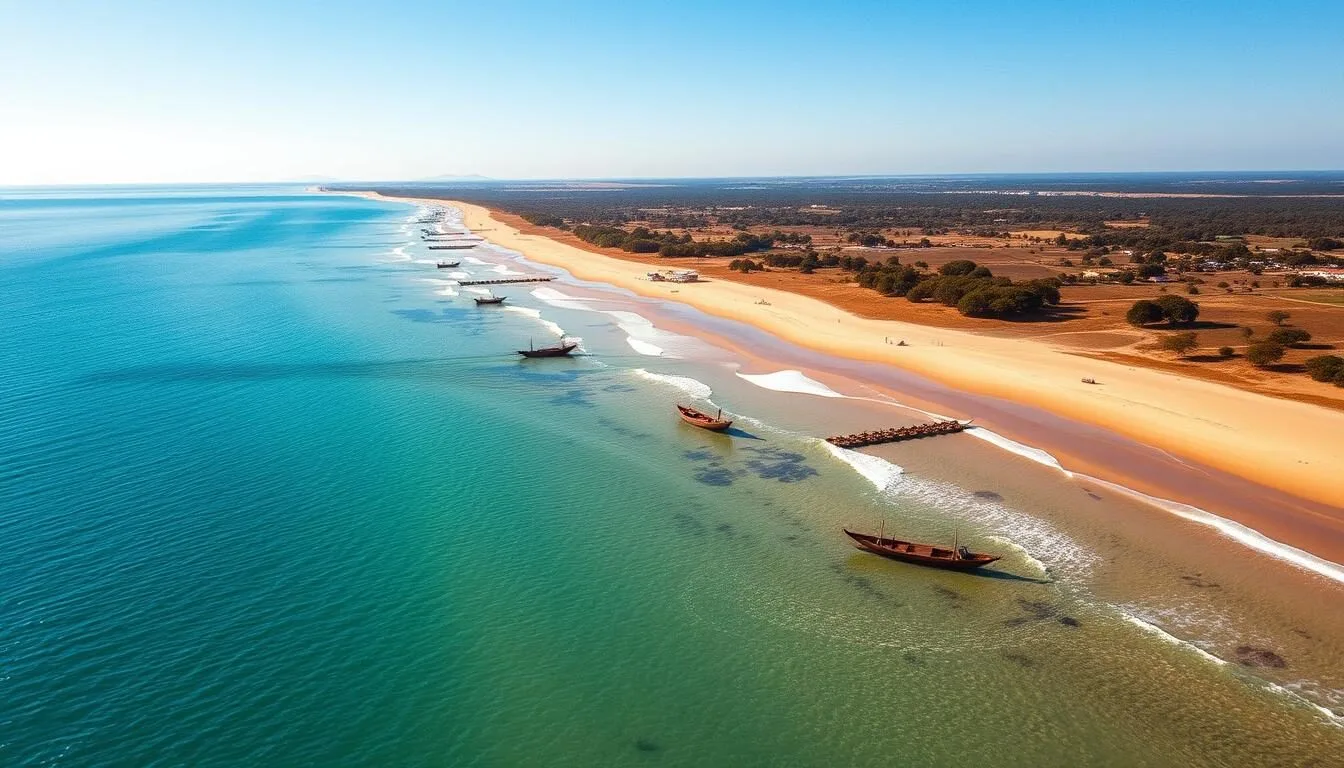
Did you know that Lake Malawi contains more species of fish than any other lake on Earth? With over 1,000 species of cichlids, many found nowhere else, it’s like swimming in a natural aquarium. Known as the “Warm Heart of Africa,” Malawi offers travelers an authentic African experience without the crowds of more popular destinations. From pristine beaches along its massive lake to rejuvenated wildlife reserves and dramatic mountain landscapes, this small landlocked country packs an impressive array of experiences into its borders.
Getting to Malawi
Most international visitors arrive at Lilongwe International Airport (LLW), the country’s main gateway. Several airlines offer connections through major African hubs like Johannesburg, Nairobi, and Addis Ababa. Alternatively, Blantyre’s Chileka International Airport (BLZ) serves the southern region. For regional travelers, land borders with Tanzania, Zambia, and Mozambique provide additional entry points.
Best Time to Visit Malawi
Malawi has a subtropical climate with three distinct seasons. The dry season (May to October) is generally considered the best time to visit, especially for wildlife viewing and outdoor activities. During this period, temperatures are pleasant, and wildlife congregates around water sources, making them easier to spot.
| Season | Months | Weather | Best For |
| Dry Season | May to October | Pleasant temperatures, little to no rainfall | Wildlife viewing, hiking, lake activities |
| Hot Season | November to December | Hot and humid, occasional rain | Bird watching, fewer tourists |
| Rainy Season | January to April | Warm with regular rainfall | Lush landscapes, lower rates, bird watching |
July to October offers the best game viewing opportunities as animals gather around water sources. For those interested in Lake Malawi activities, September to December provides excellent water visibility (up to 30 meters) for snorkeling and diving. Budget travelers might consider the shoulder seasons (April-May or November) when accommodation rates are lower but weather conditions are still favorable.
Getting Around Malawi
Malawi’s relatively small size makes it manageable to explore, though road conditions vary significantly. Here are your main transportation options:
Rental Cars
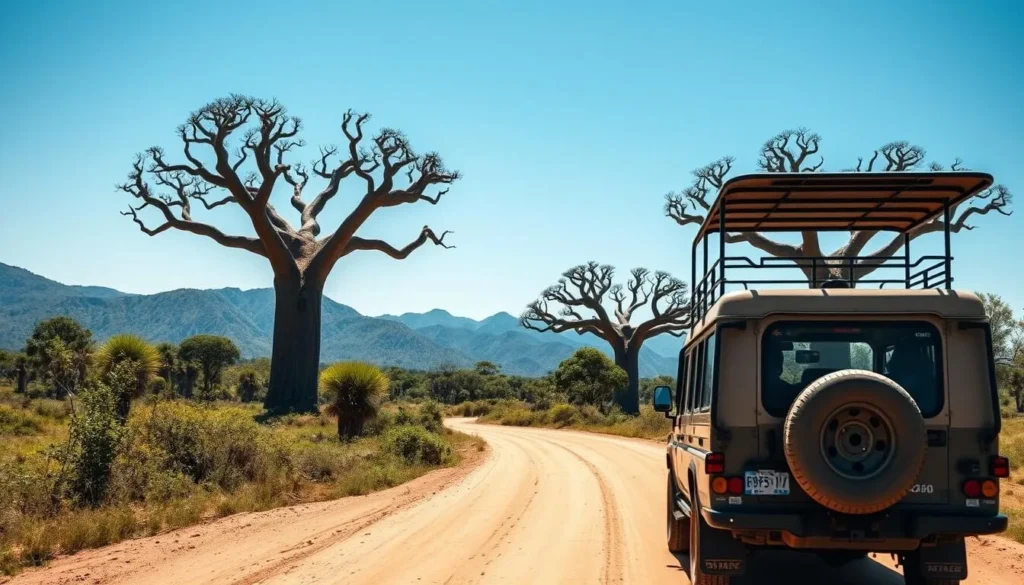
Renting a vehicle gives you the most flexibility to explore at your own pace. A 4×4 is recommended, especially if you plan to visit national parks or travel during the rainy season. Major rental companies operate at both international airports and in major cities.
Public Transport
For budget travelers, minibuses (locally known as “matolas”) connect most towns and villages. They’re inexpensive but often crowded and run on flexible schedules. Larger coaches operate between major cities with more comfort and reliability.
Private Transfers
Many lodges and tour operators offer private transfers between destinations. While more expensive, they provide convenience and local knowledge. This is often the best option for remote locations like wildlife reserves.
Where to Stay in Malawi
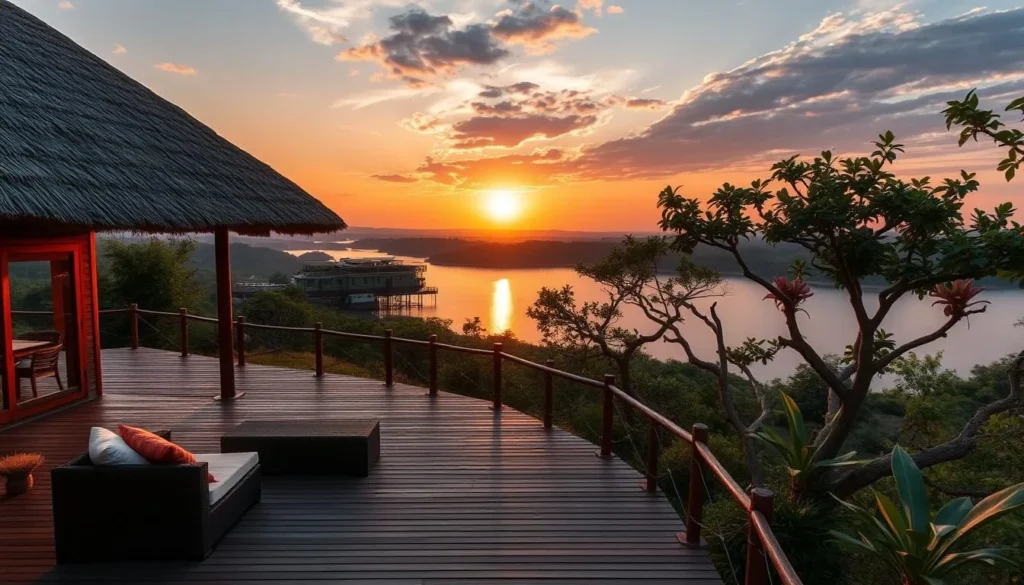
Malawi offers a range of accommodation options to suit different budgets and preferences. From luxury lodges in wildlife reserves to beachfront resorts on Lake Malawi and simple guesthouses in towns, you’ll find something to match your travel style.
Lake Malawi Lodges
Stay in beachfront lodges or island retreats with direct access to the lake’s crystal waters. Options range from budget-friendly beach camps to exclusive private island resorts like Mumbo Island Camp or Kaya Mawa on Likoma Island.
Safari Accommodations
Wildlife reserves offer lodges and tented camps that blend luxury with wilderness experiences. Mvuu Lodge in Liwonde National Park and Mkulumadzi Lodge in Majete Wildlife Reserve provide exceptional safari accommodations.
City & Town Options
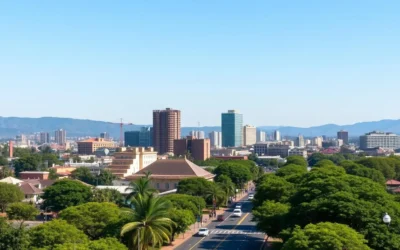
Major cities like Lilongwe and Blantyre offer international-standard hotels, while smaller towns provide guesthouses and B&Bs. The historic town of Zomba has charming colonial-era accommodations with mountain views.
Explore Lake Malawi: The Lake of Stars
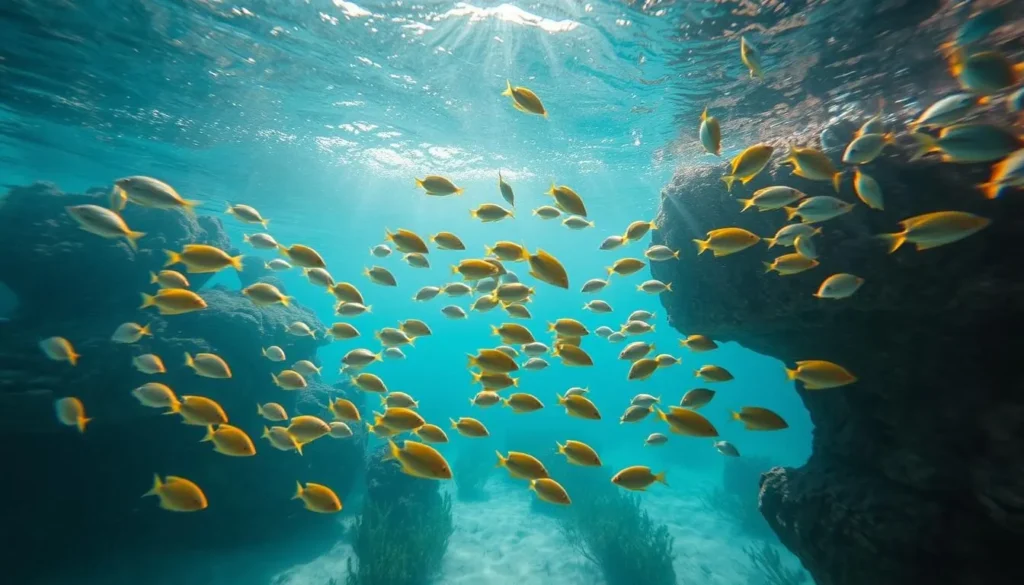
Lake Malawi is undoubtedly the country’s crown jewel and one of the best things to do in Malawi. Covering nearly one-fifth of the country, this vast freshwater lake stretches 365 miles along Malawi’s eastern border. Its crystal-clear waters, golden beaches, and extraordinary biodiversity have earned it UNESCO World Heritage status and the nickname “Lake of Stars” from David Livingstone.
Top Lake Malawi Experiences
- Snorkel or dive among colorful cichlid fish in a natural aquarium
- Relax on golden sandy beaches that rival any coastal destination
- Kayak to hidden coves and explore the shoreline
- Visit traditional fishing villages and learn about local culture
- Stay on private islands like Mumbo or Likoma for an exclusive experience
Best Lake Destinations
Cape Maclear – A popular beach destination within Lake Malawi National Park, offering excellent snorkeling, diving, and kayaking opportunities.
Nkhata Bay – A picturesque bay with clear waters, lively atmosphere, and good accommodation options.
Likoma Island – Remote island with pristine beaches, traditional villages, and the impressive St. Peter’s Cathedral.
Malawi’s Best Wildlife Experiences
While Malawi may not be as well-known for safaris as its neighbors, conservation efforts have revitalized its wildlife reserves. Today, visitors can enjoy authentic safari experiences with far fewer crowds than in more popular destinations.
Liwonde National Park
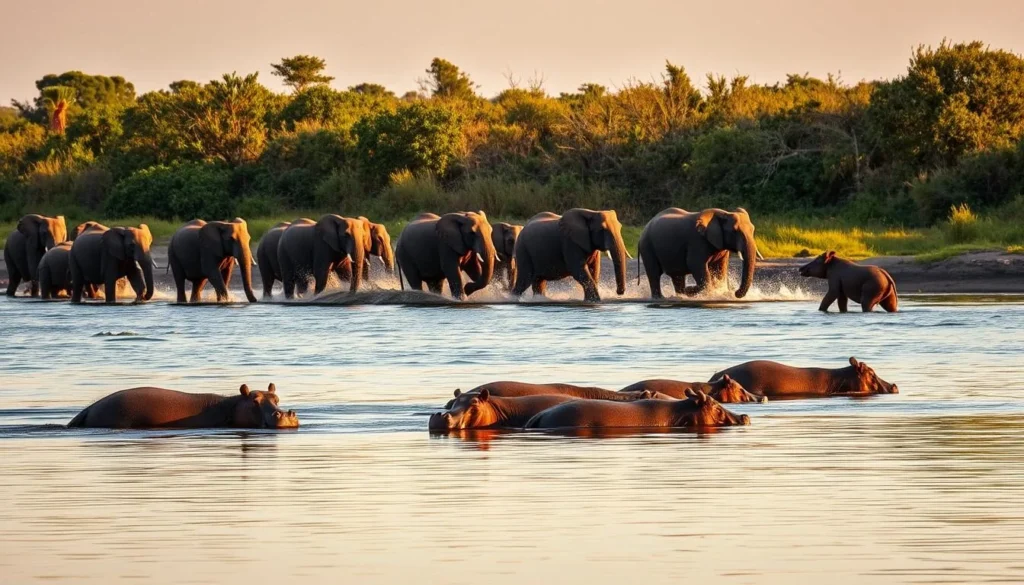
Malawi’s premier wildlife destination, Liwonde offers exceptional game viewing along the Shire River. Boat safaris provide close encounters with elephants, hippos, and crocodiles. Since African Parks took over management in 2015, lions, cheetahs, and black rhinos have been reintroduced.
Best for: Boat safaris, elephant sightings, and bird watching
Majete Wildlife Reserve
A conservation success story, Majete has been transformed from a depleted reserve to a thriving Big Five destination. The reserve offers game drives, walking safaris, and night drives in a diverse landscape of miombo woodland, riverine forest, and savanna.
Best for: Big Five sightings and conservation insights
Nyika National Park
Malawi’s largest park features a unique high-altitude plateau with rolling grasslands reminiscent of the Scottish Highlands. The unusual landscape supports zebra, antelope, and leopard, with exceptional bird watching opportunities.
Best for: Mountain biking safaris and unique landscapes
Mountain Trekking and Hiking Adventures
Malawi’s diverse topography offers excellent opportunities for hikers and trekkers of all levels. From challenging mountain ascents to leisurely plateau walks, the country’s highlands provide stunning vistas and unique ecosystems to explore.
Mount Mulanje
Central Africa’s highest peak rises dramatically from the surrounding tea plantations. The Mulanje Massif offers multi-day trekking adventures with stays in mountain huts. Sapitwa Peak (3,002m) presents a challenging climb, while numerous trails lead to waterfalls, rock pools, and viewpoints suitable for day hikes.
Difficulty: Moderate to challenging
Duration: Day hikes to 3-5 day treks available
Zomba Plateau
This forested table mountain offers more accessible hiking with well-marked trails leading to streams, waterfalls, and spectacular viewpoints. The plateau’s 1,800m elevation provides a cool retreat from the heat, with paths winding through pine and cedar forests.
Difficulty: Easy to moderate
Duration: 2-6 hour hikes
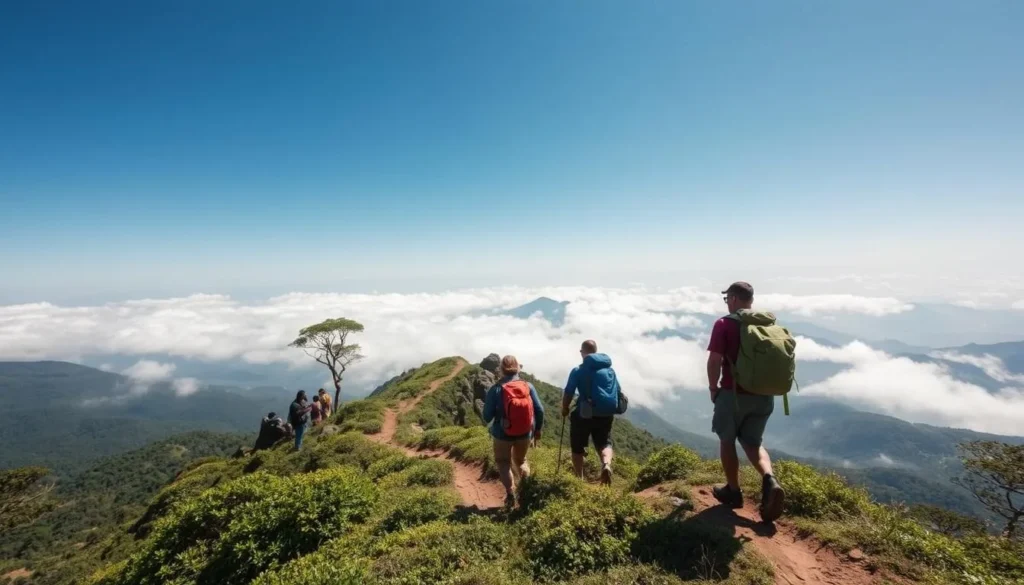
Hiking Tip: Local guides are highly recommended for all mountain treks in Malawi. They provide safety, share knowledge about local flora and fauna, and help support the local economy. Most accommodations can arrange guide services.
Cultural Experiences in the Warm Heart of Africa
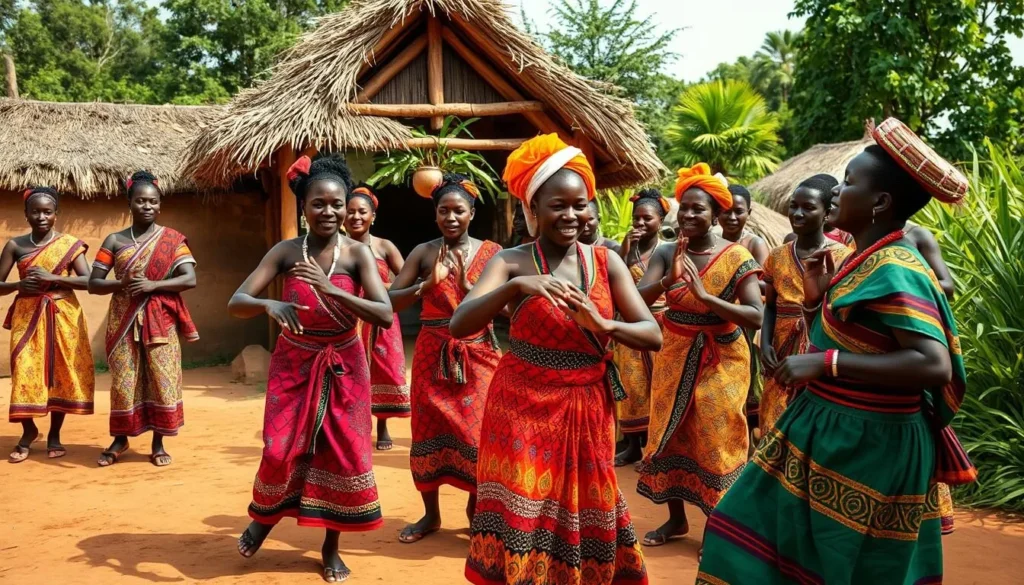
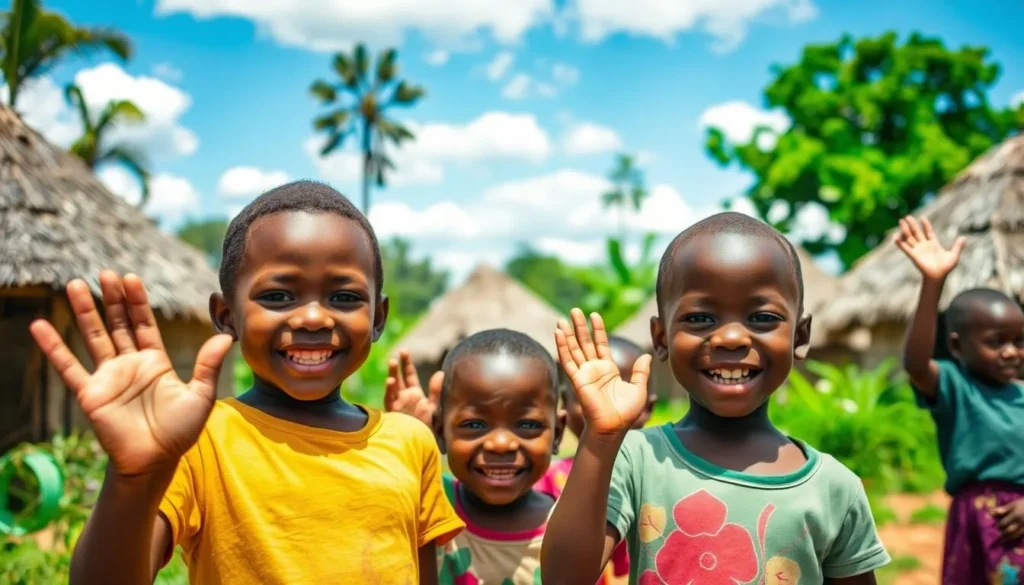
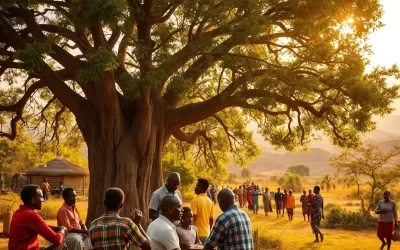
Malawi’s reputation as the “Warm Heart of Africa” comes from its friendly people and rich cultural traditions. Engaging with local communities offers some of the most memorable experiences of a visit to Malawi.
Village Visits
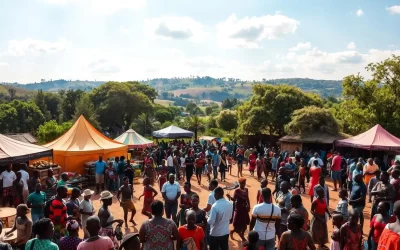
Many lodges and tour operators arrange respectful visits to local villages where you can learn about daily life, traditional crafts, and cultural practices. These visits often support community projects and provide income for local families.
Local Markets
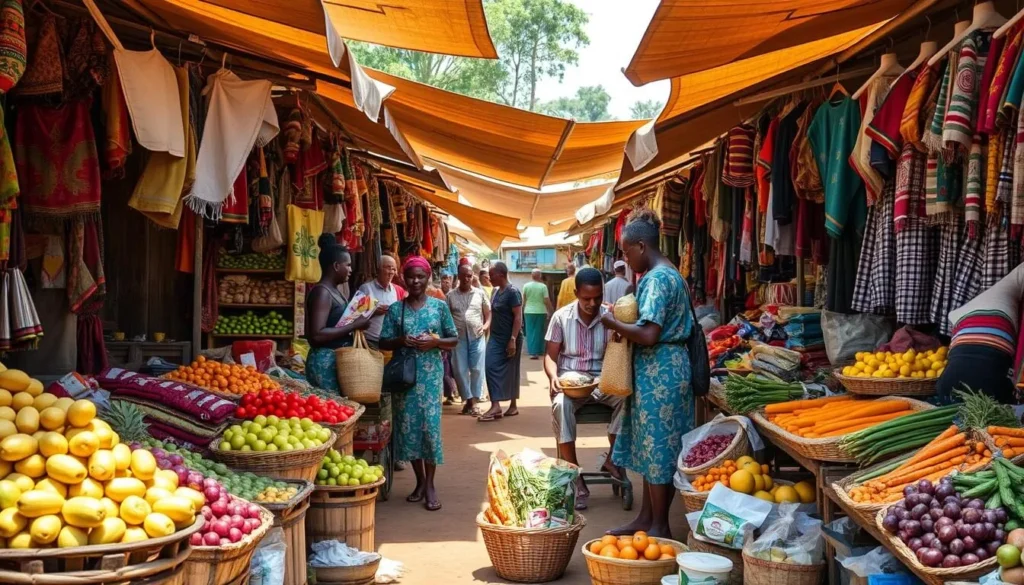
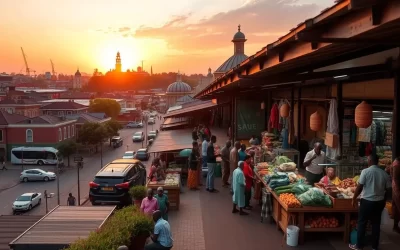
Vibrant markets in towns and villages offer insight into local commerce and culture. Lilongwe’s Old Town Market is particularly fascinating, with sections selling everything from fresh produce to handcrafts and second-hand clothes.
Traditional Games
Learn to play Bao, a traditional board game popular throughout Malawi. This strategic game involves moving stones around a wooden board with multiple cups and provides a wonderful way to connect with locals.
“The people of Malawi will work their way into your heart. Their genuine warmth and hospitality create connections that last long after your visit ends.”
Tea Estates and Colonial Heritage
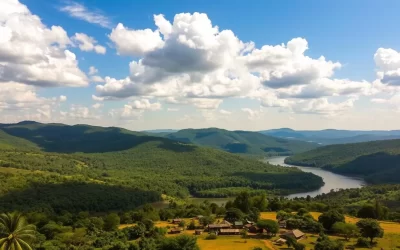
The rolling hills of southern Malawi are home to historic tea estates that offer a glimpse into the country’s colonial past and present agricultural practices. The Thyolo region, with its verdant plantations stretching to the horizon, provides a scenic and educational experience.
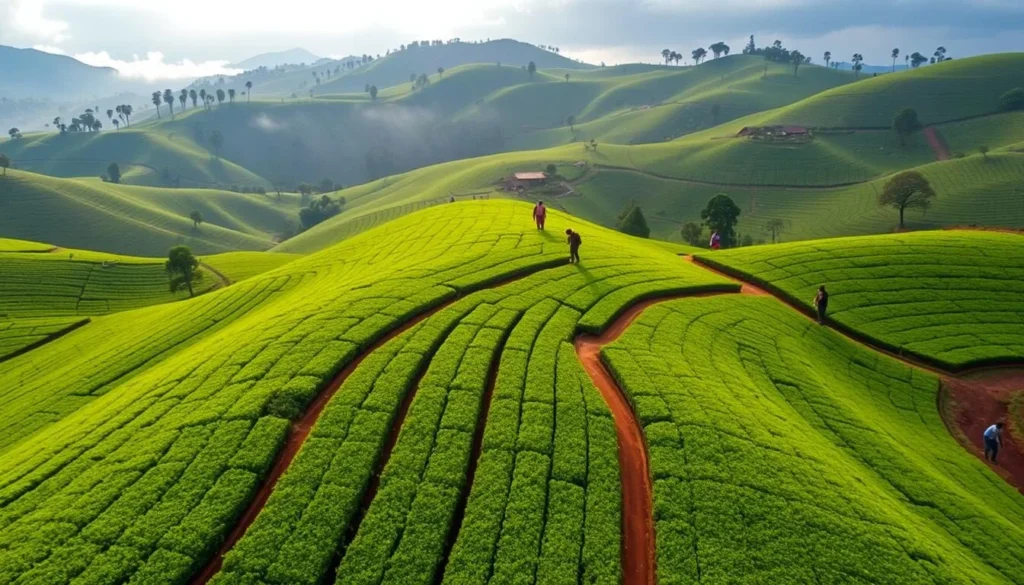
Satemwa Tea Estate, established in 1923, offers tours that take you through the entire tea production process, from planting to processing. Visitors can participate in tea tasting sessions featuring various varieties, including black, green, white, and oolong teas. The estate’s colonial-era guesthouse, Huntingdon House, provides elegant accommodation surrounded by manicured gardens and tea fields.
Other notable estates include Thyolo Tea Estate and Makandi Tea Estate, both offering tours by arrangement. The region’s cool climate and scenic beauty make it an ideal stop between southern wildlife reserves and Lake Malawi.
Practical Information for Malawi Travel
Visa Requirements
Most visitors require a visa to enter Malawi. Single-entry visas are available on arrival at major entry points for many nationalities, but it’s recommended to check current requirements and obtain visas in advance when possible. Visa fees vary by nationality.
Health Precautions
Malaria is present throughout Malawi, so antimalarial medication is recommended. Yellow fever vaccination is required if arriving from an endemic country. Tap water is not safe to drink; stick to bottled or purified water. Basic medical facilities are available in major cities, but comprehensive travel insurance is essential.
Currency & Payments
The Malawian Kwacha (MWK) is the local currency. ATMs are available in major towns and cities but may not always be reliable. Bring US dollars or Euros in cash as a backup. Credit cards are accepted at upscale hotels and lodges but not widely elsewhere. Inform your bank of travel plans to avoid card blocks.
Lake Malawi Health Note: Bilharzia (schistosomiasis) is present in some areas of Lake Malawi. While many visitors swim without issues, preventative medication is available locally. Consult your doctor before travel and consider taking treatment after exposure if swimming in the lake.
Sample Malawi Itinerary: Best Things to Do in 10 Days
This balanced itinerary combines Malawi’s highlights, including lake experiences, wildlife viewing, and cultural encounters.
| Day | Location | Activities |
| 1-2 | Lilongwe | Arrive, visit Lilongwe Wildlife Centre, explore Old Town markets |
| 3-5 | Liwonde National Park | Game drives, boat safaris on Shire River, walking safaris |
| 6 | Zomba Plateau | Hiking to viewpoints, waterfalls, and forest trails |
| 7-9 | Cape Maclear (Lake Malawi) | Snorkeling, kayaking, village visits, relaxation |
| 10 | Lilongwe | Souvenir shopping, departure |
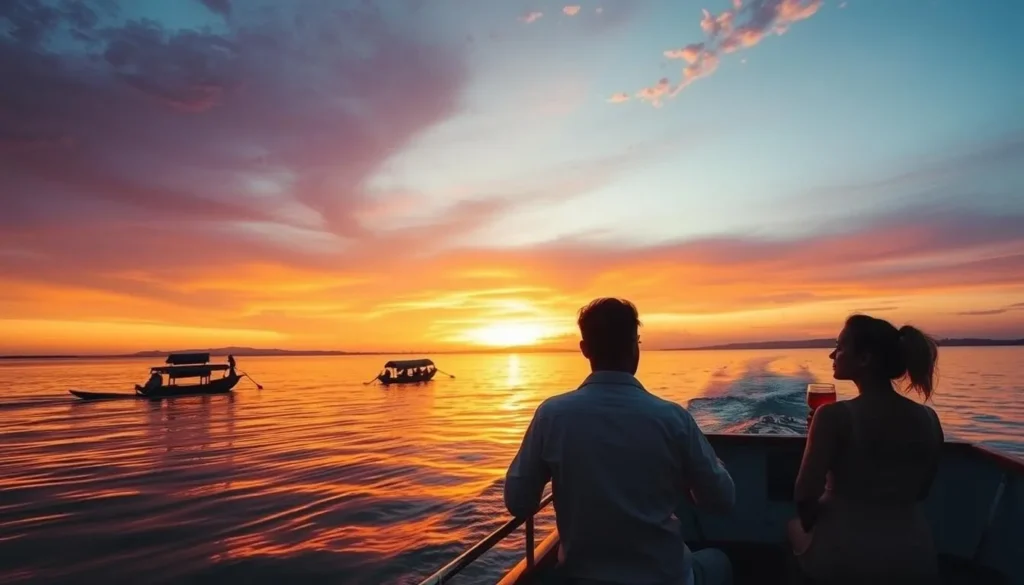
Experience the Warm Heart of Africa
Malawi offers travelers a refreshingly authentic African experience away from the tourist crowds. From the crystal waters of Lake Malawi to the revitalized wildlife reserves and dramatic mountain landscapes, this small country delivers big on natural beauty and cultural richness. The genuine warmth of its people will leave a lasting impression long after your visit ends.
Whether you’re seeking adventure, relaxation, or cultural immersion, Malawi’s diverse attractions provide something for every traveler. As tourism continues to develop sustainably, now is the perfect time to discover one of Africa’s most underrated destinations before the secret gets out.
0 Comments