Hotels by Trip.com
Flights by Trip.com
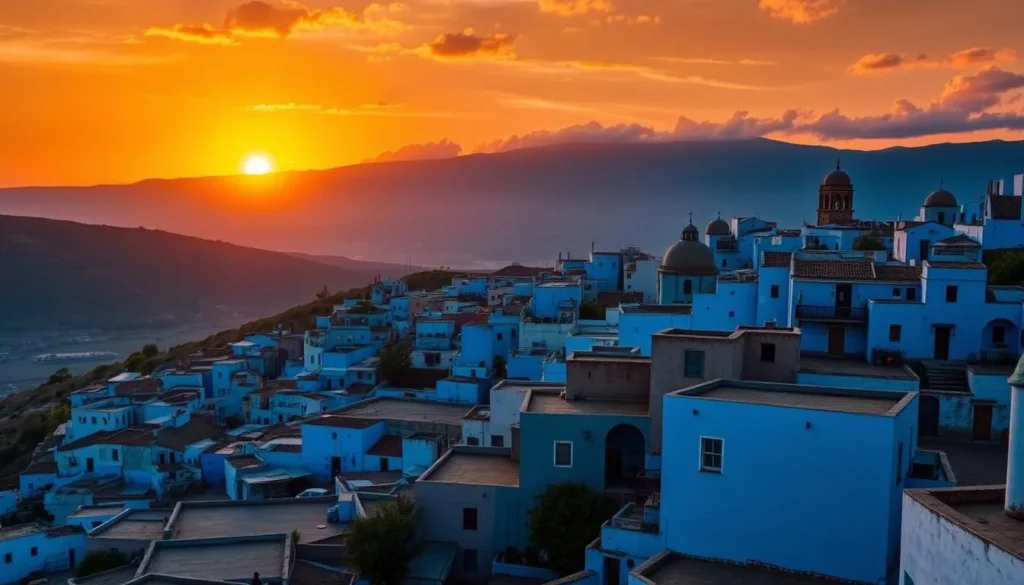
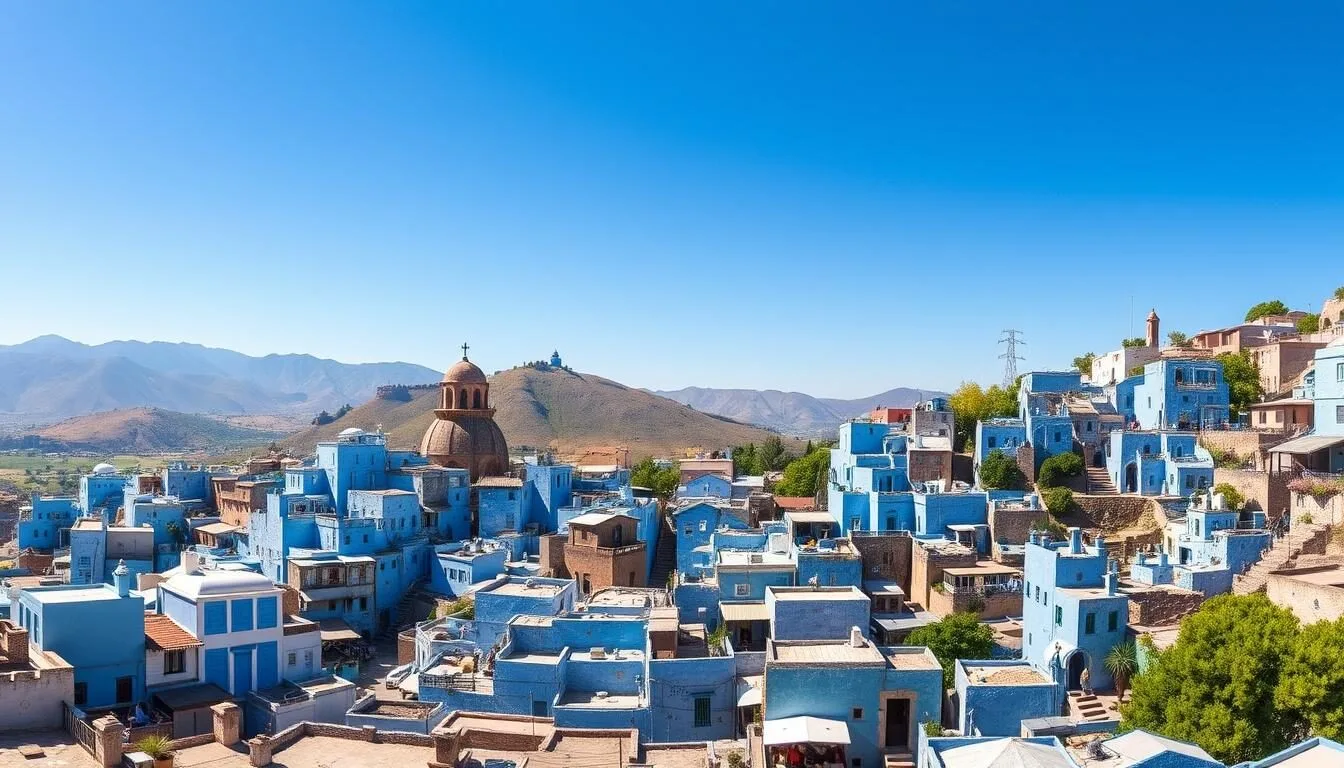
Did you know that Chefchaouen’s buildings are repainted in vibrant blue hues twice a year? This mesmerizing tradition has transformed this small Moroccan mountain town into one of the most photographed destinations in North Africa. While theories about the blue color range from repelling mosquitoes to keeping houses cool, the most compelling explanation traces back to Jewish refugees who settled here in the 1930s, bringing their tradition of painting buildings blue to symbolize the sky and heaven.
Nestled in the Rif Mountains of northwest Morocco, Chefchaouen (often shortened to “Chaouen” by locals) offers more than just Instagram-worthy blue streets. This peaceful haven combines stunning natural landscapes, rich cultural experiences, and a laid-back atmosphere that stands in refreshing contrast to the bustling energy of Marrakech or Fes.
Planning Your Journey to Chefchaouen
Chefchaouen doesn’t have its own airport, so reaching this blue paradise requires some planning. Most travelers arrive via one of Morocco’s major cities like Fes, Tangier, or Rabat.
Getting to Chefchaouen
From Fes
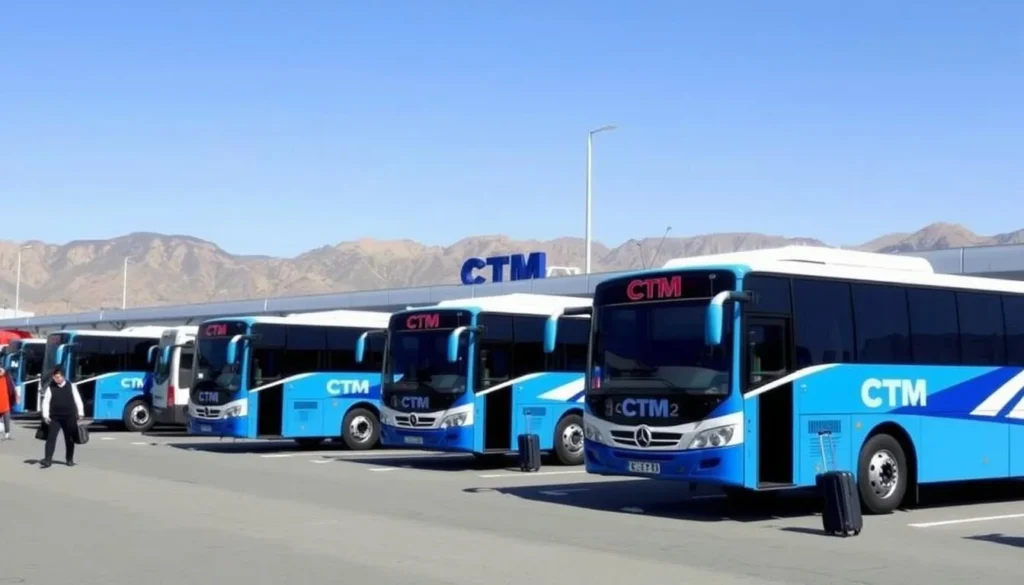
The most popular route is from Fes, approximately 4 hours by bus. CTM buses are comfortable and reliable, costing around 75 MAD (approximately $8 USD) one-way. Buses depart several times daily from the main CTM station in Fes.
From Tangier
If arriving internationally via Tangier, you’ll find regular CTM and Nejme Chamal buses to Chefchaouen. The journey takes about 3 hours and costs approximately 45 MAD ($5 USD). Taxis are also available but expect to pay around 500 MAD ($50 USD) for a private taxi.
From Casablanca or Rabat
From Casablanca, one daily CTM bus departs at 13:30, taking about 6.5 hours and costing 160 MAD ($16 USD). From Rabat, you’ll need to connect through Tangier or Fes for the most efficient route.
Private Transport
For more flexibility, consider renting a car to navigate Morocco at your own pace. The roads to Chefchaouen are well-maintained, though mountain roads can be winding.
Best Time to Visit Chefchaouen
Chefchaouen experiences distinct seasons, each offering a different perspective on the Blue City:
Spring (March-May)
Perhaps the ideal time to visit, with comfortable temperatures ranging from 15-25°C (59-77°F), blooming wildflowers in the surrounding mountains, and fewer tourists than summer. April and May offer perfect hiking weather.
Summer (June-August)
Peak tourist season brings warmer temperatures, often exceeding 30°C (86°F). The blue walls help keep the city cooler, but expect crowds and higher accommodation prices. Early morning and evening explorations are recommended to avoid the midday heat.
Fall (September-November)
Another excellent time to visit with mild temperatures and thinning crowds. The surrounding landscapes take on beautiful autumn colors, and you might catch the cannabis harvest in the surrounding countryside (though remember that while widely grown, cannabis remains technically illegal).
Winter (December-February)
The quietest season brings cooler temperatures (7-15°C/45-59°F) and occasional rainfall. The Rif Mountains might see snow, creating a striking contrast with the blue city. Accommodations offer lower rates, but some restaurants and shops may operate on reduced hours.

Where to Stay in Chefchaouen
Chefchaouen offers a range of accommodations to suit every budget, from affordable hostels to luxurious riads. Most visitors prefer staying within or near the medina for easy access to the main attractions and that authentic blue city experience.
Check 30,000+ Local Sightseeing Tours Worldwide
✓ Numerous languages and currencies are available
Budget Options
Hostels like Hotel Souika and Dar Bleu Pearl offer dormitory beds starting around $8-12 USD per night. These budget-friendly options often feature rooftop terraces with stunning views of the city and mountains.
For solo travelers, these hostels provide an excellent opportunity to meet fellow adventurers while keeping costs low.
Mid-Range Guesthouses
Traditional guesthouses and small hotels like Casa Sabila, Dar Baibou, and Dar Yakout offer private rooms with more comfort for $30-60 USD per night.
These charming accommodations often feature traditional Moroccan décor, comfortable bedding, and personalized service, providing excellent value for couples and families.
Luxury Riads
For a truly special experience, luxury riads like Lina Ryad & Spa and Casa Perleta offer upscale accommodations with amenities such as hammams, rooftop restaurants, and exquisite traditional architecture.
Expect to pay $100-200 USD per night for these premium properties that blend authentic Moroccan design with modern comforts.

Staying within the medina puts you in the heart of Chefchaouen’s magic, but be prepared for some uphill walking with your luggage, as many accommodations aren’t accessible by car.
Getting Around Chefchaouen
Walking
The most practical and enjoyable way to explore Chefchaouen is on foot. The medina is compact and pedestrian-friendly, with many narrow streets inaccessible to vehicles. Comfortable walking shoes are essential, as the city is built on a hillside with many steps and inclines.
Walking allows you to discover hidden corners, photogenic doorways, and local life that you might miss otherwise. The entire medina can be crossed in about 30 minutes, though you’ll likely want to wander at a more leisurely pace.
Tip: Download an offline map before your visit, as the winding blue streets can be disorienting, especially for first-time visitors. Google Maps works reasonably well in Chefchaouen.
Taxis
Small blue taxis are available for longer distances, such as trips to the Spanish Mosque viewpoint or the bus station. Most rides within the city cost 15-20 MAD ($1.50-2 USD), though prices may be higher at night.
Taxis can be found at designated stands near Plaza Uta el-Hammam and the main gate to the medina. For trips to nearby attractions like the Akchour Waterfalls (about 45 minutes away), negotiate a round-trip fare with a driver, typically around 400-500 MAD ($40-50 USD) for a half-day excursion.
Caution: Be wary of unofficial “guides” who offer to help with directions, as they will expect payment. Politely decline unless you’re specifically looking for a guide.

Top Things to Do in Chefchaouen
Chefchaouen offers a perfect blend of cultural experiences, natural beauty, and relaxed exploration. Here are the must-do activities for your visit to Morocco’s Blue Pearl:
1. Get Lost in the Blue Medina
The highlight of any visit to Chefchaouen is simply wandering through the maze of blue-washed streets and alleyways. The medina is relatively small compared to other Moroccan cities, making it perfect for aimless exploration without the stress of getting seriously lost.
Early morning (before 9 AM) offers the best opportunity for photographs without crowds and with beautiful soft light illuminating the blue walls.

2. Visit the Kasbah Museum
Located in the heart of the medina at Plaza Uta el-Hammam, this restored 15th-century fortress houses a small but informative ethnographic museum. Explore exhibits on the history and culture of Chefchaouen and the surrounding Rif region.
The Kasbah’s garden offers a peaceful retreat, and climbing the tower rewards you with panoramic views of the blue city. Entrance fee is 60 MAD ($6 USD).

3. Hike to the Spanish Mosque
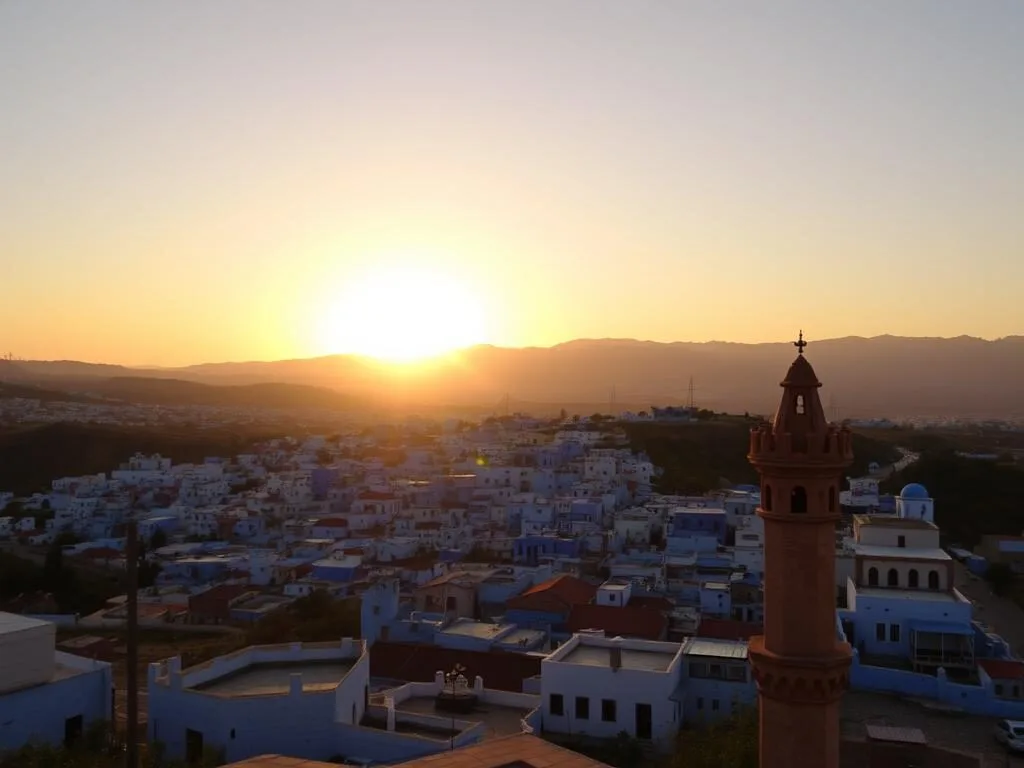
For the best panoramic views of Chefchaouen, take the 30-45 minute hike to the abandoned Spanish Mosque on a hillside east of town. The trail begins near Bab El Onsar (the eastern gate) and follows a relatively easy path.
Time your visit for sunset when the blue city glows in the golden hour light. Bring water and a camera for this unforgettable experience.
4. Shop in the Souks
Chefchaouen’s markets offer a more relaxed shopping experience than the bustling souks of Marrakech or Fes. Browse for unique handicrafts including woolen garments, woven blankets, and leather goods, all set against the photogenic blue backdrop.
The city is particularly known for its handwoven blankets and carpets in distinctive Rif Mountain designs. Don’t forget to practice your haggling skills!

5. Relax in Plaza Uta el-Hammam
The main square of Chefchaouen is the perfect place to soak in the atmosphere while enjoying a mint tea or meal at one of the many cafés and restaurants. Watch local life unfold against the backdrop of the Kasbah and Grand Mosque.
In the evenings, the square comes alive with street musicians and performers, creating a festive atmosphere that both locals and tourists enjoy.

6. Experience a Traditional Hammam
Immerse yourself in Moroccan culture with a visit to a traditional hammam (public bath). These steam baths offer an authentic local experience and a chance to refresh after exploring the city.
For a local experience, visit Hammam Rahma near the medina. If you prefer more privacy and luxury, Lina Ryad & Spa offers an upscale hammam experience with massage treatments.

7. Day Trip to Akchour Waterfalls
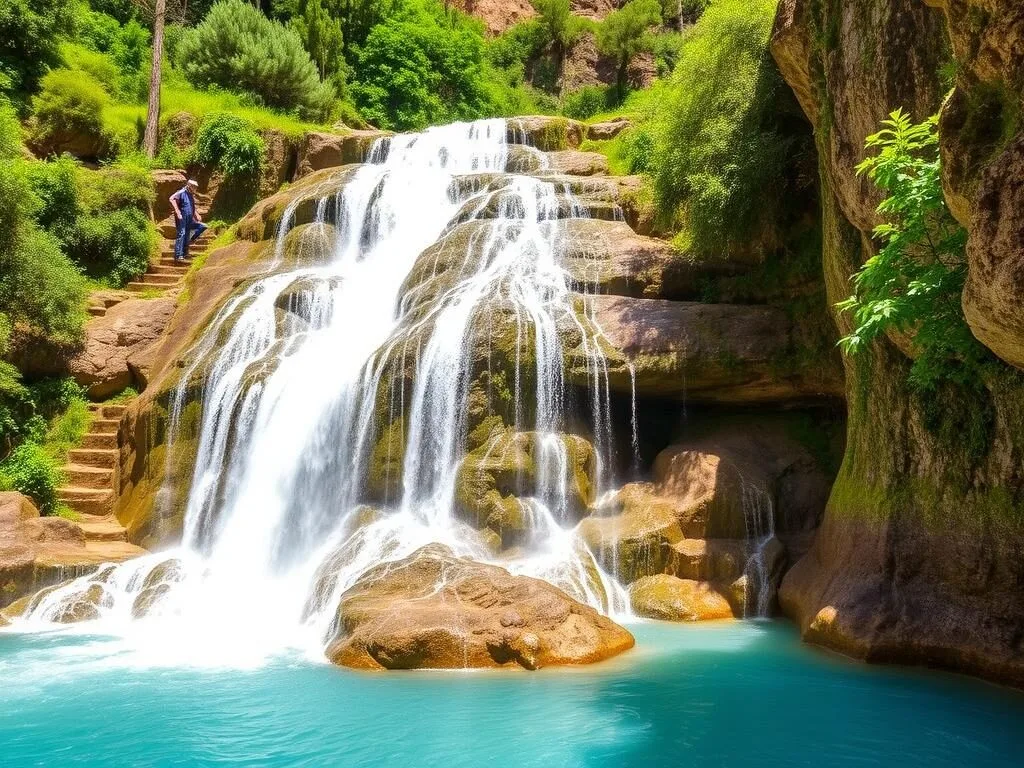
Just 30km from Chefchaouen lies the stunning Akchour area, home to magnificent waterfalls and the natural rock formation known as “God’s Bridge.” The moderate hiking trails take you through lush valleys alongside crystal-clear rivers.
Plan a full day for this excursion. You can reach Akchour by grand taxi (negotiate a round-trip fare) or join an organized tour. Bring swimwear in summer months to enjoy the natural pools.
8. Enjoy Local Cuisine
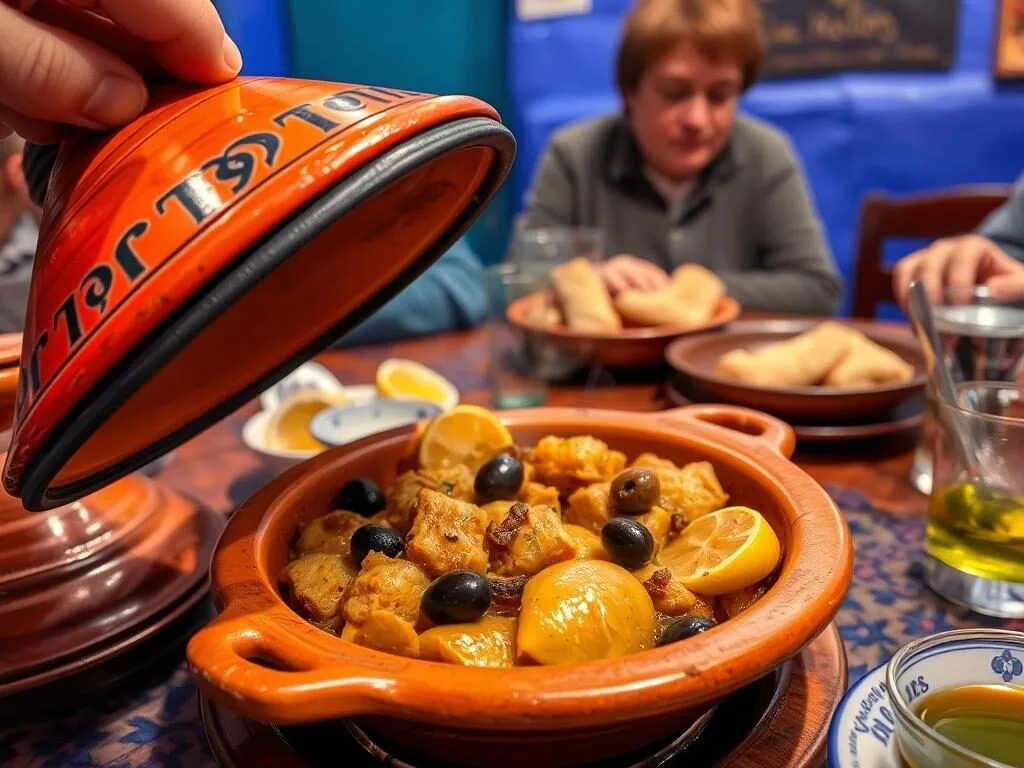
Chefchaouen offers delicious Moroccan cuisine with some unique regional specialties. Don’t miss trying a traditional tagine, freshly baked bread, or the local goat cheese that the Rif region is famous for.
Popular restaurants include Bab Ssour, Sofia, and Beldi Bab Ssour. For a unique experience, enjoy fresh orange juice at one of the cafés built over the Ras el-Ma waterfall at the eastern edge of town.
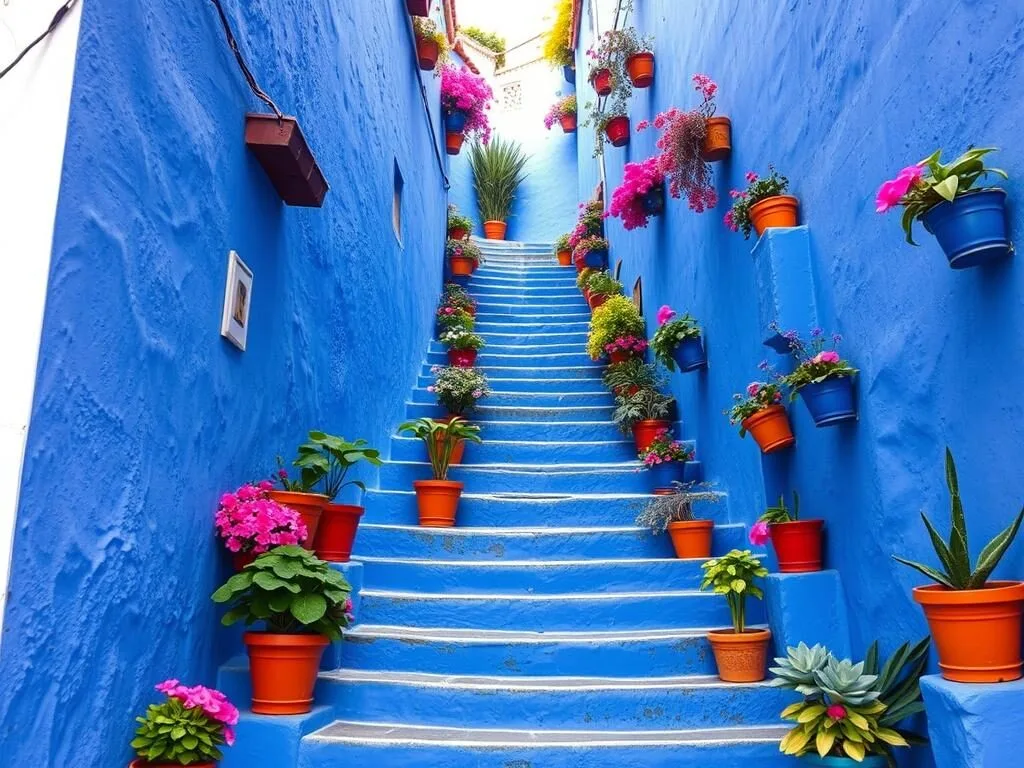
9. Photograph the Famous Staircase
One of Chefchaouen’s most photographed spots is the blue staircase adorned with colorful flowerpots on Callejón el Asri. This Instagram-famous location captures the essence of the Blue Pearl’s charm.
Visit early in the morning to avoid crowds and get the best lighting. Be respectful, as this is a residential area where locals live and go about their daily lives.
Outdoor Adventures Around Chefchaouen
The stunning natural setting of Chefchaouen in the Rif Mountains provides excellent opportunities for outdoor enthusiasts. If you have extra time, consider these adventures beyond the blue streets:
Talassemtane National Park
This protected area covers over 58,000 hectares of the Rif Mountains and is home to diverse flora and fauna, including the rare Barbary macaque. The park offers numerous hiking trails ranging from easy walks to challenging treks.
The park’s name means “cold spring” in Berber, referring to the many cascades and waterfalls found throughout the area. Multi-day treks are possible, but require a guide familiar with the terrain.
Jebel el-Kelaâ Hike
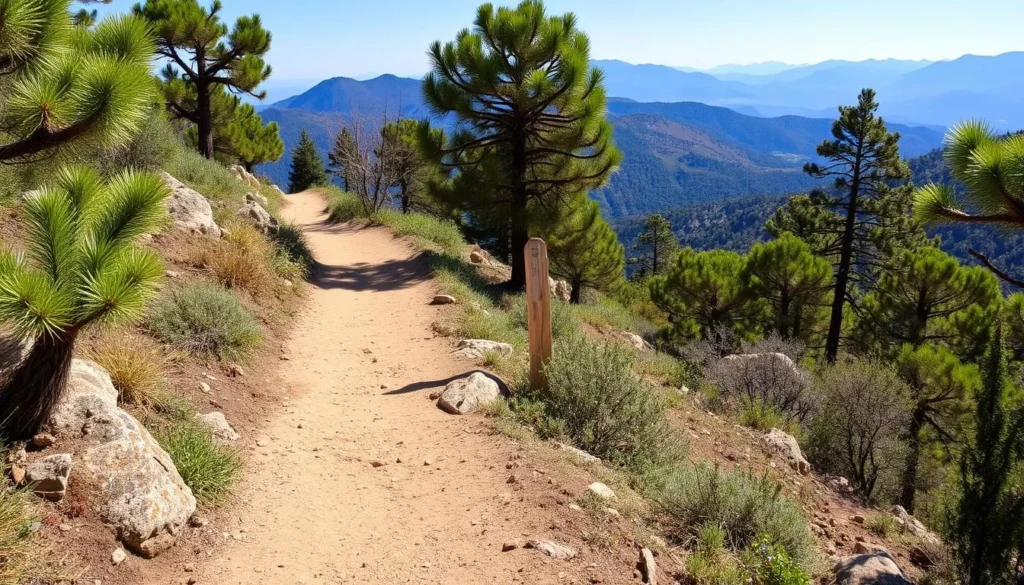
For experienced hikers, the challenging trek to Jebel el-Kelaâ (1,616m) offers spectacular views of Chefchaouen and the surrounding mountains. This full-day, 20km hike requires good fitness and preparation.
Start early in the morning and bring plenty of water, food, and sun protection. Consider hiring a local guide, as parts of the trail are not well-marked. The panoramic views from the summit make the effort worthwhile.

Practical Travel Tips for Chefchaouen
Language
While Arabic and Berber are the main languages, many locals in Chefchaouen also speak Spanish (due to proximity to Spain) and French. English is increasingly common in tourist areas but less so outside them.
Learning a few basic Arabic phrases will be appreciated by locals:
- Hello: Salam aleikum
- Thank you: Shukran
- Yes/No: Na’am/La
- How much?: Besh hal?
Money Matters
The Moroccan currency is the dirham (MAD). ATMs are available in Chefchaouen, but it’s wise to carry cash, especially for smaller purchases and in the medina.
Most small shops, cafés, and markets accept cash only. Credit cards may be accepted at higher-end restaurants and hotels. The current exchange rate is approximately:
- 1 USD = 10 MAD
- 1 EUR = 11 MAD
- 1 GBP = 13 MAD
Dress Code & Etiquette
Chefchaouen is more conservative than larger Moroccan cities. Respectful dress is appreciated, especially for women. Consider these guidelines:
- Cover shoulders and knees
- Loose, lightweight clothing is ideal
- Bring a scarf for women to cover hair when visiting religious sites
- Ask permission before photographing locals
- Use your right hand for eating and giving/receiving items
Safety
Chefchaouen is generally very safe for tourists, with lower levels of harassment than larger Moroccan cities. Still, take normal precautions:
- Keep valuables secure and be aware of your surroundings
- Avoid isolated areas after dark
- Be cautious of unofficial guides offering services
- Women travelers may experience unwanted attention but usually not aggressive harassment
Cannabis Culture
The Rif Mountains are known for cannabis production, and you may be offered hashish in Chefchaouen. While widely grown and somewhat tolerated locally, cannabis remains illegal in Morocco.
Politely decline if you’re not interested. If you choose to partake, be extremely discreet and aware of the legal risks involved. Never attempt to transport cannabis across borders.
Connectivity
WiFi is available in most accommodations and many cafés, though connection speeds vary. For reliable internet access:
- Purchase a local SIM card (Maroc Telecom is recommended)
- SIM cards are available at tobacco shops (marked with three white circles on a blue sign)
- A data package costs around 100 MAD ($10 USD) for 10GB
- Download offline maps before exploring the medina

Sample Chefchaouen Itinerary
Here’s a suggested 2-day itinerary to help you make the most of your time in Chefchaouen:
Day 1: Explore the Blue City
- Early Morning: Wake up early to photograph the empty blue streets before the crowds arrive. This is the perfect time to visit the famous Instagram spots without waiting in line.
- Mid-Morning: Visit the Kasbah Museum to learn about the history and culture of Chefchaouen and the Rif region.
- Lunch: Enjoy a traditional Moroccan meal at one of the restaurants in Plaza Uta el-Hammam.
- Afternoon: Shop in the medina for unique handicrafts and souvenirs. Take time to interact with local artisans and learn about their crafts.
- Evening: Hike to the Spanish Mosque for sunset views over the blue city, then return to the main square for dinner and to enjoy the evening atmosphere with local music.
Day 3: Nature and Relaxation
- Morning: Take a day trip to the Akchour Waterfalls. Arrange transportation early and bring water, snacks, and swimwear if visiting in summer.
- Lunch: Enjoy a meal at one of the riverside cafés in Akchour, where you can dine with your feet in the cool water.
- Afternoon: Hike to God’s Bridge natural rock formation, then return to Chefchaouen.
- Evening: Treat yourself to a traditional hammam experience to relax after your active day, followed by dinner at a local restaurant trying regional specialties.