
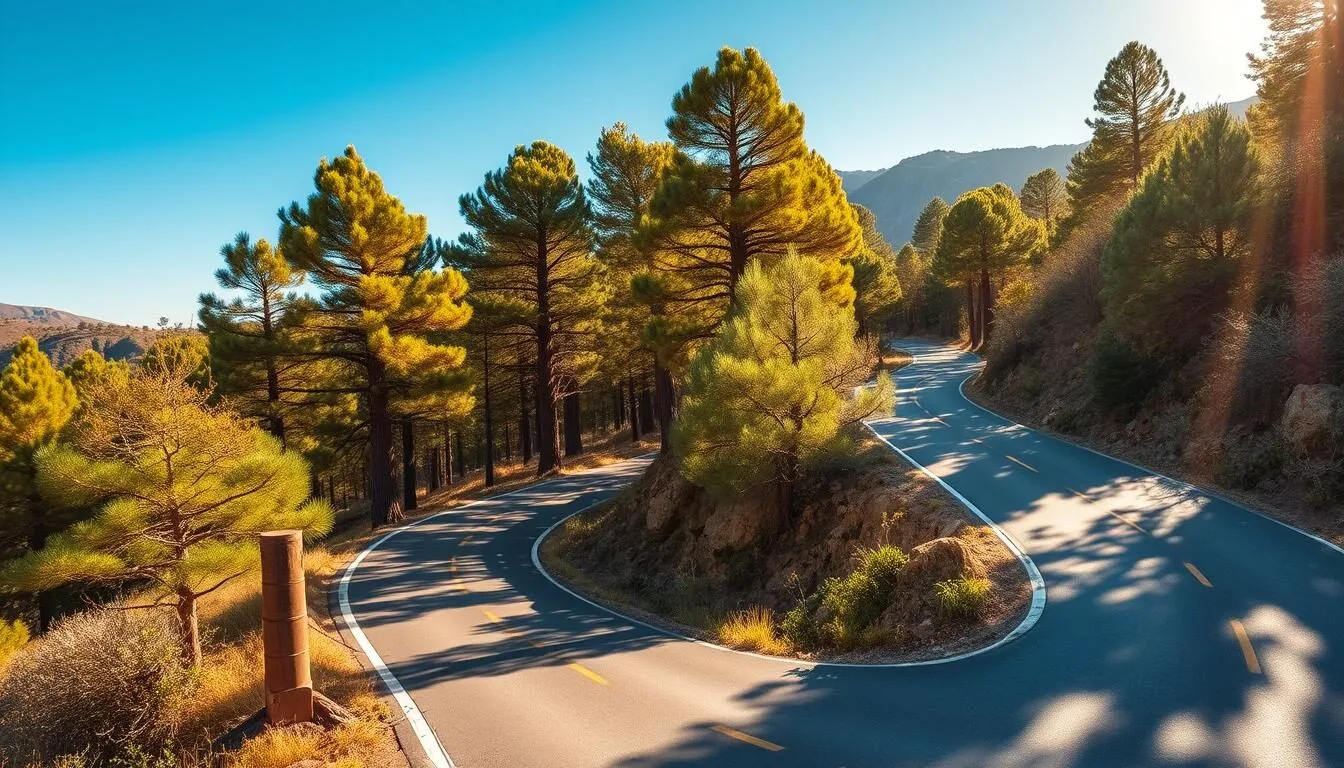
Did you know that Ifrane National Park is home to approximately 25% of the world’s endangered Barbary macaque population? This hidden gem in Morocco’s Middle Atlas Mountains offers a surprising contrast to the country’s famous desert landscapes, with lush cedar forests, alpine-like scenery, and a unique ecosystem that has earned it the nickname “Little Switzerland of Morocco.”
Getting There & Planning Your Journey
Ifrane National Park is located in the northcentral part of Morocco, situated in the Middle Atlas mountain range. The park covers an impressive area of 500 sq km (193 sq miles) and is most easily accessed from the nearby cities of Fez or Meknes.
The most convenient way to reach Ifrane National Park is to fly into Fez-Saïss Airport (FEZ), which is approximately 70 km (43 miles) from the park entrance. Several international airlines offer regular flights to Fez from major European cities.
From Fez, you can either hire a private driver, take a grand taxi, or rent a car for the 1-hour drive to Ifrane town, which serves as the gateway to the national park. If you’re coming from Marrakech, expect a longer journey of approximately 5-6 hours by car.
For those using public transportation, regular buses connect Fez to Ifrane town, though they won’t take you directly into the park itself. Once in Ifrane, you’ll need to arrange local transportation to explore the park’s various attractions.
Best Time to Visit Ifrane National Park
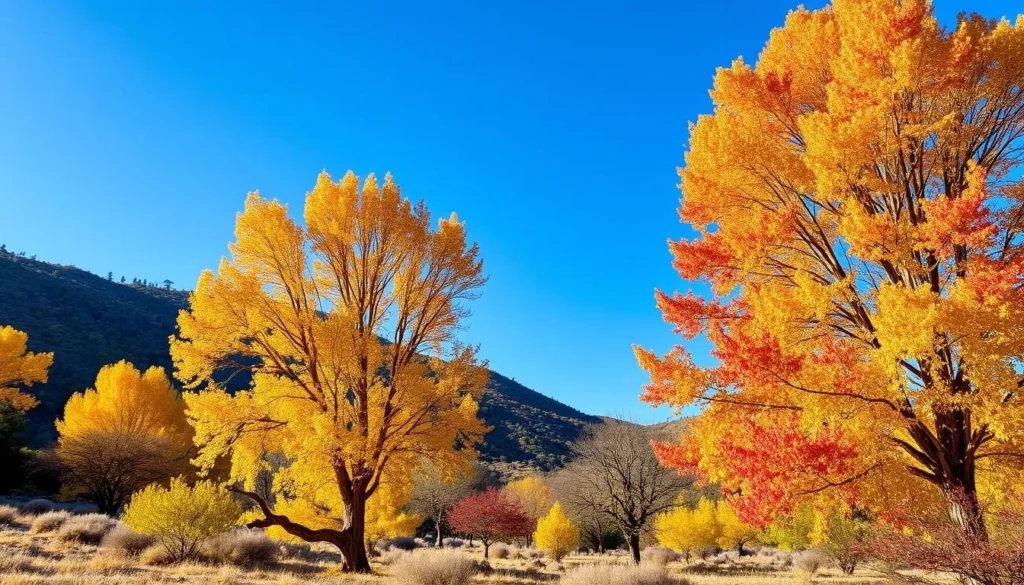
Ifrane National Park experiences four distinct seasons, each offering a unique perspective on this remarkable ecosystem. The park’s elevation ranges from 1,300 to 2,400 m (4,265 to 7,874 ft) above sea level, creating a climate that’s quite different from what most visitors expect in Morocco.
Recommended Seasons
- Spring (April-June): Ideal for hiking and wildlife watching with comfortable temperatures ranging from 15-25°C (59-77°F). Wildflowers bloom across the park, creating spectacular natural displays.
- Autumn (September-November): Another excellent time with mild weather, fewer crowds, and beautiful fall foliage. Temperatures typically range from 10-20°C (50-68°F).
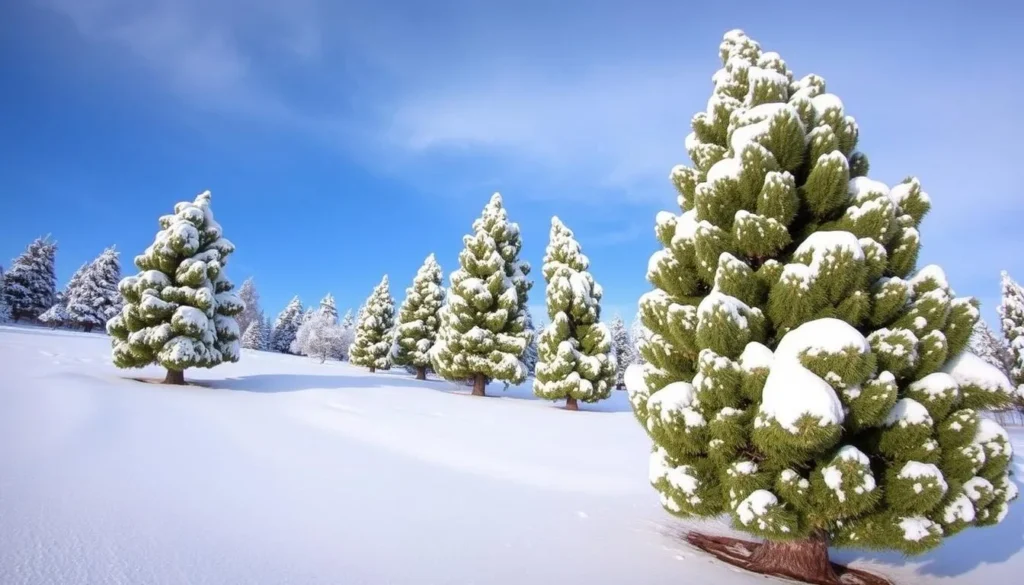
- Winter (December-February): Perfect for snow enthusiasts as the park transforms into a winter wonderland. The nearby Michlifen ski resort offers skiing opportunities.
Seasons to Avoid
- Peak Summer (July-August): While still cooler than much of Morocco, midday temperatures can reach 30°C (86°F), making longer hikes uncomfortable. This is also peak domestic tourism season.
- Rainy Periods (Late October-November): Occasional heavy rainfall can make some trails muddy and less accessible.
- Snowy Winter (January): Unless you’re interested in winter sports, heavy snowfall can limit accessibility to certain areas of the park.
For wildlife enthusiasts, spring and early autumn offer the best opportunities to spot the endangered Barbary macaques, as they’re more active during mild weather. Birdwatchers should plan their visit during spring migration periods for the greatest diversity of species.
Getting Around Locally
Exploring Ifrane National Park requires some planning, as public transportation within the park is limited. Here are your best options for getting around:
Rental Car
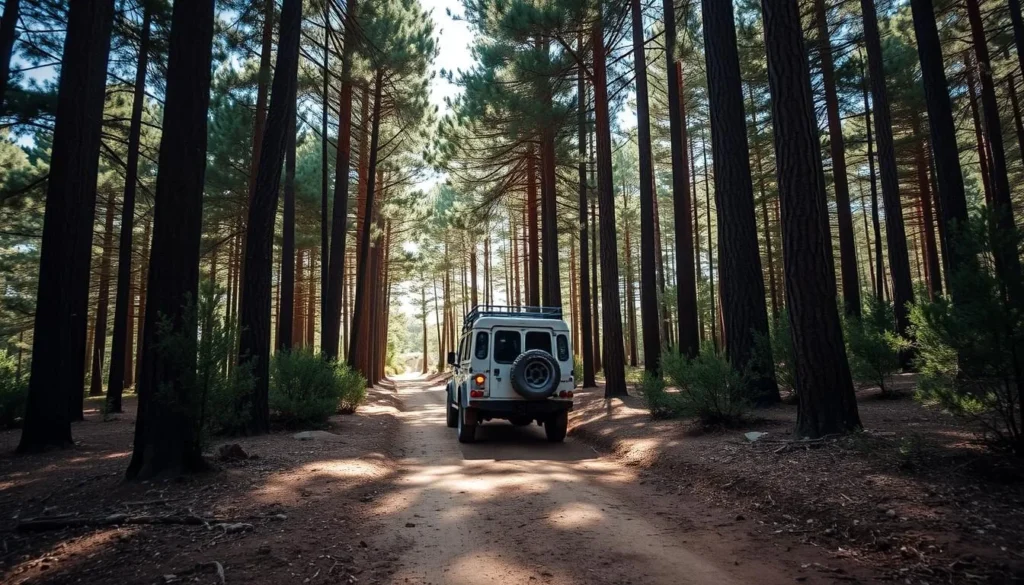
The most flexible option for exploring the park and surrounding areas. A 4×4 vehicle is recommended, especially if you plan to venture onto unpaved forest roads or visit during winter months when snow is possible.
Guided Tours
Several operators in Ifrane and Fez offer day tours to the national park. These typically include transportation, a knowledgeable guide, and visits to key attractions like the cedar forests and lakes.
Taxi Services
Grand taxis can be hired for half or full-day excursions from Ifrane town. Negotiate the rate beforehand and be clear about which sites you want to visit within the park.
Within the park itself, many areas are best explored on foot via the network of hiking trails. The main trails are well-marked, ranging from easy walks to more challenging hikes. Bicycle rentals are also available in Ifrane town for those who prefer exploring on two wheels.
Where to Stay
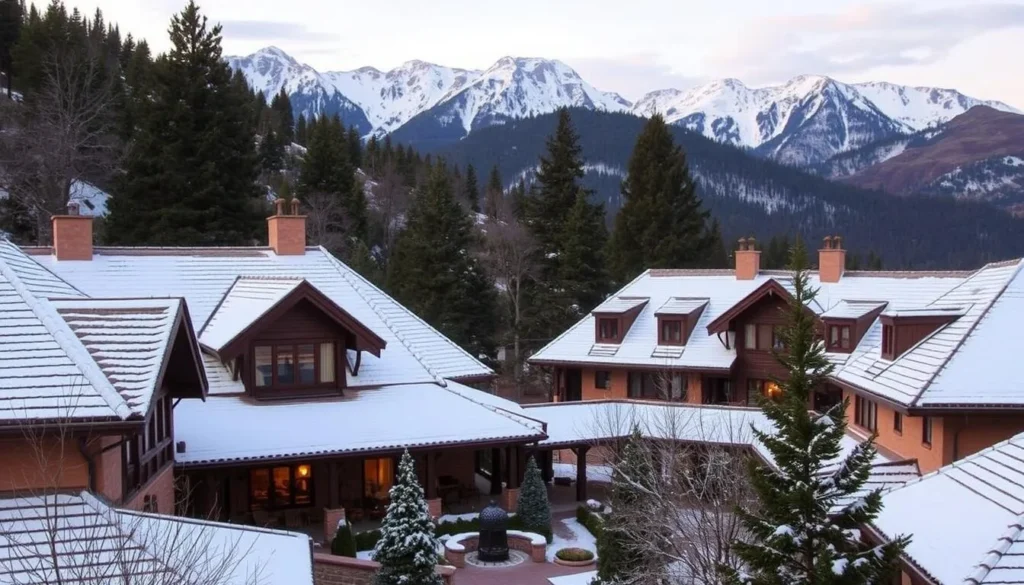
Ifrane National Park doesn’t offer accommodation within its boundaries, but the nearby town of Ifrane provides several options that reflect its unique “Little Switzerland” character. Here are the best places to stay when visiting the park:
Luxury Options
The Michlifen Resort & Golf is the premier accommodation in the area, offering 5-star amenities including a spa, indoor pool, and fine dining restaurants. Its alpine-inspired architecture blends perfectly with the surrounding landscape.
Mid-Range Hotels
Hotel Chamonix and Grand Hotel provide comfortable rooms with mountain views at reasonable rates. Both are conveniently located in Ifrane town, making them excellent bases for park exploration.
Budget Accommodations
Several guesthouses (riads) and small hotels in Ifrane offer basic but clean accommodations. Alternatively, the nearby town of Azrou has more budget-friendly options and is still within easy reach of the park.
For a truly immersive experience, consider staying at one of the rural guesthouses (gîtes d’étape) in the villages surrounding the park. These family-run establishments often offer home-cooked Moroccan meals and insights into local culture that you won’t find in standard hotels.
Dining & Local Cuisine
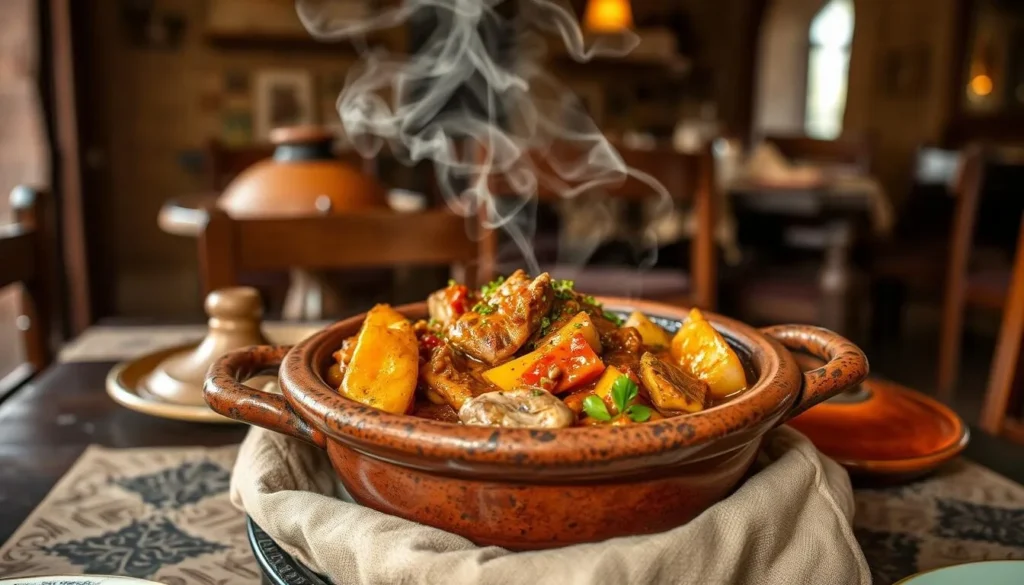
The culinary scene around Ifrane National Park blends traditional Moroccan flavors with mountain influences. Here’s what to expect and where to find the best meals:
Local Specialties
- Tagine: The quintessential Moroccan dish, often prepared with lamb or chicken and seasonal vegetables. In the Ifrane region, you’ll find unique mountain variations featuring local mushrooms and herbs.
- Mechoui: Slow-roasted lamb, a specialty often reserved for special occasions but available at some restaurants in Ifrane and Azrou.
- Berber Omelette: A hearty breakfast dish cooked and served in a tagine pot, featuring eggs, tomatoes, peppers, and aromatic spices.
- Fresh Trout: Given the region’s lakes and streams, freshwater fish is a local specialty not commonly found elsewhere in Morocco.
- Mint Tea: The national drink of Morocco, particularly refreshing after a day of hiking in the park.
- Cedar Honey: A local delicacy produced from the nectar of flowers in the cedar forests, available at markets in Azrou.
Where to Eat
In Ifrane town, Restaurant La Paix and Le Chamonix offer excellent Moroccan cuisine in comfortable settings. For a more upscale dining experience, the restaurants at Michlifen Resort serve both Moroccan and international dishes.
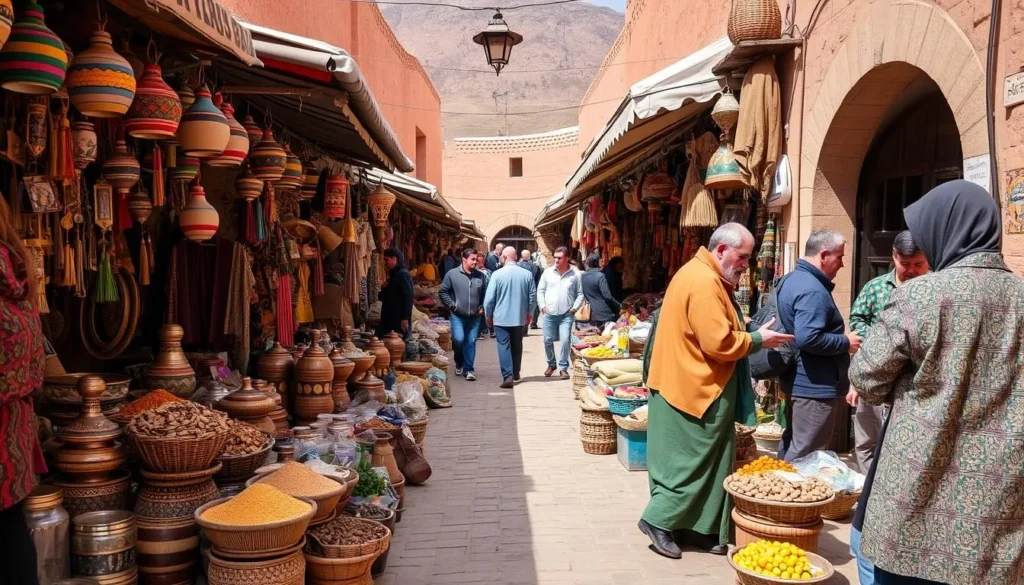
The weekly market (souk) in Azrou is worth a visit for street food and local products. Here you can sample freshly baked bread, olives, and various Moroccan sweets while browsing handicrafts and souvenirs.
For an authentic experience, arrange a meal at a local Berber home through your accommodation or tour operator. These home-cooked meals often feature the freshest ingredients and recipes passed down through generations.
Attractions, Sightseeing & Activities
Natural Highlights
Atlas Cedar Forests
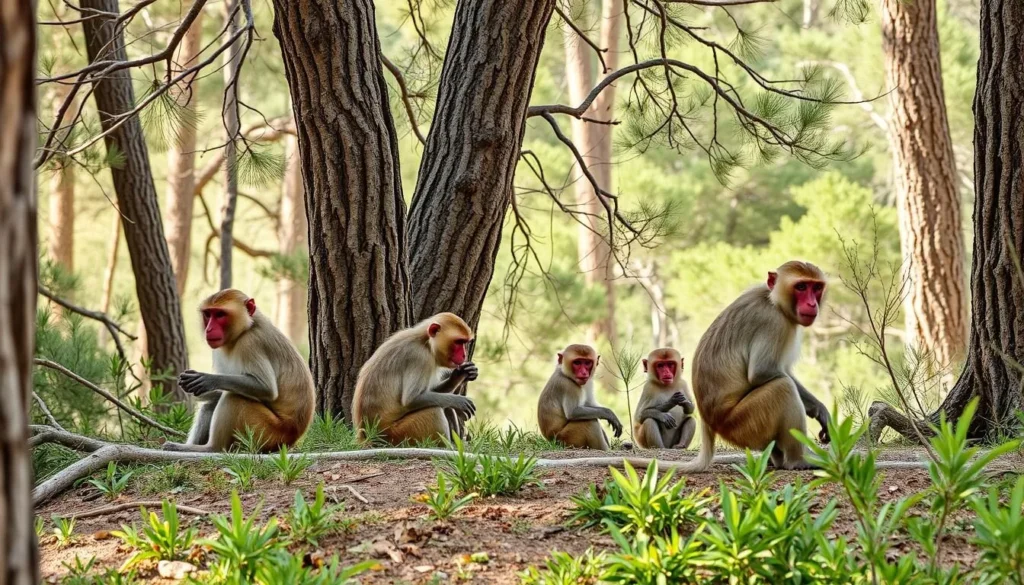
The park’s ancient cedar forests are its crown jewel, home to trees that are hundreds of years old. The most famous is the “Grand Cedar,” an 800-year-old giant located near Azrou. These forests provide critical habitat for the endangered Barbary macaque.
Lake Afennourir
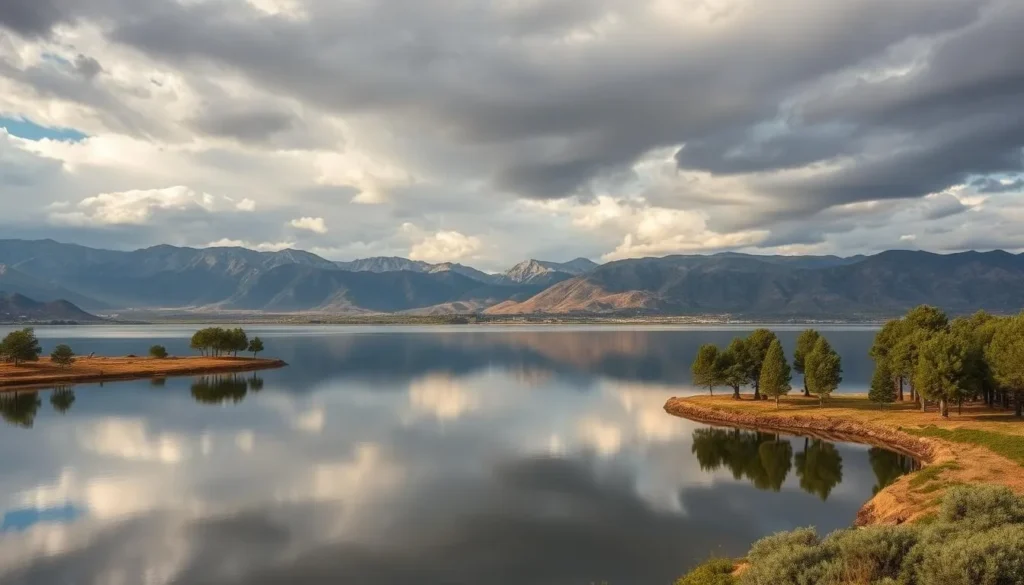
This wetland is recognized by the Ramsar Convention as a site of international importance. It’s a paradise for birdwatchers, with numerous waterfowl species and dedicated bird-watching platforms around its shores.
Tifounassine Lake
Another important wetland ecosystem within the park, offering serene landscapes and opportunities to spot diverse bird species. The surrounding meadows burst with wildflowers in spring.
Wildlife Viewing
The endangered Barbary macaque is the park’s most famous resident. These charismatic primates are most easily spotted in the cedar forests between Azrou and Ifrane. The best viewing times are early morning or late afternoon when they’re most active.
Other wildlife includes wild boar, jackals, foxes, and various bird species. Bring binoculars for the best wildlife viewing experience, and always maintain a respectful distance from all animals.
Hiking Trails & Outdoor Adventures
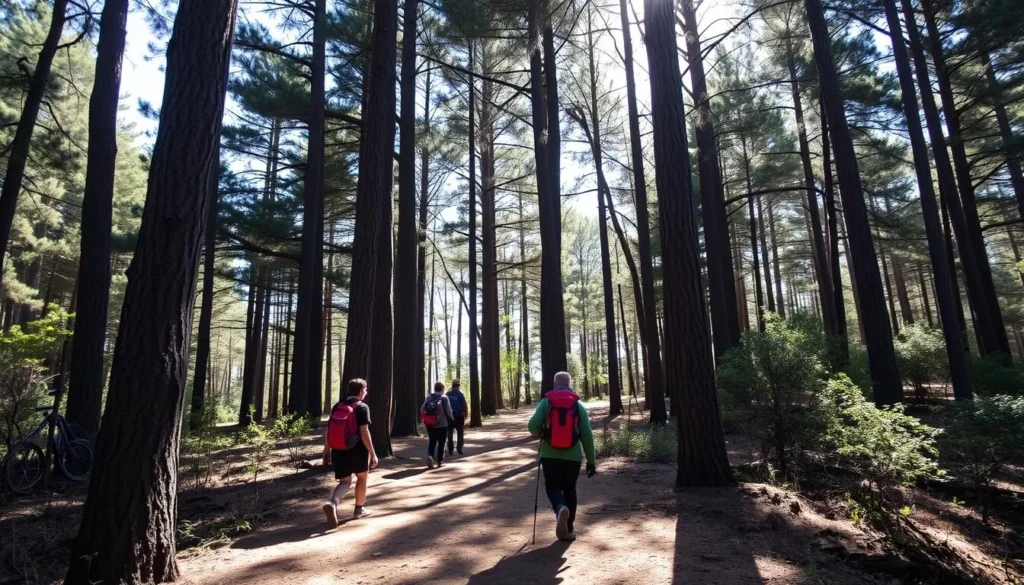
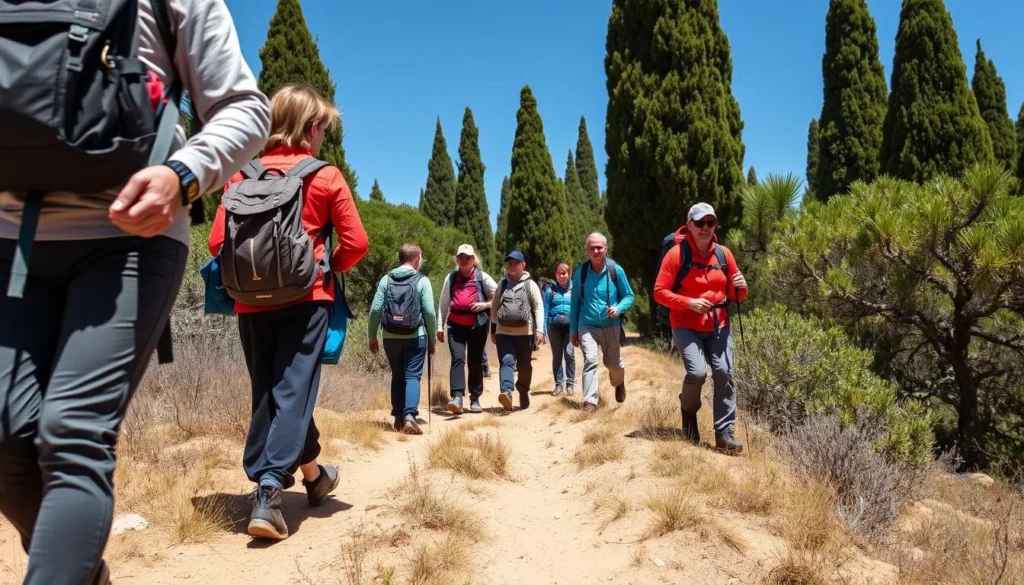
Ifrane National Park offers a network of well-maintained trails that showcase its diverse landscapes. Here are the most popular hiking routes:
| Trail Name | Distance | Difficulty | Elevation Gain | Highlights |
| Panorama Loop Trail | 3.4 km (2.1 miles) | Easy | 100 m (328 ft) | Forest views, wildflowers, possible macaque sightings |
| Link Loop Trail | 5.8 km (3.6 miles) | Easy-Moderate | 142 m (465 ft) | Cedar forests, wildlife viewing, mountain vistas |
| 3M Squared Loop (Monkey Trail) | 7.4 km (4.6 miles) | Moderate | 245 m (803 ft) | Prime macaque habitat, diverse forest ecosystems |
| Michlifen Summit Trail | 12 km (7.5 miles) | Difficult | 400 m (1,312 ft) | Panoramic views, alpine meadows, challenging terrain |
Seasonal Activities
Winter Adventures
When snow blankets the park from December to February, the area transforms into a winter sports destination. The Michlifen Ski Resort offers skiing and snowboarding with equipment rentals available. Snowshoeing is another popular activity for exploring the silent, snow-covered forests.
Summer Activities
During warmer months, mountain biking becomes popular on designated trails. Fishing is permitted in certain lakes with the appropriate license. Photography enthusiasts will find endless opportunities to capture the park’s diverse landscapes and wildlife.
Cultural Experiences & Nearby Attractions
While Ifrane National Park is primarily known for its natural beauty, the surrounding region offers rich cultural experiences that complement your outdoor adventures:
Local Communities
The Middle Atlas region is home to Berber communities with distinct traditions and crafts. In Azrou, visit the handicraft center to see artisans creating cedar wood carvings and traditional carpets. The weekly souk (market) in Azrou is held every Tuesday and provides a glimpse into local life.
Architectural Interest
The town of Ifrane itself is worth exploring for its unique European-inspired architecture, a legacy of the French colonial period. The Royal Palace of Ifrane and Al Akhawayn University showcase interesting architectural styles that contrast with traditional Moroccan designs found elsewhere in the country.
Day Trips
Several fascinating destinations lie within easy reach of Ifrane National Park:
- Fez Medina: The ancient walled city of Fez is just 70 km away and offers an immersive experience in one of Morocco’s most well-preserved medieval cities.
- Cedar Forest of Azrou: While technically part of the national park, this specific area deserves special mention for its concentration of Barbary macaques and ancient cedar trees.
- Volubilis: These impressive Roman ruins are approximately 2 hours from Ifrane and provide insight into Morocco’s ancient history.
Practical Travel Tips
Safety & Etiquette
- Wildlife Respect: Never feed the Barbary macaques or other wildlife. Maintain a distance of at least 10 meters from macaques.
- Environmental Conservation: Stay on marked trails to protect the fragile ecosystem. Pack out all trash.
- Weather Preparedness: Mountain weather can change rapidly. Bring layers even in summer and check forecasts before heading out.
- Cultural Sensitivity: When visiting nearby communities, dress modestly out of respect for local customs.
- Photography: Always ask permission before photographing local people, especially in rural areas.
- Navigation: Cell service can be spotty in the park. Download offline maps or bring a physical map.
Essential Information
Park Fees & Hours
Ifrane National Park is generally free to enter, though some specific attractions may have small fees. The park is open year-round, but visitor centers typically operate from 8:00 AM to 5:00 PM.
Language
Arabic and Berber are the main languages, but French is widely spoken in tourist areas. English is less common but understood in hotels and some restaurants in Ifrane town.
Currency & Payments
The Moroccan Dirham (MAD) is the local currency. ATMs are available in Ifrane town, but carry cash for smaller establishments and rural areas where card payments may not be accepted.
Packing Essentials
Beyond standard travel items, be sure to pack:
- Sturdy hiking boots with good ankle support
- Layered clothing (temperatures can vary significantly between day and night)
- Sun protection (hat, sunscreen, sunglasses)
- Reusable water bottle and water purification method
- Binoculars for wildlife viewing
- Basic first aid kit including blister treatment
Experience the Magic of Ifrane National Park
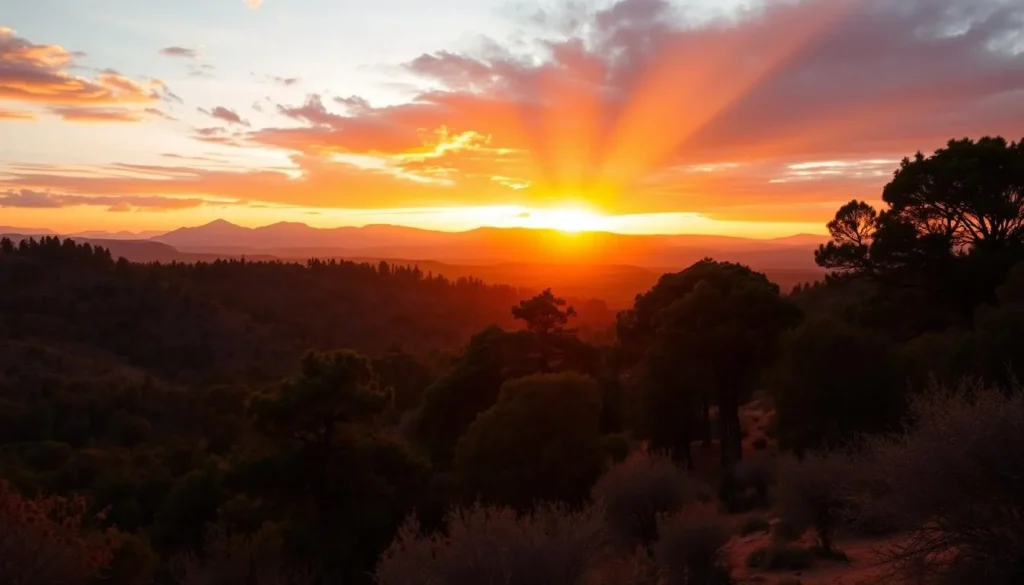
Ifrane National Park offers a side of Morocco that few travelers expect to find – a lush, alpine-like environment that stands in stark contrast to the country’s famous deserts and bustling medinas. From the endangered Barbary macaques swinging through ancient cedar trees to the tranquil lakes reflecting the Middle Atlas mountains, this park provides a refreshing natural escape.
Whether you’re hiking through forests in spring, photographing vibrant autumn foliage, or skiing down snow-covered slopes in winter, Ifrane National Park rewards visitors with unique experiences throughout the year. By respecting the park’s natural environment and engaging with local communities, you’ll discover the true magic of this Moroccan treasure.
Ready to explore the “Little Switzerland of Morocco”? Start planning your Ifrane adventure today and discover why this hidden gem deserves a place on your Moroccan itinerary.
Related Posts



Coming Soon: Clickable Maps