Hotels by Trip.com
Flights by Trip.com
Did you know that Iriqui National Park transforms into a temporary lake during rare rainfall, creating a surreal oasis in the heart of the Sahara Desert? This 123,000-hectare protected wilderness in southern Morocco offers one of the most unique desert experiences on the planet—where golden dunes meet shimmering salt flats and star-filled skies stretch endlessly above nomadic camps.
Whether you’re looking to trek across ancient caravan routes, photograph rare desert wildlife, or simply disconnect from the modern world, Iriqui National Park delivers an adventure that feels worlds away from typical tourist destinations. Join us as we explore this hidden gem of Morocco’s Sahara and discover why it’s becoming a bucket-list destination for travelers seeking authentic wilderness experiences.
Iriqui National Park: Morocco’s Desert Wilderness
Established in 1994, Iriqui National Park lies between the Anti-Atlas Mountains and the Draa River Valley in southern Morocco. This vast protected area encompasses some of the Sahara’s most dramatic landscapes, including the towering dunes of Erg Chigaga, expansive salt flats, and rocky desert plateaus.
The park is named after Lake Iriqui, a seasonal wetland that occasionally fills with water during rare rainy periods, attracting migratory birds and creating a startling contrast to the surrounding arid terrain. As part of Morocco’s conservation efforts, the park plays a crucial role in protecting endangered desert species, including the Dorcas gazelle, fennec fox, and the rare Houbara bustard.
For travelers, Iriqui offers a genuine desert experience far from the more commercialized areas of Morocco’s Sahara. Its remote location means fewer crowds and a more authentic connection to the desert’s timeless rhythms and the nomadic Berber culture that has thrived here for centuries.
Getting There & Planning Your Journey
Reaching Iriqui National Park requires some planning, as it’s located in one of Morocco’s most remote regions. The journey itself becomes part of the adventure, taking you through dramatic landscapes and traditional villages.
From Major Cities
The most common starting points for a trip to Iriqui National Park are Marrakech or Ouarzazate:
- From Marrakech: The journey takes approximately 8-10 hours by car, crossing the spectacular High Atlas Mountains via the Tizi n’Tichka pass before continuing south.
- From Ouarzazate: Known as the “Gateway to the Desert,” Ouarzazate is about 4-5 hours from the park’s edge, making it a more convenient starting point.
- From Zagora: This oasis town is the closest major settlement to the park, about 2-3 hours away depending on your exact destination within Iriqui.
Transportation Options
There are several ways to reach Iriqui National Park:
- Guided Tour: The most hassle-free option is booking a guided tour that includes transportation, typically in 4×4 vehicles equipped for desert terrain.
- Rental Car: If you’re comfortable with desert driving, renting a 4×4 vehicle gives you flexibility. However, GPS may be unreliable, and roads are often unmarked.
- Public Transport: Budget travelers can take a CTM bus to M’hamid or Zagora, then arrange local transport to the park. This requires more time and planning.
Entry Requirements
While Iriqui National Park doesn’t have a formal entrance gate or fee, you’ll need to arrange permits for camping within the park boundaries. Most tour operators handle these details for you. Independent travelers should check with local authorities in M’hamid or Zagora before entering the park.
Best Time to Visit & Weather Tips
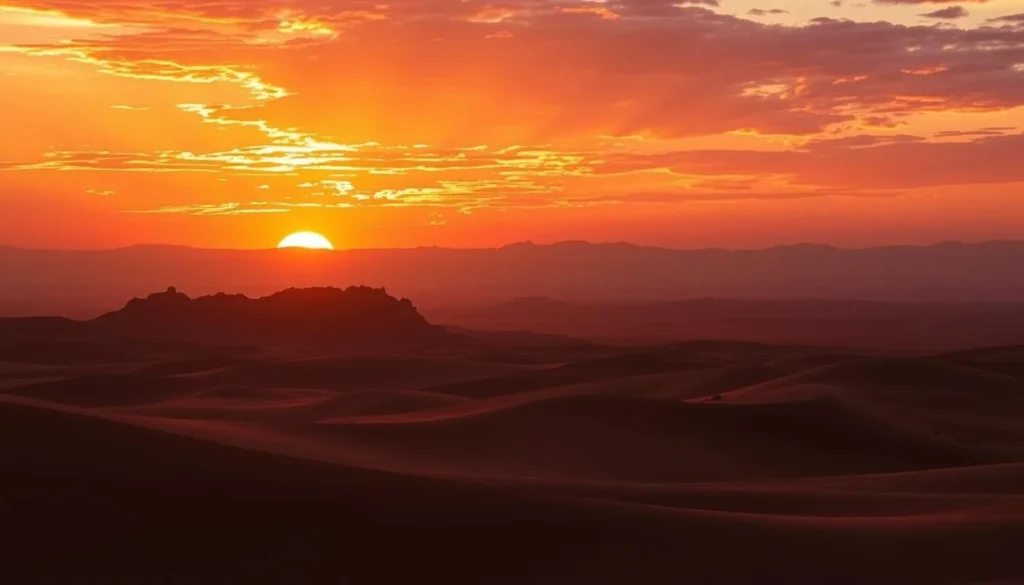
Timing is everything when planning a trip to Iriqui National Park. The Sahara’s extreme climate means that choosing the right season can make the difference between an unforgettable adventure and an uncomfortable ordeal.
Best Time to Visit Iriqui National Park
Recommended Seasons (November-March)
- November-December: Pleasantly warm days (18-25°C/64-77°F) and cool nights (5-10°C/41-50°F). Perfect for hiking and outdoor activities.
- January-February: The coolest period with daytime temperatures around 18-22°C (64-72°F) and night temperatures that can drop to 3-5°C (37-41°F). Bring warm clothing for evenings.
- March: Warming up but still comfortable, with temperatures ranging from 20-28°C (68-82°F) during the day.
Seasons to Avoid (June-September)
- June: Temperatures begin to soar, regularly exceeding 35°C (95°F).
- July-August: Extreme heat with daytime temperatures frequently above 40°C (104°F), making outdoor activities dangerous.
- September: Still very hot, though beginning to cool slightly by the end of the month.
Weather Considerations
The desert climate brings some unique weather patterns to be aware of:
- Temperature Fluctuations: Desert temperatures can vary dramatically between day and night, sometimes by as much as 20°C (36°F). Layered clothing is essential.
- Sandstorms: Spring (particularly April) can bring sandstorms, which may disrupt travel plans. Check weather forecasts before your trip.
- Rainfall: Though rare, when rain does occur (most likely in late winter), it can transform the landscape, potentially filling Lake Iriqui and creating spectacular photo opportunities.
Pro Tip: For the best stargazing experience, plan your visit during a new moon phase when the night sky is at its darkest. The winter months offer the clearest skies for astronomy enthusiasts.
Check 30,000+ Local Sightseeing Tours Worldwide
✓ Numerous languages and currencies are available
Getting Around Locally
Navigating Iriqui National Park requires specialized transportation and often expert guidance. The vast desert terrain presents unique challenges that make conventional travel methods impractical.
Transportation Options Within the Park
4×4 Vehicles
The most efficient way to cover larger distances within the park. These vehicles are specially equipped for desert driving with features like sand tires and recovery equipment.
Many tour operators offer 4×4 excursions ranging from half-day trips to multi-day expeditions across the park.
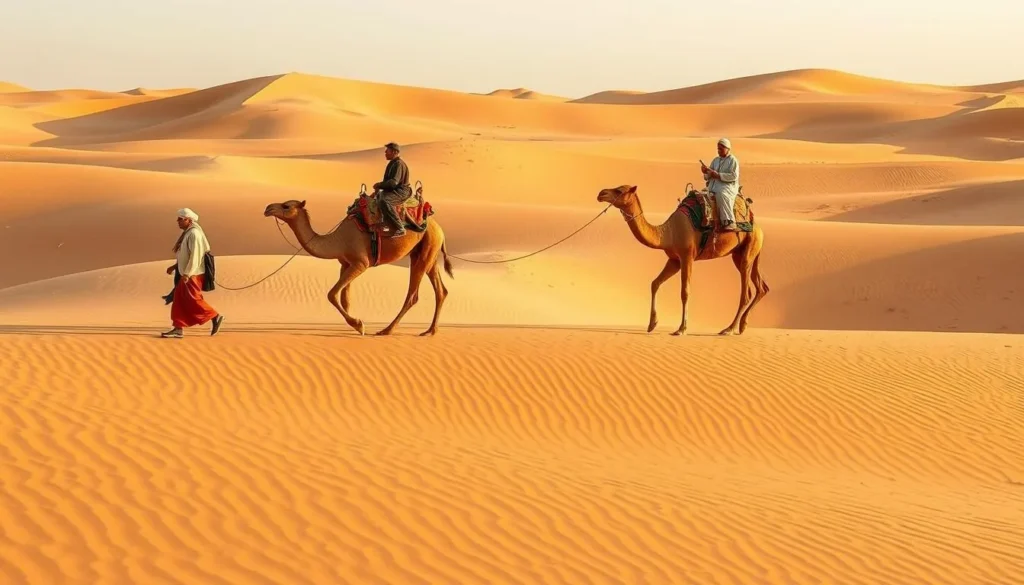
Camel Treks
For an authentic desert experience, camel treks follow ancient caravan routes across the dunes and salt flats. Typically led by Berber guides, these journeys move at a slower pace, allowing for a deeper connection with the landscape.
Treks can range from a few hours to several days with camping under the stars.
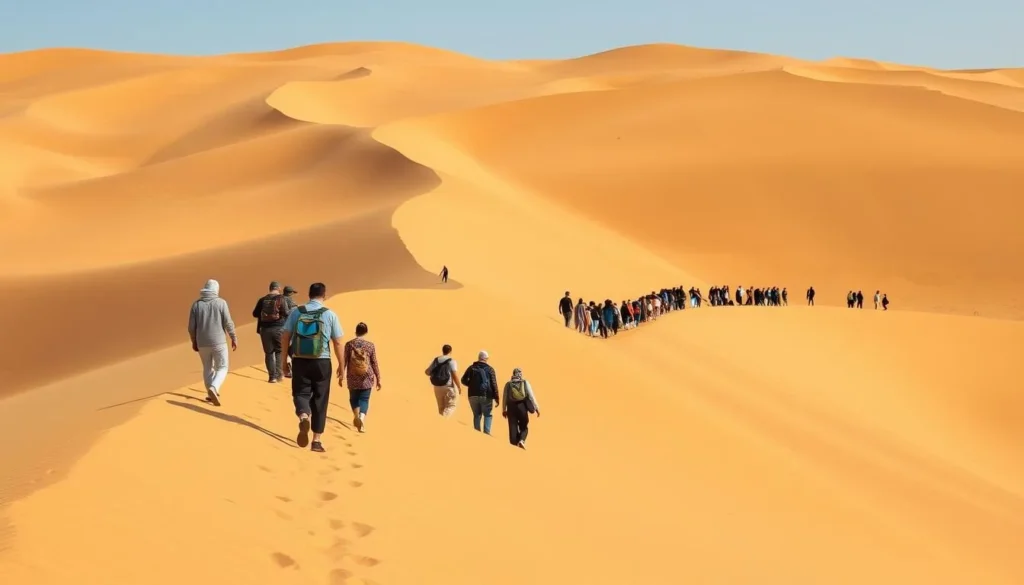
Hiking
Walking through parts of Iriqui is possible during the cooler months, particularly around the dunes of Erg Chigaga. However, always hike with a guide, as navigation can be challenging and conditions harsh.
Carry plenty of water (at least 3-4 liters per person per day) and sun protection.
Navigation Tips
The desert’s featureless landscape can make orientation difficult:
- Local Guides: Hiring a local guide is highly recommended, even for experienced desert travelers. They understand the terrain and can navigate using traditional methods.
- GPS and Maps: Digital navigation tools can be helpful but shouldn’t be your only resource. Battery life and signal can be unreliable in remote areas.
- Landmarks: Learn to identify natural landmarks like distinctive dune formations or mountain silhouettes.
Where to Stay
Accommodation options in and around Iriqui National Park range from authentic desert camps to comfortable lodges in nearby towns. Your choice will depend on your desired level of comfort and how immersive you want your desert experience to be.
Within the Park
Desert Camps
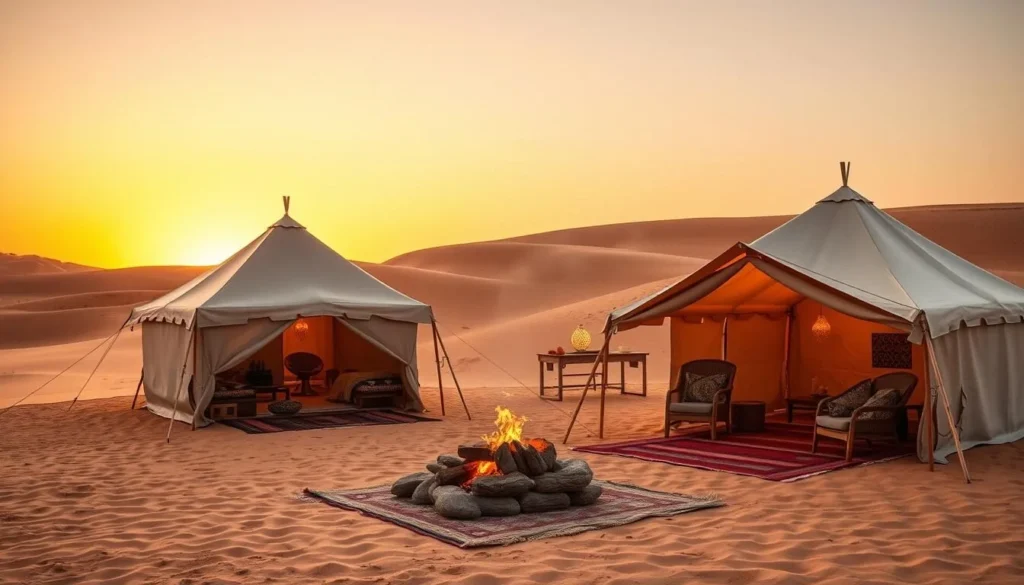
The most authentic way to experience Iriqui National Park is staying in a desert camp. These range from basic nomadic-style camps to luxury “glamping” setups:
- Traditional Camps: Simple yet comfortable tents with mattresses, blankets, and basic facilities. Meals are typically prepared over an open fire.
- Luxury Desert Camps: Higher-end options feature proper beds, private bathrooms, gourmet meals, and sometimes even hot showers.
Most camps are located near the Erg Chigaga dunes, offering spectacular sunrise and sunset views.
Wild Camping
For the adventurous, wild camping is possible with proper permits and preparation:
- Always camp with an experienced guide who knows the area
- Bring all necessary supplies, including ample water
- Practice Leave No Trace principles to protect the fragile desert ecosystem
- Be prepared for extreme temperature changes between day and night
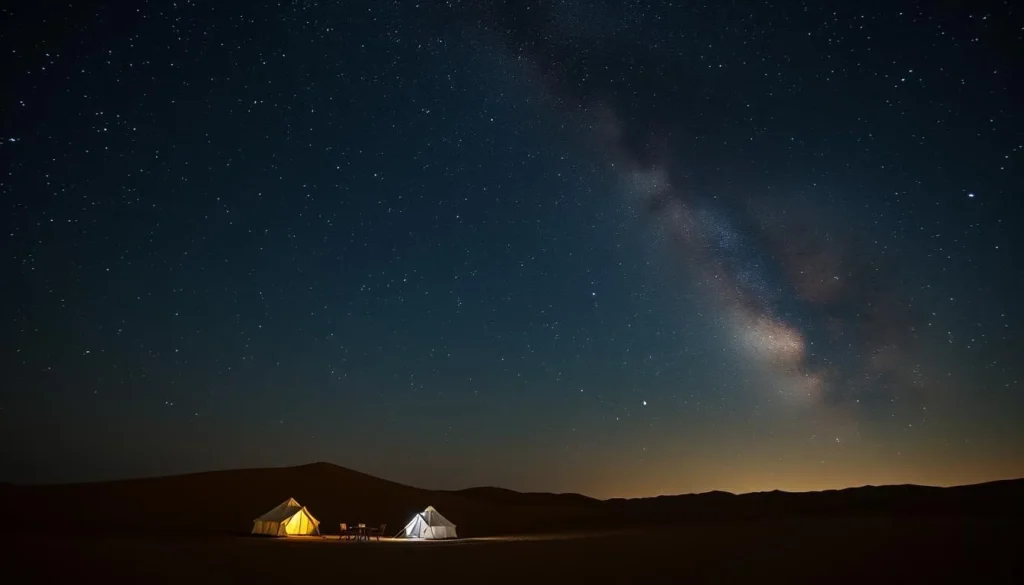
Wild camping offers unparalleled solitude and stargazing opportunities away from light pollution.
Nearby Towns
If you prefer more conventional accommodations, these towns offer options within driving distance of the park:
- M’hamid: The last settlement before the desert, offering basic guesthouses (auberges) and small hotels. A good base for day trips into the park.
- Zagora: About 90 minutes north of M’hamid, with more accommodation options including mid-range hotels with pools—a welcome luxury after desert exploration.
- Ouarzazate: Known as “Morocco’s Hollywood,” this larger city has everything from budget hostels to luxury resorts, though it’s a longer drive (4+ hours) to the park.
Dining & Local Cuisine
Experiencing the food of the Sahara region is an essential part of any visit to Iriqui National Park. Desert cuisine is shaped by nomadic traditions, with an emphasis on hearty, nourishing dishes that can be prepared with limited resources.
Desert Camp Dining
Most visitors to Iriqui National Park will experience meals at desert camps, where food is often a highlight of the stay:
- Breakfast: Typically includes Moroccan bread, jams, honey, olive oil, cheese, dates, and mint tea. Some camps also serve eggs or semolina porridge.
- Lunch: Often a lighter meal during hot days, featuring salads, bread, olives, and perhaps a simple tagine.
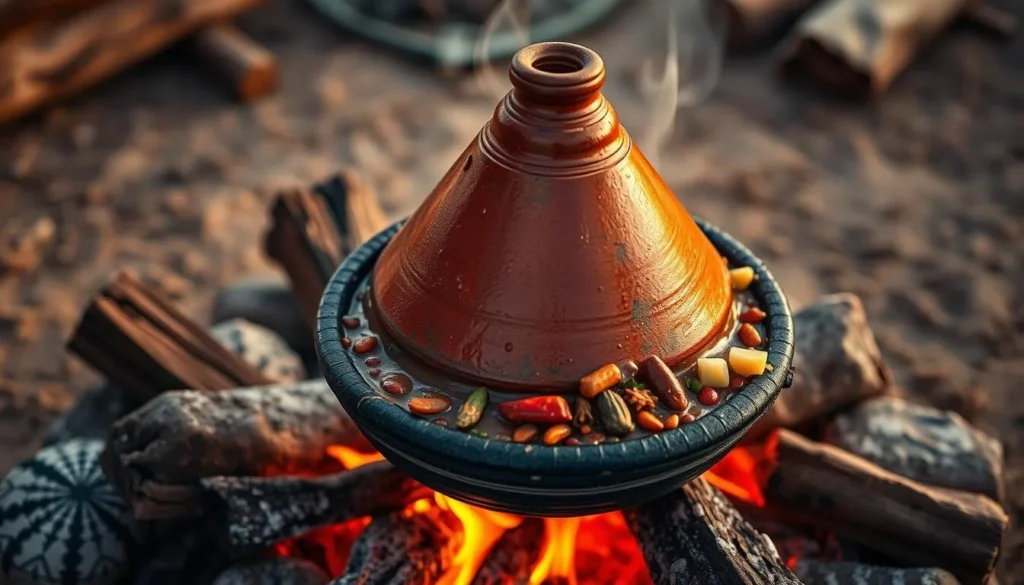
- Dinner: The main meal of the day, usually featuring a tagine (slow-cooked stew), couscous with vegetables and meat, or mechoui (roasted lamb).
Must-Try Desert Specialties
Traditional Dishes
- Berber Pizza (Medfouna): A stuffed bread filled with meat, onions, and spices, then buried in hot sand and coals to bake.
- Sand Bread (Khobz Rmad): Bread baked directly in the hot sand, giving it a unique texture and flavor.
- Harira: A hearty soup with tomatoes, lentils, chickpeas, and spices, often served during Ramadan but available year-round.
- Camel Meat: A traditional protein source for desert dwellers, typically prepared in stews or grilled.
Beverages
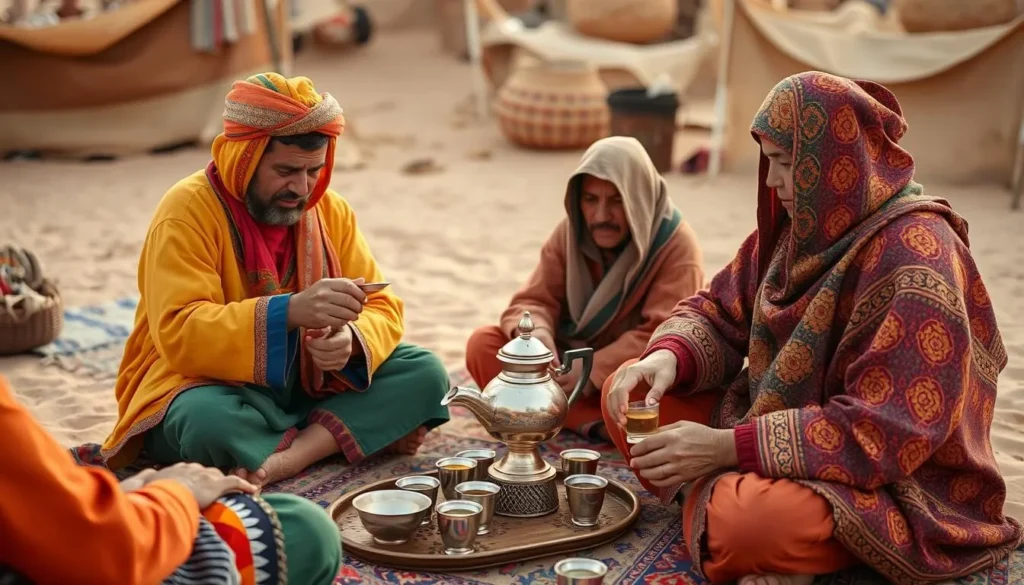
- Moroccan Mint Tea: The national drink, a sweet green tea infused with fresh mint leaves. The pouring ceremony is an art form in itself.
- Dates Milk: A refreshing drink made by blending dates with milk, popular for breaking fast during Ramadan.
- Fresh Orange Juice: Morocco is famous for its citrus, and fresh-squeezed juice is widely available.
Dining in Nearby Towns
If your journey includes stops in the towns surrounding Iriqui National Park, you’ll find additional dining options:
- M’hamid: Small restaurants serving basic Moroccan fare, with a few places catering specifically to tourists.
- Zagora: More varied options, including restaurants in hotels and independent establishments serving both Moroccan and some international dishes.
- Ouarzazate: The widest selection, from street food to upscale restaurants in luxury hotels.
Food Safety Tip: When traveling in remote areas, stick to cooked foods and bottled water. Peelable fruits are generally safe, but avoid raw vegetables unless you’re confident in their preparation.
Attractions, Sightseeing & Activities
Iriqui National Park offers a diverse range of experiences that showcase the beauty and cultural richness of Morocco’s Sahara. From natural wonders to cultural encounters, these are the top attractions and activities not to be missed.
Natural Wonders
Erg Chigaga Dunes
The crown jewel of Iriqui National Park, Erg Chigaga is one of Morocco’s largest dune systems, stretching for about 40 km (25 mi). Some dunes reach heights of 300 m (984 ft), offering spectacular panoramic views from their summits.
Dawn and dusk are the best times to visit, when the changing light creates a mesmerizing play of shadows and colors across the rippled sand.
Lake Iriqui
This seasonal salt lake is usually dry, creating a vast, flat expanse of cracked earth. However, during rare rainy periods, it fills with water, attracting migratory birds including flamingos.
Even when dry, the lake bed’s otherworldly landscape makes for fascinating exploration and photography.
Desert Flora and Fauna
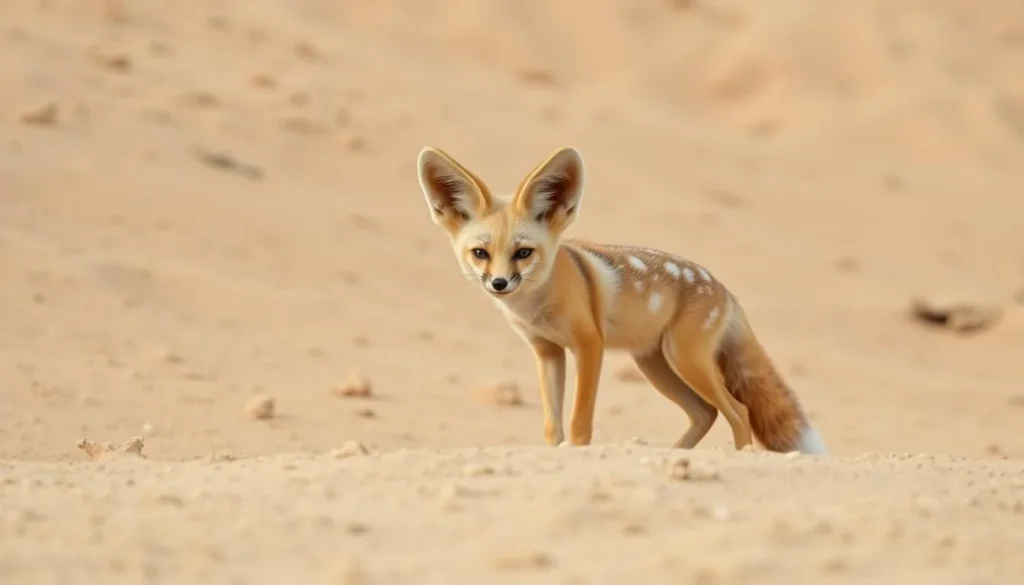
Despite its harsh conditions, the park is home to remarkable wildlife. Look for Dorcas gazelles, fennec foxes (with their distinctive large ears), desert hedgehogs, and numerous reptile species.
Plant life includes drought-resistant species like acacia trees, tamarisk, and various desert shrubs that have adapted to the extreme environment.
Top Activities
- Camel Trekking: Follow ancient caravan routes on the back of a dromedary camel, the traditional “ship of the desert.” Treks range from a few hours to several days.
- 4×4 Desert Safaris: Explore more of the park in less time with guided 4×4 excursions that can reach remote areas not accessible by other means.
- Sandboarding: Surf the dunes on a sandboard, an exhilarating activity especially popular on the steeper slopes of Erg Chigaga.
- Stargazing: With minimal light pollution, Iriqui offers some of the clearest night skies in North Africa. Many camps offer guided astronomy sessions.
- Photography: The ever-changing light, dramatic landscapes, and unique cultural elements make Iriqui a photographer’s paradise.
Cultural Experiences & Local Traditions
Beyond its natural beauty, Iriqui National Park offers a window into the rich cultural heritage of Morocco’s desert regions. The area has been home to Berber nomads for centuries, and their traditions continue to shape life in the Sahara.
Berber Culture
The indigenous Berber people (who call themselves Amazigh, meaning “free people”) have developed a unique way of life adapted to the harsh desert environment:
- Nomadic Traditions: Though increasingly settled, some families still follow seasonal migration patterns with their livestock, seeking grazing lands and water.
- Craftsmanship: Berber artisans are known for their textiles, particularly rugs with distinctive geometric patterns that often tell stories or represent tribal identities.
- Music: Traditional instruments like the three-stringed hajhuj and metal castanets (krakebs) accompany songs that have been passed down through generations.
Cultural Encounters
Several opportunities allow visitors to engage with local culture:
Tea Ceremonies
The preparation and serving of mint tea is an important ritual and symbol of hospitality. The tea is traditionally poured from a height to create a froth, and served three times—each with a different flavor profile, according to the saying: “The first glass is as gentle as life, the second is as strong as love, the third is as bitter as death.”
Nomadic Homestays
Some tours offer the chance to visit nomadic families in their traditional tents. These encounters provide insight into daily life in the desert and often include sharing meals and learning about traditional skills like bread-making or weaving.
Historical Sites
While Iriqui National Park itself has few permanent structures, the surrounding region contains important historical sites:
- Ancient Caravan Routes: The park includes sections of trans-Saharan trade routes that once connected Morocco to Timbuktu and beyond, carrying gold, salt, and other valuable commodities.
- Ksar Tissergate: Near Zagora, this well-preserved 16th-century fortified village houses a museum documenting desert culture and traditions.
- Rock Art: Some areas contain prehistoric rock engravings, though many are difficult to access without specialized guides.
Cultural Tip: When visiting Berber communities or interacting with local guides, learning a few basic phrases in Tamazight (the Berber language) will be greatly appreciated. Simple greetings like “Azul” (hello) can help break the ice.
Outdoor Adventures & Nature Experiences
For nature enthusiasts and adventure seekers, Iriqui National Park offers unique opportunities to experience the Sahara’s diverse ecosystems and challenge yourself in one of Earth’s most extreme environments.
Wildlife Watching
Despite its harsh conditions, Iriqui National Park supports a surprising variety of wildlife:
- Mammals: Look for Dorcas gazelles, fennec foxes, desert hedgehogs, and occasionally desert hares. Dawn and dusk offer the best viewing opportunities.
- Birds: The park is home to resident species like desert larks and wheatears, while the occasional filling of Lake Iriqui attracts migratory birds including flamingos and herons.
- Reptiles: Various lizard species, including the fringe-toed lizard, can be spotted darting across the sand, while snakes (mostly harmless) are occasionally encountered.
Adventure Activities
Multi-Day Treks
For the ultimate desert experience, multi-day treks across Iriqui National Park follow ancient caravan routes, with nights spent camping under the stars. These journeys, typically lasting 3-8 days, offer a profound connection to the desert landscape.
Most treks combine walking with camel riding, allowing you to experience both modes of desert travel.
Dune Climbing
Scaling the massive dunes of Erg Chigaga is both challenging and rewarding. The highest dunes reach around 300 m (984 ft), and climbing them requires good fitness and determination—but the panoramic views from the top are unforgettable.
Early morning is the best time for dune climbing, before the sand heats up.
Desert Yoga & Meditation
The serene desert environment provides an ideal setting for mindfulness practices. Some specialized tours offer yoga and meditation sessions among the dunes, particularly at sunrise and sunset.
The profound silence and vast open spaces create a unique atmosphere for spiritual practices.
Night Sky Experiences
The Sahara’s clear, dry air and minimal light pollution make Iriqui National Park an exceptional destination for astronomy:
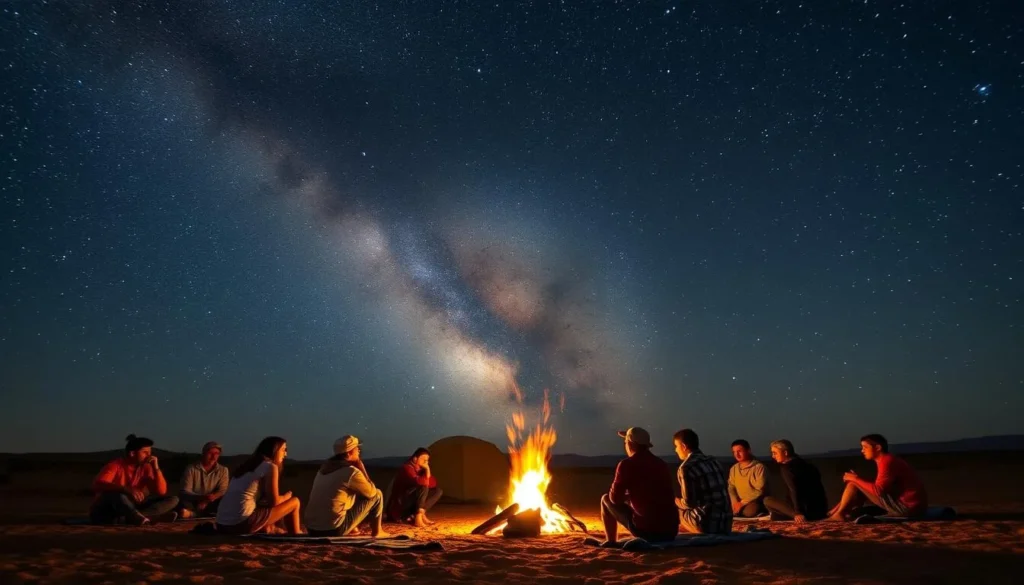
- Stargazing: Many desert camps offer guided stargazing sessions, where you can identify constellations, planets, and even distant galaxies with the naked eye.
- Astrophotography: The combination of dramatic foreground elements (dunes, camels, tents) with the brilliant night sky creates opportunities for spectacular photographs.
- Celestial Navigation: Learn how desert nomads have traditionally used the stars for navigation, a skill that remains relevant in this remote region.
Safety, Etiquette & Local Customs
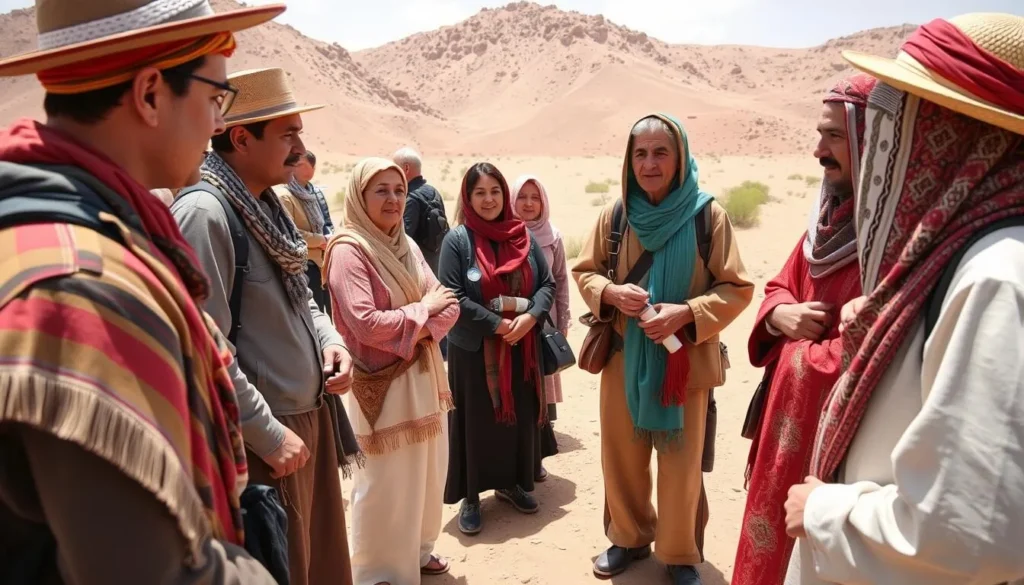
Traveling in Iriqui National Park requires preparation and cultural awareness. Understanding safety considerations and respecting local customs will enhance your experience and ensure positive interactions with local communities.
Desert Safety
The Sahara’s extreme environment presents specific challenges:
- Hydration: Drink at least 3-4 liters of water per day, even if you don’t feel thirsty. Dehydration can occur rapidly in the dry desert air.
- Sun Protection: Wear a wide-brimmed hat, sunglasses, and high-SPF sunscreen. Cover exposed skin with lightweight, breathable clothing.
- Temperature Management: Be prepared for extreme heat during the day and potentially cold temperatures at night. Layered clothing is essential.
- Navigation: Never venture into remote areas without an experienced guide. The featureless landscape makes it easy to become disoriented.
- Medical Preparation: Bring a comprehensive first-aid kit and any personal medications. Medical facilities are limited or non-existent within the park.
Cultural Etiquette
Morocco is a predominantly Muslim country with conservative social norms, particularly in rural areas:
Dress Code
While practical desert clothing is acceptable during activities, modest dress is appreciated when interacting with local communities:
- For women: Shoulders and knees should be covered; loose-fitting clothing is ideal
- For men: Shorts are generally acceptable but longer pants are more respectful when visiting villages
- Swimwear should be reserved for private swimming areas only
Photography
Be respectful when taking photographs:
- Always ask permission before photographing people, especially women and children
- Some Berber people hold traditional beliefs about photography “capturing the soul”
- Be prepared to offer a small tip if someone poses for a photo
- Avoid photographing military installations or checkpoints
Religious Considerations
Islam plays a central role in Moroccan life:
Check 30,000+ Local Sightseeing Tours Worldwide
✓ Numerous languages and currencies are available
- Prayer Times: Muslims pray five times daily. Your guide may need to pause activities for prayer, which should be respected.
- Ramadan: If visiting during the holy month of Ramadan, be aware that many locals will be fasting from dawn to dusk. Eating, drinking, or smoking in public during daylight hours is considered insensitive.
- Mosques: Most mosques in Morocco are not open to non-Muslims, with a few notable exceptions in major cities.
Tipping Guide: Tipping (known as “baksheesh”) is an important part of Moroccan culture. For desert guides, 100-200 dirhams per day is customary, while camp staff might receive 50-100 dirhams per day. Always have small bills available for tipping.
Practical Travel Tips
These essential tips will help you prepare for your journey to Iriqui National Park and ensure a smooth, enjoyable experience in Morocco’s Sahara Desert.
What to Pack
Essential Items
- Clothing: Lightweight, breathable fabrics for day; warm layers for night; sturdy walking shoes; sun hat; lightweight scarf (useful for sun protection and dust)
- Sun Protection: High-SPF sunscreen; lip balm with SPF; quality sunglasses
- Health Items: Personal medications; first-aid kit; hand sanitizer; wet wipes; toilet paper
- Hydration: Reusable water bottle (1-2 liters); electrolyte tablets or powder
Useful Extras
- Photography: Camera with extra batteries; lens cleaning cloth (dust is inevitable)
- Comfort Items: Sleeping bag liner (for desert camps); travel pillow; earplugs
- Navigation: Compass; downloaded offline maps; power bank
- Entertainment: Book or e-reader; journal; playing cards (for evenings at camp)
Communication
Staying connected in remote desert regions presents challenges:
- Mobile Coverage: Cell service is limited or non-existent within Iriqui National Park. You may find coverage in M’hamid or Zagora.
- Local SIM Cards: Available from providers like Maroc Telecom, Orange, or Inwi in larger towns. Bring an unlocked phone.
- Internet Access: Wi-Fi is available in hotels in Zagora and Ouarzazate but don’t expect connectivity in desert camps.
- Language: Arabic and Berber (Tamazight) are the main languages. French is widely spoken, while English is common in tourist areas but less so in remote regions.
Money Matters
Currency
The Moroccan dirham (MAD) is the local currency. It’s a closed currency, meaning you can only obtain it within Morocco.
- ATMs are available in Zagora and Ouarzazate but not in smaller settlements or within the park
- Bring enough cash for your entire desert journey
- Small denominations are useful for tips and small purchases
Costs
Budget guidelines for Iriqui National Park experiences:
- Budget: Basic desert camp (500-800 MAD per night); group tours (800-1200 MAD per day)
- Mid-range: Comfortable desert camp (1000-1500 MAD per night); private tours (1500-2500 MAD per day)
- Luxury: High-end desert “glamping” (2000+ MAD per night); exclusive private tours (3000+ MAD per day)
Booking Tip: While last-minute arrangements are possible in gateway towns like M’hamid, booking desert experiences in advance is recommended during peak season (October-April) to secure your preferred dates and accommodations.
Embrace the Magic of Iriqui National Park
Iriqui National Park represents Morocco at its most wild and authentic—a place where golden dunes meet endless horizons, where nomadic traditions continue in the shadow of the modern world, and where travelers can experience the profound silence and beauty of the Sahara Desert.
Whether you’re trekking by camel across ancient caravan routes, watching the sunset paint the dunes in shades of gold and amber, or simply gazing up at a night sky ablaze with stars, Iriqui offers experiences that will stay with you long after you’ve shaken the sand from your shoes.
This remote corner of Morocco may require extra effort to reach, but those who make the journey are rewarded with a rare glimpse into one of Earth’s most captivating landscapes and the resilient culture that has thrived within it for centuries. Ready to swap cityscapes for starry skies? Start planning your Sahara adventure today!