Hotels by Trip.com
Flights by Trip.com
Did you know that Morocco’s Khenifra National Park shelters one of the world’s largest cedar forests? While Lebanon is famous for its cedars, it’s actually Morocco that boasts the most extensive cedar forest on the planet, spanning between Khenifra and Ifrane National Parks. Established in 2008, this 842 km² (325 mi²) natural wonder in the Middle Atlas Mountains remains one of North Africa’s best-kept secrets, offering travelers a perfect blend of breathtaking landscapes, rich biodiversity, and authentic cultural experiences.
Khenifra National Park Overview
Khenifra National Park, locally known as “Parc National de Khénifra,” is a stunning natural area located in the Middle Atlas Mountains of Morocco. The park covers approximately 842 km² (325 mi²) and is renowned for its high-altitude cedar forests, scenic lakes, and diverse ecosystems. This natural treasure serves as a vital water tower for Morocco, with the country’s largest river, Oum Rbii, flowing through its boundaries.
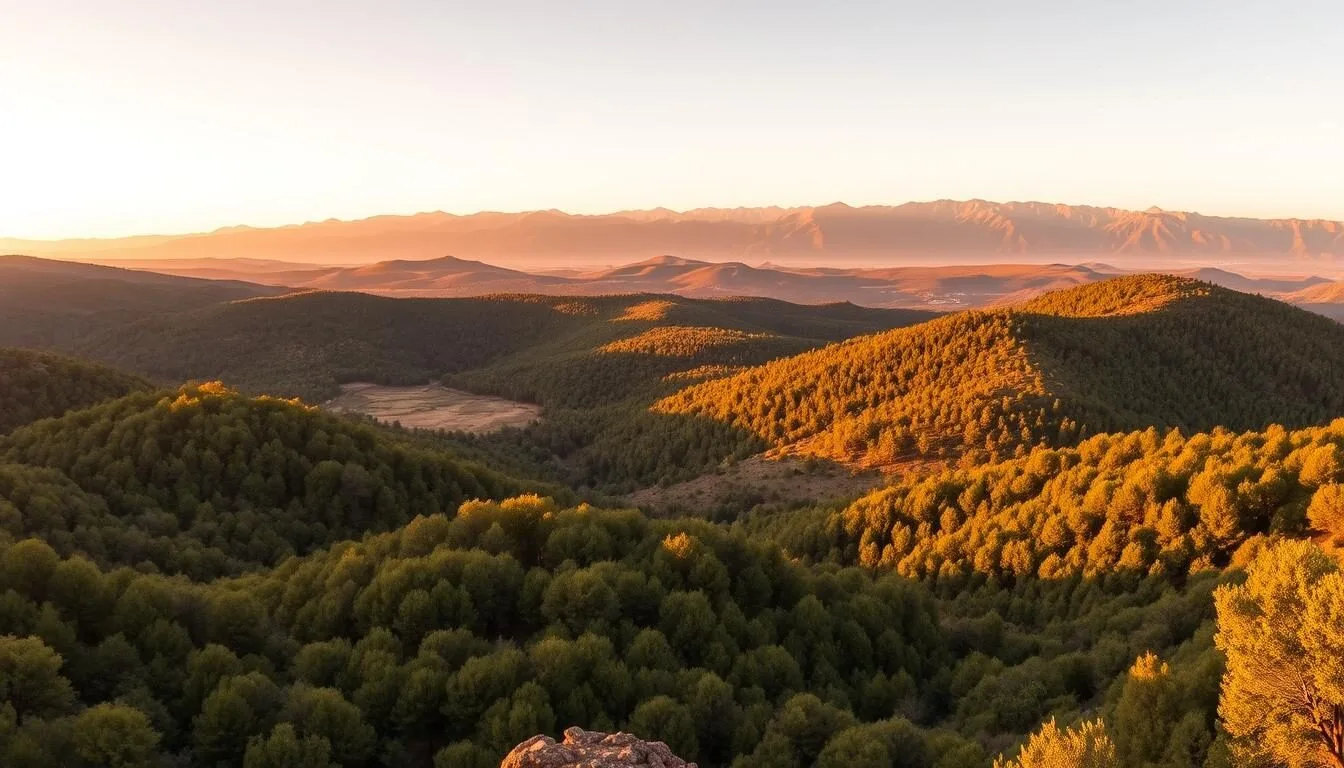
The terrain features a captivating mix of rugged mountains, rolling hills, dense forests, and pristine lakes. The park is home to the famous Lake Aguelmame Aziza and Lake Aguelmame Sidi Ali, two high-altitude lakes that are key attractions. Cedar and oak forests dominate the landscape, interspersed with grasslands and alpine meadows, creating a diverse habitat for numerous plant and animal species.
Best Time to Visit Khenifra National Park
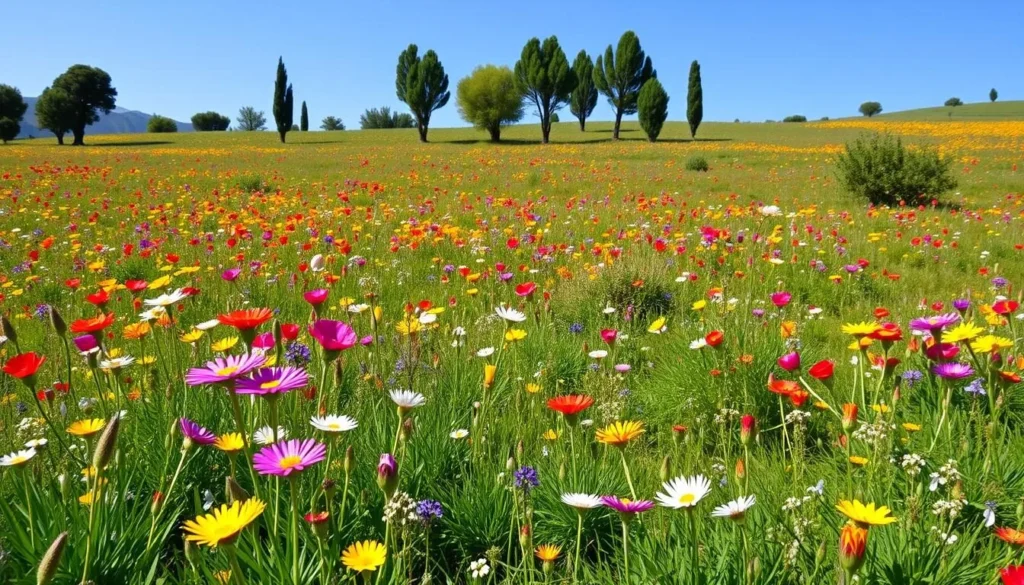
The climate in Khenifra National Park varies dramatically throughout the year, with distinct seasons offering different experiences. Understanding the weather patterns will help you plan the perfect visit.
Recommended Seasons
- Spring (April-June): Ideal time with mild temperatures ranging from 15-25°C (59-77°F). The landscape bursts with wildflowers, and wildlife is highly active.
- Fall (September-October): Another excellent period with comfortable temperatures between 12-22°C (54-72°F) and beautiful autumn colors in the cedar forests.
Seasons to Avoid
- Summer (July-August): Daytime temperatures can reach 31°C (88°F), making hiking uncomfortable. Popular areas become crowded with local tourists.
- Winter (November-March): Temperatures drop below freezing, often reaching -5°C (23°F). Heavy snowfall can block roads and limit access to certain areas.
Pro Tip: If you visit during winter, check road conditions before departing. Snow can remain until spring in some areas, and mountain roads may require chains or 4×4 vehicles.
Getting There & Planning Your Journey
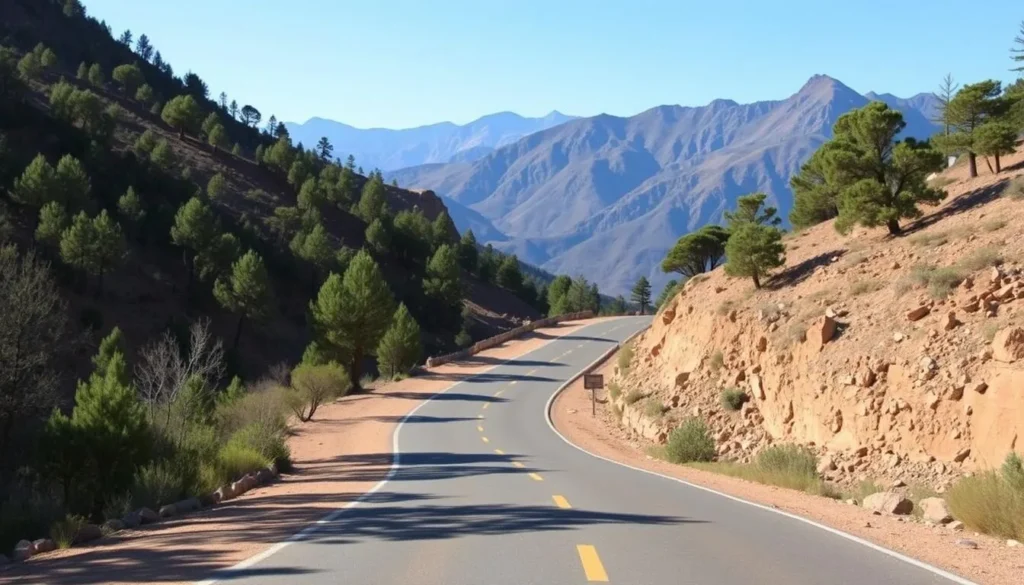
Khenifra National Park is accessible from several major Moroccan cities, though having your own transportation provides the most flexibility for exploring the park’s widespread attractions.
By Air
The closest major airport is in Fes, approximately 2 hours away by car. International travelers typically fly into Fes–Saïs Airport or Rabat–Salé Airport, then arrange ground transportation to the park. to these destinations for the best rates.
By Car
Renting a vehicle is highly recommended for exploring Khenifra National Park and its surroundings. The drive from Fes takes approximately 2 hours, while from Rabat, expect a 3-hour journey. During winter months, a 4×4 vehicle is advisable due to potential snow on mountain roads. to ensure availability.
By Public Transport
Public transportation to the park is limited. You can take a bus or grand taxi to the town of Khenifra, then arrange a local taxi to specific park locations. However, this option significantly restricts your ability to explore freely.
Getting Around Locally
Once you’ve arrived in the Khenifra region, you’ll need to consider how to navigate between the park’s various attractions, which are spread across a large area.
Self-Driving
The most flexible option for exploring the park. Main roads connecting major attractions like Lake Aguelmame Aziza and the Oum Rbii springs are generally well-maintained, though some remote areas require 4×4 vehicles.
Check 30,000+ Local Sightseeing Tours Worldwide
✓ Numerous languages and currencies are available
Local Guides
Hiring a local guide with a vehicle is highly recommended, especially for first-time visitors. Guides can be arranged through accommodations in Khenifra, M’rirt, or Ain Leuh and typically charge 400-600 MAD ($40-60) per day.
Hiking
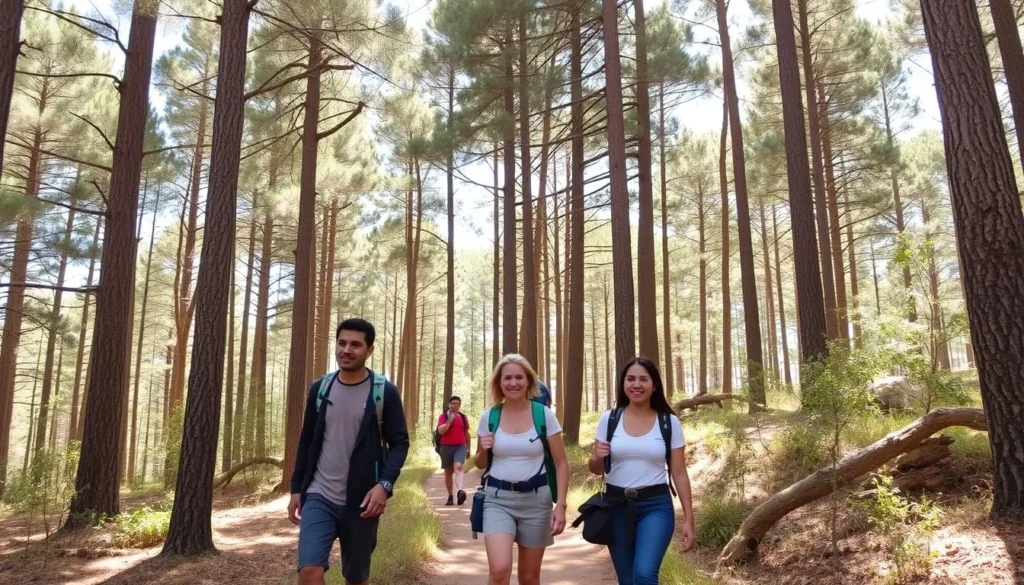
Many areas within the park are best explored on foot. Trails connect various lakes and forest sections, allowing for immersive nature experiences. Always inform someone of your hiking plans and carry sufficient water.
Where to Stay
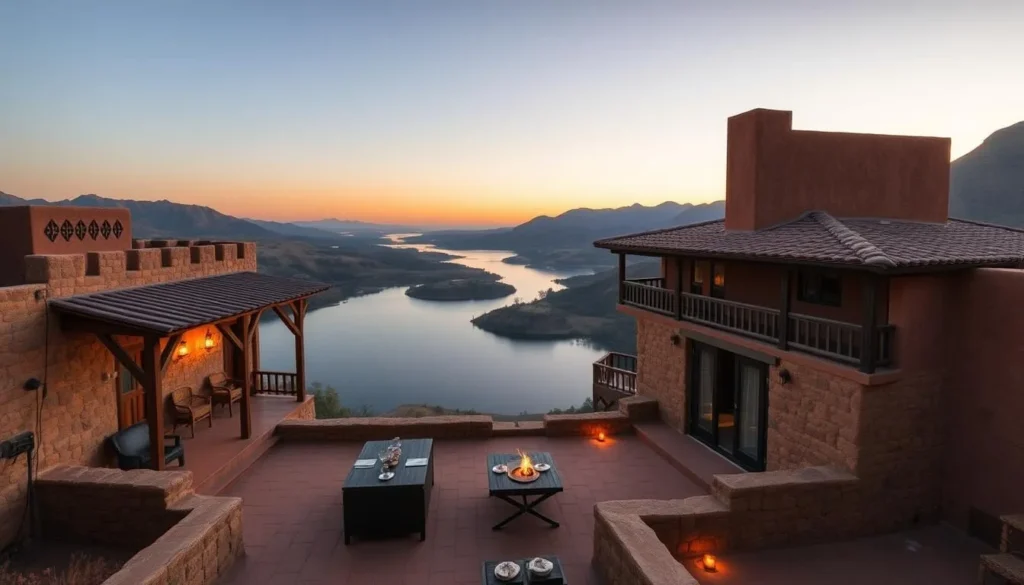
Accommodation options within and around Khenifra National Park range from rustic guesthouses to camping opportunities. While luxury options are limited, the authentic experiences more than compensate.
Guesthouses & Lodges
Auberge Lac Ouiouane
Located directly on Lake Ouiouane, this family-run inn offers heated rooms with private bathrooms and stunning lake views. The on-site restaurant serves delicious local cuisine. Double rooms with half-board start at 500 MAD ($50) per night.
Gîte Ain Ifrane
Situated in the village of Zaouiat Ifrane near beautiful waterfalls, this colorful guesthouse features a roof terrace with panoramic views. Rooms with full board (three meals) cost around 250 MAD ($25) per person.
Camping Options
For the more adventurous traveler, camping is permitted around several lakes, including Lake Ouiouane and Lake Aguelmame Aziza. There are no formal facilities, so come prepared with all necessary equipment. Always practice Leave No Trace principles and respect the natural environment.
Top Things to Do in Khenifra National Park
Explore the Magnificent Lakes
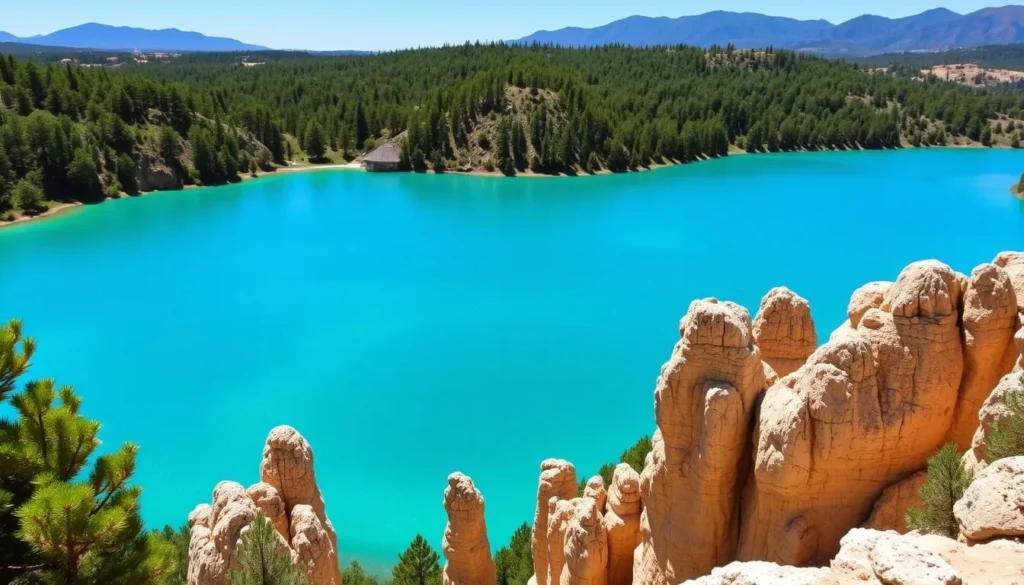
Khenifra National Park is famous for its stunning high-altitude lakes, locally known as “Aguelmames.” Each offers unique experiences and breathtaking scenery:
Lake Aguelmame Aziza
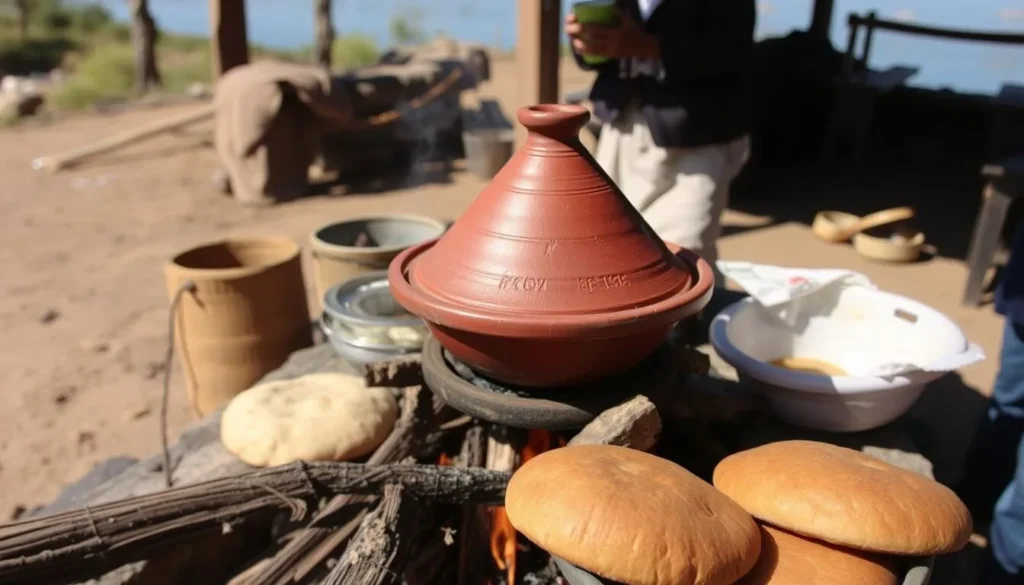
Known for its striking blue-green waters, this 62-hectare lake sits at 1,470 m (4,823 ft) elevation and reaches depths of 26 m (85 ft). The surrounding cedar forests and limestone formations create a postcard-perfect setting. In summer, local vendors set up makeshift huts offering traditional tagines cooked over wood fires.
Lake Ouiouane
Located near Ain Leuh at 1,600 m (5,249 ft) elevation, this 16-hectare lake offers pedal boat rentals (30 MAD) and excellent fishing opportunities. The Auberge Lac Ouiouane provides comfortable accommodation right on the lakeshore, making this an ideal base for exploration.
Lake Aguelmame Sidi Ali
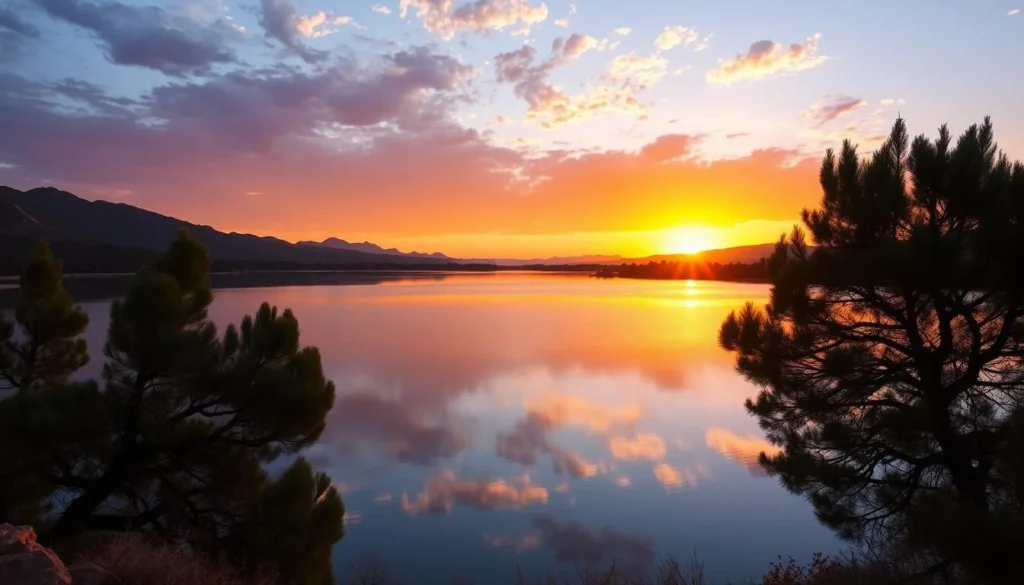
One of the largest lakes in the region, surrounded by mountains and offering spectacular views. Local legend holds that the lake has healing properties. The area is perfect for photography, especially at sunrise and sunset when the light creates magical reflections on the water.
Wildlife Watching
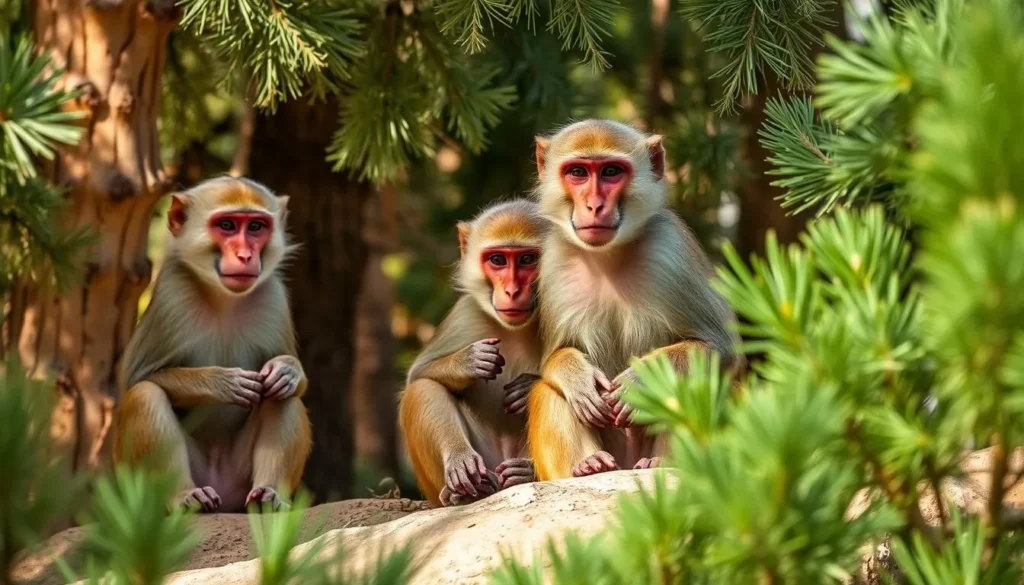
The park is home to diverse wildlife, making it a paradise for nature enthusiasts:
- Barbary Macaque: These endangered primates are frequently spotted in the cedar forests. Best observed in early morning or late afternoon when they’re most active.
- Cuvier’s Gazelle: This rare and graceful species can occasionally be glimpsed in open areas within the park.
- Birdwatching: The park’s varied habitats attract numerous bird species, including the golden eagle, Atlas flycatcher, and crimson-winged finch. The lakes are particularly good spots for observing migratory birds.
- Fishing: The lakes contain several fish species, including pike, trout, and carp. Local fishermen sometimes offer traditional boat excursions.
Hiking Trails and Natural Wonders
Khenifra National Park offers numerous hiking opportunities through diverse landscapes:
Cedar Forest Trails
Wander through ancient cedar groves, some containing trees over 800 years old. The dappled sunlight and carpet of pine needles create a magical atmosphere. Trails range from easy 1-hour loops to challenging full-day hikes.
Oum Rbii Springs
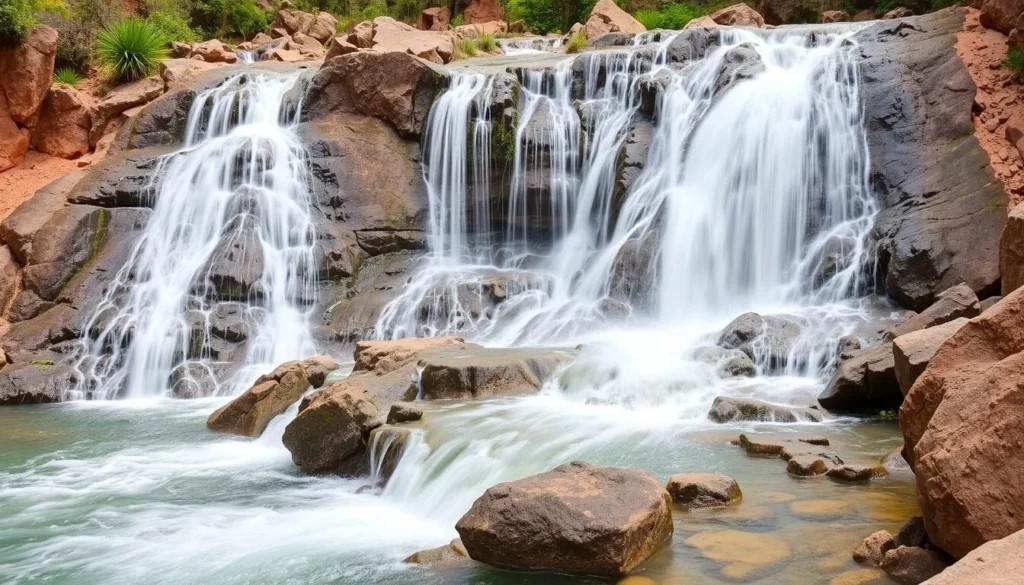
Visit the impressive springs of Morocco’s longest river, located 40 km from Khenifra city. The site features 40 freshwater springs and 7 saltwater springs, with cascading waterfalls creating a spectacular scene. Nearby caves can also be explored for a small fee (5 MAD).
Zaouiat Ifrane Waterfalls
A 15-minute walk through this charming village leads to beautiful waterfalls. More adventurous hikers can take a 1-hour trek to the top of the mountain for panoramic views or continue 2 hours to reach the “Hawaii Waterfall” with its natural swimming pool.
Cultural Experiences
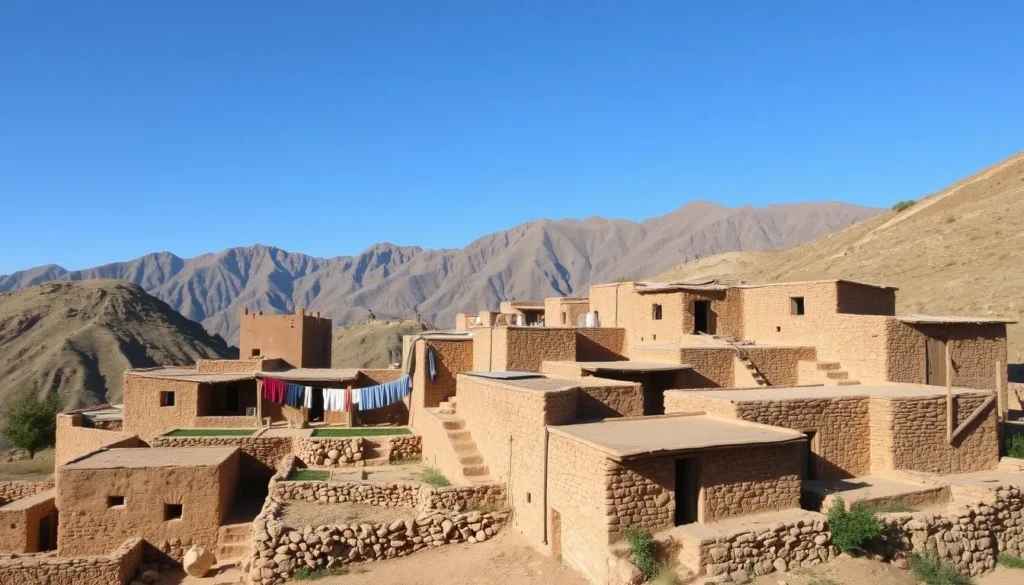
Beyond natural beauty, Khenifra National Park offers rich cultural experiences:
- Berber Villages: Visit traditional settlements around the park where locals maintain centuries-old ways of life. The villages of Zaouiat Ifrane and areas near Lake Aguelmame Aziza offer glimpses into authentic Berber culture.
- Local Cuisine: Sample traditional dishes like wood-fired tagines, freshly baked bread, and mountain honey. Makeshift restaurants near lakes and springs offer authentic meals prepared by local families.
- Nomadic Encounters: In certain seasons, you may encounter Berber nomads who still practice transhumance, moving their livestock between seasonal pastures.
- Traditional Crafts: Some villages sell handmade carpets, pottery, and woodwork. These make excellent souvenirs while supporting local artisans.
Practical Travel Tips
Essential Information
- Park Hours: Generally open from 9:00 AM to 5:00 PM daily, though there are no strict entrance gates in most areas.
- Entrance Fees: Currently, there are no formal entrance fees to the park.
- Language: Arabic and Berber are the main languages, though some French is spoken. English is limited, so a basic French phrasebook can be helpful.
- Currency: Moroccan Dirham (MAD). Bring cash as ATMs are scarce and credit cards rarely accepted in rural areas.
Safety & Etiquette
- Respect Wildlife: Never feed the Barbary macaques or other wildlife. Maintain a safe distance and observe with binoculars.
- Dress Appropriately: Weather can change quickly in the mountains. Bring layers, sturdy footwear, and modest clothing when visiting villages.
- Water Safety: While the lakes are beautiful, be cautious when swimming as there are no lifeguards.
- Local Customs: Ask permission before photographing local people. When invited into homes, removing shoes is customary.
Important: Cell phone coverage is limited within the park. Download offline maps, inform someone of your itinerary, and consider hiring a local guide for remote areas.
Experience the Magic of Khenifra National Park
Khenifra National Park represents Morocco beyond the familiar desert landscapes and bustling medinas. With its ancient cedar forests, shimmering lakes, and authentic cultural experiences, it offers travelers a chance to discover a different side of this diverse country. Whether you’re hiking through forests filled with Barbary macaques, enjoying a traditional tagine by a crystal-clear lake, or connecting with local Berber communities, Khenifra promises memories that will last a lifetime.
As development projects continue to improve accessibility while preserving the park’s natural character, now is the perfect time to visit this hidden gem before it gains wider recognition. Pack your hiking boots, bring your sense of adventure, and prepare to be enchanted by one of Morocco’s most spectacular natural treasures.