
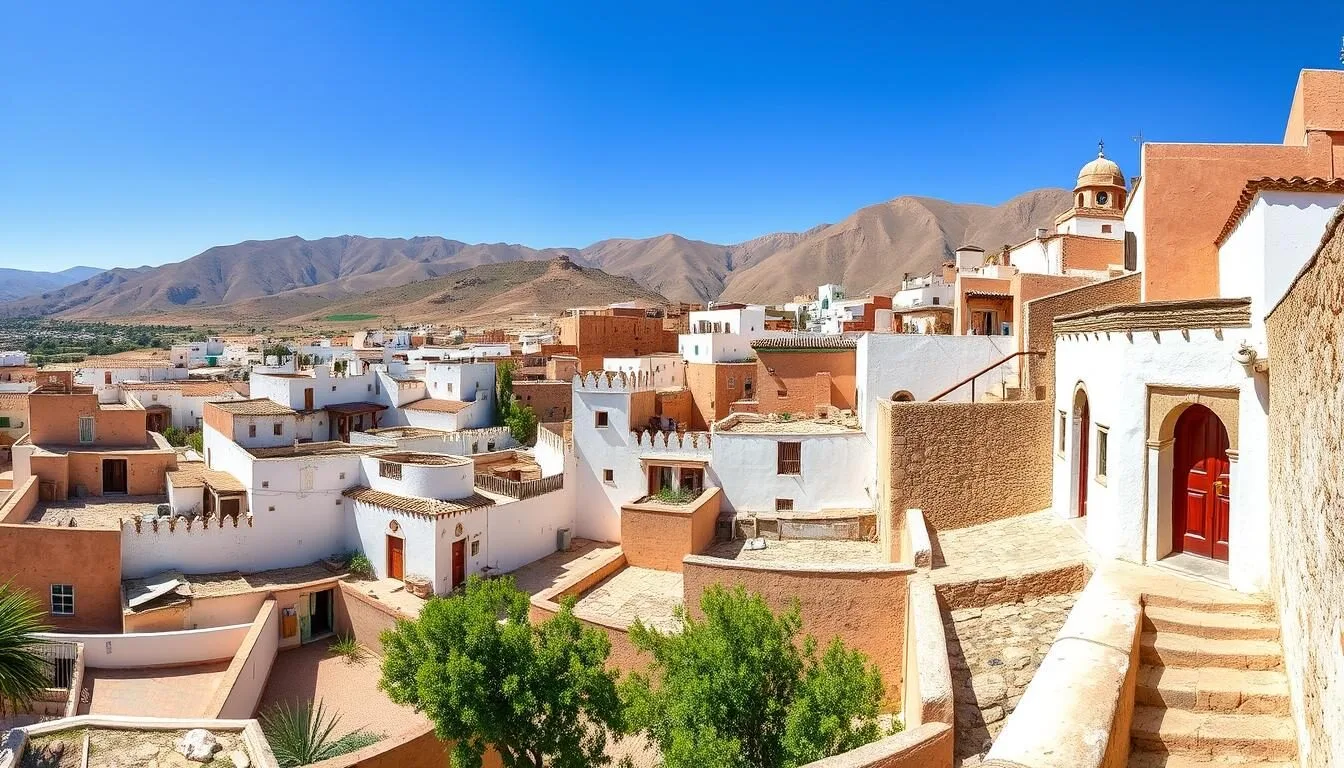
Did you know that Ksar El Kebir was the site of the legendary “Battle of the Three Kings” in 1578, a pivotal moment that changed the course of Moroccan and Portuguese history? This historic town in northern Morocco may not be on most tourist itineraries, but it offers a fascinating glimpse into authentic Moroccan life away from the well-trodden paths of Marrakech and Fez.
The historic town of Ksar El Kebir nestled in northern Morocco’s landscape
Getting There & Planning Your Journey
Ksar El Kebir is located in northern Morocco, approximately 120 km (75 miles) south of Tangier and 176 km (109 miles) north of Rabat. The town is accessible by various transportation options, making it relatively easy to include in your Moroccan itinerary.
By Air
The nearest major airports to Ksar El Kebir are:
- Tangier Ibn Battouta Airport (120 km/75 miles)
- Rabat-Salé Airport (176 km/109 miles)
- Casablanca Mohammed V International Airport (250 km/155 miles)
From these airports, you can continue your journey to Ksar El Kebir by train, bus, or rental car. to these airports for the best deals.
By Train
Ksar El Kebir is well-connected by Morocco’s rail network, with regular trains from:
- Tangier (1.5-2 hours)
- Rabat (2.5-3 hours)
- Casablanca (3.5-4 hours)
- Fez (4-4.5 hours)
The ONCF (Moroccan National Railways) offers comfortable and affordable train services. First and second-class options are available, with first-class providing assigned seating.
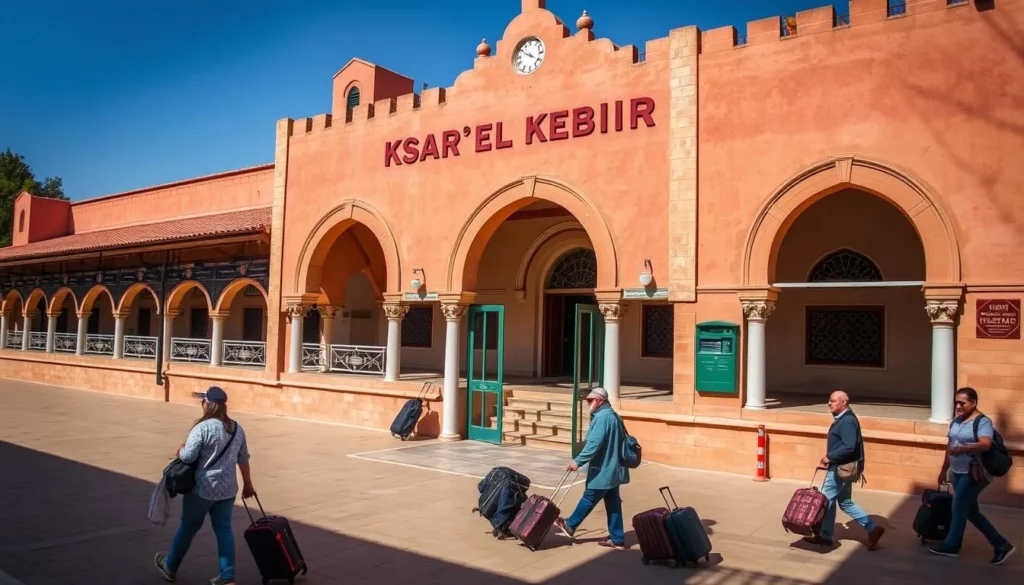
The train station in Ksar El Kebir connects the town to major Moroccan cities
Best Time to Visit & Weather Tips
Ksar El Kebir experiences a Mediterranean climate with hot, dry summers and mild, wet winters. The weather can significantly impact your experience, so timing your visit is important.
Recommended Seasons
- Spring (March to May): Temperatures range from 15-25°C (59-77°F) with blooming landscapes and comfortable weather for exploration.
- Fall (September to November): Pleasant temperatures between 18-28°C (64-82°F) with fewer tourists and beautiful autumn colors.
Seasons to Avoid
- Summer (June to August): Temperatures can soar to 35-40°C (95-104°F), making outdoor activities uncomfortable, especially in July and August.
- Winter (December to February): While temperatures rarely drop below 5°C (41°F), rainfall is frequent, which can disrupt travel plans.
Local Tip: If visiting during Ramadan, be aware that many restaurants and shops may have limited hours during the day, but towns come alive after sunset with festive atmospheres.
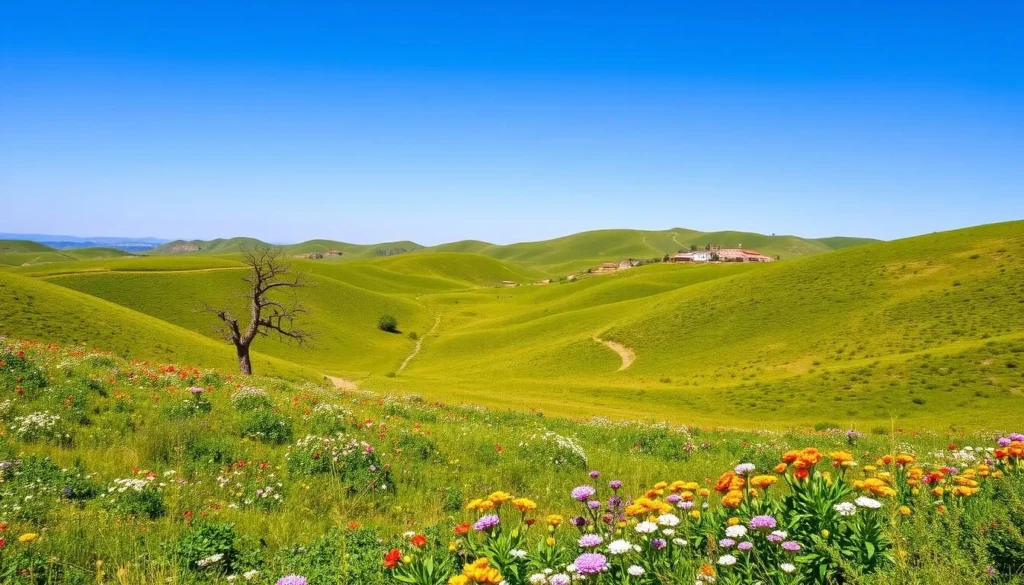
Spring brings lush landscapes and comfortable temperatures to Ksar El Kebir
Getting Around Locally
Navigating Ksar El Kebir and its surroundings is relatively straightforward, with several transportation options available to visitors.
Within Ksar El Kebir
- On Foot: The town center is compact and best explored on foot, allowing you to discover hidden corners and interact with locals.
- Petit Taxis: Small blue taxis operate within city limits. Always ensure the meter is running or negotiate the fare before departure.
- Horse-Drawn Carriages: For a traditional experience, horse carriages are available in some areas, particularly near the old medina.
Exploring the Region
- Grand Taxis: Shared taxis that connect Ksar El Kebir to nearby towns and attractions. They depart when full, so timing can be unpredictable.
- Rental Cars: Having your own vehicle provides the most flexibility for exploring the region at your own pace. is recommended if you plan to visit multiple locations in northern Morocco.
- Local Buses: CTM and Supratours operate intercity buses connecting Ksar El Kebir to other destinations in Morocco.
Map of Ksar El Kebir, Morocco
Where to Stay
Accommodation options in Ksar El Kebir are limited compared to major Moroccan cities, but you’ll find a range of choices to suit different budgets and preferences.
Budget Options
- Local Guesthouses: Simple, family-run accommodations offering authentic Moroccan hospitality at affordable rates.
- Budget Hotels: Basic but clean rooms with essential amenities, typically starting at 200-300 MAD ($20-30) per night.
Mid-Range Options
- Boutique Hotels: Smaller hotels with more personalized service and comfortable rooms, often featuring traditional Moroccan décor.
- Riads: Traditional Moroccan houses with interior courtyards, offering a more authentic stay experience.
Nearby Alternatives
- Larache: A coastal town 30 km away with more accommodation options, including beachfront hotels.
- Asilah: A picturesque town about 60 km north with a range of hotels and beautiful ocean views.
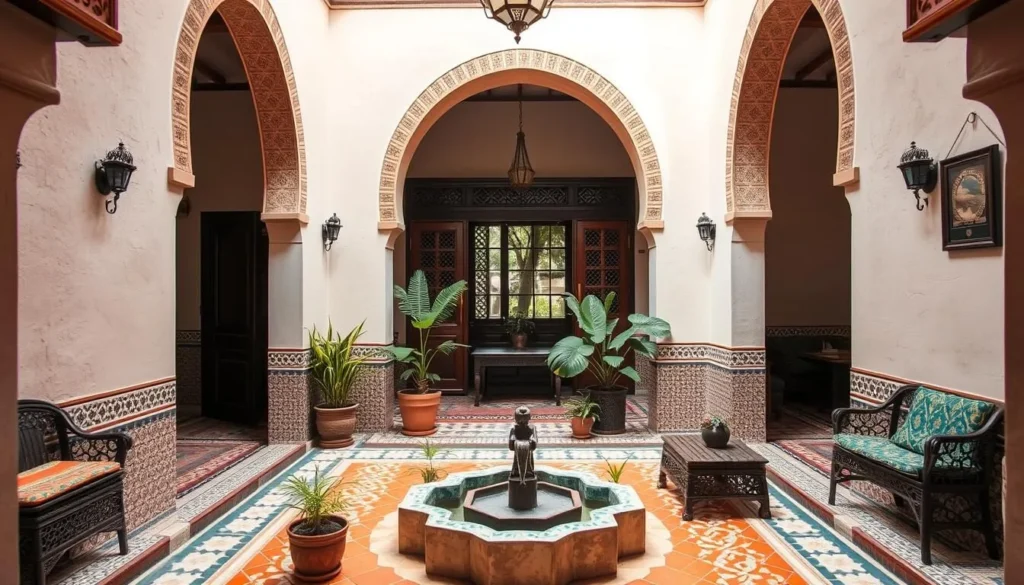
A traditional riad offers an authentic accommodation experience in Ksar El Kebir
Dining & Local Cuisine
Ksar El Kebir offers a taste of authentic Moroccan cuisine away from tourist-oriented restaurants. Here, you’ll find genuine flavors that have been perfected over generations.
Local Specialties
- Tagine: The quintessential Moroccan dish, slow-cooked in a conical earthenware pot. Local variations often feature lamb with seasonal vegetables.
- Couscous: Traditionally served on Fridays, Ksar El Kebir’s version typically includes seven vegetables and tender meat.
- Rfissa: A regional specialty of chicken, lentils, and fenugreek served on shredded msemen (Moroccan flatbread).
- Bissara: A hearty fava bean soup topped with olive oil and cumin, popular for breakfast.
Where to Eat
- Local Cafés: Perfect for breakfast or a mint tea break, these casual spots offer pastries and simple Moroccan dishes.
- Family Restaurants: Small, family-run establishments serving home-style Moroccan cuisine at reasonable prices.
- Street Food: Try local street vendors for authentic snacks like msemen, harcha (semolina bread), and fresh seasonal fruits.
- Weekly Market: Visit on market day to sample a variety of local foods from temporary food stalls.
Dining Tip: Most authentic local restaurants don’t serve alcohol. For alcoholic beverages, you’ll need to visit larger hotels or tourist-oriented establishments in bigger cities.
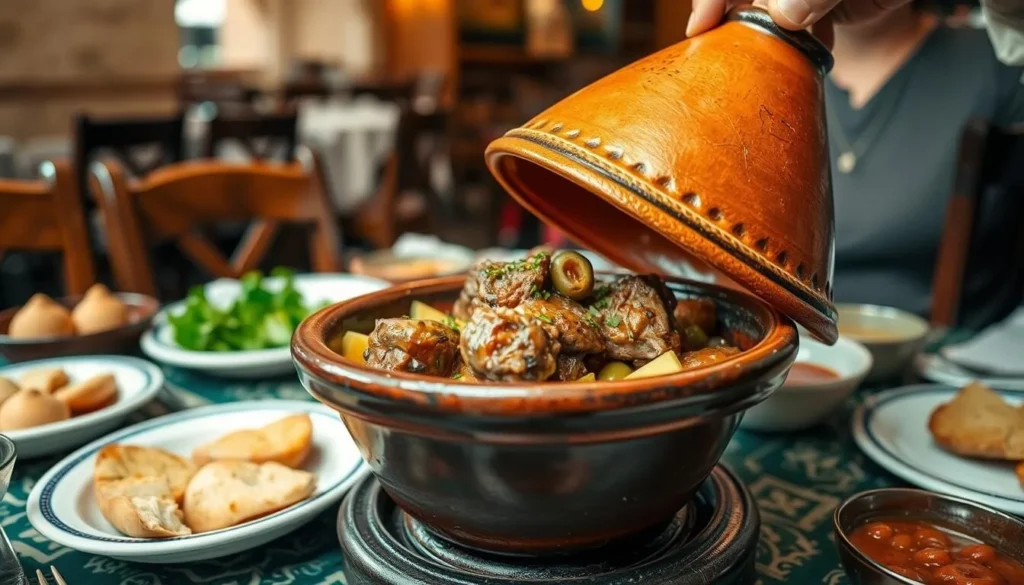
A traditional lamb tagine, one of the must-try dishes in Ksar El Kebir
Attractions, Sightseeing & Activities
While Ksar El Kebir may not have the extensive tourist infrastructure of Marrakech or Fez, it offers authentic experiences and historical sites that provide insight into Morocco’s rich past.
Historical Sites
- Battle of the Three Kings Site: Visit the historic battlefield where the famous 1578 battle took place, changing the course of Moroccan and Portuguese history.
- Old Medina: Explore the ancient walled city center with its narrow alleys, traditional architecture, and local shops.
- Historic Mosques: Admire the exterior architecture of several historic mosques that dot the town (note that non-Muslims cannot enter most mosques in Morocco).
Cultural Experiences
- Weekly Souk: Immerse yourself in local life at the bustling weekly market where farmers and artisans sell their goods.
- Traditional Hammam: Experience a traditional Moroccan bath house for an authentic cultural ritual.
- Artisan Workshops: Visit local craftspeople creating traditional Moroccan goods, from textiles to woodwork.
Nearby Excursions
- Loukkos River: Take a guided boat trip along this historic river that flows through the region.
- Larache: Visit this coastal town with Spanish-influenced architecture and beautiful beaches (30 km away).
- Lixus: Explore ancient Roman ruins near Larache, including well-preserved mosaics and a theater.
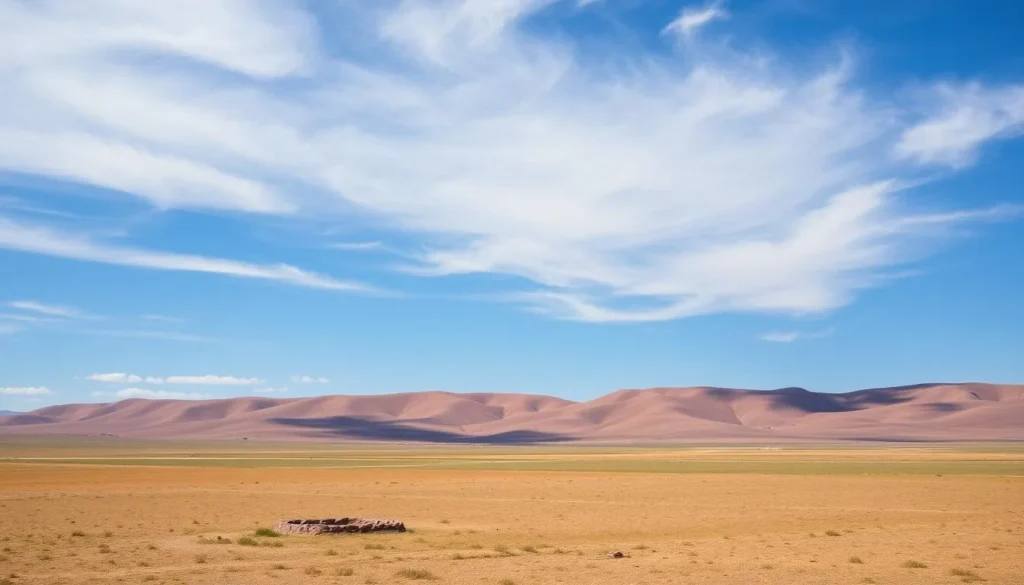
The historic battlefield where the famous Battle of the Three Kings took place in 1578
Museums, Cultural Spots & Festivals
Ksar El Kebir’s cultural scene offers visitors a glimpse into authentic Moroccan traditions and celebrations that have been preserved for generations.
Cultural Venues
- Local History Museum: A small but informative collection highlighting the town’s rich history, including artifacts from the Battle of the Three Kings.
- Cultural Center: Hosts occasional exhibitions, performances, and cultural events throughout the year.
- Traditional Bakeries: Visit community bread ovens where locals bring their dough to be baked in traditional wood-fired ovens.
Festivals & Events
- Moussem of Moulay Abdessalam: An annual religious festival and pilgrimage that attracts visitors from across Morocco.
- Eid Celebrations: Experience the festive atmosphere during Eid al-Fitr and Eid al-Adha, with special meals and community gatherings.
- Anniversary of the Battle of the Three Kings: Commemorative events held annually on August 4th to mark this significant historical event.
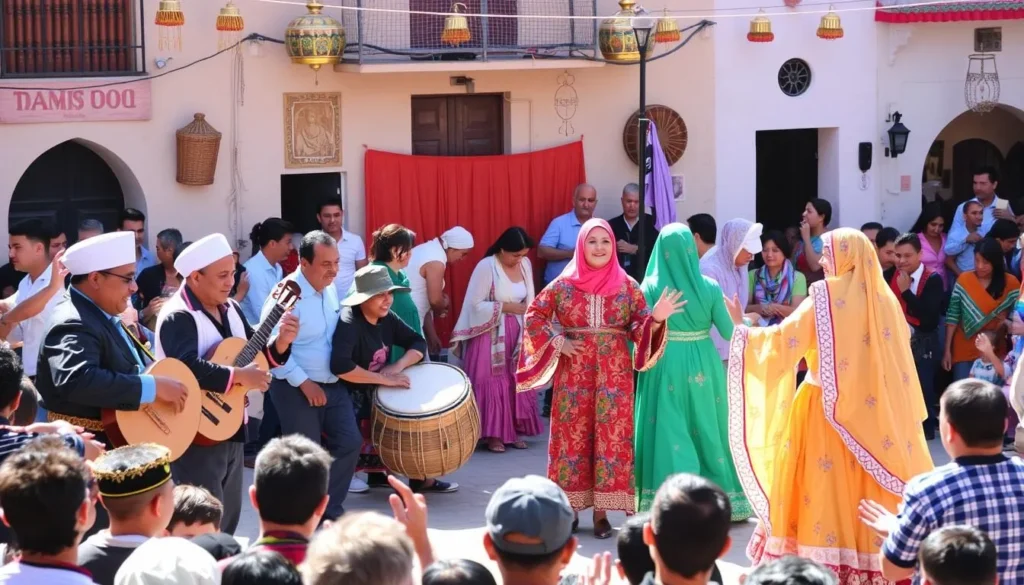
Traditional music and dance performances are common during local festivals in Ksar El Kebir
Sports, Nature & Outdoor Experiences
The natural surroundings of Ksar El Kebir provide opportunities for outdoor activities and nature experiences that showcase the region’s diverse landscapes.
Nature Experiences
- Loukkos River Valley: Explore the lush valley with its diverse bird species and picturesque agricultural landscapes.
- Olive Groves: Take guided walks through ancient olive groves that have sustained the region for centuries.
- Rural Farmlands: Experience traditional farming methods in the fertile lands surrounding the town.
Outdoor Activities
- Hiking: Several trails in the surrounding hills offer panoramic views of the town and countryside.
- Horseback Riding: Arrange rides through local stables to explore the countryside in traditional style.
- Fishing: Join locals for fishing excursions on the Loukkos River, known for its diverse fish species.
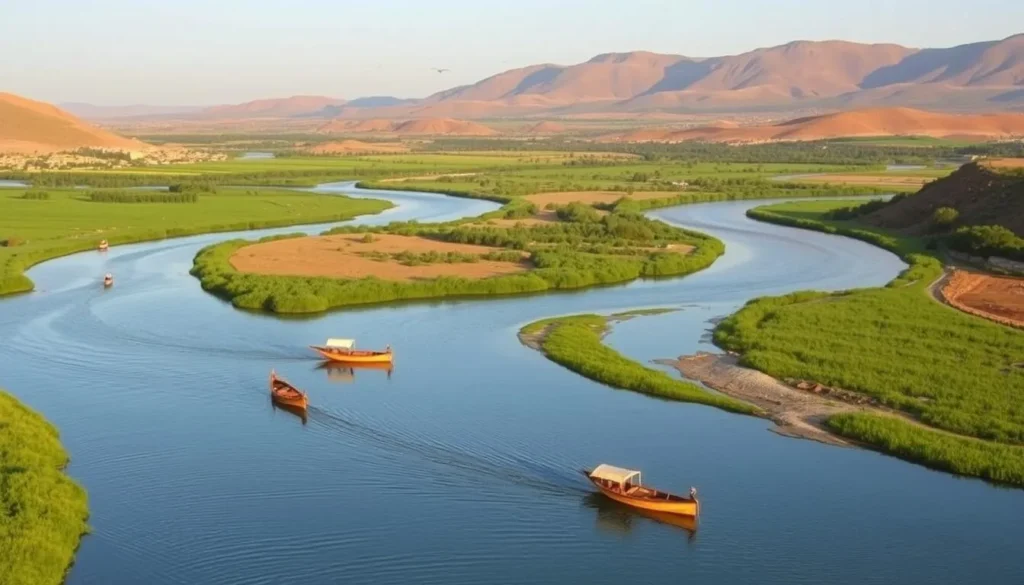
The scenic Loukkos River valley offers opportunities for boating and wildlife watching
Safety, Etiquette & Local Customs
Understanding local customs and etiquette will enhance your experience in Ksar El Kebir and help you interact respectfully with residents.
Cultural Etiquette
- Dress Modestly: Both men and women should wear clothing that covers shoulders and knees, especially when visiting religious sites.
- Greetings: Learn basic Arabic greetings like “As-salamu alaykum” (peace be upon you) and “Shukran” (thank you).
- Photography: Always ask permission before photographing people, especially in rural areas.
- Ramadan: If visiting during Ramadan, avoid eating, drinking, or smoking in public during daylight hours.
Safety Tips
- General Safety: Ksar El Kebir is generally safe, but take normal precautions with valuables and be aware of your surroundings.
- Water: Drink bottled water and avoid tap water to prevent stomach issues.
- Bargaining: Negotiating prices is expected in markets, but do so respectfully and with a smile.
- Local Assistance: If you need help, young people often speak some English or French and are usually willing to assist visitors.
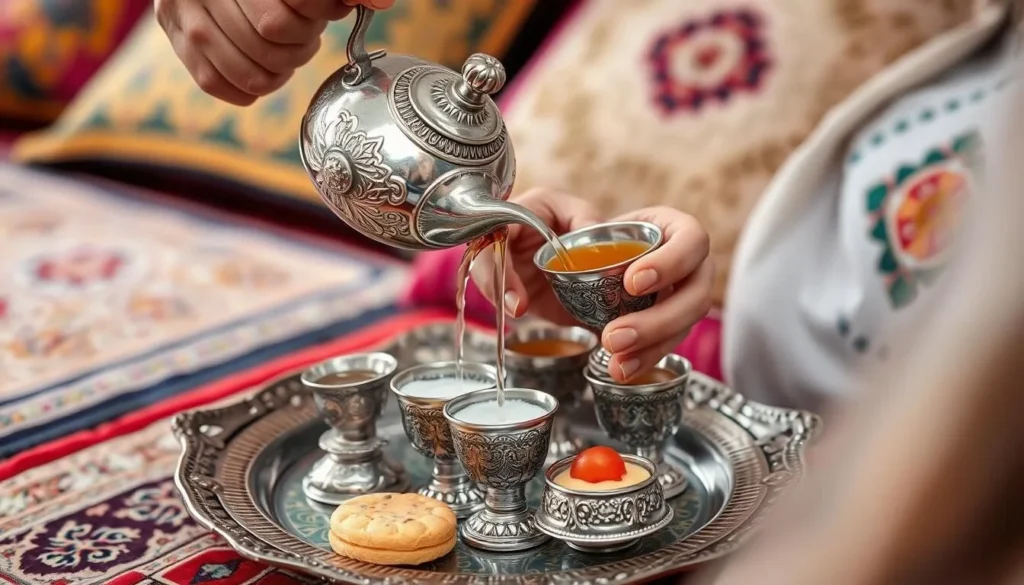
The traditional Moroccan tea ceremony is an important part of local hospitality
Practical Travel Tips
These essential tips will help you navigate the practical aspects of visiting Ksar El Kebir and ensure a smooth travel experience.
Money Matters
- Currency: Moroccan Dirham (MAD) is the local currency. ATMs are available in town.
- Cash: Carry cash for most transactions, as credit cards are not widely accepted in smaller establishments.
- Tipping: 10% is customary in restaurants; round up taxi fares; small tips for guides and service staff are appreciated.
Communication
- Languages: Arabic and Berber are the main languages, with French widely understood. English is less common but increasing.
- Internet: WiFi is available in most accommodations but may be limited in speed.
- SIM Cards: Local SIM cards are inexpensive and provide good coverage for calls and data.
Health & Essentials
- Medical: Bring basic medications as specific brands may not be available locally.
- Sun Protection: Hat, sunglasses, and high SPF sunscreen are essential, especially in summer.
- Power: Morocco uses type C and E plugs with 220V electricity. Bring adapters if needed.
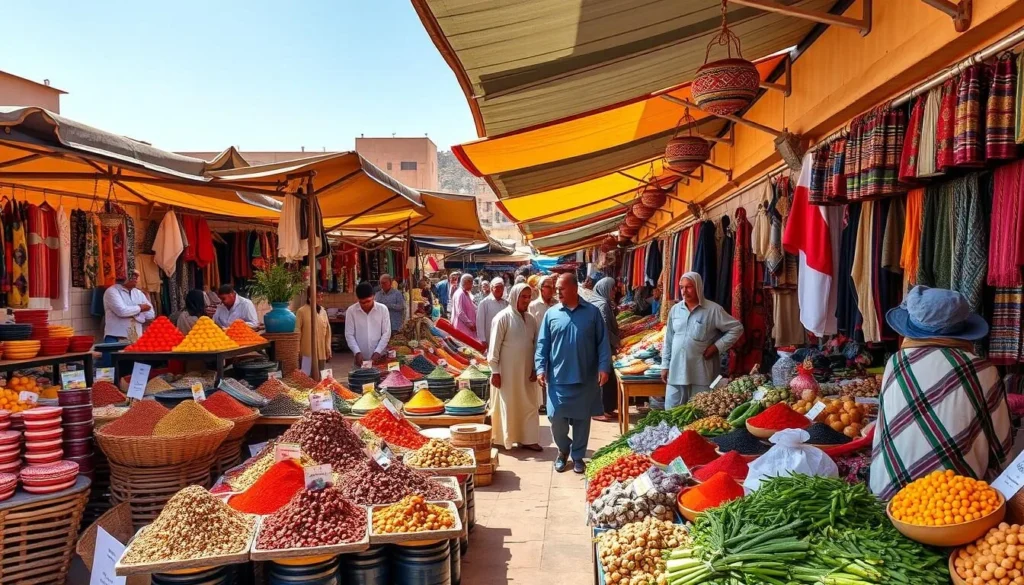
The vibrant weekly souk (market) offers a glimpse into local life and commerce
Experience the Authentic Morocco in Ksar El Kebir
Ksar El Kebir offers travelers a rare opportunity to experience Morocco beyond the typical tourist trail. With its rich history, authentic cultural experiences, and warm hospitality, this northern Moroccan town rewards those willing to venture off the beaten path. Whether you’re fascinated by the pivotal Battle of the Three Kings, eager to taste genuine Moroccan cuisine, or simply looking to connect with local culture in a more intimate setting, Ksar El Kebir provides a window into Morocco’s soul that you won’t find in glossy travel brochures.
As you plan your Moroccan adventure, consider dedicating at least a day or two to this hidden gem. The memories you create here—from sipping mint tea with locals to wandering ancient streets where history was made—will likely become the authentic experiences you cherish most from your journey through this fascinating North African kingdom.


0 Comments