
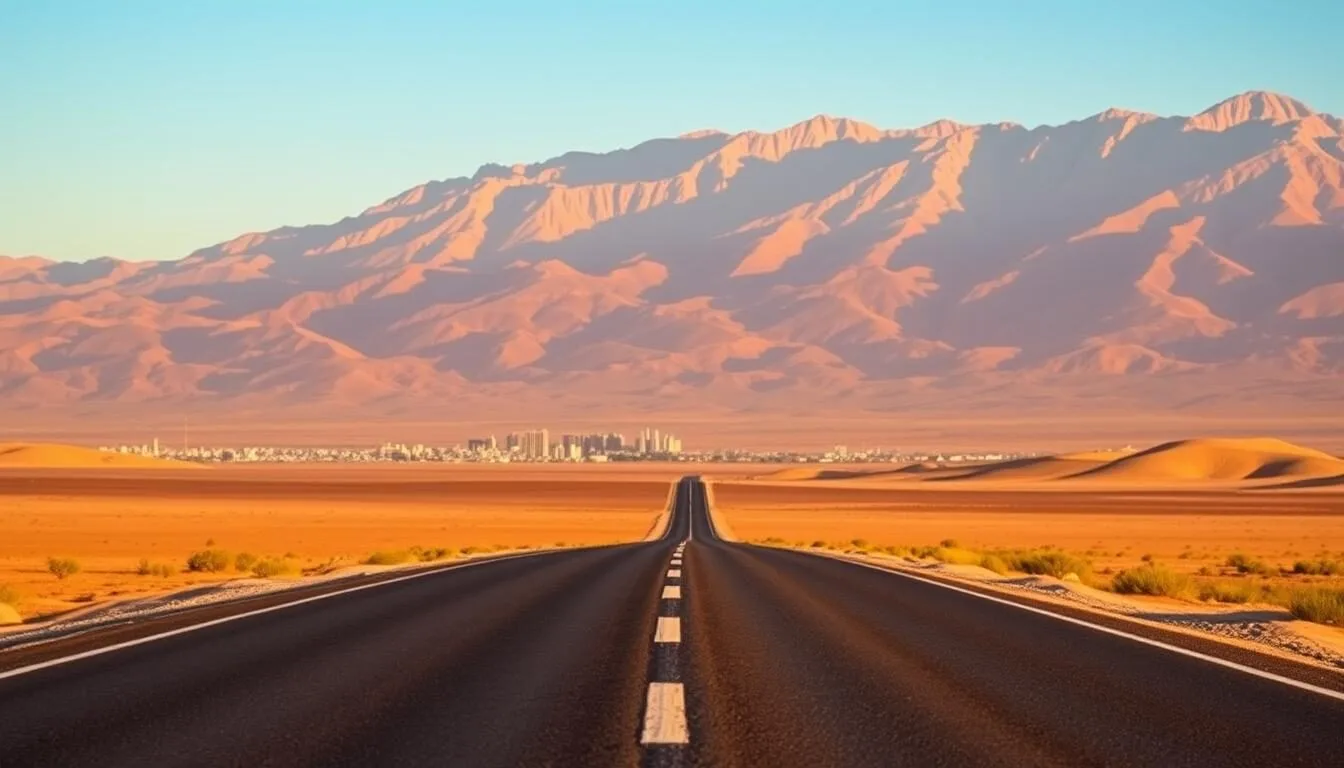
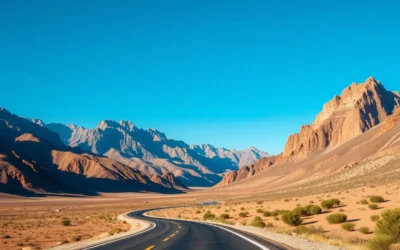
Did you know Smara is the only major city in Western Sahara that wasn’t built by colonial powers? Founded in 1898 as a religious center, this desert gem remains one of North Africa’s most intriguing yet overlooked destinations. Located in the disputed territory of Western Sahara under Moroccan administration, Smara offers visitors a fascinating glimpse into Sahrawi culture, desert landscapes, and a complex history that continues to shape the region today.
Getting There & Planning Your Journey
Reaching Smara requires some planning, as it’s located in a remote part of Western Sahara. The most common route is via Laayoune, the largest city in Western Sahara, which has regular flights from Casablanca and other Moroccan cities. From Laayoune, you can take a bus or shared taxi to Smara, a journey of about 2-3 hours across desert landscapes.
Several bus companies, including CTM, Supratours, and Satas, operate daily services between major Moroccan cities and Smara. Supratours offers a direct daily connection from Laayoune to Smara, making it one of the most convenient options for travelers. If you’re coming from Agadir, all three companies provide daily services to Smara as well.
Important: Smara is located in Western Sahara, a disputed territory. While the area is generally safe for tourists, it’s advisable to check current travel advisories before your trip. The region west of the Moroccan defensive wall (known as “the Berm”) contains landmines, so stick to established roads and populated areas.
Best Time to Visit Smara
Smara experiences a hot desert climate with significant temperature variations between seasons. Understanding the weather patterns will help you plan the most comfortable and enjoyable visit.
| Season | Months | Temperature | Recommendation |
| Winter | November-February | 23-34°C (73-93°F) day 14-21°C (57-70°F) night |
Best Time Pleasant temperatures for exploring |
| Spring | March-May | 28-38°C (82-100°F) day 18-25°C (64-77°F) night |
Good Option Warming up but still manageable |
| Summer | June-August | 35-50°C (95-122°F) day 25-32°C (77-90°F) night |
Avoid Extremely hot and uncomfortable |
| Fall | September-October | 30-40°C (86-104°F) day 20-28°C (68-82°F) night |
Good Option Cooling down from summer heat |
The ideal time to visit Smara is during the winter months (November to February) when daytime temperatures are warm but not extreme, and nights are cool and comfortable. This period offers the most pleasant conditions for exploring the city and surrounding desert areas.
Summer temperatures in Smara can reach a scorching 50°C (122°F), making outdoor activities extremely challenging and potentially dangerous. If you must visit during summer, plan activities for early morning or evening and ensure you stay well-hydrated.
Getting Around Locally
Smara is a relatively small city, making it easy to navigate on foot. Most attractions, restaurants, and shops are concentrated along the main thoroughfare, Boulevard Hassan II, and in the central area of the city. Walking is often the best way to experience the local atmosphere and interact with residents.
Local Transportation Options
- Small taxis (petit taxis) are available throughout the city and are an affordable way to get around
- Shared taxis (grand taxis) connect Smara with nearby villages and towns
- The local bus station offers mini-buses to destinations in the surrounding area
- Walking is practical for most in-town destinations
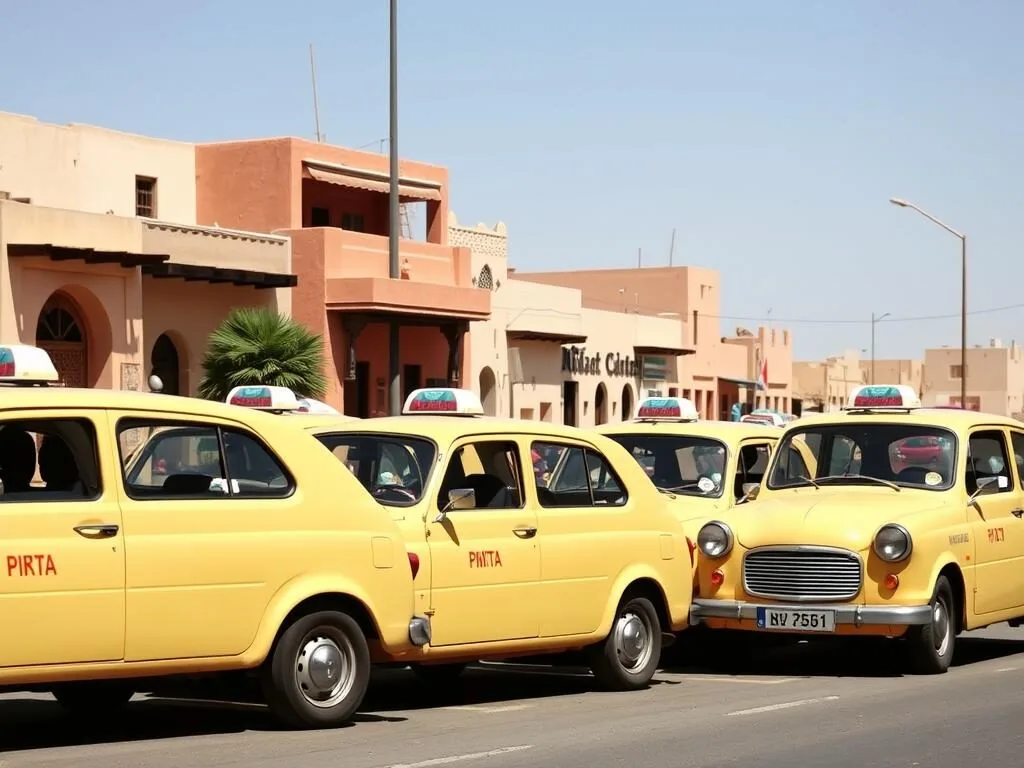
Local Tip: If you plan to explore areas outside the city, hiring a local guide is highly recommended. They can navigate the desert terrain safely and provide valuable cultural and historical context to your experience.
Where to Stay in Smara
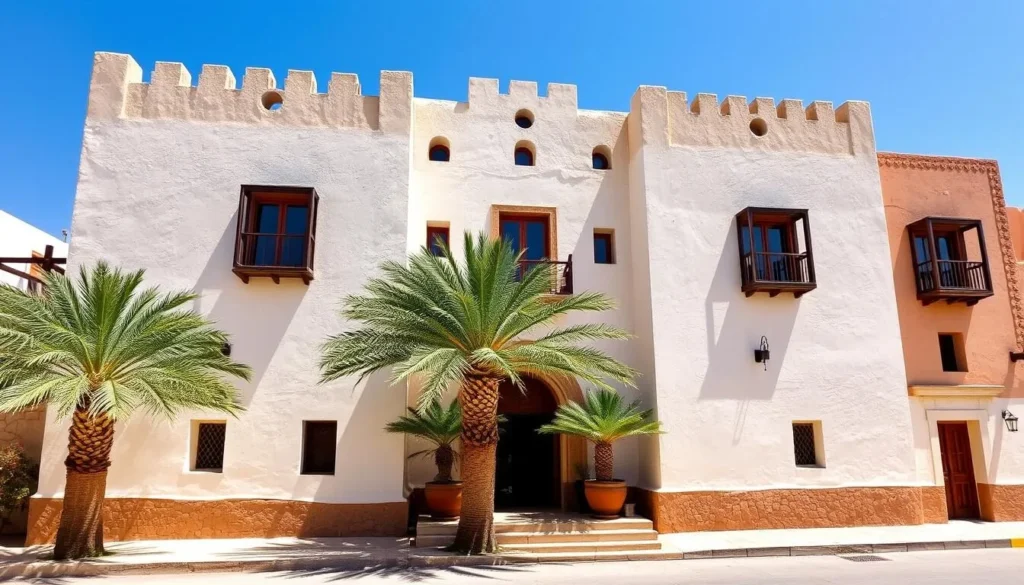
Accommodation options in Smara are limited but sufficient for the number of visitors the city receives. Most hotels are located along Boulevard Hassan II, the main street running through the city. While luxury options are scarce, you’ll find clean, comfortable places to stay at reasonable prices.
Budget Options
Simple guesthouses and basic hotels offer clean rooms with essential amenities. Prices typically range from $15-25 USD per night. These establishments provide an authentic local experience and are often family-run.
Mid-Range Hotels
Several mid-range hotels offer more comfortable accommodations with air conditioning, private bathrooms, and sometimes a restaurant on-site. Expect to pay $30-50 USD per night for these options.
Traditional Stays
For a more cultural experience, some accommodations offer traditional Sahrawi-style rooms with local décor and furnishings, providing insight into the regional lifestyle.
“When staying in Smara, ask hotel staff for recommendations on local eateries and hidden spots. Their insider knowledge can transform your experience from ordinary to extraordinary.”
Dining & Local Cuisine
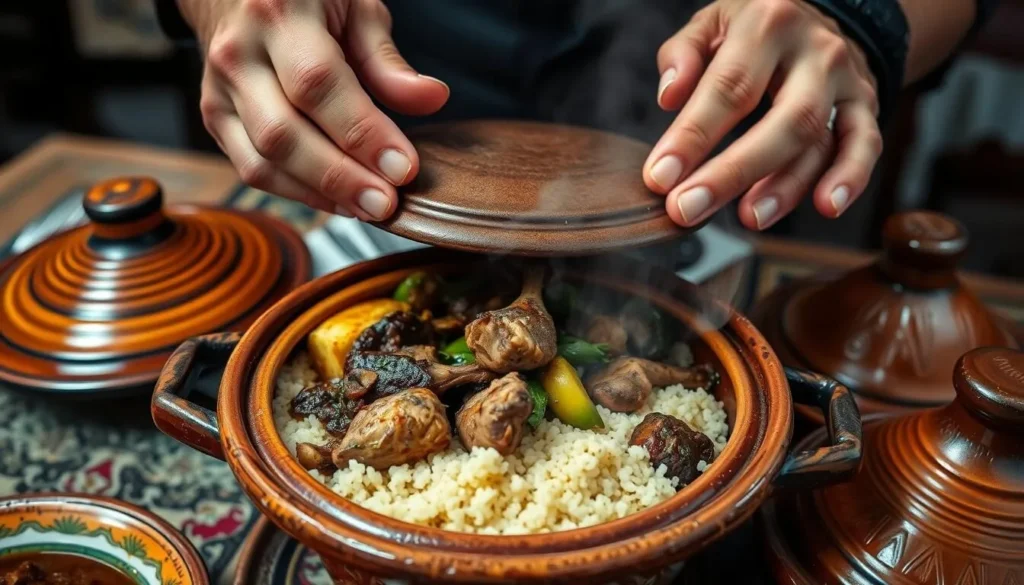
Smara’s culinary scene reflects its Sahrawi heritage with influences from Moroccan and Mauritanian cuisine. Most restaurants and cafés are concentrated along Boulevard Hassan II and in the market area across the street.
Local Specialties to Try
- Maro – A local rice and camel meat dish that’s a staple in the region
- Melhfa – Slow-cooked lamb with vegetables and spices
- Lahssa – Traditional bread often served with tea
- Camel meat – Prepared in various ways, from grilled to stewed
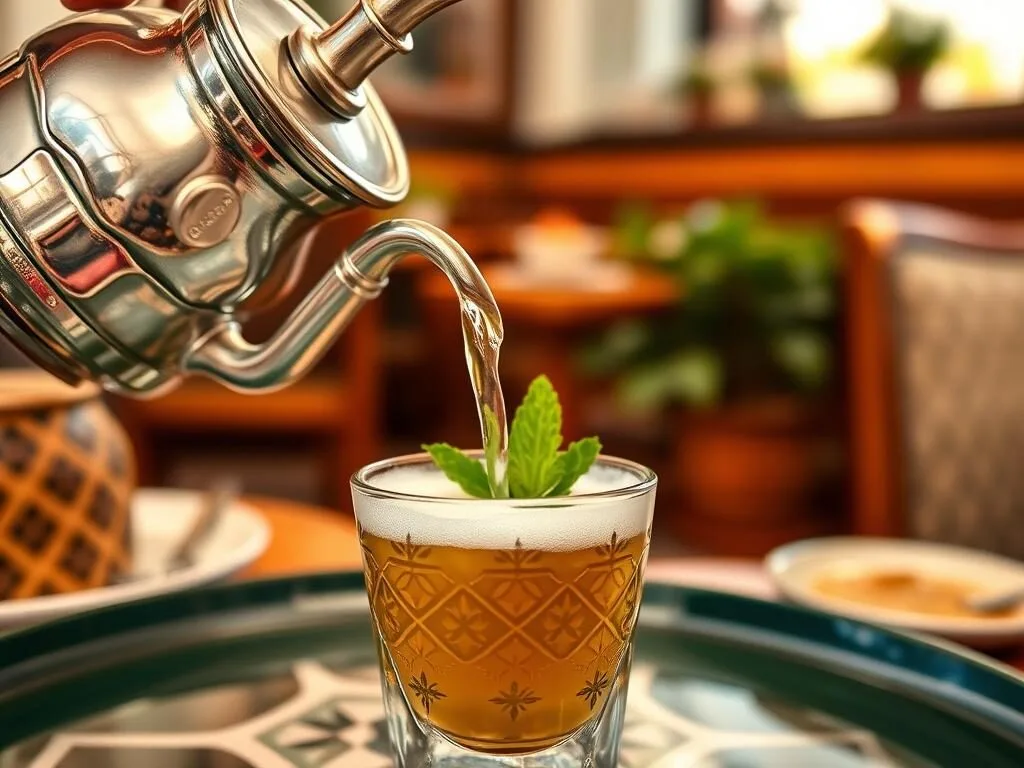
- Mint tea – The traditional Moroccan drink, served very sweet
Where to Eat
Cafés along Boulevard Hassan II serve simple fare like omelettes, sandwiches, and pizza. For more authentic local cuisine, head to the market area where several establishments offer barbecued meat (including camel and lamb) with fresh salads. Small grocery stores throughout the city sell bread, tinned sardines, and other basics for picnic-style meals.
Dining Tip: Water quality can be an issue in Smara. Stick to bottled water or boiled water made into tea. Many travelers prefer to avoid tap water entirely, even for brushing teeth.
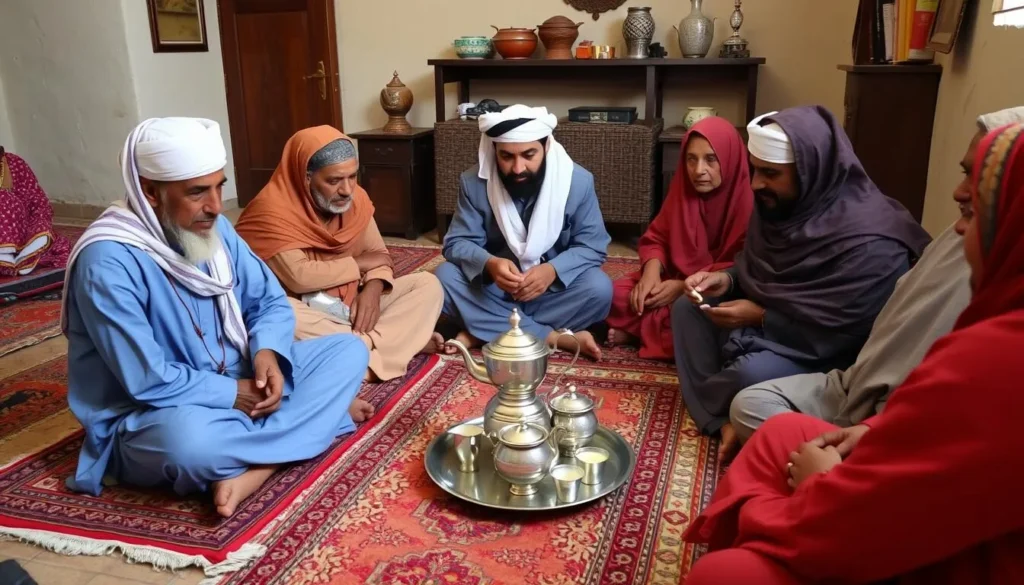
“The ritual of Moroccan tea service is an experience in itself. Take time to sit with locals and share this tradition—it’s often where the most memorable conversations happen.”
Attractions & Sightseeing
Historical Sites
Despite its remote location, Smara houses several significant historical sites that tell the story of the region’s complex past:
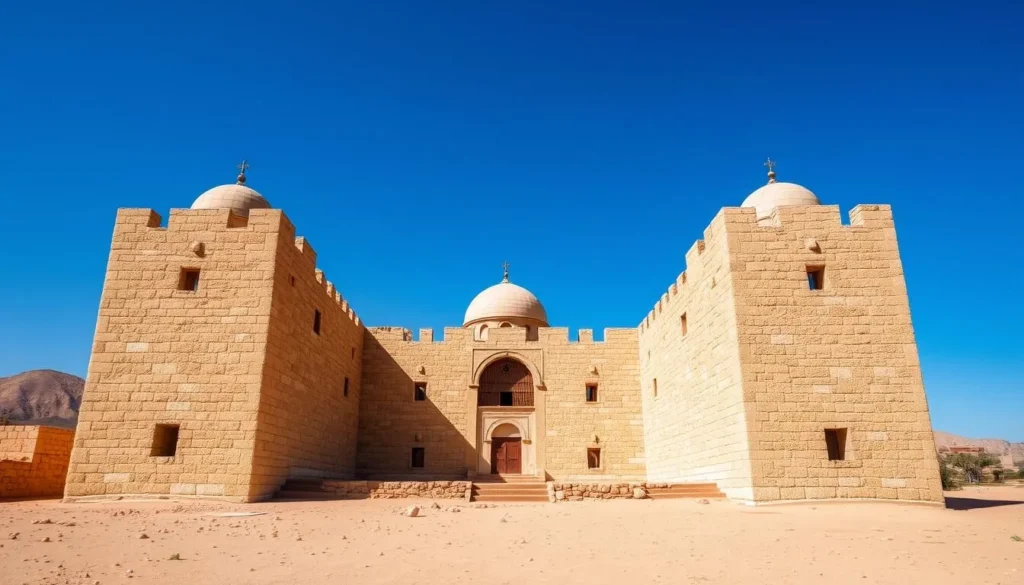
- Mosquée Cheikh Maelainin (Zawiy Maalainin) – The remains of a stone fortress enclosing a mosque in the center of the city. This historical site represents what survived after Sahrawi rebellions against Spanish and French colonial rule.
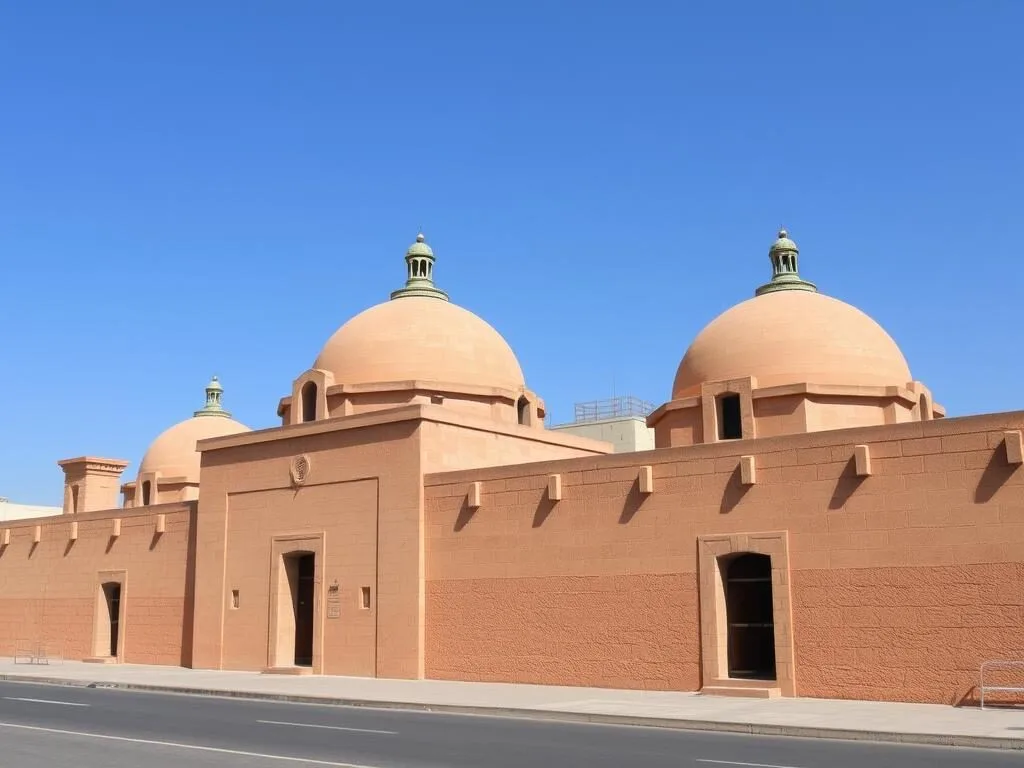
- Spanish Military Barracks – Domed structures at the western end of Boulevard Hassan II that date back to when Smara was a Spanish garrison town.
- Zaouyya of Cheikh Malainine – Once a school where the Quran and Arabic were taught, now a popular spot for family picnics and cultural gatherings.
Cultural Experiences
Immerse yourself in the local culture with these authentic experiences:
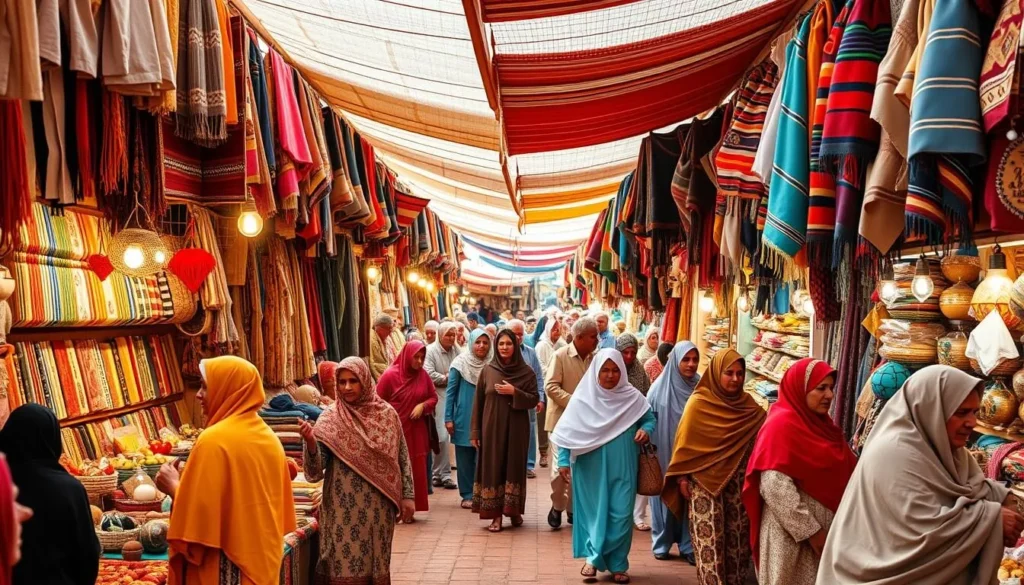
- Visit the local market (souk) to observe daily life and shop for traditional crafts
- Experience a traditional henna application with local designs unique to the Sahrawi culture
- Participate in a tea ceremony, an important social ritual in the region
- Observe local artisans creating traditional crafts and textiles
Desert Adventures & Outdoor Experiences
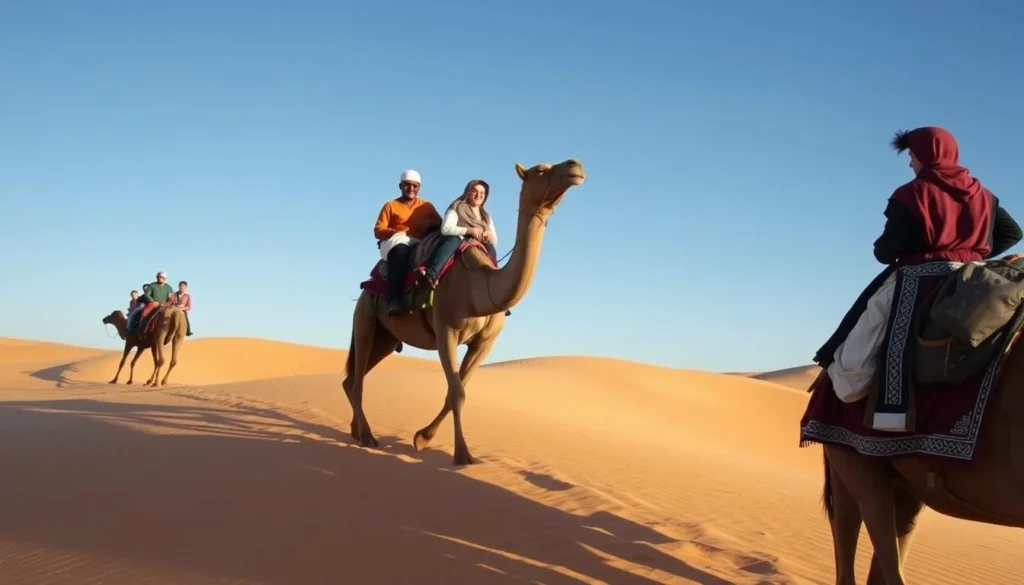
The surrounding desert landscape offers numerous opportunities for adventure and exploration:
Camel Trekking
Experience the traditional mode of desert transportation with a guided camel trek through the surrounding landscapes. These can range from short rides to multi-day expeditions with overnight camping.
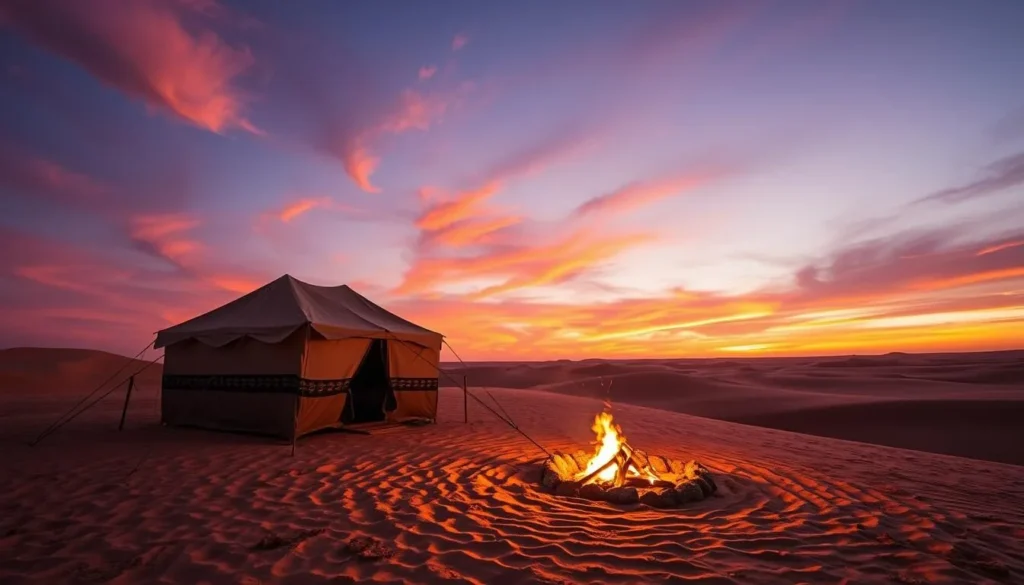
Desert Camping
Spend a night under the stars in the Sahara. Local guides can arrange authentic camping experiences complete with traditional meals and music around the campfire.
Photography Tours
The unique desert landscapes, traditional architecture, and cultural elements make Smara a photographer’s paradise. Consider joining a specialized photography tour to capture the best angles.
Safety Note: When exploring areas outside Smara, always go with experienced local guides. The region near the Berm (Moroccan defensive wall) contains landmines, and unmarked desert routes can be dangerous without proper navigation skills.
Safety, Etiquette & Local Customs
Cultural Considerations
- Dress modestly out of respect for local customs. Women should cover shoulders and knees, and men should avoid shorts in public areas.
- Ask permission before photographing local people, especially women.
- Remove shoes when entering homes or religious buildings.
- Use your right hand for eating and passing objects, as the left hand is considered unclean.
- During Ramadan, avoid eating, drinking, or smoking in public during daylight hours.
Safety Tips
- Carry a copy of your passport and keep the original in a secure location.
- Stay hydrated, especially during summer months when temperatures soar.
- Consult with local authorities or your hotel before traveling outside the city.
- Avoid discussing sensitive political topics related to Western Sahara’s status.
- Be aware of your surroundings, especially at night, though crime rates are generally low.
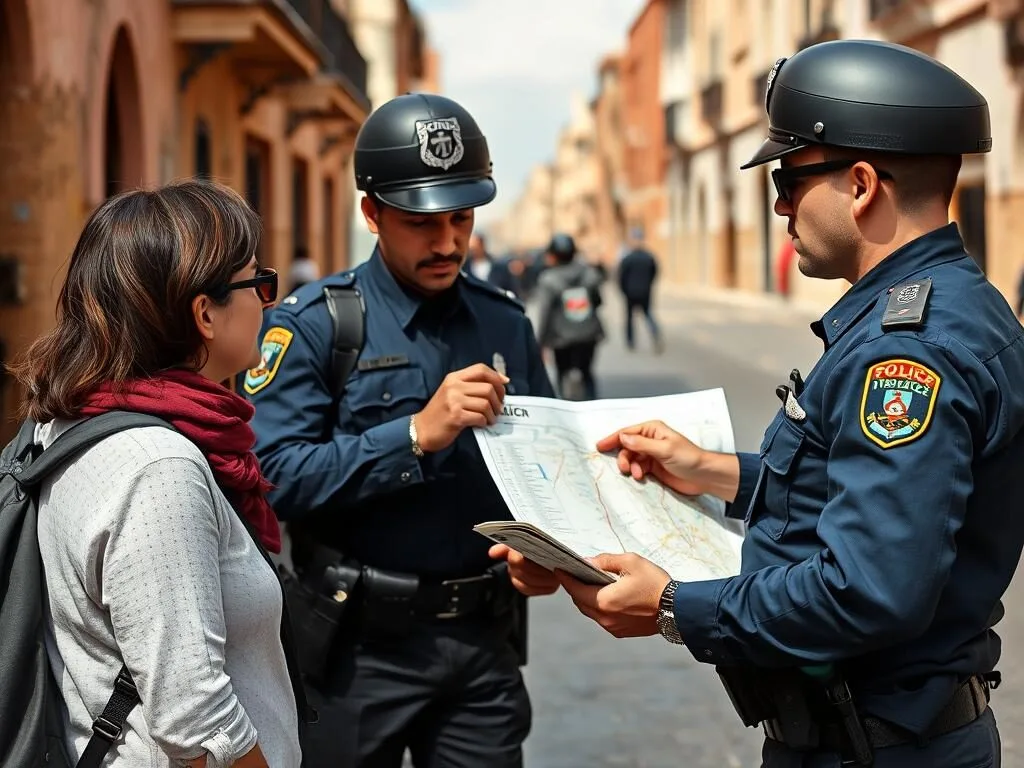
Important: Before traveling to areas outside Smara, always consult with local police or military personnel about road conditions and safety. If they advise against taking a particular route, heed their advice without question.
Practical Travel Tips
What languages are spoken in Smara?
Arabic is the primary language, with Hassaniya Arabic being the local dialect. Many people also speak some French. English is less common but can be found among younger people and those working in tourism.
What currency should I bring?
The Moroccan Dirham (MAD) is the official currency. ATMs are limited in Smara, so it’s advisable to bring cash from larger cities like Laayoune. Credit cards are rarely accepted outside major hotels.
Is there internet access in Smara?
Internet access is available but can be slow and unreliable. Some hotels offer Wi-Fi, and there are a few internet cafés in the city. Consider purchasing a local SIM card with data in a larger city before arriving in Smara.
What should I pack for a trip to Smara?
Essential items include lightweight, modest clothing; a hat and sunglasses; high SPF sunscreen; a reusable water bottle; basic medications; a flashlight; and a scarf or shemagh (can be used for sun protection, dust storms, or as a pillow).
Shopping Tips
When shopping in Smara, look for authentic local products like:
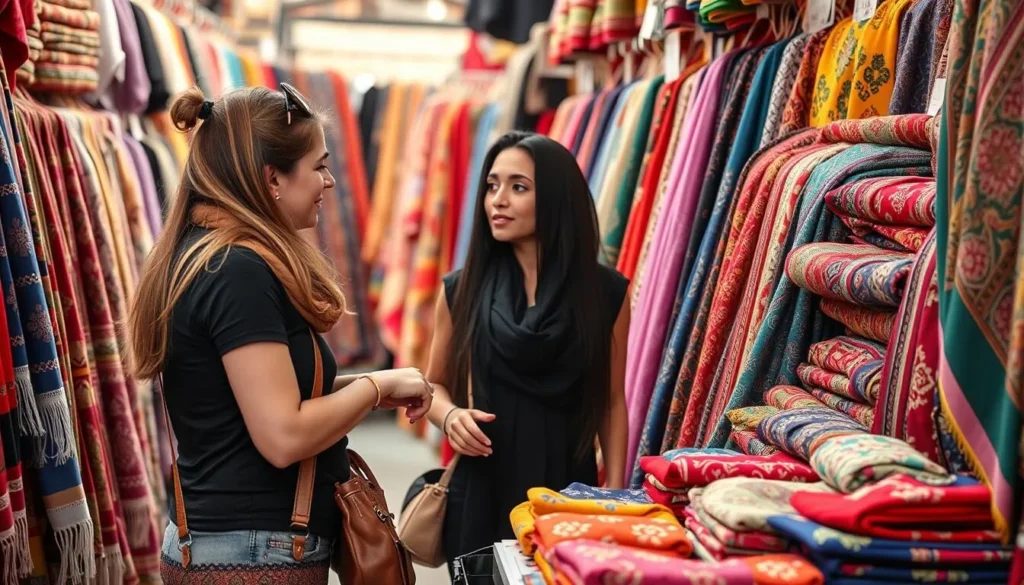
- Melhfa/melhef – Traditional women’s veils in vibrant colors that also serve as excellent sun protection
- Handcrafted leather goods
- Traditional Sahrawi jewelry
- Local spices and tea blends
Bargaining is expected in markets, but approach it as a friendly conversation rather than an aggressive negotiation. Start by offering about 60% of the asking price and work toward a mutually acceptable figure.
Experience the Magic of Smara
Smara offers intrepid travelers a genuine glimpse into a region where ancient traditions meet complex modern realities. From its fascinating historical sites to the warm hospitality of its people, this desert city rewards those willing to venture off the beaten path. Whether you’re sipping mint tea with locals, exploring centuries-old ruins, or venturing into the surrounding desert landscapes, Smara provides authentic experiences that have become increasingly rare in our globalized world.
While it may not feature on most standard Moroccan itineraries, those who make the journey to Smara return with stories and perspectives that few other travelers can claim. As tourism in the region gradually develops, now is the perfect time to discover this hidden gem before the rest of the world catches on.


0 Comments