Hotels by Trip.com
Flights by Trip.com
Did you know that Souk El Arbaa (also known as Souk El Arbaa du Gharb) is currently undergoing a fascinating identity transformation? This evolving Moroccan city of over 75,000 residents is pushing to shed its traditional market town name (“souk” means market) to reflect its growth into a full-fledged urban center. While the weekly Wednesday market that gave the city its name remains a vibrant attraction, today’s Souk El Arbaa offers travelers a genuine glimpse into everyday Moroccan life away from the well-trodden tourist paths.
Getting There & Planning Your Journey
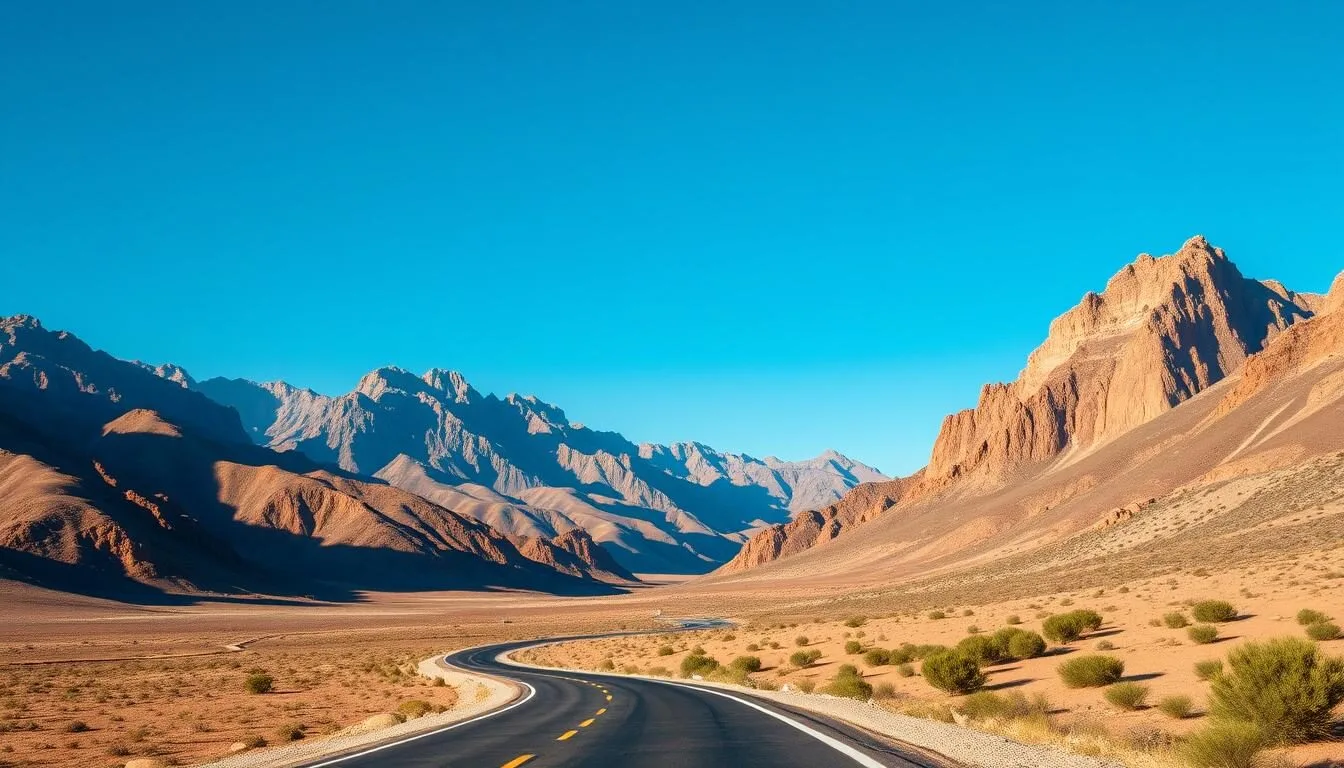
The scenic route to Souk El Arbaa showcases Morocco’s diverse landscape
Souk El Arbaa is located in the Rabat-Salé-Kénitra region of Morocco, approximately 120 km northeast of Rabat. The city sits strategically between several major Moroccan destinations, making it an excellent base for exploring the northern region.
By Air
The closest airports to Souk El Arbaa are:
- Rabat-Salé Airport (RBA) – 98 km away
- Tangier Ibn Battuta Airport (TNG) – 115 km away
- Sania Ramel Airport in Tétouan (TTU) – 119 km away
By Car
Renting a car gives you the freedom to explore Souk El Arbaa and its surrounding areas at your own pace. The city is well-connected by highways:
- From Rabat: Take the A1 highway north for approximately 1.5 hours
- From Tangier: Drive south on the N1 for about 2 hours
- From Fes: Take the N4 west for around 2.5 hours
By Public Transport
Morocco has an extensive network of buses and shared taxis (grand taxis) that connect major cities and towns. CTM and Supratours are the main bus companies offering reliable services to Souk El Arbaa from cities like Rabat, Tangier, and Fes.
Best Time to Visit Souk El Arbaa

Spring brings lush landscapes and comfortable temperatures to Souk El Arbaa
Souk El Arbaa experiences a Mediterranean climate with hot, dry summers and mild, wet winters. The best times to visit are during the spring (March to May) and fall (September to November) when temperatures are pleasant and rainfall is moderate.
Recommended Months
- March to May: Spring brings temperatures of 18-25°C (64-77°F) with blooming landscapes and fewer tourists.
- September to November: Fall offers comfortable temperatures of 20-28°C (68-82°F) and clear skies, perfect for exploring.
- Wednesdays year-round: Visit on Wednesday to experience the traditional weekly market that gave the city its name.
Months to Avoid
- July and August: Summer temperatures can soar to 35-40°C (95-104°F), making outdoor exploration uncomfortable.
- December to February: Winter brings temperatures of 8-15°C (46-59°F) with frequent rainfall that can disrupt travel plans.
- Ramadan: While visiting during Ramadan offers cultural insights, be aware that many businesses operate on reduced hours.
Getting Around Locally
Check 30,000+ Local Sightseeing Tours Worldwide
✓ Numerous languages and currencies are available
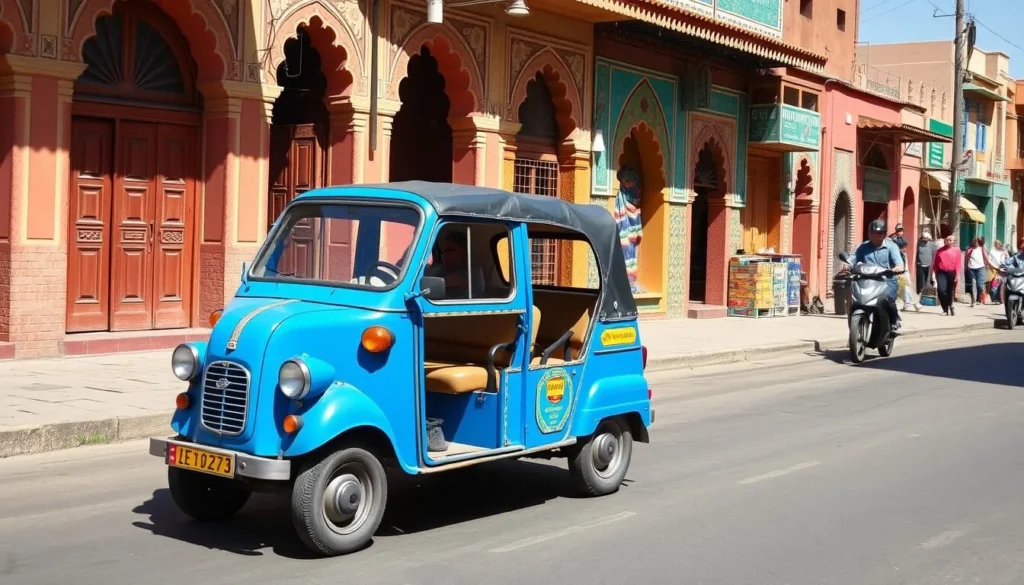
Petit taxis are a common way to get around Souk El Arbaa
Souk El Arbaa is a relatively compact city, making it easy to explore many areas on foot. However, there are several transportation options for getting around:
Petit Taxis
These small taxis operate within city limits and are an affordable way to get around. Ensure the driver uses the meter or negotiate the fare before starting your journey. Expect to pay 15-30 dirhams for most trips within the city.
Grand Taxis
For trips to nearby towns and attractions, shared grand taxis are the most common option. These larger Mercedes vehicles typically leave when full (six passengers) and operate on fixed routes. They’re an economical choice for day trips to places like Chefchaouen or Moulay Idriss.
Walking
The central areas of Souk El Arbaa are best explored on foot. This allows you to soak in the atmosphere, discover hidden corners, and interact with locals. Wear comfortable shoes as streets can be uneven in older parts of town.
Explore Souk El Arbaa’s location in northern Morocco
Where to Stay in Souk El Arbaa
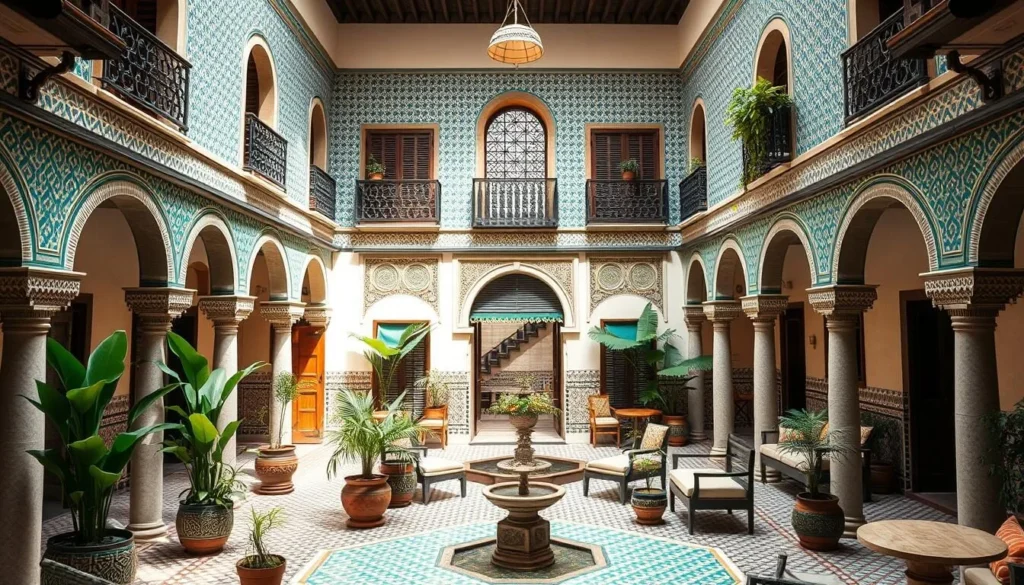
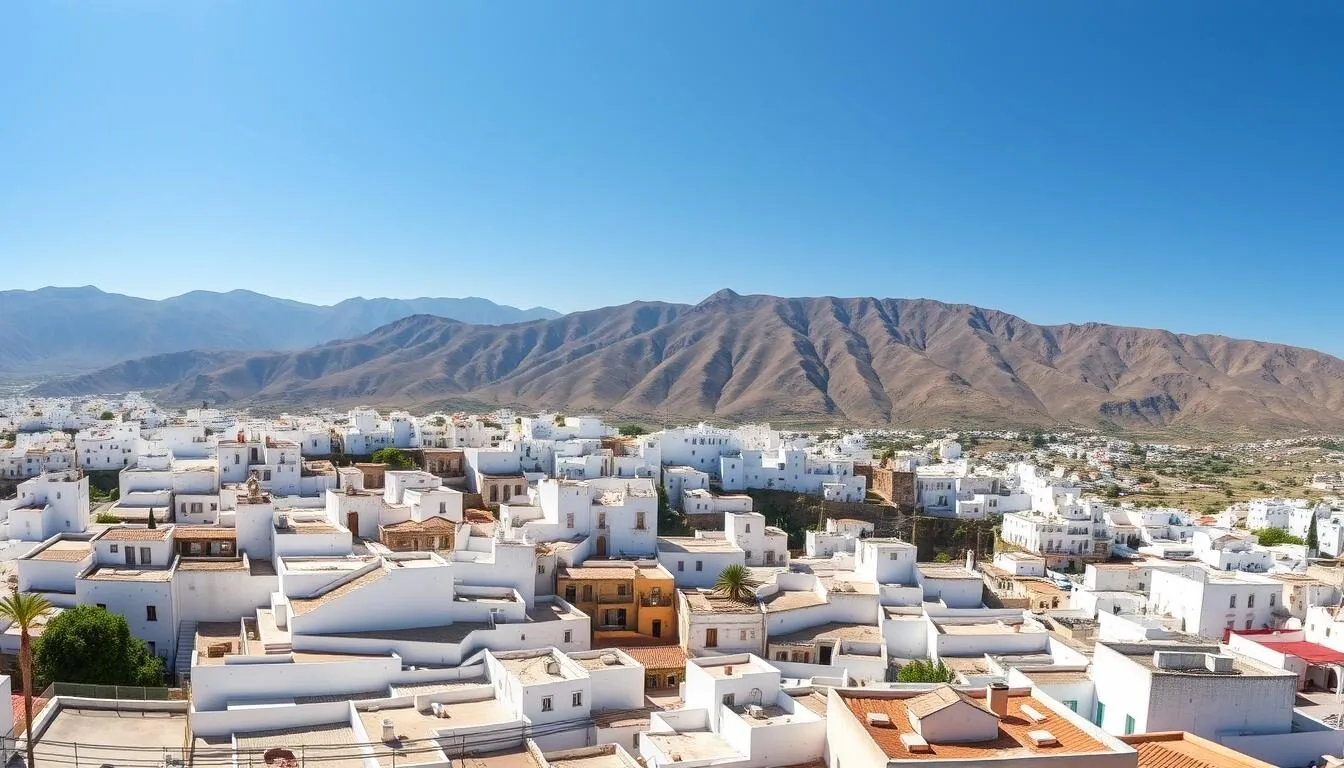
Traditional riads offer authentic Moroccan accommodation experiences
While Souk El Arbaa isn’t a major tourist hub, it offers several accommodation options ranging from basic guesthouses to mid-range hotels. Many travelers also choose to stay in nearby cities with more developed tourism infrastructure and make day trips to Souk El Arbaa.
Local Options
In Souk El Arbaa itself, you’ll find simple hotels and guesthouses catering primarily to Moroccan travelers and business visitors. These offer basic amenities at affordable prices, typically ranging from 150-400 dirhams per night.
Nearby Alternatives
Many visitors choose to base themselves in nearby cities with more tourism infrastructure:
- Chefchaouen (97 km): The famous “Blue City” offers numerous riads, guesthouses, and hotels in all price ranges.
- Ksar El Kebir (36 km): This nearby city has several mid-range hotels with modern amenities.
- Ouezzane (58 km): Known for its spiritual significance, this town offers authentic accommodation options.
Dining & Local Cuisine
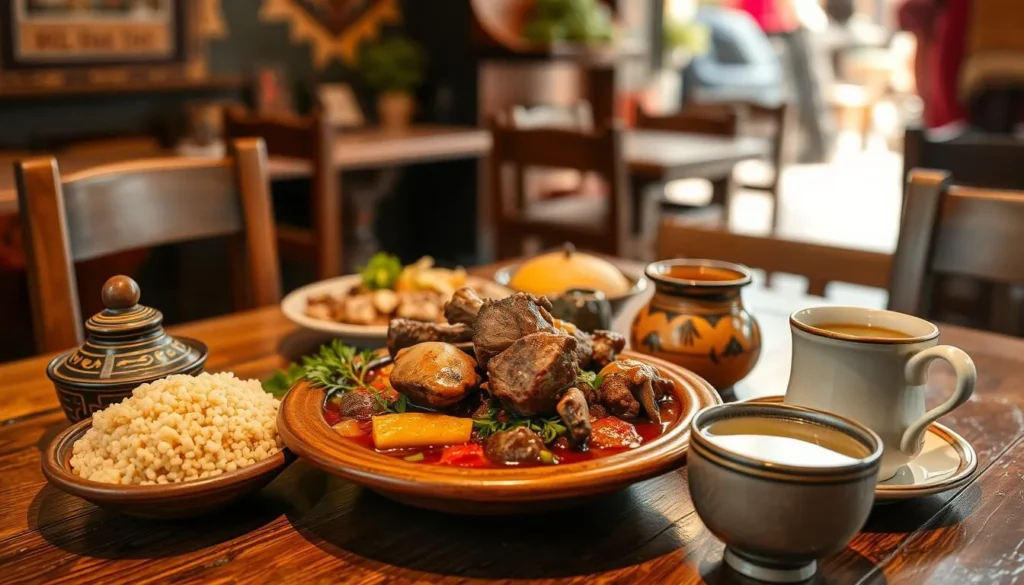
Tagine, a slow-cooked stew, is a staple of Moroccan cuisine
Souk El Arbaa offers authentic Moroccan culinary experiences without the tourist markup found in major cities. The food scene is centered around local eateries serving traditional dishes that reflect the region’s agricultural abundance.
Must-Try Local Dishes
- Tagine: Slow-cooked stews named after the conical clay pot they’re prepared in. Try the lamb with prunes or chicken with preserved lemon versions.
- Couscous: Traditionally served on Fridays, this steamed semolina dish is topped with vegetables and meat.
- Harira: A hearty soup of tomatoes, lentils, chickpeas, and herbs, often enjoyed as a starter.
- Mint Tea: The national drink of Morocco, sweet mint tea is served throughout the day as a sign of hospitality.
Where to Eat
Look for small, family-run restaurants where locals eat. These often don’t have menus but serve daily specials based on what’s fresh. The Wednesday market also offers excellent street food options, including grilled meats, fresh bread, and seasonal fruits.
Local Tip: For the most authentic experience, visit the Wednesday market early in the morning when vendors set up their food stalls. Try the fresh msemen (Moroccan pancakes) with honey for breakfast.
Attractions & Activities
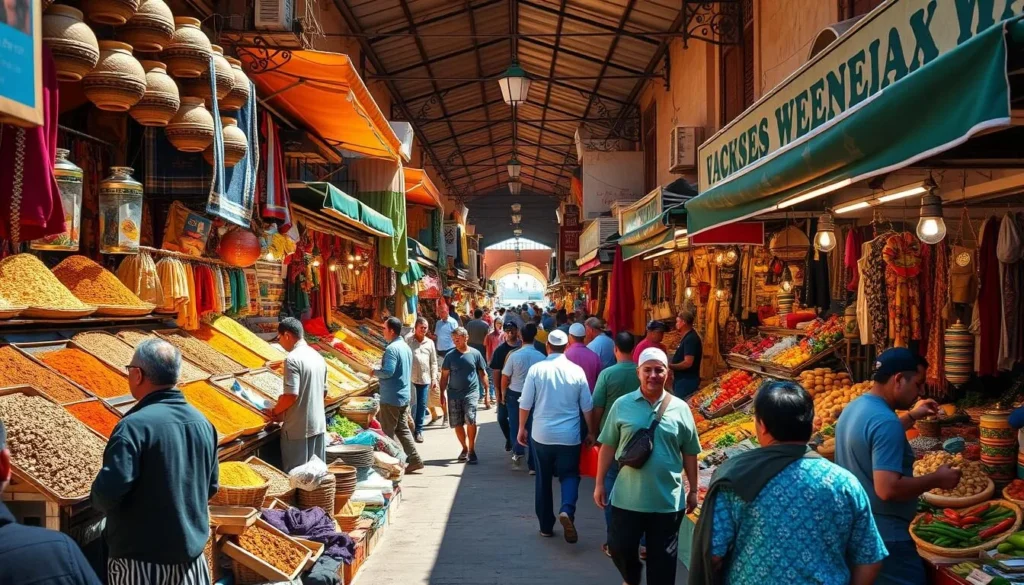
The vibrant Wednesday market that gave Souk El Arbaa its name
The Wednesday Market
The highlight of Souk El Arbaa is its namesake Wednesday market (souk el arbaa literally means “Wednesday market”). This vibrant gathering brings together farmers, artisans, and traders from surrounding areas to sell everything from fresh produce and livestock to handcrafted goods and household items.
Historical Sites
While Souk El Arbaa doesn’t have the famous historical monuments of cities like Fes or Marrakech, it offers glimpses into Morocco’s colonial past and traditional architecture. Wander through the old town center to see buildings that blend French colonial and traditional Moroccan styles.
Day Trips from Souk El Arbaa
The city’s strategic location makes it an excellent base for exploring several of Morocco’s most impressive sites:
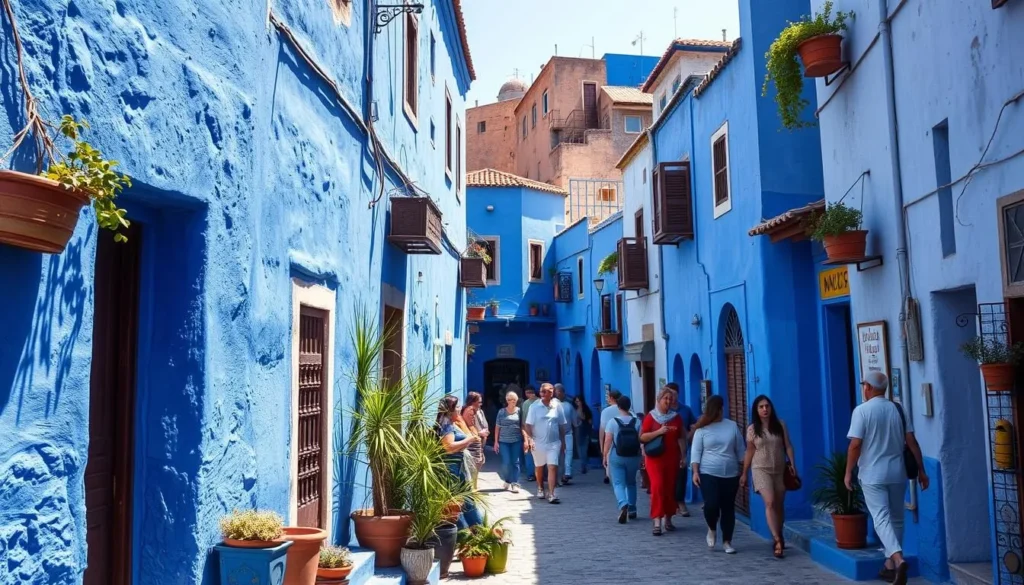
Chefchaouen (97 km)
The famous “Blue City” nestled in the Rif Mountains is known for its striking blue-washed buildings and relaxed atmosphere.

Volubilis (80 km)
These well-preserved Roman ruins feature impressive mosaics and columns dating back to the 3rd century BCE.

Moulay Idriss Zerhoun (85 km)
This sacred town, built on a hillside, houses the tomb of Moulay Idriss, a descendant of the Prophet Muhammad and founder of Morocco’s first dynasty.
Cultural Spots & Festivals
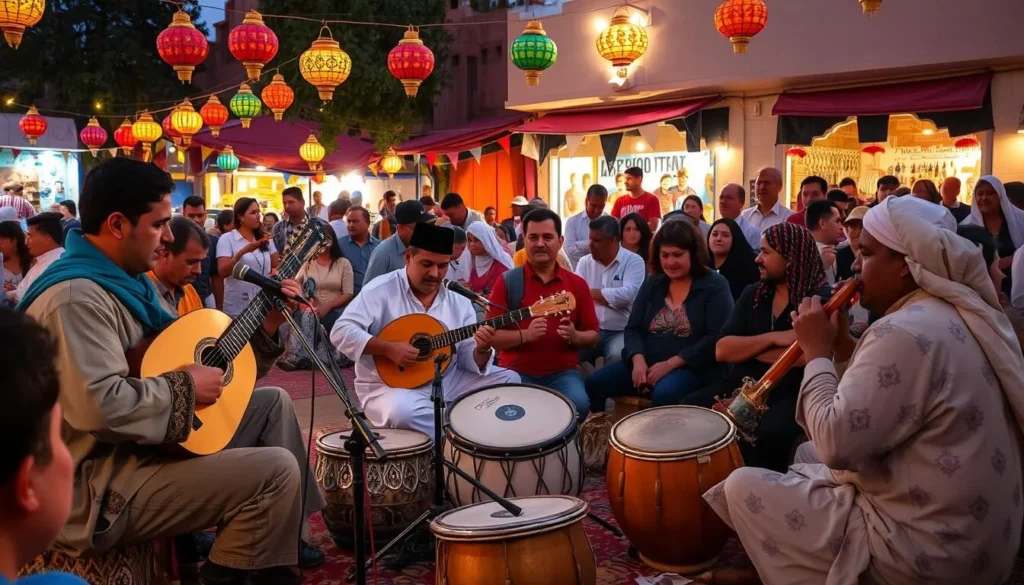
Traditional music performances are a highlight of local festivals
Local Celebrations
Souk El Arbaa celebrates several festivals throughout the year that provide insight into local traditions:
- Moussem: Annual religious festivals honoring local saints, featuring music, dance, and feasting.
- Eid al-Fitr and Eid al-Adha: These important Islamic holidays are celebrated with special prayers, family gatherings, and festive meals.
- Harvest Festivals: The agricultural region celebrates seasonal harvests with local produce markets and community events.
Artisanal Workshops
Visit local artisans who continue traditional crafts passed down through generations. You might find workshops specializing in:
- Pottery and ceramics
- Textile weaving
- Leatherwork
- Woodcarving
Cultural Tip: When visiting artisanal workshops, it’s customary to show appreciation for demonstrations even if you don’t make a purchase. A small tip (10-20 dirhams) is appreciated if you take photos.
Outdoor Experiences
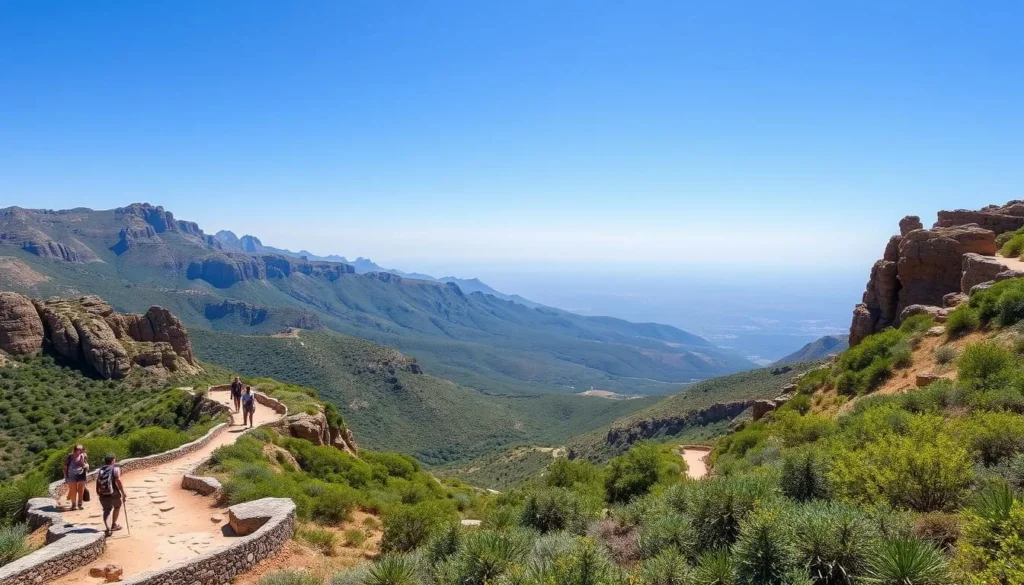
The nearby Rif Mountains offer excellent hiking opportunities
Rif Mountains
The nearby Rif Mountain range provides numerous opportunities for hiking and nature exploration. The mountains feature diverse ecosystems, from cedar forests to Mediterranean scrubland, and are home to several endemic plant species.
Talassemtane National Park
Located about 98 km from Souk El Arbaa, this national park covers over 58,000 hectares of the Rif Mountains and is home to the endangered Barbary macaque. The park offers well-marked hiking trails ranging from easy walks to challenging day hikes.
Agricultural Tours
The fertile plains surrounding Souk El Arbaa are known as Morocco’s breadbasket. Some local farms offer tours where visitors can learn about traditional and modern agricultural practices, from olive cultivation to grain production.
Safety, Etiquette & Local Customs
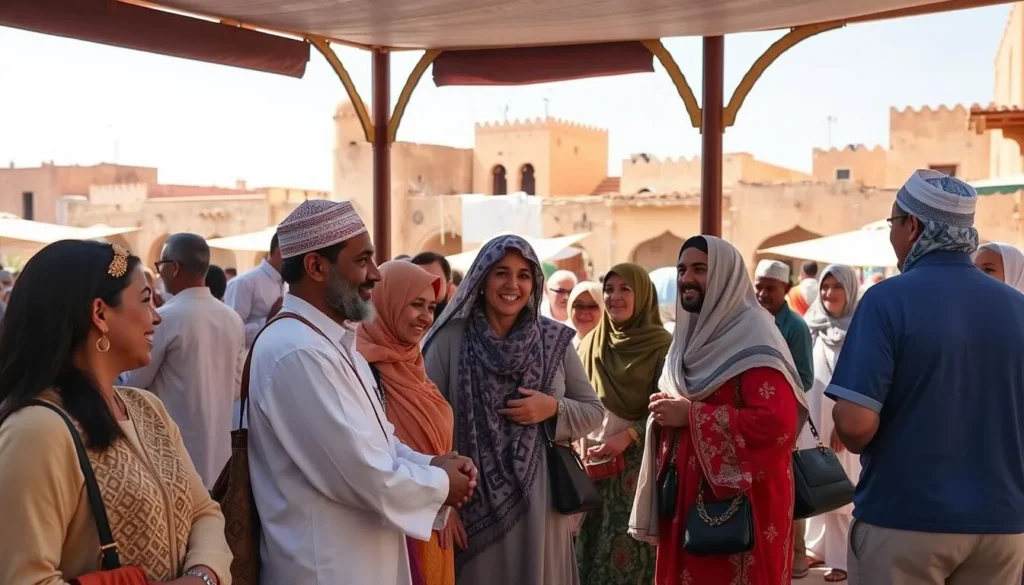
Moroccan hospitality is legendary throughout the country
Safety Tips
Souk El Arbaa is generally safe for visitors, but it’s always wise to take standard precautions:
- Keep valuables secure and be aware of your surroundings, especially in crowded markets
- Avoid displaying expensive jewelry or electronics
- Use registered taxis, particularly at night
- Keep copies of important documents and store originals securely
Cultural Etiquette
Respecting local customs will enhance your experience and interactions:
- Dress modestly: Both men and women should cover shoulders and knees. Women may want to carry a light scarf.
- Photography: Always ask permission before photographing people, especially in rural areas.
- Religious sites: Remove shoes when entering mosques (if permitted to enter) and speak quietly.
- Greetings: Learn basic Arabic greetings like “As-salamu alaykum” (peace be upon you) and “Shukran” (thank you).
Bargaining
Haggling is expected in markets and with taxi drivers. Start by offering about half the asking price and work toward a mutually acceptable figure. Keep the negotiation friendly and remember that walking away is sometimes part of the process.
Practical Travel Tips
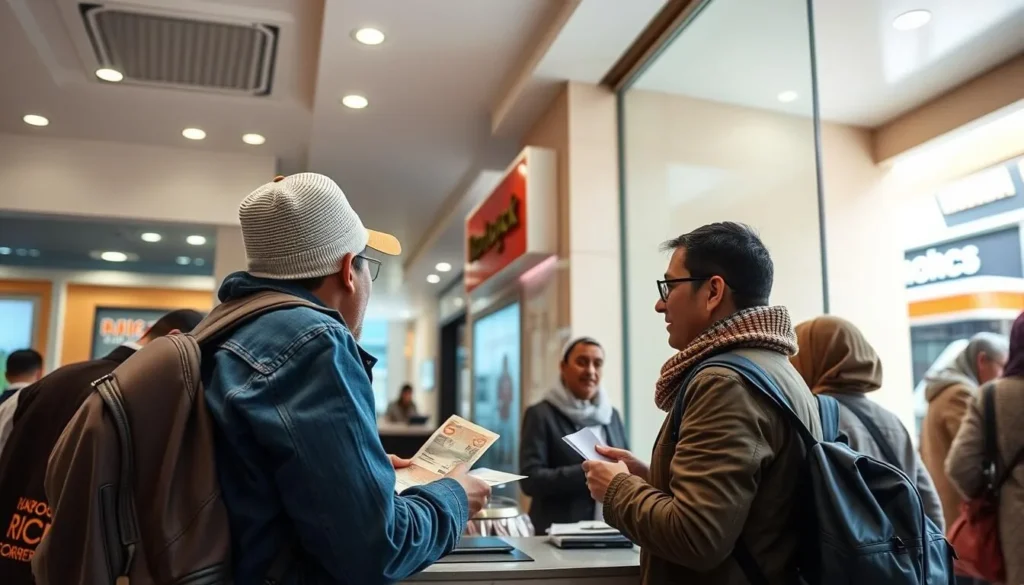
Currency exchange is available at local banks and some hotels
Currency
The Moroccan Dirham (MAD) is the local currency. ATMs are available in Souk El Arbaa, but it’s advisable to carry some cash, especially for the market and smaller establishments. Credit cards are accepted at larger hotels and restaurants but not widely used in smaller businesses.
Language
Arabic and Berber are the official languages, but French is widely spoken in business and tourism contexts. In Souk El Arbaa, fewer people speak English compared to major tourist cities, so learning a few basic Arabic or French phrases can be helpful.
Internet & Communication
Mobile coverage is good in Souk El Arbaa. Consider purchasing a local SIM card for affordable data and calls. Major providers include Maroc Telecom, Orange, and Inwi. Many cafés and hotels offer Wi-Fi, though connection speeds may vary.
Travel Tip: Download maps, translation apps, and essential information before your trip, as internet connections can be unreliable in some areas. The Maps.me app offers excellent offline navigation for Morocco.
Experience the Authentic Morocco in Souk El Arbaa
Souk El Arbaa offers travelers a rare opportunity to experience Morocco beyond the usual tourist trail. From the bustling Wednesday market that gave the city its name to the strategic location that makes it perfect for exploring northern Morocco’s treasures, this evolving city provides authentic insights into Moroccan life and culture.
Whether you’re bargaining for handcrafted goods at the souk, sampling traditional cuisine at a local eatery, or using the city as a base to explore the stunning Rif Mountains and nearby historical sites, Souk El Arbaa rewards visitors with genuine experiences and warm hospitality.
As this dynamic city continues to develop and potentially even change its name to reflect its urban growth, now is the perfect time to discover its charms before it appears on every traveler’s radar. Pack your sense of adventure and openness to cultural exchange, and you’ll find Souk El Arbaa to be a memorable highlight of your Moroccan journey.