Hotels by Trip.com
Flights by Trip.com
Did you know Talassemtane National Park shelters over 30 endemic plant species found nowhere else on Earth? Nestled in Morocco’s Rif Mountains, this 58,950-hectare natural wonder represents one of North Africa’s most biodiverse yet least-visited treasures. Created in 2004, this UNESCO-recognized site offers travelers a rare glimpse into pristine Mediterranean forest ecosystems, dramatic landscapes, and authentic Berber culture – all just a short journey from the famous blue city of Chefchaouen.
Getting There & Planning Your Journey
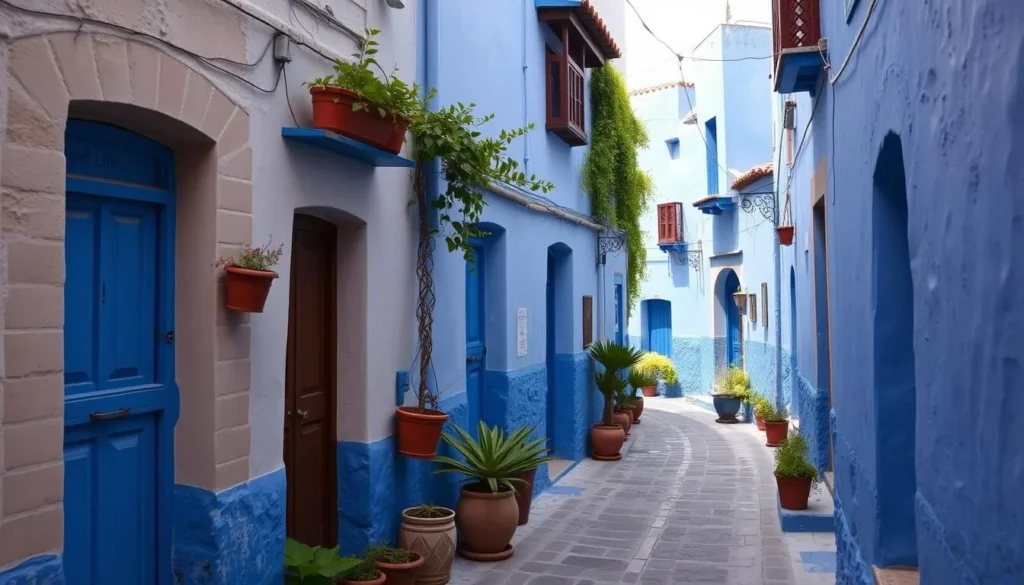
Talassemtane National Park is located in northern Morocco, approximately 45 minutes from Chefchaouen, the famous “Blue City.” Most visitors use Chefchaouen as their base for exploring the park. The nearest major airports are in Tangier (approximately 110 km away) and Tetouan, with regular connections to major European cities and Casablanca.
From Tangier or Tetouan, you can reach Chefchaouen by public bus, shared taxi (grand taxi), or rental car. The roads are generally well-maintained, though mountain routes can be winding. Once in Chefchaouen, local guides can be arranged for park excursions, or you can hire a taxi to take you to the park entrance in Akchour, the most popular access point.
Best Time to Visit Talassemtane National Park
Timing your visit to Talassemtane National Park is crucial for the best experience. The park’s mountainous terrain creates distinct seasonal conditions that affect accessibility and comfort.
Recommended Seasons
- Spring (April-June): 15-25°C (59-77°F). Ideal hiking weather with blooming wildflowers and flowing streams.
- Early Autumn (September-October): 18-28°C (64-82°F). Pleasant temperatures with clear skies and fewer visitors.
Seasons to Avoid
- Winter (December-February): 5-15°C (41-59°F). Potential snow at higher elevations making trails difficult or inaccessible.
- Peak Summer (July-August): 25-35°C (77-95°F). Extremely hot for hiking, though riverside trails remain popular.
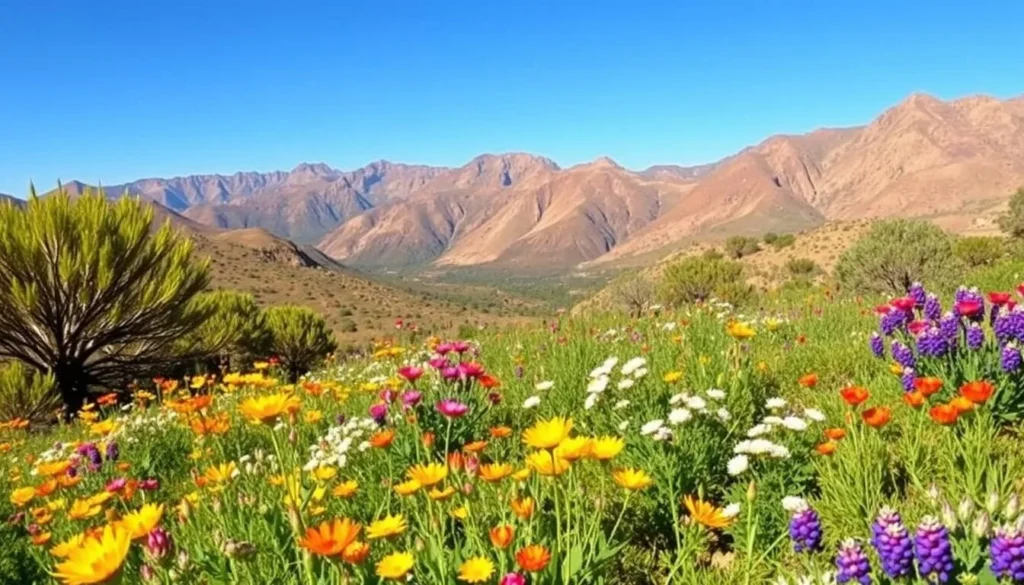
During spring, the park’s biodiversity is at its peak, with flowing waterfalls and lush vegetation. Autumn offers stable weather and fewer crowds. If visiting in summer, start hikes early in the morning to avoid midday heat, and focus on shaded forest trails or those near water sources.
Getting Around Locally
Navigating Talassemtane National Park requires some planning as public transportation within the park is limited. Here are your best options:
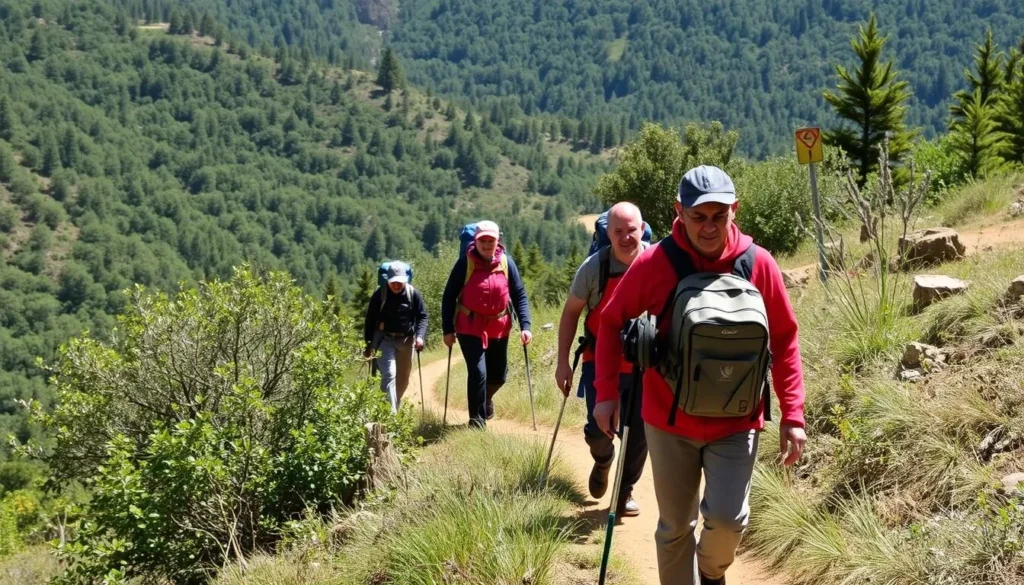
- Guided Tours: The most popular and recommended option. Local guides know the best trails, can explain the ecosystem, and help navigate unmarked paths. Guides can be arranged in Chefchaouen or through your accommodation.
- Taxi Services: Taxis from Chefchaouen can take you to main trailheads like Akchour and wait for your return (negotiate the price beforehand).
- Rental Cars: Provide flexibility but are only useful for reaching park entrances, as most trails are not accessible by vehicle.
- Walking: Once inside the park, hiking is the primary mode of transportation. Trails range from easy 1-2 hour walks to challenging full-day treks.
For the best experience, consider booking an organized tour that includes transportation, a knowledgeable guide, and potentially a picnic lunch for longer excursions.
Where to Stay
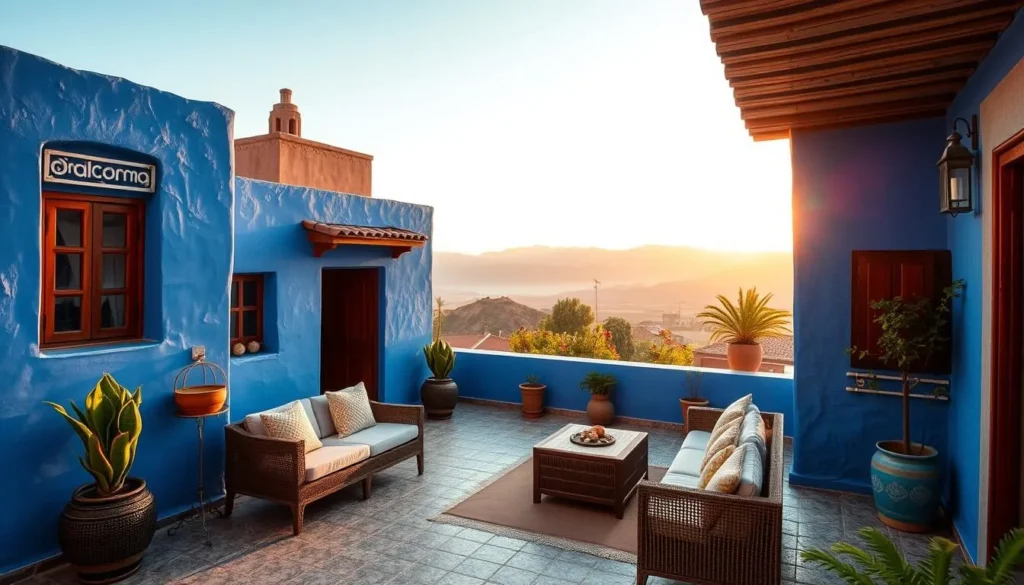
While there are no hotels within Talassemtane National Park itself, the nearby city of Chefchaouen offers a range of accommodation options to suit all budgets and preferences. Here are your best choices:
In Chefchaouen
- Riads: Traditional Moroccan houses with interior courtyards, offering authentic experiences.
- Boutique Hotels: Comfortable options with modern amenities while maintaining local character.
- Budget Hostels: Affordable options popular with hikers and backpackers.
Near Park Entrances
- Guesthouses: Simple accommodations in villages like Akchour.
- Homestays: Stay with local families for an immersive cultural experience.
- Rural Lodges: Basic but comfortable options closer to trailheads.
Check 30,000+ Local Sightseeing Tours Worldwide
✓ Numerous languages and currencies are available
Camping Options
- Designated Campsites: Basic facilities near Akchour.
- Wild Camping: Permitted in certain areas with guide approval.
- Riverside Camping: Popular in summer months.
For the best experience, book accommodation in Chefchaouen’s medina (old town) for easy access to restaurants, shops, and transportation to the park. During peak season (April-June and September-October), advance booking is highly recommended.
Dining & Local Cuisine
Exploring Talassemtane National Park works up an appetite, and the regional cuisine offers delicious rewards for hungry hikers. While food options within the park are limited, Chefchaouen and surrounding villages provide authentic Moroccan dining experiences.

What to Eat
- Tagine: Slow-cooked stews named after the conical clay pot they’re prepared in. Local variations often feature goat meat or freshwater fish.
- Rfissa: A regional specialty of chicken, lentils, and fenugreek served on shredded crepes.
- Bissara: Hearty fava bean soup popular in the mountainous regions.
- Goat Cheese: The Rif Mountains are known for excellent locally-produced cheeses.
- Mountain Honey: Produced locally and often flavored with thyme or lavender.
Where to Eat
In Chefchaouen, you’ll find numerous restaurants in the medina offering traditional Moroccan cuisine. For park visits, consider these options:
- Pack a Picnic: Many accommodations can prepare packed lunches for hikes.
- Riverside Cafés: Simple eateries near Akchour serve grilled meats, tagines, and mint tea.
- Village Homestays: Some rural lodgings offer home-cooked meals featuring locally-grown ingredients.
Don’t miss trying Moroccan mint tea, traditionally served very sweet and poured from height to create a frothy top – it’s the perfect refreshment after a long hike!
Attractions, Sightseeing & Activities
Talassemtane National Park offers diverse attractions that showcase its natural beauty and cultural significance. Here are the must-see highlights and activities:
Natural Wonders
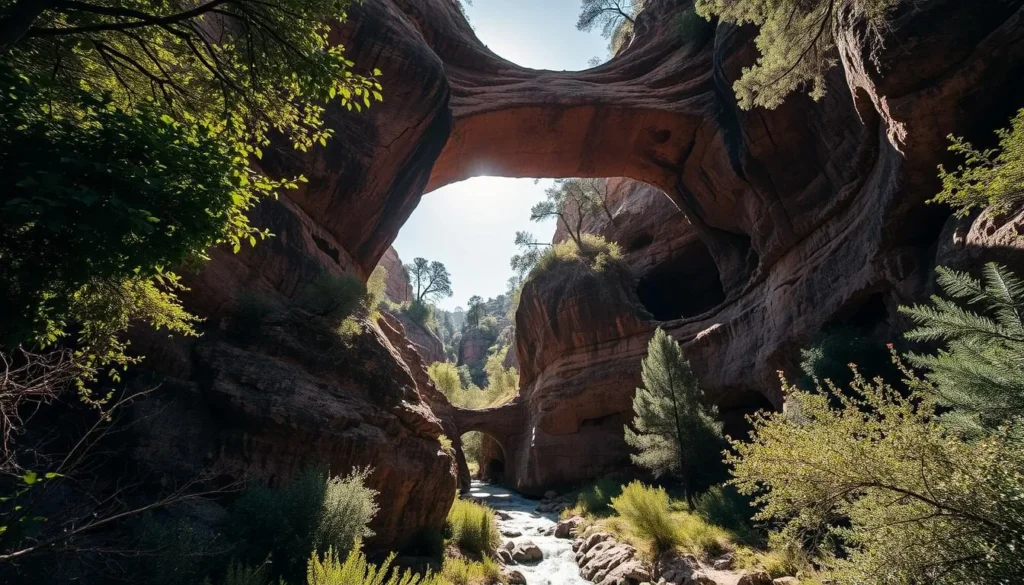
- God’s Bridge (Pont de Dieu): A natural stone arch spanning a river gorge, one of the park’s most photographed features.
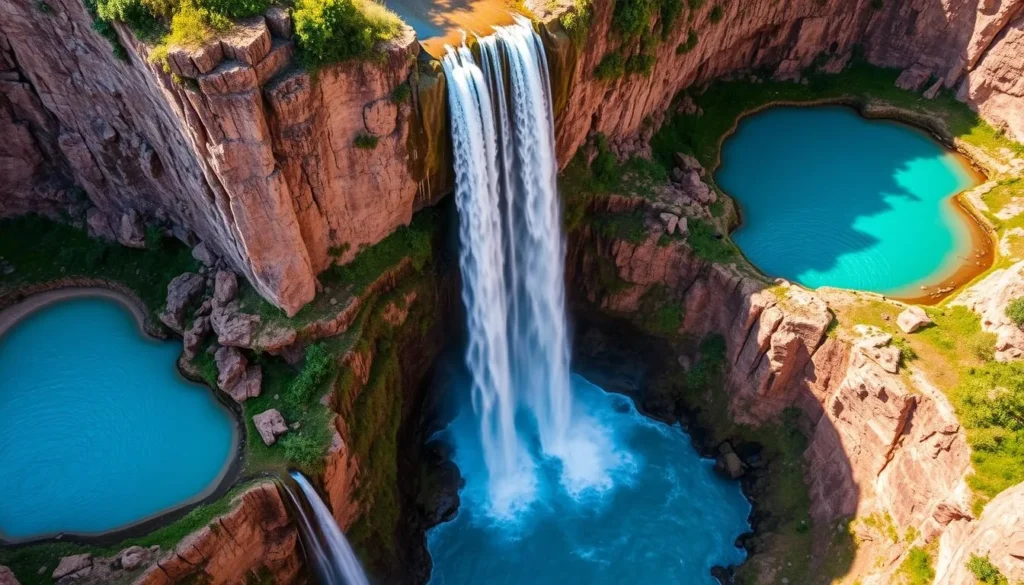
- Akchour Waterfalls: Both the Small and Grand Cascades offer spectacular views after a scenic hike.
- Fir Forests: The unique Moroccan fir (Abies marocana) grows only in these mountains.
- Mount Lakraa: At 2,159 meters, it offers panoramic views across the park and beyond.
Popular Activities
- Hiking: Trails range from easy 1-2 hour walks to challenging full-day treks.
- Swimming: The turquoise pools beneath the waterfalls are perfect for cooling off in summer.
- Bird Watching: Spot golden eagles, bearded vultures, and over 100 other species.
- Photography: Dramatic landscapes and unique biodiversity offer endless opportunities.
- Picnicking: Designated areas along rivers provide peaceful spots to relax.
Cultural Experiences & Berber Heritage
Beyond its natural beauty, Talassemtane National Park offers rich cultural experiences through its connection to Berber heritage and traditional ways of life that have endured for centuries in the Rif Mountains.

Berber Villages
Several traditional villages dot the periphery of the park, including:
- Akchour: The main gateway village with simple guesthouses and cafés.
- El Kalaâ: Known for its historic granaries and tilted mosque.
- Taourarte: A traditional village offering homestays and cultural experiences.
- Azilane: Remote settlement where traditional farming methods continue.
Cultural Highlights
- Traditional Crafts: Observe local artisans creating pottery, textiles, and woodwork.
- Agricultural Practices: Terraced farming and traditional irrigation systems showcase sustainable methods.
- Culinary Traditions: Learn about local food preparation and bread baking.
- Music and Dance: Occasional festivals feature traditional Jbala music.
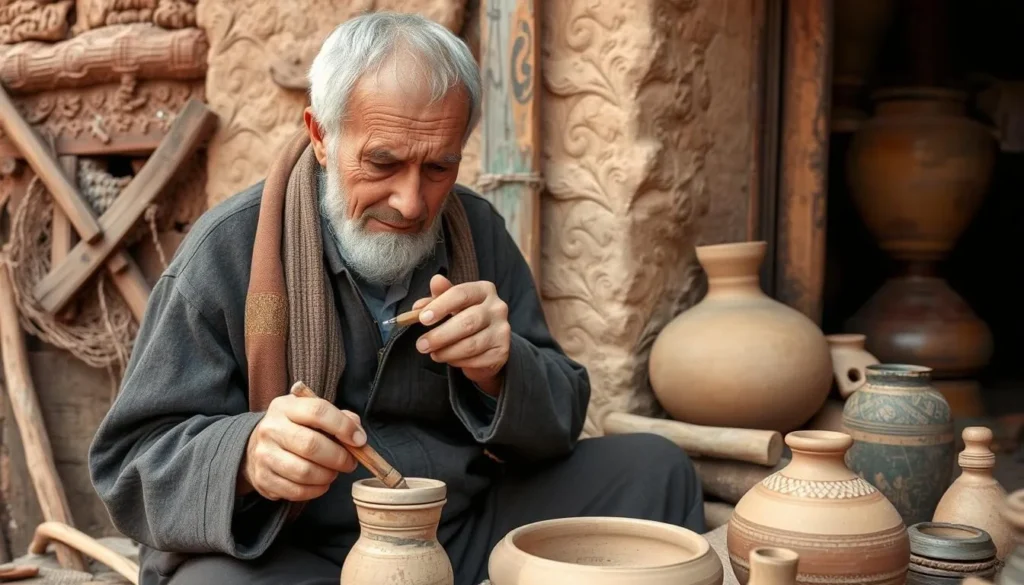
For an immersive experience, consider a homestay in one of these villages, where families often welcome visitors to share meals and learn about local traditions. These cultural encounters provide context for understanding the deep connection between the people and the natural environment of Talassemtane.
Wildlife & Natural Heritage
Talassemtane National Park is a biodiversity hotspot, designated as part of UNESCO’s Intercontinental Biosphere Reserve of the Mediterranean. Its unique ecosystems support remarkable flora and fauna, many species of which are endemic or rare.
Notable Wildlife
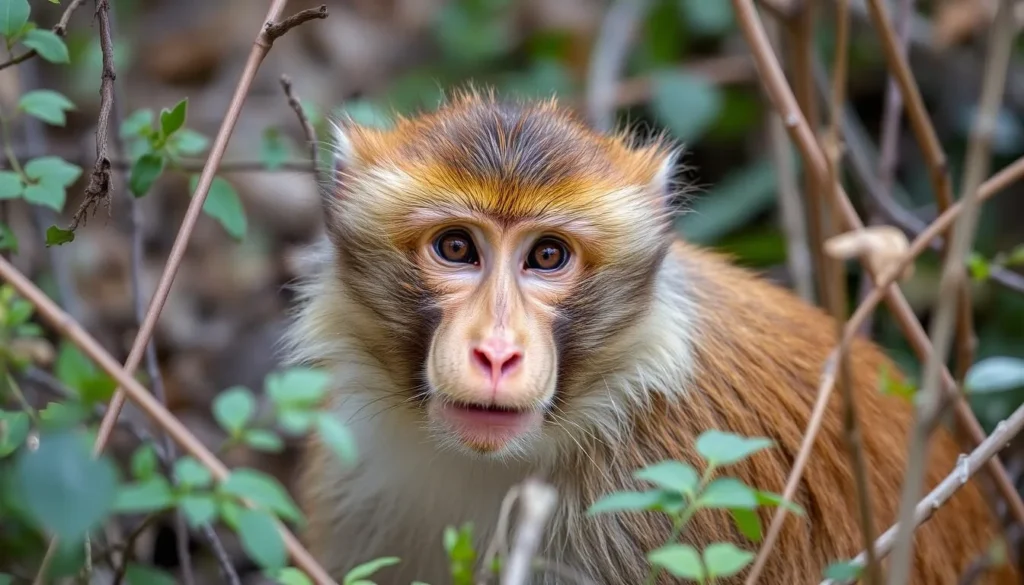
- Barbary Macaques: The only primate species native to North Africa, these endangered monkeys can sometimes be spotted in forested areas.
- Golden Eagles: These magnificent raptors soar above the mountain peaks.
- Algerian Hedgehogs: Nocturnal mammals that inhabit the forest floor.
- Otters: Found along the park’s rivers and streams.
- North African Fire Salamander: A striking amphibian with distinctive yellow and black markings.
Plant Life
The park’s varied elevations and microclimates support diverse plant communities:
- Moroccan Fir (Abies marocana): An endemic conifer found only in the Rif Mountains.
- Atlas Cedar: Majestic trees that form part of the ancient forest.
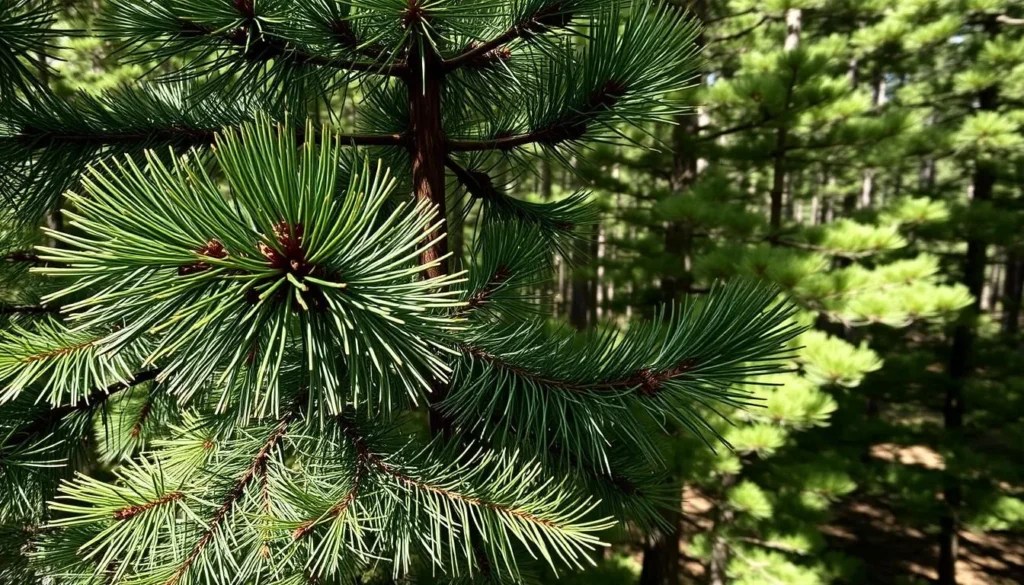
- Black Pine: Creates dense woodland habitats.
- Mediterranean Scrub: Aromatic plants including lavender, thyme, and rosemary.
- Riverbank Vegetation: Supports unique ecosystems along waterways.
The best times for wildlife observation are early morning and late afternoon. Moving quietly and patiently increases your chances of spotting animals. Bring binoculars for bird watching, and consider hiring a local guide who knows the best locations for wildlife sightings.
Practical Travel Tips
Essential Preparations
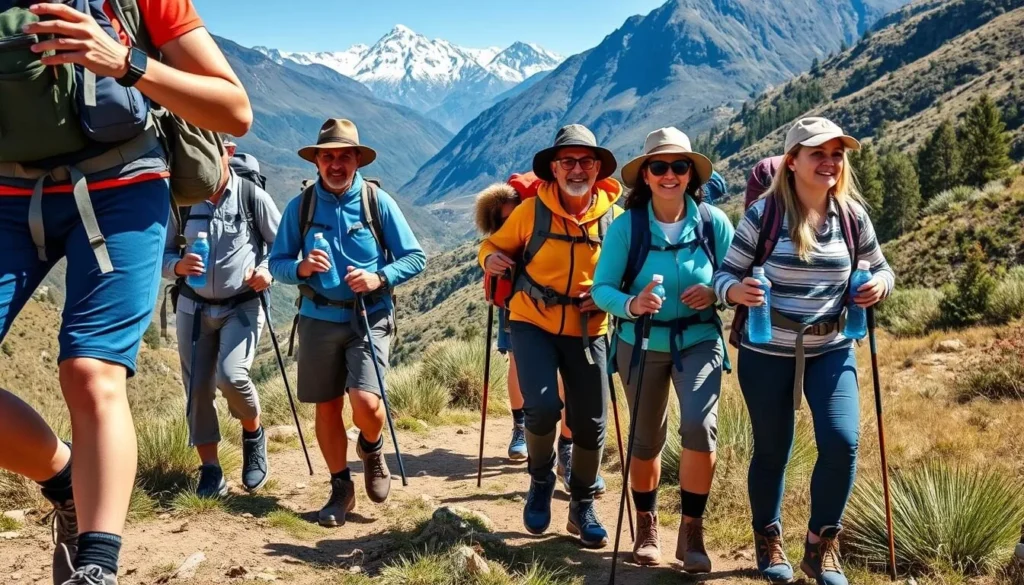
- Water: Bring at least 2 liters per person for day hikes. While streams are present, water treatment is recommended.
- Footwear: Sturdy hiking boots with ankle support are essential for rocky terrain.
- Sun Protection: Hat, sunglasses, and sunscreen are necessary even in cooler months.
- Navigation: Trail markings can be inconsistent; consider downloading offline maps or hiring a guide.
- Language: Basic French or Arabic phrases are helpful. Many guides speak some English, but don’t count on it everywhere.
Safety Considerations
- Guided Hikes: For safety and enrichment, hiring a local guide is highly recommended.
- Weather Changes: Mountain weather can shift quickly; bring layers even on warm days.
- Emergency Contacts: Cell service is limited in the park. Share your itinerary with your accommodation.
- Wildlife: Respect all wildlife from a distance. Barbary macaques should never be fed.
- Cultural Sensitivity: Dress modestly when visiting villages (shoulders and knees covered).
Local Etiquette
- Photography: Always ask permission before photographing local people.
- Conservation: Practice Leave No Trace principles; pack out all trash.
- Tipping: Guides typically expect a tip of 100-200 dirhams per day depending on group size.
- Ramadan: If visiting during this month, be respectful by not eating or drinking in public during daylight hours.
Ready for Your Talassemtane Adventure?
Talassemtane National Park offers a perfect blend of natural wonders and cultural experiences that showcase Morocco beyond the familiar desert landscapes and bustling medinas. From the misty fir forests to the crystal-clear waterfalls, from endemic wildlife to traditional Berber villages, this protected area rewards visitors with authentic experiences far from the tourist crowds.
Whether you’re an avid hiker seeking challenging trails, a nature enthusiast hoping to spot rare species, or a cultural explorer interested in traditional ways of life, Talassemtane provides unforgettable memories in a setting of remarkable beauty. Pack your boots, book your adventure, and let Talassemtane’s wild beauty rewrite your travel story.