Hotels by Trip.com
Flights by Trip.com
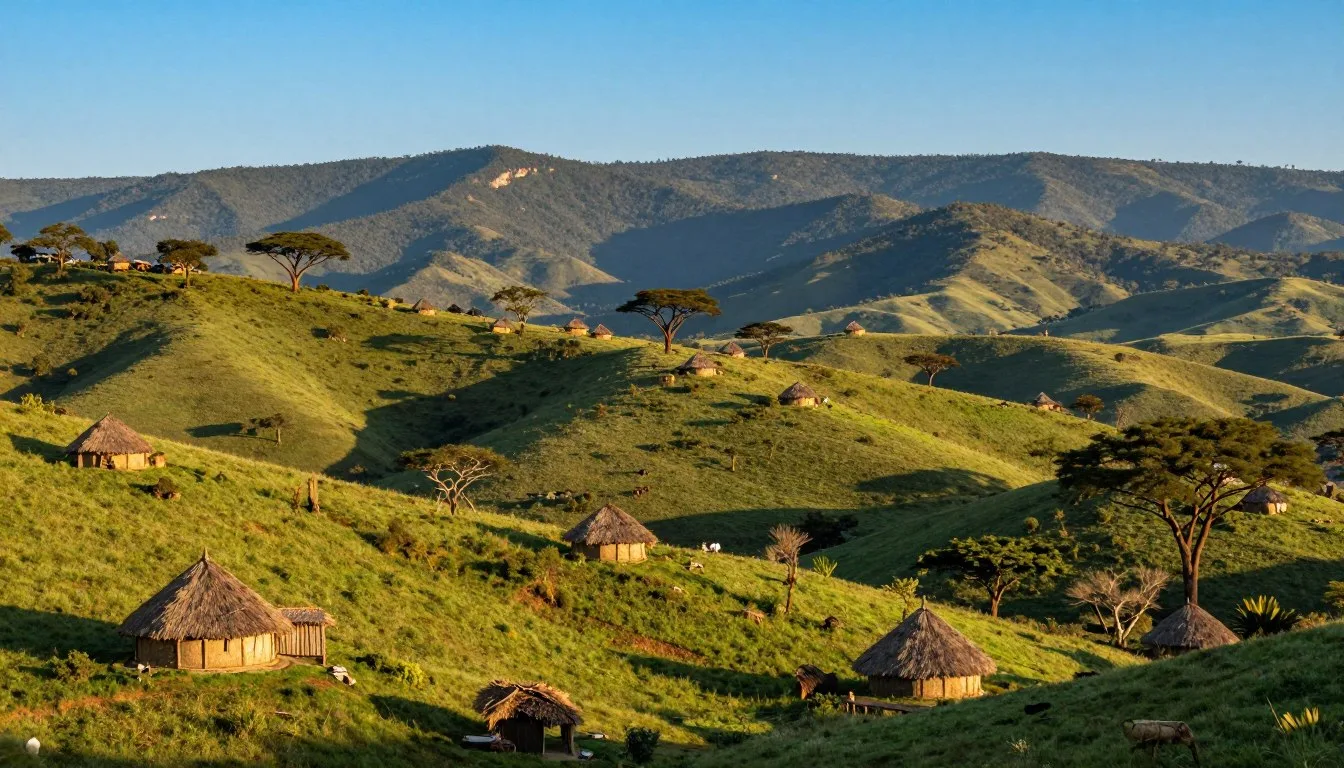
Did you know that Swaziland, now officially called the Kingdom of Eswatini, is one of the last absolute monarchies in Africa and one of the smallest countries on the continent? Despite its compact size of just 17,364 square kilometers, this landlocked nation nestled between South Africa and Mozambique boasts an incredible diversity of landscapes, from misty mountain highlands to sweeping lowveld savannas. With a population of just over 1.1 million people, Swaziland offers travelers an intimate, authentic African experience where ancient traditions thrive alongside modern conservation efforts.
This comprehensive guide takes you through everything you need to plan an unforgettable journey to this hidden gem of Southern Africa. Whether you dream of tracking rhinos on foot, witnessing vibrant cultural ceremonies, or simply escaping the crowds that flood more famous destinations, Swaziland delivers experiences that feel both adventurous and genuinely personal.
Getting There and Planning Your Journey
Reaching Swaziland requires some planning since the country has limited international connections. Most visitors arrive through neighboring South Africa, which serves as the primary gateway to this mountain kingdom. Understanding your transport options helps you organize a smooth arrival and maximize your time exploring this beautiful destination.
International Airports and Access Points
King Mswati III International Airport opened in 2014 and serves as Swaziland’s main international airport. Located near Manzini, about 60 kilometers from the capital Mbabane, this modern facility handles regular flights from Johannesburg and other regional destinations. The airport features basic amenities including car rental services, a small cafe, and currency exchange facilities.
Matsapha Airport, the older facility located just outside Manzini, still operates some domestic and regional flights. While smaller than King Mswati III International Airport, Matsapha remains functional for charter services and private aircraft. Most international travelers prefer the newer airport for its better facilities and more frequent connections.
The majority of visitors fly into O.R. Tambo International Airport in Johannesburg, South Africa, then drive approximately four hours to Swaziland. This route offers flexibility and often proves more economical than direct flights. The journey from Johannesburg takes you through beautiful Mpumalanga province, with opportunities to stop at attractions along the way.
Border Crossings from South Africa
- Oshoek/Ngwenya border (most popular, well-maintained)
- Mahamba border (eastern route from Piet Retief)
- Josefsdal/Bulembu border (scenic mountain crossing)
- Lavumisa border (southern route from KwaZulu-Natal)
Border Crossings from Mozambique
- Lomahasha/Namaacha border (northeast access)
- Mhlumeni border (eastern crossing)
- Goba border (suitable for 4×4 vehicles)
Entry Requirements and Documentation
Most visitors from the United States, Canada, European Union countries, Australia, and many other nations receive visa-free entry for stays up to 30 days. Your passport must be valid for at least six months beyond your planned departure date. Immigration officials may ask for proof of sufficient funds and onward travel arrangements, though checks are generally straightforward.
Keep photocopies of your passport and important documents separate from originals. Border crossings can experience delays during peak holiday periods, especially around Christmas and Easter. Arrive with patience and allow extra time in your schedule for potential waiting.
Planning Your Trip Timeline
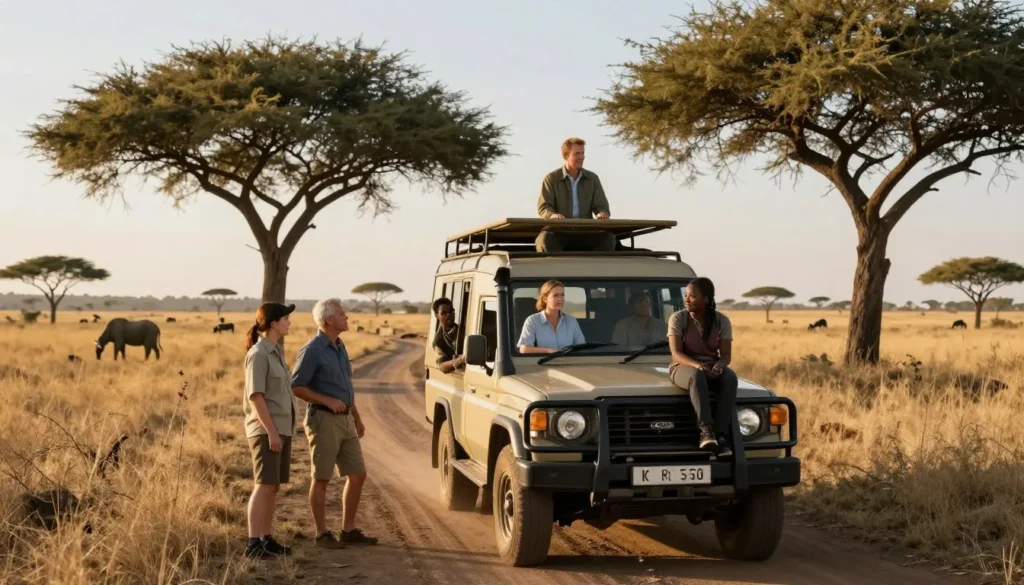
A minimum of three to four days allows you to experience Swaziland’s highlights without feeling rushed. This timeframe gives you opportunities to visit a major game reserve, explore cultural sites, and enjoy the mountainous landscapes. Week-long visits let you dive deeper into the country’s diverse regions and discover lesser-known attractions.
Many travelers combine Swaziland with visits to South Africa or Mozambique as part of a broader Southern Africa itinerary. The country serves as an excellent addition to trips focusing on Kruger National Park, the Drakensberg Mountains, or Mozambique’s beaches. Consider spending two to three days in Swaziland before or after your main destination.
Best Time to Visit and Weather Tips
Swaziland’s subtropical climate creates distinct seasons that significantly impact your travel experience. Understanding weather patterns helps you pack appropriately and plan activities around optimal conditions. The country sits on an elevated plateau with varying altitudes, creating microclimates that can surprise unprepared visitors.
Recommended Months for Travel
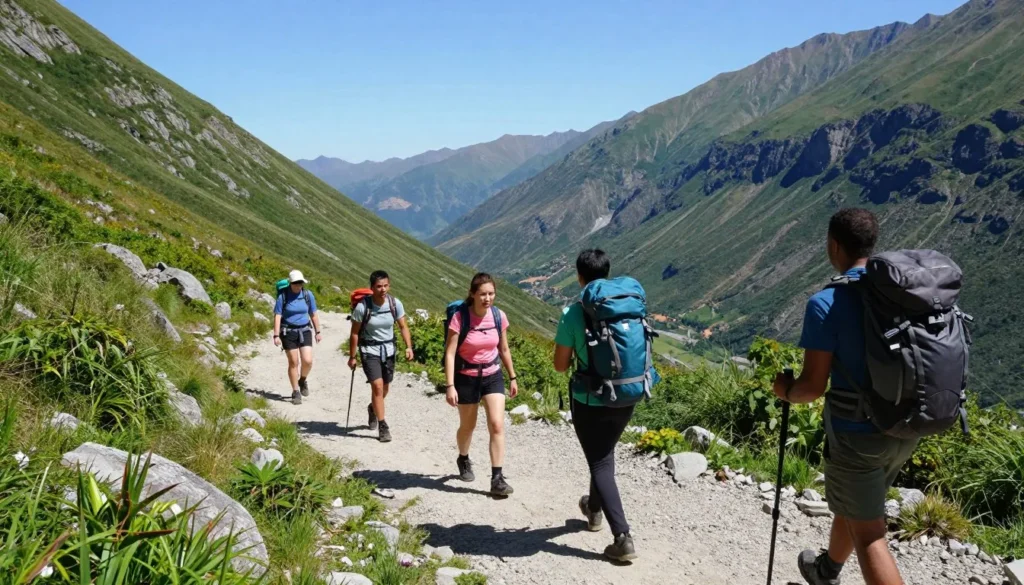
May through September represents the dry winter season and the most popular time to visit Swaziland. During these months, temperatures remain comfortable, ranging from 15°C to 25°C (59°F to 77°F) during the day, while nights can drop to 5°C (41°F) in higher elevations. Wildlife viewing reaches its peak as animals congregate around water sources and vegetation thins out, improving visibility.
✓ Check 30,000+ Local Sightseeing Tours Worldwide
The shoulder months of April and October offer excellent value and pleasant conditions. April marks the transition from summer to winter with moderate temperatures and diminishing rainfall. October signals spring’s arrival with warming temperatures and emerging wildflowers. Both months see fewer tourists compared to peak season, allowing for more intimate experiences at game reserves and cultural sites.
December through February constitutes summer and the rainy season. While temperatures climb to 25°C to 35°C (77°F to 95°F), afternoon thunderstorms arrive regularly. This period transforms the landscape into a lush green paradise, perfect for photographers and bird watchers. Migrant bird species return, and many animals give birth during this abundant season.
Best Months: May, June, July, August, September (dry season, optimal wildlife viewing)
Good Months: April, October (shoulder season, fewer crowds, pleasant weather)
Avoid if Possible: January, February (peak rainfall, hot and humid, some roads may be challenging)
Seasonal Considerations for Activities
Wildlife enthusiasts should prioritize winter months when game viewing becomes easier. The dry conditions force animals to visit waterholes more frequently, and the sparse vegetation provides clear sightlines. Early morning game drives during this period often reveal spectacular scenes with crisp air and excellent photographic light.
Cultural festival enthusiasts need to time their visits carefully. The famous Umhlanga Reed Dance typically occurs in late August or early September, while the Incwala ceremony takes place in December or January. These events showcase traditional Swazi culture and attract visitors from around the world, so book accommodations well in advance.
What to Pack for Different Seasons
Winter visitors should bring layers since morning temperatures start cold but warm considerably by midday. Pack a warm jacket, long pants, and closed shoes for early game drives. Sunscreen remains essential year-round as the African sun stays strong even during cooler months. A sunhat and sunglasses protect against intense UV rays.
Summer travelers need lightweight, breathable clothing in light colors. Rain gear proves invaluable as storms can arrive suddenly and dramatically. Quick-dry fabrics work best since humidity stays high and clothes may not dry overnight. Include insect repellent as mosquitoes become more active during wet months.
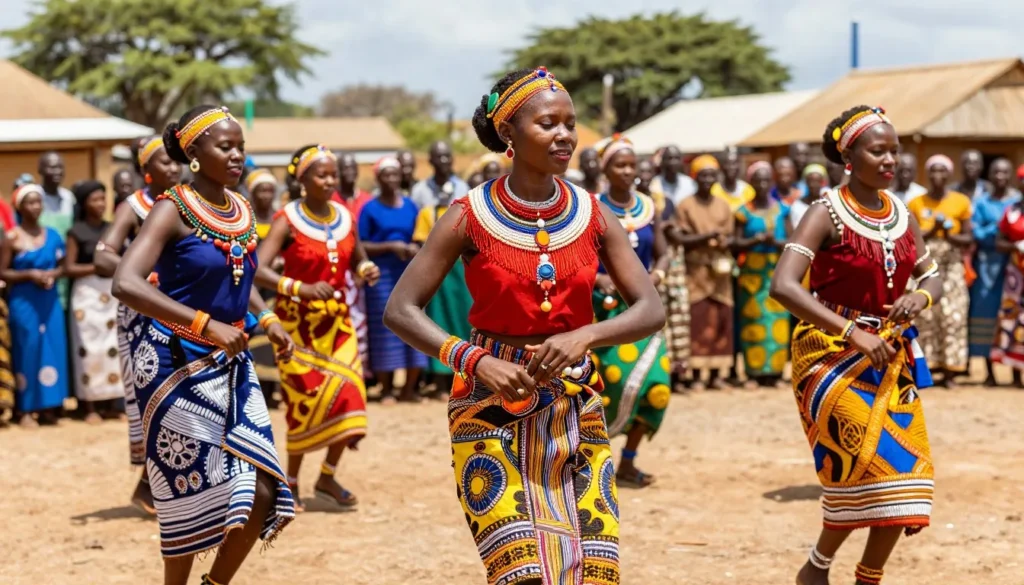
Regardless of season, modest clothing respects local customs in this traditional kingdom. Women should pack skirts or pants that cover the knees, while everyone benefits from having shoulders covered when visiting cultural sites or rural areas. Comfortable walking shoes suit most activities, though serious hikers need proper boots.
Getting Around Locally
Navigating Swaziland requires understanding the limited public transportation options and deciding whether to rent a vehicle or join organized tours. The country’s small size makes self-driving feasible for confident travelers, while those preferring not to drive can still access major attractions through various transport alternatives.
Renting and Driving Your Own Vehicle
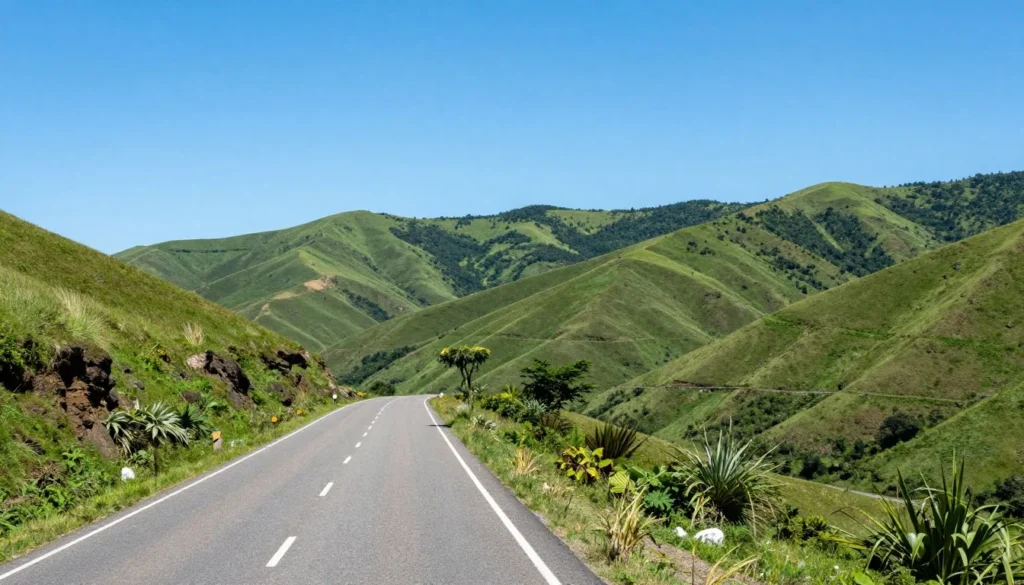
Car rental provides the most flexibility for exploring Swaziland at your own pace. International rental companies operate at King Mswati III International Airport and in Mbabane, offering vehicles ranging from compact cars to 4×4 SUVs. Most major roads connecting cities and tourist attractions are paved and well-maintained, making standard sedans suitable for typical itineraries.
Driving occurs on the left side of the road, following the British system. Speed limits are clearly posted, typically 60 km/h (37 mph) in urban areas and 80-100 km/h (50-62 mph) on highways. Traffic police conduct regular speed checks, and fines are issued on the spot. Always carry your driver’s license, passport, and vehicle documentation.
Road conditions vary significantly between main highways and rural routes. While primary roads remain excellent, secondary roads leading to some nature reserves may deteriorate to gravel or dirt. A 4×4 vehicle becomes necessary if you plan to explore remote areas or visit during rainy season when unpaved roads turn muddy. Always inform your accommodation of your expected arrival time when traveling to remote locations.
Driving Advantages
- Complete schedule flexibility
- Access to remote locations
- Ability to stop for photography
- Cost-effective for groups
- Explore at your own pace
Important Driving Notes
- Watch for livestock on rural roads
- Avoid driving after dark if possible
- Fill fuel tank when opportunities arise
- Keep doors locked in urban areas
- Carry emergency contact numbers
Public Transportation Options
Minibus taxis form the backbone of Swaziland’s public transport system. These shared vehicles operate on fixed routes between major towns and depart when full rather than on set schedules. While inexpensive and authentic, they can feel crowded and don’t typically serve tourist attractions. Fares are paid directly to the driver or conductor.
Regular bus services connect major cities like Mbabane, Manzini, and Malkerns. These buses offer more comfort than minibus taxis and follow more predictable schedules. However, service frequency remains limited, especially on weekends and holidays. Buses don’t reach most game reserves or nature areas, limiting their usefulness for tourists.
Organized tours and shuttle services provide hassle-free alternatives for visitors without rental cars. Many lodges and hotels arrange day trips to popular attractions, including game drives, cultural tours, and adventure activities. These services include knowledgeable guides who enhance the experience with local insights and stories.
Travel Times Between Major Destinations
Mbabane to Manzini takes approximately 30 minutes on the excellent main highway. This short drive makes it easy to stay in one city while exploring the other. The route passes through beautiful countryside with mountain views on clear days.
Reaching Hlane Royal National Park from Mbabane requires about 90 minutes of driving. The journey takes you from the mountainous Highveld down to the flatter eastern Lowveld region. Road quality remains good throughout, though the scenery changes dramatically as you descend in elevation.
Traveling from Mbabane to the northern Malolotja Nature Reserve takes roughly one hour. This scenic drive winds through mountains and pine forests, with several viewpoints worth stopping at for photographs. The road quality deteriorates slightly as you approach the reserve, though standard vehicles manage fine in dry conditions.
Where to Stay
Swaziland offers diverse accommodation ranging from luxury safari lodges to budget backpacker hostels. The country’s small size means you can base yourself in one location and explore much of the country on day trips. Alternatively, moving between different regions lets you experience varied landscapes and stay closer to specific attractions.

Accommodation in Major Cities
Mbabane serves as the capital and administrative center, offering the widest range of urban accommodations. Hotels here range from international chains to boutique guesthouses, catering to business travelers and tourists alike. The city provides convenient access to restaurants, shops, and services while maintaining proximity to cultural and natural attractions.
Manzini, the industrial and commercial hub, features numerous mid-range hotels and guesthouses. As the country’s largest city and transport hub, Manzini offers practical accommodation for travelers passing through or needing urban amenities. The nearby Malkerns Valley presents more scenic lodging options with arts and crafts studios in the surrounding area.
Budget travelers find excellent value at backpacker lodges throughout the country. These establishments offer dormitory beds and private rooms at affordable prices, often with communal kitchens and social areas. Many backpacker hostels organize group tours and activities, making them ideal for solo travelers seeking to meet others.
Safari Lodge Experiences
Hlane Royal National Park features upscale camps offering immersive wildlife experiences. Ndlovu Camp provides comfortable chalets with ensuite bathrooms, while the more adventurous can book stays at rustic bush camps. Game drives depart directly from lodges, maximizing wildlife viewing opportunities. Some camps offer guided walking safaris for close encounters with nature.
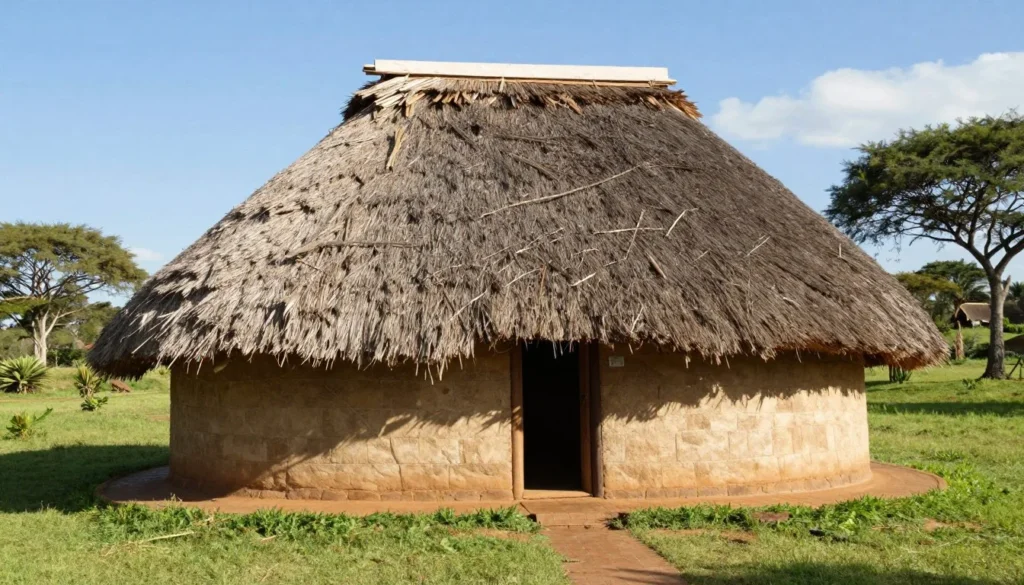
Mlilwane Wildlife Sanctuary presents diverse lodging from traditional beehive huts to colonial-style cottages. The sanctuary’s rest camp appeals to families and groups with self-catering facilities and affordable rates. More luxurious options include the beautiful Reilly’s Rock Hilltop Lodge, perched on a hill with panoramic views of the reserve.
Mountain and Nature Lodges
Malolotja Nature Reserve offers spectacular mountain lodging with breathtaking views. Self-catering cottages suit families and groups preferring independence, while campsites attract outdoor enthusiasts. The high-altitude location provides cool temperatures even during summer, making it popular for hiking and nature photography.
The Ezulwini Valley, known as “Valley of Heaven,” hosts numerous resorts and hotels catering to different budgets. This area combines natural beauty with easy access to attractions like craft markets and cultural centers. Many properties feature traditional Swazi architectural elements while providing modern comforts.
Budget Options
- Backpacker hostels
- Basic guesthouses
- Campgrounds
- Self-catering cottages
Mid-Range Choices
- Standard hotels
- Country lodges
- Bed and breakfasts
- Game reserve camps
Luxury Experiences
- Five-star safari lodges
- Boutique resorts
- Exclusive bush camps
- Hilltop retreats
Booking Considerations and Tips
Reserve accommodations well in advance if visiting during peak season or major cultural festivals. The Umhlanga Reed Dance and Incwala ceremony attract significant crowds, filling hotels months ahead. Similarly, South African school holidays see increased demand as families from neighboring countries visit.
Many smaller lodges and guesthouses don’t maintain sophisticated online booking systems. Phone or email contact often works better for securing reservations and asking specific questions. Some properties offer better rates when booked directly rather than through third-party websites.
Consider location carefully when choosing accommodation. Staying within game reserves maximizes wildlife viewing time and provides unique experiences like hearing lions roar at night. However, properties outside reserves typically cost less and offer easier access to restaurants, shops, and cultural attractions.
Dining and Local Cuisine
Swazi cuisine reflects the country’s agricultural heritage and combines traditional African dishes with influences from neighboring South Africa. While international restaurants operate in major cities, seeking out local food provides authentic cultural insights and delicious discoveries. The traditional Swazi diet centers on maize, meat, and vegetables prepared with time-honored techniques.

Traditional Swazi Dishes to Try
Pap, also called sishwala, forms the foundation of most Swazi meals. This thick porridge made from ground maize resembles polenta and serves as a starchy staple eaten with virtually every meal. Locals shape it into balls with their hands and use it to scoop up accompanying stews and sauces. The slightly bland flavor complements spicier dishes perfectly.
Braai culture plays a central role in Swazi social gatherings. This South African-style barbecue involves cooking various meats over open flames. Expect to find beef, chicken, boerewors sausage, and sometimes game meats like kudu or impala. The convivial atmosphere around a braai fire creates memorable social experiences.
Emasi refers to naturally fermented milk similar to yogurt but with a distinct sour taste. This traditional beverage appears at most meals and provides important nutrition in rural areas. Visitors may need time to acquire the taste, but trying emasi offers authentic cultural immersion.
Vegetable dishes often feature pumpkin, sweet potato, and leafy greens like spinach. Stews combine these vegetables with tomatoes and onions, creating hearty accompaniments to meat and pap. During summer months, fresh corn appears everywhere, either boiled or grilled with butter.

Where to Eat in Major Areas
Mbabane offers the most diverse dining scene with restaurants serving everything from traditional Swazi food to Italian, Indian, and Chinese cuisine. The city center features several upscale restaurants alongside casual cafes and fast-food outlets. Many restaurants close early compared to major international cities, so plan dinner before 21:00.
Manzini’s dining options cater more to local tastes with numerous small eateries serving affordable traditional meals. The city market provides excellent opportunities to try street food and fresh produce. Adventurous eaters should sample vetkoek, fried dough balls filled with savory mince or sweet jam.
The Ezulwini Valley hosts several quality restaurants attached to hotels and resorts. These establishments blend international menus with local ingredients and flavors. Some venues offer buffets showcasing various Swazi dishes, perfect for first-time visitors wanting to sample multiple traditional foods.
Market Food and Street Vendors
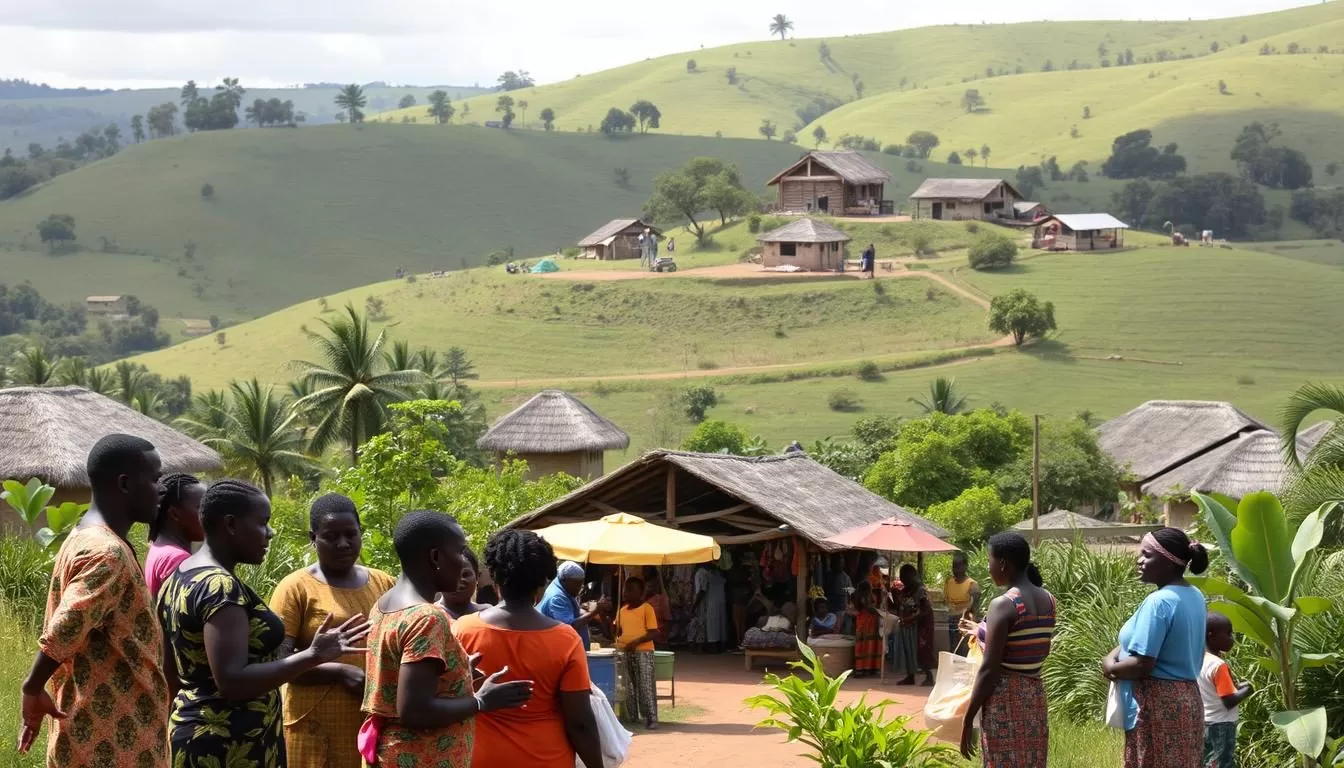
Local markets bustle with food stalls selling freshly prepared meals at minimal cost. The Manzini Market ranks among the best places to experience authentic street food culture. Vendors prepare food in full view, so you can assess hygiene standards before purchasing. Popular items include grilled meats, fresh fruit, and traditional snacks.
Roadside stalls throughout the country sell seasonal fruits like mangoes, avocados, and litchis at excellent prices. These informal vendors also offer traditional crafts and preserved foods. Buying from roadside stands supports local families directly while providing fresh, delicious produce.
Must-Try Foods
- Pap and stew
- Braai meats
- Emasi (sour milk)
- Sishwala and beans
- Grilled corn on the cob
- Vetkoek
- Biltong (dried meat)
Dining Etiquette Tips
- Wash hands before eating
- Right hand for eating traditionally
- Accept offered food graciously
- Compliment the cook
- Don’t waste food
- Tipping appreciated but not mandatory
Beverages and Refreshments
Local beer brands include Sibebe and Castle Lager, both popular throughout Southern Africa. Traditional homemade beer called umcombotsi features at cultural ceremonies and rural gatherings, though tourists rarely encounter it outside authentic village experiences. The cloudy, slightly thick beverage carries cultural significance beyond mere refreshment.
South African wines dominate restaurant wine lists given the proximity to world-class wine regions. Quality remains high while prices stay reasonable compared to international standards. Some upscale restaurants stock extensive collections showcasing South Africa’s renowned wine industry.
Non-alcoholic options include rooibos tea, fresh fruit juices, and Coca-Cola products widely available everywhere. Bottled water remains readily accessible, though tap water in major cities meets drinking standards. Staying hydrated proves essential given the warm climate and active nature of most tourist activities.
Attractions, Sightseeing and Activities
Swaziland packs remarkable diversity into its compact territory. From wildlife encounters in pristine game reserves to adrenaline-pumping adventure sports and serene mountain hikes, visitors find activities matching every interest and fitness level. The country’s manageable size means you can experience multiple attractions within a single day trip.
Hlane Royal National Park
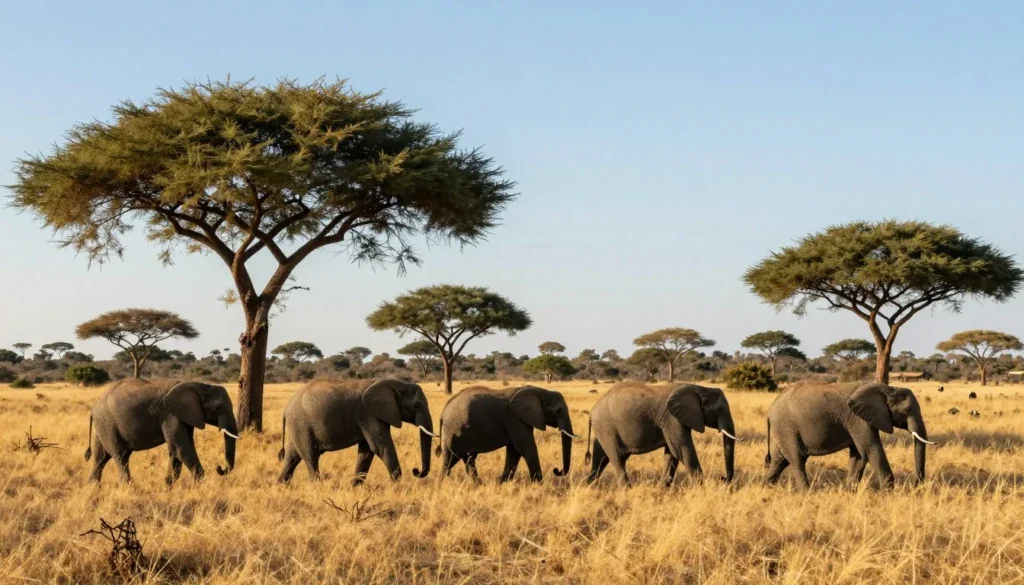
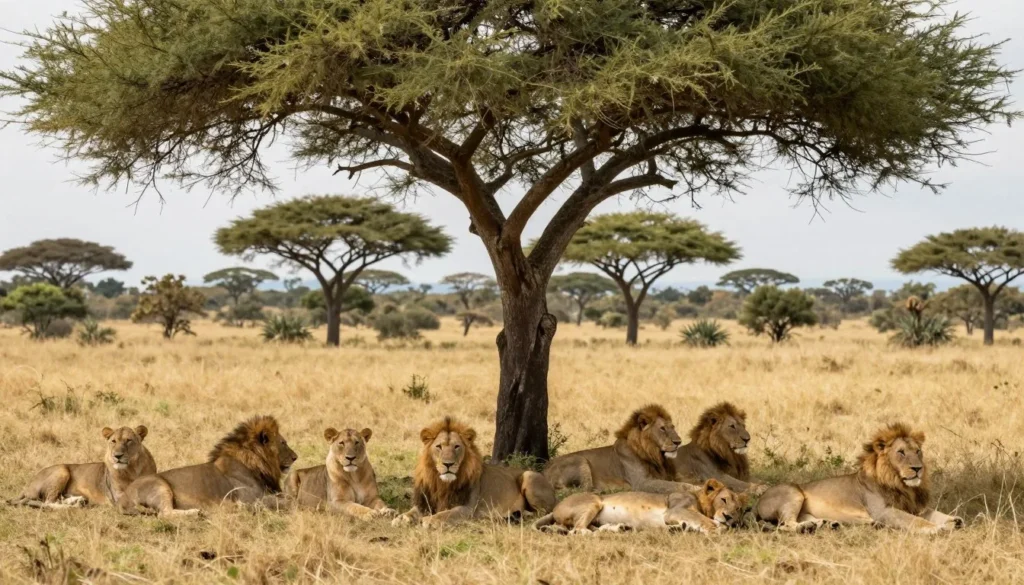
Hlane Royal National Park stands as Swaziland’s premier big game destination, protecting lions, elephants, rhinos, and numerous antelope species across 30,000 hectares of lowveld wilderness. The park’s name means “wilderness” in siSwati, perfectly capturing its remote, pristine character. Originally a royal hunting preserve, Hlane transitioned to conservation in the 1960s and now plays a crucial role in protecting endangered species.
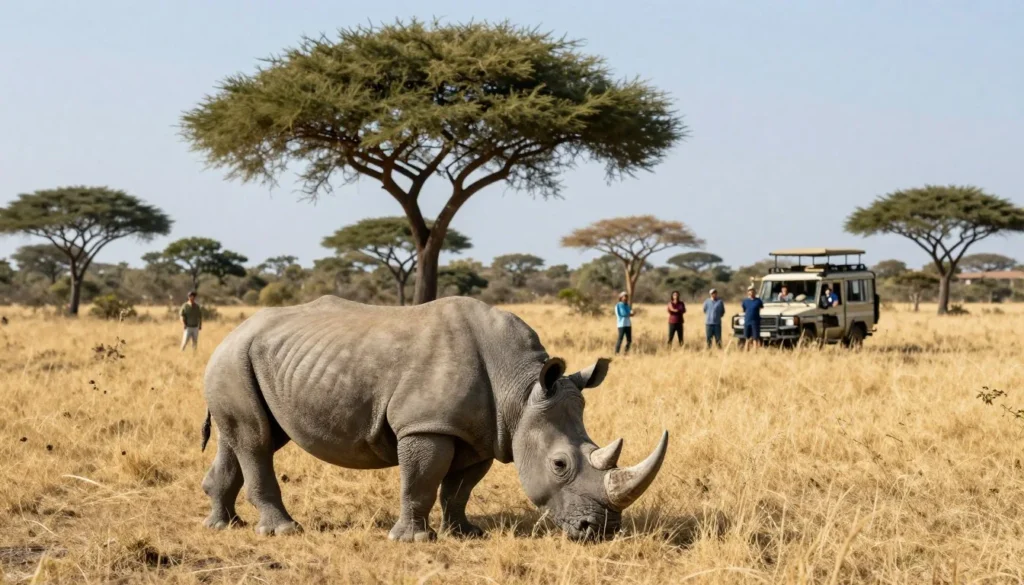
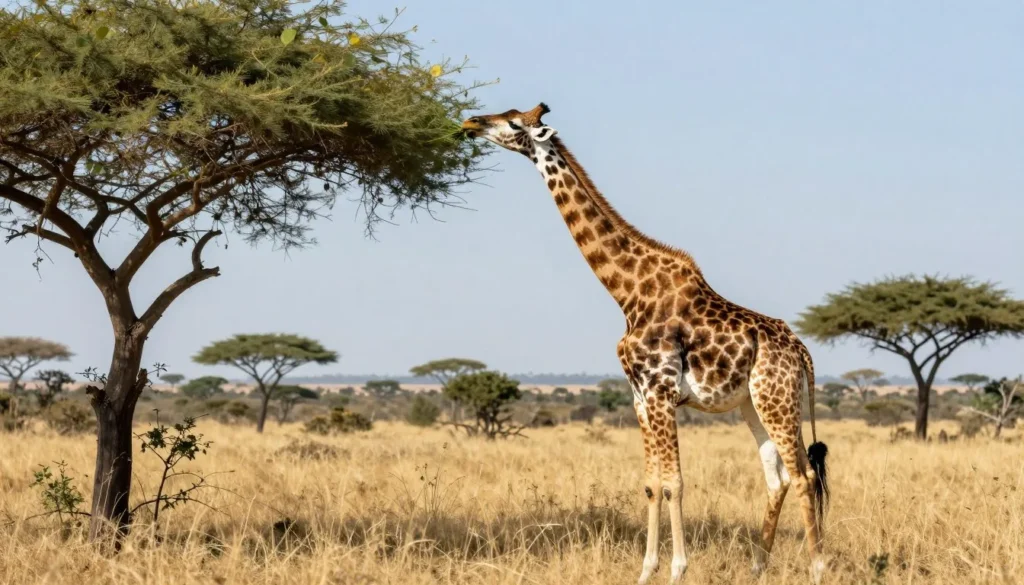
Game drives reveal the park’s remarkable wildlife diversity. Morning drives offer the best opportunities to spot active animals before the heat of the day. Lions often rest near waterholes, while elephants browse among the acacia trees. The park maintains a healthy population of white rhinos, and patient visitors frequently encounter these prehistoric-looking giants.
Walking safaris provide thrilling close encounters with nature under expert guide supervision. These walks last two to three hours and focus on tracking animals, identifying spoor, and understanding ecosystem dynamics. The experience of approaching a rhino on foot creates memories that last a lifetime.
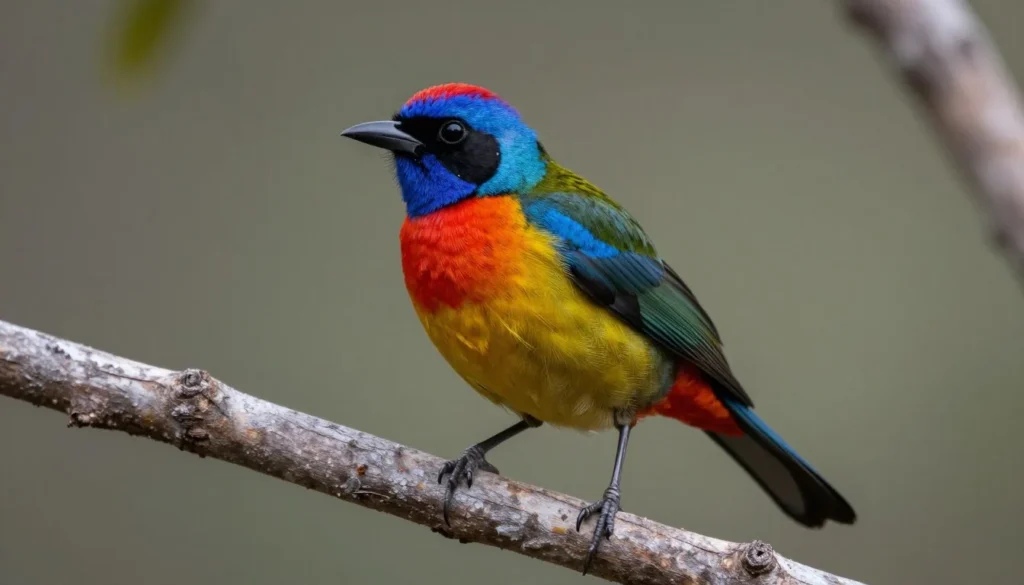
Bird enthusiasts discover over 350 recorded species throughout the park. Notable sightings include martial eagles, white-backed vultures, and the striking purple-crested turaco. Seasonal variations bring migrant species during summer months, making repeat visits worthwhile for dedicated birders.
Mlilwane Wildlife Sanctuary
Mlilwane Wildlife Sanctuary holds the distinction of being Swaziland’s oldest protected area, established in the 1960s by conservationist Ted Reilly. Covering approximately 4,560 hectares, the sanctuary welcomes visitors to explore its diverse habitats on foot, horseback, bicycle, or vehicle. The absence of dangerous predators allows remarkable freedom to roam independently.
Mountain biking through the sanctuary offers adventurous exploration along well-marked trails. Routes vary from easy valley loops to challenging mountain ascents, accommodating different fitness levels. Cycling quietly through the bush often yields better wildlife sightings than driving, as animals remain calmer around human-powered transport.
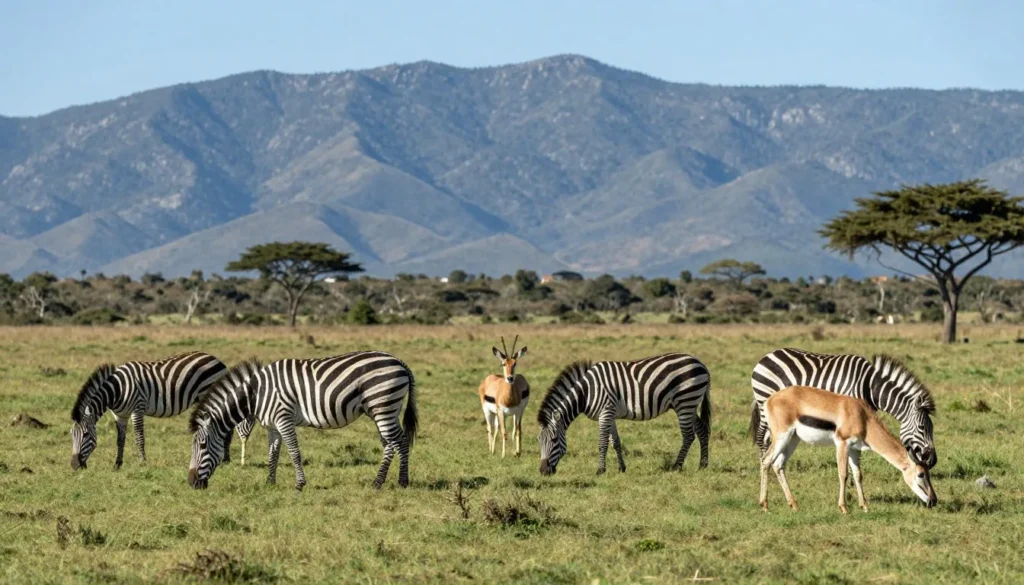
Horseback riding safaris provide a unique wildlife viewing perspective. Even inexperienced riders can enjoy guided rides through the sanctuary, getting remarkably close to zebras, wildebeest, and antelopes. The horses’ calm demeanor around wildlife creates relaxed, memorable encounters.
Hiking opportunities abound with trails ranging from short walks to full-day mountain treks. The climb to Nyonyane Mountain rewards effort with spectacular panoramic views across the sanctuary and surrounding countryside. Early morning hikes offer the best light for photography and wildlife activity.
Mkhaya Game Reserve
Mkhaya Game Reserve focuses exclusively on protecting endangered species in an intimate, exclusive setting. This private reserve limits visitor numbers, ensuring genuine wilderness experiences without crowds. Mkhaya pioneered the reintroduction of black rhinos to Swaziland and continues intensive conservation efforts for these critically endangered animals.
Day visitors must book guided tours in advance as independent exploration is prohibited. This restriction protects both wildlife and guests while ensuring expert guides enhance every encounter. Tours include game drives and guided walks focusing on the reserve’s conservation success stories.
Overnight guests stay in rustic stone cottages without electricity, lit by lanterns that create atmospheric evenings. This back-to-basics approach immerses visitors in nature’s rhythms. Night drives reveal nocturnal species like civets, porcupines, and owls rarely seen during daylight hours.
Mbuluzi Game Reserve
Mbuluzi Game Reserve offers an excellent alternative to busier reserves with its 700 hectares of unspoiled bush. The reserve maintains populations of white rhinos, giraffes, zebras, and various antelope species. Its relatively small size means wildlife encounters occur frequently along the network of game drive roads.
Self-drive game viewing gives visitors control over their schedule and pace. The reserve’s manageable road network makes navigation straightforward even for first-time safari-goers. Designated picnic spots allow leisurely breaks while observing animals from safe vantage points.
Accommodation within the reserve ranges from camping to comfortable chalets. Staying overnight transforms the experience, as animals become more active during cooler morning and evening hours. The intimate scale creates a personal safari atmosphere impossible in larger parks.
Adventure Activities
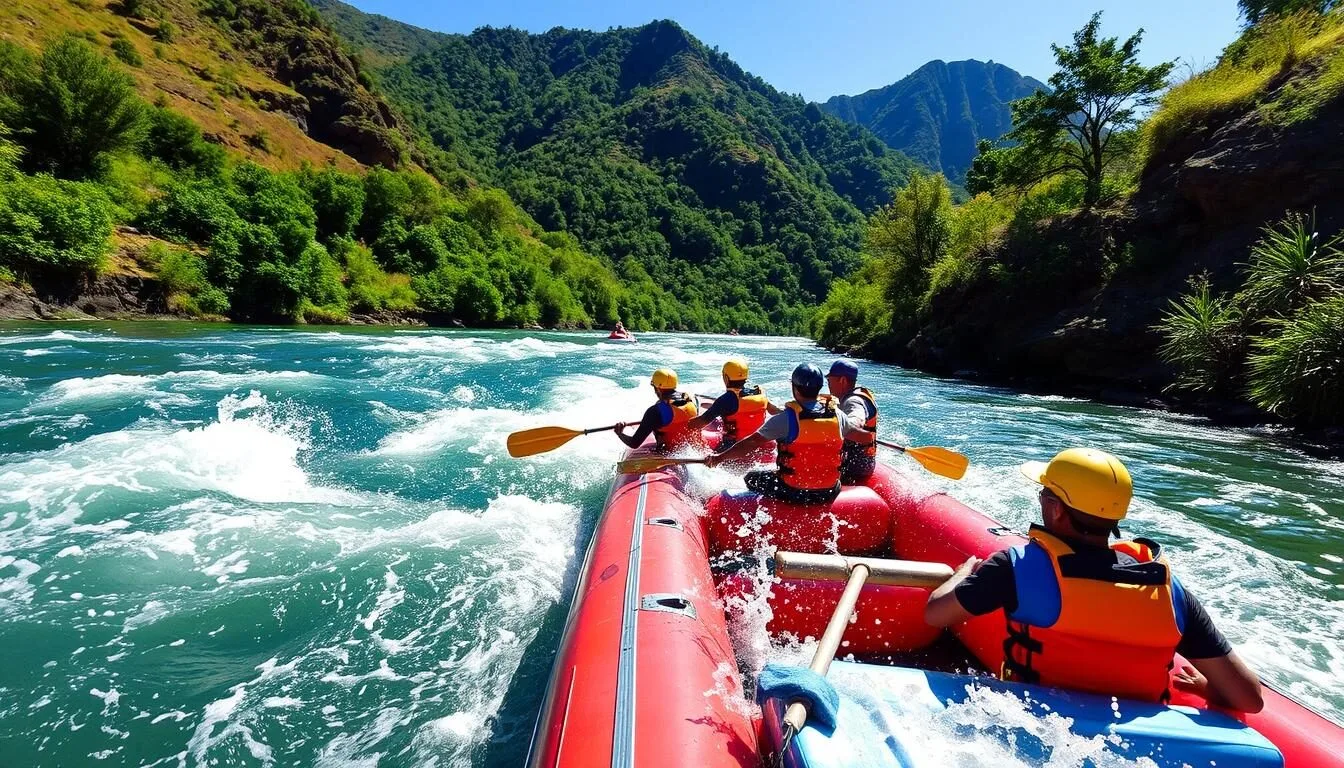
White-water rafting on the Great Usutu River delivers thrilling rapids through spectacular scenery. The river offers grade 3 to 4 rapids suitable for adventurous beginners through experienced rafters. Full-day trips include rapids, calm pools for swimming, and riverside picnic lunches.
Zip-lining across the Maguga Dam provides adrenaline rushes combined with stunning aerial views. The course features multiple cables spanning the reservoir, with the longest stretching over 200 meters. Safety equipment and professional guides ensure secure yet exciting experiences.
Mountain biking trails throughout the country challenge riders with technical terrain and rewarding vistas. The Malolotja area offers particularly excellent mountain biking with routes through pristine wilderness. Bike rentals and guided tours accommodate visitors without their own equipment.
Craft Markets and Cultural Villages
The Ezulwini Craft Market showcases traditional Swazi handicrafts including woven baskets, carved wooden items, and colorful textiles. Vendors demonstrate craft techniques and welcome questions about their work. Prices remain negotiable, though artisans deserve fair compensation for skilled handwork.
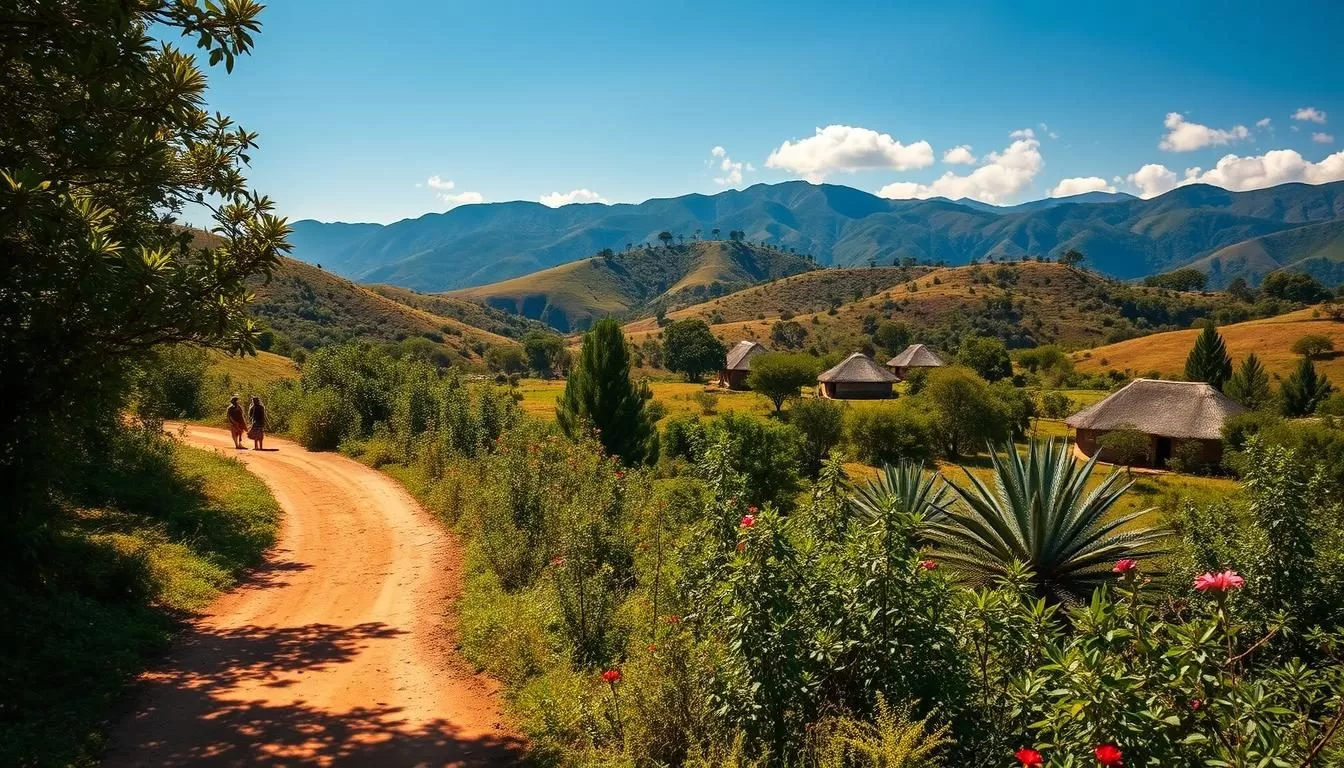
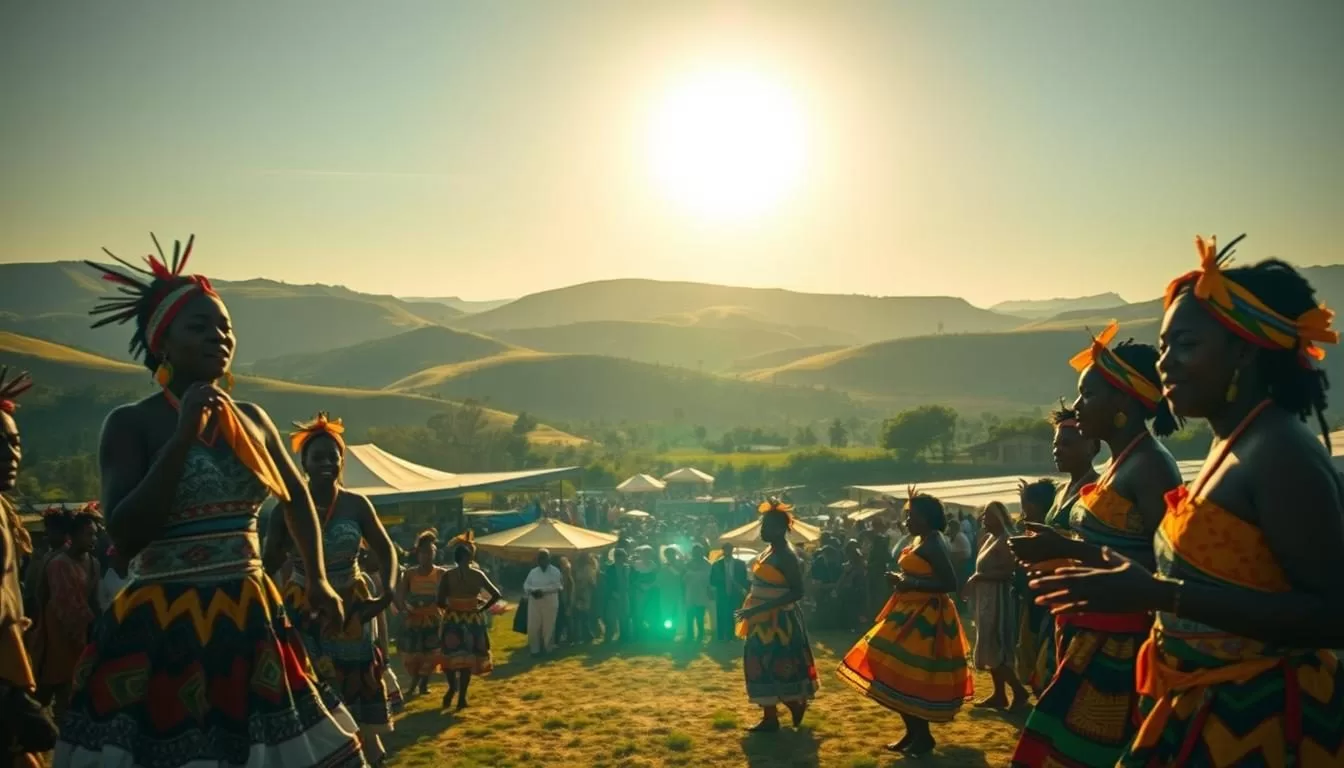
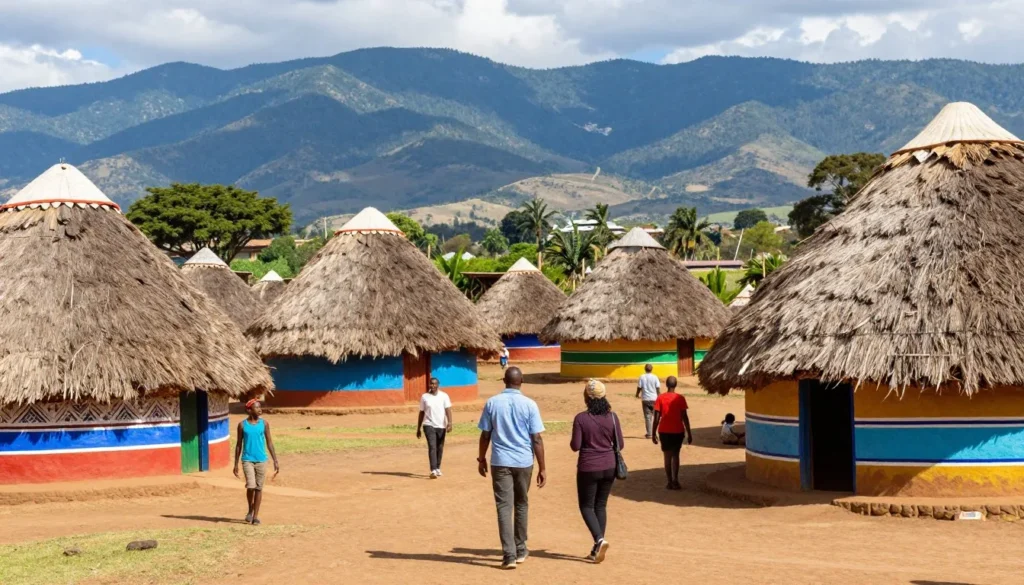
Mantenga Cultural Village recreates traditional Swazi life through authentic homesteads and daily demonstrations. Visitors learn about traditional building methods, cultural practices, and the history of the Swazi people. Daily dance performances showcase energetic traditional dances accompanied by singing and drumming.
Ngwenya Glass factory near the border produces beautiful glassware from recycled bottles. Visitors watch skilled craftspeople transform molten glass into animals, bowls, and decorative pieces. The factory shop sells finished products at reasonable prices, with proceeds supporting the recycling program and artisan training.

Museums, Cultural Spots and Festivals
Swaziland’s cultural heritage runs deep, expressed through living traditions that continue shaping daily life. The kingdom maintains strong connections to ancestral customs while embracing aspects of modernity. Experiencing Swazi culture provides windows into African traditions that have survived centuries of change.
✓ Check 30,000+ Local Sightseeing Tours Worldwide
Museums and Historical Sites
The National Museum in Lobamba presents Swazi history through archaeological artifacts, cultural exhibits, and natural history displays. Collections include traditional weapons, agricultural tools, and ceremonial objects. The museum occupies a traditional beehive hut structure, itself an example of indigenous architecture.
King Sobhuza II Memorial Park honors Swaziland’s longest-reigning monarch who led the country to independence. The site includes royal memorabilia, photographs documenting the king’s life, and his actual royal residence preserved as a museum. Visitors gain insights into Swaziland’s journey from British protectorate to independent kingdom.
The Mlilwane Wildlife Sanctuary maintains a small historical museum detailing conservation efforts and the Reilly family’s role in protecting Swazi wildlife. Exhibits explain how the sanctuary evolved from a cattle ranch to a successful conservation area. Photographs document the challenging early years of wildlife protection.
Traditional Swazi Ceremonies
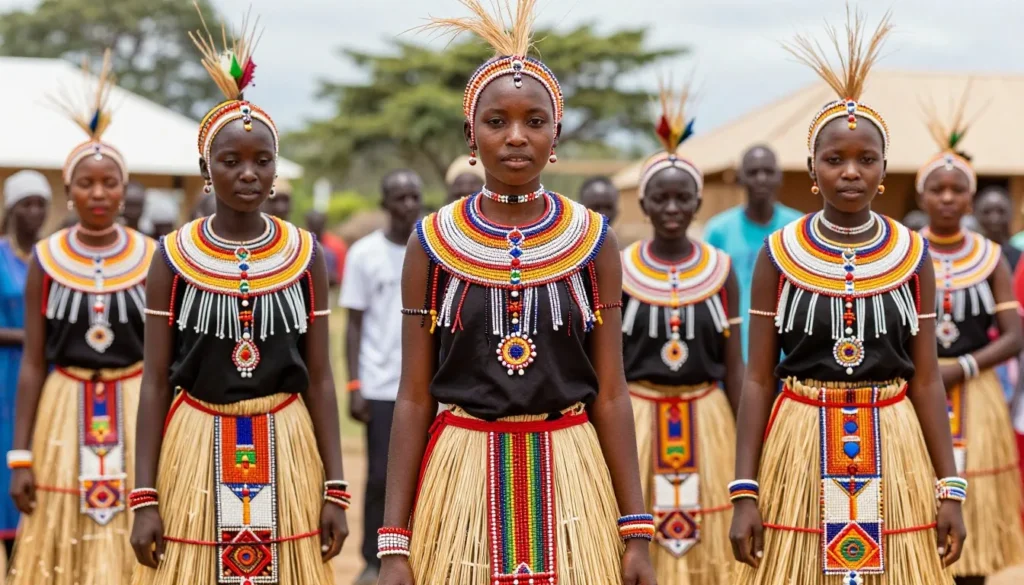
The Umhlanga Reed Dance represents the most famous Swazi cultural event, typically held in late August or early September. Tens of thousands of unmarried women gather at the royal residence to present reeds to the Queen Mother. The multi-day ceremony includes traditional dancing, singing, and cultural displays. Photography restrictions apply during certain portions of the ceremony to respect sacred elements.
The Incwala ceremony marks the first fruits of harvest and celebrates kingship. This sacred event occurs over several weeks in December or January, culminating in the king performing ritual dances. Only portions of Incwala are open to public viewing, as much of the ceremony remains private and deeply spiritual.
Both major ceremonies require respectful behavior and appropriate dress. Visitors should research protocols before attending and follow guidance from local hosts. These events provide rare opportunities to witness living traditions practiced continuously for centuries.
Local Festivals and Events
The Bushfire Festival, held annually in May, celebrates African music, arts, and culture. International and local artists perform across multiple stages while visual artists display their work. The three-day festival attracts creative spirits from across Southern Africa, creating a vibrant, bohemian atmosphere. Camping accommodation and local food vendors complete the festival experience.
MTN Bushfire combines established acts with emerging talent, spanning genres from traditional African music to contemporary rock and electronic. The festival emphasizes environmental responsibility and community development, making it more than just entertainment. Proceeds support local education and conservation initiatives.
Regional agricultural shows occur throughout the year in different areas. These events showcase farming achievements, traditional crafts, and livestock competitions. Agricultural shows provide authentic glimpses into rural Swazi life away from tourist-focused venues. Local food stalls offer traditional dishes prepared by community groups.
Arts and Cultural Centers
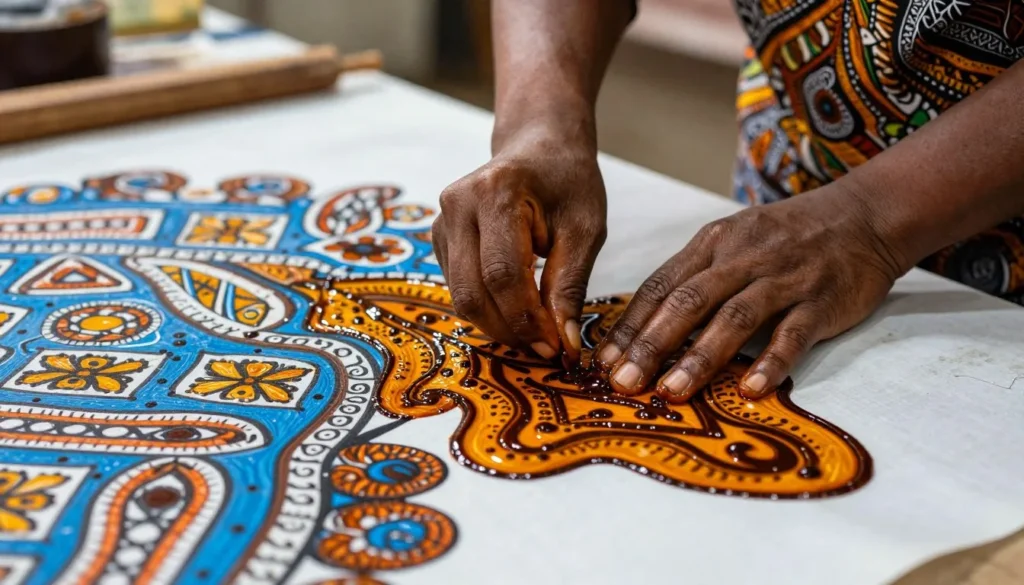
Baobab Batik studio in the Malkerns Valley produces stunning fabric art using traditional wax-resist dyeing techniques. Visitors watch artists create intricate designs before dyeing vibrant colors into cotton fabric. The studio shop sells finished batik pieces as clothing, wall hangings, and accessories.
Rosecraft produces hand-rolled candles in creative designs featuring African wildlife and cultural motifs. The workshop welcomes visitors to observe candle-making processes and browse the extensive product range. Rosecraft employs local artisans and contributes to community development programs.
Tishweshwe fabric shopping offers unique textile experiences. This distinctive printed cotton fabric originates from Southern Africa and remains popular for traditional clothing. Markets and specialty shops stock Tishweshwe in countless patterns and colors, perfect for custom tailoring or crafts.
Music and Dance Traditions
Traditional Swazi music features distinctive vocal harmonies accompanied by drums, rattles, and the kudu horn. Different ceremonies and occasions call for specific musical styles. Many cultural villages and hotels present traditional music and dance performances for visitors, condensing ceremonial elements into entertaining presentations.
Contemporary Swazi musicians blend traditional rhythms with modern genres, creating unique fusion styles. Gospel music holds particular popularity, with church choirs performing complex harmonies every Sunday. Attending a church service provides moving musical experiences alongside cultural immersion.
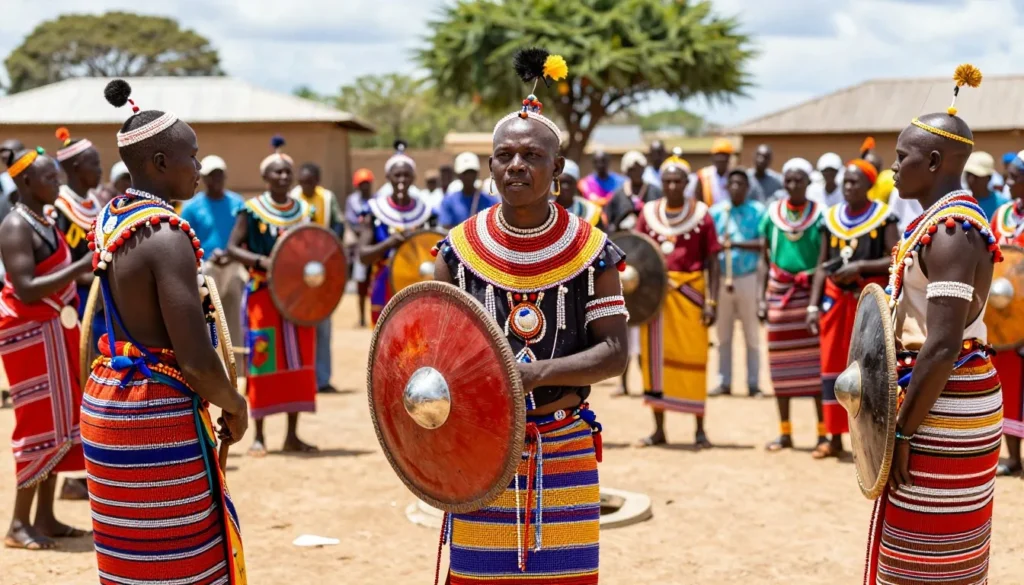
Dance forms integral to Swazi identity include the sibhaca, performed by men displaying strength and agility through high kicks and stomping. Women’s dances emphasize grace and coordination through synchronized movements. Both genders wear traditional costumes that enhance the visual spectacle.
Nature and Outdoor Experiences
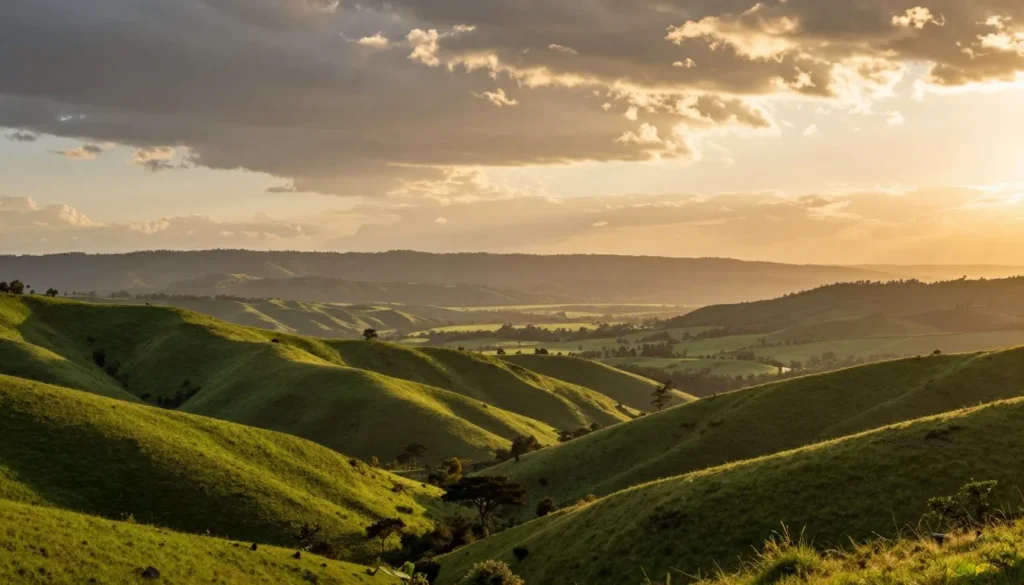
Swaziland’s landscape varies dramatically across short distances, from the mountainous Highveld in the west to the subtropical Lowveld in the east. This topographical diversity creates ecosystems supporting remarkable biodiversity. Nature lovers find endless opportunities for exploration across national parks, nature reserves, and wilderness areas.

Malolotja Nature Reserve
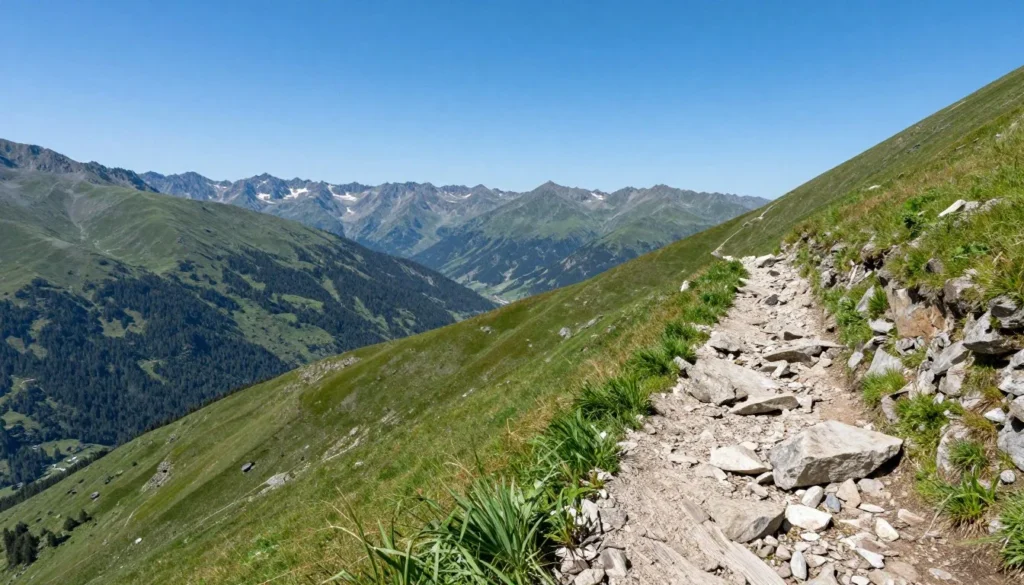
Malolotja Nature Reserve protects 18,000 hectares of pristine mountain wilderness in Swaziland’s northwest. The reserve encompasses dramatic landscapes including deep gorges, rolling grasslands, and indigenous forests. Altitude ranges from 600 to 1,800 meters, creating varied habitats and microclimates.
Over 200 kilometers of hiking trails crisscross the reserve, from easy day walks to challenging multi-day backpacking routes. The Malolotja Falls trail leads to Swaziland’s highest waterfall, plunging 95 meters into a rugged gorge. The three-hour round trip rewards hikers with spectacular scenery and photo opportunities.
Serious hikers tackle the Komati River Trail, a 38-kilometer backpacking route taking three days to complete. This wilderness trail requires advance booking and proper equipment including tents and camping gear. Hiking through remote areas without seeing another person for days creates profound connection with nature.
Birding reaches exceptional diversity with over 280 recorded species. The reserve protects rare and endemic species including the blue swallow and bald ibis. Spring and summer bring migrant species while resident birds remain active year-round. Early morning walks offer the best birding opportunities.
Phophonyane Falls Nature Reserve
Phophonyane Falls offers intimate nature experiences within a compact 120-hectare reserve. The Phophonyane River creates numerous pools and cascades as it flows through indigenous forest. Well-maintained trails wind through the reserve, suitable for all fitness levels and perfect for families with children.
The main waterfall plunges into a deep pool surrounded by lush vegetation. Swimming in the crystal-clear water provides refreshing breaks from hiking. Natural rock formations create perfect spots for picnicking while enjoying the sounds of rushing water and forest birds.
Nature walks reveal the reserve’s botanical diversity with hundreds of plant species including massive tree ferns and ancient yellowwood trees. Interpretive signs along trails identify significant plants and explain their traditional uses. The forest canopy shelters numerous bird species that reward patient observers.
Hawane Nature Reserve
Hawane Nature Reserve protects 572 hectares of diverse habitats in the Piggs Peak area. The reserve features mixed woodland, grassland, and riverine forest supporting varied wildlife. A 12-kilometer circular drive passes through different vegetation zones with regular animal sightings.
Walking trails allow closer exploration of the reserve’s ecosystems. The easy gradient suits casual hikers while providing exercise and fresh air. Picnic sites with braai facilities encourage leisurely days combining wildlife viewing with outdoor meals.
The reserve serves as an important conservation area for indigenous plants threatened by habitat loss elsewhere. Botanists and nature enthusiasts appreciate the protected flora including rare orchids and medicinal plants. Guided walks can be arranged to learn about traditional plant uses.

Rock Climbing and Adventure Sports
Malolotja Nature Reserve offers excellent rock climbing on solid granite formations. Routes range from beginner-friendly to extremely challenging multi-pitch climbs. The remote location means climbers often have entire cliffs to themselves, creating peaceful climbing experiences.
Abseiling adventures near the Malolotja Falls include a heart-pounding descent alongside the waterfall. The 70-meter abseil requires no previous experience as qualified guides provide thorough instruction and safety equipment. The combination of height, mist, and spectacular scenery creates unforgettable moments.
Cave exploration opportunities exist in several limestone areas. Guided tours lead visitors through fascinating underground formations. Some caves contain ancient rock art created by San hunter-gatherers thousands of years ago, protected as important archaeological sites.
Bird Watching Hotspots
The Lubombo Conservancy in eastern Swaziland protects critical habitat for numerous bird species. The area’s mix of woodland, grassland, and wetland supports over 400 recorded species. Seasonal variations bring different birds, making repeat visits worthwhile for serious birders.
Dam and wetland areas attract impressive concentrations of waterbirds. The Maguga Dam hosts large numbers of waterfowl including ducks, geese, herons, and storks. African fish eagles perch in trees overlooking the water, their distinctive calls echoing across the reservoir.
Grassland species thrive in Swaziland’s high-altitude plateaus. Look for ground birds like korhaans, larks, and pipits in open areas. Raptors including black eagles and jackal buzzards soar overhead while hunting. The diversity of habitats within small areas makes Swaziland surprisingly productive for bird watching.
Stargazing and Night Experiences
Swaziland’s low population density and minimal light pollution create exceptional stargazing conditions. The African night sky reveals countless stars, the Milky Way clearly visible as a bright band across the heavens. Many game reserves and remote lodges offer organized stargazing with telescopes and knowledgeable guides.
Night game drives reveal nocturnal species rarely seen during daylight. Spotlights illuminate eyes reflecting in the darkness, leading to exciting discoveries of civets, genets, bush babies, and sometimes predators on the hunt. The bush transforms after dark, with different sounds and heightened awareness.
Full moon walks provide magical experiences as silvery light illuminates the landscape. Some reserves offer guided walks during full moon periods, combining wildlife spotting with natural night navigation. The experience connects participants with ancient human practices of moving through landscapes by moonlight.
Safety, Etiquette and Local Customs
Swaziland maintains a reputation as one of Southern Africa’s safer destinations, though visitors should still exercise common sense precautions. Understanding and respecting local customs enhances interactions with Swazi people and enriches your travel experience. The kingdom’s traditional culture remains strong, with customs actively practiced in daily life.

Personal Safety Considerations
Violent crime against tourists remains relatively rare in Swaziland, particularly in rural and tourist areas. Cities like Mbabane and Manzini require more vigilance, especially after dark. Avoid displaying expensive jewelry, cameras, or large amounts of cash. Use hotel safes for passports, extra cash, and valuable electronics.
Walking in cities during daylight hours is generally safe in busy areas. After dark, arrange transportation rather than walking, even short distances. If staying in urban guesthouses, ask staff about safe walking routes and areas to avoid. Local knowledge proves invaluable for navigating unfamiliar cities.
Vehicle security requires attention throughout the country. Always lock doors and keep windows closed when driving through towns. Park in secured areas whenever possible and never leave valuables visible inside vehicles. Carjackings remain rare but precautions prevent opportunistic theft.
Health and Medical Precautions
Malaria risk exists in Swaziland’s eastern Lowveld areas, particularly during summer months. Consult a travel medicine specialist about antimalarial medication before departure. Use insect repellent, wear long sleeves and pants during evening hours, and sleep under mosquito nets when staying in malaria-prone areas.
Medical facilities in major cities provide adequate care for most situations. Private clinics in Mbabane and Manzini treat tourists professionally with English-speaking doctors. Serious medical emergencies may require evacuation to South Africa, making comprehensive travel insurance essential. Ensure your policy covers medical evacuation.
Drink bottled or purified water, especially in rural areas. Tap water in major cities meets safety standards but visitors often prefer bottled water to avoid any stomach adjustments. Avoid raw vegetables and fruits you cannot peel yourself when eating from street vendors. Reputable restaurants maintain good hygiene standards.
Cultural Etiquette and Customs
Greeting people properly shows respect in Swazi culture. “Sawubona” means “hello” in siSwati when addressing one person, while “Sanibonani” addresses multiple people. Taking time for proper greetings before launching into questions or requests demonstrates politeness. Handshakes are common, often accompanied by warm smiles.
Dress modestly, particularly when visiting rural areas or cultural sites. Women should avoid shorts, short skirts, and revealing tops. Men should wear long pants rather than shorts in traditional settings. While urban areas show more Western influence, conservative dress earns respect throughout the country.
Photography requires sensitivity and often permission. Always ask before photographing people, especially in rural areas or during ceremonies. Some cultural events restrict photography during sacred portions. Military installations, government buildings, and border posts prohibit photography. Respect these rules to avoid complications.
The royal family holds deep reverence in Swazi culture. Speak respectfully about the king and royal family. During national ceremonies or when royal vehicles pass, show appropriate deference. Understanding the monarchy’s central role in Swazi identity helps navigate cultural situations appropriately.
Environmental Responsibility
Leave no trace when exploring natural areas. Carry out all trash and dispose of it properly. Stick to established trails to prevent erosion and habitat damage. Picking plants or disturbing wildlife disrupts ecosystems and often violates park regulations.
Water conservation matters throughout Southern Africa. Take short showers and reuse towels when appropriate. Many lodges implement water-saving measures, and guests should respect these efforts. During dry season, water resources become particularly stressed.
Support conservation-focused businesses and accommodations. Many tourism operations contribute directly to wildlife protection and community development. Your choice of where to stay and which tours to book impacts local conservation efforts significantly.
Do’s
- Greet people warmly
- Dress modestly
- Ask permission for photos
- Respect the royal family
- Support local businesses
- Learn basic siSwati phrases
- Remove shoes when entering homes
Don’ts
- Point at people
- Photograph military sites
- Display affection publicly
- Criticize the government
- Litter or damage nature
- Touch people’s heads
- Eat or drink with left hand only
Wildlife Safety Guidelines
Maintain safe distances from all wild animals, even apparently docile species like zebras and antelopes. Animals remain unpredictable and can become aggressive if they feel threatened. Follow guide instructions exactly during walking safaris and game drives.
Never feed wild animals or leave food accessible to them. Human food harms wildlife and creates dangerous behavior patterns. Animals that become habituated to human food often need to be destroyed, making feeding wildlife both dangerous and unethical.
Stay in vehicles during game drives unless guides indicate it is safe to exit. Lions, elephants, and other dangerous animals can appear suddenly. Your vehicle provides essential protection and should remain your refuge in uncertain situations.
Walking in game reserves requires authorized guides except in areas specifically designated as safe for unaccompanied walking. Even reserves without large predators contain potentially dangerous animals like buffalo or territorial hippos. Always assess risks with local expertise.
Visitor Comments About Swaziland
Travelers from around the world share their experiences exploring this captivating kingdom. Their insights provide valuable perspectives for planning your own journey to Swaziland.
“Swaziland completely exceeded my expectations. I initially planned just a quick stopover while traveling through Southern Africa, but ended up staying an extra week. The wildlife reserves rival much more famous parks, but with a fraction of the crowds. Watching a pride of lions at sunset in Hlane Royal National Park, with only our vehicle present, created a profoundly intimate experience. The Swazi people’s warmth and pride in their culture made every interaction memorable. I particularly loved staying in traditional beehive huts at Mlilwane Wildlife Sanctuary.”
“Our family of four found Swaziland to be the perfect African destination with children. The variety of activities kept everyone engaged, from horseback riding among zebras to white-water rafting on the Usutu River. Unlike some destinations where you need to drive hours between attractions, Swaziland’s compact size meant we saw incredible diversity without exhausting travel days. The craft markets provided wonderful opportunities to buy authentic souvenirs while supporting local artisans. Our kids still talk about watching rhinos on a walking safari and learning traditional dances at Mantenga Cultural Village.”
“As a solo traveler, I appreciated Swaziland’s manageable scale and welcoming atmosphere. I felt comfortable exploring independently but never lonely, as other travelers and friendly locals created natural connections. The hiking in Malolotja Nature Reserve offered some of the most spectacular mountain scenery I’ve encountered anywhere in Africa. Standing beside the 95-meter Malolotja Falls felt like discovering a hidden treasure. I also gained deep appreciation for Swazi culture through visits to traditional villages and observing portions of the Reed Dance ceremony. This small nation delivers big experiences.”
Additional Nearby Destinations
Swaziland’s central location in Southern Africa makes it an excellent base for exploring neighboring regions. Many travelers combine their Swaziland visit with time in South Africa or Mozambique, creating diverse multi-country itineraries. The proximity to several major attractions allows for flexible trip planning.
Kruger National Park, South Africa
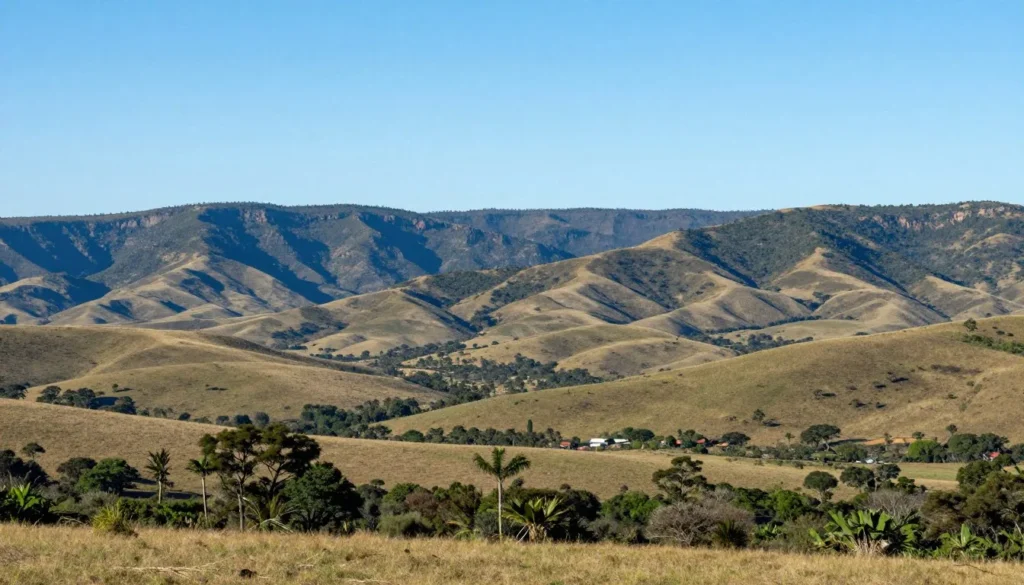
Kruger National Park lies approximately 100 kilometers west of Swaziland’s western border. This world-famous reserve spans nearly 20,000 square kilometers, protecting the Big Five and countless other species. The Malelane and Crocodile Bridge gates provide closest access from Swaziland, reached in about 90 minutes of driving.
Combining Kruger with Swaziland creates a comprehensive wildlife experience. Kruger’s massive scale and infrastructure contrast with Swaziland’s intimate reserves, offering different perspectives on African safari experiences. Many travelers spend several days in each area, maximizing wildlife encounters and park diversity.
Mozambique Beaches
Mozambique’s pristine Indian Ocean coastline beckons just hours from Swaziland’s eastern border. Ponta do Ouro, approximately three hours from Swaziland, offers beautiful beaches, excellent diving, and laid-back beach resort atmosphere. The drive passes through diverse landscapes as you descend from mountains to subtropical coast.
Travelers often structure trips moving from Swaziland’s wildlife and mountains to Mozambique’s beaches for relaxation after active safari and hiking days. The combination provides balanced itineraries mixing adventure with beach leisure. Border crossings into Mozambique require visas for most nationalities, obtained online or at the border.
Drakensberg Mountains, South Africa
The Drakensberg mountain range extends along South Africa’s border with Lesotho, approximately three hours south of Swaziland. These dramatic peaks reach over 3,000 meters, creating spectacular alpine scenery rare in Southern Africa. Hiking opportunities abound from easy walks to challenging multi-day trails.
Royal Natal National Park showcases the Drakensberg’s northern section with the famous Amphitheatre formation. Cathedral Peak area appeals to serious hikers and climbers. The region’s natural beauty and cool mountain climate provide refreshing contrast to lowveld heat. Several mountain resorts offer comfortable accommodation and restaurant facilities.

Greater Maputo Region, Mozambique
Maputo, Mozambique’s capital, lies approximately 200 kilometers from Swaziland’s southern border. This vibrant city blends Portuguese colonial architecture with African culture, creating unique urban character. The waterfront area features excellent seafood restaurants while the central market buzzes with activity and local color.
Maputo Elephant Reserve protects coastal forest habitat and elephant populations recovering from past conflicts. The reserve offers game drives, guided walks, and pristine beaches where wildlife tracks mix with human footprints. Combining city culture, beach relaxation, and wildlife creates varied Mozambique experiences.
✓ Check 30,000+ Local Sightseeing Tours Worldwide
Northern KwaZulu-Natal, South Africa
Northern KwaZulu-Natal province borders Swaziland’s southern edge and features attractions worth exploring. The iSimangaliso Wetland Park, a UNESCO World Heritage Site, protects diverse ecosystems including coastal dunes, wetlands, and offshore reefs. The park’s beaches host nesting sea turtles during summer months.
The historic battlefields area commemorates conflicts between Zulu, Boer, and British forces. Sites like Isandlwana and Rorke’s Drift offer fascinating insights into 19th-century history. Guided tours bring battles to life through expert interpretation and preserved battlefield landscapes.
South Africa Destinations
- Kruger National Park
- Drakensberg Mountains
- KwaZulu-Natal Battlefields
- Blyde River Canyon
- Johannesburg
- Durban
Mozambique Destinations
- Maputo
- Ponta do Ouro
- Inhaca Island
- Maputo Elephant Reserve
- Xai-Xai beaches
Travel Tips
- Check visa requirements
- Allow time for border crossings
- Consider currency needs
- Plan accommodation in advance
- Research road conditions
Practical Travel Tips
Understanding practical details helps smooth your Swaziland adventure and prevents common travel frustrations. These essential tips cover money matters, communication, and other logistics that impact daily travel experiences. Proper preparation in these areas lets you focus on enjoying your journey rather than solving problems.
Money and Currency
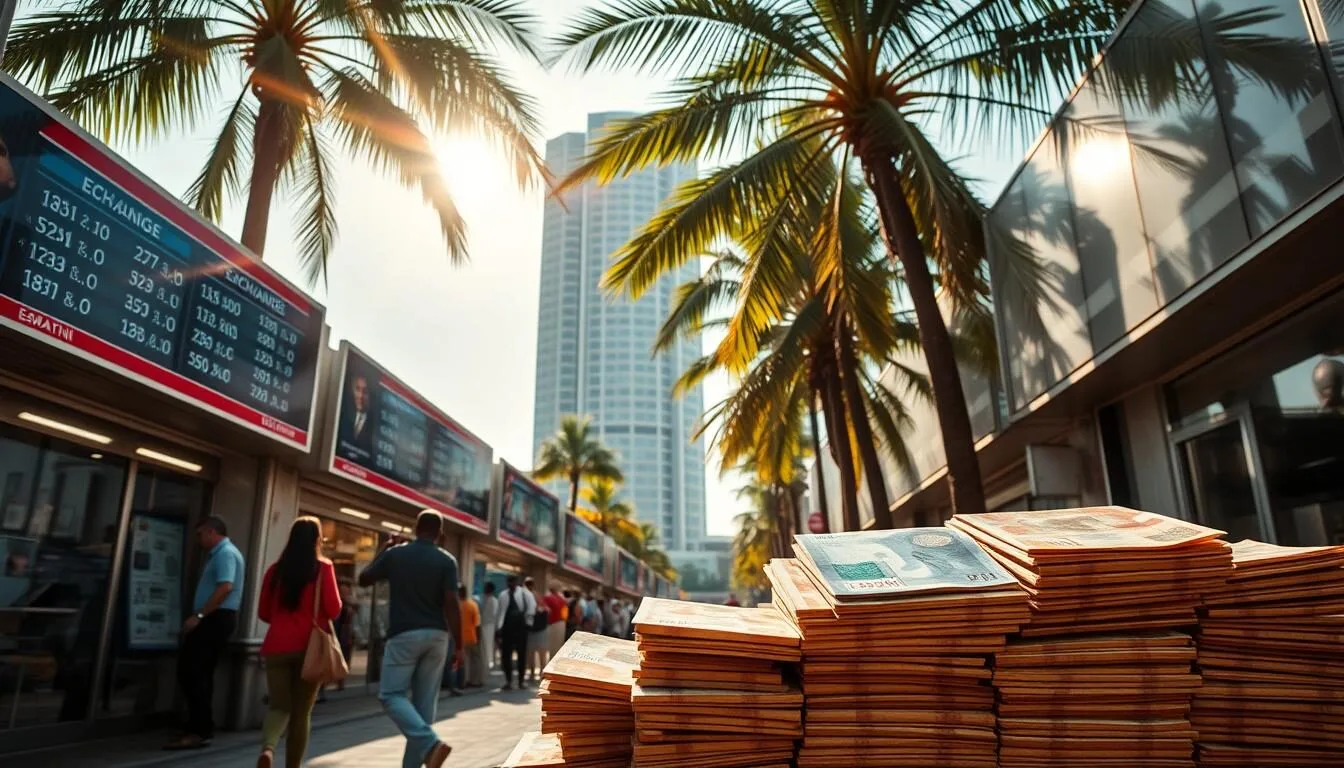
Swaziland uses two currencies interchangeably: the Swazi lilangeni and South African rand. Both currencies circulate freely and businesses accept either without distinction. The exchange rate maintains parity, with one lilangeni equaling one rand. ATMs dispense both currencies, though rand withdrawal proves more useful since lilangeni cannot be easily exchanged outside the country.
Credit cards see acceptance at major hotels, restaurants, and tourist facilities. Smaller establishments, rural areas, and craft markets require cash. Carry sufficient cash for daily expenses, particularly when visiting remote areas where ATMs and card facilities don’t exist. Notify your bank of travel plans to prevent card blocks due to suspicious foreign transactions.
ATMs operate in all major towns and shopping centers. Withdraw cash during daylight hours at busy locations for security. International bank cards from major networks like Visa and Mastercard function reliably. Keep emergency cash hidden separately from your regular wallet as backup funds.
Communication and Connectivity
Mobile phone coverage extends throughout populated areas and along major roads. MTN Swaziland provides the most extensive network coverage. Purchasing a local SIM card offers affordable calling and data rates compared to international roaming. Bring an unlocked phone to use local SIM cards, or inquire about purchasing an inexpensive local phone.
WiFi availability varies considerably. Most hotels and lodges offer internet access, though connections may be slow or unreliable in remote areas. Don’t rely on internet access for critical communications when staying in nature reserves. Download maps, guidebooks, and important information before leaving cities.
International calling costs remain high on local networks. Use WhatsApp, Skype, or similar internet-based services when WiFi allows. Internet cafes exist in major towns though they become less common as smartphone ownership increases. Plan important communications for times when you have good internet access.
Language Basics
English serves as one of Swaziland’s official languages alongside siSwati. Most tourism industry workers speak English fluently, making communication straightforward for English speakers. Signs, menus, and official documents appear in English, easing navigation and comprehension.
Learning basic siSwati phrases earns appreciative smiles from locals. “Sawubona” for hello, “Yebo” for yes, and “Ngiyabonga” for thank you represent useful starting points. Most Swazi people delight in hearing visitors attempt their language, even simple greetings break down barriers and create warm interactions.
Useful SiSwati Phrases
- Sawubona – Hello (to one person)
- Sanibonani – Hello (to multiple people)
- Yebo – Yes
- Cha – No
- Ngiyabonga – Thank you
- Uxolo – Sorry/Excuse me
- Hamba kahle – Goodbye (to person leaving)
- Sala kahle – Goodbye (to person staying)
Essential Numbers
- Emergency services: 999
- Police: 999
- Ambulance: 977
- Fire: 933
- International operator: 0900
- Directory assistance: 1023
Electricity and Adapters
Swaziland uses Type M electrical sockets (same as South Africa), requiring three round-pin plugs arranged in a triangular pattern. Voltage runs at 230V with 50Hz frequency. Visitors from countries using different plug types need travel adapters, available in airports and electronics shops.
Many hotels provide adapters at reception or in rooms. Bring your own adapter if you have multiple devices requiring simultaneous charging. Universal travel adapters work throughout Southern Africa and prove worthwhile investments for frequent travelers.
Time Zone and Business Hours
Swaziland operates on South Africa Standard Time, UTC+2 year-round. The country does not observe daylight saving time, simplifying time calculations. When planning international calls or coordinating travel, account for time differences with your home country.
Business hours typically run from 08:00 to 17:00 Monday through Friday, with many businesses closing for lunch between 13:00 and 14:00. Saturday shopping extends until early afternoon, while most businesses close on Sundays. Banks operate shorter hours, generally 08:30 to 15:30 on weekdays and until 11:00 on Saturdays.
Restaurants in tourist areas often stay open later, though many establishments close by 21:00 or 22:00. Plan dinner reservations accordingly, particularly in smaller towns with limited options. Some safari lodges serve meals at set times, with flexibility sometimes available by prior arrangement.
Tipping Guidelines
Tipping practices follow South African conventions. Restaurants typically warrant 10-15% gratuity for good service. Some establishments add service charges automatically, so check bills before adding extra tips. For exceptional service, consider tipping toward the higher end of the range.
Safari guides and lodge staff depend significantly on tips to supplement modest wages. Budget approximately $10-15 per person per day for guides, divided between guides and trackers if both are present. Leave tips for room attendants daily rather than at the end of your stay, as staff assignments may change.
Taxi drivers appreciate rounding up fares or adding 10% for helpful service. Petrol station attendants (full-service is standard) receive small tips, typically 5-10 Emalangeni per fill-up. Tour guides on day excursions merit tips based on group size and tour quality, generally 10% of the tour cost.
Shopping and Bargaining
Craft markets welcome gentle bargaining as part of the shopping experience. Vendors often quote initial prices expecting negotiation, though aggressive haggling is considered rude. Aim for prices about 20-30% below the first quote while remaining friendly and respectful. Walk away if prices don’t meet your budget; vendors may call you back with better offers.
Fixed-price shops in malls and formal retail establishments don’t negotiate. These stores clearly mark prices, and attempting to bargain wastes everyone’s time. Quality tends to be more consistent in formal shops, though prices naturally run higher than market stalls.
Buying directly from artisans at workshops or craft centers ensures more money reaches creators. Many cooperatives exist where purchasing supports entire communities. These establishments often explain craft techniques and cultural significance, adding value beyond the actual products.
Interactive Map of Swaziland
Use this map to orient yourself and plan your route through Swaziland’s diverse regions and attractions.
Your Swaziland Adventure Awaits
This small kingdom tucked between South Africa and Mozambique delivers outsized experiences that linger long after you return home. From the moment you cross the border into its mountainous highlands or subtropical lowlands, Swaziland reveals a pace of life and depth of tradition increasingly rare in our modern world. The wildlife encounters rival those in famous parks yet unfold without crowds or commercialization. The hiking trails wind through pristine wilderness where solitude and spectacular vistas reward every uphill effort. The cultural experiences showcase living traditions that haven’t been staged or sanitized for tourist consumption.
What makes Swaziland truly special extends beyond its attractions to the warmth of its people. The genuine smiles, the pride in sharing cultural heritage, and the unhurried approach to daily life create authentic connections impossible to manufacture. You’ll leave with more than photographs and souvenirs. You’ll carry memories of conversations with craftspeople explaining traditional techniques, of moments watching animals in their natural habitats, and of sunsets that painted mountains in impossible colors.
Start planning your journey to this remarkable kingdom. Research your interests, book accommodations that match your style, and prepare for adventures that feel both exciting and deeply personal. Whether you spend three days or three weeks, whether you focus on wildlife, culture, or outdoor pursuits, Swaziland welcomes you to discover why those who visit once often return again. The Mountain Kingdom awaits your arrival, ready to share its treasures with travelers who seek authentic African experiences beyond the usual tourist trails.