
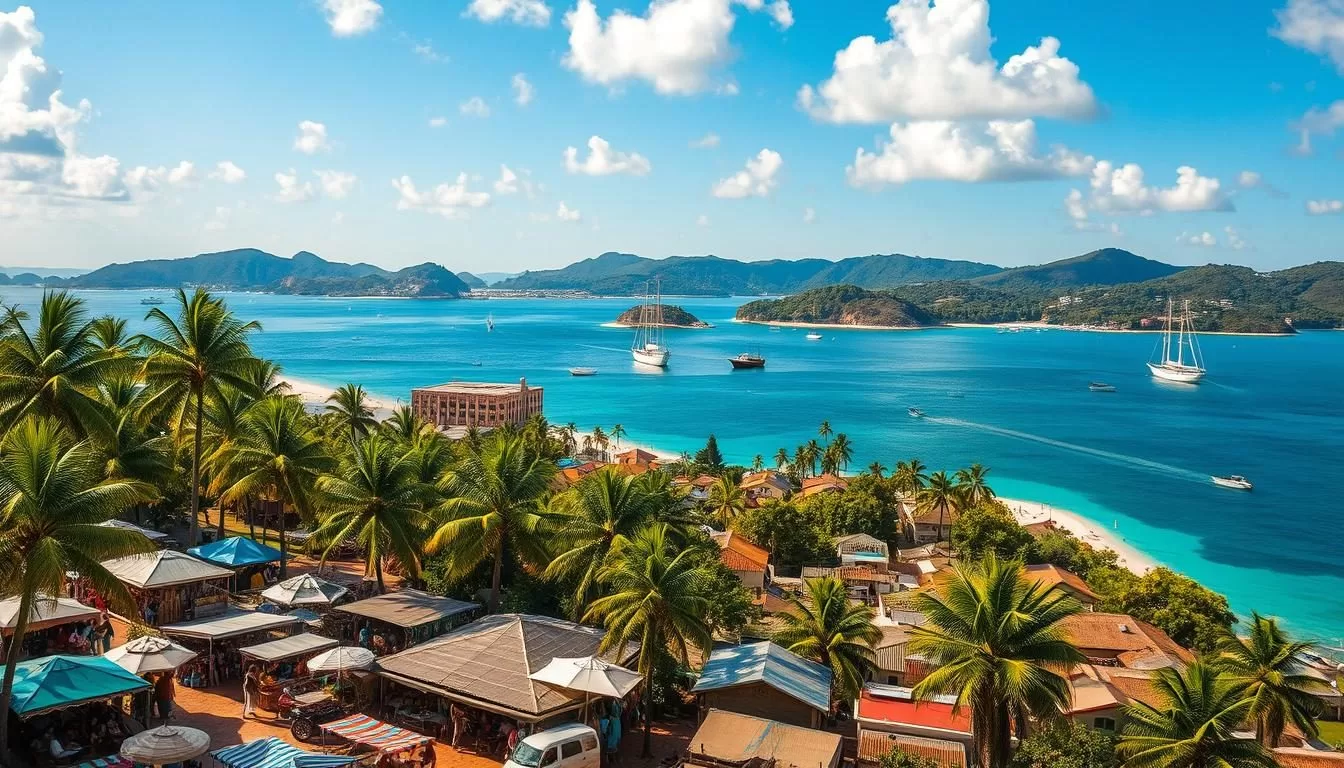
1. Dar es Salaam – ~7,050,000
Largest city and main port; economic, political, and cultural hub of Tanzania.
2. Mwanza – ~1,182,000
Major port on Lake Victoria; fishing and industrial center.
3. Arusha – ~617,000
Tourism hub and gateway to northern national parks and Mount Kilimanjaro.
4. Dodoma – ~568,000
National capital; administrative and political center.
5. Mbeya – ~560,000
Agricultural and transportation hub in southern highlands.
6. Morogoro – ~410,000
Agricultural trade center and gateway to Mikumi National Park.
7. Tanga – ~380,000
Indian Ocean port city; important for trade and industry.
8. Kahama – ~305,000
Mining and trade hub in northwestern Tanzania.
9. Tabora – ~227,000
Historic inland city; agricultural and railway center.
10. Kigoma – ~215,000
Port city on Lake Tanganyika; transport hub for western Tanzania.
11. Singida – ~203,000
Agricultural and trading center in central Tanzania.
12. Musoma – ~183,000
Fishing and trading town on Lake Victoria.
13. Shinyanga – ~175,000
Agricultural and mining town in northwestern Tanzania.
14. Geita – ~167,000
Gold mining center in the Lake Zone.
15. Iringa – ~164,000
Agricultural hub in southern highlands; gateway to Ruaha National Park.
16. Bukoba – ~150,000
Port city on Lake Victoria; regional trade hub.
17. Moshi – ~149,000
Tourist gateway to Mount Kilimanjaro and coffee-growing region.
18. Mpanda – ~148,000
Growing trade town in western Tanzania.
19. Sumbawanga – ~146,000
Remote trade and agricultural town in southwestern Tanzania.
20. Njombe – ~130,000
Agricultural and livestock trading hub in southern highlands.
21. Songea – ~130,000
Southern city known for agriculture and regional trade.
22. Mafinga – ~120,000
Tea-growing and timber production center.
23. Ifakara – ~105,000
Agricultural and research center in the Kilombero Valley.
24. Handeni – ~100,000
Agricultural market town in northeastern Tanzania.
25. Bunda – ~95,000
Town near Serengeti National Park; agriculture-based economy.
26. Kibaha – ~93,000
Administrative center of Pwani Region; growing residential area.
27. Babati – ~91,000
Agricultural hub near Lake Babati and Tarangire National Park.
28. Korogwe – ~88,000
Town in Tanga Region; trade center between Dar es Salaam and Kilimanjaro.
29. Tukuyu – ~85,000
Highland town in Mbeya Region; tea and coffee production.
30. Kasulu – ~84,000
Town in Kigoma Region; trade and refugee support center.
31. Mpwapwa – ~82,000
Agricultural market town in Dodoma Region.
32. Tarime – ~80,000
Northern trade town near the Kenyan border; gold mining area.
33. Kilosa – ~78,000
Agricultural center in Morogoro Region.
34. Nzega – ~76,000
Trade and transport hub in Tabora Region.
35. Chalinze – ~75,000
Important highway town linking Dar es Salaam to central Tanzania.
36. Morogoro Rural – ~73,000
Agricultural district surrounding Morogoro city.
37. Masasi – ~72,000
Cashew-growing town in southern Tanzania.
38. Same – ~70,000
Town in Kilimanjaro Region; agriculture and trade.
39. Kyela – ~69,000
Rice and banana-growing district on Lake Nyasa.
40. Lindi – ~67,000
Coastal town; fishing and cashew production center.
41. Magu – ~66,000
Agricultural town in Mwanza Region.
42. Kondoa – ~65,000
Known for Kondoa Rock-Art Sites (UNESCO World Heritage).
43. Tunduma – ~63,000
Border town with Zambia; major transport and trade hub.
44. Urambo – ~61,000
Tobacco-growing area in Tabora Region.
45. Mkuranga – ~59,000
Agricultural district south of Dar es Salaam.
46. Pangani – ~55,000
Historic coastal town with fishing and tourism.
47. Bagamoyo – ~53,000
Historic port and cultural center north of Dar es Salaam.
48. Meatu – ~50,000
Agricultural district in Simiyu Region.
49. Serengeti – ~48,000
Tourism hub near Serengeti National Park.
50. Rorya – ~46,000
Agricultural and fishing district on Lake Victoria.
The above is subject to change.
Check back often to TRAVEL.COM for the latest travel tips and deals.



0 Comments