Hotels by Trip.com
Flights by Trip.com
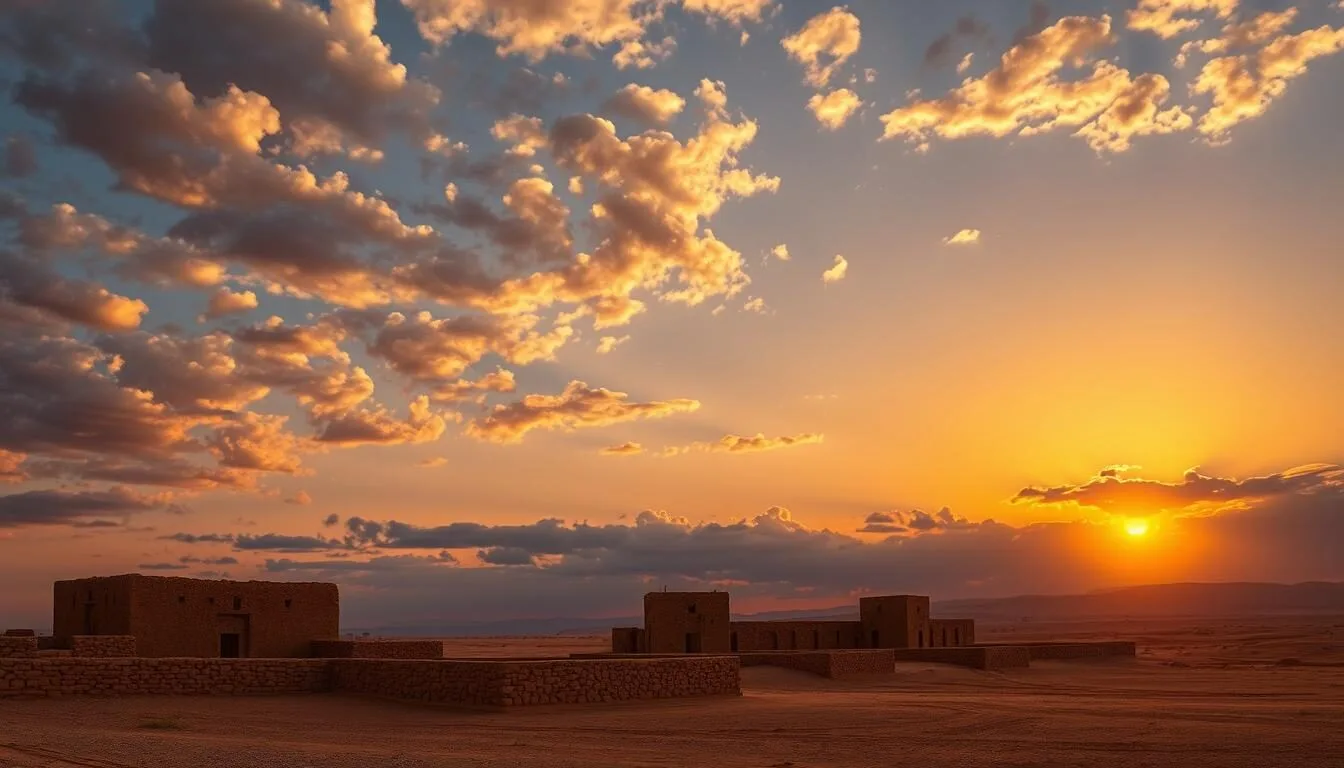
Home to North Africa’s highest peak at 1,544 meters, Chambi National Park shelters some of Tunisia’s most endangered wildlife, including one of only three remaining populations of Barbary sheep in the country. This hidden gem at the edge of the Atlas Mountains offers intrepid travelers a rare glimpse into Tunisia’s wild side, far from the coastal resorts that dominate tourism in the region.
Getting There & Planning Your Journey
Chambi National Park is located near the town of Kasserine, approximately 200 kilometers southwest of Tunis, Tunisia’s capital city. The park’s remote location makes it somewhat challenging to reach, but the journey is part of the adventure.
By Air
The closest international airport is Tunis-Carthage International Airport. From there, you’ll need to arrange ground transportation to reach Chambi National Park.
By Road
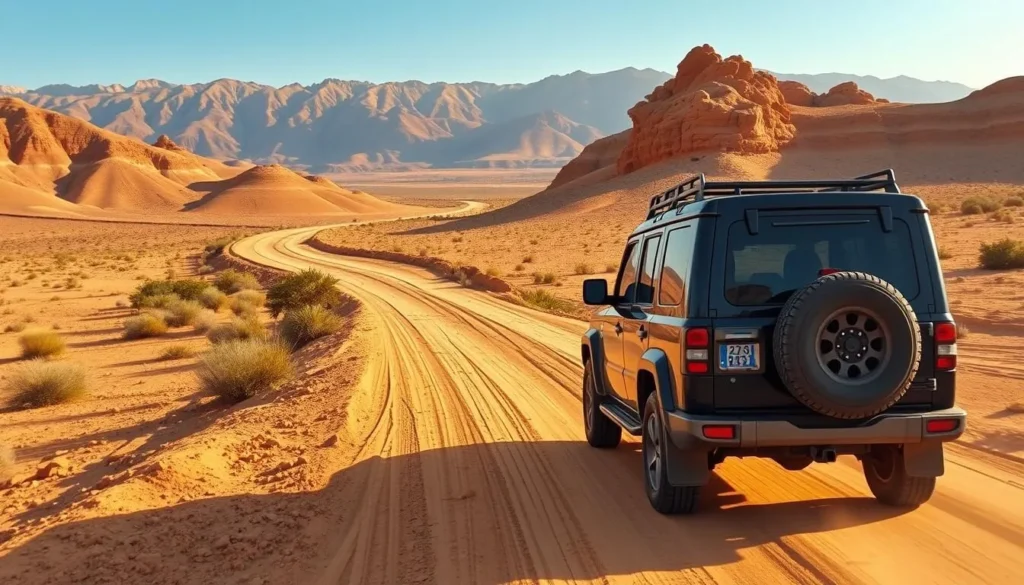
From Tunis, the drive to Chambi National Park takes approximately 3-4 hours. The roads are generally well-maintained until you reach the vicinity of the park, where a 4×4 vehicle becomes necessary for the final stretch.
Local Guide Recommendation: Due to the remote nature of the park and occasional security concerns in the region, hiring a local guide is highly recommended. They can navigate the terrain, communicate with park authorities, and enhance your wildlife spotting opportunities.
Best Time to Visit & Weather Tips
Chambi National Park experiences a semi-Mediterranean climate with distinct seasons that can significantly impact your visit.
| Season | Months | Weather | Recommendation |
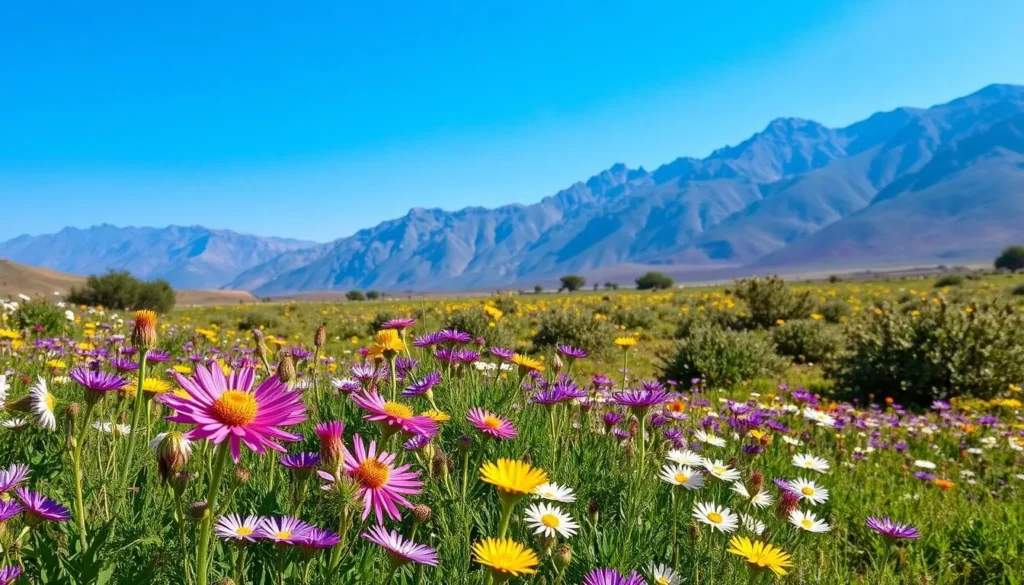
| Spring | March-May | Mild temperatures (15-25°C), occasional rain | Ideal time to visit; wildflowers bloom and baby Barbary sheep are often spotted |
| Summer | June-August | Hot and dry (25-35°C) | Early morning hikes recommended; bring plenty of water |
| Fall | September-October | Pleasant temperatures (18-28°C) | Good hiking conditions with fewer visitors |
| Winter | November-February | Cool (5-15°C), occasional snow at higher elevations | Not recommended; some trails may be inaccessible |
The best time to visit Chambi National Park is during the dry season from March to October, with March to May being particularly rewarding for wildlife enthusiasts. During this period, the Barbary sheep give birth to their young, which can often be spotted on the mountain slopes.
Packing Tip: Even in warm seasons, temperatures can drop significantly at higher elevations. Pack layers, sturdy hiking boots, sun protection, and plenty of water. There are limited facilities within the park, so come prepared.
Check 30,000+ Local Sightseeing Tours Worldwide
✓ Numerous languages and currencies are available
Where to Stay
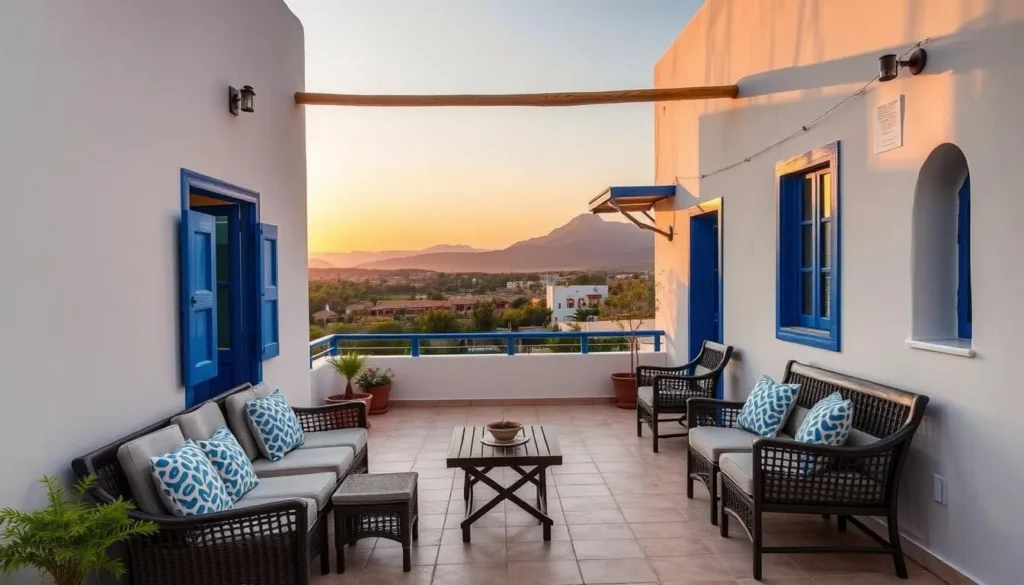
Accommodation options near Chambi National Park are limited. Most visitors choose to stay in either Kasserine (the closest town) or make day trips from Tunis.
Kasserine Options
The town of Kasserine offers basic accommodations with limited tourist facilities. While staying here puts you closest to the park, be aware that the town isn’t geared toward international tourism.
- Basic local hotels
- Limited dining options
- Proximity to park entrance
Tunis Accommodations
Most visitors prefer to base themselves in Tunis, where you’ll find a wide range of accommodation options from luxury hotels to budget-friendly guesthouses.
- Wide range of options
- Better tourist infrastructure
- 3-4 hour drive to the park
Day Trip Option
For those short on time, organized day trips from Tunis are available. While this means a long day of travel, it eliminates accommodation concerns.
- No need for local accommodation
- Professional guides included
- Limited time in the park
Attractions, Sightseeing & Activities
Chambi National Park offers a range of activities for nature lovers and adventure seekers. The park’s main draw is its stunning mountain landscapes and unique wildlife.
Hiking Mount Chambi
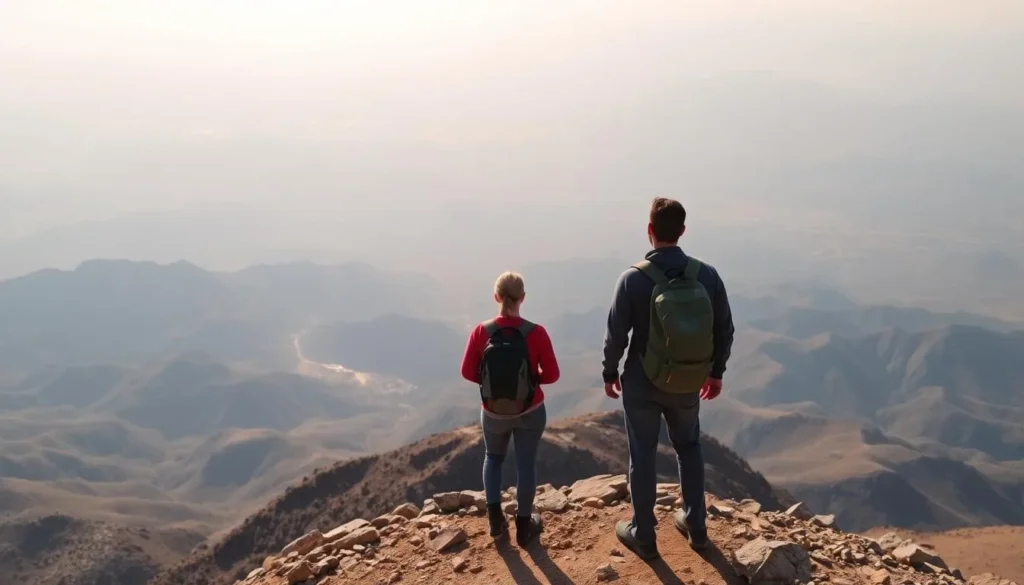
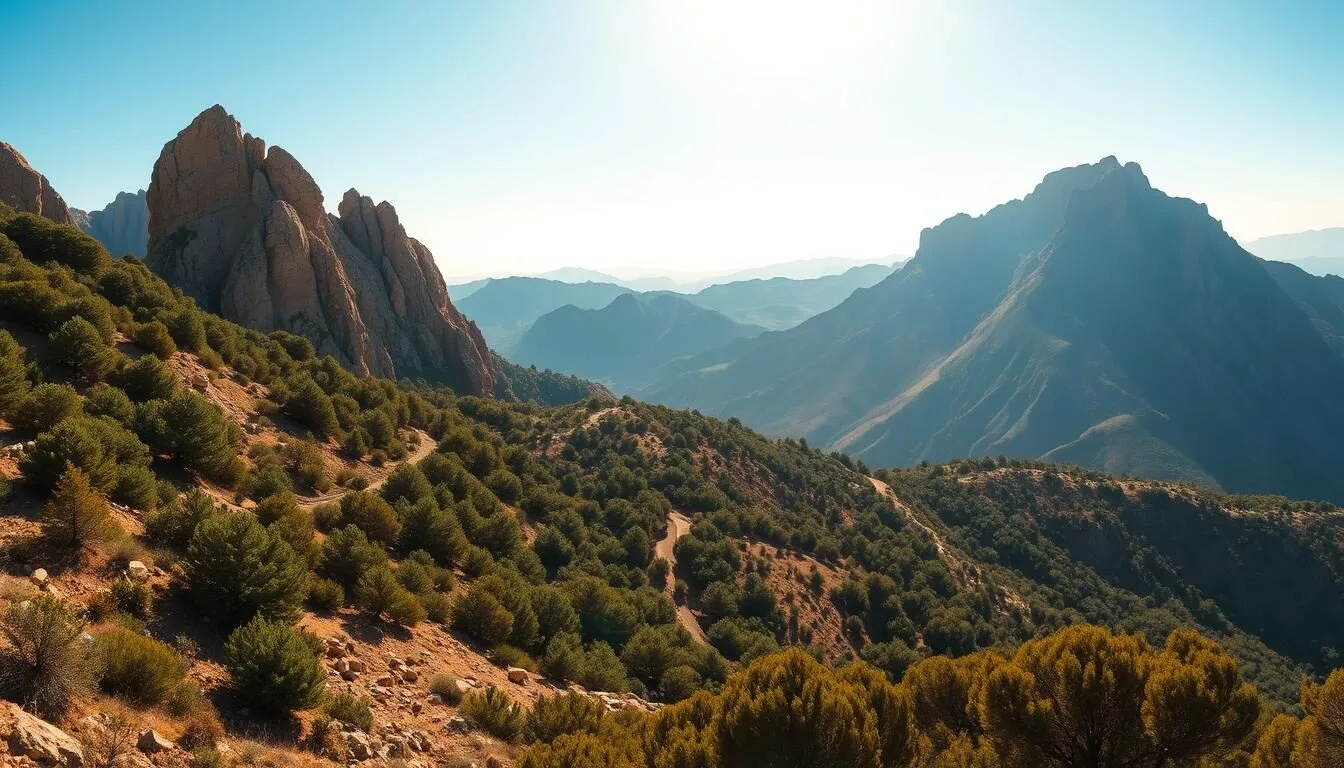
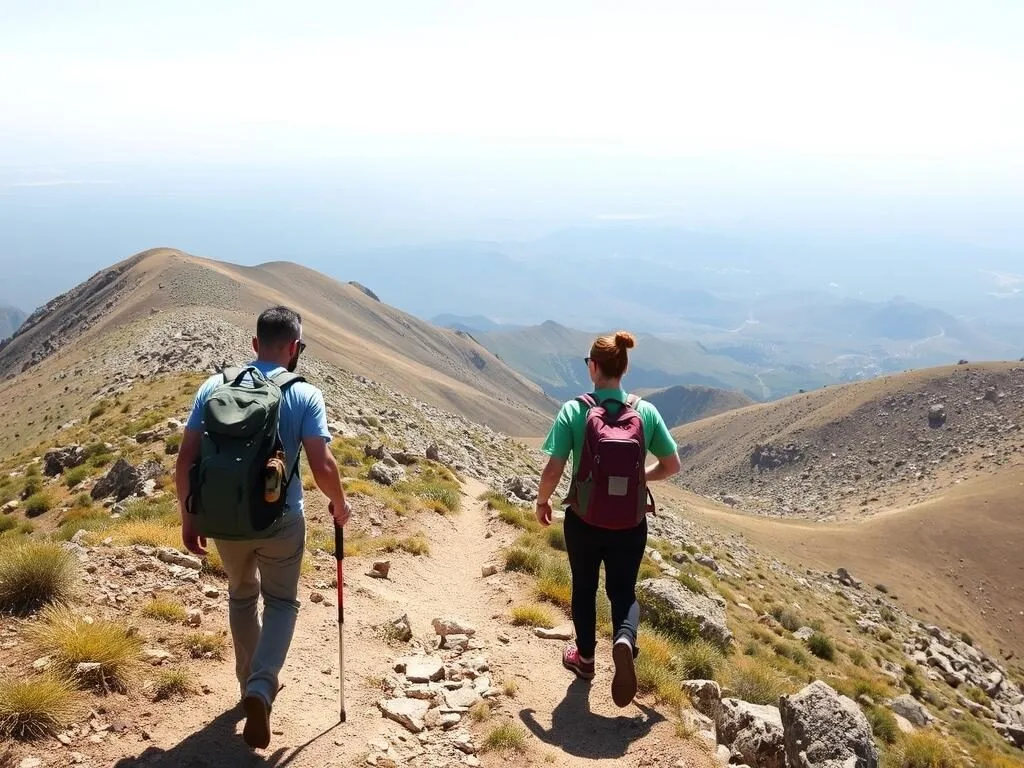
The park’s crown jewel is Mount Chambi, Tunisia’s highest peak at 1,544 meters. A well-marked trail leads to the summit, offering spectacular panoramic views of the surrounding landscape.
- Trail difficulty: Moderate
- Hiking time: 2-3 hours to the summit
- Required fitness level: Moderate
Safety Note: Always inform park authorities of your hiking plans and never hike alone. The terrain can be challenging, and weather conditions can change rapidly.
Wildlife Watching
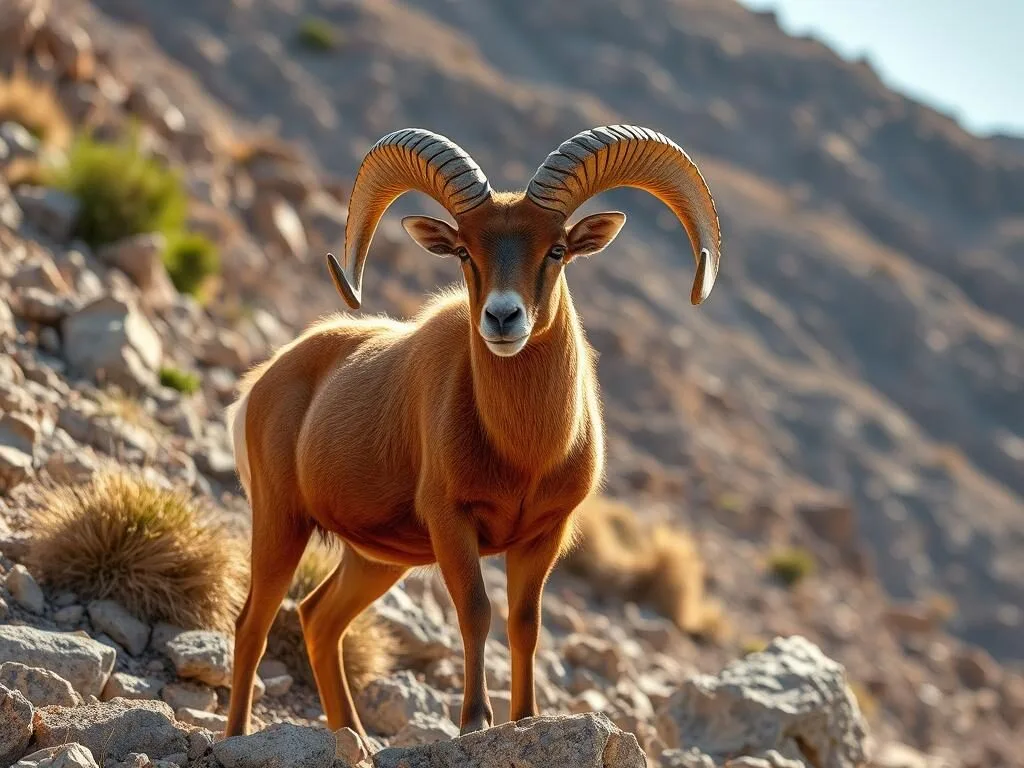
The park is home to several rare and endangered species. Patient observers may spot the elusive Barbary sheep with their distinctive curved horns, Cuvier’s gazelles, and various bird species including eagles and falcons.
- Barbary sheep (best seen March-May)
- Cuvier’s gazelle
- Golden jackals
- Ruppell’s fox
- Various raptor species
Photography Opportunities
Chambi National Park offers spectacular photography opportunities, from sweeping landscapes to unique wildlife. The changing light throughout the day creates dramatic scenes, particularly during the golden hours of early morning and late afternoon.
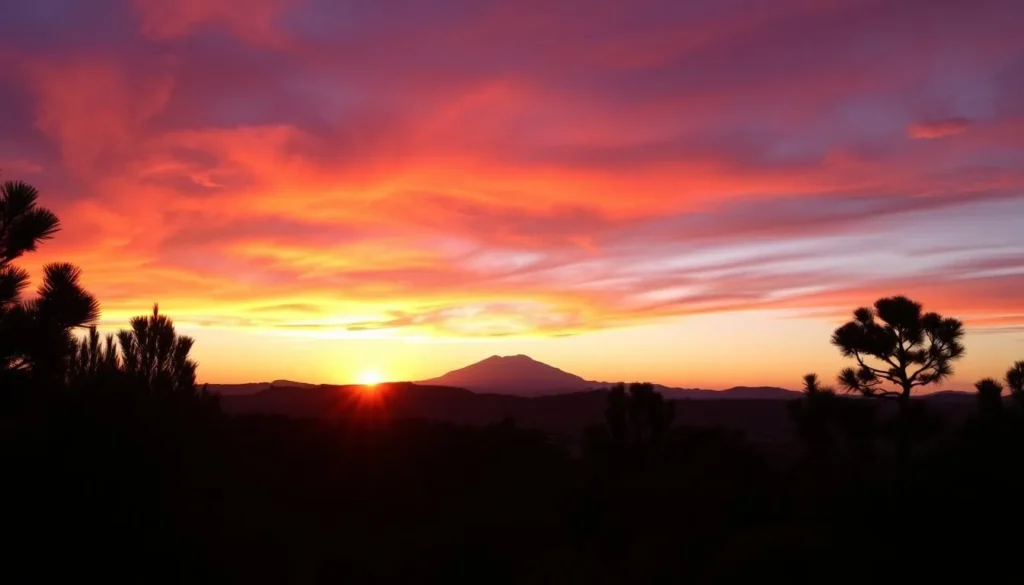
The golden hour casts a magical light over the Aleppo pine forests of Chambi National Park
Practical Travel Tips
Safety Considerations
While Chambi National Park is beautiful, there are some important safety considerations to keep in mind:
- Check current travel advisories before visiting, as the region has experienced security issues in the past
- Hire a local guide familiar with the area
- Register with park authorities before hiking
- Carry sufficient water and supplies
- Inform someone of your itinerary if exploring independently
What to Pack
Prepare for your visit to Chambi National Park with these essentials:
- Sturdy hiking boots
- Layered clothing (temperatures vary with elevation)
- Sun protection (hat, sunscreen, sunglasses)
- Plenty of water and snacks
- First aid kit
- Camera with zoom lens for wildlife
- Binoculars for bird watching
Park Information
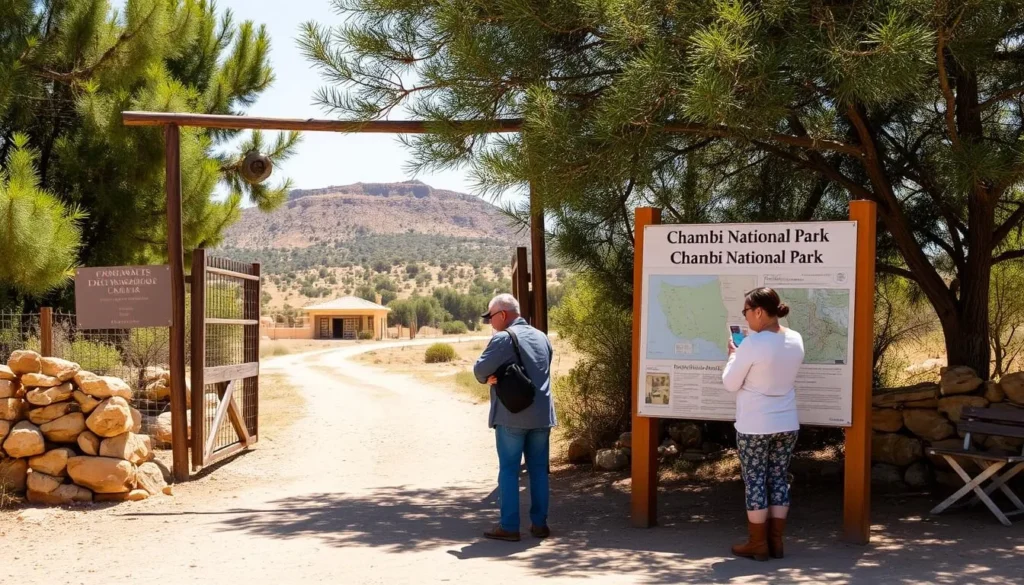
Opening Hours: 9:00 AM – 5:00 PM daily
Entrance Fee: Small fee payable at the park entrance (bring cash)
Facilities: Limited; no restaurants or shops within the park
Nearby Attractions Worth Visiting
While Chambi National Park deserves a dedicated visit, there are several other attractions in the region worth exploring if you have extra time.
Sbeitla Roman Ruins
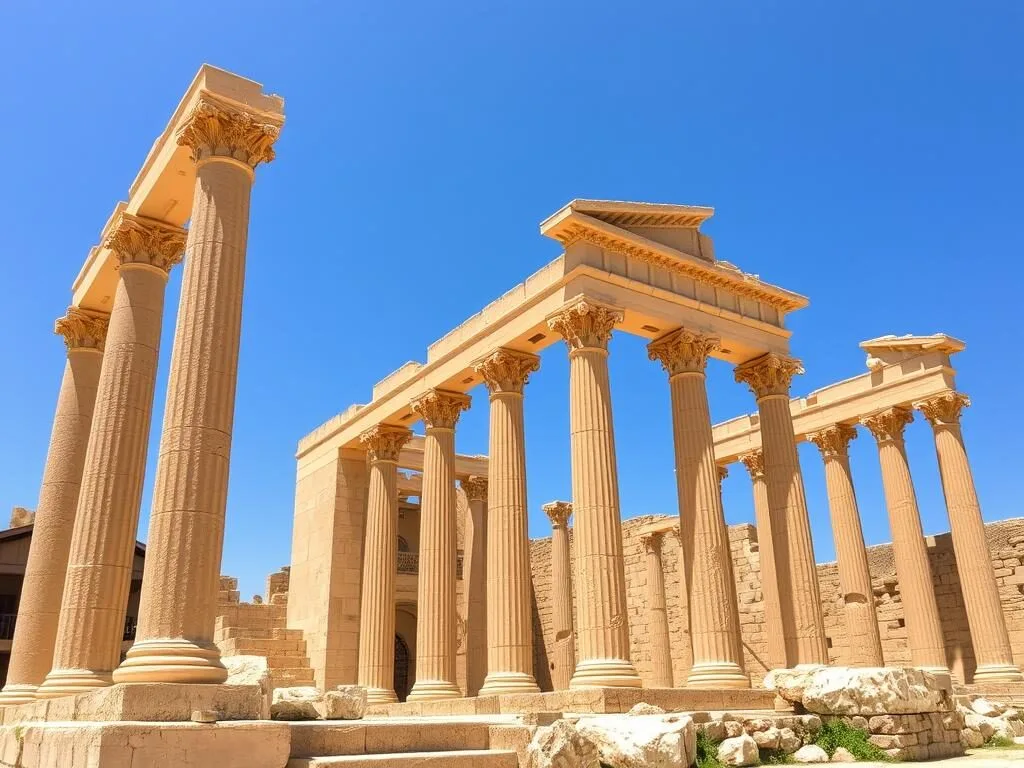
Located about 30km from Kasserine, the ancient Roman city of Sbeitla features remarkably preserved temples, forums, and baths dating back to the 1st century.
Bou-Hedma National Park
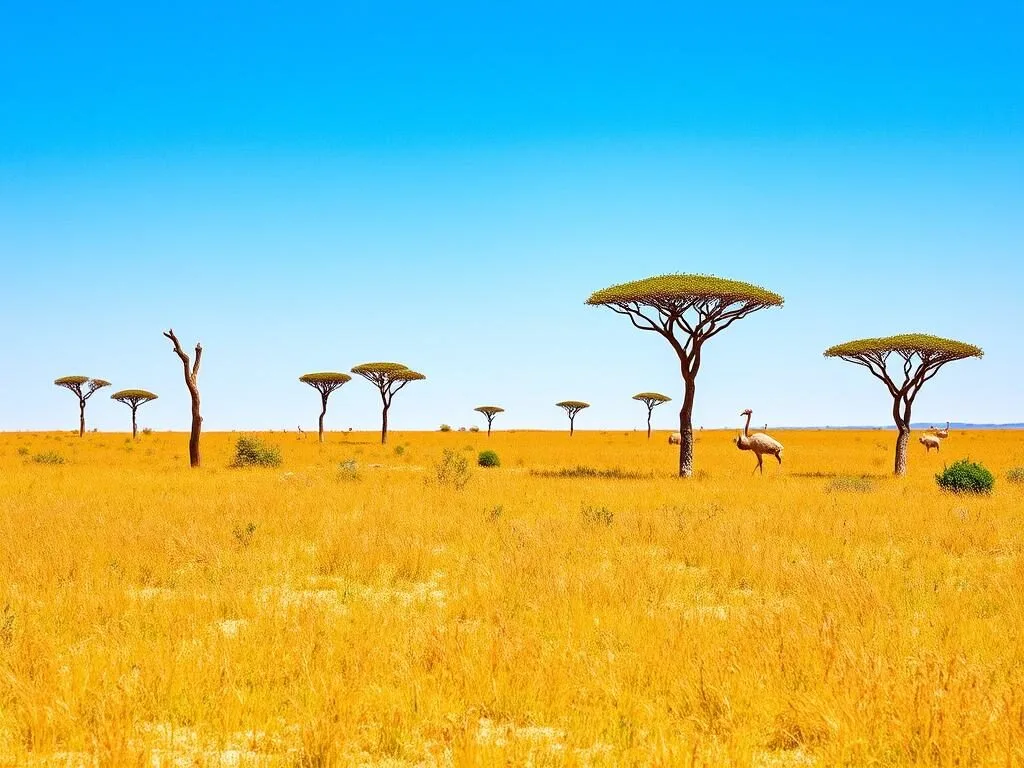
About 70km from Chambi, this national park offers a different ecosystem with acacia forests and reintroduced species like the North African ostrich and addax antelope.
El Feija National Park
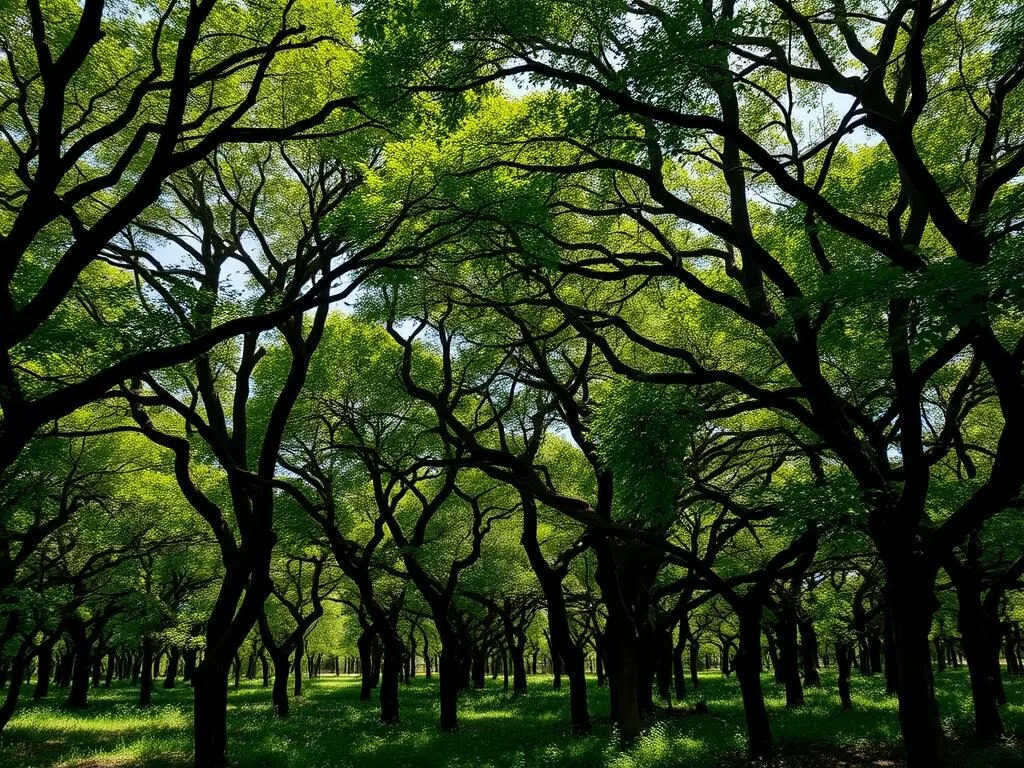
Located about 90km from Chambi, El Feija is known for its dense cork oak forests and is one of the last refuges of the endangered Barbary deer.
Experience the Wild Heart of Tunisia
Chambi National Park offers a side of Tunisia that few tourists experience – rugged mountains, rare wildlife, and breathtaking natural beauty far from the coastal resorts. While visiting requires some planning and preparation, the rewards are immense for nature lovers and adventure seekers.
From standing atop Tunisia’s highest peak to spotting the majestic Barbary sheep on rocky slopes, Chambi provides memories that will last a lifetime. The park’s relative obscurity means you’ll often have trails to yourself, creating a true wilderness experience in the heart of North Africa.