Did you know that Gabes is the only coastal oasis in the Mediterranean where palm groves meet the sea? This unique geographical feature creates a stunning landscape where lush greenery contrasts with golden desert sands and azure waters. While often overlooked in favor of Tunisia’s more famous destinations, Gabes offers travelers a genuine glimpse into authentic Tunisian life away from the tourist crowds.
As the gateway to the southern desert and a historic trading hub, Gabes blends traditional Berber culture with coastal charm. In this guide, we’ll explore the top attractions, practical travel tips, and hidden gems that make Gabes worth adding to your Tunisian itinerary.
Getting There & Planning Your Journey
Gabes is located on Tunisia’s southeastern coast, approximately 400 km south of Tunis. The city is well-connected to other major Tunisian destinations, making it accessible by various transportation methods.
By Air
The nearest international airport is Djerba–Zarzis International Airport, located about 110 km southeast of Gabes. From there, you can take a taxi or bus to reach Gabes. Alternatively, you can fly into Tunis–Carthage International Airport and travel south to Gabes.
By Train
Tunisia’s national railway company, SNCFT, operates regular train services connecting Tunis to Gabes. The journey takes approximately 5-6 hours and offers a comfortable way to travel while enjoying scenic views of the Tunisian countryside.
By Bus
Tunisia has an extensive intercity bus network. The national bus company (SNTRI) and several private operators run regular services to Gabes from major cities like Tunis, Sfax, and Djerba. Buses are affordable and generally comfortable for long-distance travel.
By Car
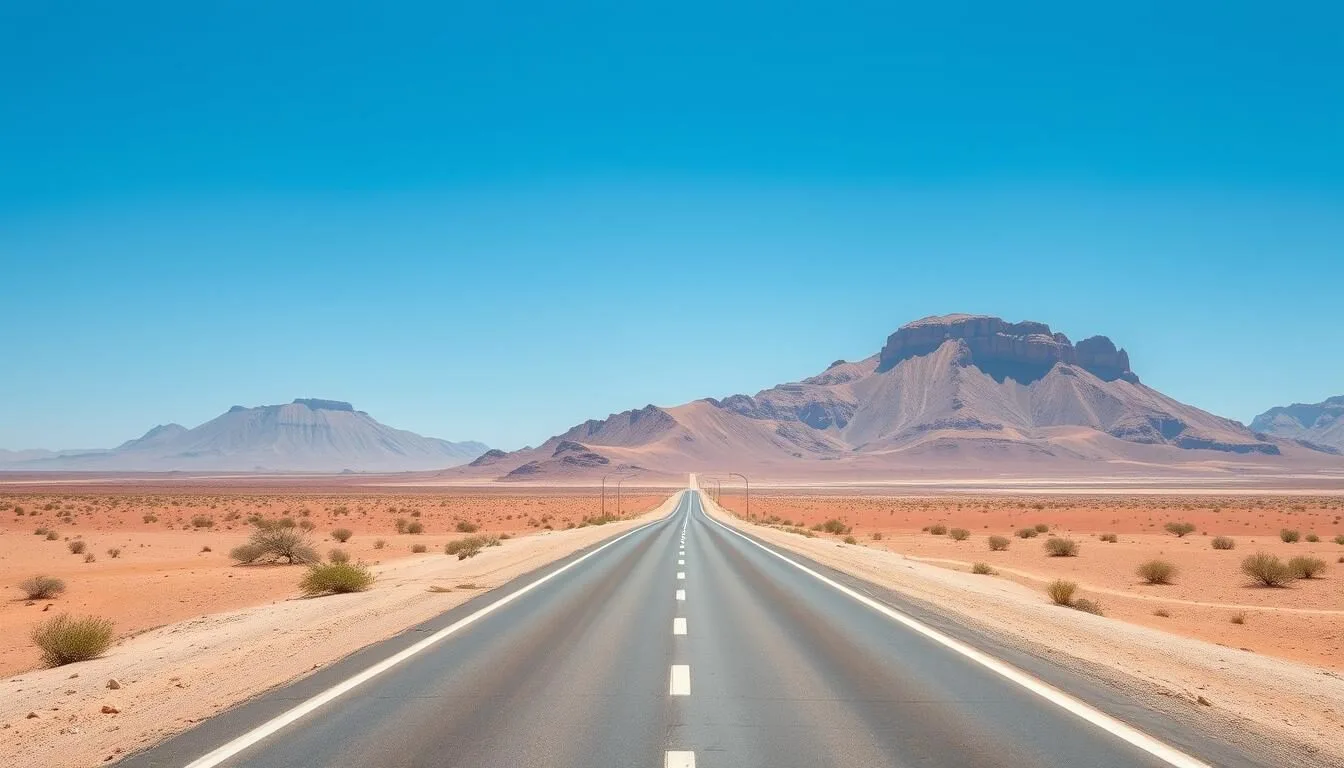
Renting a car gives you the flexibility to explore at your own pace. The main highway (A1) connects Tunis to Gabes, and the road conditions are generally good. The drive from Tunis takes approximately 5-6 hours.
Best Time to Visit & Weather Tips
Gabes has a Mediterranean climate with hot, dry summers and mild winters. The best time to visit depends on your tolerance for heat and the activities you plan to enjoy.
Spring (March to May)
Spring is one of the best times to visit Gabes. Temperatures range from 15°C to 25°C (59°F to 77°F), making it ideal for exploring the city and surrounding areas. The oasis is particularly beautiful during this season, with blooming flowers and fresh greenery.
Summer (June to August)
Summers in Gabes are hot, with temperatures often exceeding 35°C (95°F). If you plan to visit during this time, schedule outdoor activities for early morning or late afternoon, and spend the hottest part of the day in air-conditioned spaces or by the sea.
Fall (September to November)
Like spring, fall offers pleasant temperatures ranging from 18°C to 28°C (64°F to 82°F). This is an excellent time for desert excursions and exploring the city without the summer crowds.
Winter (December to February)
Winters are mild in Gabes, with temperatures between 8°C and 16°C (46°F to 61°F). While not ideal for beach activities, this season is perfect for cultural exploration and desert trips. Occasional rainfall occurs, but it’s generally short-lived.

For the most comfortable experience, plan your visit to Gabes during the shoulder seasons of spring (March-May) or fall (September-November) when the weather is pleasant and tourist crowds are thinner.
Getting Around Locally
Navigating Gabes is relatively straightforward, with several transportation options available to help you explore the city and its surroundings.
Taxis
Yellow taxis are abundant in Gabes and are an affordable way to get around. Make sure the driver uses the meter or negotiate the fare before starting your journey. For longer trips to nearby attractions, consider hiring a taxi for the day.
Louage (Shared Taxis)
These shared minivans operate on fixed routes and are a popular and economical option for traveling between cities. The main louage station in Gabes is located near the city center.
Walking
The central areas of Gabes, including the medina and markets, are best explored on foot. Walking allows you to soak in the atmosphere and discover hidden corners that you might miss otherwise.
Bicycle Rental
Some hotels offer bicycle rentals, which can be a pleasant way to explore the oasis and coastal areas, especially during cooler months.
Where to Stay
Gabes offers a range of accommodation options to suit different budgets and preferences. While not as developed for tourism as coastal resorts like Hammamet or Djerba, you’ll find comfortable places to stay during your visit.

Hotels
Gabes has several mid-range hotels offering comfortable rooms and basic amenities. Most are located in the city center or along the coastal road. Popular options include Hotel Chems and Hotel Oasis.
Guesthouses
For a more authentic experience, consider staying in a traditional guesthouse (dar or maison d’hôte). These often feature traditional architecture and provide a glimpse into local life. Dar Gabes and Maison d’Hôte Louhichi are well-regarded choices.
Budget Options
Budget travelers can find simple hotels and hostels in the city center. While amenities may be basic, they provide clean and affordable accommodation for those watching their expenses.
For an authentic experience, consider staying in a traditional guesthouse in or near the oasis. These accommodations often include home-cooked meals and insights from local hosts that you won’t find in guidebooks.
Dining & Local Cuisine
Gabes offers a delightful culinary experience with its blend of traditional Tunisian flavors and fresh local ingredients. The city’s position as a coastal oasis means you can enjoy both seafood and agricultural products in the same meal.

Must-Try Local Dishes
- Couscous – The national dish of Tunisia, often served with vegetables, meat, and a flavorful broth
- Brik – A crispy pastry filled with egg, tuna, capers, and parsley
- Lablabi – A hearty chickpea soup served with bread, harissa, and olive oil
- Ojja – Spicy tomato and pepper stew often topped with eggs
- Makroudh – Sweet pastries made with semolina and dates
- Bambalouni – Sweet fried doughnuts dusted with sugar
Where to Eat
Gabes has a variety of dining options, from simple street food stalls to sit-down restaurants. Here are some recommendations:
Restaurants
- Restaurant El Walima – Serves traditional Tunisian dishes in a pleasant setting
- Restaurant La Médina – Known for its seafood specialties and local cuisine
- Café des Délices – Offers light meals and refreshments with a view
Markets and Street Food
The central market (souk) is an excellent place to sample local street food and fresh produce. Don’t miss trying the local dates, which are particularly sweet and delicious in this region.
When dining in Gabes, be sure to try the local specialty “Zrir” – a sweet dish made with roasted flour, dates, and olive oil that’s unique to the region and reflects its oasis heritage.
Attractions, Sightseeing & Activities
Gabes offers a diverse range of attractions that showcase its unique position as a coastal oasis and gateway to the Sahara Desert. From historical sites to natural wonders, there’s plenty to explore during your visit.
Gabes Oasis

The heart of Gabes is its magnificent oasis, one of the few coastal oases in the world. Spanning over 1,000 hectares, it features thousands of palm trees, fruit orchards, and traditional farms. Take a guided walk through the oasis to learn about the ingenious irrigation systems that have sustained agriculture here for centuries.
Old Town (Medina)
Though smaller than the medinas of Tunis or Sousse, Gabes’ old town offers an authentic glimpse into traditional Tunisian life. Wander through narrow streets lined with whitewashed buildings, visit local artisans, and soak in the atmosphere without the tourist crowds found in more popular destinations.
Gabes Central Market (Souk)
The bustling market is the perfect place to experience local culture and shop for souvenirs. From spices and handicrafts to fresh produce from the oasis, the souk offers a sensory feast and opportunities to interact with friendly local vendors.
Chenini Gabes
Not to be confused with Chenini in Tataouine, this ancient Berber village near Gabes features traditional troglodyte dwellings carved into the hillside. The village offers stunning views and insights into traditional Berber architecture and lifestyle.
Museums, Cultural Spots & Festivals
Immerse yourself in the rich cultural heritage of Gabes through its museums, historical sites, and vibrant festivals that celebrate local traditions.
Gabes Museum

Located in the city center, this small but informative museum houses archaeological finds from the region, traditional costumes, and exhibits on local crafts and customs. It provides valuable context for understanding Gabes’ history and cultural significance.
Great Mosque of Gabes
This historic mosque dates back to the 7th century, though it has been rebuilt and expanded over the centuries. While non-Muslims cannot enter the prayer hall, the exterior architecture and courtyard are worth admiring. The mosque’s minaret offers a striking landmark in the city skyline.
Sidi Boulbaba Mausoleum
This important religious site honors Sidi Boulbaba, a companion of the Prophet Muhammad who brought Islam to the region. The white domed structure is a place of pilgrimage for many Tunisians and represents an important part of Gabes’ religious heritage.
Festivals
If your visit coincides with local festivals, you’re in for a treat. The most notable is the Gabes Oasis Festival, typically held in March or April, which celebrates the agricultural heritage of the region with music, dance, and traditional food. The International Festival of Gabes, usually held in summer, features cultural performances and exhibitions.
During Ramadan, Gabes comes alive with special evening activities after the fast is broken. This can be a fascinating time to experience local traditions, though be aware that daytime dining options will be limited.
Sports, Nature & Outdoor Experiences
Gabes’ unique geography, where desert meets sea and oasis, creates diverse opportunities for outdoor adventures and nature experiences.
Desert Excursions

Gabes serves as an excellent gateway to the Sahara Desert. Day trips or overnight excursions to nearby desert areas offer camel trekking, 4×4 adventures, and the chance to experience the magical desert landscape. Many tours include visits to Star Wars filming locations, adding an exciting element for film enthusiasts.
Beaches
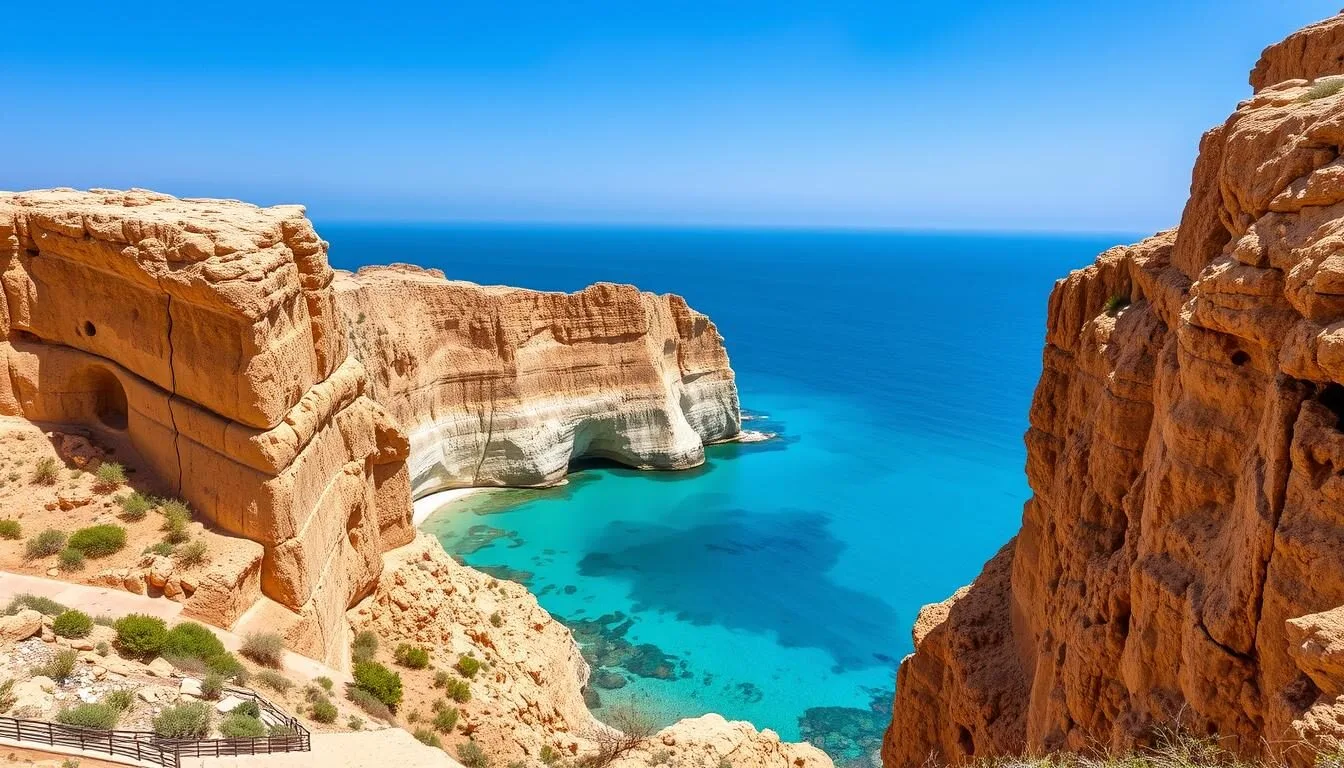
While not as developed as Tunisia’s northern beach resorts, Gabes does have several beaches where you can enjoy the Mediterranean. Chott El Ferik and Zarat Beach are popular options for swimming and relaxation, especially during the warmer months.
Matmata Day Trip
Just an hour’s drive from Gabes, the troglodyte dwellings of Matmata offer one of Tunisia’s most unique landscapes. This otherworldly setting served as Luke Skywalker’s home planet of Tatooine in the Star Wars films. You can visit the Hotel Sidi Driss, which was used as the Lars Homestead in the movies.
Chott el Jerid
This vast salt lake creates surreal landscapes that seem almost extraterrestrial. During summer, the lake dries up, revealing a salt crust that stretches to the horizon, while in winter, parts may fill with shallow water, creating mirror-like reflections.
Day Trips from Gabes
Gabes’ central location on Tunisia’s eastern coast makes it an ideal base for exploring several fascinating destinations within a day’s journey.
Djerba Island

About 110 km from Gabes, Djerba Island offers beautiful beaches, the historic El Ghriba Synagogue (one of Africa’s oldest Jewish temples), and charming villages with distinctive architecture. The island’s relaxed atmosphere and cultural sites make it well worth the journey.
Tataouine
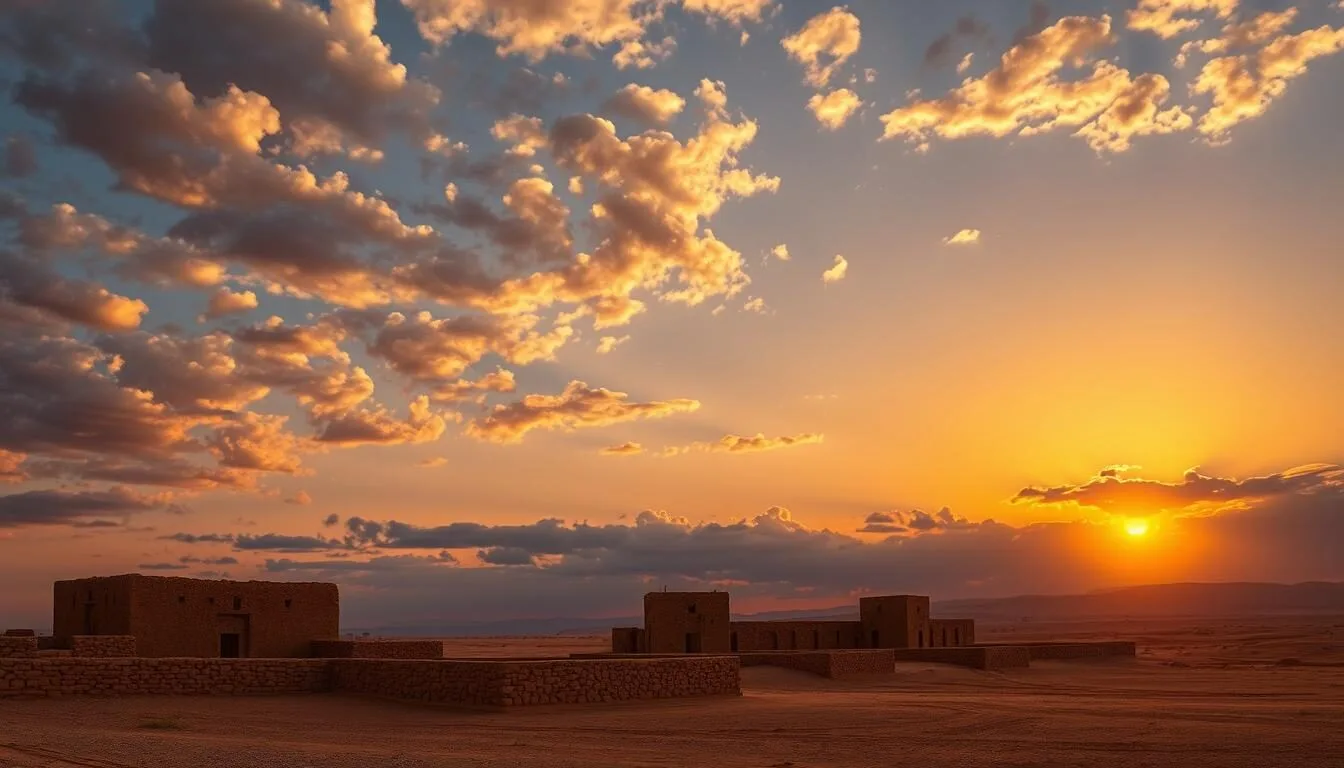
Famous for inspiring the name of Luke Skywalker’s home planet in Star Wars, Tataouine is about 170 km from Gabes. The area is known for its ksour (fortified granaries) perched dramatically on hilltops and its Berber villages. The landscape is otherworldly and perfect for photography enthusiasts.
El Jem
Though a longer day trip (about 2.5 hours drive), El Jem is home to one of the most impressive Roman amphitheaters in the world. This UNESCO World Heritage site is remarkably well-preserved and once held up to 35,000 spectators, making it the third-largest amphitheater in the Roman world.
Sfax
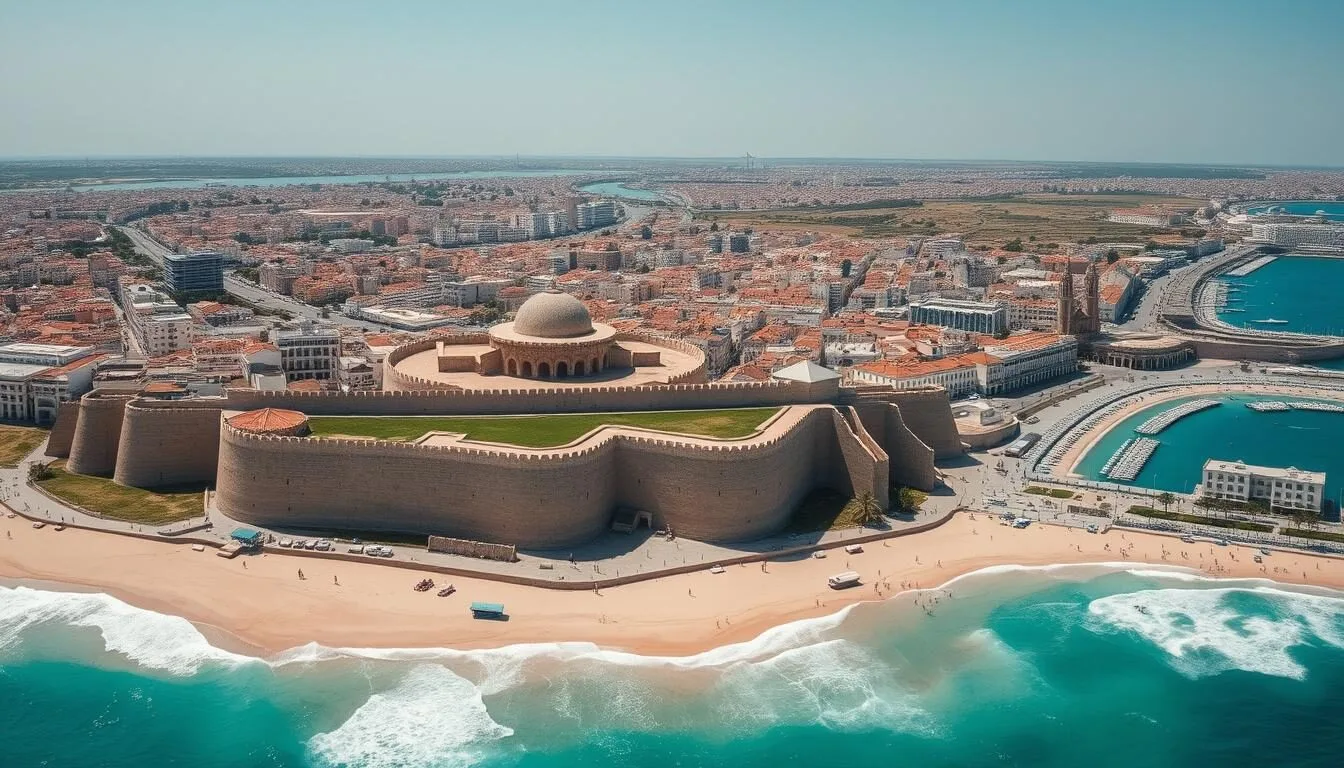
Tunisia’s second-largest city is about 130 km north of Gabes. Sfax boasts a well-preserved medina surrounded by impressive ramparts, a vibrant souk, and the Great Mosque. The city offers a more authentic urban Tunisian experience compared to tourist-oriented destinations.
When planning day trips from Gabes, consider hiring a driver for the day or joining an organized tour. This allows you to relax and enjoy the scenery without navigating unfamiliar roads or dealing with public transportation schedules.
Safety, Etiquette & Local Customs
Understanding local customs and practicing appropriate etiquette will enhance your experience in Gabes and help you connect with the friendly local population.
Safety Tips
- Gabes is generally safe for tourists, but take standard precautions against petty theft, especially in crowded areas like markets
- Keep a photocopy of your passport and important documents separate from the originals
- Stay hydrated, especially during summer months when temperatures can soar
- Use sunscreen and wear a hat when exploring outdoors
- Check travel advisories before your trip for the most current safety information
Dress Code

Tunisia is a Muslim country with relatively moderate views. In Gabes, which is less touristy than coastal resorts, conservative dress is appreciated, especially when visiting religious sites or local neighborhoods:
- Women should cover shoulders and knees, and consider carrying a light scarf for visiting mosques
- Men should avoid very short shorts in the city (though beach attire is fine at the beach)
- Dress codes are more relaxed in tourist areas and hotels but showing respect for local customs is always appreciated
Cultural Etiquette
- Greet people with “Salam Alaikum” (peace be upon you) or a simple “Bonjour” as French is widely spoken
- Ask permission before photographing locals, especially women
- Remove shoes when entering someone’s home
- Use your right hand for eating, giving, and receiving items
- During Ramadan, avoid eating, drinking, or smoking in public during daylight hours
Tipping
Tipping is customary in Tunisia, though not as formalized as in some Western countries:
- Restaurants: 10% if service charge isn’t included
- Taxis: Round up the fare or add 10%
- Hotel porters: 1-2 dinars per bag
- Tour guides: 10-20 dinars per day depending on group size and service quality
Practical Travel Tips
These practical tips will help you navigate your visit to Gabes smoothly and make the most of your experience.
Currency & Money
The Tunisian Dinar (TND) is the local currency. ATMs are available in Gabes, but it’s advisable to carry some cash, especially when visiting markets or smaller establishments. Credit cards are accepted in larger hotels and some restaurants but are not universally accepted.
Language
Arabic is the official language, with Tunisian Arabic being the local dialect. French is widely spoken, especially in tourist areas and by educated Tunisians. English is less common but increasing in popularity, particularly among younger people and those working in tourism.
Internet & Connectivity
Wi-Fi is available in most hotels and many cafés in Gabes. For mobile connectivity, purchasing a local SIM card is recommended. These are available at the airport or from telecom shops in the city. Major providers include Ooredoo, Orange, and Tunisie Telecom.
Health & Medicine

Pharmacies are readily available in Gabes and can provide basic medications. For more serious medical needs, the Regional Hospital of Gabes offers emergency services. It’s advisable to have travel insurance that covers medical emergencies and to bring any prescription medications you regularly use.
Shopping Tips
Gabes offers authentic shopping experiences with fewer tourist markups than more popular destinations:
- Haggling is expected in markets and with street vendors – start at about half the initial asking price
- The central market is best visited in the morning when it’s most active
- Local specialties to look for include woven mats, pottery, and spices
- Keep small denominations handy for market purchases
When shopping in Gabes’ markets, take your time and enjoy the process. Rushing or appearing too eager may result in higher prices. A cup of mint tea and friendly conversation often leads to better deals and a more authentic experience.
Best Photo Spots in Gabes
Capture memorable images of your Gabes adventure at these photogenic locations:

Oasis Viewpoints
The contrast between lush palm groves and surrounding arid landscapes creates stunning photo opportunities. Visit during the golden hour (early morning or late afternoon) when the light filters beautifully through the palm fronds.
Gabes Medina
The narrow streets, traditional doors, and authentic daily life scenes in the old town offer compelling street photography opportunities. Look for colorful market stalls, architectural details, and candid moments.
Chenini Gabes
The hillside Berber village provides panoramic views and interesting compositions featuring traditional troglodyte dwellings against the landscape.
Coastal Areas
The meeting point of desert, oasis, and sea creates unique landscapes not found elsewhere in the Mediterranean. Sunset at Chott El Ferik beach offers particularly dramatic lighting.
Spice Markets
The vibrant colors and textures of spices, herbs, and local produce make for eye-catching close-up photography. Always ask permission before photographing vendors or their goods.
Conclusion: Your Gabes Adventure Awaits
Gabes may not be Tunisia’s most famous destination, but its unique blend of coastal, oasis, and desert landscapes offers travelers an authentic experience away from the tourist crowds. From wandering through lush palm groves to exploring ancient Berber villages and venturing into the Sahara, Gabes provides a diverse range of experiences that showcase Tunisia’s rich cultural heritage and natural beauty.
Whether you’re using Gabes as a gateway to southern Tunisia’s desert wonders or spending time exploring the city itself, you’ll discover a place where traditional life continues alongside modern developments, creating a fascinating window into Tunisian culture. The warm hospitality of locals, delicious cuisine, and stunning landscapes combine to make Gabes a rewarding addition to any Tunisian itinerary.