
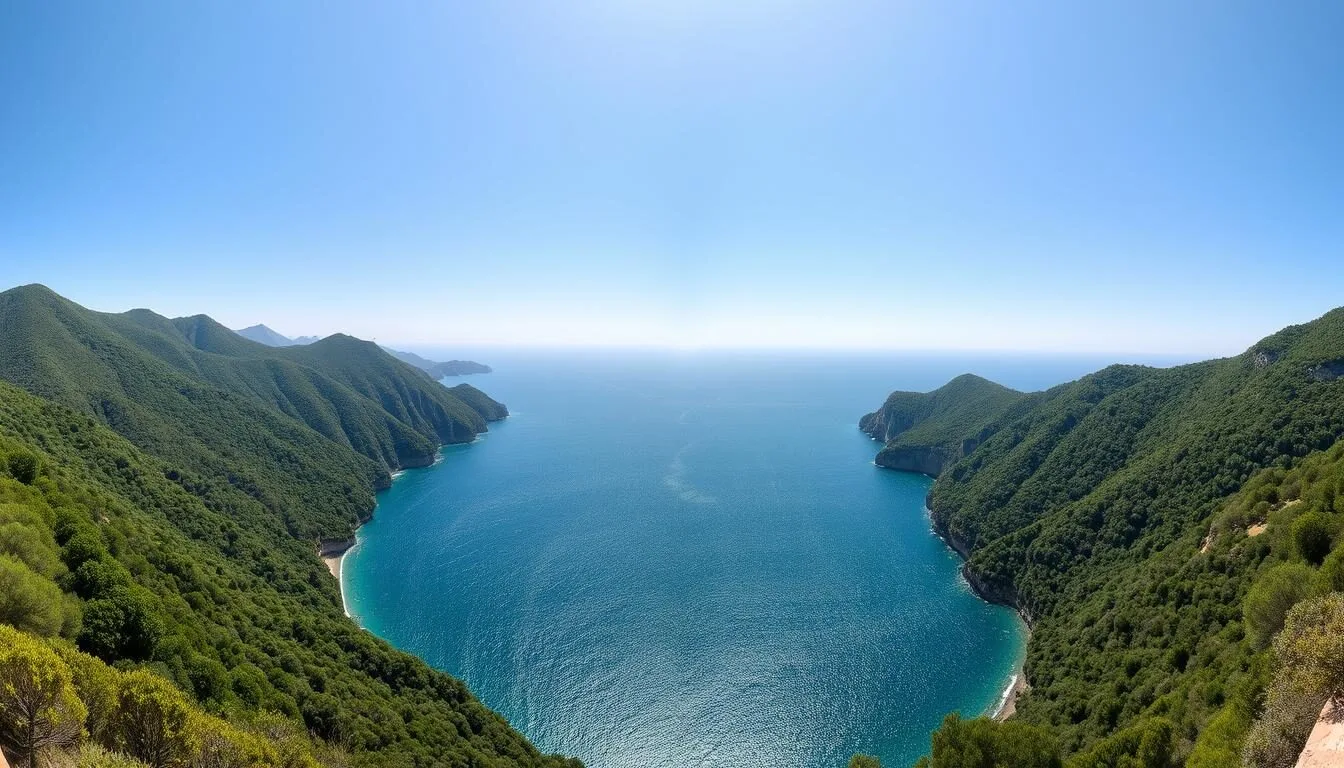
Did you know that Jebel Chitana-Cap Negro National Park shelters one of North Africa’s rarest ecosystems? This hidden gem along Tunisia’s northern coast is home to the endangered white water lily and the majestic Barbary deer, species found in few other places on Earth. Spanning over 10,122 hectares of pristine Mediterranean forest and coastline, this protected area represents one of Tunisia’s best-kept natural secrets.
Getting There & Planning Your Journey
Jebel Chitana-Cap Negro National Park is located on Tunisia’s northern coast, between Cap Serrat and the Sidi El Barrak dam. The park falls within the forest districts of Bizerte and Béja, making it accessible from several nearby cities.
From Tunis
The most convenient route is to drive northwest from Tunis, which takes approximately 2-2.5 hours. The journey offers scenic views of Tunisia’s northern landscapes as you approach the coastal region.
- Take the P7 highway northwest from Tunis
- Continue on the P11 toward Bizerte
- Follow signs to Cap Negro or Sidi El Barrak
- Local roads will lead you to the park entrance
From Tabarka
If you’re coming from Tabarka, the drive is shorter, taking about 45 minutes along the coastal road. This route provides stunning Mediterranean views as you approach the park from the west.
- Take the coastal road east from Tabarka
- Follow signs to Cap Negro
- The park entrance is well-marked along this route
Best Time to Visit & Weather Tips
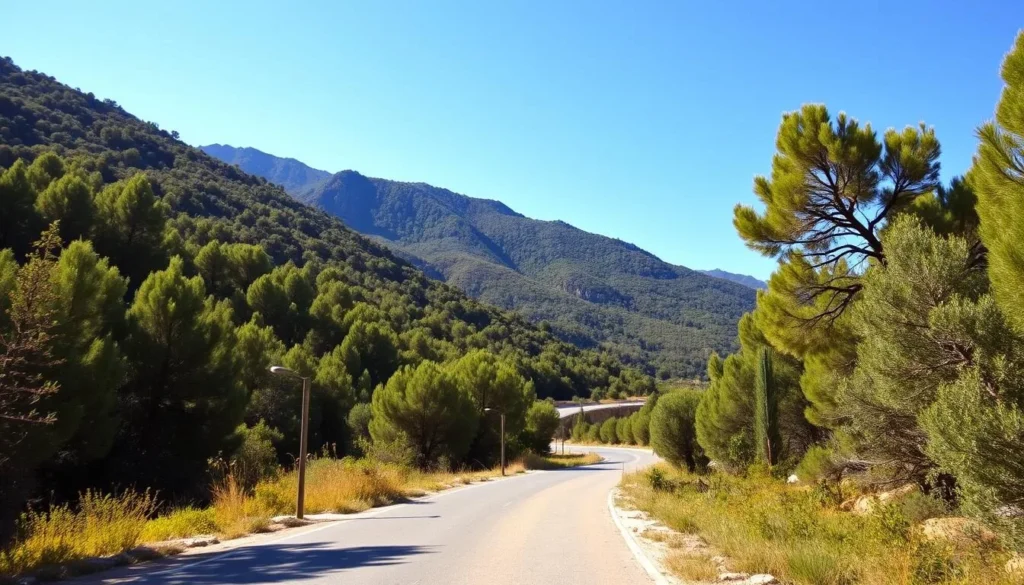
Jebel Chitana-Cap Negro National Park experiences a humid Mediterranean climate with mild winters and warm summers. The park is located in what climatologists call the “lower humid bioclimatic stage,” creating ideal conditions for its unique ecosystem.
Spring (March-May)
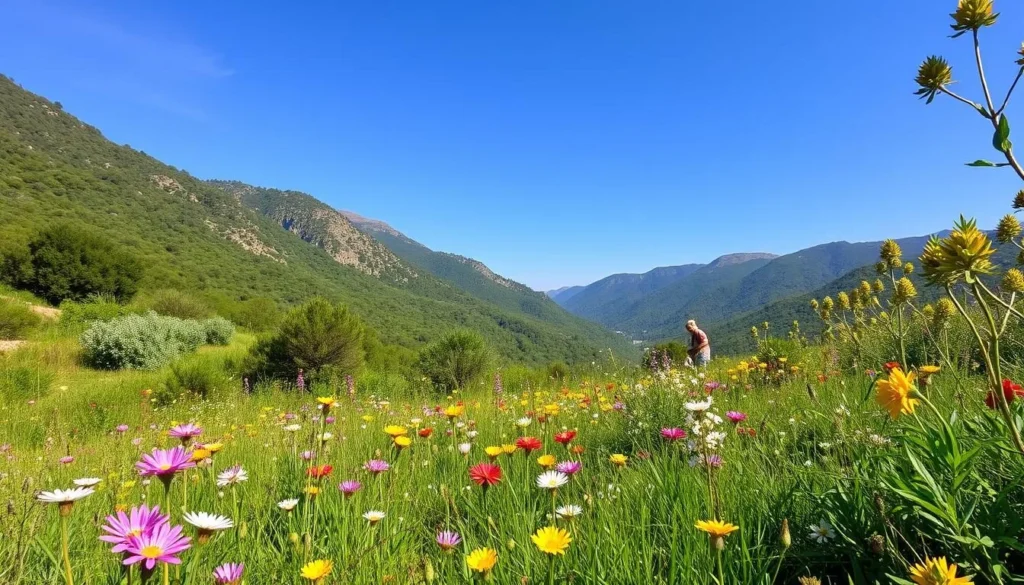
The ideal season to visit as temperatures range from 15-25°C (59-77°F). Spring brings vibrant wildflowers and active wildlife. The forest is at its most lush, and hiking conditions are perfect with minimal rainfall.
Summer (June-August)
Temperatures can reach 30-35°C (86-95°F). While the forest provides shade, it’s best to plan activities for early morning or late afternoon. The coastal areas offer refreshing breezes and swimming opportunities.
Autumn/Winter (September-February)
Mild temperatures between 8-20°C (46-68°F) make this a pleasant time to visit. Rainfall increases, especially from November to January, creating lush landscapes but occasionally muddy trails.
Visitor Tip
The park’s diverse elevation means temperatures can vary significantly between coastal areas and higher forest regions. Always pack layers, even in summer, as evenings can be cool in the forested areas.
Getting Around Locally
Navigating Jebel Chitana-Cap Negro National Park requires some planning, as public transportation within the park is limited. Having your own vehicle provides the most flexibility for exploring different areas.
By Car
A rental car is the most convenient option for exploring the park and surrounding areas. The main roads within the park are generally well-maintained, though some secondary paths may require vehicles with higher clearance, especially after rainfall.
Guided Tours
Local guides offer tours of the park, which can be arranged through nearby accommodations or tourism offices in Bizerte or Tabarka. These guides provide valuable insights into the park’s ecology and history while handling transportation.
- Half-day hiking tours with transportation
- Full-day excursions including coastal areas
- Specialized wildlife observation tours
Where to Stay
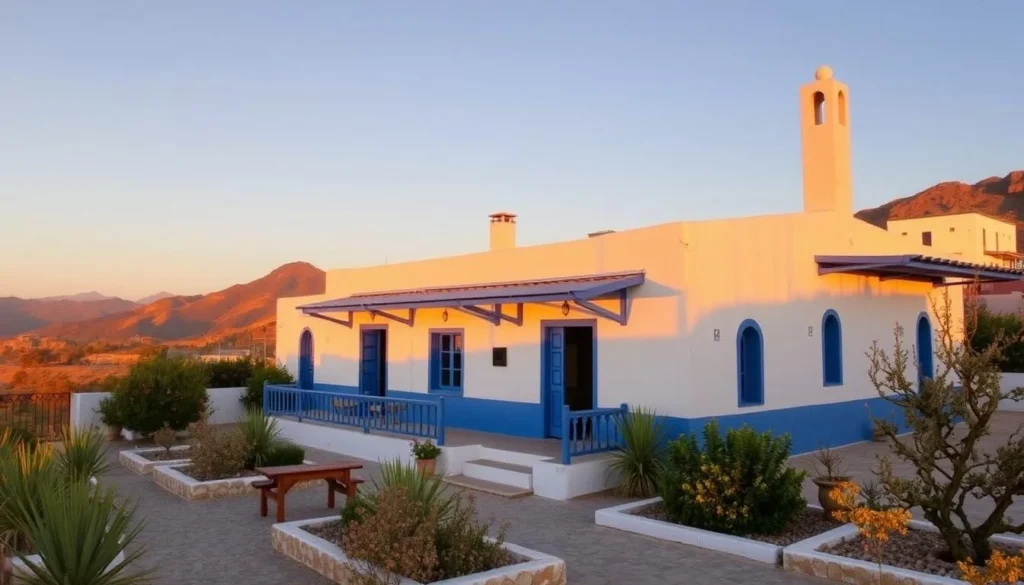
While there are no accommodations within Jebel Chitana-Cap Negro National Park itself, several options are available in the surrounding areas. From coastal hotels to mountain retreats, you’ll find lodging to suit various preferences and budgets.
Tabarka (30-45 minutes away)
This coastal town offers the widest range of accommodations, from luxury resorts to family-run guesthouses. Many properties feature sea views and are within walking distance of beaches and restaurants.
- La Cigale Tabarka Hotel: Luxury option with golf course
- Dar Ismail Tabarka: Beachfront resort with pool
- Family-run guesthouses in the historic center
Ain Draham (45-60 minutes away)
This mountain town provides a cooler retreat with forest views. Accommodations here range from charming mountain chalets to small hotels, perfect for those seeking a tranquil forest atmosphere.
- Rustic mountain chalets with panoramic views
- Small family-operated hotels
- Eco-lodges integrated with the natural environment
Rural Homestays
For an authentic experience, consider staying with local families who offer accommodations near the park. These homestays provide insights into traditional Tunisian rural life and often include homemade meals.
- Farm stays with organic food production
- Traditional houses with modern amenities
- Opportunity to learn about local customs and cuisine
Dining & Local Cuisine
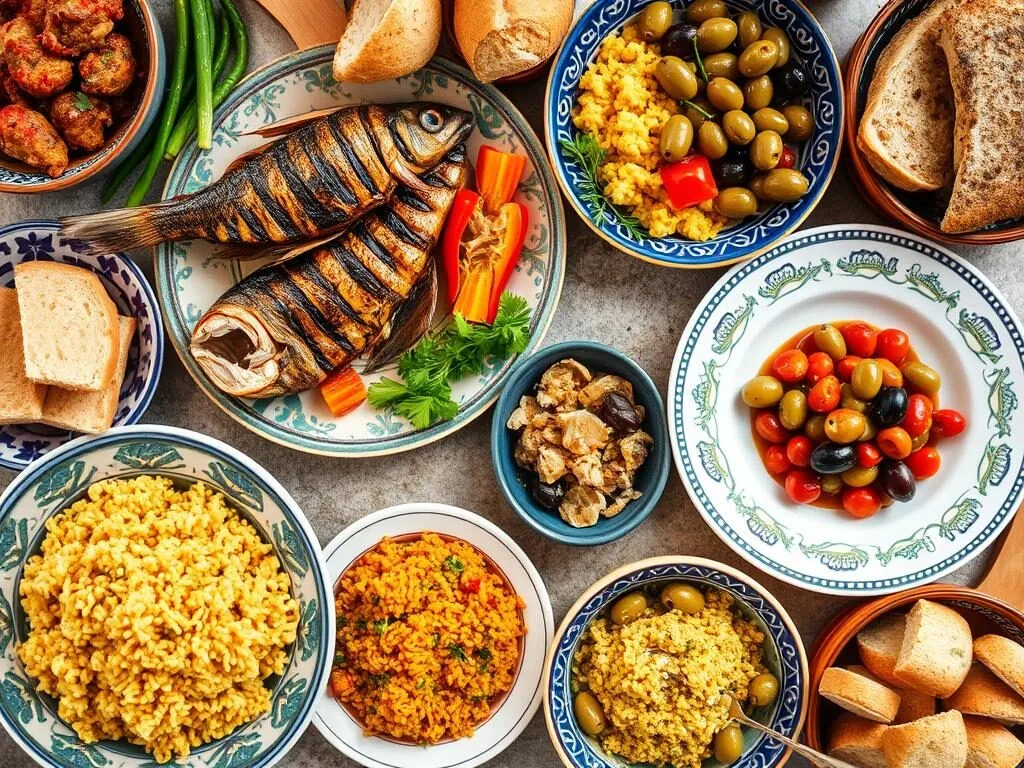
The region surrounding Jebel Chitana-Cap Negro National Park offers a delightful array of culinary experiences, from fresh seafood to traditional Tunisian dishes influenced by the area’s natural bounty.
Local Specialties
The cuisine around the park reflects the rich biodiversity of the region, combining Mediterranean flavors with traditional Tunisian cooking techniques.
- Fresh Seafood: Coastal restaurants serve fish and seafood caught daily, often prepared with simple olive oil and herb dressings
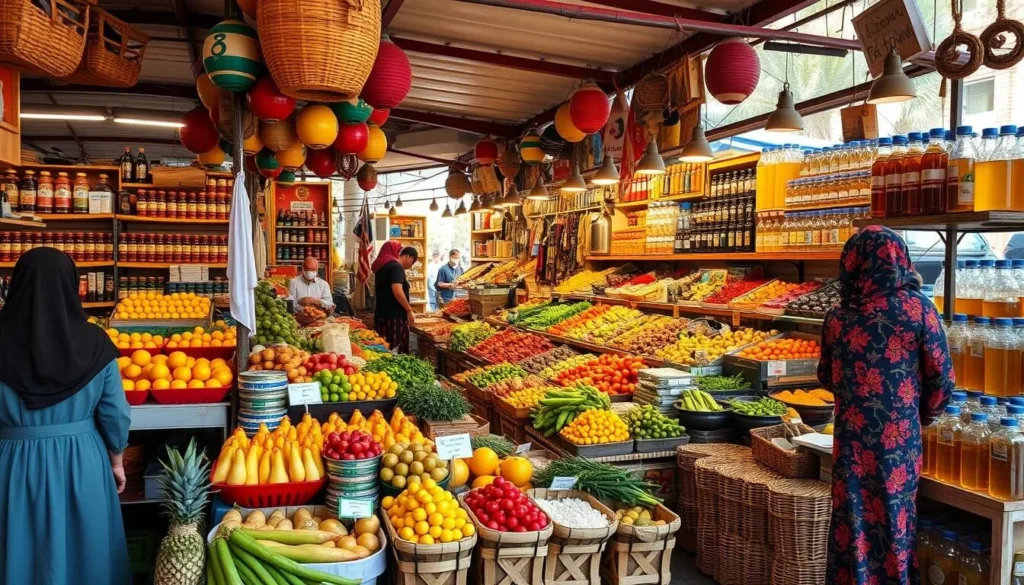
- Forest Honey: Local beekeepers produce distinctive honey from the diverse flora of the park
- Wild Herbs: Many dishes incorporate herbs foraged from the mountains, adding unique flavors
- Organic Produce: Vegetables and fruits grown by local families using traditional farming methods
Where to Eat
Park-Adjacent Options
Several small family-run establishments near the park entrance offer authentic meals using ingredients sourced from local farms and the surrounding forest.
- Simple cafes serving traditional breakfast and lunch
- Farm-to-table dining experiences by reservation
Tabarka Restaurants
The nearby town of Tabarka offers the widest selection of dining options, from upscale restaurants to casual eateries specializing in seafood and traditional Tunisian cuisine.
- Seafront restaurants with fresh catch of the day
- Traditional restaurants serving classic Tunisian dishes
Homestay Dining
Many local families offer meals as part of their homestay experience, providing an authentic taste of regional home cooking that you won’t find in restaurants.
- Traditional bread baking demonstrations
- Family recipes passed down through generations
Foodie Tip
Don’t miss the weekly market near Sidi El Barrak, where local producers sell fresh produce, honey, olive oil, and artisanal food products. It’s an excellent opportunity to taste and purchase authentic regional specialties.
Attractions, Sightseeing & Activities
Jebel Chitana-Cap Negro National Park offers a diverse range of activities for nature lovers, adventure seekers, and those interested in cultural experiences. The park’s unique combination of forest, mountains, and coastline creates endless opportunities for exploration.
Hiking Trails
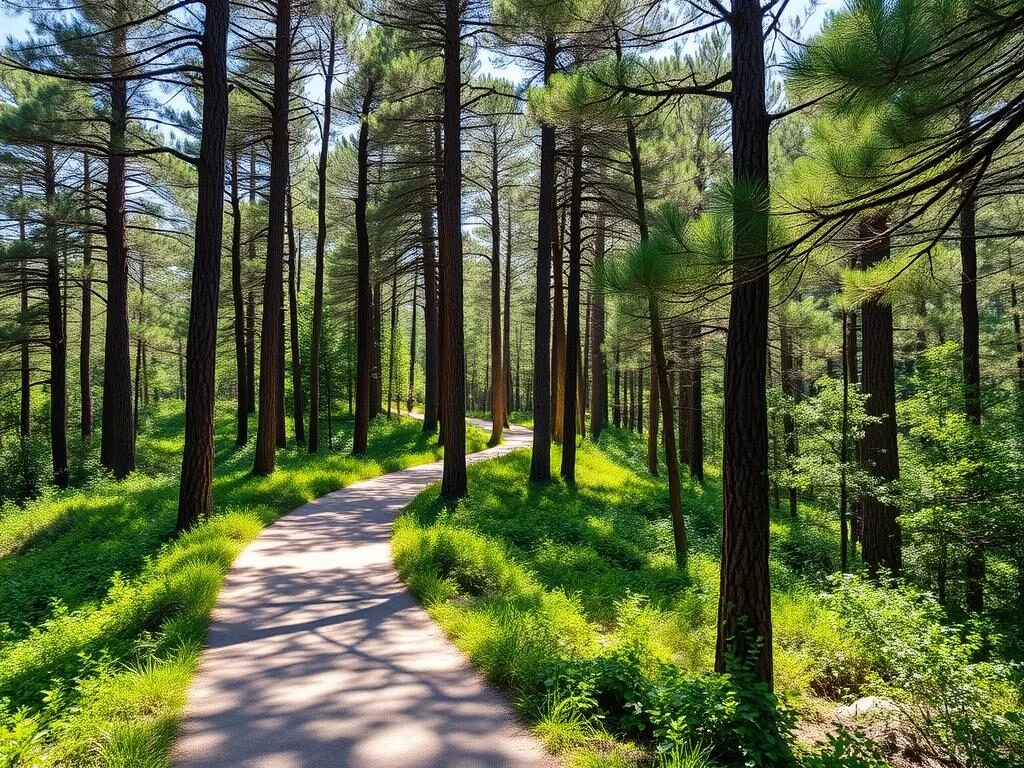
The park features several well-marked hiking trails that wind through diverse ecosystems, from dense forest to coastal paths with breathtaking Mediterranean views.
- Mejen Ech Chitan Trail: Leads to the rare peat bog ecosystem
- Mhibès Forest Path: Excellent for wildlife spotting
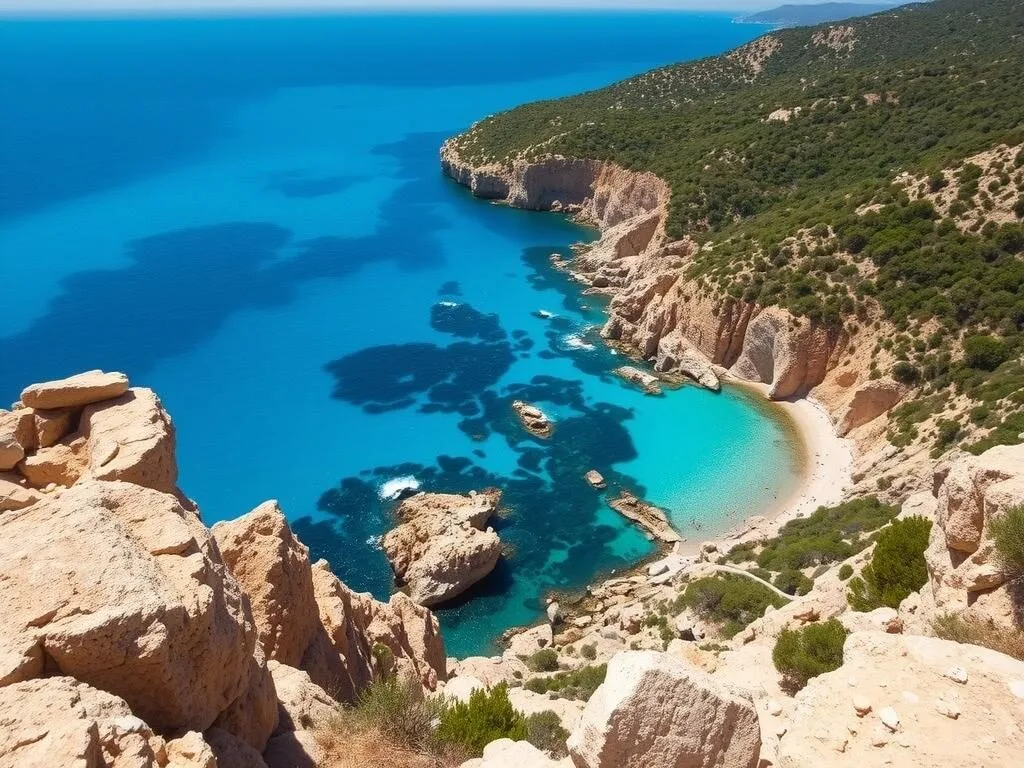
- Coastal Ridge Trail: Offers panoramic sea views
Wildlife Observation
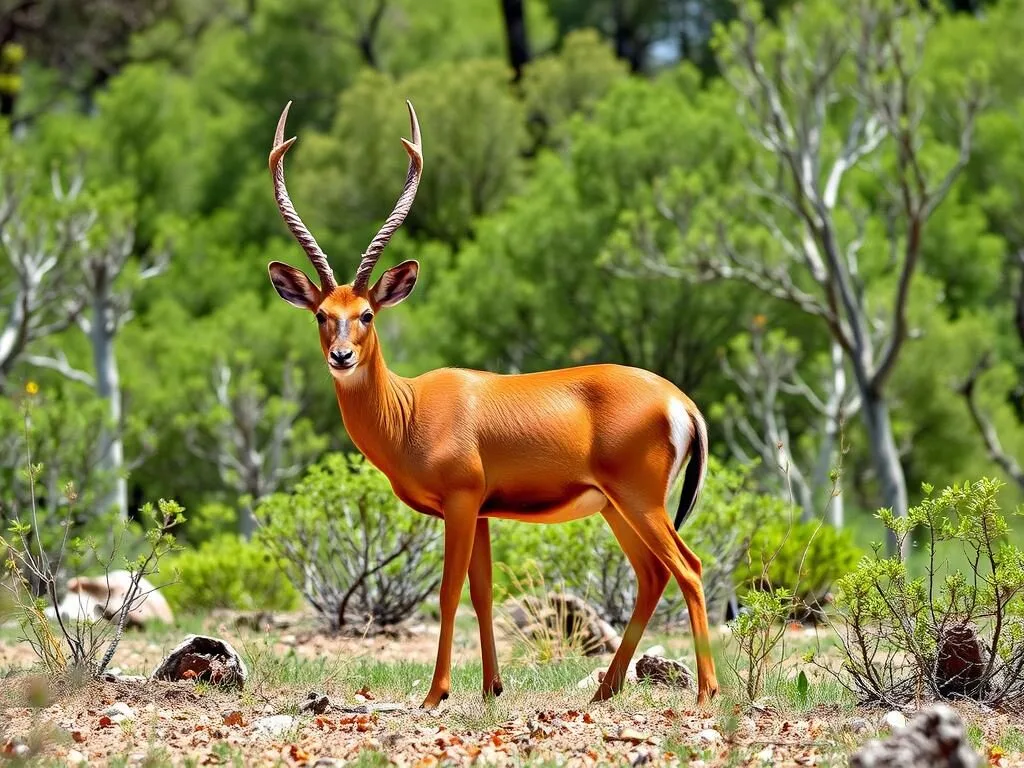
The park is home to numerous species, including the endangered Barbary deer. Patient observers may spot various birds, mammals, and reptiles in their natural habitat.
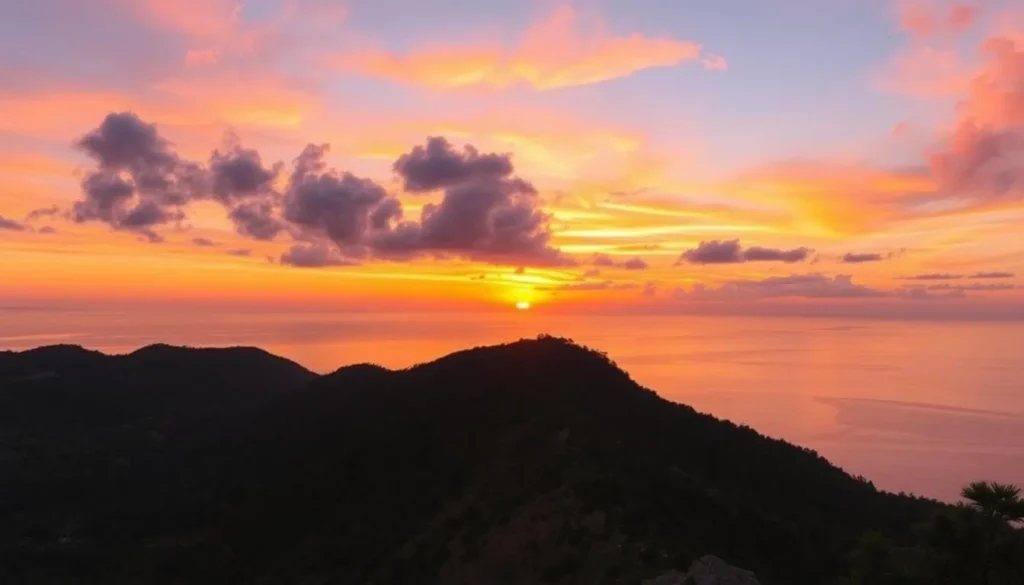
- Dawn and dusk are optimal times for wildlife viewing
- Guided wildlife tours available with local experts
- Birdwatching especially rewarding during migration seasons
Cultural Experiences
Engage with local families who have lived in the region for generations, practicing traditional agriculture, animal husbandry, and beekeeping within and around the park.
- Participate in honey extraction demonstrations
- Learn about traditional farming practices
- Join in seasonal harvesting activities

Water Activities
The coastal section of the park offers opportunities for various water activities, from relaxing beach days to more adventurous pursuits.
- Sea Trips: Join local fishermen for traditional fishing excursions
- Swimming: Several secluded beaches with crystal-clear waters
- Snorkeling: Explore the rich marine life along the rocky coastline
Practical Travel Tips
Planning a successful visit to Jebel Chitana-Cap Negro National Park requires some preparation. Here are essential tips to ensure a smooth and enjoyable experience in this natural paradise.
What to Pack
- Sturdy hiking shoes for forest trails
- Layered clothing (temperatures can vary)
- Sun protection (hat, sunscreen, sunglasses)
- Insect repellent, especially in summer
- Reusable water bottle
- Binoculars for wildlife viewing
- Basic first aid supplies
Safety Considerations
- Inform someone of your hiking plans
- Stay on marked trails to protect the ecosystem
- Carry sufficient water, especially in summer
- Check weather forecasts before setting out
- Avoid hiking alone in remote areas
- Keep emergency numbers handy
Local Etiquette
- Respect protected zones and wildlife
- Ask permission before photographing local people
- Dress modestly when visiting rural communities
- Learn basic Arabic greetings
- Support local businesses and artisans
- Practice “leave no trace” principles
Important Note
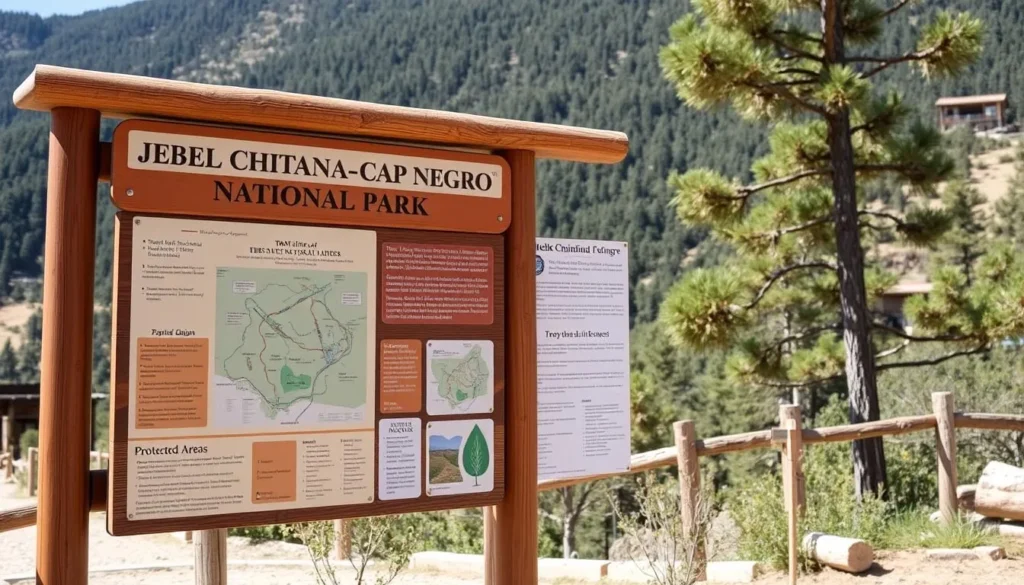
The park contains several integral protection zones designed to safeguard fragile ecosystems like the peat bog of Mejen Ech Chitan. These areas may have restricted access or require guided visits. Always respect signage and guidelines to help preserve these unique natural treasures.
Experience the Natural Wonder of Jebel Chitana-Cap Negro
Jebel Chitana-Cap Negro National Park represents one of Tunisia’s most precious natural treasures, offering visitors a rare glimpse into pristine Mediterranean ecosystems. From the endangered Barbary deer roaming the forests to the unique peat bog habitats and stunning coastal vistas, this protected area provides unforgettable experiences for nature enthusiasts.
Whether you’re hiking through ancient forests, learning about traditional beekeeping from local families, or simply enjoying the tranquility of this unspoiled landscape, Jebel Chitana-Cap Negro offers a welcome escape from the more touristed areas of Tunisia. By visiting responsibly and supporting local conservation efforts, you’ll help ensure this natural wonder remains protected for generations to come.



0 Comments