Hotels by Trip.com
Flights by Trip.com
Did you know that Jebel Orbata National Park is home to one of Tunisia’s most diverse ecosystems, with 123 vertebrate species including the rare mountain gazelle that can only be found in a handful of protected areas across North Africa? This hidden gem in Tunisia’s central region offers visitors a chance to explore pristine mountain landscapes while encountering wildlife that has adapted to thrive in this arid mountain environment.
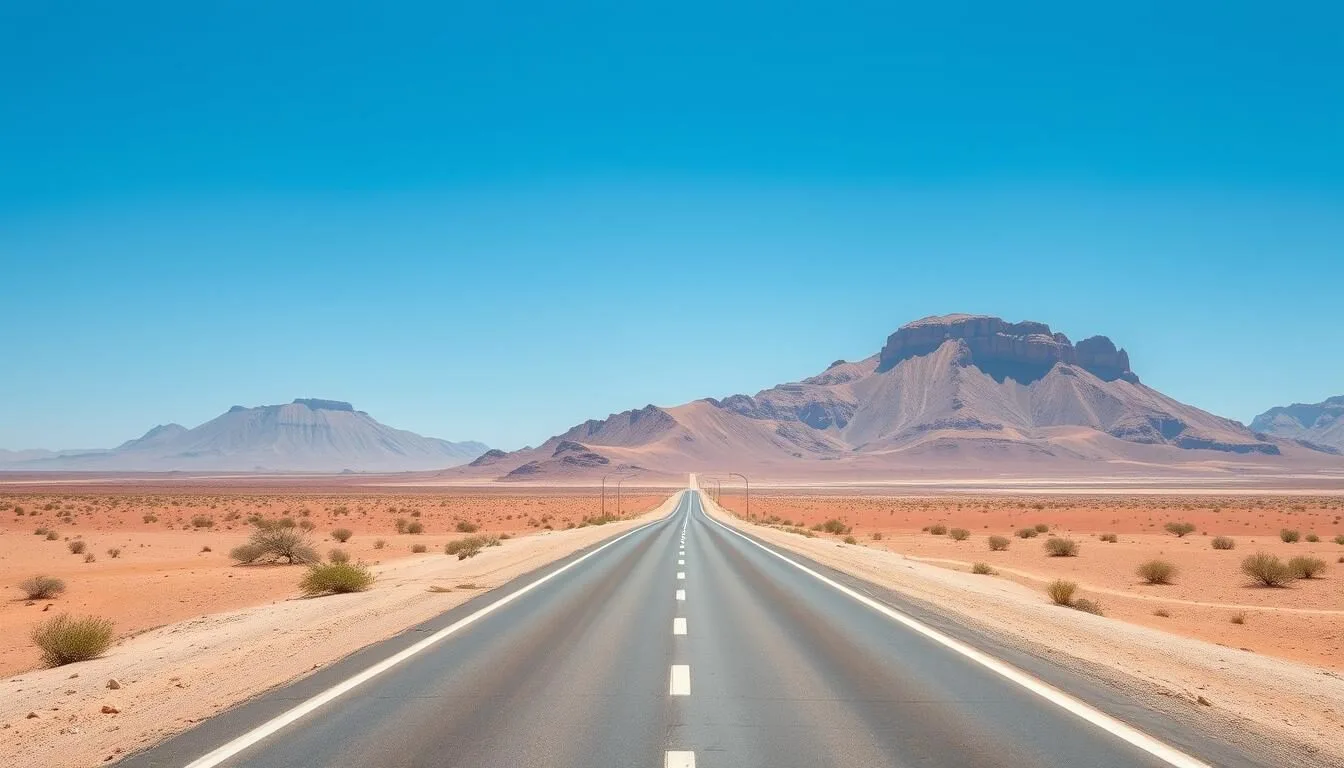
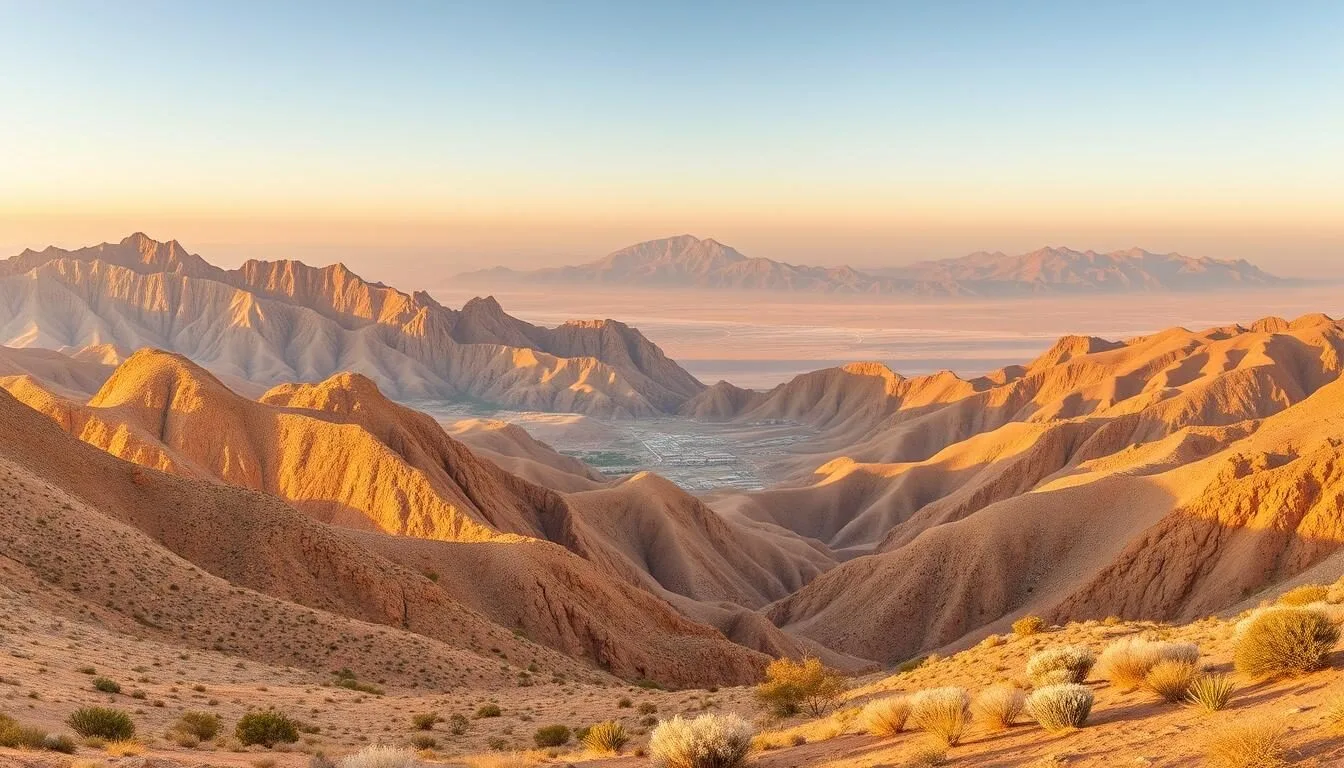
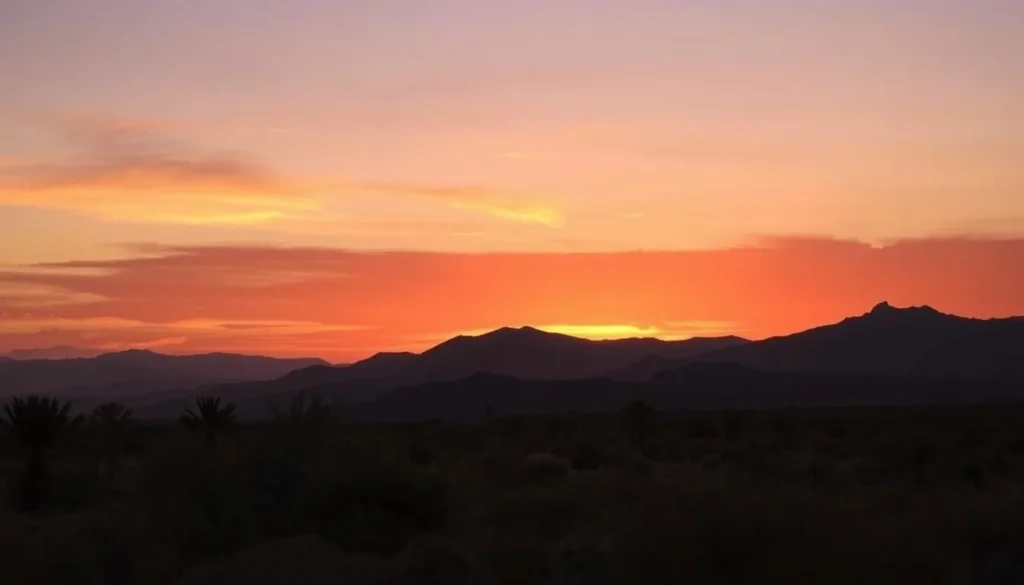
The breathtaking landscape of Jebel Orbata National Park showcases Tunisia’s diverse natural beauty
Exploring Jebel Orbata National Park: An Overview
Nestled between El Ksar and Sened, east of the town of Gafsa, Jebel Orbata National Park spans across 5,746 hectares of protected mountain ecosystem. Established to preserve the unique flora and fauna of the Tunisian Atlas mountain range, this park serves as a vital conservation area for endangered species like the Aleppo pine, red juniper, cuffed sheep, mountain gazelle, and ostrich.
The park’s diverse terrain ranges from rocky mountain slopes to semi-arid plains, creating distinct microclimates that support a remarkable variety of plant and animal life. With its relatively low visitor numbers compared to Tunisia’s coastal attractions, Jebel Orbata offers an authentic wilderness experience for nature enthusiasts seeking to explore beyond the typical tourist path.
“Jebel Orbata National Park represents one of the last remaining examples of the Tunisian Atlas mountain ecosystem, providing crucial habitat for species that have disappeared from other parts of North Africa.” – Tunisian National Parks Authority
Getting There & Planning Your Journey
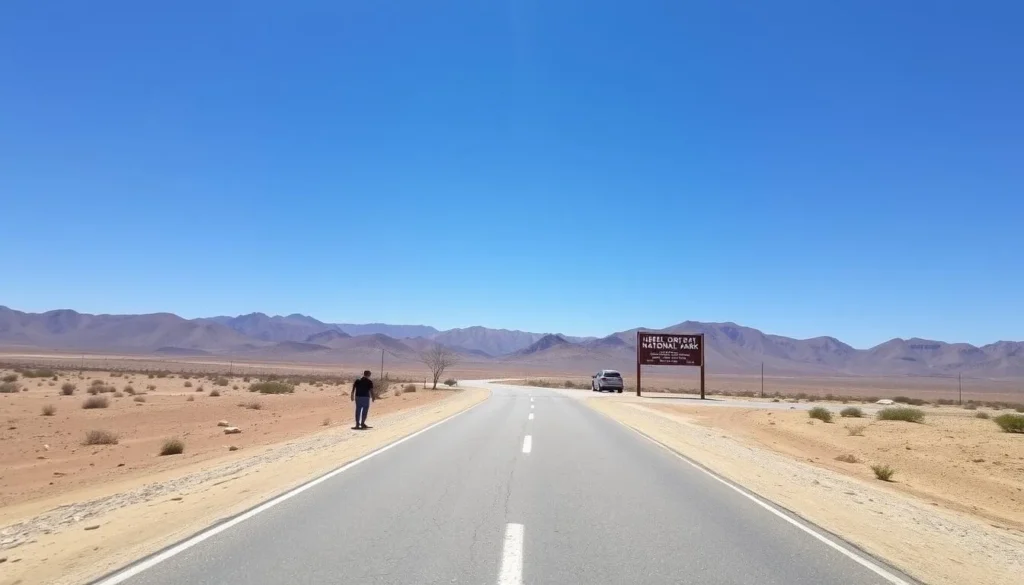
Reaching Jebel Orbata National Park requires some planning, as it’s located in a relatively remote area of central Tunisia. The nearest major city is Gafsa, which serves as an excellent base for exploring the park.
By Air
The closest international airport is Tozeur-Nefta International Airport, approximately 100 km from Gafsa. From there, you’ll need to arrange ground transportation to reach the park. Alternatively, you can fly into Tunis-Carthage International Airport and make the journey south.
By Car
Renting a car provides the most flexibility for visiting Jebel Orbata. From Gafsa, take the P13 road toward Sened, then follow signs to the park entrance. The drive takes approximately 30-45 minutes from Gafsa city center.
- 4WD vehicles are recommended, especially if you plan to explore deeper into the park
- Ensure your vehicle has adequate fuel before departing, as gas stations are limited in the area
- Consider hiring a local guide who knows the terrain well
By Public Transportation
Public transportation options are limited. You can take a train or louage (shared taxi) to Gafsa, then hire a taxi to the park. Arrange for pickup in advance, as return transportation may be difficult to find.
Important: Permission is required to enter Jebel Orbata National Park. Submit requests to the General Directorate of Forests or the regional commissariat at least 3-5 working days in advance of your planned visit.
Check 30,000+ Local Sightseeing Tours Worldwide
✓ Numerous languages and currencies are available
Best Time to Visit & Weather Tips
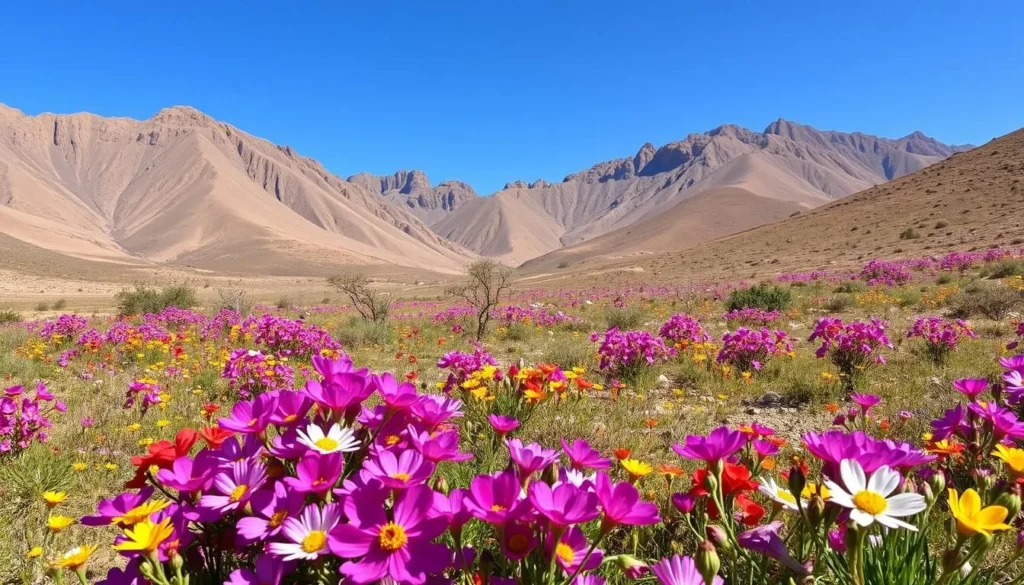
The climate in Jebel Orbata National Park is characterized by hot, dry summers and mild winters. The best times to visit are during spring (March to May) and autumn (September to November) when temperatures are most comfortable for hiking and outdoor activities.
Spring (March-May)
Spring offers pleasant temperatures ranging from 15-25°C (59-77°F) and the landscape comes alive with wildflowers. This is an ideal time for photography and wildlife spotting as animals are more active.
Autumn (September-November)
Autumn brings similar comfortable temperatures after the summer heat subsides. The landscape takes on golden hues, and the air clarity makes for excellent visibility across the mountains.
Weather Considerations
- Summer (June-August): Temperatures can exceed 40°C (104°F), making hiking challenging and potentially dangerous
- Winter (December-February): Cooler with occasional rainfall; temperatures range from 5-15°C (41-59°F)
- Rainfall is minimal throughout the year, but flash floods can occur after heavy rains
Always check weather forecasts before your visit. Summer hikers should start very early in the morning and carry plenty of water (at least 3 liters per person). Winter visitors should bring warm layers as temperatures drop significantly at night.
Getting Around Locally
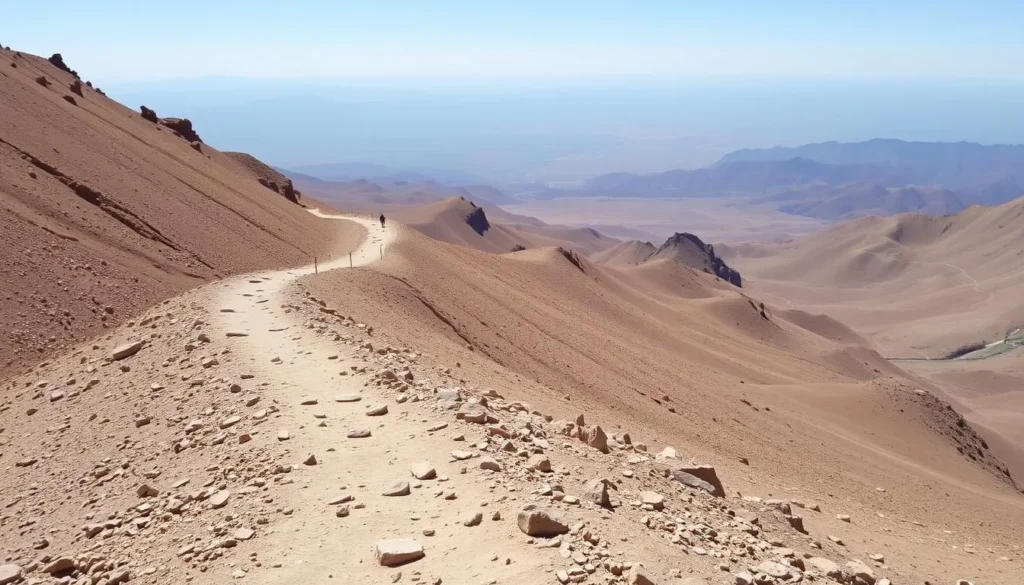
Navigating Jebel Orbata National Park requires some preparation, as the infrastructure is minimal compared to more developed parks. Here are your options for exploring this natural treasure:
Guided Tours
The most recommended way to explore Jebel Orbata is with a knowledgeable local guide. Guides can be arranged through your accommodation in Gafsa or through tour operators specializing in Tunisia’s national parks.
Self-Guided Hiking
If you prefer to explore independently, several hiking trails of varying difficulty levels are available. The main trails are marked, but navigation can be challenging in more remote areas.
- The Summit Trail: A challenging 6-8 hour round trip to the highest point with panoramic views
- Valley Circuit: A moderate 3-4 hour loop through diverse ecosystems
- Geology Path: An easier 2-hour walk highlighting the park’s unique rock formations
Trail maps are available at the park entrance, but they may not be detailed. Consider downloading offline maps before your visit, as mobile coverage is limited within the park.
By Vehicle
Some areas of the park are accessible by 4WD vehicles on designated tracks. This option is ideal for covering more ground, especially for photography enthusiasts or those with limited mobility.
Where to Stay
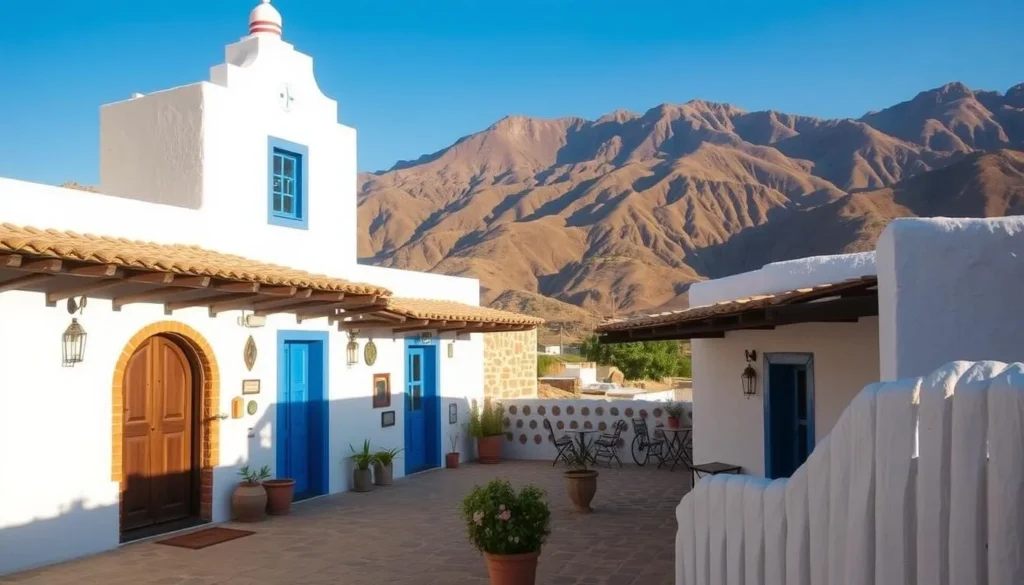
While there are no accommodations within Jebel Orbata National Park itself, several options are available in the surrounding areas, particularly in Gafsa city and smaller nearby towns.
Hotels in Gafsa
Gafsa, located about 15 miles from the park, offers the widest range of accommodation options:
Hotel Jugurtha Palace
A comfortable mid-range hotel with modern amenities, restaurant, and pool. Located in central Gafsa with easy access to transportation.
Best Overall
Hotel Gafsa Palace
A larger hotel with traditional architecture, offering rooms with mountain views and a restaurant serving local cuisine.
Family Friendly
Dar El Medina
A charming guesthouse in a traditional building, offering an authentic experience with home-cooked meals and cultural insights.
Local Experience
Rural Accommodations
For a more immersive experience, consider staying in one of the small villages near the park:
- Guesthouse accommodations in El Ksar or Sened offer proximity to the park entrance
- Homestays with local families provide cultural insights and often include traditional meals
- Small eco-lodges are beginning to develop in the region, focusing on sustainable tourism
Camping
Camping within the park boundaries requires special permission from park authorities. If approved, you must follow strict leave-no-trace principles and camp only in designated areas.
Booking Tip: Accommodations in this region are limited, especially during peak seasons. Reserve your stay well in advance, particularly if visiting during spring or autumn.
Dining & Local Cuisine
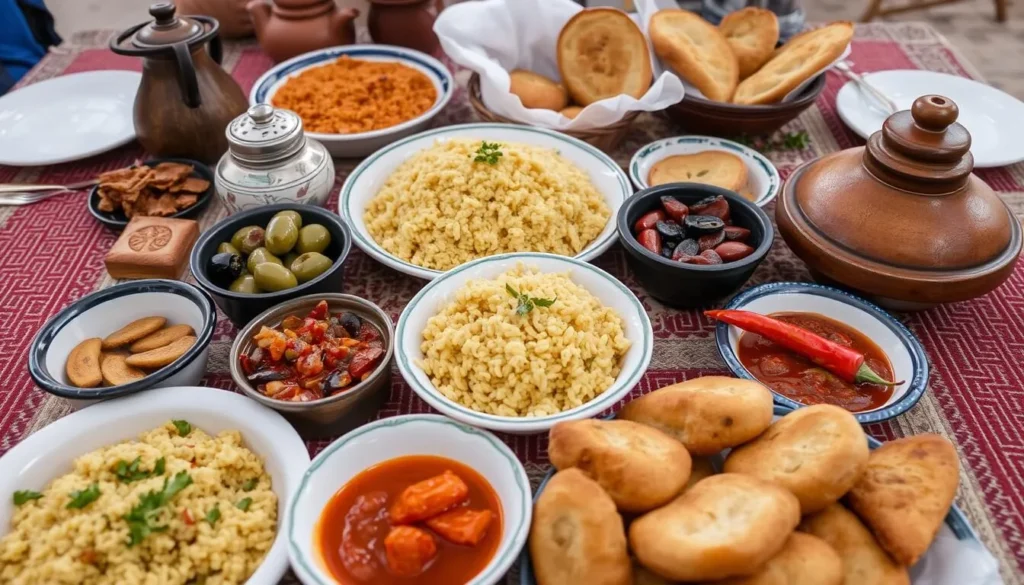
The culinary experience around Jebel Orbata National Park reflects the rich cultural heritage of central Tunisia, with influences from Berber, Arab, and Mediterranean traditions.
Local Specialties
When visiting the Jebel Orbata region, be sure to try these authentic dishes:
- Bsissa – A traditional mixture of roasted grains and spices, often eaten with olive oil
- Merguez – Spicy lamb or beef sausages, a specialty of the region
- Tunisian Couscous – Different from other North African versions, often served with lamb and seasonal vegetables
- Zlebia – Sweet fried pastry soaked in honey, popular in the Gafsa region
- Makroudh – Semolina cookies filled with dates, a perfect energy boost for hikers
Dining Options
In Gafsa
The city offers the most diverse dining options, from traditional restaurants to modern cafés:
- Restaurant Jugurtha – Serves traditional Tunisian dishes in a comfortable setting
- Café des Nattes – Popular for breakfast and light meals
- El Kahina – Known for authentic regional specialties
Near the Park
Options are more limited but offer authentic experiences:
- Small family-run eateries in El Ksar and Sened
- Roadside stands selling fresh bread and olive oil
- Homestay meals if you’re staying with local families
Self-Catering
If you’re planning a full day in the park, prepare a picnic with supplies from Gafsa’s markets. Fresh bread, cheese, olives, dates, and water are essential provisions for a day of hiking.
Dining Tip: Most restaurants in this region serve lunch from 12:00-2:30 PM and dinner from 7:00-10:00 PM. Outside these hours, options may be limited to cafés and small snack shops.
Attractions, Sightseeing & Activities in Jebel Orbata National Park
Jebel Orbata National Park offers a diverse range of activities for nature enthusiasts, hikers, and cultural explorers. Here are the top attractions and experiences not to miss:
Wildlife Viewing
The park is home to an impressive variety of wildlife, with 123 vertebrate species documented within its boundaries:
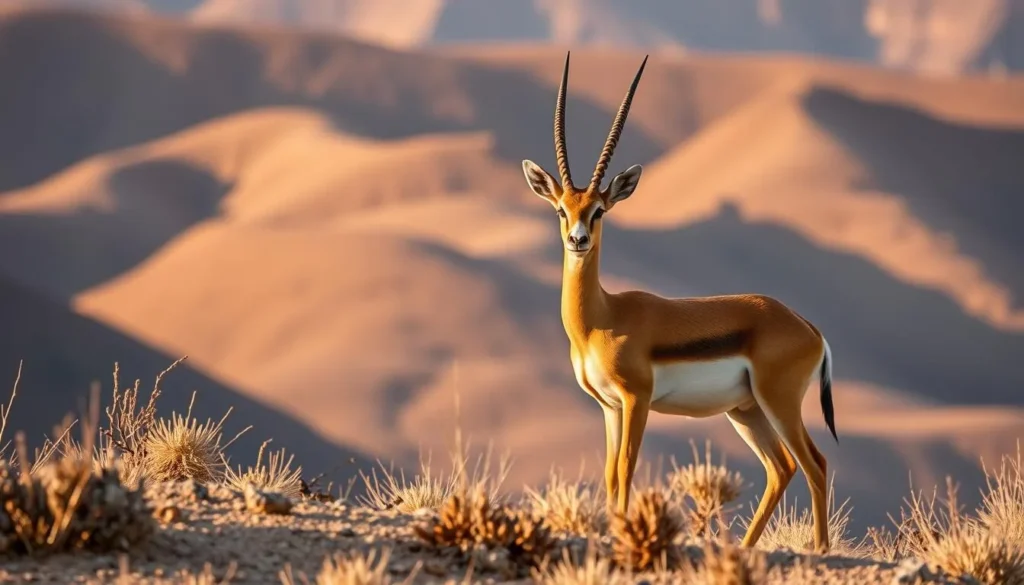
- Mountain Gazelle – One of the park’s most iconic residents, best spotted in early morning or late afternoon
- Barbary Sheep – Look for these agile climbers on rocky slopes
- Birds of Prey – Including golden eagles, peregrine falcons, and Egyptian vultures
- Reptiles – The park hosts 24 reptile species adapted to the arid environment
Hiking Trails
Exploring on foot is the best way to experience the park’s diverse ecosystems:
Summit Trail
Difficulty: Challenging
Distance: 12 km round trip
Duration: 6-8 hours
This demanding trail leads to the highest point in the park, offering panoramic views across the Tunisian Atlas range and surrounding plains.
Aleppo Pine Forest Path
Difficulty: Moderate
Distance: 7 km loop
Duration: 3-4 hours
Wind through one of the southernmost Aleppo pine forests in Tunisia, home to diverse bird species and unique plant communities.
Valley Circuit
Difficulty: Easy to Moderate
Distance: 5 km loop
Duration: 2-3 hours
An accessible trail showcasing the park’s geological features and offering good opportunities for wildlife spotting.
Geological Formations
Jebel Orbata’s unique geology tells the story of millions of years of Earth’s history:
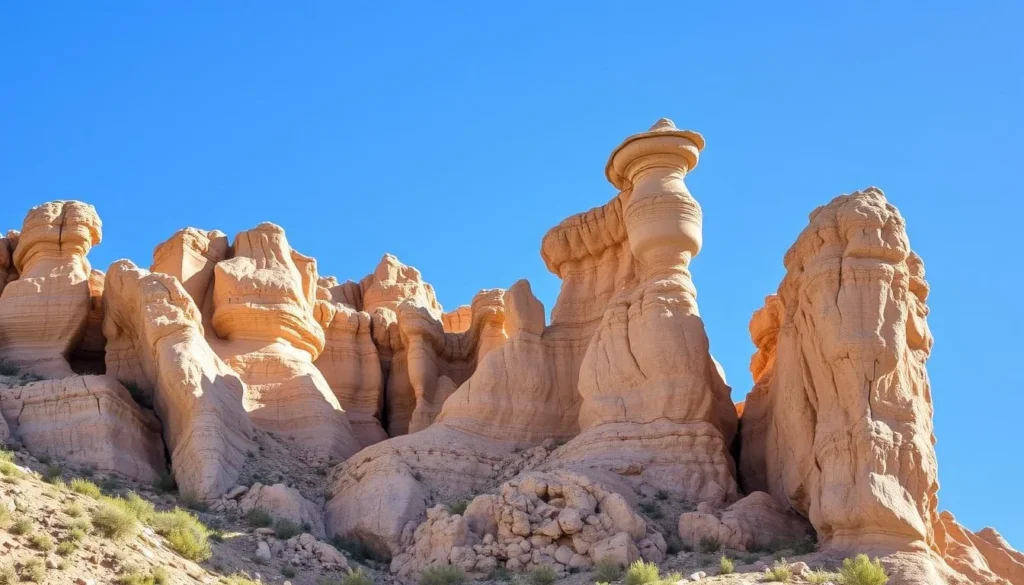
- Limestone Cliffs – Featuring fossils from ancient marine environments
- Erosion Formations – Wind and water have carved fascinating shapes into the rock
- Mineral Deposits – The region is known for its diverse mineral content, visible in the colorful rock strata
Photography
Photographers will find endless inspiration in Jebel Orbata’s landscapes:
- Golden Hour – The first and last hours of daylight cast magical light across the mountains
- Spring Wildflowers – March to May brings a surprising burst of color to the otherwise arid landscape
- Night Sky – With minimal light pollution, the park offers excellent stargazing and astrophotography opportunities
Cultural Experiences & Local Heritage
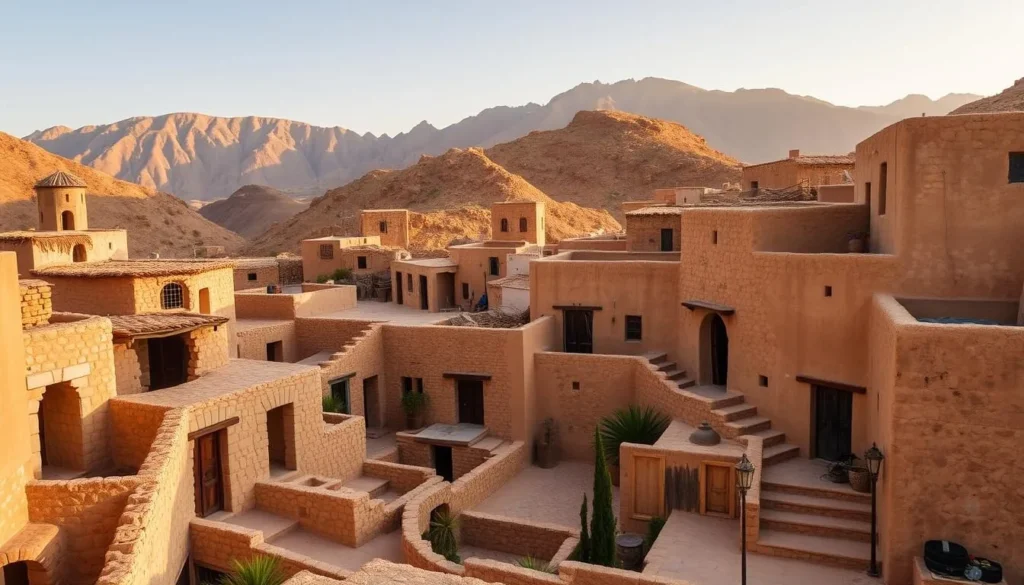
The area surrounding Jebel Orbata National Park has a rich cultural heritage, with influences from Berber, Arab, and various historical civilizations that have inhabited the region.
Local Communities
Several traditional villages surround the park, offering glimpses into rural Tunisian life:
- El Ksar – A village with traditional architecture and local crafts
- Sened – Known for its Berber heritage and traditional agricultural practices
- Small settlements – Scattered throughout the region, some still practicing semi-nomadic lifestyles
Traditional Crafts
The region is known for several traditional handicrafts:
Textiles
Local women create distinctive woven carpets and textiles using traditional patterns and natural dyes. These items often feature geometric designs that tell stories of local history and daily life.
Pottery
Artisans produce practical and decorative pottery using techniques passed down through generations. The red clay of the region gives local ceramics their characteristic color.
Historical Sites
While the park itself focuses on natural conservation, the surrounding area contains several historical points of interest:
- Ancient Water Systems – Evidence of historical water management techniques
- Traditional Granaries – Stone structures used to store grain, some dating back centuries
- Rock Art – Some areas contain prehistoric rock carvings, though access may be restricted
Outdoor Adventures & Activities
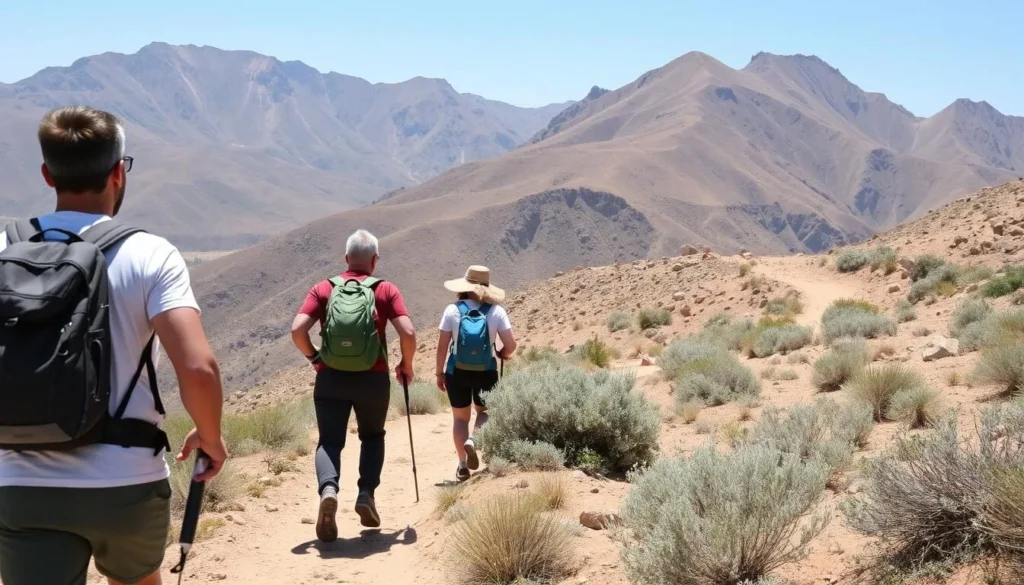
Beyond basic hiking, Jebel Orbata National Park offers several specialized outdoor activities for adventure seekers:
Rock Climbing
The park’s limestone cliffs provide opportunities for rock climbing, though this activity is still developing in the region:
Check 30,000+ Local Sightseeing Tours Worldwide
✓ Numerous languages and currencies are available
- Several routes of varying difficulty have been established on the eastern faces
- Local guides can provide equipment and instruction for beginners
- Experienced climbers should bring their own gear and check with park authorities about current access
Bird Watching
With 77 bird species documented in the park, bird watching is a popular activity:
Resident Species
- Golden Eagle
- Barbary Partridge
- Desert Lark
- Blue Rock Thrush
Migratory Species
- European Bee-eater
- Common Cuckoo
- Various Warblers
- Raptors during migration seasons
Best Viewing Spots
- Valley watercourses (even when dry)
- Forest edges
- High observation points
- Near water sources after rainfall
Mountain Biking
Some of the park’s wider trails and surrounding dirt roads are suitable for mountain biking:
- Bring your own bike or rent in Gafsa (limited options)
- The Valley Circuit is most suitable for biking
- Check with park authorities about current trail conditions and access
Stargazing
With minimal light pollution, Jebel Orbata offers excellent night sky viewing:
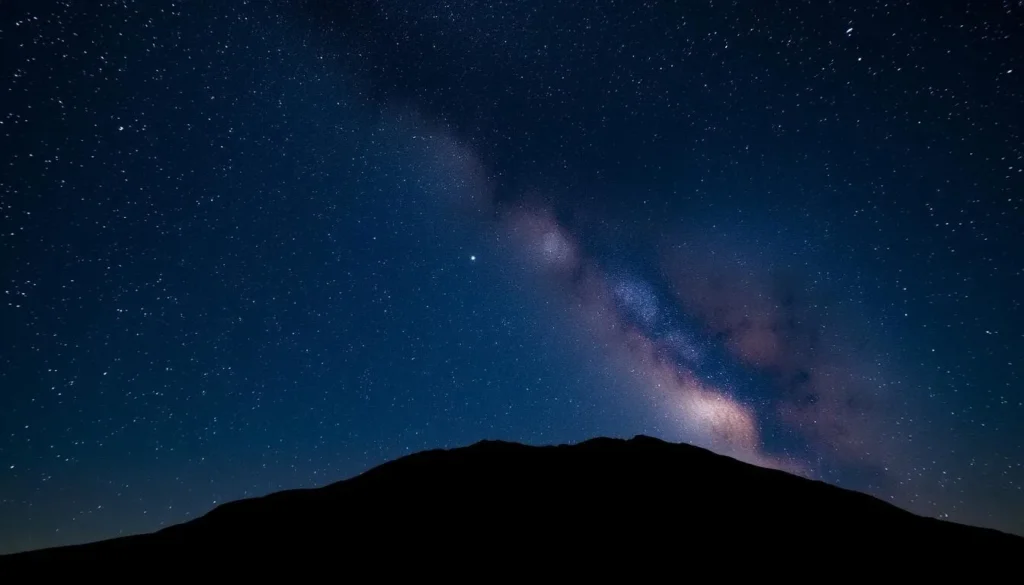
- Best during new moon periods for maximum star visibility
- Several flat areas provide good viewing platforms
- Guided night tours sometimes available (inquire in Gafsa)
Adventure Tip: For any specialized activities, arrange guides and permissions well in advance. The park’s remote location means emergency services are limited, so always prioritize safety.
Safety, Etiquette & Local Customs
Visiting Jebel Orbata National Park requires respect for both the natural environment and local cultural norms. Here are important guidelines to ensure a safe and respectful visit:
Safety Considerations
Park Safety: Always inform someone of your hiking plans, carry sufficient water (minimum 3 liters per person per day), wear appropriate footwear, and bring sun protection. Cell phone coverage is limited within the park.
- Weather Awareness – Check forecasts before visiting; avoid hiking during extreme heat
- Wildlife – Maintain a safe distance from all animals; some snakes in the region are venomous
- Navigation – Trails may be poorly marked in places; carry a map and compass
- First Aid – Bring a basic first aid kit; medical facilities are distant
Environmental Etiquette
Help preserve this fragile ecosystem by following these principles:
- Stay on designated trails to prevent erosion and habitat disturbance
- Pack out all trash; no disposal facilities exist within the park
- Do not collect plants, rocks, or other natural items
- Keep noise to a minimum to avoid disturbing wildlife
- No open fires allowed due to fire risk in this arid environment
Cultural Respect
When interacting with local communities around the park:
Dress Code
Tunisia is a moderate Muslim country. In rural areas especially, conservative dress is appreciated. Both men and women should cover shoulders and knees. Women should consider carrying a light scarf.
Photography
Always ask permission before photographing local people or their property. Some residents may decline for religious or personal reasons. Respect their wishes.
Local Interactions
- Basic Arabic greetings are appreciated: “As-salamu alaykum” (Peace be upon you)
- If invited into a home, remove shoes before entering
- Accept tea or coffee if offered; declining can be considered impolite
- Use your right hand for eating, greeting, or passing items
Practical Travel Tips for Jebel Orbata National Park
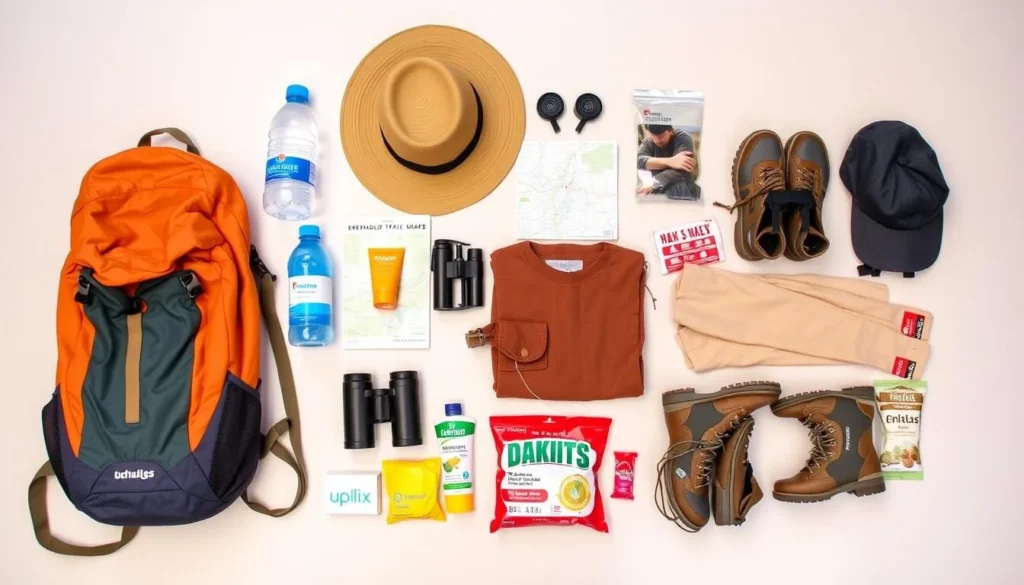
Make the most of your visit to Jebel Orbata National Park with these essential tips:
What to Pack
Essential Items
- Sturdy hiking boots with ankle support
- Sun hat, sunglasses, and high-SPF sunscreen
- Light, long-sleeved clothing for sun protection
- Minimum 3 liters of water per person per day
- Basic first aid kit including blister treatment
- Trail map and compass or GPS device
Recommended Additions
- Binoculars for wildlife viewing
- Camera with extra batteries
- Hiking poles for steep sections
- Insect repellent (especially in spring)
- Light jacket or fleece (for early mornings)
- Small trash bag to pack out waste
Park Regulations
Understanding the rules helps protect this valuable ecosystem:
- Entry Permits – Required and must be arranged 3-5 days in advance
- Hours – The park is typically open from sunrise to sunset
- Fees – A small conservation fee applies (approximately 5-10 Tunisian Dinars per person)
- Camping – Only permitted with special authorization
- Pets – Not allowed within the park boundaries
Communication
Staying connected can be challenging but is important for safety:
- Mobile coverage is limited within the park; strongest near the entrance
- Consider renting a satellite phone for remote hiking
- Inform your accommodation of your plans and expected return time
- Learn a few basic Arabic phrases to communicate with locals
Money Matters
Financial preparation for this remote area:
- No ATMs or card facilities within or near the park
- Withdraw sufficient Tunisian Dinars in Gafsa before your visit
- Carry small denominations for minor purchases in villages
- Guide services typically expect cash payment
Insider Tip: The park ranger station sometimes offers basic maps and information brochures, but these may not always be available or may only be in Arabic or French. Download or print resources in advance when possible.
Experience the Wild Beauty of Jebel Orbata National Park
Jebel Orbata National Park represents one of Tunisia’s most precious natural treasures – a place where rare wildlife finds refuge, ancient geological processes are visible in dramatic landscapes, and traditional ways of life continue in harmony with nature.
Unlike Tunisia’s more frequented coastal destinations, this hidden gem offers adventurous travelers a chance to experience the country’s wild heart. Whether you’re tracking elusive mountain gazelles at dawn, photographing spring wildflowers against rugged peaks, or simply enjoying the profound silence of this remote wilderness, Jebel Orbata creates memories that last a lifetime.
By visiting with respect and awareness, you contribute to the conservation of this unique ecosystem while discovering a side of Tunisia that few travelers ever see. The challenges of reaching and exploring this remote park are richly rewarded with authentic experiences and natural beauty that remain wonderfully unspoiled.