
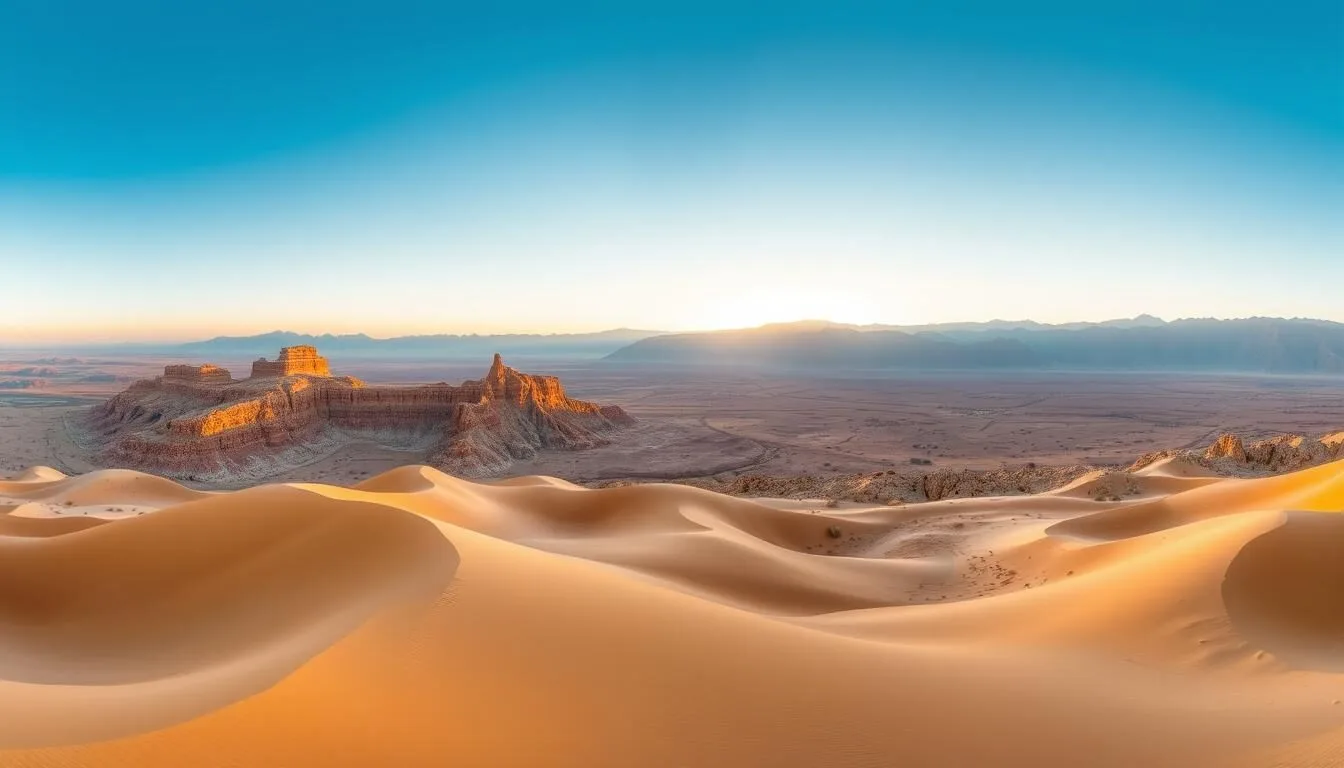
Did you know that Sanghr Jabbess National Park is home to one of North Africa’s most diverse ecosystems, where the golden dunes of the Sahara meet rare Mediterranean flora? This hidden gem in Tunisia’s protected lands system hosts over 200 endemic species, making it a paradise for nature enthusiasts and adventure seekers alike. As one of Tunisia’s least-visited yet most spectacular national parks, Sanghr Jabbess offers an authentic wilderness experience far from the tourist crowds.
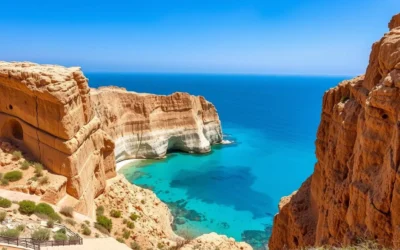
The breathtaking landscape of Sanghr Jabbess National Park showcases Tunisia’s diverse natural beauty
Exploring Sanghr Jabbess National Park: An Overview
Nestled between Tunisia’s coastal regions and the vast Sahara Desert, Sanghr Jabbess National Park represents one of the country’s most important conservation areas. The park spans approximately 150,000 hectares, protecting a unique transition zone where Mediterranean and Saharan ecosystems meet, creating an extraordinary biodiversity hotspot.
Like other Tunisian national parks such as Ichkeul and Bouhedma, Sanghr Jabbess plays a vital role in preserving the country’s natural heritage. What makes this park special is its remarkable variety of landscapes – from rocky mountains and hidden oases to expansive dune systems – all within a relatively compact area.
Getting There & Planning Your Journey
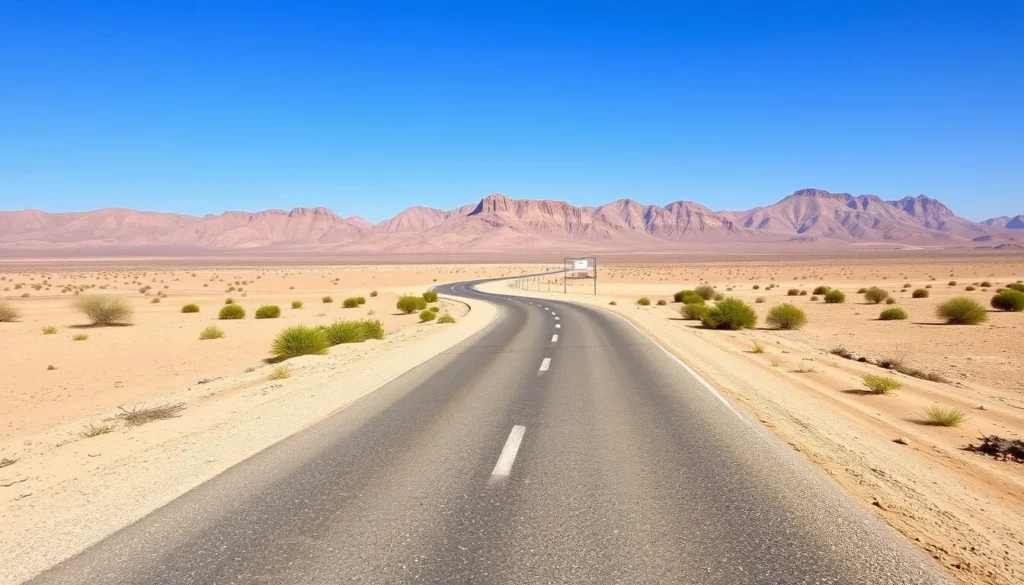
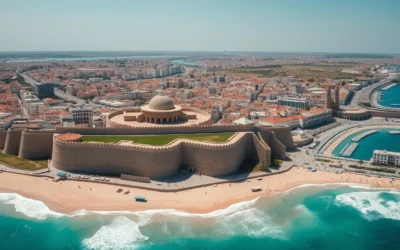
The approach to Sanghr Jabbess National Park through Tunisia’s scenic desert landscape
Reaching Sanghr Jabbess National Park requires some planning, as it’s located in Tunisia’s southern region, approximately 450 km from the capital Tunis. Most visitors begin their journey by flying into Tunis-Carthage International Airport, then arranging ground transportation south.
Transportation Options:
- Rental car: The most flexible option, allowing you to explore at your own pace. The drive from Tunis takes approximately 5-6 hours on well-maintained highways.
- Guided tour: Many tour operators offer packages that include transportation, accommodations, and guided excursions within the park.
- Public transportation: Budget travelers can take a combination of trains and shared taxis (louages), though this requires more time and planning.
Entry Requirements:
The park entrance fee is approximately 10 Tunisian Dinars (approximately $3.50 USD) per person. Conservation permits for certain activities may require advance booking. It’s recommended to arrange a local guide through your accommodation or tour operator, as they provide valuable insights and ensure you experience the park’s highlights safely.
Best Time to Visit & Weather Tips
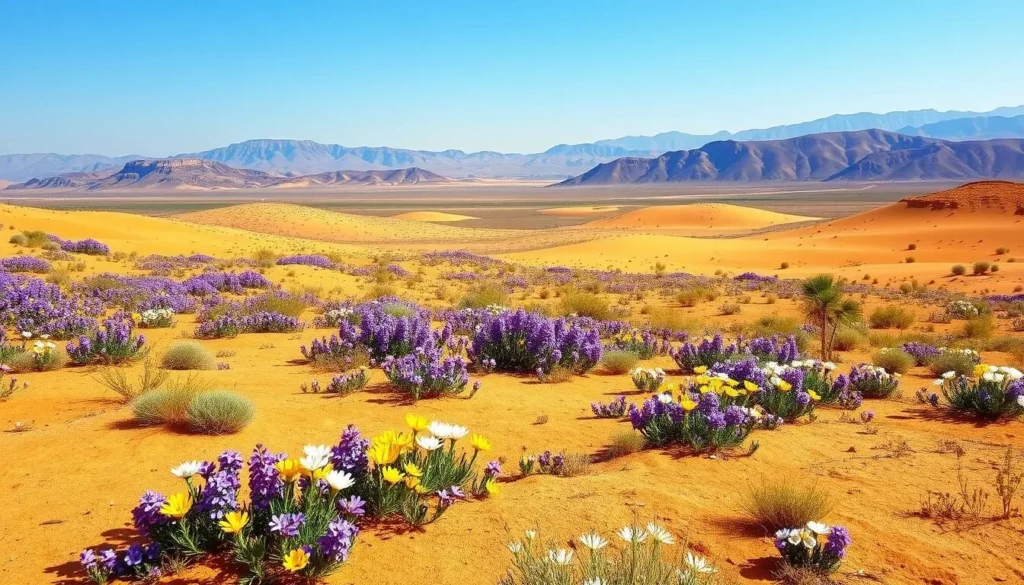
Spring brings a spectacular bloom of wildflowers to Sanghr Jabbess National Park
Timing your visit to Sanghr Jabbess National Park is crucial for a comfortable and rewarding experience. The park experiences extreme temperature variations between seasons, with scorching summers and cool winters.
Recommended Visiting Seasons:
| Season | Months | Temperature | Conditions | Recommendation |
| Spring | March-May | 18-28°C (64-82°F) | Mild, occasional rain, wildflowers | Highly Recommended |
| Summer | June-August | 35-45°C (95-113°F) | Extremely hot, dry | Not Recommended |
| Fall | September-November | 20-30°C (68-86°F) | Mild, clear skies | Highly Recommended |
| Winter | December-February | 8-20°C (46-68°F) | Cool days, cold nights | Good for hiking |
The ideal times to visit Sanghr Jabbess National Park are during spring (March to May) and fall (September to November). During these periods, temperatures are pleasant for outdoor activities, ranging from 18-28°C (64-82°F). Spring offers the added bonus of wildflower blooms across the park’s varied landscapes.
Weather Tip: Avoid visiting during July and August when temperatures regularly exceed 40°C (104°F), making outdoor exploration uncomfortable and potentially dangerous. If visiting in winter, pack warm clothing for evenings when temperatures can drop below 10°C (50°F).
Getting Around Locally
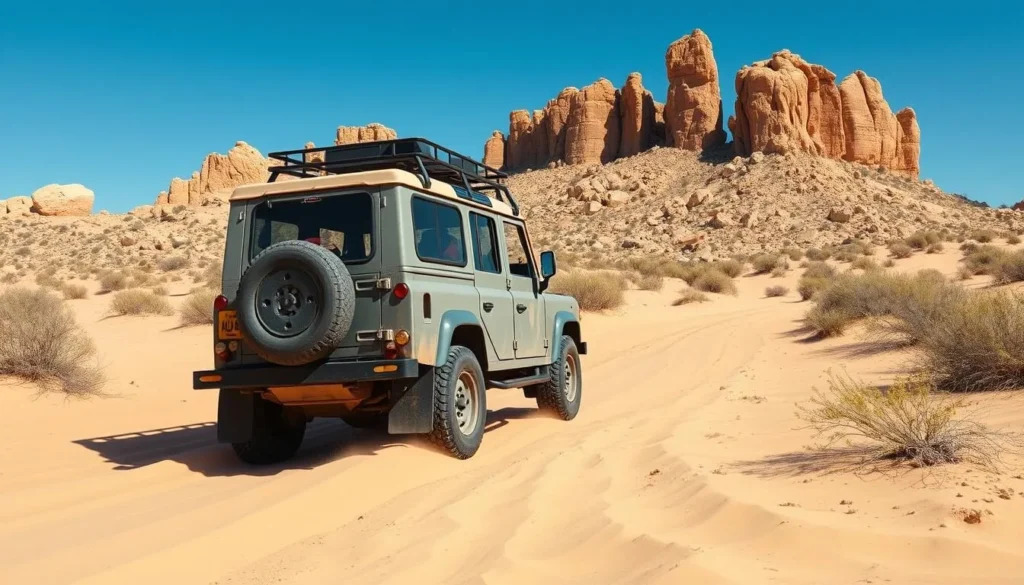
A 4×4 vehicle is essential for exploring the diverse terrain of Sanghr Jabbess National Park
Navigating Sanghr Jabbess National Park requires preparation and appropriate transportation. The park’s vast size and varied terrain mean that having the right vehicle and knowledge is essential for a safe and comprehensive experience.
Transportation Within the Park:
- 4×4 Vehicles: Essential for exploring most areas of the park, especially the desert sections and remote oases. Many visitors rent 4x4s in nearby towns or arrange them through tour operators.
- Guided Tours: Local guides offer jeep tours that cover the park’s highlights while providing cultural and ecological insights. These are highly recommended for first-time visitors.
- Camel Treks: For an authentic desert experience, camel excursions are available, typically ranging from a few hours to multi-day adventures with overnight camping.
Local Tip: The park has limited signage and GPS coverage can be spotty. Even experienced travelers should consider hiring a local guide for at least part of their visit to ensure safety and maximize their experience.
Sanghr Jabbess National Park location in Tunisia
Where to Stay

Traditional desert camps offer an authentic overnight experience near Sanghr Jabbess National Park
Accommodation options around Sanghr Jabbess National Park range from authentic desert camps to comfortable hotels in nearby towns. Your choice depends on your preference for comfort versus proximity to the park.
Accommodation Options:
Desert Camps
Experience traditional Berber hospitality in tented camps within or near the park boundaries. These range from basic to luxury options with proper beds, private bathrooms, and authentic cuisine.
Price range: 80-250 TND ($25-80 USD) per night
Nearby Guesthouses
Small, family-run accommodations in villages surrounding the park offer authentic experiences and home-cooked meals. Many can arrange guided excursions into the park.
Price range: 100-200 TND ($30-65 USD) per night
Town Hotels
For those preferring modern amenities, hotels in nearby towns provide comfort while still being within driving distance of the park entrance.
Price range: 150-400 TND ($50-130 USD) per night
Booking Tip: Accommodations near the park are limited and can fill up quickly during peak seasons. Book at least 2-3 months in advance if planning to visit during spring or fall.
Dining & Local Cuisine
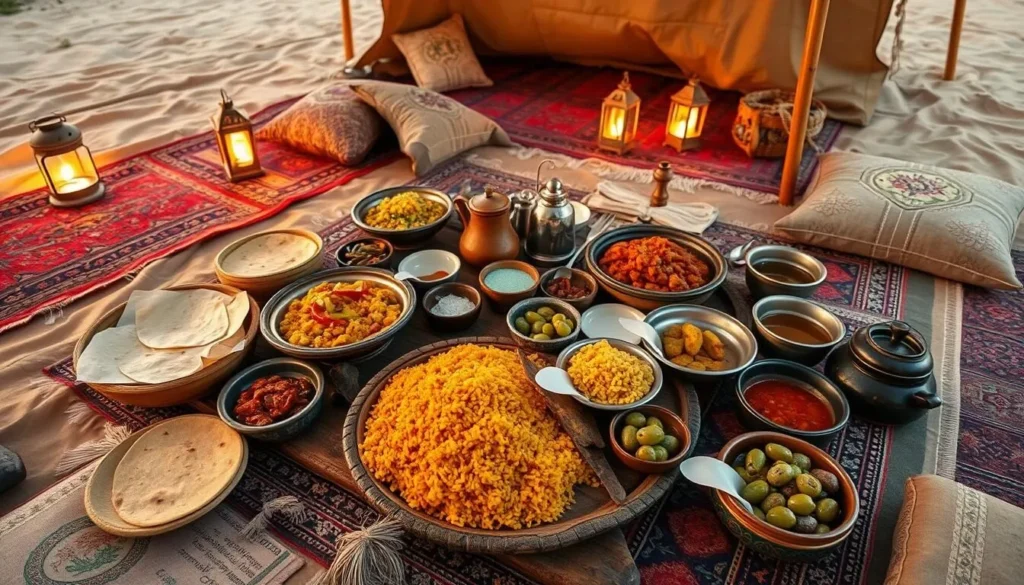
Savor authentic Tunisian cuisine during your stay near Sanghr Jabbess National Park
Culinary experiences around Sanghr Jabbess National Park reflect Tunisia’s rich gastronomic heritage, with influences from Berber, Arab, and Mediterranean traditions. Most meals are prepared with fresh, local ingredients and feature distinctive spice blends.
Must-Try Local Dishes:
- Couscous: Tunisia’s national dish, typically served with vegetables and meat or fish. The local version near Sanghr Jabbess often includes desert herbs for unique flavoring.
- Brik: A crispy pastry filled with egg, tuna, capers, and parsley – a perfect quick meal during park excursions.
- Lablabi: A hearty chickpea soup spiced with cumin and garlic, often enjoyed for breakfast before a day of exploration.
- Desert Bread: Traditional flatbread baked in sand ovens by local Berber communities, often served with olive oil and harissa.
Dining Options:
Most visitors to Sanghr Jabbess National Park dine at their accommodations, as restaurants within the park are limited. Desert camps and guesthouses typically offer full board options with authentic home-cooked meals. If staying in nearby towns, you’ll find small restaurants serving traditional Tunisian cuisine at reasonable prices.
Culinary Tip: Pack plenty of water and snacks for day trips in the park. Consider arranging a picnic lunch through your accommodation if planning a full day of exploration.
Attractions & Activities in Sanghr Jabbess National Park
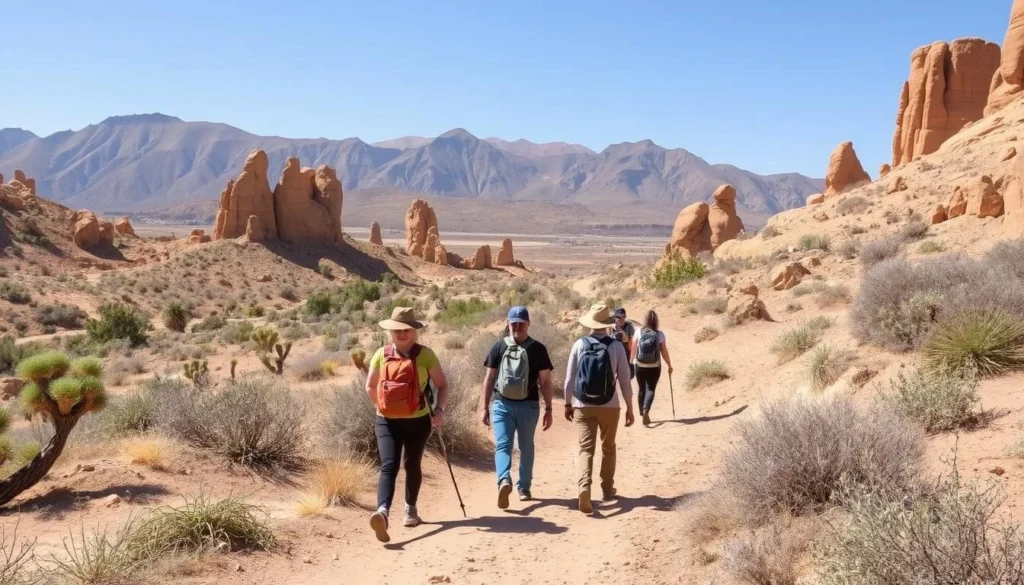
Hiking through Sanghr Jabbess reveals the park’s remarkable biodiversity and scenic vistas
Sanghr Jabbess National Park offers a wealth of natural attractions and activities for visitors to enjoy. From stunning geological formations to rare wildlife encounters, the park provides diverse experiences for nature enthusiasts, photographers, and adventure seekers.
Top Natural Attractions:
- The Grand Dunes: Massive sand formations that shift with the winds, creating an ever-changing landscape perfect for photography, especially during sunrise and sunset.
- Hidden Oases: Several small oases dot the park, providing lush contrast to the arid surroundings and serving as vital habitats for wildlife.
- Ancient Rock Formations: Wind-carved sandstone structures create dramatic landscapes throughout the park, with some formations dating back millions of years.
- Salt Flats: Seasonal salt pans that create mirror-like surfaces after rare rainfall events, offering spectacular photo opportunities.
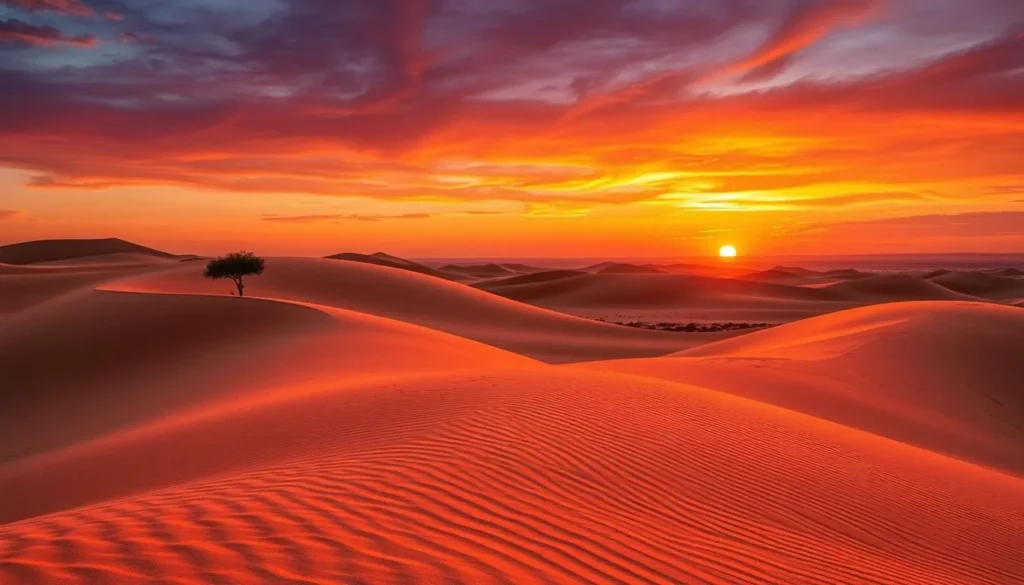
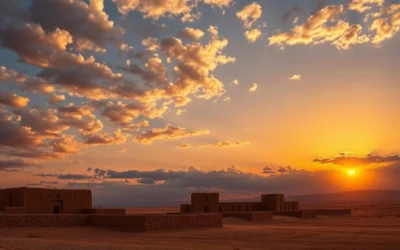
Sunset transforms the dunes of Sanghr Jabbess into a magical landscape of colors and shadows
Popular Activities:
Desert Hiking
Several marked trails range from easy 1-hour walks to challenging full-day treks. The Oasis Circuit (4 km) and Mountain Ridge Trail (7 km) are particularly popular for their diverse scenery.
Wildlife Watching
Early mornings and late afternoons offer the best opportunities to spot native species including desert foxes, gazelles, and numerous bird species. Guided wildlife tours increase your chances of successful sightings.
Photography
The park’s dramatic landscapes, especially during golden hour, provide endless opportunities for photographers. Popular spots include the Grand Dunes at sunset and the Ancient Rock Garden at sunrise.
Cultural Experiences & Heritage Sites
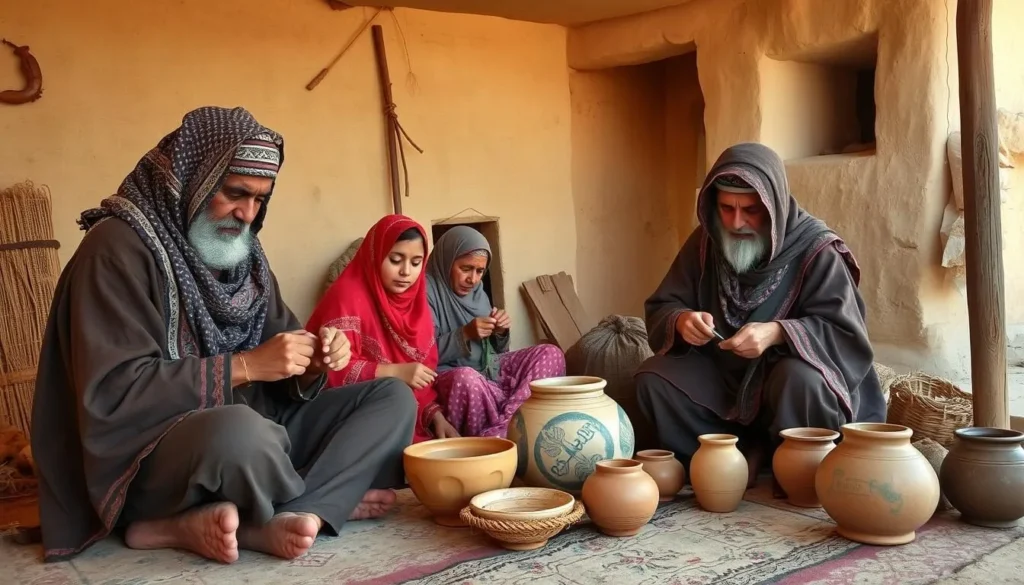
Local Berber artisans share traditional crafts and cultural knowledge with visitors
Beyond its natural wonders, Sanghr Jabbess National Park and its surrounding areas offer rich cultural experiences that provide insight into Tunisia’s heritage and the traditional lifestyles of the region’s inhabitants.
Cultural Highlights:
- Berber Villages: Several small settlements on the park’s periphery maintain traditional ways of life. Some offer homestay experiences where visitors can learn about local customs, cuisine, and crafts.
- Ancient Caravan Routes: The park contains sections of historic trade routes that once connected sub-Saharan Africa to the Mediterranean coast. Guided tours explain their historical significance.
- Traditional Crafts: Local artisans create distinctive textiles, pottery, and jewelry using techniques passed down through generations. Workshops and demonstrations are available in nearby communities.
- Archaeological Sites: Several small Roman and Berber ruins can be found within and around the park, evidence of the region’s long human history.
Cultural Experiences:
Many accommodations and tour operators offer cultural programs that complement the natural experiences of the park. These might include traditional music performances, cooking classes focusing on local cuisine, or guided visits to nearby villages where you can interact with local communities in a respectful manner.
Cultural Tip: When visiting local communities, dress modestly and ask permission before taking photographs of people. Small gifts of tea or coffee are appreciated when visiting homes, but avoid giving candy or money, especially to children.
Practical Travel Tips
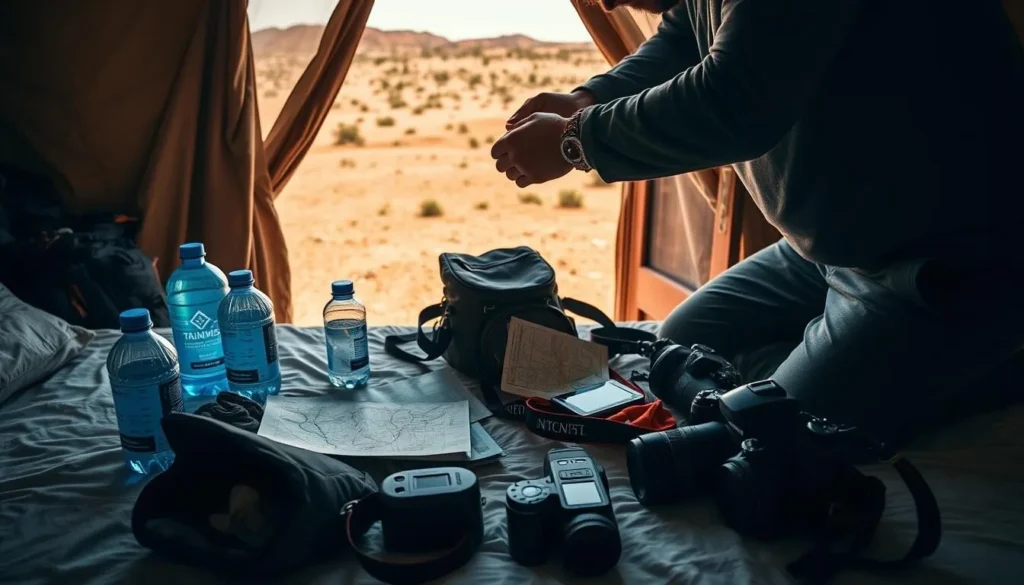
Proper preparation is essential for a safe and enjoyable visit to Sanghr Jabbess National Park
Essential Items to Pack:
- Sun Protection: Wide-brimmed hat, high-SPF sunscreen, sunglasses, and lightweight, long-sleeved clothing.
- Water: Carry at least 3 liters per person per day. Dehydration is a serious risk in the desert environment.
- Navigation: Download offline maps before your visit, as mobile coverage is limited. Consider bringing a compass.
- First Aid: Basic kit including blister treatment, pain relievers, and any personal medications.
- Cash: ATMs are scarce in the region, so bring sufficient Tunisian Dinars for your stay.
Health & Safety:
The remote nature of Sanghr Jabbess National Park means visitors should take extra precautions. Inform someone of your itinerary if exploring independently. The nearest medical facilities are often several hours away, so caution is essential when hiking or engaging in other activities.
Safety Tip: Flash floods can occur after rainfall, even if precipitation happens many kilometers away. Avoid dry riverbeds (wadis) if there’s any chance of rain in the region.
Etiquette & Conservation:
Sanghr Jabbess National Park is a protected area with fragile ecosystems. Practice Leave No Trace principles by packing out all waste, staying on designated trails, and avoiding disturbance to wildlife. Respect local customs by dressing modestly, especially when visiting communities near the park.
Wildlife & Nature Experiences
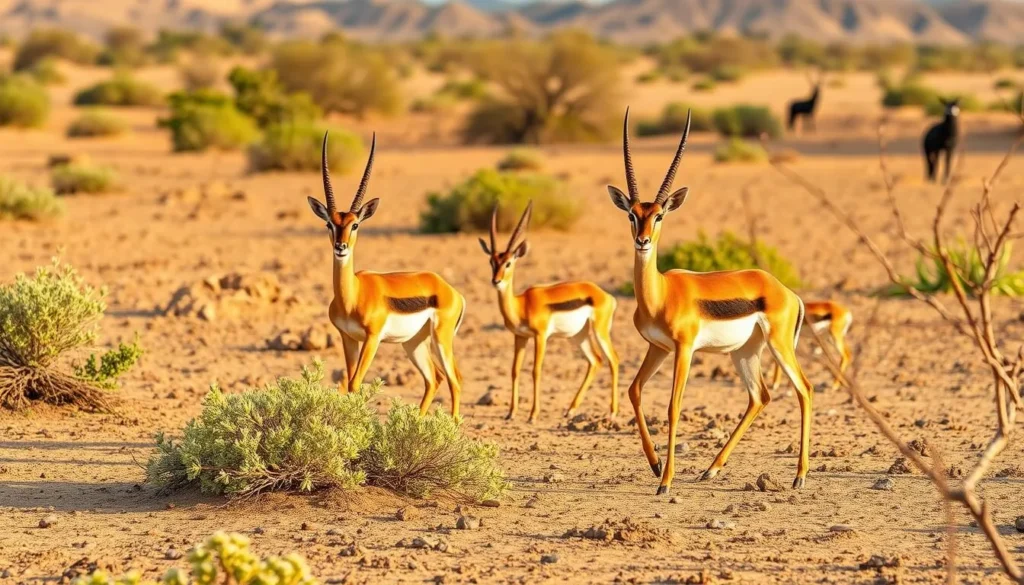
Desert gazelles are among the protected species that can be spotted in Sanghr Jabbess National Park
Despite its arid appearance, Sanghr Jabbess National Park supports a surprising diversity of wildlife that has adapted to the challenging desert conditions. The park serves as an important conservation area for several threatened species.
Notable Wildlife:
Mammals
- Dorcas gazelles
- Desert foxes
- African golden wolves
- Desert hedgehogs
- Several bat species
Birds
- Egyptian vultures
- Desert larks
- Cream-colored coursers
- Migratory species (spring/fall)
- Desert sparrows
The park is also home to numerous reptile species, including several types of lizards and snakes adapted to desert life. Plant life, while sparse, includes specially adapted species like acacia trees, desert grasses, and seasonal wildflowers that bloom spectacularly after rare rainfall events.
Guided Nature Experiences:
For the best wildlife viewing opportunities, consider booking specialized nature tours led by knowledgeable local guides. These experts know where and when to find different species and can provide fascinating insights into the park’s ecology. Early morning and late afternoon tours typically offer the best wildlife sightings, as many desert animals avoid the midday heat.
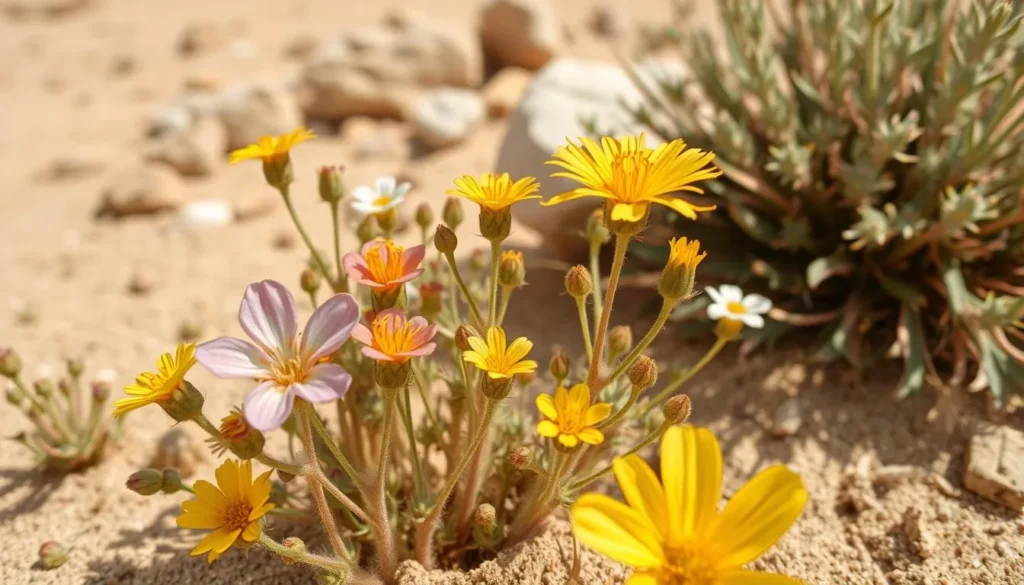
The remarkable desert flora of Sanghr Jabbess bursts into bloom after rainfall
Plan Your Unforgettable Adventure to Sanghr Jabbess
Sanghr Jabbess National Park offers a truly unique experience for travelers seeking to discover Tunisia beyond its popular coastal resorts. With its diverse landscapes, rich biodiversity, and cultural significance, the park rewards visitors with unforgettable memories and a deeper appreciation for Tunisia’s natural heritage.
Whether you’re drawn by the opportunity to photograph stunning desert landscapes, observe rare wildlife in their natural habitat, or immerse yourself in traditional Berber culture, Sanghr Jabbess provides an authentic adventure that connects you with the heart of Tunisia’s wilderness.


0 Comments