
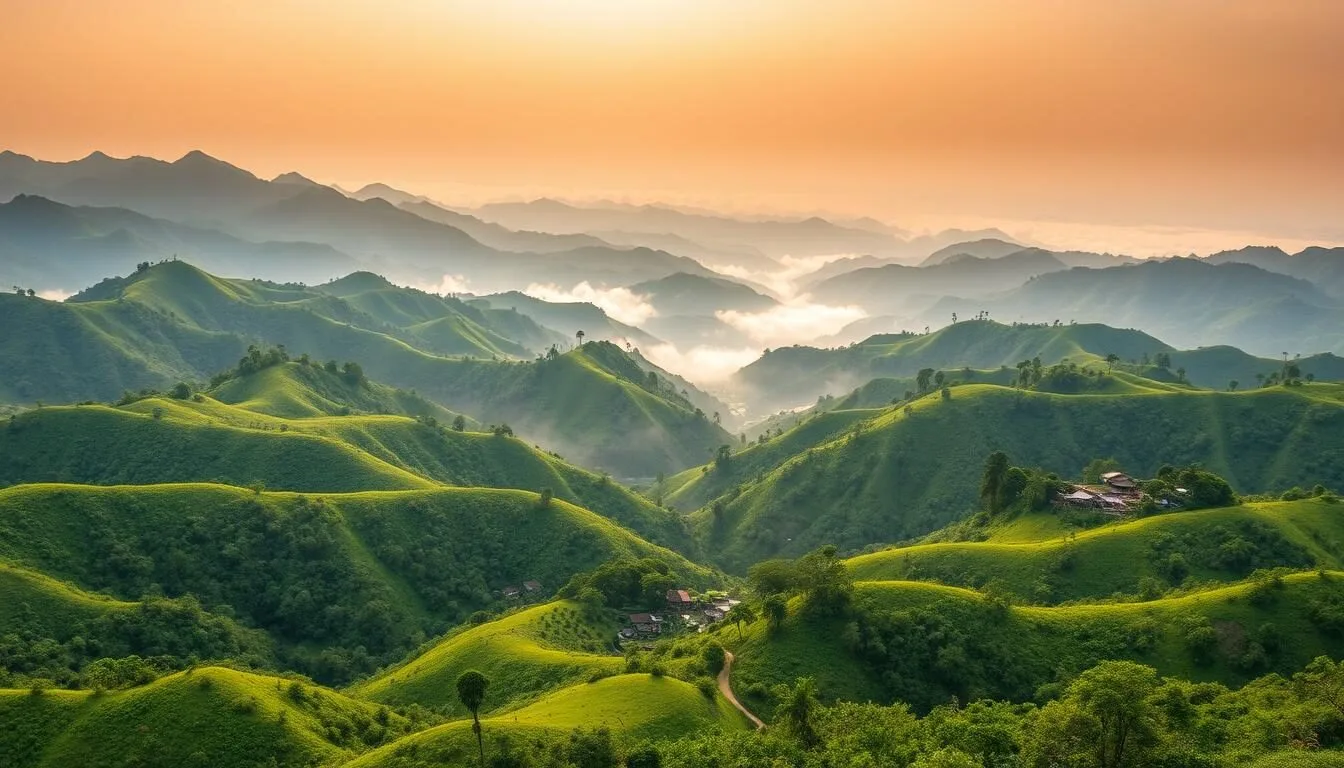
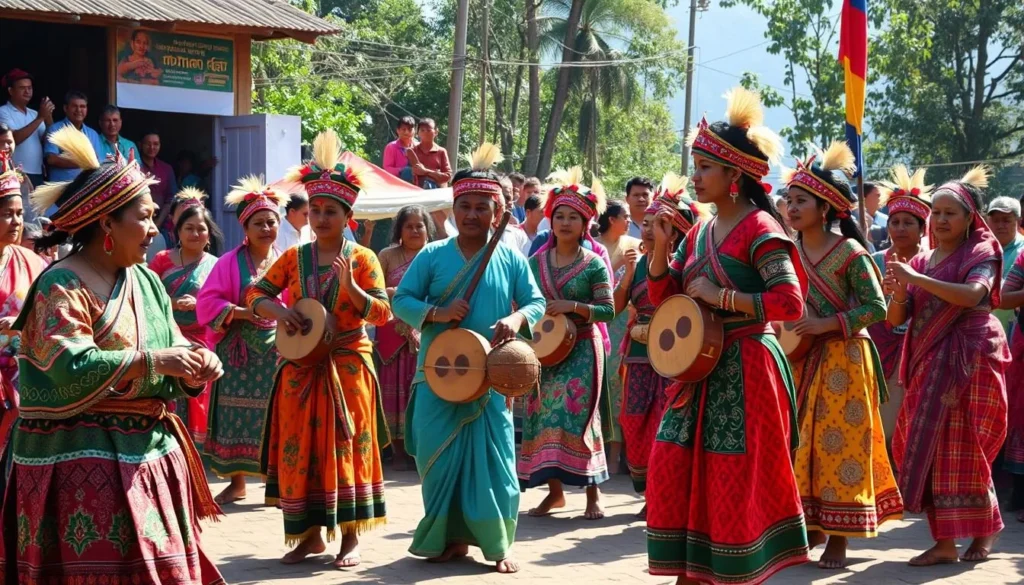
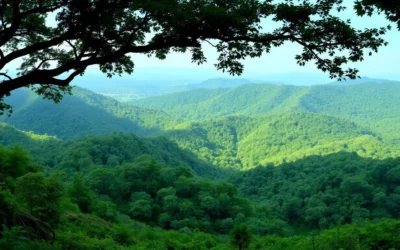
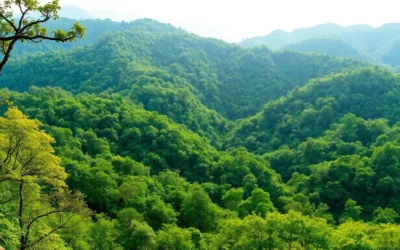
Did you know that Khagrachari Hills is home to 13 distinct indigenous tribes, each with their own unique language, culture, and traditions? This cultural diversity makes Khagrachari one of the most ethnically rich regions in all of Bangladesh. Nestled in the southeastern Chittagong Hill Tracts, this verdant paradise offers a refreshing escape from the hustle and bustle of city life with its rolling hills, cascading waterfalls, and vibrant tribal communities. Whether you’re an adventure seeker, nature lover, or cultural enthusiast, Khagrachari’s unspoiled beauty and authentic experiences will captivate your heart and soul.
Getting to Khagrachari Hills
Reaching Khagrachari is part of the adventure, with several transportation options available depending on your starting point. Most travelers begin their journey from Dhaka or Chittagong, the two major cities in Bangladesh.
From Dhaka
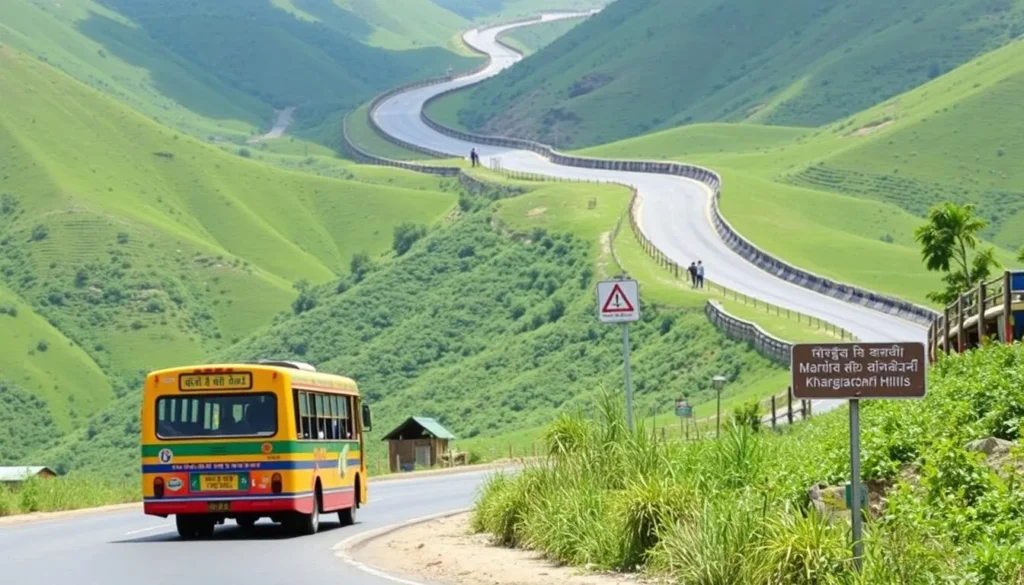
The most convenient way to reach Khagrachari from Dhaka is by taking a direct bus. Several bus companies operate overnight services that depart from Dhaka’s Kamalapur or Sayedabad Bus Terminal in the evening and arrive in Khagrachari town by early morning. The journey takes approximately 6-7 hours and costs around 600-800 BDT (7-10 USD). For a more comfortable experience, opt for air-conditioned buses offered by Shyamoli, Unique, or S.I. Enterprise.
Looking for flights to Bangladesh? Check out available options:
From Chittagong
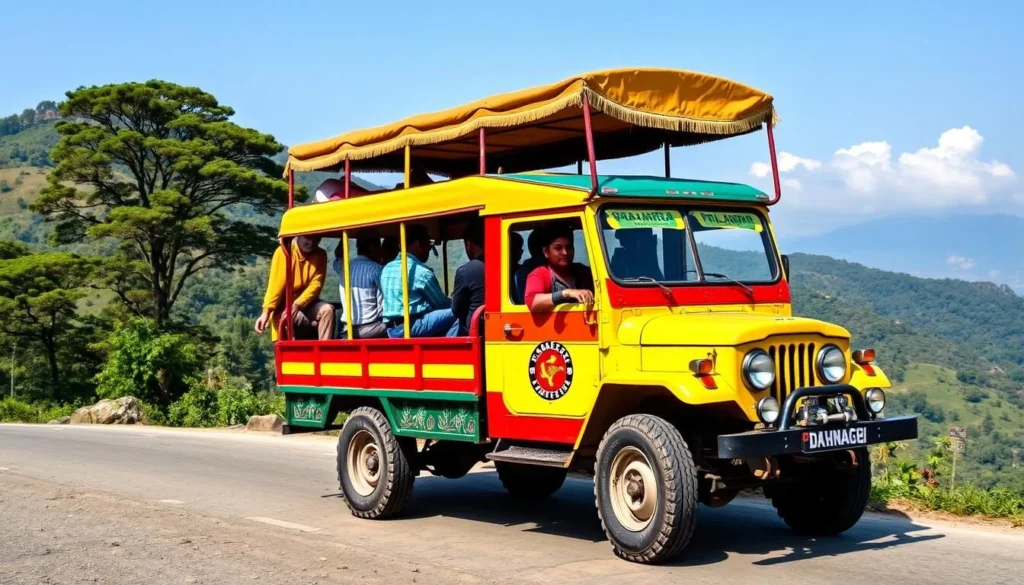
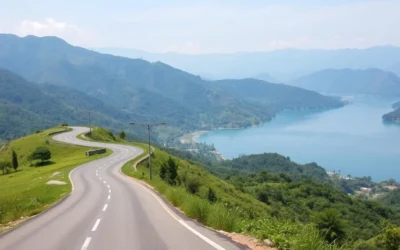
If you’re already in Chittagong, the journey to Khagrachari is shorter and more scenic. Regular buses depart from Bahaddarhat Bus Terminal throughout the day, with the trip taking approximately 3-4 hours. The fare ranges from 200-300 BDT (2.5-3.5 USD). Alternatively, you can hire a private car or join a shared jeep service, which offers more flexibility to stop and enjoy the picturesque views along the way.
Need a rental car for your journey? Browse options here:
Best Time to Visit Khagrachari Hills
The climate in Khagrachari Hills varies throughout the year, with each season offering a unique experience. Understanding the weather patterns will help you plan your trip more effectively.
Winter (November-February)
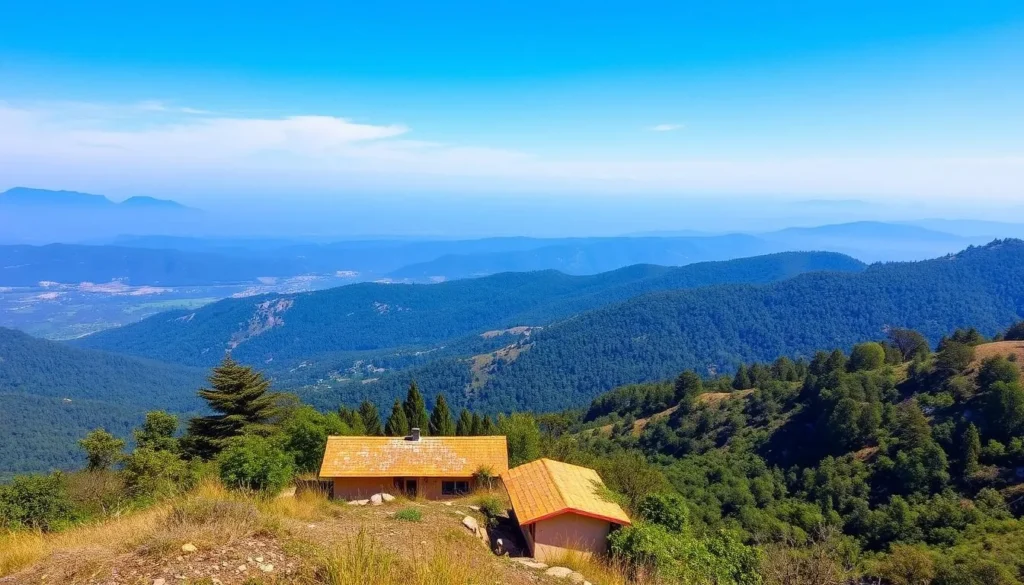
This is widely considered the best time to visit Khagrachari. The weather is pleasantly cool with temperatures ranging from 15-25°C (59-77°F). The skies are clear, offering spectacular views of the hills and valleys. The dry conditions make it ideal for hiking, exploring caves, and visiting waterfalls. This is also the peak tourist season, so book accommodations in advance.
Summer (March-May)
Summers can be quite hot and humid, with temperatures sometimes reaching 35°C (95°F). However, the higher elevation of the hills provides some relief from the heat. This season is good for visiting waterfalls as they still have a decent water flow before the monsoon. The summer months also coincide with various tribal festivals, offering a glimpse into the rich cultural heritage of the region.
Monsoon (June-October)
The monsoon brings heavy rainfall to the region, making travel challenging due to potential landslides and slippery roads. However, this is when Khagrachari is at its most lush and green. The waterfalls are in full flow, creating spectacular sights. If you don’t mind the rain and are prepared for wet conditions, you’ll be rewarded with fewer tourists and breathtaking natural beauty.
Pro Tip: For the optimal experience, plan your visit during late November to early February when the weather is cool and dry, making it perfect for outdoor activities and sightseeing.
Top Attractions in Khagrachari Hills
Khagrachari is blessed with an abundance of natural wonders and cultural sites that showcase the region’s unique charm. Here are the must-visit attractions that should be on every traveler’s itinerary.
Natural Wonders
Alutila Cave
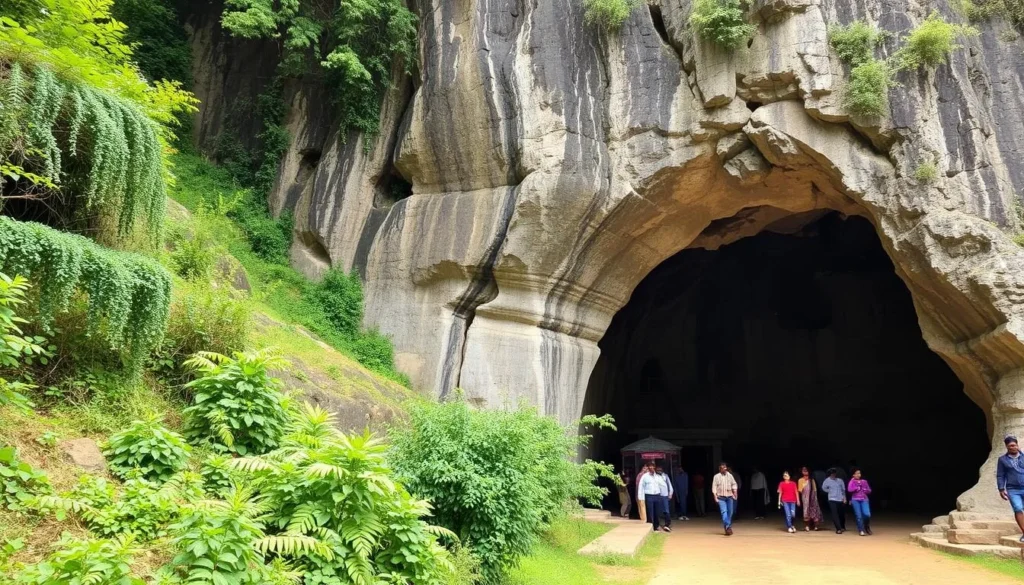
This mysterious 100-meter-long cave is one of Khagrachari’s most popular attractions. Located under Alutila Hill in Matiranga Upazila, the cave features a natural subway-like structure with cool water flowing through its surface. The pin-drop silence inside creates an eerie yet fascinating atmosphere. Bring a flashlight to navigate the dark passages and wear appropriate footwear as the ground can be slippery.
Richhang Waterfall
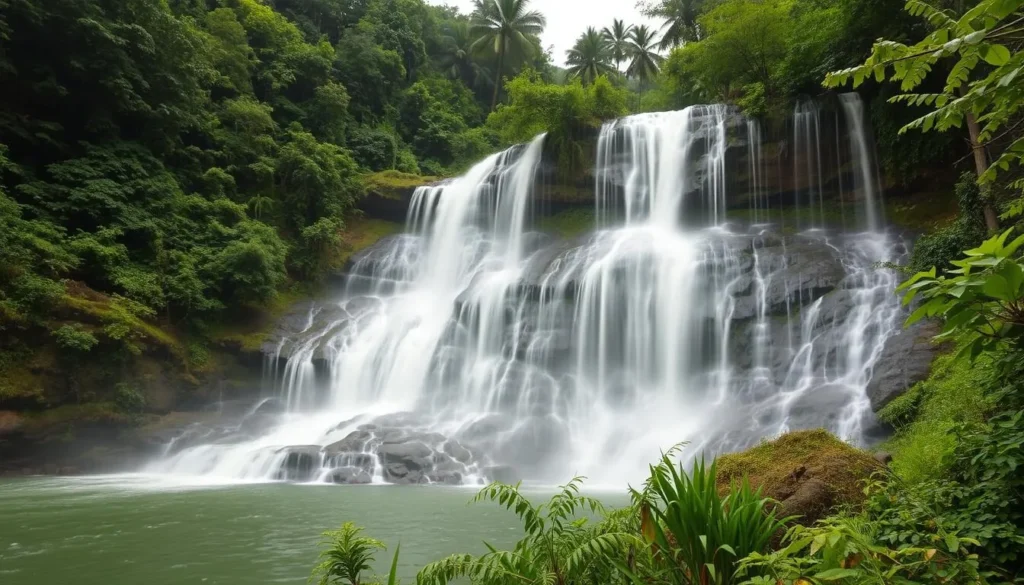
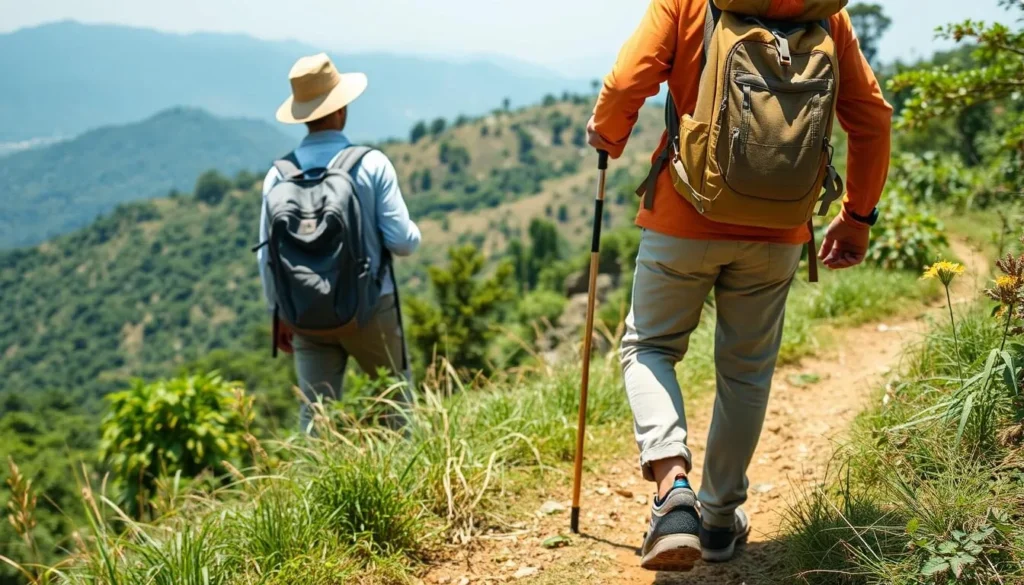
Though not the largest waterfall, Richhang transforms into a lively cascade during the monsoon season. Located about 10 km before Khagrachari town on the Chittagong-Khagrachari highway, this waterfall is surrounded by lush green hills. The journey to the waterfall involves a short hike through scenic terrain, adding to the adventure. The best time to visit is during or shortly after the rainy season when the water flow is at its peak.
Sajek Valley
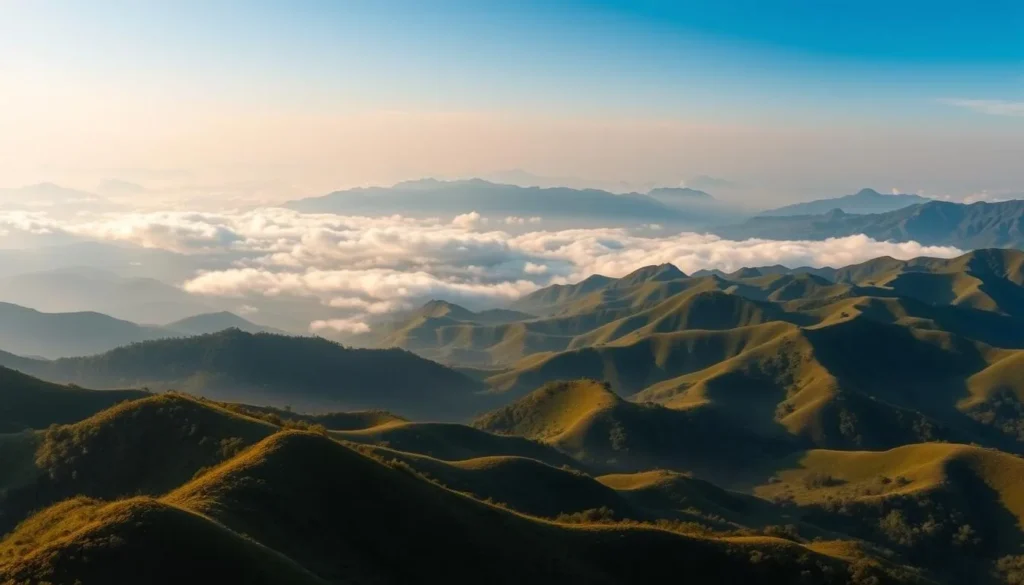
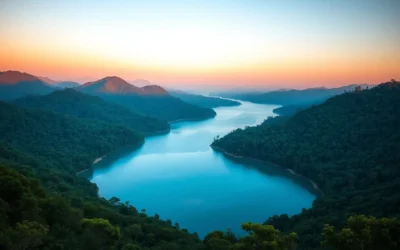
Often referred to as the “Queen of Hills,” Sajek Valley offers breathtaking panoramic views of rolling hills that extend into neighboring India. Located in Baghaichari Upazila, this valley sits at an elevation of about 1,800 feet. The sunrise and sunset views from here are simply magical. Sajek is also home to various tribal communities, providing a glimpse into their traditional way of life. Overnight stays in the valley are recommended to fully experience its beauty.
Nunchhori Debota Pond
This sacred pond, also known as Matai Pukhiri or Lake of God, holds significant cultural importance for the Tripura tribe. Located at an elevation of approximately 1,600 feet, local legend claims that the water in this pond never dries up or gets polluted. The journey to the pond involves a 4-5 km trek from Nunchhori Tripura Village, but the serene atmosphere and cultural significance make it worth the effort.
Cultural Attractions
Panichari Brihot Buddha Sculpture
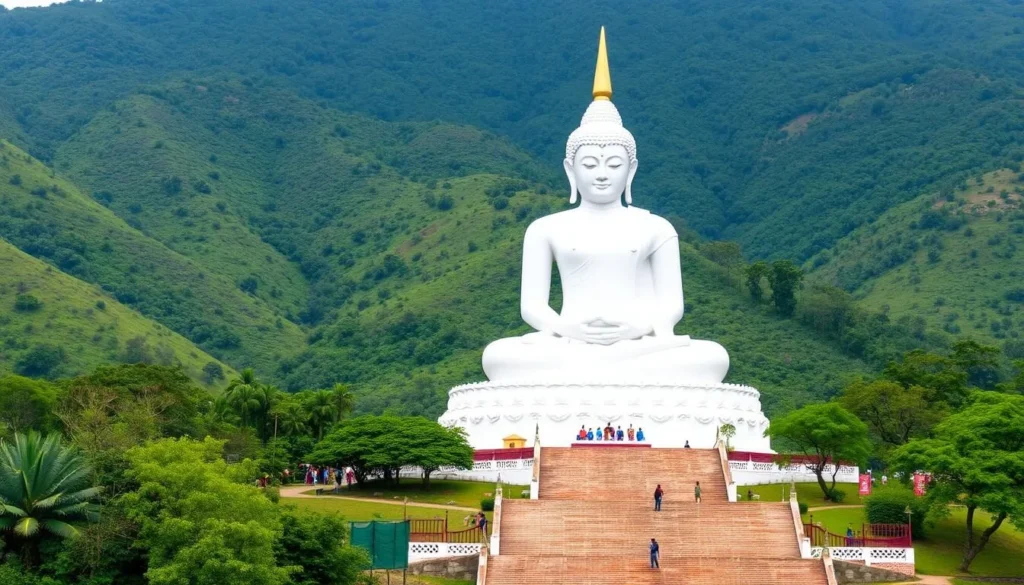
Located at Panichari Shantipur Aranya Kutir, about 25 km from Khagrachari town, this site houses the largest Buddha statue in Bangladesh. The peaceful surroundings and spiritual atmosphere make it a must-visit for both religious pilgrims and cultural enthusiasts. The journey to the sculpture is relatively easy, making it accessible for visitors of all ages.
Centuries-Old Banyan Tree
This 400-year-old banyan tree in Matiranga Upazila stands as a living witness to history. The massive main tree has spawned numerous smaller trees from its roots, creating an impressive natural monument. Known locally as “Porjoton Bot Gach” or “Alutila Bot Gach,” it’s considered one of the largest banyan trees in Bangladesh and provides a cool, refreshing atmosphere for visitors.
Browse Tours & Activities
Where to Stay in Khagrachari Hills
Accommodation options in Khagrachari range from budget-friendly guesthouses to more comfortable hotels and resorts. While luxury options are limited, you’ll find clean and adequate places to rest after a day of exploration.
Khagrachari Town
Staying in the town center provides convenient access to restaurants, shops, and transportation. The Khagrachari Parjatan Motel, run by the Bangladesh Tourism Corporation, offers comfortable rooms with basic amenities. Other options include Hotel Hill View and Green Hill Resort. Prices typically range from 1,500-3,000 BDT (18-35 USD) per night.
Sajek Valley
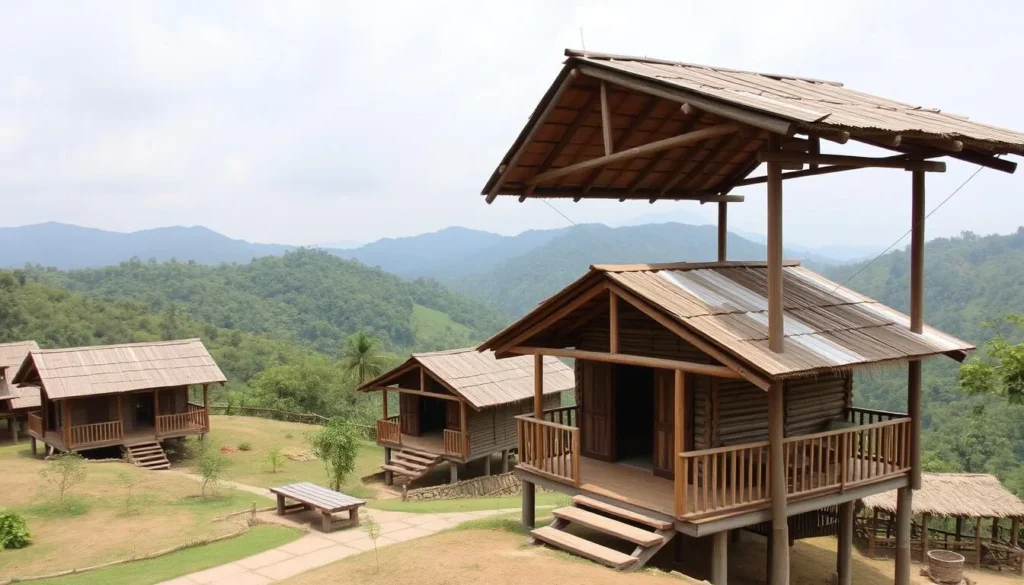
For a more immersive experience, consider staying in Sajek Valley. Accommodation here consists mainly of cottages operated by the Bangladesh Army and local communities. Meghpunji Resort and Runmoy Resort are popular choices, offering stunning views of the surrounding hills. Prices range from 2,000-4,000 BDT (24-47 USD) per night, often including meals.
Homestays
For a truly authentic experience, arrange a homestay with a local tribal family. This provides a unique opportunity to learn about their culture, traditions, and cuisine. Homestays can be arranged through local guides or tour operators, with prices typically around 1,000-1,500 BDT (12-18 USD) per night, including meals.
Booking Tip: Accommodations in Khagrachari, especially in Sajek Valley, can fill up quickly during peak season (November-February). It’s advisable to book at least 2-3 weeks in advance to secure your preferred option.

0 Comments