Hotels by Trip.com
Flights by Trip.com
Did you know that Bhutan’s mysterious Black Mountains are one of the few places on Earth where the habitats of the elusive snow leopard and the majestic tiger overlap? This extraordinary biodiversity is just one of many wonders awaiting travelers in this remote Himalayan sanctuary. Nestled between Tibet and India, the Black Mountains form the central spine of Bhutan, offering a pristine wilderness experience that feels untouched by time.
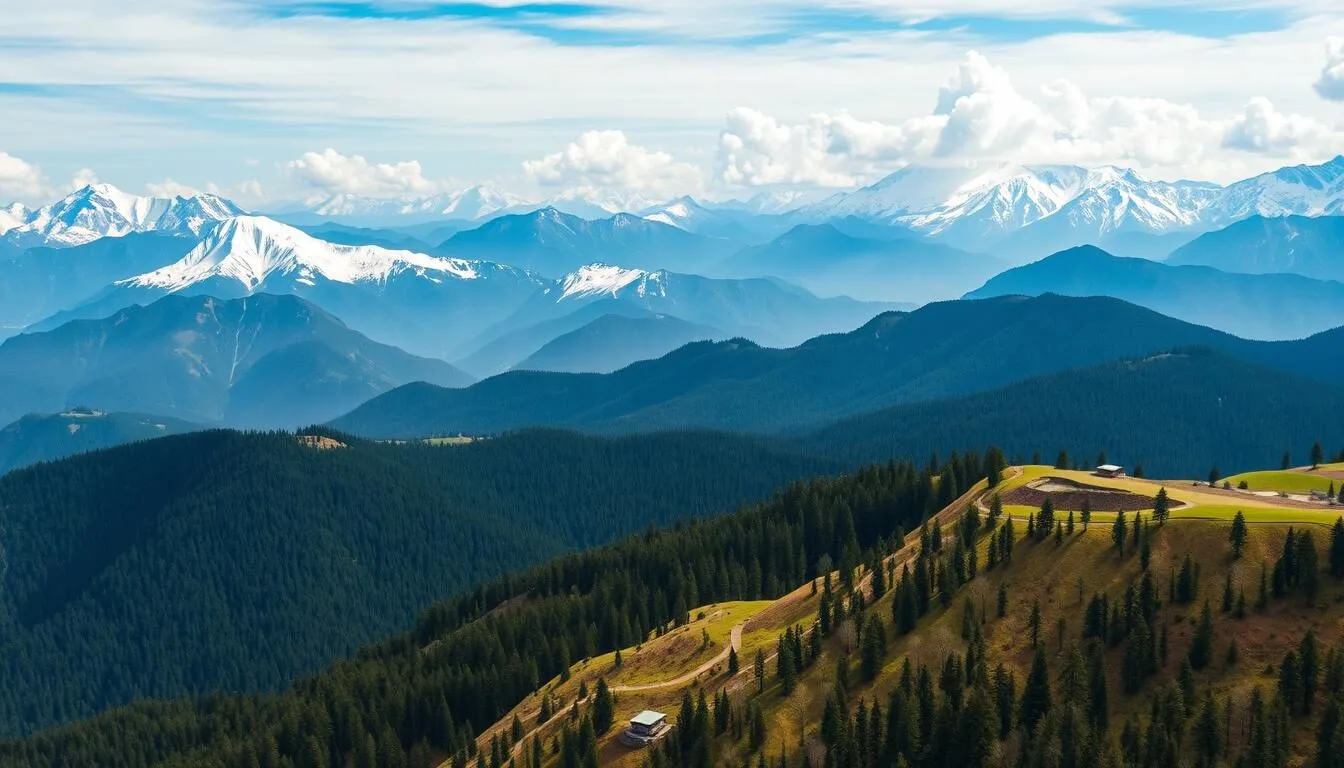
The majestic Black Mountains form the central spine of Bhutan’s landscape
The Black Mountains range, locally known as Durshingla, is not merely a geographical feature but a realm where nature, culture, and spirituality intertwine. Home to the magical Phobjikha Valley, ancient monasteries, and rare wildlife, this region offers travelers an authentic glimpse into Bhutan’s commitment to preserving both its natural environment and cultural heritage.
In this comprehensive guide, we’ll explore everything you need to know to plan an unforgettable journey to the Black Mountains of Bhutan, from practical travel logistics to the most rewarding experiences this mystical destination has to offer.
Getting There & Planning Your Journey

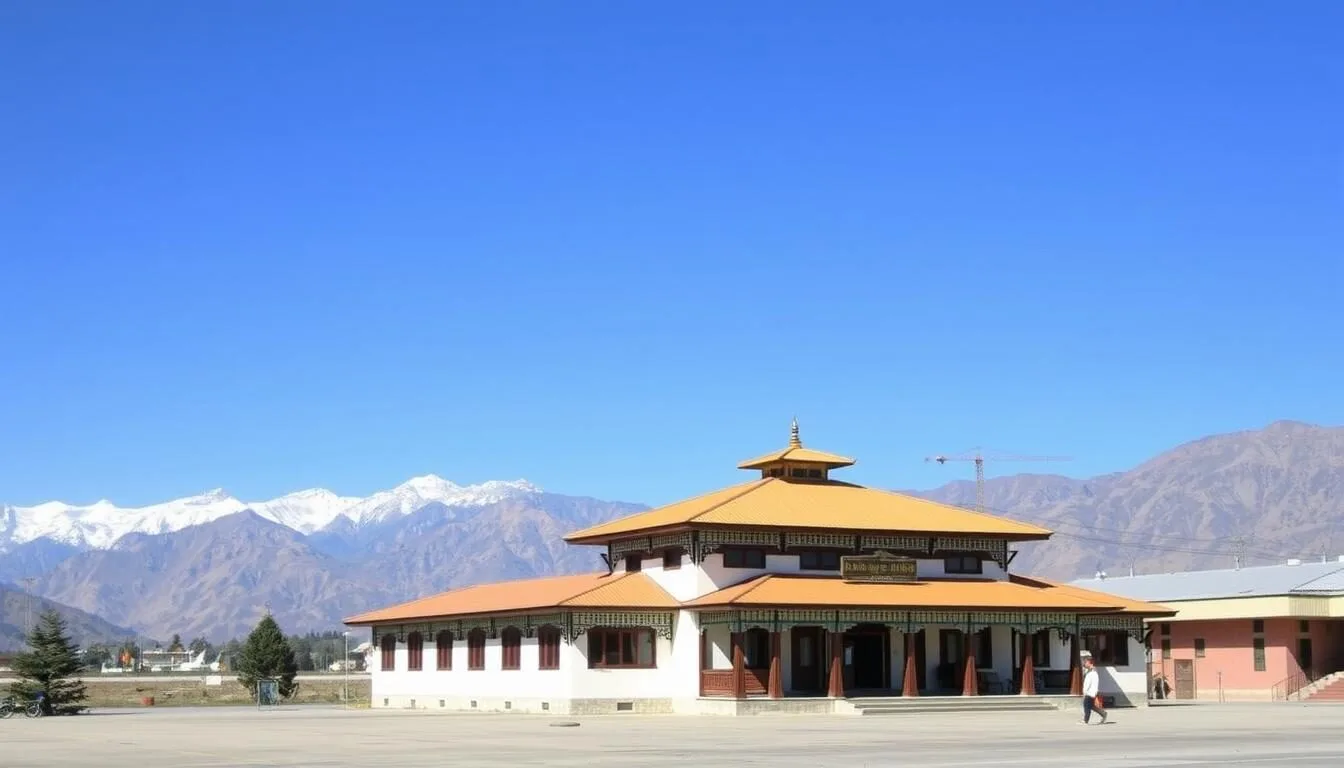
Paro International Airport is your gateway to Bhutan
Reaching the Black Mountains begins with flying into Paro International Airport, Bhutan’s only international airport. Direct flights are available from major cities in the region including Bangkok, Delhi, Singapore, and Kathmandu. Due to the challenging approach through the Himalayas, only a few airlines operate flights to Bhutan, with Drukair (Royal Bhutan Airlines) and Bhutan Airlines being the primary carriers.
From Paro, the journey to the Black Mountains region takes approximately 5-7 hours by road, depending on your specific destination within the range. Most travelers will need to pass through Thimphu (the capital) and then continue eastward. The roads are winding mountain passes that offer spectacular views but can be challenging during winter months.
Important Travel Requirements
Bhutan has a unique “High Value, Low Impact” tourism policy. All international visitors (except those from India, Bangladesh, and Maldives) must:
- Pay a Sustainable Development Fee of $200 USD per person per night
- Book through a licensed Bhutanese tour operator
- Obtain a visa through your tour operator before arrival
- Have travel insurance that covers emergency evacuation
The good news is that this fee covers your accommodation, transportation within Bhutan, a licensed guide, meals, and entry fees to attractions. While this may seem expensive initially, it ensures an authentic, uncrowded experience while supporting Bhutan’s commitment to sustainable tourism.
Best Time to Visit Black Mountains & Weather Tips

Check 30,000+ Local Sightseeing Tours Worldwide
✓ Numerous languages and currencies are available
Autumn brings golden hues to the valleys of the Black Mountains
The Black Mountains experience distinct seasons, each offering a different perspective on this magnificent landscape. Timing your visit correctly can make a significant difference to your experience.
| Season | Months | Weather | Recommendation |
| Spring | March-May | 10-20°C (50-68°F), mild with occasional rain | Highly Recommended – Rhododendron blooms and clear mountain views |
| Summer | June-August | 15-25°C (59-77°F), monsoon season | Not Recommended – Heavy rainfall, landslides, and limited visibility |
| Autumn | September-November | 5-15°C (41-59°F), clear and dry | Highly Recommended – Perfect weather and festivals |
| Winter | December-February | -5 to 10°C (23-50°F), cold with occasional snow | Recommended for Black-necked Crane viewing in Phobjikha Valley |
What to Pack
The Black Mountains region is generally cooler than other parts of Bhutan due to its elevation. Even in summer, evenings can be chilly. Essential items to pack include:
- Layered clothing (even in summer)
- Waterproof jacket and pants
- Sturdy hiking boots with ankle support
- Sun protection (hat, sunglasses, sunscreen)
- Warm hat and gloves (essential in winter)
- Binoculars for wildlife viewing
- Respectful attire for monastery visits
- Portable power bank (electricity can be unreliable)
Getting Around Locally

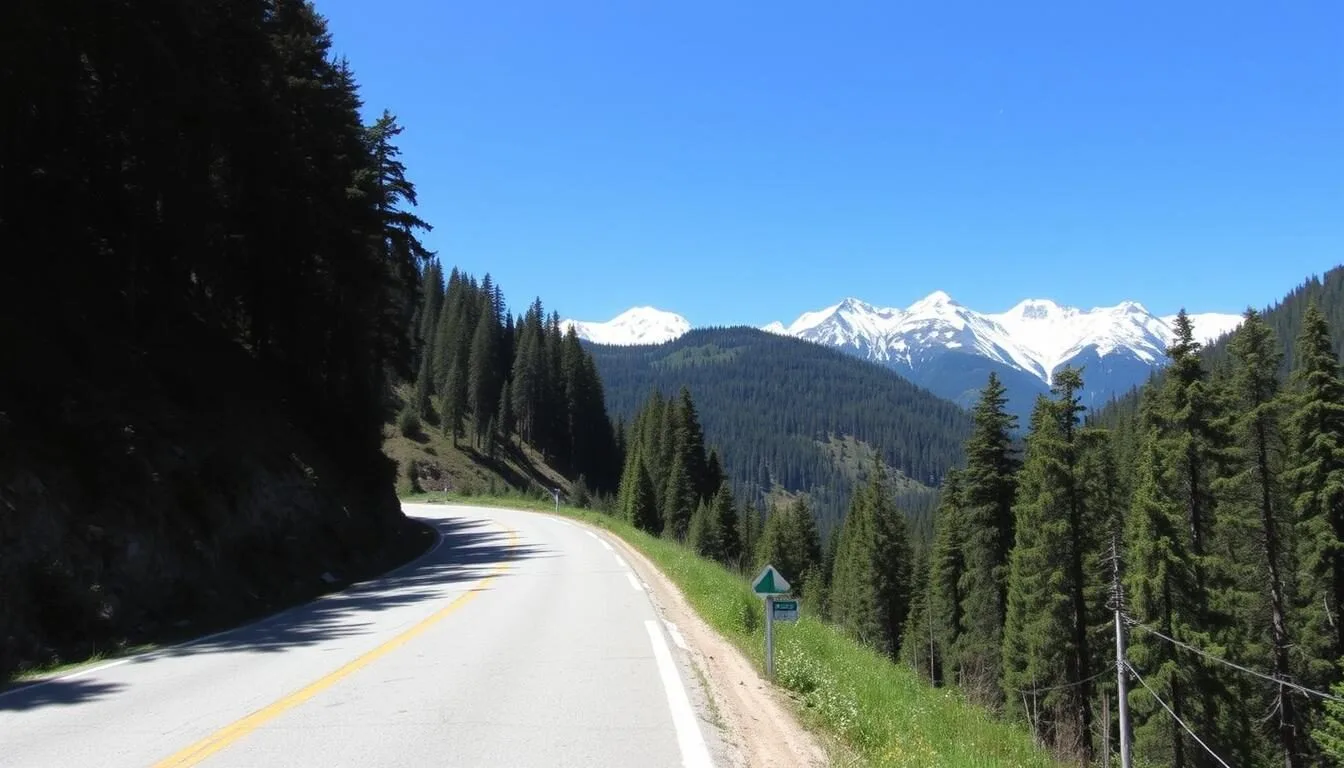
Four-wheel drive vehicles are essential for navigating the mountain roads
Navigating the Black Mountains region requires appropriate transportation due to the challenging terrain and limited infrastructure. Most visitors travel with a guide and driver as part of their tour package, which is the most convenient option.
Transportation Options
Tour Vehicle
The most common and convenient option. Your tour package typically includes a comfortable vehicle with an experienced driver familiar with the mountain roads.
Rental Cars
Self-driving is possible but challenging due to road conditions. A 4WD vehicle is essential, especially during and after the monsoon season.
Local Transport
Public buses connect major towns but run infrequently and may not reach remote areas. Shared taxis are available between larger settlements.
Road Conditions: Roads in the Black Mountains can be narrow and winding with occasional landslides during the rainy season. Journey times are often longer than expected, so plan accordingly and maintain flexibility in your schedule.
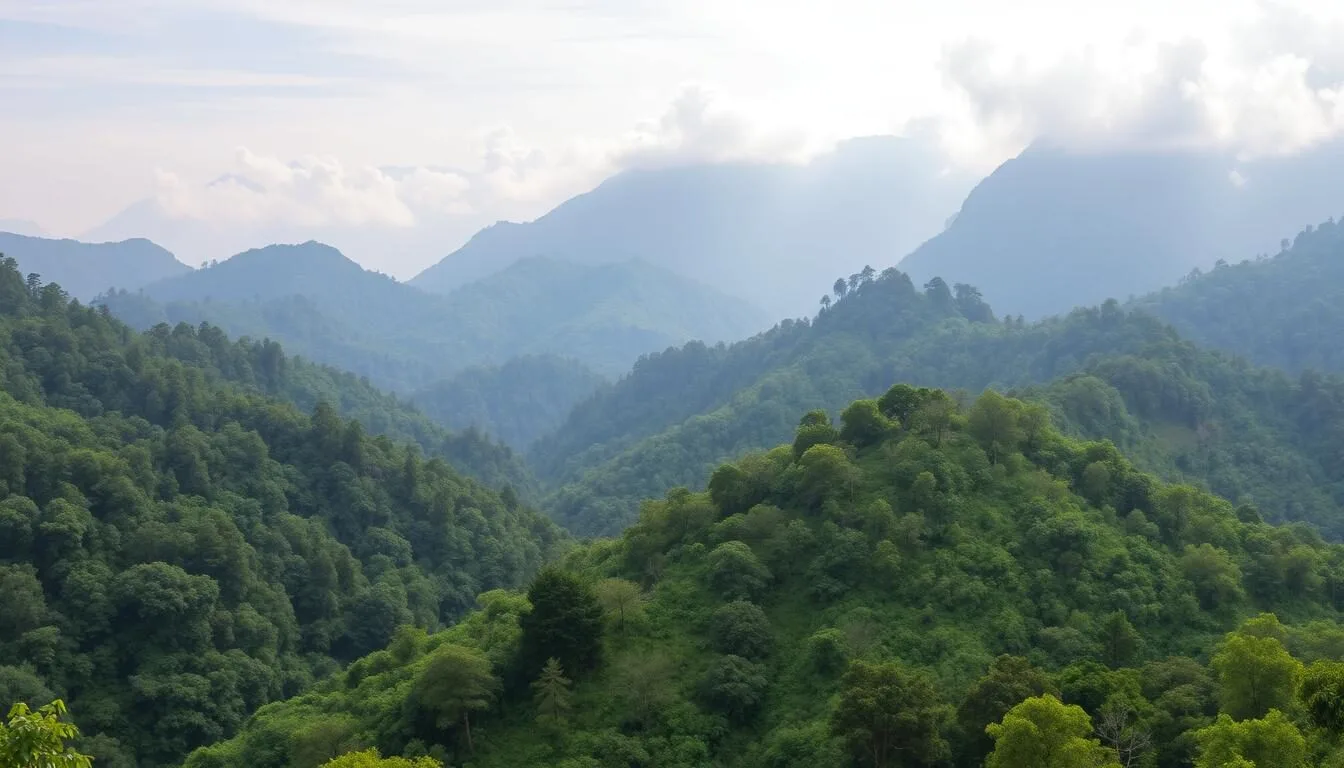
Phobjikha Valley in the Black Mountains region of Bhutan
Where to Stay

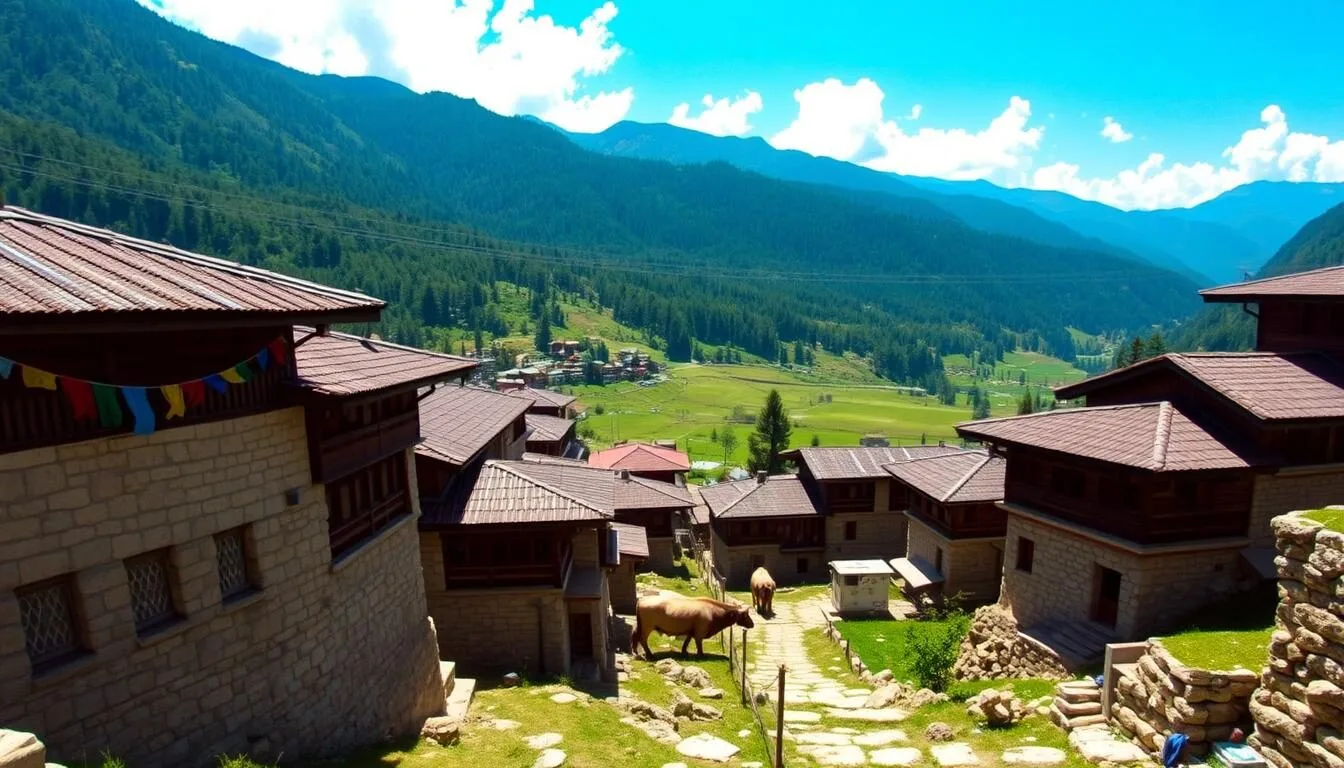
Traditional Bhutanese lodges offer authentic accommodation experiences
Accommodation in the Black Mountains region ranges from simple homestays to comfortable lodges. While luxury options are limited compared to Thimphu or Paro, the authentic experience of staying in traditional buildings surrounded by pristine nature more than compensates.
Recommended Accommodation Options
Gangtey Valley
The most developed area for tourists within the Black Mountains region, offering several quality lodges with stunning valley views. Gangtey Goenpa Lodge and Dewachen Hotel are popular choices.
Phobjikha Valley
Famous for its black-necked crane visitors, this valley offers eco-lodges and farmstays that support conservation efforts. Accommodations here are designed to minimize environmental impact.
Remote Homestays
For the adventurous traveler, homestays with local families provide the most authentic cultural experience, though amenities are basic and advance arrangements are essential.
Note: Electricity can be intermittent in remote areas, and internet connectivity may be limited. Many accommodations use solar power and have generators for backup. Pack accordingly and embrace the opportunity to disconnect.
Dining & Local Cuisine

Ema Datshi (chili cheese) is Bhutan’s national dish and a must-try
Bhutanese cuisine is hearty, flavorful, and perfectly suited to the mountain climate. In the Black Mountains region, most meals are served at your accommodation, with few standalone restaurants available outside larger settlements.
Must-Try Bhutanese Dishes
Ema Datshi
Bhutan’s national dish consists of chili peppers and local cheese in a stew-like preparation. It’s spicy but delicious and forms the base of many meals.
Red Rice
Grown in the high-altitude valleys of Bhutan, this nutty, mineral-rich rice is a staple accompaniment to most dishes.
Phaksha Paa
Pork cooked with spicy red chilies and mountain vegetables, offering a hearty flavor perfect after a day of hiking.
Jasha Maru
A spicy minced chicken dish with tomatoes, onions, and chilies that showcases the Bhutanese love for heat in their food.
Suja (Butter Tea)
This warming beverage made with tea, butter, and salt is perfect for cold mountain mornings and is offered as a welcome drink in many homes.
Ara
A traditional rice, wheat, or corn spirit often served warm. It’s particularly popular in rural areas and during festivals.
Dining Etiquette Tip: In Bhutanese culture, it’s polite to refuse food initially before accepting. When offered food or drink, a gentle refusal followed by acceptance after the host insists shows proper manners. Always accept food with your right hand or both hands together.
Attractions, Sightseeing & Activities

The endangered black-necked cranes migrate to Phobjikha Valley each winter
The Black Mountains offer a wealth of natural and cultural attractions that showcase Bhutan’s commitment to preserving its heritage and environment. Here are the must-see highlights of the region:
Natural Wonders
Phobjikha Valley
This glacial valley at 3,000m elevation is renowned for its bowl-shaped landscape and as the winter home of black-necked cranes. The valley’s pristine environment and limited development make it one of Bhutan’s most beautiful destinations.
Dungshing Gho
Known as “the door,” this natural rock formation creates a massive hole large enough for a truck to pass through, marking the boundary between Trongsa and Wangduephodrang districts.
Sertsho Lake
A hidden alpine lake nestled in the mountains, rarely visited by outsiders. Local legends consider it sacred, and the journey there takes you through some of Bhutan’s most untouched wilderness.
Cultural Attractions

Gangtey Monastery (Gangteng Gonpa) overlooks the beautiful Phobjikha Valley
Gangtey Monastery
Built in the 1610s, this important monastery represents the Nyingmapa school of Buddhism and offers spectacular views of Phobjikha Valley. The monastery is known for its connection to the black-necked cranes, which circle it three times upon arrival and departure.
Khewa Lhakhang
An ancient temple in the silent valley that preserves traditional Bhutanese religious art and architecture, offering insight into local spiritual practices.
Black-Necked Crane Information Center
Learn about these endangered birds and Bhutan’s conservation efforts. The center includes exhibits, a viewing area with telescopes, and sometimes houses injured cranes that cannot migrate.
Sports, Nature & Outdoor Experiences
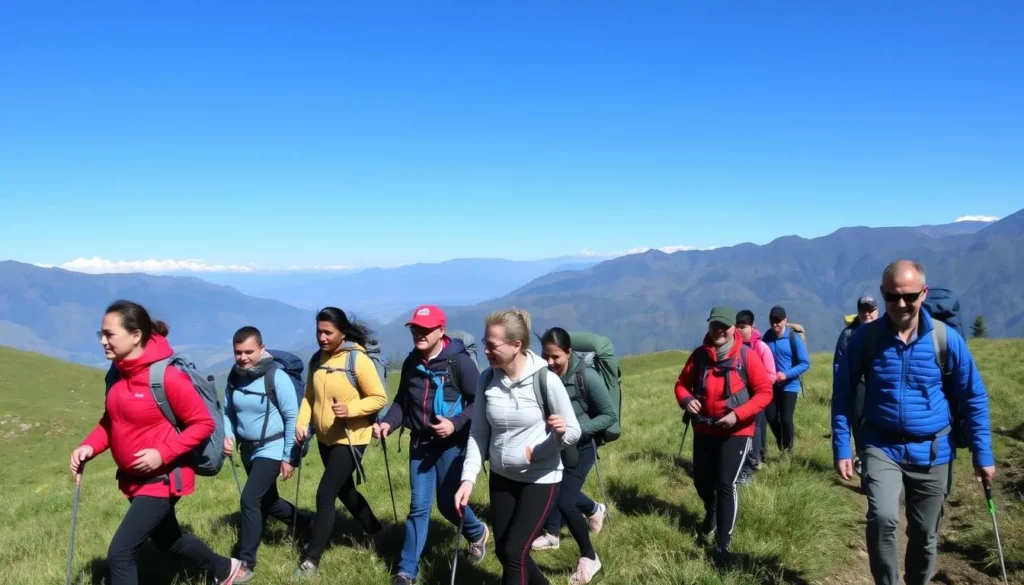
The Gangtey Nature Trail offers spectacular views of the valley
Check 30,000+ Local Sightseeing Tours Worldwide
✓ Numerous languages and currencies are available
The Black Mountains region is a paradise for outdoor enthusiasts, offering everything from gentle nature walks to challenging multi-day treks. The pristine environment provides excellent opportunities for wildlife watching and photography.
Hiking & Trekking
Gangtey Nature Trail (3-4 hours)
This popular trail begins at Gangtey Monastery and descends through forests and meadows to the valley floor. It’s relatively easy and offers excellent views and bird-watching opportunities.
Phobji Valley Trek (3 days)
A more challenging route that takes you through bamboo and fir forests, remote villages, and high mountain passes with stunning views of the Black Mountains range.
Longtey Hike (5-6 hours)
Starting from Longtey village, this trail climbs through rhododendron forests (spectacular in April-May) before descending to Phobjikha Valley.
Black Mountain Crossing (7-9 days)
For experienced trekkers only, this challenging route crosses the Black Mountains from east to west, passing through remote areas rarely seen by outsiders.
Wildlife Watching

The endangered golden langur can be spotted in the forests of the Black Mountains
The Black Mountains region is home to remarkable biodiversity. Patient wildlife enthusiasts may spot:
- Black-necked cranes (November to March in Phobjikha Valley)
- Himalayan black bears
- Golden langurs
- Barking deer
- Red pandas (extremely rare)
- Over 300 species of birds
Photography Tip: Early mornings offer the best light for landscape photography in the valleys, while the golden hour before sunset creates magical conditions for capturing the monasteries and mountains. Bring a zoom lens for wildlife photography and respect the minimum distance guidelines provided by your guide.
Safety, Etiquette & Practical Travel Tips

Respecting local customs enhances your Bhutanese experience
Cultural Etiquette
- Dress modestly, especially when visiting religious sites (shoulders and knees covered)
- Remove hats and shoes when entering temples and monasteries
- Walk clockwise around religious structures (chortens, prayer wheels, monasteries)
- Ask permission before photographing people or inside religious buildings
- Avoid pointing with your finger or feet, which is considered rude
Health & Safety
Altitude Considerations
The Black Mountains region ranges from 2,000-4,000m in elevation. Allow time to acclimatize, stay hydrated, and be aware of altitude sickness symptoms (headache, nausea, dizziness).
Medical Facilities
Basic medical facilities are available in larger towns, but comprehensive care requires evacuation to Thimphu or beyond. Bring essential medications and a well-stocked first aid kit.
Food & Water Safety
Drink only bottled or purified water. Food at established lodges and restaurants is generally safe, though stomach upsets are common for visitors adjusting to the local cuisine.
Weather Preparedness
Mountain weather can change rapidly. Always carry rain protection and warm layers, even on seemingly clear days.
Practical Information
Currency & Payments
The Bhutanese Ngultrum (BTN) is pegged to the Indian Rupee. Cash is essential in remote areas as card facilities are limited. ATMs are available in larger towns but can be unreliable.
Communication
Mobile coverage is improving but remains patchy in remote areas. Local SIM cards can be purchased in Thimphu or Paro. Many accommodations offer Wi-Fi, though connections may be slow.
Electricity
Bhutan uses 230V with C, D, F, G, and M type sockets. Power outages are common in rural areas. A universal adapter and portable power bank are recommended.
Important: The Black Mountains contain protected areas with specific regulations. Always travel with a licensed guide who understands these rules and can ensure your activities are both legal and sustainable.
Embracing the Magic of Black Mountains

The mystical quality of the Black Mountains is most apparent at sunrise and sunset
The Black Mountains of Bhutan offer far more than just stunning landscapes—they provide a gateway to understanding Bhutan’s unique approach to life, where spiritual wealth and environmental preservation take precedence over material gain. In this remote corner of the Himalayas, visitors have the rare opportunity to experience a culture and ecosystem that have remained largely unchanged for centuries.
Whether you’re tracking rare wildlife through pristine forests, meditating in ancient monasteries, or simply connecting with the warm-hearted local people, the Black Mountains offer an authentic travel experience that has become increasingly rare in our interconnected world.
As you plan your journey to this magical destination, remember that in Bhutan, the journey itself is as important as the destination. Embrace the slower pace, unexpected detours, and moments of wonder that define travel in the Land of the Thunder Dragon. Your adventure in the Black Mountains awaits—a journey not just across a landscape, but into a different way of seeing the world.