
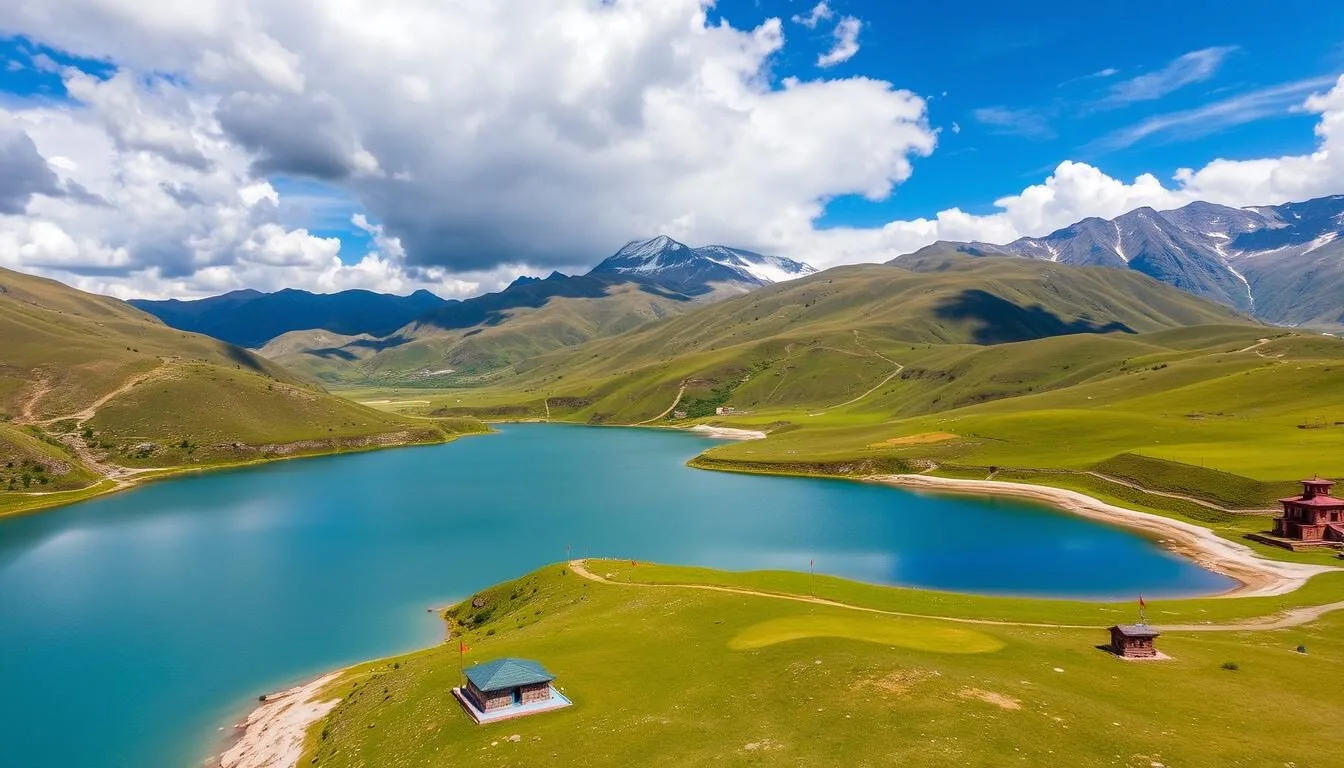
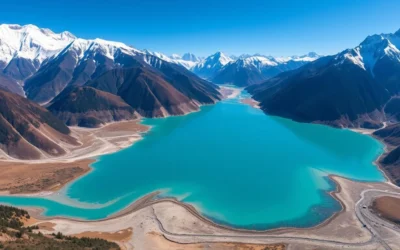
Did you know that Jimilang Tsho, often called “Sand Ox Lake,” is one of Bhutan’s most sacred high-altitude lakes? According to local legend, a spiritual bull emerged from the nearby rocks to help a nomadic family increase their cattle herd. Today, this pristine glacial lake sitting at 3,880 meters (12,730 feet) along the famous Druk Path Trek not only captivates visitors with its crystal-clear waters but is also believed to fulfill wishes for those who circumambulate its 3.2 km (2 mi) shoreline in a clockwise direction. As one of Bhutan’s best-kept natural treasures, Jimilang Tsho offers trekkers a perfect blend of spiritual significance and breathtaking Himalayan scenery.
Getting There & Planning Your Journey
Reaching Jimilang Tsho requires some planning as it’s located along the Druk Path Trek, one of Bhutan’s most popular trekking routes connecting Paro and Thimphu. The lake is typically reached on the third or fourth day of this trek, depending on your pace and itinerary.
International Access to Bhutan
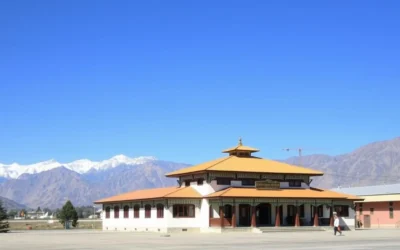
To begin your journey to Jimilang Tsho, you’ll first need to fly into Paro International Airport, Bhutan’s only international airport. Druk Air and Bhutan Airlines operate flights from select cities including Bangkok, Delhi, Kathmandu, and Singapore.
Permits and Arrangements
All visitors to Bhutan require a visa and must book their trip through a licensed Bhutanese tour operator. The standard visa fee is approximately $50 USD, plus the Sustainable Development Fee (SDF) of $100 USD per day. Your tour operator will handle these arrangements, including trekking permits for the Druk Path Trek.
Trek Preparation
The Druk Path Trek typically takes 5-6 days to complete, with Jimilang Tsho being a highlight along the route. Most trekkers start in Paro, visiting iconic sites like Tiger’s Nest Monastery before beginning the trek. Your tour operator will arrange guides, porters, camping equipment, and meals for the duration of the trek.

Best Time to Visit Jimilang Tsho
Timing your visit to Jimilang Tsho is crucial for the best experience. The lake’s high altitude means weather conditions can vary dramatically throughout the year.
Recommended Seasons
- Spring (March to May): An excellent time to visit with temperatures ranging from 10-15°C (50-59°F) during the day and dropping to 0-5°C (32-41°F) at night. The rhododendron forests along the trek burst into vibrant blooms, creating a colorful landscape.
- Autumn (September to November): The most popular season for trekking with clear skies offering spectacular mountain views. Daytime temperatures average 12-18°C (54-64°F), while nights can be cold at -5 to 5°C (23-41°F). The visibility is exceptional, perfect for photography.
Seasons to Avoid
- Summer (June to August): The monsoon season brings heavy rainfall, making trails muddy and slippery. Leeches can be a problem, and cloud cover often obscures mountain views.
- Winter (December to February): Extremely cold with temperatures dropping well below freezing. Snow can block high passes along the Druk Path Trek, making access to Jimilang Tsho difficult or impossible.

Getting Around Locally
Accessing Jimilang Tsho requires trekking as there are no roads leading directly to the lake. Here’s what you need to know about local transportation options:
Trek Routes to Jimilang Tsho
The most common way to reach Jimilang Tsho is via the Druk Path Trek. This moderate-difficulty trek typically follows this route:
- Day 1: Paro to Jele Dzong (3,400m/11,150ft)
- Day 2: Jele Dzong to Jangchulakha (3,650m/11,975ft)
- Day 3: Jangchulakha to Jimilang Tsho (3,880m/12,730ft)
- Day 4: Jimilang Tsho to Simkotra Tsho (4,110m/13,480ft)
- Day 5: Simkotra Tsho to Phajoding (3,700m/12,140ft)
- Day 6: Phajoding to Thimphu (2,350m/7,710ft)
Transportation to Trek Starting Points
Your journey will begin with transportation from either Paro or Thimphu to the trek starting point. This is typically arranged by your tour operator and included in your trekking package.
Pack Animals and Porters
For the trek itself, porters or pack animals (usually horses or yaks) can be arranged to carry camping equipment and supplies. This service is typically included in organized trekking packages but can also be arranged separately through your tour operator for an additional fee.

Where to Stay
Accommodation options around Jimilang Tsho are limited to camping, as there are no permanent structures or lodges at the lake itself. Here’s what you need to know about staying in the area:
Camping at Jimilang Tsho
The shores of Jimilang Tsho offer several designated camping areas with flat ground suitable for pitching tents. These sites provide stunning views of the lake and surrounding mountains. Your tour operator will arrange all camping equipment, including tents, sleeping bags, and mats. The camping experience is basic but comfortable, with meals prepared by your trekking team.
Accommodation Before and After the Trek
Before and after your trek to Jimilang Tsho, you’ll stay in hotels in either Paro or Thimphu. These range from basic 3-star accommodations to luxury 5-star resorts. Some recommended options include:
Paro Accommodations
- Zhiwa Ling Heritage (5-star traditional architecture)
- COMO Uma Paro (5-star luxury resort)
- Tashi Namgay Resort (4-star with mountain views)
- Hotel Olathang (3-star with traditional cottages)
Thimphu Accommodations
- Taj Tashi (5-star luxury in city center)
- Le Méridien Thimphu (5-star modern hotel)
- Hotel Druk (4-star traditional style)
- Hotel Galingkha (3-star with valley views)
Dining & Local Cuisine
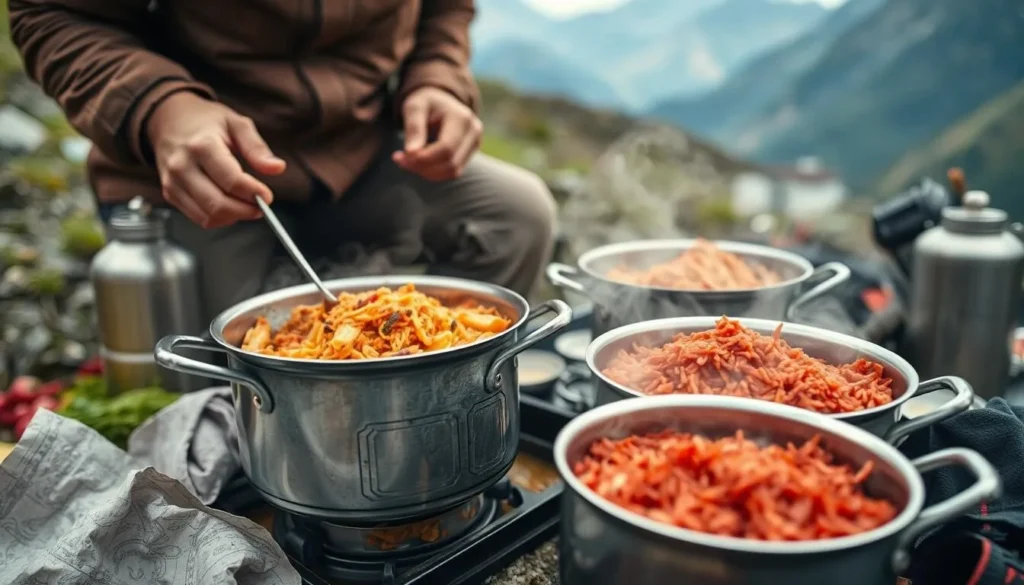
During your trek to Jimilang Tsho, meals will be prepared by your trekking team. These typically include a mix of Bhutanese, Tibetan, and Western dishes to provide energy for the trek while introducing you to local flavors.
Trek Meals
Your trekking package will include all meals during the trek. Breakfast typically consists of porridge, eggs, toast, and tea. Lunch may be packed or prepared at a scenic spot along the trail. Dinner at camp usually includes soup, rice or noodles, vegetables, and occasionally meat dishes. Hot drinks like tea and coffee are available throughout the day.
Traditional Bhutanese Dishes to Try
- Ema Datshi: Bhutan’s national dish consisting of chili peppers and local cheese, often served with red rice.
- Phaksha Paa: Pork cooked with spicy red chilies and mountain vegetables.
- Jasha Maru: Spicy minced chicken dish with tomatoes, onions, and chilies.
- Suja: Traditional butter tea made with tea leaves, butter, and salt.
- Ara: Traditional rice, wheat, or corn liquor often served warm.
Dining in Paro and Thimphu
Before and after your trek, you’ll have opportunities to enjoy more elaborate Bhutanese cuisine in Paro and Thimphu. Some recommended restaurants include:
Paro Restaurants
- Sonam Trophel Restaurant (authentic local cuisine)
- Bukhari Restaurant at Uma Paro (upscale Bhutanese fusion)
- Champaca Café (relaxed atmosphere with pastries)
Thimphu Restaurants
- Bhutan Kitchen (traditional dishes in a cultural setting)
- Ambient Café (Western options and good coffee)
- Zombala 2 (excellent momos and Tibetan dishes)
Attractions, Sightseeing & Activities
Jimilang Tsho itself is the main attraction, but there are several activities and nearby points of interest that enhance the experience of visiting this sacred lake.
Jimilang Tsho Highlights
- Lake Circumambulation: Walking around the lake’s perimeter (approximately 3.2 km/2 mi) is considered auspicious. Local tradition suggests this brings good fortune and may fulfill wishes.
- Fishing Opportunities: The lake is known for its abundant trout population. While fishing is generally not permitted due to the lake’s sacred status, some tour operators can arrange special permits for catch-and-release fishing.
- Meditation Spots: Several peaceful locations around the lake are perfect for meditation and reflection, with flat rocks offering comfortable seating with spectacular views.
Nearby Attractions
- Jangchulakha: A high-altitude meadow before reaching Jimilang Tsho, known for yak herders and stunning alpine scenery.
- Simkotra Tsho: Another beautiful lake located a day’s trek from Jimilang Tsho, sitting at 4,110 meters (13,480 feet).
- Jele Dzong: An ancient fortress and Buddhist temple offering panoramic views of the Paro valley.
- Phajoding Monastery: A significant monastery complex on the way to Thimphu, dating back to the 13th century.

Cultural Spots & Festivals
The area around Jimilang Tsho is rich in cultural significance, with several important religious and historical sites along the Druk Path Trek.
Sacred Sites Near Jimilang Tsho
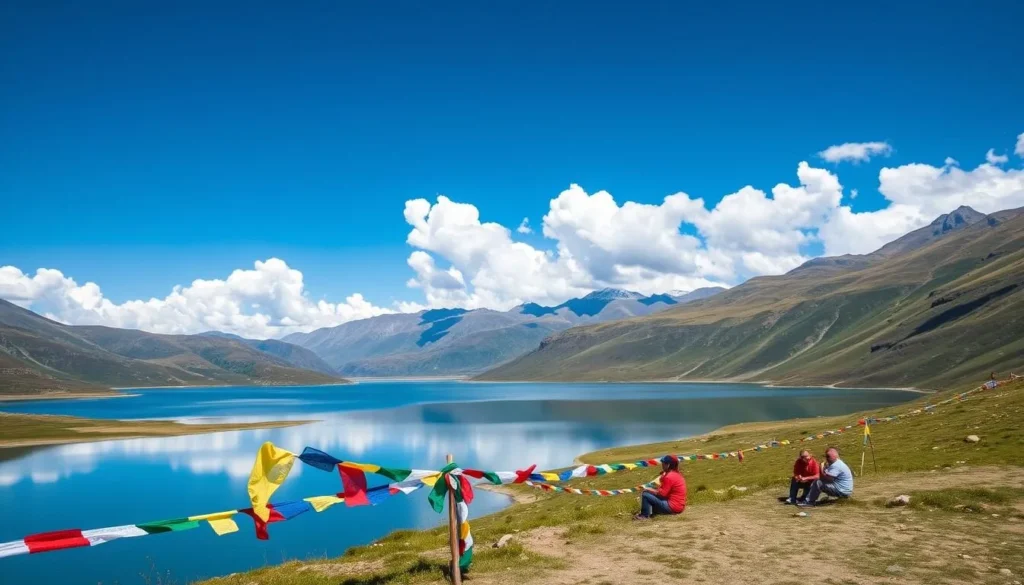
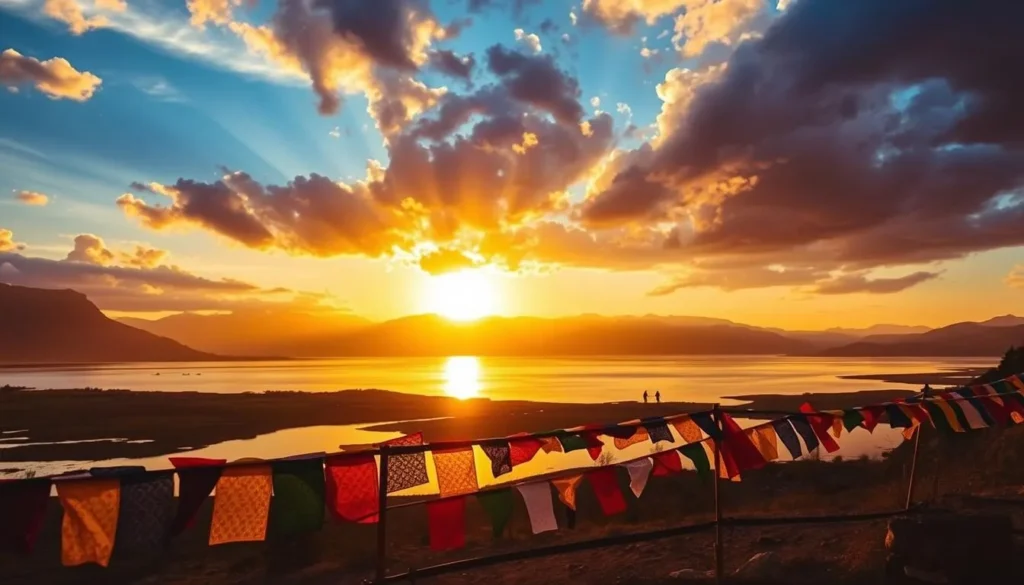
- Prayer Flag Sites: Several locations around the lake feature colorful prayer flags (lungta) that carry prayers and mantras on the wind. These are considered sacred and should be treated with respect.
- Stone Shrines: Small stone cairns and shrines can be found along the shoreline, built by pilgrims and trekkers. It’s customary to add a stone to these structures as you pass.
- Meditation Caves: In the surrounding hills, there are small caves historically used by Buddhist practitioners for meditation retreats.
Cultural Sites Along the Druk Path
- Jele Dzong: This 15th-century fortress houses a small monastic school and offers insights into Bhutan’s religious and military history.
- Phajoding Monastery Complex: Founded in the 13th century, this important religious site consists of several temples and meditation centers.
- Thujidrak Goemba: A meditation retreat perched on a steep cliff at 3,950 meters (12,960 feet), offering spectacular views.
Relevant Festivals
While there are no festivals held at Jimilang Tsho itself, you can plan your trek to coincide with these important celebrations in nearby areas:
- Paro Tshechu (March/April): One of Bhutan’s largest religious festivals featuring masked dances and the unfurling of a giant thangka (religious painting).
- Thimphu Tshechu (September/October): The capital’s major festival with three days of traditional dances and rituals.
- Jambay Lhakhang Drup (October/November): Famous for its fire ceremony and midnight naked dance (only for Bhutanese).
Sports, Nature & Outdoor Experiences
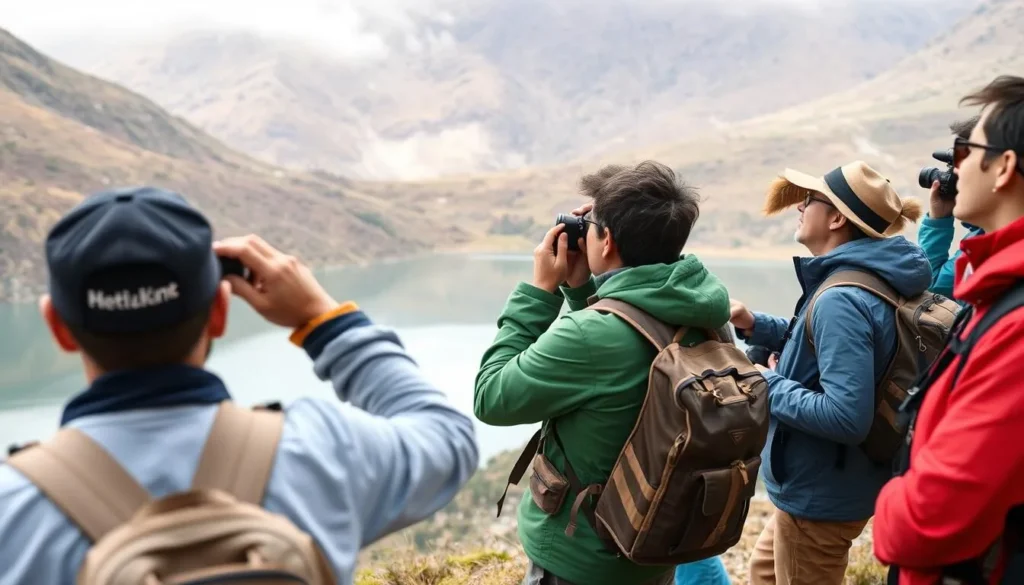
The pristine natural environment around Jimilang Tsho offers numerous opportunities for outdoor activities and nature observation.
Trekking Options
- Standard Druk Path Trek: The classic 5-6 day route from Paro to Thimphu, passing Jimilang Tsho on day 3 or 4.
- Extended Druk Path: Some operators offer extended versions that include additional sites and activities around the lake.
- Jimilang Tsho Day Hike: For those with limited time, some operators offer a challenging day hike to the lake from Jangchulakha (for very fit trekkers only).
Wildlife Observation
The area around Jimilang Tsho is home to diverse Himalayan wildlife. Keep an eye out for:
- Birds: Blood pheasant, Himalayan monal, white-throated laughingthrush, and various raptors.
- Mammals: Blue sheep (bharal), Himalayan marmot, and occasionally red fox. The elusive snow leopard inhabits the region but is rarely seen.
- Flora: Rhododendron forests (spectacular when blooming in spring), blue pine, and various alpine wildflowers.
Photography Opportunities
Jimilang Tsho offers exceptional photography opportunities. The best spots include:
- Eastern Shore: Perfect for sunrise shots with mountains reflected in the lake.
- Western Ridgeline: Offers elevated views of the entire lake, ideal for landscape photography.
- Northern Shore: Best for capturing prayer flags with the lake and mountains in the background.
“The light at Jimilang Tsho changes dramatically throughout the day. For photographers, the golden hours just after sunrise and before sunset create magical conditions when the lake’s surface perfectly mirrors the surrounding peaks.”
Safety, Etiquette & Local Customs
Visiting Jimilang Tsho requires awareness of both safety considerations and cultural sensitivities. Here’s what you need to know:
Safety Precautions
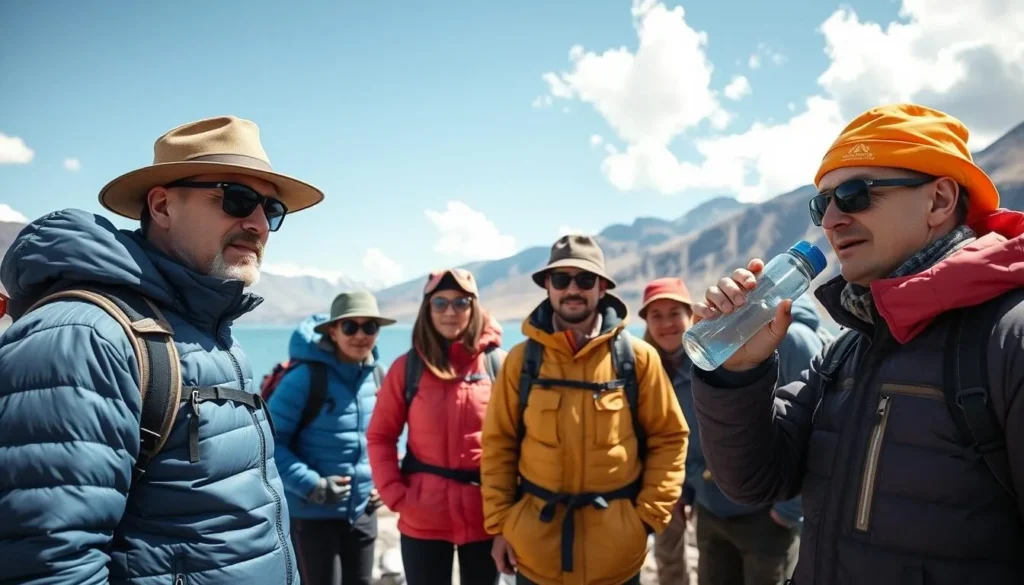
- Altitude Sickness: At 3,880 meters (12,730 feet), altitude sickness is a real concern. Acclimatize properly, stay hydrated, and ascend gradually. Know the symptoms: headache, nausea, dizziness, and shortness of breath.
- Weather Preparedness: Mountain weather can change rapidly. Bring layers, waterproof clothing, and sun protection regardless of the season.
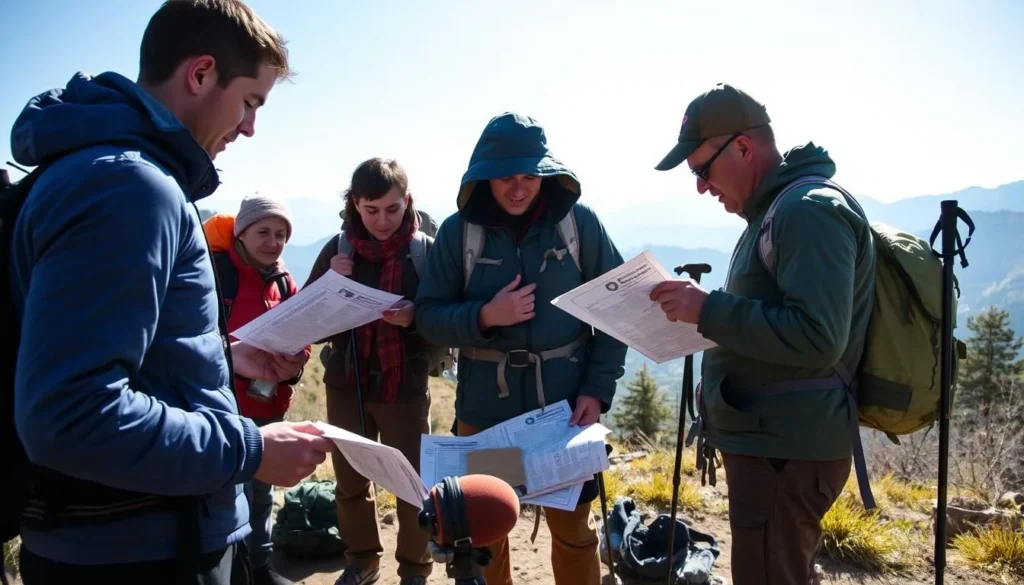
- Trekking Safety: Always trek with a guide, stay on established trails, and inform others of your plans. Carry a basic first aid kit and emergency communication device.
- Water Safety: Despite the lake’s clarity, don’t drink untreated water. Bring water purification tablets or a filter, or rely on boiled water provided by your trekking team.
Cultural Etiquette
- Sacred Site Respect: Jimilang Tsho is considered sacred. Don’t disturb prayer flags, religious structures, or offerings.
- Circumambulation: When walking around the lake or any religious structure, always move in a clockwise direction.
- Photography: Ask permission before photographing local people, especially monks. Photography inside temples is often prohibited.
- Dress Code: Dress modestly, especially when visiting religious sites. Shoulders and knees should be covered.
Environmental Respect
- Leave No Trace: Pack out all trash. Biodegradable waste should still be carried out from this sensitive alpine environment.
- Wildlife Distance: Observe wildlife from a distance and never feed animals.
- Campfire Restrictions: Follow your guide’s instructions regarding campfires, which may be prohibited in certain areas.
- Plant Protection: Stay on established trails to prevent damage to fragile alpine vegetation.
Practical Travel Tips
These practical tips will help you prepare for a successful visit to Jimilang Tsho:
Essential Packing List
- Clothing: Moisture-wicking base layers, insulating mid-layers, waterproof outer layer, warm hat, gloves, sun hat, and sturdy hiking boots.
- Equipment: Quality backpack (30-40L for day hikes, 60L+ for multi-day treks), trekking poles, headlamp, and sleeping bag rated for below freezing.
- Health Items: Sunscreen (SPF 50+), lip balm with SPF, insect repellent, personal medications, altitude sickness medication (consult your doctor), and a comprehensive first aid kit.
- Miscellaneous: Camera with extra batteries, power bank, water bottles or hydration system, water purification method, and snacks for energy.
Communication & Connectivity
There is no cell phone coverage or internet access at Jimilang Tsho or along most of the Druk Path Trek. Your guide will have communication equipment for emergencies. Inform family and friends about your limited connectivity before departing.
Money & Expenses
- Currency: Bhutanese Ngultrum (BTN) is the local currency, pegged to the Indian Rupee (INR). Indian Rupees are widely accepted except for ₹500 and ₹2000 notes.
- ATMs: Available in Paro and Thimphu but not along the trek. Withdraw sufficient cash before starting your trek.
- Tipping: Customary for guides (US$10-15 per day) and porters (US$5-8 per day). Tips are typically given at the end of the trek.
Health Considerations
- Vaccinations: Consult your doctor or travel clinic about recommended vaccinations for Bhutan.
- Travel Insurance: Comprehensive travel insurance with high-altitude trekking coverage and emergency evacuation is mandatory for all visitors to Bhutan.
- Acclimatization: Spend at least 1-2 days in Paro (2,200m/7,218ft) before starting the trek to help your body adjust to the altitude.
Conclusion
Jimilang Tsho isn’t just another beautiful lake in the Himalayas—it’s a gateway to understanding the soul of Bhutan. This sacred body of water, nestled among towering peaks and verdant meadows, offers visitors a rare combination of natural splendor, spiritual significance, and cultural immersion. Whether you’re circumambulating its shores in the golden light of dawn, watching the clouds reflect on its crystal-clear surface, or simply sitting in meditation by its waters, Jimilang Tsho provides moments of tranquility that stay with you long after you’ve descended from the mountains.
The journey to reach this hidden gem may be challenging, but like most meaningful experiences in life, the effort makes the reward all the sweeter. As you trek along ancient paths once traveled by Buddhist masters and local herders, you’ll gain a deeper appreciation for Bhutan’s commitment to preserving both its natural environment and cultural heritage. Jimilang Tsho stands as a testament to this balance—a place where nature’s grandeur and human spirituality exist in perfect harmony.
So pack your bags, lace up your boots, and prepare for an adventure to one of Bhutan’s most precious treasures. The Sand Ox Lake awaits, ready to share its beauty, legends, and perhaps even grant a wish or two for those who approach with respect and an open heart.
0 Comments