Hotels by Trip.com
Flights by Trip.com
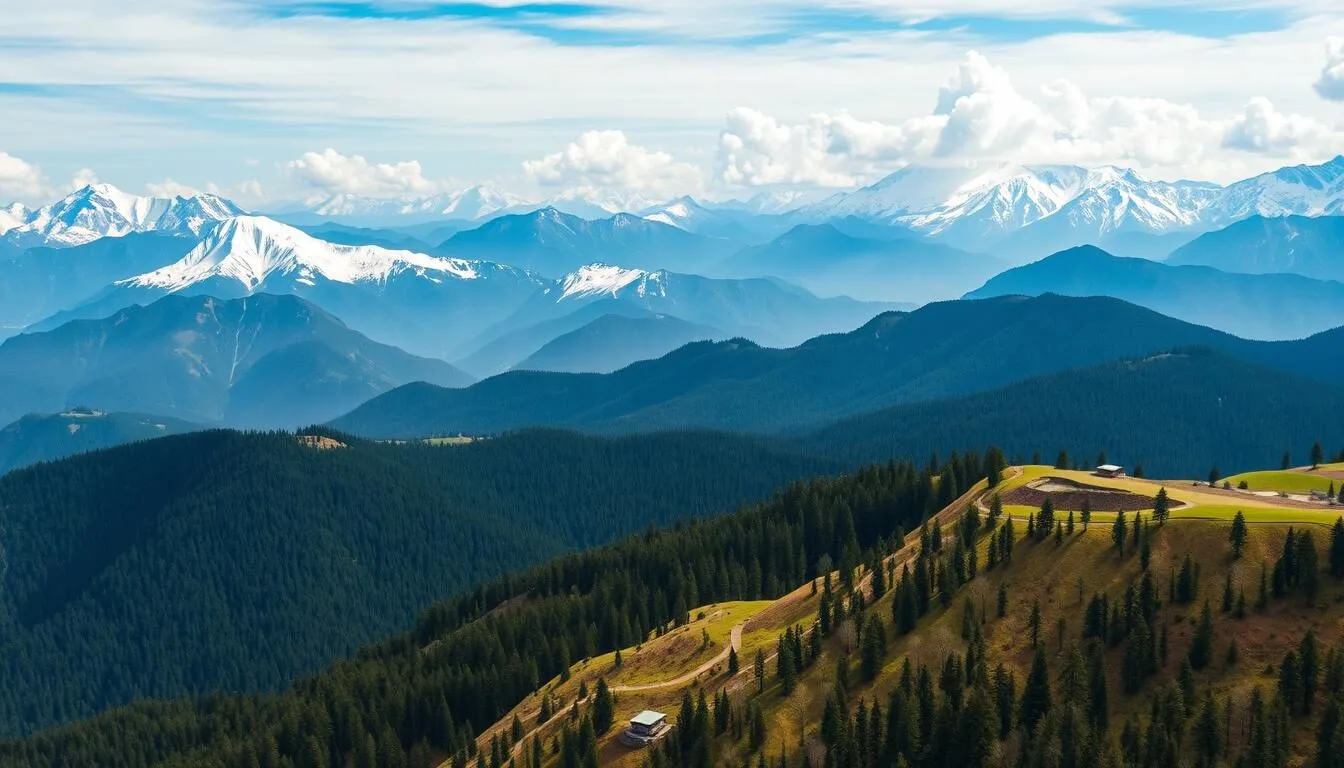
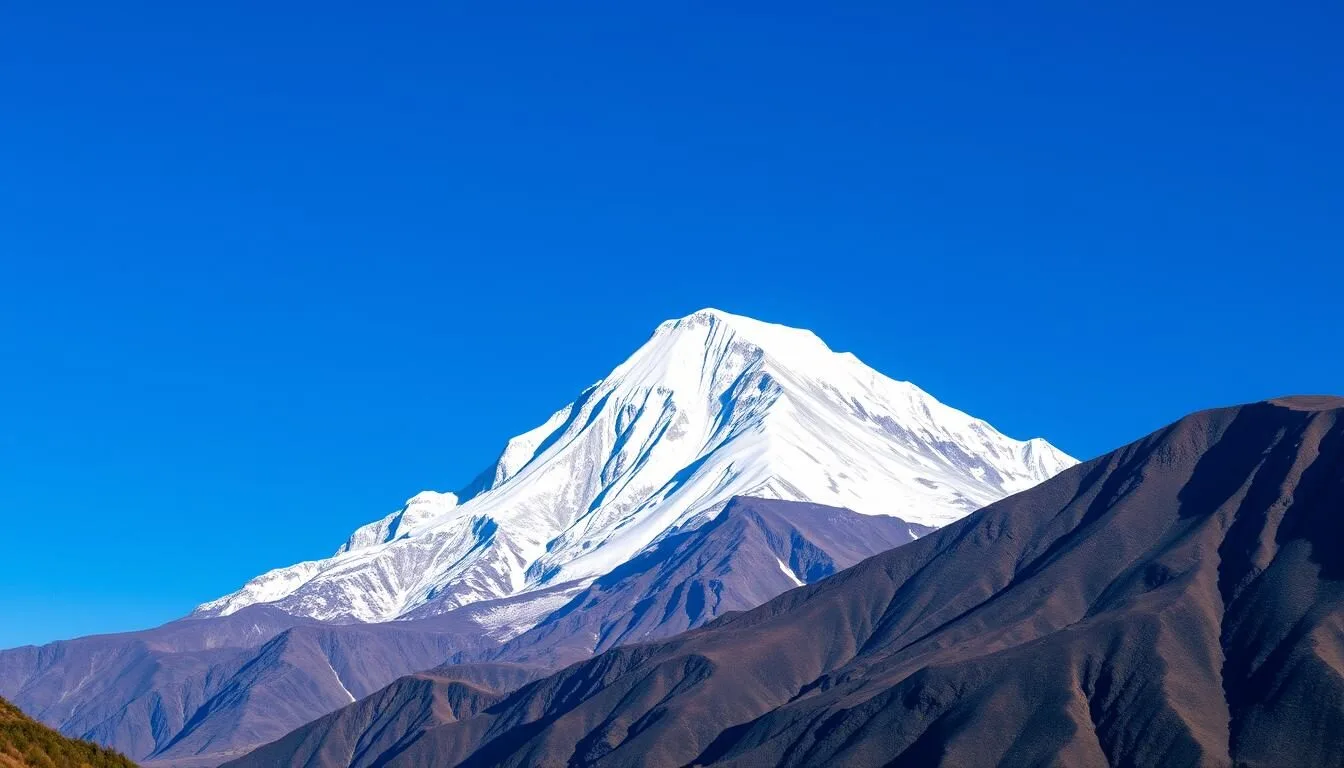
Did you know that Kula Kangri, standing majestically at 7,554 m (24,783 ft), is one of the world’s highest unclimbed mountains? Located on the disputed border between Tibet and Bhutan, this magnificent peak remains shrouded in mystery and spiritual significance. While mountaineering is banned in Bhutan, the surrounding region offers some of the most breathtaking trekking experiences and cultural encounters in the Himalayas.
Getting There & Planning Your Journey
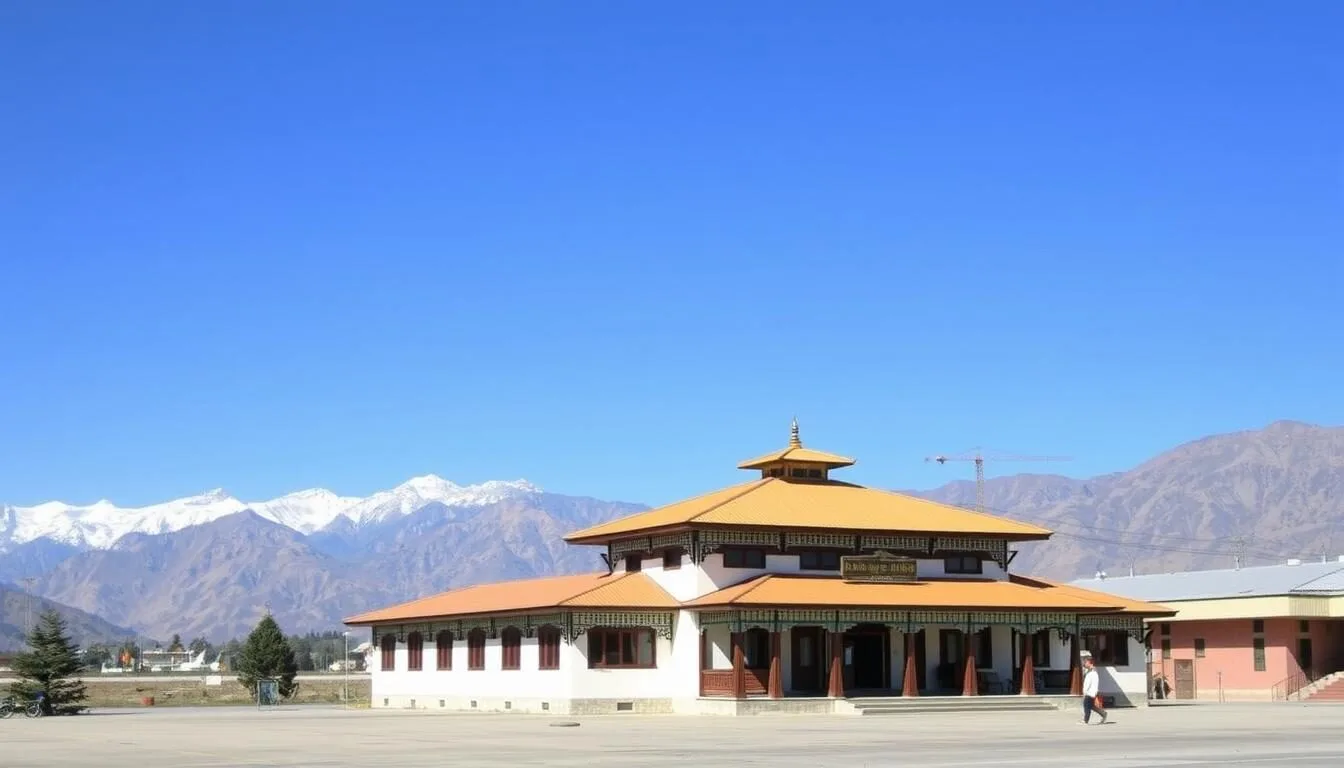
Reaching Kula Kangri requires careful planning. The journey typically begins with a flight to Paro International Airport, Bhutan’s only international airport. From there, you’ll need to arrange transportation to the Lhoka region near the Tibet-Bhutan border.
All visitors to Bhutan must book through a licensed Bhutanese tour operator who will arrange your visa, accommodations, and transportation. This is mandatory as independent travel is not permitted in Bhutan.
Entry Requirements
- Valid passport with at least 6 months validity
- Bhutanese visa (arranged by your tour operator)
- Sustainable Development Fee of $200 USD per person per day
- Special permits for trekking in restricted areas near Kula Kangri
The Sustainable Development Fee covers your accommodations, meals, transportation, and guide services. This policy is part of Bhutan’s “High Value, Low Impact” tourism approach.
Best Time to Visit & Weather Tips
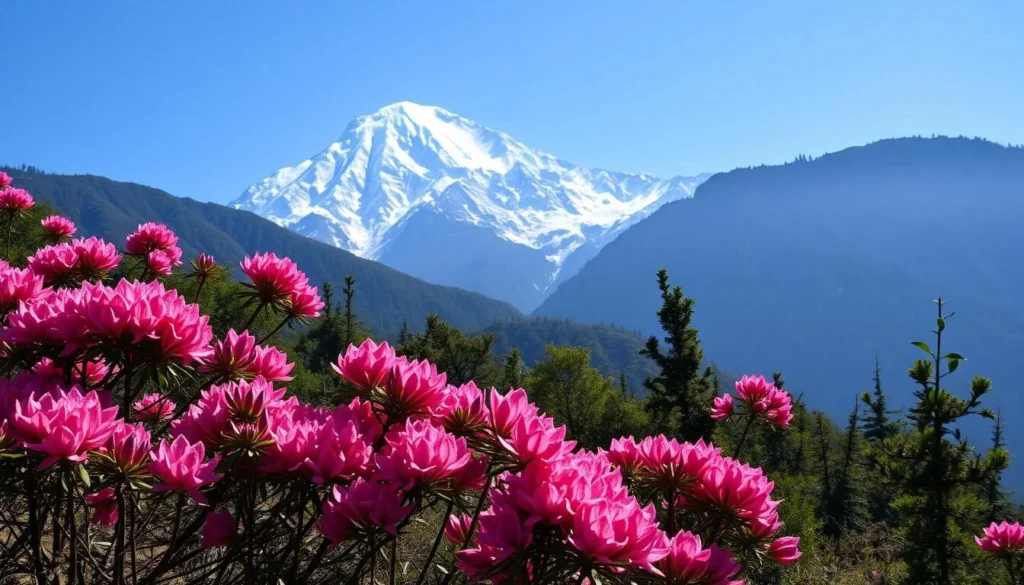
The climate around Kula Kangri varies dramatically with the seasons. Timing your visit correctly is crucial for the best experience and views of this magnificent peak.
| Season | Months | Temperature | Conditions | Recommendation |
| Spring | March-May | 5-15°C (41-59°F) | Clear skies, blooming rhododendrons | Highly Recommended |
| Summer | June-August | 10-20°C (50-68°F) | Monsoon, cloudy, occasional mountain views | Not Recommended |
| Autumn | September-November | 0-12°C (32-54°F) | Clear skies, excellent visibility | Highly Recommended |
| Winter | December-February | -10-5°C (14-41°F) | Cold, snow, limited accessibility | Not Recommended |
Best Months for Kula Kangri Trekking
The optimal times to visit Kula Kangri are early May, early June, September, and October. These periods offer the clearest views of the mountain and most comfortable trekking conditions. Late May to early June is particularly special as you can witness the spectacular bloom of alpine rhododendrons against the backdrop of snow-capped peaks.
Pro Tip: Late September to early October offers the clearest skies after the monsoon season, making it the absolute best time for photography enthusiasts hoping to capture Kula Kangri in all its glory.
Getting Around Locally
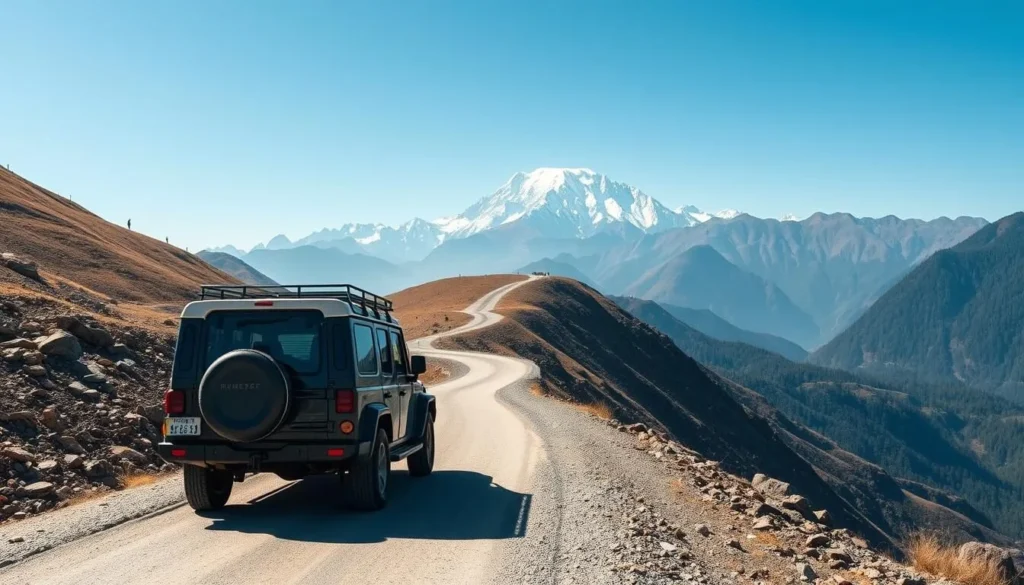
Navigating the remote areas around Kula Kangri requires specialized transportation. The roads in this region are often unpaved and can be challenging, especially during and after the monsoon season.
Transportation Options
Tour Vehicles
Most visitors travel with their tour operator’s vehicles, typically 4×4 SUVs or vans equipped for mountain roads. Your guide and driver will be experienced in navigating the challenging terrain.
Rental Vehicles
If you prefer more flexibility, some tour operators can arrange for a rental vehicle with a driver. Self-driving is not recommended due to the difficult roads and permit requirements.
Check 30,000+ Local Sightseeing Tours Worldwide
✓ Numerous languages and currencies are available
Key Routes to Kula Kangri
- Lhasa to Base Camp Route: Approximately 350 km, requires special permits
- Paro to Lhoka Region: Multi-day journey through mountain passes
- Montara Pass: At 5,400 m (17,717 ft), offers spectacular views of Kula Kangri
Where to Stay
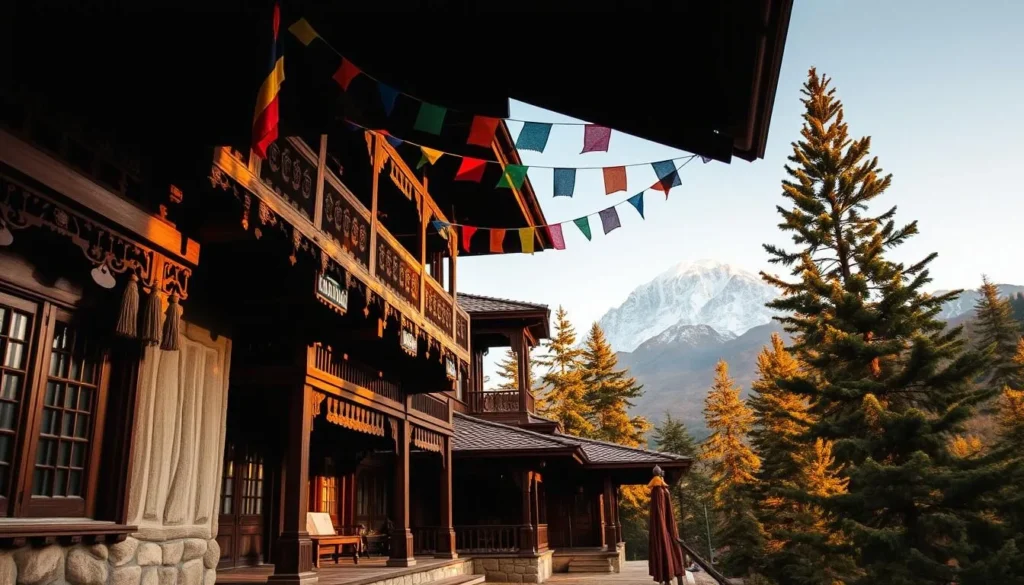
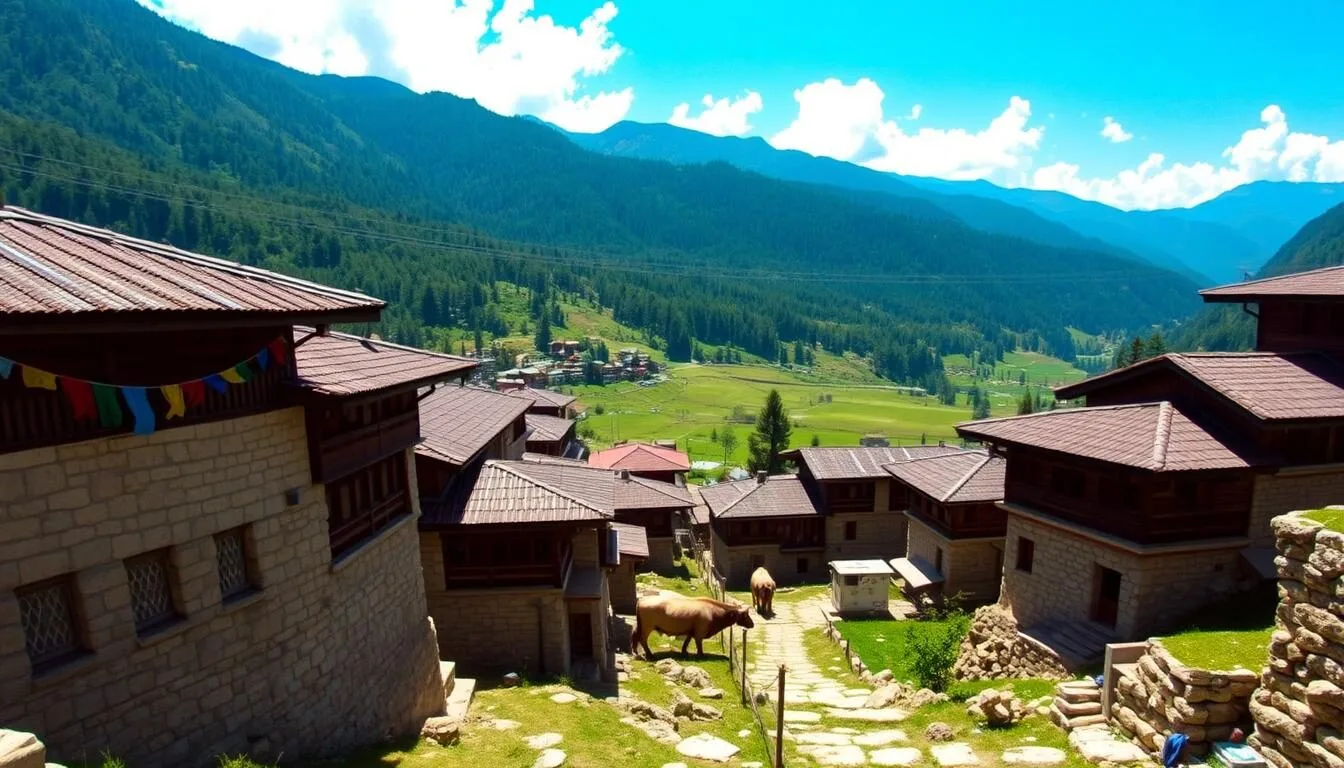
Accommodation options near Kula Kangri are limited due to the remote location. Most visitors stay in basic guesthouses, homestays, or camping facilities arranged by their tour operator.
Accommodation Types
Trekking Camps
For those on multi-day treks, camping is the primary option. Tour operators provide tents, sleeping bags, and all necessary equipment. Camps are typically set up near stunning viewpoints of Kula Kangri.
Local Homestays
Experience authentic Bhutanese hospitality by staying with local families. These homestays offer basic amenities but provide invaluable cultural immersion and home-cooked meals.
Guesthouses
Small guesthouses can be found in larger settlements like Lhoza County or Sexiang. These offer more comfort than camping but still have limited amenities.
Note: Electricity and hot water may be inconsistent in remote areas. Pack accordingly and be prepared for basic living conditions when staying near Kula Kangri.
Dining & Local Cuisine
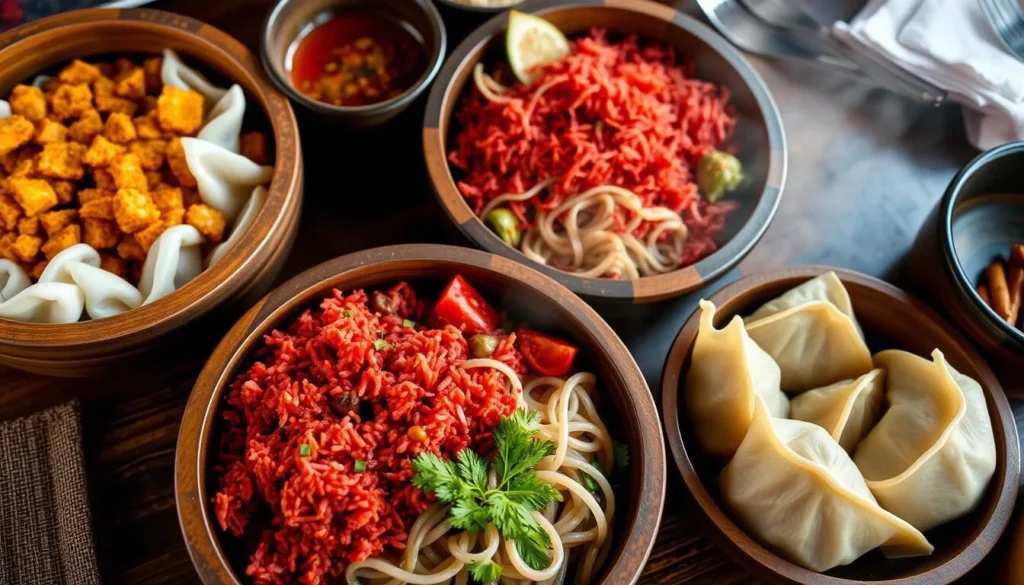
Bhutanese cuisine is hearty and perfect for refueling after a day of trekking. The food in remote areas near Kula Kangri tends to be simple but nutritious, often featuring locally grown ingredients.
Must-Try Bhutanese Dishes
- Ema Datshi: Bhutan’s national dish – chili peppers and local cheese
- Red Rice: Nutty, mineral-rich rice grown in high-altitude valleys
- Momos: Steamed dumplings filled with meat or vegetables
- Jasha Maroo: Spicy chicken stew
- Suja: Traditional butter tea, perfect for cold mountain mornings
Dining Options Near Kula Kangri
In remote trekking areas, meals are typically prepared by your trekking team. These hearty dishes are designed to provide energy for high-altitude activities. In small villages, you might find basic teahouses serving simple meals.
“The food in Bhutan isn’t just sustenance—it’s a window into the soul of this Himalayan kingdom. Every meal tells a story of survival, tradition, and the unique relationship between the people and their mountainous homeland.”
Food Tip: Bhutanese cuisine is notoriously spicy. If you have a low spice tolerance, be sure to inform your guide or host, who can arrange for milder versions of traditional dishes.
Attractions, Sightseeing & Activities
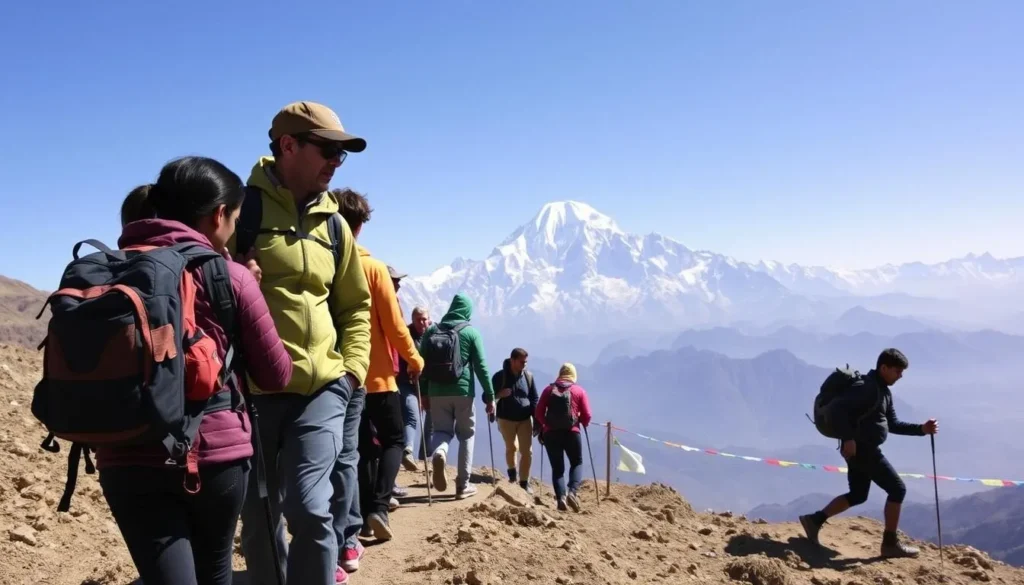
While climbing Kula Kangri itself is prohibited, the surrounding region offers numerous activities and attractions that provide spectacular views of this majestic peak.
Top Viewing Points for Kula Kangri
Pumo Yumco Lake
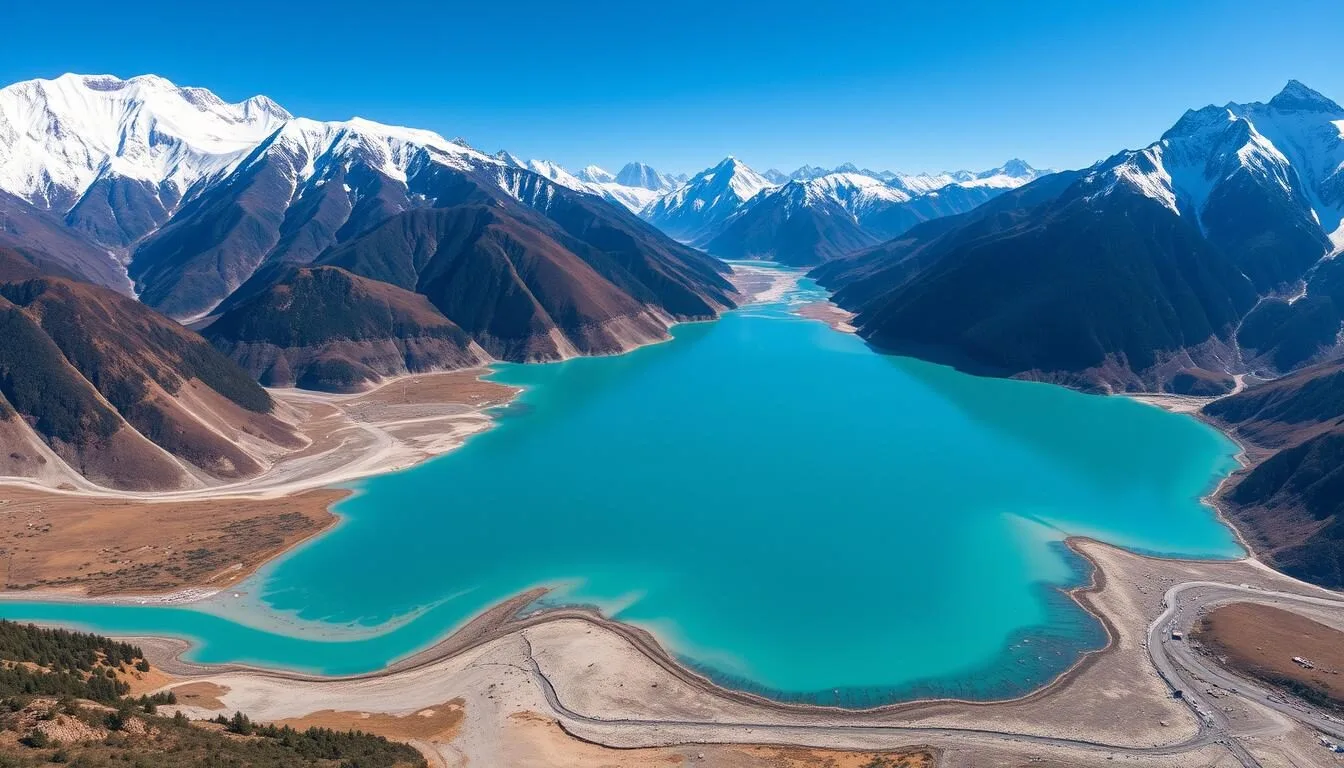
Located 58.4 km southeast of Langkazi County, this high-altitude lake at 5,010 m (16,437 ft) offers stunning reflections of Kula Kangri. In winter, the blue ice creates a magical landscape, while summer brings clear reflections of the mountain.
Baima Lincuo Lake
One of the three soul lakes of Guru Rinpoche, this multi-colored lake is surrounded by spiritual sites. The ridge on the left side of the lake provides panoramic views of Kula Kangri’s southern slope.
Montara Pass
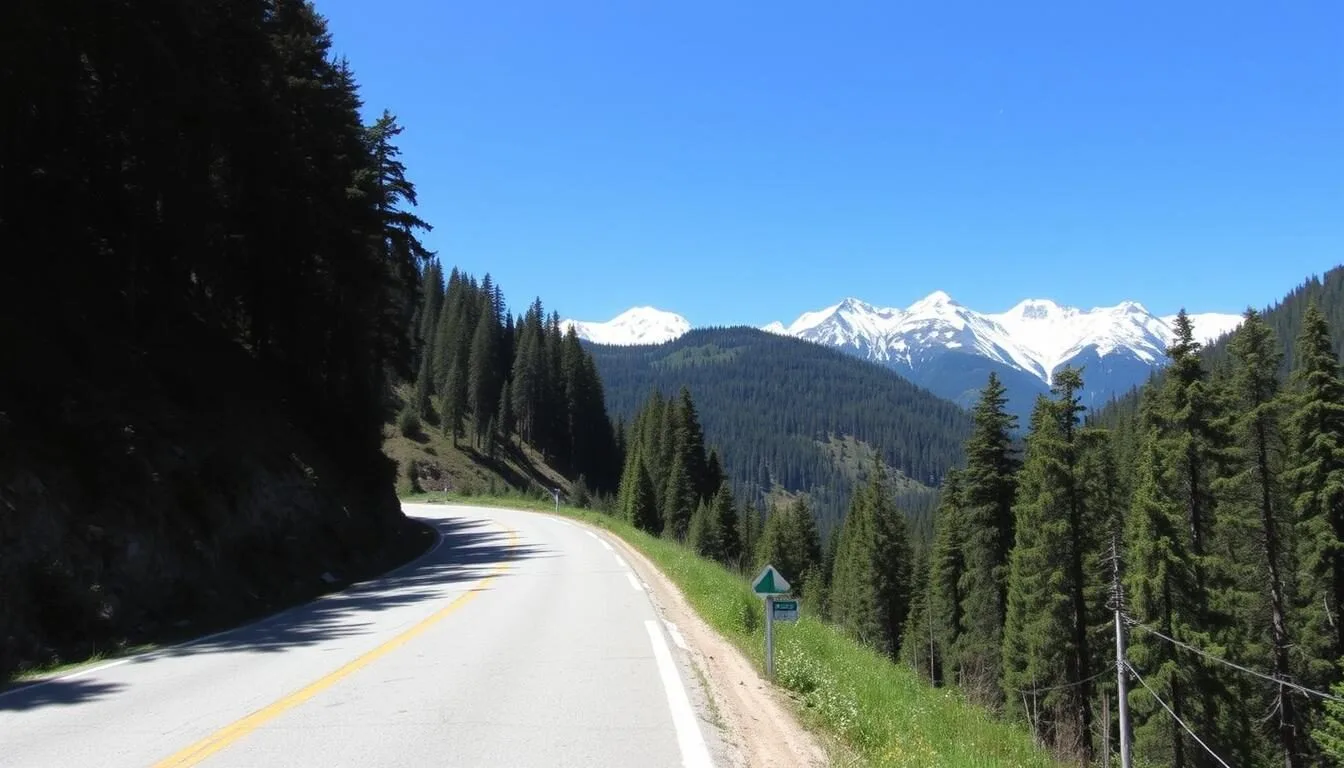
At approximately 5,400 m (17,717 ft), this high mountain pass on National Highway G219 serves as an excellent viewing platform. After crossing the pass, you’ll be rewarded with magnificent views of Kula Kangri and the winding mountain roads below.
Jiejiucuo Lake
This emerald-like lake offers unique photography opportunities with Kula Kangri’s reflection. The lake surface displays layers of milky white, blue, and green colors, creating a dreamy landscape, especially when alpine rhododendrons bloom nearby.
Recommended Trekking Routes
A popular trekking itinerary starts from Lhasa, heading east to the Lhoka area, with three days of hiking around Kula Kangri and its holy lakes. This typically takes 6-7 days total and includes:
- Lhasa to Samye Monastery and Yumbulagang Palace
- Journey to Yarla Shampo, Zhegucuo, and Kajiu Temple
- Trek to Baima Lincuo Lake
- Exploration of Zhegongcuo Lake
- Visit to Jiejiucuo Lake
- Return via Pumo Yumco Lake and Yamdroktso
Cultural Experiences & Local Customs
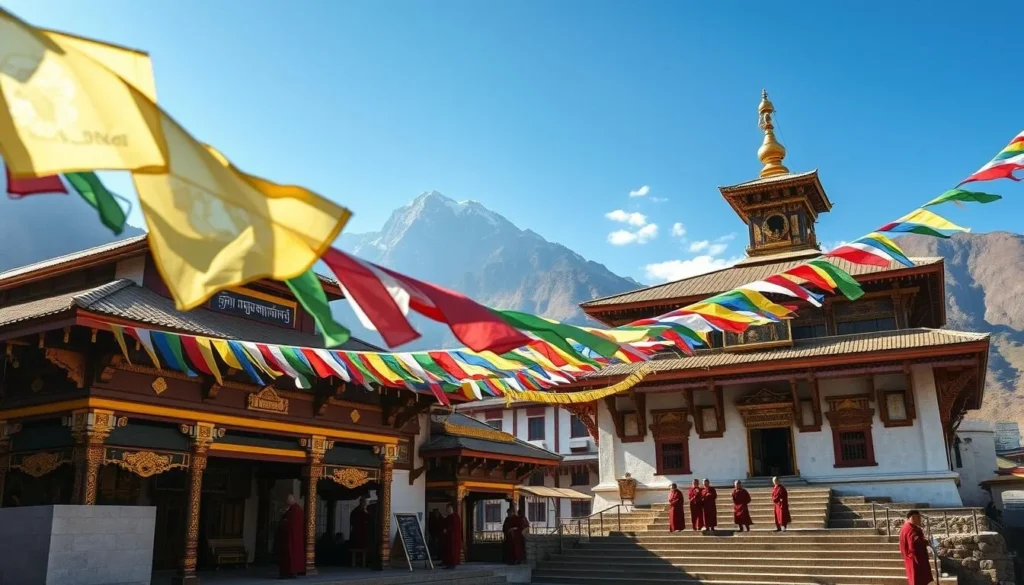
The region around Kula Kangri is steeped in Buddhist traditions and local customs. Understanding and respecting these cultural elements will enrich your journey.
Sacred Sites Near Kula Kangri
- Kajiu Temple: An ancient Buddhist monastery with connections to Kula Kangri’s spiritual significance
- Baima Lincuo: One of Guru Rinpoche’s soul lakes, containing handprints and footprints of the revered teacher
- Prayer Flag Sites: Colorful flags adorning mountain passes, believed to carry prayers on the wind
Cultural Etiquette
Do’s
- Dress modestly, covering shoulders and knees
- Remove shoes before entering temples
- Walk clockwise around religious structures
- Ask permission before photographing locals
- Say “meshu meshu” and cover your mouth when offered food (initially)
Don’ts
- Touch a Bhutanese person’s head
- Point with a single finger (use your whole hand)
- Smoke tobacco (it’s illegal in Bhutan)
- Disturb wildlife, especially black-necked cranes
- Remove or disturb prayer flags or religious objects
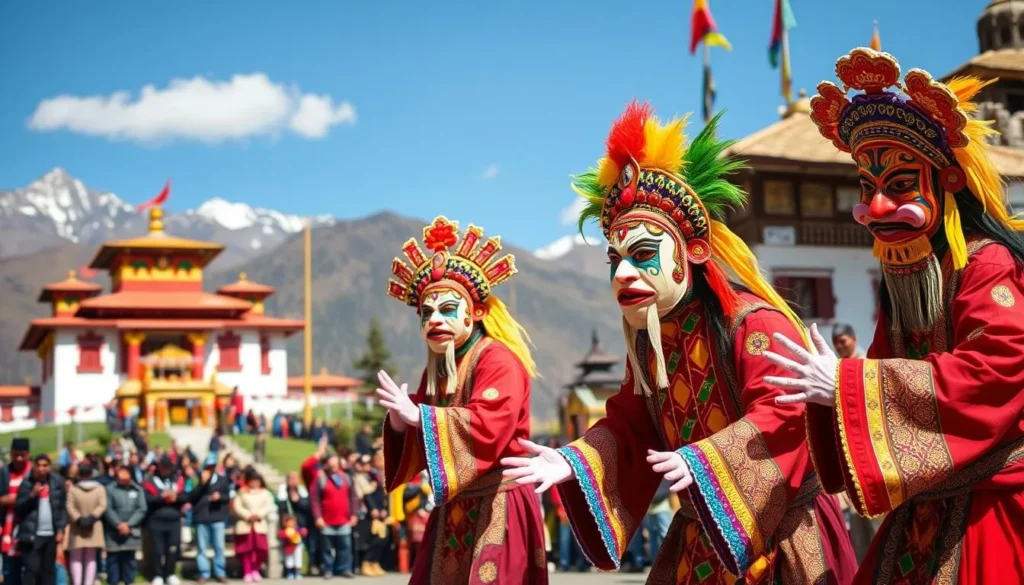
The Bhutanese calendar is filled with colorful festivals (tsechus) that celebrate Buddhist teachings through dance, music, and communal gatherings. If your visit coincides with a local festival, it will be a highlight of your journey.
Practical Travel Tips
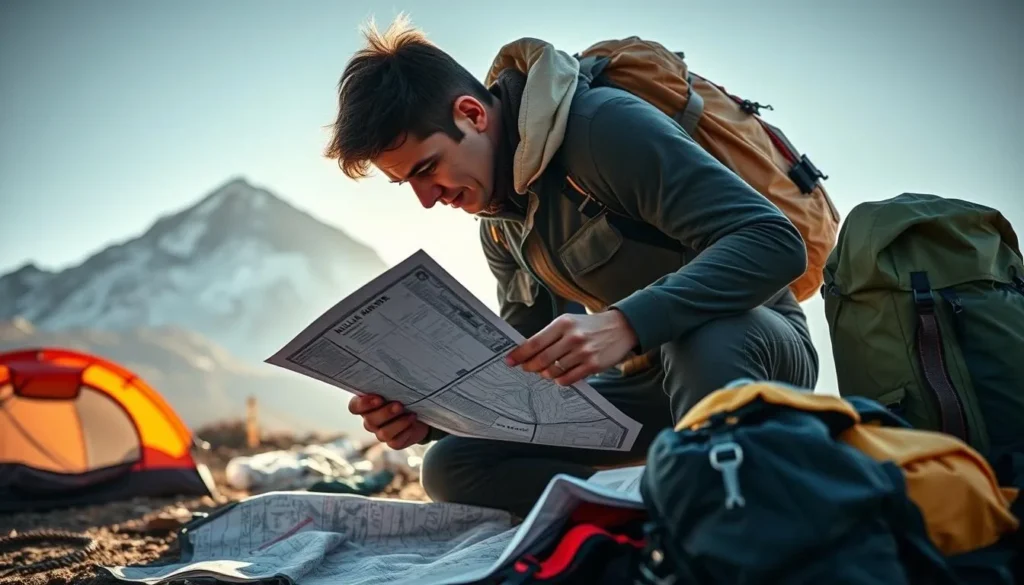
Essential Packing List
Clothing
- Layered clothing for varying temperatures
- Waterproof jacket and pants
- Thermal underwear
- Sturdy hiking boots (broken in)
- Warm hat, gloves, and socks
- Sun hat and sunglasses
Equipment & Essentials
- High-altitude sunscreen (SPF 50+)
- Lip balm with sun protection
- Water purification tablets
- Personal first aid kit with altitude sickness medication
- Headlamp with extra batteries
- Camera with extra batteries (they drain quickly in cold)
Health & Safety
Altitude sickness is a real concern in the Kula Kangri region. Most treks reach elevations above 4,000 m (13,123 ft), where oxygen levels are significantly lower. Acclimatize properly by ascending gradually and staying hydrated.
Altitude Warning: Symptoms of altitude sickness include headache, nausea, dizziness, and fatigue. If symptoms persist or worsen, descend immediately and seek medical attention.
Communication & Connectivity
Mobile coverage is extremely limited in remote areas near Kula Kangri. Major towns have internet cafes and some accommodations offer Wi-Fi, but prepare to be disconnected during treks. Consider renting a satellite phone for emergencies if traveling to very remote areas.
Money Matters
- Currency: Bhutanese Ngultrum (BTN), pegged to the Indian Rupee
- Cash: Bring sufficient cash as ATMs are scarce in remote areas
- Tipping: Not mandatory but appreciated for guides and drivers (10-15% is customary)
Embark on Your Kula Kangri Adventure
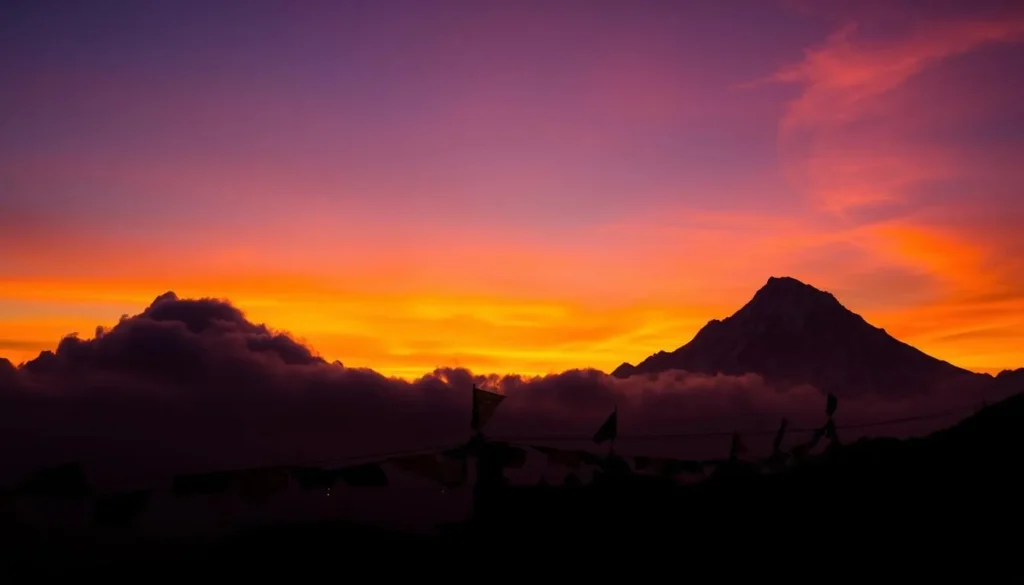
The journey to Kula Kangri offers a rare glimpse into one of the world’s most pristine and spiritually significant mountain landscapes. While the peak itself remains unclimbed, the surrounding region rewards travelers with breathtaking vistas, ancient cultural traditions, and the warm hospitality of the Bhutanese people.
Whether you’re trekking along sacred lakes, photographing the mountain’s reflection at dawn, or sharing tea with local villagers, a visit to Kula Kangri will leave you with memories that last a lifetime. This hidden corner of the Himalayas, where ancient traditions and untouched nature coexist in harmony, awaits your discovery.