
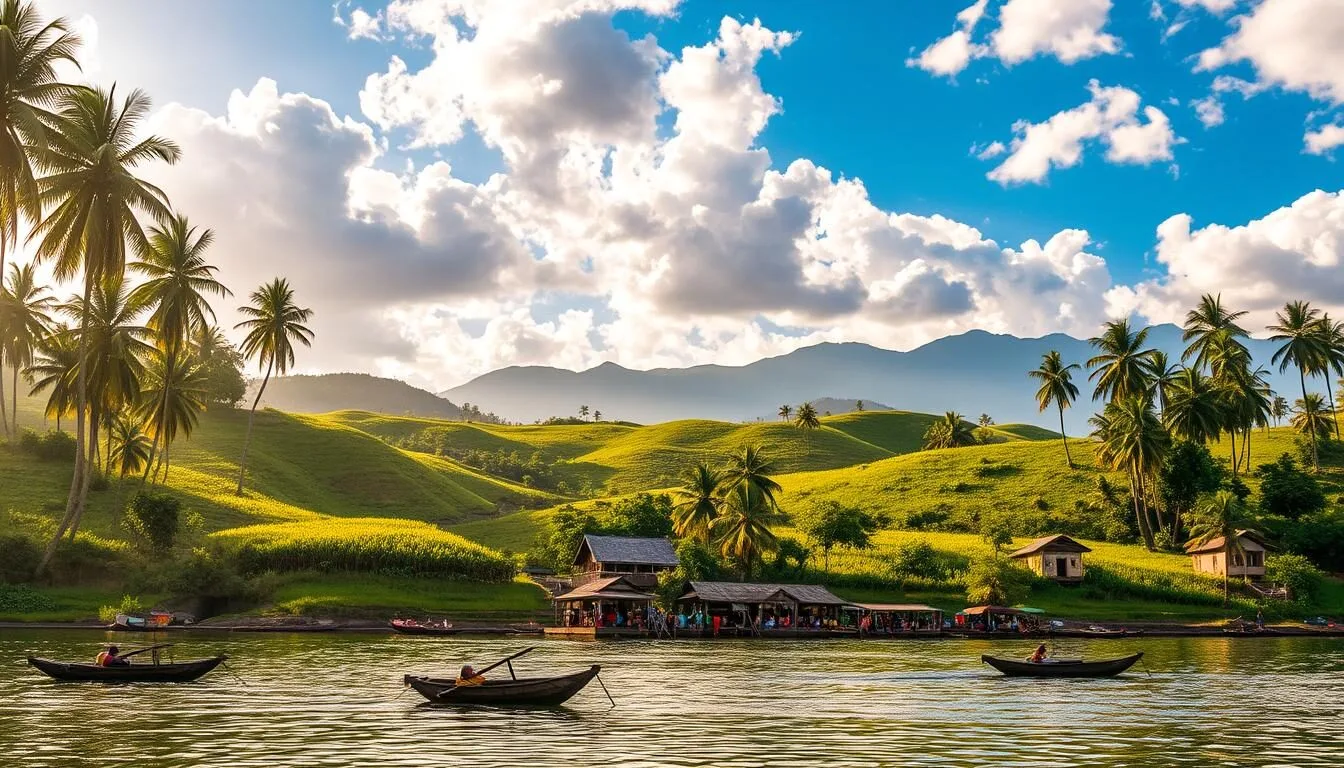
Imagine a destination where ancient temples stand alongside pristine beaches, and a rich cultural heritage meets warm hospitality. Cambodia is this and more, making it an essential stop on any Southeast Asia itinerary.
With its tragic history and inspiring human spirit, Cambodia offers a unique travel experience. From the luxury hotels that have recently opened to the family-friendly activities and improved flight paths, this small country has evolved to cater to all types of travelers.
As you plan your trip, you’ll discover why Cambodia has become a must-visit destination, offering experiences that range from historical sites like Angkor Wat to off-the-beaten-path adventures. Whether you’re interested in history, culture, or nature, this comprehensive guide will help you make the most of your visit.
Discovering Cambodia’s Rich Heritage
You’re about to embark on a journey through Cambodia, a land that has been shaped by its storied past and is now ready to be discovered. Cambodia’s complex history is palpable throughout the country, with numerous sites serving as poignant reminders of its journey.
Understanding Cambodia’s History
Cambodia has a dark past, marked by the brutal genocide led by Pol Pot and the Khmer Rouge in the late 1970s, resulting in the loss of nearly 1.7 million lives. This period significantly shaped the country’s modern identity. You’ll gain insight into this complex history and understand how Cambodia’s past influences its present.
Best Time to Visit Cambodia
The best time to visit Cambodia is from November to March, when you can enjoy dry, sunny days with manageable humidity levels, perfect for exploring temples. If you visit during the rainy season (May to October), be prepared for potential downpours, especially in July and August. Understanding the seasonal variations will help you plan your trip timing, ensuring a more enjoyable experience.
By considering the time of your visit, you’ll be able to make the most of your time in Cambodia, whether you’re exploring historical sites or enjoying the country’s natural beauty. This thoughtful planning will enrich your travel experience, allowing you to appreciate the world of Cambodia.
Essential Travel Information for Cambodia
As you plan your trip to Cambodia, understanding the country’s entry requirements, currency, and transportation is vital. This knowledge will help you navigate the country with ease and make the most of your travel experience.
Visa Requirements and Entry
Most nationalities require a visa to enter Cambodia, but fortunately, you can obtain one on arrival at both land borders and airports. The visa is valid for 30 days and costs $30 USD, which must be paid in cash. Make sure to bring crisp $30 USD bills as this is a requirement.
Currency and Budget Tips
Cambodia uses a dual-currency system, with both the US dollar and the Khmer riel being accepted. While the US dollar is widely used for tourist services, it’s a good idea to have some Khmer riel for small purchases and local markets. To save money, consider budget-friendly accommodations and dining options.
Getting Around Cambodia
The primary mode of transportation between cities in Cambodia is by bus. For shorter trips within towns, tuk-tuks are a convenient and affordable option. Unlike in some neighboring countries, train travel is not well-established in Cambodia.
| Mode of Transport | Usage | Cost |
|---|---|---|
| Bus | Inter-city travel | Budget-friendly |
| Tuk-tuk | Local trips within towns | Relatively inexpensive |
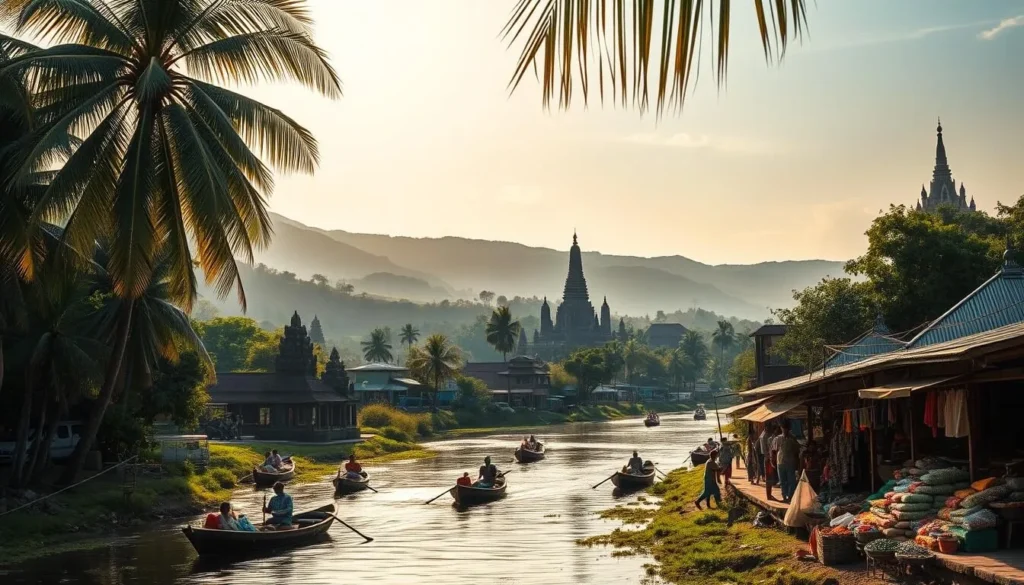
Understanding these essential travel tips will help you have a smoother and more enjoyable trip to Cambodia. Whether you’re navigating visa requirements, managing your budget, or getting around the country, being informed is key to a successful journey.
Exploring Phnom Penh: Cambodia’s Capital
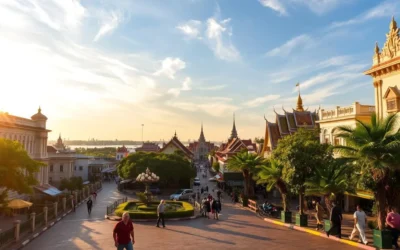
As you step into Phnom Penh, Cambodia’s vibrant capital, you’ll be greeted by a mix of rich history and modern city life. This city is a treasure trove of experiences, from historical landmarks to bustling markets and serene riverside areas.
Royal Palace and National Museum
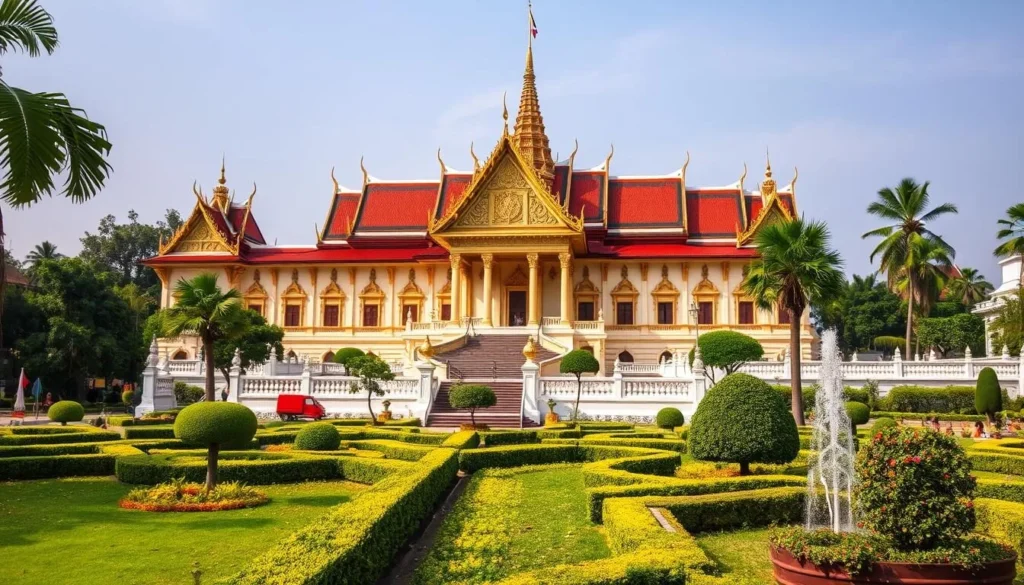
The Royal Palace, located near the city centre, is a must-visit attraction in Phnom Penh. The palace grounds have been the residence of the Kings of Cambodia since the 1860s and showcase stunning architecture and beautiful gardens. The adjacent National Museum houses a collection of priceless artifacts that highlight Cambodia’s rich cultural heritage.
Tuol Sleng Genocide Museum (S-21)
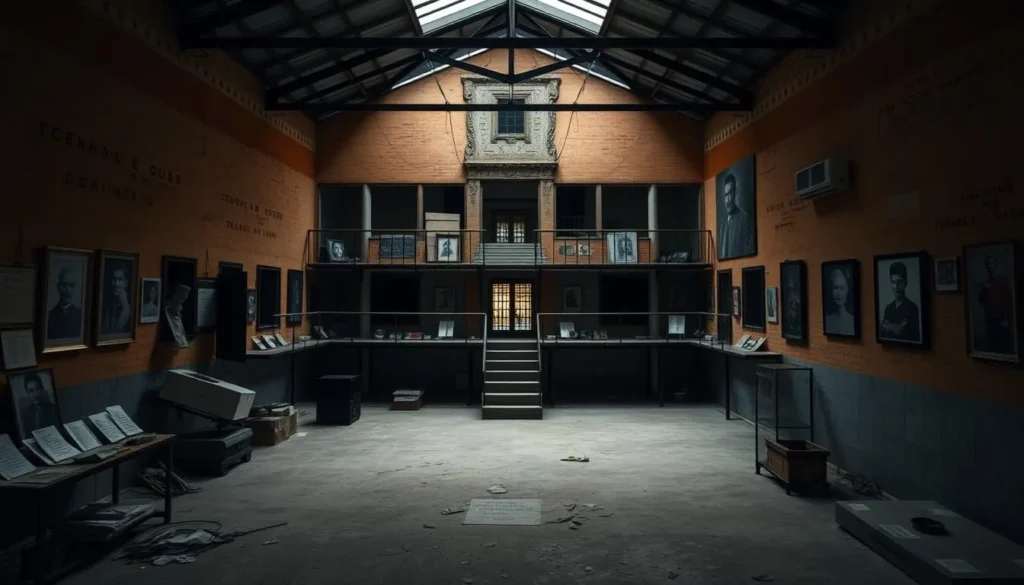
A visit to the Tuol Sleng Genocide Museum is a sobering experience that provides insight into the atrocities committed by the Khmer Rouge during their reign. The museum is housed in a former prison and contains numerous photographs and artifacts that tell the story of the victims.
Markets and Riverside Attractions
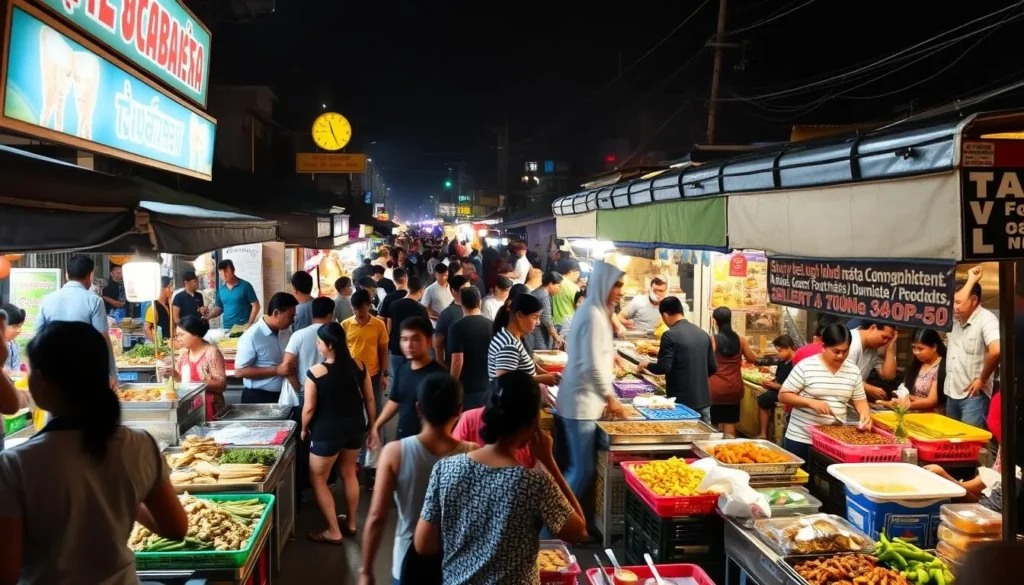
Phnom Penh is home to a variety of markets, including the Russian Market and the Night Market, where you can find everything from local handicrafts to delicious street food. The riverside area offers a pleasant escape from the city’s bustle, with promenades perfect for sunset strolls and numerous cafes to watch city life unfold.
In Phnom Penh, you’ll discover the city’s dual identity as both Cambodia’s bustling capital and a place of profound historical significance. From the Royal Palace to the Tuol Sleng Genocide Museum, and from bustling markets to serene riverside areas, Phnom Penh offers a diverse range of experiences that cater to all interests.
Choeung Ek Killing Fields: Confronting History
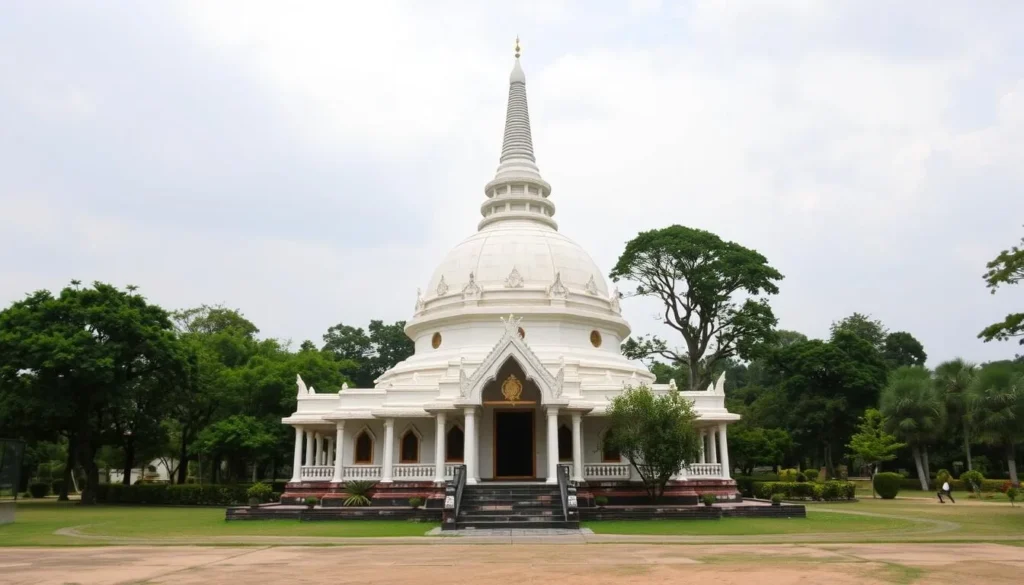
The Choeung Ek Killing Fields, located just outside Phnom Penh, is a haunting reminder of the atrocities committed during the Khmer Rouge regime. This site is a crucial part of Cambodia’s history, serving as a poignant reminder of the thousands of lives lost between 1975 and 1979.
As you visit this significant place, you’ll be confronted with the harsh realities of the Khmer Rouge’s brutal rule. The site features a memorial stupa filled with over 5,000 human skulls, providing a sobering visual reminder of the genocide’s scale and brutality. An informative audio tour guides your experience, sharing survivors’ stories and historical context.
You’ll see the mass graves, the “killing tree” where executioners killed children, and other preserved evidence. While emotionally challenging, your visit to the Killing Fields offers important perspective on Cambodia’s resilience and the human capacity to rebuild after unimaginable tragedy. The site is located about 15 km from Phnom Penh, easily reached by tuk-tuk.
Cambodia: Best Things to Do in Siem Reap
As the gateway to the magnificent Angkor Wat, Siem Reap offers a plethora of exciting experiences. This charming town is filled with colonial architecture, riverside walkways, and a vibrant cultural scene.
Pub Street and Old Market
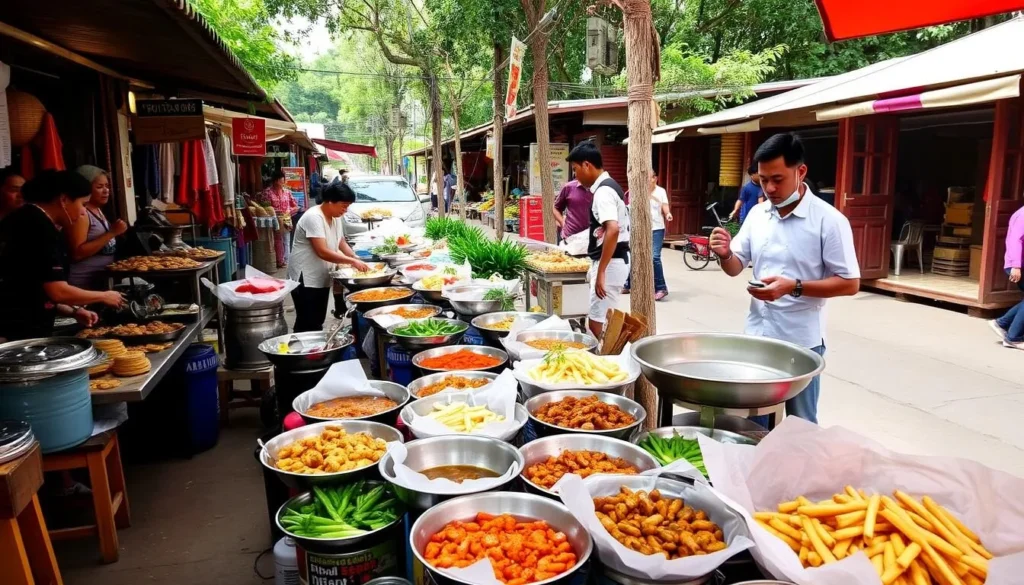
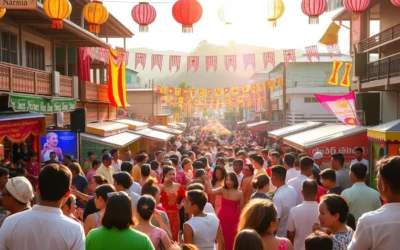
Pub Street is the heart of Siem Reap’s nightlife, with bars and restaurants coming alive at night. By day, you can explore the Old Market, a maze of stalls selling everything from fresh produce to handcrafted souvenirs. At night, it transforms into a vibrant street food destination, offering a variety of local cuisine.
Cambodian Cultural Shows
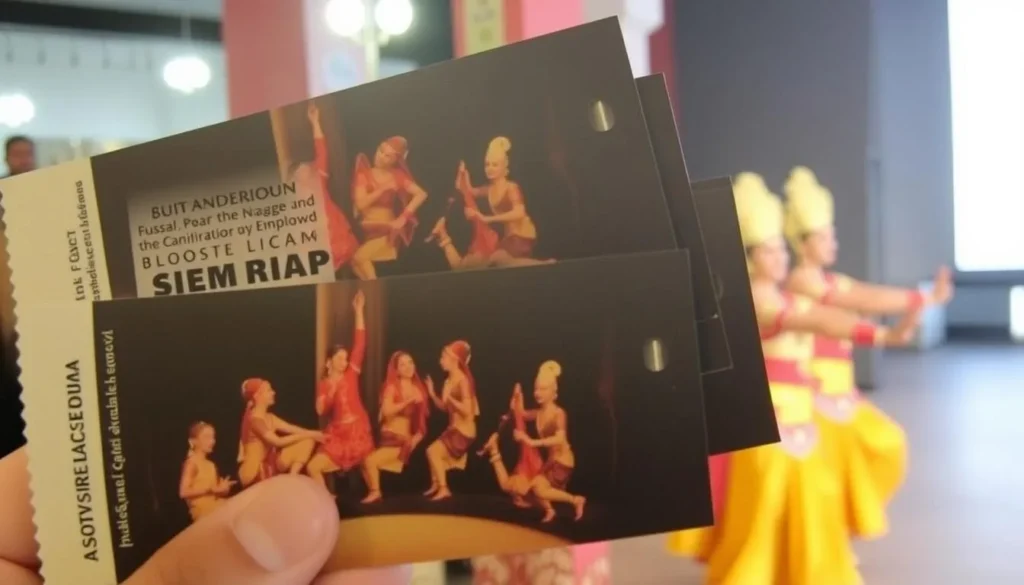
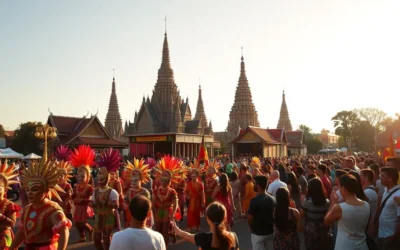
Experience authentic Cambodian culture through traditional Apsara dance performances, showcasing the country’s rich artistic heritage. These shows are a great way to learn about Khmer culture in an entertaining setting.
Where to Stay in Siem Reap
Siem Reap offers a range of accommodations, from budget-friendly hostels to luxurious five-star resorts, many featuring traditional Khmer architecture. When choosing where to stay in Siem Reap, consider what’s important to you, whether it’s proximity to the temples or being in the heart of the town.

In Siem Reap, you can enjoy a food tour, visit local restaurants, and explore the market. Whether you’re looking for a relaxing day out or an exciting tour, Siem Reap has something for everyone.
Temple Hopping at Angkor Archaeological Park
Temple hopping at Angkor Archaeological Park is an unforgettable experience that will leave you in awe. As you explore the park, you’ll discover a collection of magnificent temples that showcase the rich history and culture of Cambodia.
The Crown Jewel: Angkor Wat
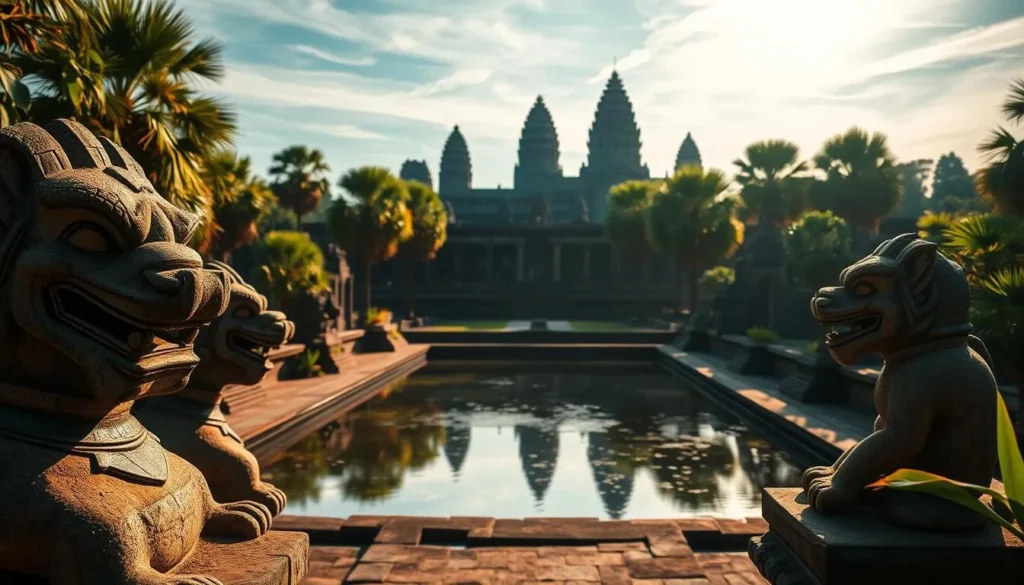
Angkor Wat is the largest religious monument in the world, spanning an impressive 400 acres. This iconic temple complex is a testament to the advanced engineering and architectural skills of the ancient Khmer civilization. With its five towers representing Mount Meru, Angkor Wat is a breathtaking sight, especially during sunrise or sunset when the spires reflect in the nearby lake, creating a magical aura.
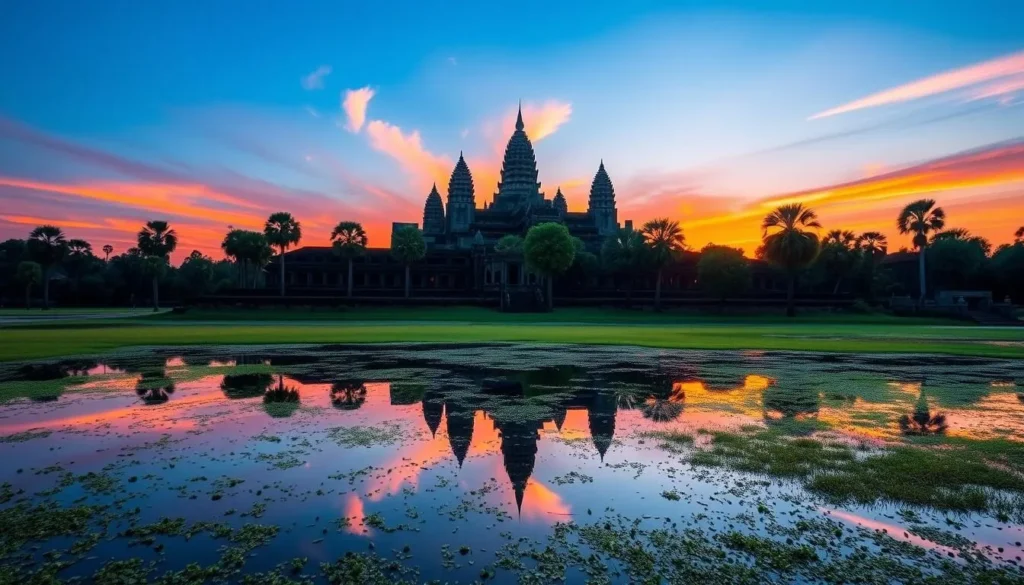
To make the most of your visit, consider arriving before dawn to witness the sunrise over Angkor Wat. The experience is truly unforgettable, with the temple’s silhouette reflected in the lily ponds.
Ta Prohm: The Jungle Temple
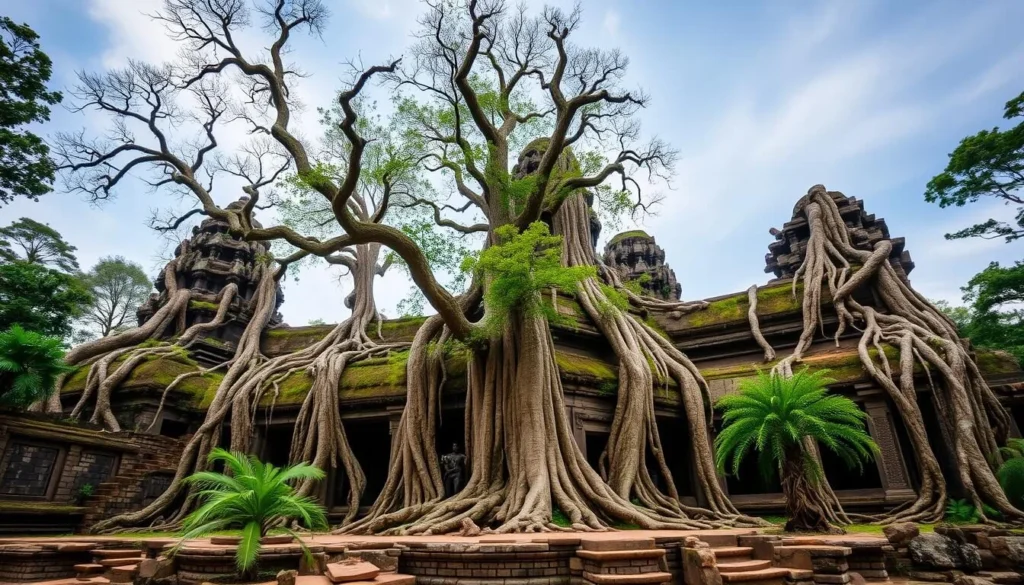
Ta Prohm is another must-visit temple within the Angkor Archaeological Park. This temple is unique due to its distinctive feature: massive strangler fig trees growing out of the ruins. The atmosphere is reminiscent of a “lost world,” making you feel like an explorer discovering hidden treasures. Ta Prohm gained global fame after being featured in Angelina Jolie’s Tomb Raider movie in 2001.
Bayon Temple and Angkor Thom
The Bayon Temple, located within the Angkor Thom complex, is known for its 216 enigmatic stone faces that seem to follow your movements. The surrounding bas-reliefs depict historical battles and daily life, providing a glimpse into the lives of the ancient Khmer people. As you explore Angkor Thom, you’ll be captivated by the intricate carvings and imposing structures.

To fully appreciate the historical and architectural significance of these ancient wonders, consider hiring a knowledgeable guide or joining a specialized tour. You’ll need to decide which temple pass works best for your schedule: a one-day pass ($37), three-day pass ($62), or seven-day pass ($72), with most visitors finding the three-day option ideal for exploring without rushing.
Beyond Angkor: Hidden Temple Treasures
As you venture beyond Angkor Wat, you’ll discover a wealth of hidden temple treasures. While Angkor Wat is undoubtedly a highlight of any trip to Cambodia, there are many other temples that offer equally impressive architecture and history, often with far fewer crowds.
Banteay Srei: The Pink Temple
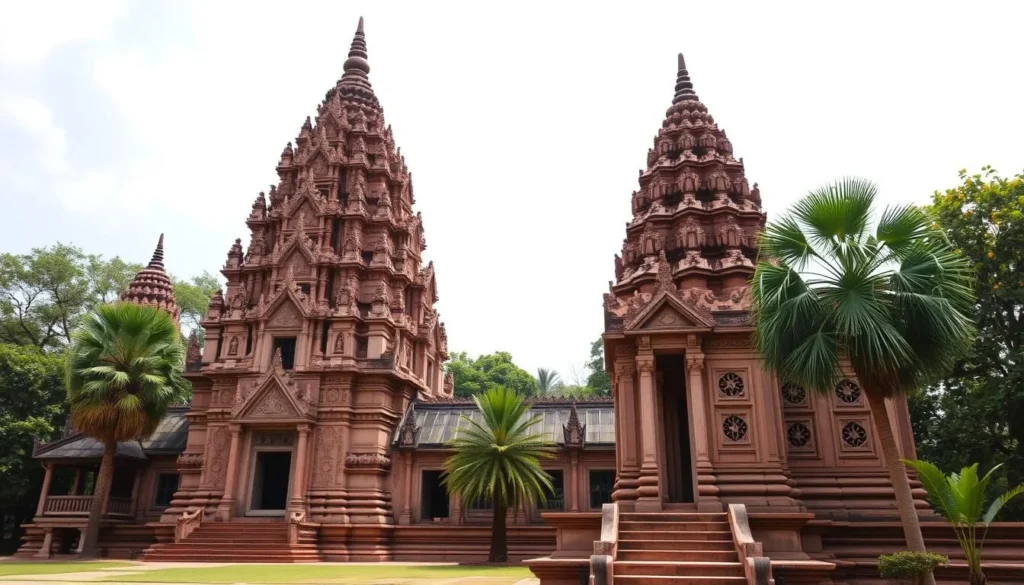
Banteay Srei, meaning ‘citadel of women,’ is renowned for its intricate pink sandstone carvings, considered some of the most delicate and well-preserved in Cambodia. Located about 40 km from Siem Reap, this temple is surrounded by jungle and offers a serene atmosphere.
Koh Ker and Remote Temple Complexes
Koh Ker was once the capital of the Khmer Empire and features a striking seven-tiered pyramid temple that you can climb for panoramic views of the jungle. This remote complex is a great place to visit if you’re looking for an off-the-beaten-path experience.
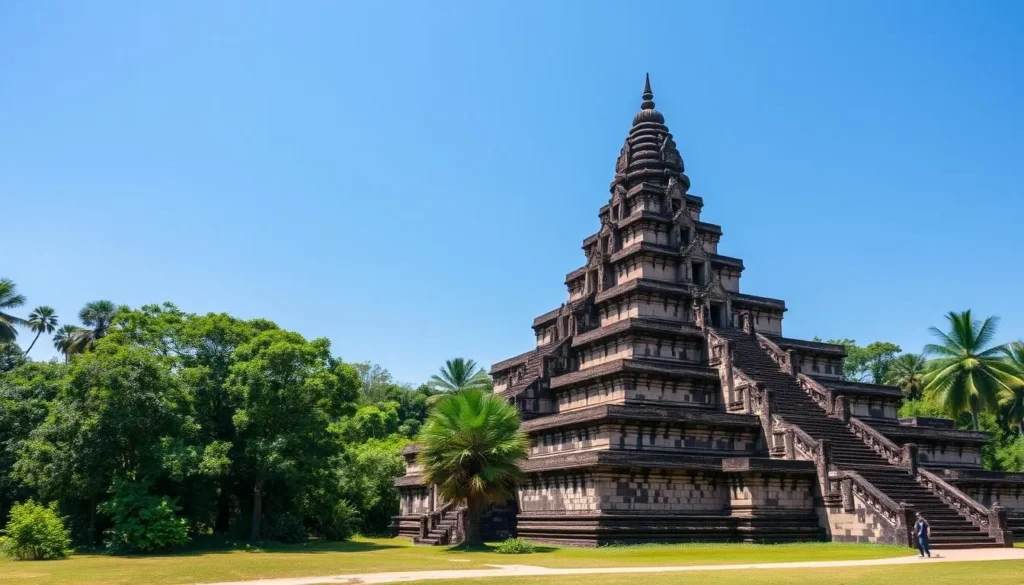
Sambor Prei Kuk: Pre-Angkorian Ruins
Sambor Prei Kuk is a pre-Angkorian temple complex located in Kampong Thom Province, Cambodia. Designated as a UNESCO World Heritage Site in 2017, it features octagonal temples dating back to the 7th century, surrounded by ancient trees.
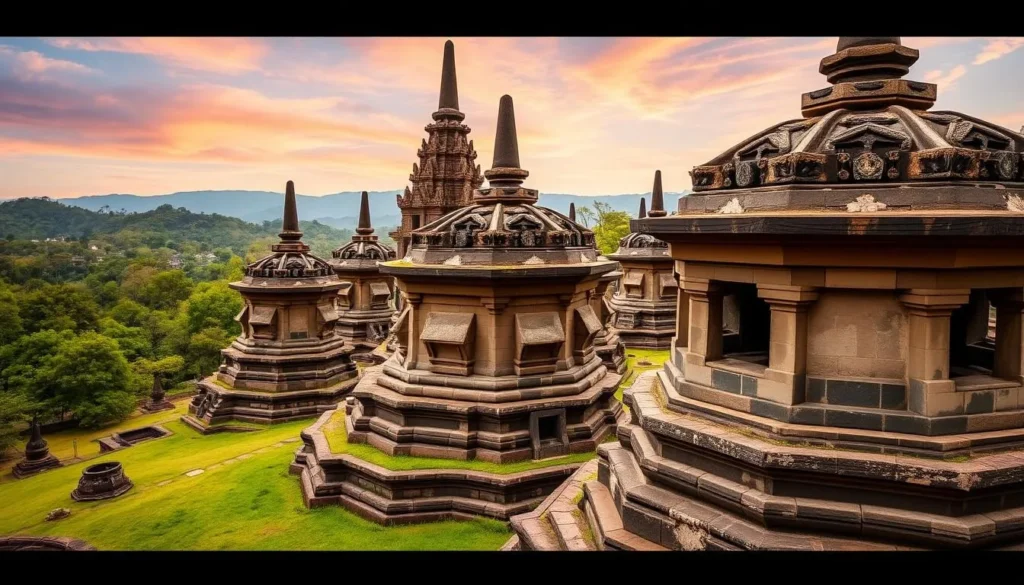
These hidden temples provide a more intimate experience, allowing you to appreciate the architectural details without the crowds. Consider arranging a specialized tour that combines these remote temples with visits to local villages to gain a deeper understanding of rural Cambodian life.
Unique Experiences in Rural Cambodia
Venture beyond the temples and cities to discover the authentic charm of rural Cambodia. Here, you can immerse yourself in traditional lifestyles and experience the natural beauty of the countryside.
Kompong Phluk Floating Village
Explore the ‘floating villages’ of Tonle Sap, the largest freshwater lake in Southeast Asia. You’ll witness communities living in houses built on stilts that appear to float during the wet season. Take a boat tour through the village to see daily life unfolding on the water, from floating schools to markets where locals conduct business entirely by boat.

Battambang and the Bamboo Train
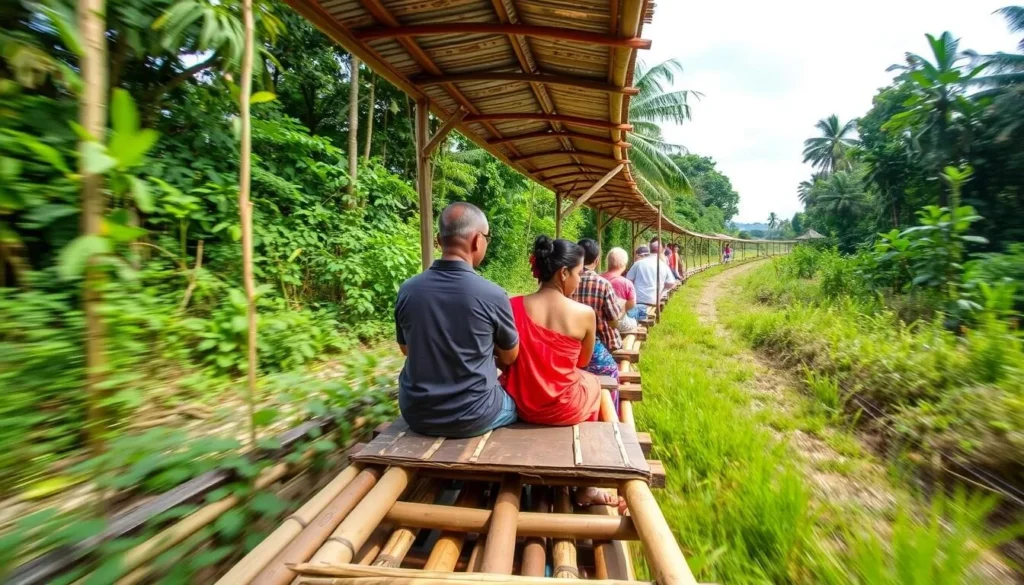
Visit Battambang, a former French colonial town on the Sangker River, and experience the famous bamboo train (nori), a unique transportation method where bamboo platforms mounted on train axles zip along abandoned railway tracks through beautiful countryside. This is a great way to see the rural landscape and understand local life.
Elephant Valley Project in Mondulkiri
In the lush hills of Mondulkiri, the Elephant Valley Project offers a responsible wildlife experience where you can observe rescued elephants roaming freely in their natural habitat. This project not only allows you to see these majestic animals up close but also supports their conservation and welfare.
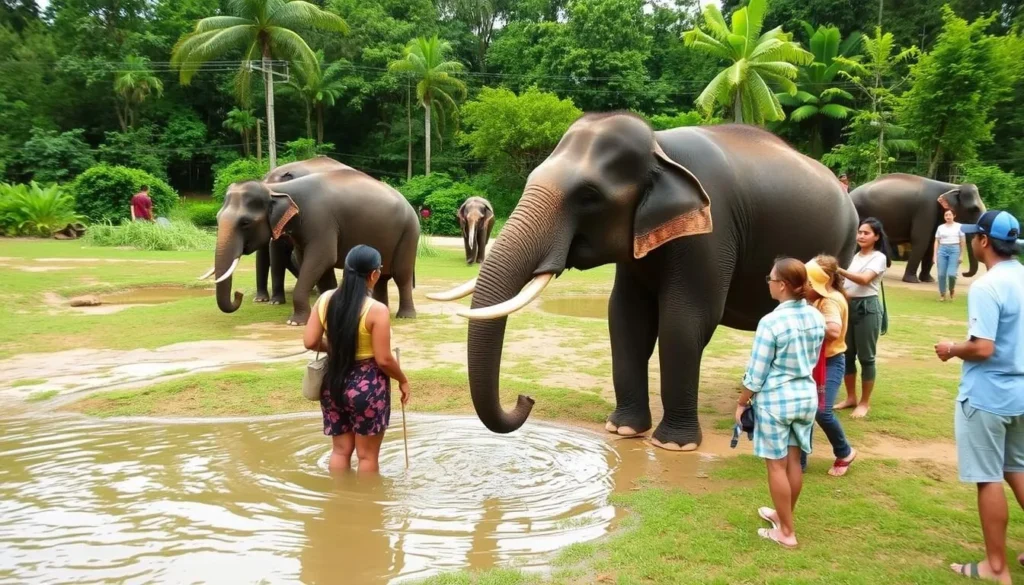
These unique experiences in rural Cambodia provide a deeper understanding of the local culture and a chance to connect with the people and their traditional ways of life. By venturing into these less-visited places, you’ll gain authentic adventures that showcase Cambodia’s diversity beyond the famous temples and cities.
Cambodia’s Coastal Getaways
After exploring ancient temples, relax in Kep, a charming coastal haven. This former French colonial retreat offers a tranquil atmosphere, fresh seafood, and white-sand beaches on Rabbit Island.
Kep and Kampot: Riverside Charm
Kep is famous for its fresh crab market, where waterfront restaurants prepare the day’s catch right before your eyes. Nearby Kampot enchants visitors with its riverside setting, French colonial architecture, and proximity to Bokor National Park.
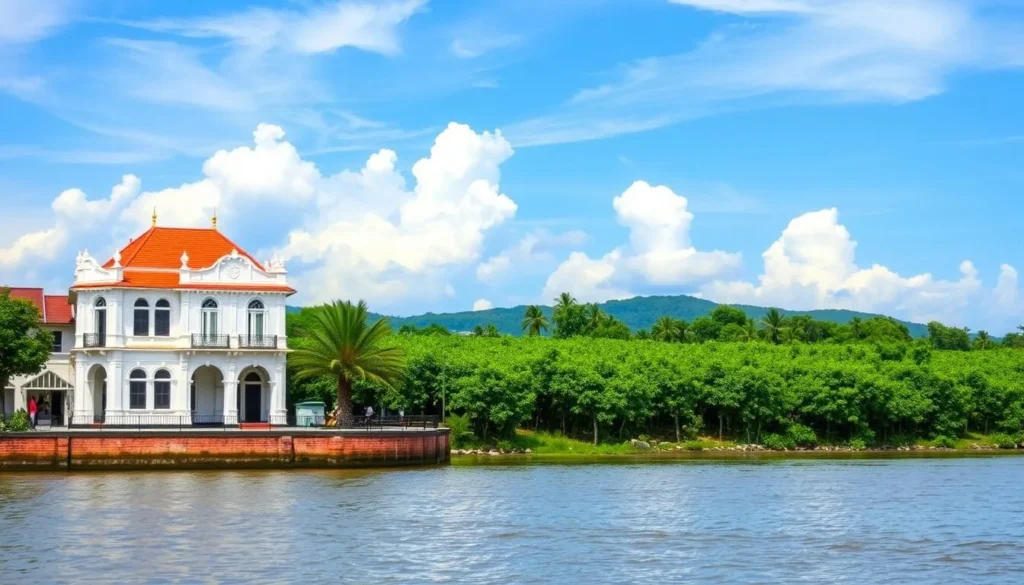
Kampot is also renowned for producing the world’s finest pepper, adding to its charm. You’ll enjoy the sleepy charm of Kep and the riverside allure of Kampot, making for a perfect coastal getaway.
Island Paradise: Koh Rong and Koh Rong Samloem
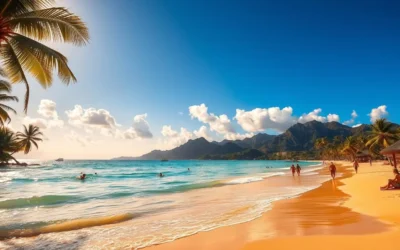
For a true island paradise experience, visit Koh Rong, known for its powdery white sand beaches, crystal-clear waters perfect for snorkeling, and vibrant beach bars that light up the night.
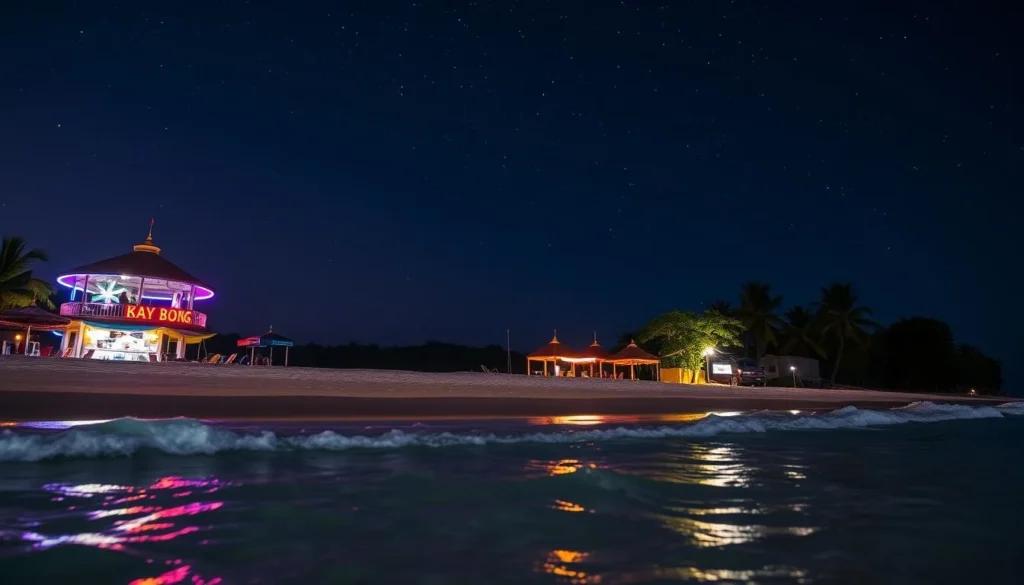
Koh Rong Samloem offers a more tranquil alternative, where you can disconnect in beachfront bungalows, swim in bioluminescent waters after dark, and enjoy pristine beaches with few other visitors.
These coastal destinations showcase a different side of Cambodia, proving that the country offers much more than just temple experiences. You’ll discover Cambodia’s lesser-known coastal treasures, offering a perfect relaxing conclusion to your adventure.
Conclusion: Planning Your Perfect Cambodia Adventure
As you prepare for your Cambodia adventure, consider the diverse experiences this Southeast Asian country has to offer. To make the most of your trip, allocate at least 7-10 days to explore the perfect balance of temple visits, historical sites, and beach relaxation.
Make sure to divide your time between major destinations: spend 2-3 days in Phnom Penh, 3-4 days in Siem Reap to explore Angkor Wat and surrounding temples, and 2-3 days at the coast or islands. Visiting during the dry season (November to March) is recommended for comfortable temple exploration.
Your Cambodia trip will be enriched by engaging with locals, sampling authentic Khmer food, and understanding the country’s complex history. Whether you’re a budget traveler or luxury seeker, Cambodia offers various accommodations, dining, and transportation options. As you plan, remember that the country’s greatest treasures lie not just in its world-famous temples but also in the resilience and warmth of its people.
The above is subject to change.
Check back often to TRAVEL.COM for the latest travel tips and deals.
0 Comments