

Did you know that Kaziranga National Park is home to two-thirds of the world’s population of the endangered one-horned rhinoceros? This UNESCO World Heritage Site in Assam, India, protects over 2,600 rhinos – a conservation success story that has brought this prehistoric-looking creature back from the brink of extinction. Beyond its famous rhinos, Kaziranga offers an extraordinary wildlife experience with wild elephants, tigers, and hundreds of bird species thriving in its grasslands, wetlands, and forests.
Getting There & Planning Your Journey
Reaching Kaziranga National Park requires some planning, but the journey is part of the adventure. The park is located in Assam’s Golaghat and Nagaon districts, approximately 217 km (135 miles) from Guwahati, the state’s largest city.
Closest Airports
You have two main airport options when flying to Kaziranga:
- Guwahati Airport (Lokpriya Gopinath Bordoloi International Airport) – The most convenient option with regular flights from major Indian cities like Delhi, Mumbai, Kolkata, and Bangalore. From here, it’s a 4-5 hour drive to Kaziranga.
- Jorhat Airport (Rowriah Airport) – A smaller regional airport located about 97 km (60 miles) from Kaziranga. Limited flight options are available, primarily from Kolkata and Guwahati.
Ground Transportation
Once you’ve arrived at either airport, you have several options to reach Kaziranga:
- Private Car/Taxi – The most comfortable option, costing approximately ₹4,000-6,000 from Guwahati or ₹2,500-3,500 from Jorhat. Most hotels can arrange this service for you.
- Bus – Regular ASTC (Assam State Transport Corporation) buses run from Guwahati to Kaziranga, taking 4-6 hours and costing ₹350-750 depending on the bus type. From Jorhat, buses take about 2-3 hours.
For the most hassle-free experience, arrange your transportation through your accommodation. This ensures you’ll have a reliable driver who knows the route and can help with any language barriers.

Best Time to Visit & Weather Tips
Timing your visit to Kaziranga is crucial, as the park is only open seasonally and weather conditions significantly impact your experience.
Recommended Months
- November to February (Ideal) – The winter months offer pleasant temperatures between 15-25°C (59-77°F) with minimal rainfall. Wildlife is most active and visible as animals gather around water bodies. The grasslands are shorter after the monsoon, making wildlife spotting easier.
- March to April (Good) – Early spring brings warmer temperatures of 20-30°C (68-86°F). The park remains lush, and it’s an excellent time for birdwatching. This is also when the Bihu festival may occur, adding cultural experiences to your trip.
- October (Acceptable) – The park typically reopens in October after the monsoon. While some areas may still be waterlogged, you’ll encounter fewer tourists and possibly see fresh vegetation.
Months to Avoid
- May to September – The park is officially closed during these months due to the monsoon season. Heavy rains cause the Brahmaputra River to flood large portions of the park, making it inaccessible and unsafe.
If you’re specifically interested in photography, the early morning mist during November-December creates magical conditions, especially for sunrise safaris. Pack layers regardless of when you visit, as early mornings can be chilly even in warmer months.

Getting Around Locally
Kaziranga National Park is divided into four ranges (Western/Bagori, Central/Kohora, Eastern/Agaratoli, and Burapahar), each offering different landscapes and wildlife viewing opportunities. Understanding your transportation options is essential for maximizing your experience.
Within the Park
There are two primary ways to explore Kaziranga’s interior:
- Jeep Safaris – The most popular and flexible option. Jeeps accommodate 4-6 people and allow you to cover more ground. They operate in two daily shifts: morning (7:30-9:30 AM) and afternoon (2:00-3:30 PM). Prices range from ₹2,200-3,200 depending on the range, plus jeep rental costs.
- Elephant Safaris – Available only in the early morning (5:30-6:30 AM) at the Kohora and Bagori ranges. These provide a unique perspective and can venture into areas inaccessible to vehicles. Advance booking is essential, especially for foreign tourists.
Around the Park Periphery
For traveling between your accommodation and the park entrances, or exploring nearby attractions:
- Private Vehicle/Taxi – If you’ve hired a car for your entire trip, you can use it to move between ranges and nearby attractions. Most hotels can arrange day taxis for approximately ₹2,000-3,000.
- Auto-rickshaws – Available for short distances around Kohora village, typically charging ₹100-300 depending on distance.
- Hotel Transfers – Many accommodations offer complimentary transfers to safari starting points.
The Central/Kohora range has the most facilities and is where most tourists stay. If you’re planning to visit multiple ranges (recommended for a comprehensive experience), having a dedicated vehicle makes logistics much easier.

Where to Stay
Kaziranga offers a range of accommodation options to suit different budgets and preferences. Most properties are concentrated around the Kohora area, which provides convenient access to the Central Range of the park.
Luxury Options
- Diphlu River Lodge – Offering cottage-style accommodations with traditional Assamese architecture and modern amenities. Their raised cottages provide excellent views, and the property is known for exceptional service and gourmet dining.
- Borgos Resort – A sprawling property with well-appointed rooms, multiple restaurants, a swimming pool, and spa facilities. Located very close to the Kohora range entrance, making it extremely convenient for early morning safaris.
- Iora – The Retreat – Features modern rooms, multiple dining options specializing in Assamese cuisine, a pool, and spa. About 10-15 minutes from the park entrance.
Mid-Range Options
- Wild Grass Lodge – A charming heritage property with a rustic feel, surrounded by gardens. Known for its knowledgeable guides and authentic local food.
- Infinity Resort – Offers comfortable cottages, helpful staff, and good dining options at reasonable rates.
- Bonhabi Resort – Clean, comfortable rooms with good food and excellent service, located conveniently near the park entrance.
Budget Options
- Florican Cottages – Simple but clean accommodations with friendly service and home-cooked meals.
- Wildernest – Basic but comfortable rooms with all essential amenities and helpful staff who can arrange safaris.
- Homestays – Several local families offer authentic homestay experiences, providing insight into Assamese culture along with simple accommodations.
For the best experience, book your accommodation well in advance, especially if visiting during peak season (December-February). Most properties can arrange safari bookings, which saves you considerable hassle and often ensures better guides.

Dining & Local Cuisine
Exploring Assamese cuisine is an essential part of the Kaziranga experience. The region offers unique flavors that blend influences from Southeast Asia with traditional Indian cooking techniques.
Local Specialties to Try
- Assamese Thali – A complete meal served on a traditional brass plate, featuring rice, dal, vegetables, fish, and meat dishes, along with chutneys and pickles.
- Masor Tenga – A tangy fish curry made with tomatoes or kokum fruit, considered an Assamese staple.
- Khar – A unique alkaline preparation made from the ashes of banana peels, typically served with papaya or pulses.
- Pitha – Rice cakes with various fillings, often served during Bihu festivals.
- Duck Meat Curry – A specialty of the region, often prepared with ash gourd or bamboo shoots.
- Bamboo Shoot Dishes – Fresh or fermented bamboo shoots feature prominently in local cooking.
Where to Eat
Most visitors dine at their accommodations, as standalone restaurants are limited in the area. However, there are some noteworthy options:
- Resort Restaurants – Diphlu River Lodge, Borgos, and Iora offer excellent Assamese cuisine alongside continental options.
- Pelican Restaurant – Located near the Kohora range, serving good local food and some Chinese dishes.
- Kaziranga Dhaba – A simple roadside eatery offering authentic local flavors at budget-friendly prices.
- Tea Garden Cafés – Several nearby tea estates have cafés where you can sample fresh Assam tea and light snacks.
For an authentic experience, ask your accommodation about arranging a traditional Assamese meal. Many places offer this with advance notice, providing a wonderful introduction to local culinary traditions. Vegetarians will find plenty of options, as traditional Assamese cuisine includes many plant-based dishes.

Attractions, Sightseeing & Activities
While the wildlife safaris are undoubtedly the highlight of any visit to Kaziranga, the area offers several other attractions worth exploring.
Wildlife Safaris
The park’s four ranges each offer unique experiences:
- Central/Kohora Range – The most popular and accessible range, offering excellent rhino sightings and good infrastructure. Best for first-time visitors.
- Western/Bagori Range – Known for high rhino density and good elephant sightings. The landscape includes beautiful wetlands and grasslands.
- Eastern/Agaratoli Range – Less crowded with excellent birdwatching opportunities, especially around Sohola Lake. Good for spotting water buffalo and deer species.
- Burapahar Range – The most forested section, offering a chance to see different wildlife including hoolock gibbons and various bird species. Walking treks are permitted here.
Other Attractions
- Kaziranga National Orchid Park – Located near the Central Range, this botanical garden showcases hundreds of orchid species native to Northeast India. The park also includes cultural exhibits about Assamese life and regular cultural performances.
- Tea Gardens – Assam is famous for its tea, and several estates near Kaziranga offer tours where you can learn about tea production and sample fresh brews.
- Kakochang Waterfall – A scenic waterfall located about 13 km from Kohora, offering a refreshing break from safari activities.
- Brahmaputra River Cruise – Several operators offer boat trips on the mighty Brahmaputra, where you might spot the endangered Gangetic dolphin.
For the most rewarding wildlife experience, plan at least 2-3 safaris across different ranges and time slots. Morning safaris typically offer better wildlife sightings, while afternoon drives provide beautiful lighting for photography.

Museums, Cultural Spots & Festivals
Kaziranga offers more than just wildlife – it’s also a gateway to Assamese culture and traditions that have thrived alongside the natural landscape for centuries.
Cultural Attractions
- Cultural Museum at Orchid Park – Features exhibits on traditional Assamese life, including artifacts, tools, and household items that showcase the region’s heritage.
- Tribal Villages – Several indigenous communities live around Kaziranga, including the Mising and Karbi tribes. Some villages welcome visitors, offering insight into their unique customs and crafts.
- Biswanath Ghat – A historic riverside area about 40 km from Kaziranga, known for its temples and cultural significance.
- Handloom Centers – The region is known for its distinctive textiles. Visit local weaving centers to see traditional Assamese silk (muga, eri, and pat) being crafted into beautiful fabrics.
Festivals
If your visit coincides with local festivals, you’re in for a special treat:
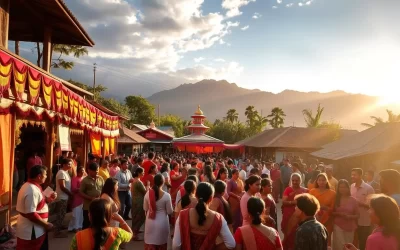
- Bohag Bihu (April) – The Assamese New Year celebration featuring traditional dance, music, and feasting. This is perhaps the most vibrant time to experience local culture.
- Magh Bihu (January) – The harvest festival with community feasts, bonfires, and traditional games.
- Kaziranga Elephant Festival (February) – A conservation-focused event celebrating the relationship between elephants and local communities.
- Tea Festival (November/December) – Celebrating Assam’s tea heritage with cultural programs and tea-tasting events.
Cultural Performances
Several resorts and the Orchid Park offer regular cultural performances featuring:
- Bihu Dance – The energetic traditional dance of Assam, performed to the rhythm of the dhol (drum).
- Jhumur Dance – A traditional tea tribe dance with colorful costumes.
- Borgeet – Classical devotional music composed by the 15th-century saint Srimanta Sankardeva.
Ask your accommodation about arranging visits to local villages or cultural performances. Many can organize authentic experiences with local communities that provide deeper insight into Assamese traditions.

Sports, Nature & Outdoor Experiences
Beyond the standard jeep and elephant safaris, Kaziranga and its surroundings offer several outdoor activities for nature enthusiasts.
Nature Walks and Trekking
- Panbari Reserve Forest – A 5 km guided trek through this forest adjacent to Kaziranga offers chances to spot hoolock gibbons, various birds, and butterflies. The trek costs approximately ₹2,050 and requires advance permission.
- Kukurakata Reserve Forest – An 11 km trek through varied terrain, culminating at Baneswar Temple with panoramic views of the surrounding floodplains. The trek costs around ₹2,900.
Birdwatching
Kaziranga is a paradise for birders with over 450 species recorded:
- Sohola Lake (Eastern Range) – Excellent for waterfowl, including bar-headed geese, spot-billed pelicans, and various ducks.
- Burapahar Range – Good for forest birds including hornbills, barbets, and woodpeckers.
- Grasslands – Home to rare species like Bengal florican, swamp francolin, and various raptors.
River Activities
- Dolphin Spotting at Bhumuraguri – Located about 65 km from Kaziranga, this spot on the Brahmaputra River offers boat trips to observe endangered Gangetic dolphins. Best time is early morning between 9-11 AM.
- Brahmaputra Sunset Cruises – Several operators offer evening boat rides with beautiful views of the river landscape.
Cycling
The areas surrounding Kaziranga, particularly the tea estates and rural villages, can be explored by bicycle. Some accommodations offer bicycle rentals, providing an eco-friendly way to experience the local landscape and culture.
For any outdoor activities, especially those involving water, ensure you have appropriate gear and follow safety guidelines. The region’s weather can change quickly, so check conditions before setting out.

Safety, Etiquette & Local Customs
Understanding safety considerations and respecting local customs will enhance your Kaziranga experience while ensuring you’re a responsible visitor.
Wildlife Safety
- Always follow guide instructions during safaris. They understand animal behavior and park regulations.
- Maintain silence during wildlife viewing to avoid disturbing animals.
- Never exit your vehicle except at designated observation towers.
- Keep a safe distance from all wildlife, even seemingly docile species.
- Wear neutral-colored clothing (browns, greens, tans) to blend with the environment.
General Safety
- Carry insect repellent to protect against mosquitoes, especially during dawn and dusk.
- Stay hydrated but remember that plastic bottles are prohibited inside the park. Bring a reusable metal or glass bottle.
- Protect against sun exposure with sunscreen, hats, and sunglasses.
- Carry basic medications as medical facilities are limited in the area.
- Keep emergency contacts handy, including your hotel and local authorities.
Local Etiquette
- Dress modestly when visiting villages or cultural sites. Shoulders and knees should be covered.
- Ask permission before photographing local people, especially in tribal villages.
- Remove shoes when entering homes, temples, or certain cultural establishments.
- Greet locals with “Nomoskar” (hello in Assamese) as a sign of respect.
- Accept food or tea when offered in homes as refusing can be considered impolite.
Environmental Responsibility
- No littering – Carry all waste with you until proper disposal is possible.
- No plastic – The park strictly prohibits single-use plastics.
- No loud noises – Keep voices down and silence electronic devices during safaris.
- No feeding wildlife – This disrupts natural behaviors and can harm animals.
- Support conservation by respecting all park rules and regulations.
Kaziranga’s conservation success depends on responsible tourism. By following these guidelines, you contribute to the protection of this unique ecosystem while gaining a deeper appreciation for both the natural environment and local culture.

Visitor Comments About Kaziranga
“Seeing my first wild rhino at Kaziranga was a moment I’ll never forget. We spotted over 15 rhinos during our three safaris! The guides were incredibly knowledgeable, and staying at a resort near the park entrance made early morning safaris much easier. Don’t miss the Orchid Park – it’s a hidden gem with beautiful flowers and cultural displays.”
“Kaziranga exceeded all expectations. The landscape is breathtaking – misty mornings with rhinos grazing in golden grasslands. We did both jeep and elephant safaris, and while I had ethical concerns about the latter, the elephants seemed well-treated and it offered a unique perspective. The local Assamese food was a delightful surprise – don’t leave without trying a traditional thali meal!”
“As a wildlife photographer, Kaziranga offered incredible opportunities. The Central Range provided excellent rhino sightings, while the Eastern Range was perfect for birds. November weather was ideal – cool mornings and comfortable days. The local people were exceptionally welcoming, and experiencing the tea culture added another dimension to our wildlife adventure.”
Practical Travel Tips
Essential Packing
- Reusable water bottle (metal or glass) – Plastic bottles are prohibited in the park.
- Neutral-colored clothing in layers – Mornings can be cool, while afternoons warm up.
- Good binoculars – Essential for spotting distant wildlife and birds.
- Camera with zoom lens – A 300mm lens minimum is recommended for wildlife photography.
- Hat, sunglasses, and sunscreen – Protection from the tropical sun is essential.
- Insect repellent – Particularly important during dawn and dusk safari times.
- Light scarf or buff – Useful for dust protection during jeep safaris.
- Comfortable walking shoes – For nature walks and exploring villages.
Practical Advice
- Book safaris in advance – Especially during peak season (December-February).
- Carry sufficient cash – ATMs are limited in the area, and many places don’t accept cards.
- Purchase a local SIM card in Guwahati if your international phone doesn’t have service.
- Learn a few basic Assamese phrases – This will be appreciated by locals.
- Respect camera fees – There’s an additional charge for bringing cameras into the park.
- Plan for early mornings – The best wildlife viewing is at dawn, often requiring 5 AM wake-ups.
- Allow 2-3 days minimum – This gives you time for multiple safaris across different ranges.
Photography Tips
- Bring extra batteries and memory cards – Charging opportunities may be limited.
- Use a bean bag or similar support for stability in moving jeeps.
- Consider the light direction when booking morning vs. afternoon safaris.
- Be patient – Wildlife photography requires time and persistence.
- Respect animal space – Never ask guides to get closer for a better shot.
With proper planning and these practical tips, your Kaziranga adventure will be both rewarding and hassle-free, allowing you to focus on the extraordinary wildlife and cultural experiences this unique destination offers.

Your Kaziranga Adventure Awaits
Kaziranga National Park represents one of India’s greatest conservation success stories, where ancient creatures like the one-horned rhinoceros continue to thrive in their natural habitat. Beyond the incredible wildlife encounters, a visit here offers a window into Assam’s rich cultural tapestry, from its distinctive cuisine to its vibrant traditions. Whether you’re watching rhinos graze in misty morning light, sampling fresh tea at a historic plantation, or experiencing the rhythmic energy of a Bihu dance, Kaziranga creates memories that will stay with you long after you’ve returned home. As you plan your journey to this remarkable corner of Northeast India, remember that the true magic of Kaziranga lies not just in checking off wildlife sightings, but in slowing down to absorb the unique harmony between nature and culture that defines this special place.
The above is subject to change.
Check back often to TRAVEL.COM for the latest travel tips and deals.


0 Comments