Hotels by Trip.com
Flights by Trip.com
Did you know that Aurangabad houses not one but two UNESCO World Heritage Sites within a 100 km radius? This historic city, once the capital of the Mughal Empire in the Deccan region, offers an extraordinary blend of Buddhist, Hindu, Jain, and Islamic architectural marvels spanning over 2,000 years. Often overlooked in favor of India’s more famous destinations, Aurangabad rewards visitors with fewer crowds and some of the subcontinent’s most awe-inspiring historical treasures.
Getting There & Planning Your Journey
Aurangabad is well-connected to major Indian cities through various transportation options. The city has its own domestic airport, Chhatrapati Sambhaji Maharaj Airport (IXU), which offers direct flights from Mumbai, Delhi, Hyderabad, and Bangalore. The flight from Mumbai takes approximately 50 minutes, making it a convenient weekend getaway.
For those who prefer train travel, Aurangabad Railway Station is connected to major cities like Mumbai, Delhi, and Hyderabad. The journey from Mumbai takes about 6-7 hours by train. Alternatively, state and private buses operate regular services to Aurangabad from nearby cities.
When planning your journey, consider allocating at least 3-4 days to fully explore Aurangabad and its surrounding attractions. The city’s rich historical significance deserves more than a rushed visit, especially if you want to properly experience both the Ajanta and Ellora Caves.
Best Time to Visit & Weather Tips
Recommended Months to Visit
The best time to visit Aurangabad is from October to March when the weather is pleasant and ideal for sightseeing. During these months, temperatures range from 10°C to 30°C (50°F to 86°F), making it comfortable to explore the outdoor attractions like the caves and forts.
Months to Avoid
It’s advisable to avoid visiting during the summer months (April to June) when temperatures can soar up to 40°C (104°F), making outdoor exploration uncomfortable. The monsoon season (July to September) brings moderate to heavy rainfall, which can make the terrain slippery at sites like Ellora and Daulatabad Fort.
If you’re specifically interested in photography, the winter months (November to February) offer the best lighting conditions for capturing the intricate details of the cave carvings. Early mornings and late afternoons provide the most flattering light for photography at both Ajanta and Ellora Caves.
Getting Around Locally

Navigating Aurangabad is relatively straightforward with several transportation options available to tourists:
- Auto-rickshaws are the most common mode of transport within the city. Always negotiate the fare before starting your journey or insist on using the meter.
- Taxis are available for hire and are a comfortable option for day trips to Ajanta Caves or other distant attractions. Many hotels can arrange taxi services for you.
- Local buses operated by MSRTC (Maharashtra State Road Transport Corporation) connect various parts of the city, though they might be crowded during peak hours.
- For visiting Ellora Caves (30 km from city center) or Ajanta Caves (100 km from city center), hiring a car with a driver for the day is the most convenient option.
- Some tourists opt to rent motorcycles or scooters for greater flexibility, though this requires familiarity with Indian traffic conditions.
For the most hassle-free experience, especially when visiting the caves, consider hiring a local guide who can provide transportation along with valuable historical context. Many guides are certified by the Archaeological Survey of India and offer comprehensive knowledge about the sites.
Where to Stay
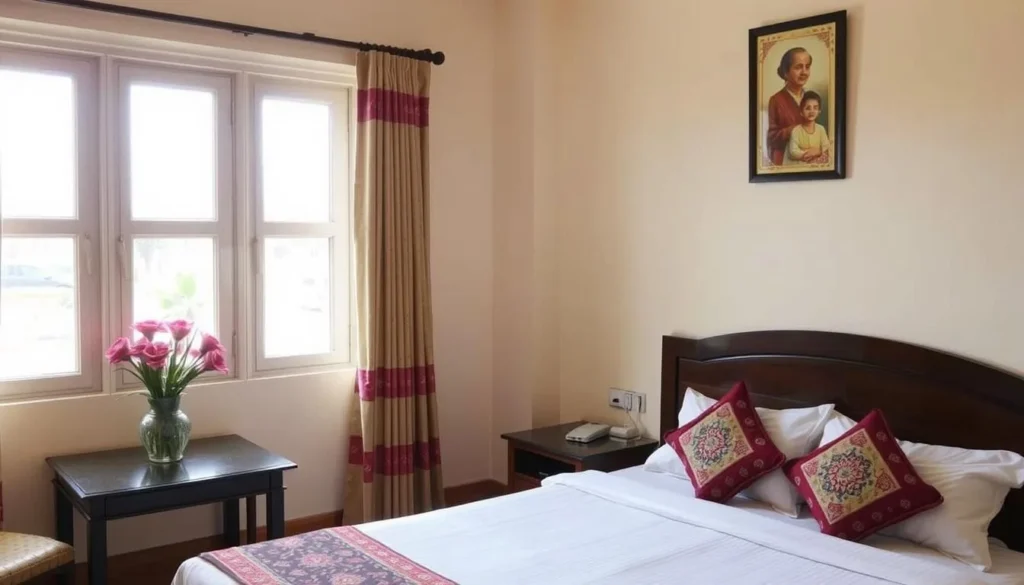
Aurangabad offers a range of accommodation options to suit various budgets and preferences:
Luxury Options
For travelers seeking premium accommodations, the Vivanta by Taj Aurangabad and WelcomHotel Rama International offer excellent amenities, including swimming pools, spa services, and fine dining restaurants. These properties are located in peaceful settings while still being accessible to the main attractions.
Mid-Range Hotels
Several good mid-range options include Lemon Tree Hotel, VITS Hotel, and Ginger Hotel. These properties offer comfortable rooms, reliable service, and convenient locations at reasonable prices, typically ranging from ₹2,500 to ₹4,000 (approximately $30-50) per night.
Budget Accommodations
Budget travelers can consider Hotel Panchavati, Hotel Kailas, or Zostel Aurangabad (a backpacker hostel). These places offer clean, basic accommodations starting from around ₹800 to ₹1,500 ($10-20) per night.
Check 30,000+ Local Sightseeing Tours Worldwide
✓ Numerous languages and currencies are available
For location, staying in the central areas like Nirala Bazar, Osmanpura, or near the railway station provides good access to local restaurants and transportation options. If you prefer a quieter setting, accommodations near CIDCO or Jalna Road offer a more peaceful environment while still being within a reasonable distance from the main attractions.
Dining & Local Cuisine

Aurangabad’s cuisine reflects its diverse cultural heritage, offering a blend of Maharashtrian, Mughlai, and Hyderabadi flavors. Here are some must-try local specialties:
Local Delicacies
- Naan Khaliya: A signature Aurangabad dish consisting of tender mutton in a flavorful gravy served with naan bread.
- Tahri: A spiced rice dish similar to biryani but with distinct local flavors.
- Aurangabadi Kadhi: A yogurt-based curry with unique local spices.
- Paan: Don’t miss trying the famous Aurangabad paan (betel leaf preparation) for a digestive after your meal.
Vegetarian Options
- Puran Poli: Sweet flatbread stuffed with a mixture of jaggery and lentils.
- Thalipeeth: Multi-grain savory pancake served with ghee.
- Moong Bhajiya: Crispy fritters made from green gram, a popular street food.
- Pitla Bhakri: A chickpea flour curry served with millet flatbread.
Recommended Restaurants
For authentic local cuisine, visit Pratham Swayampak Ghar, a women-run kitchen serving traditional Maharashtrian food at affordable prices. Tara Pan Center is famous for its variety of paan. For Mughlai cuisine, try Bhoj Restaurant or Green Leaf. Vegetarians will find excellent options at Purnabramha, which serves traditional thalis.
Don’t miss visiting the street food stalls at Gul Mandi in the evening, where you can sample local snacks like Usman Bhai’s famous Moong Bhajiya for just ₹20 per plate.
Attractions, Sightseeing & Activities

Ellora Caves
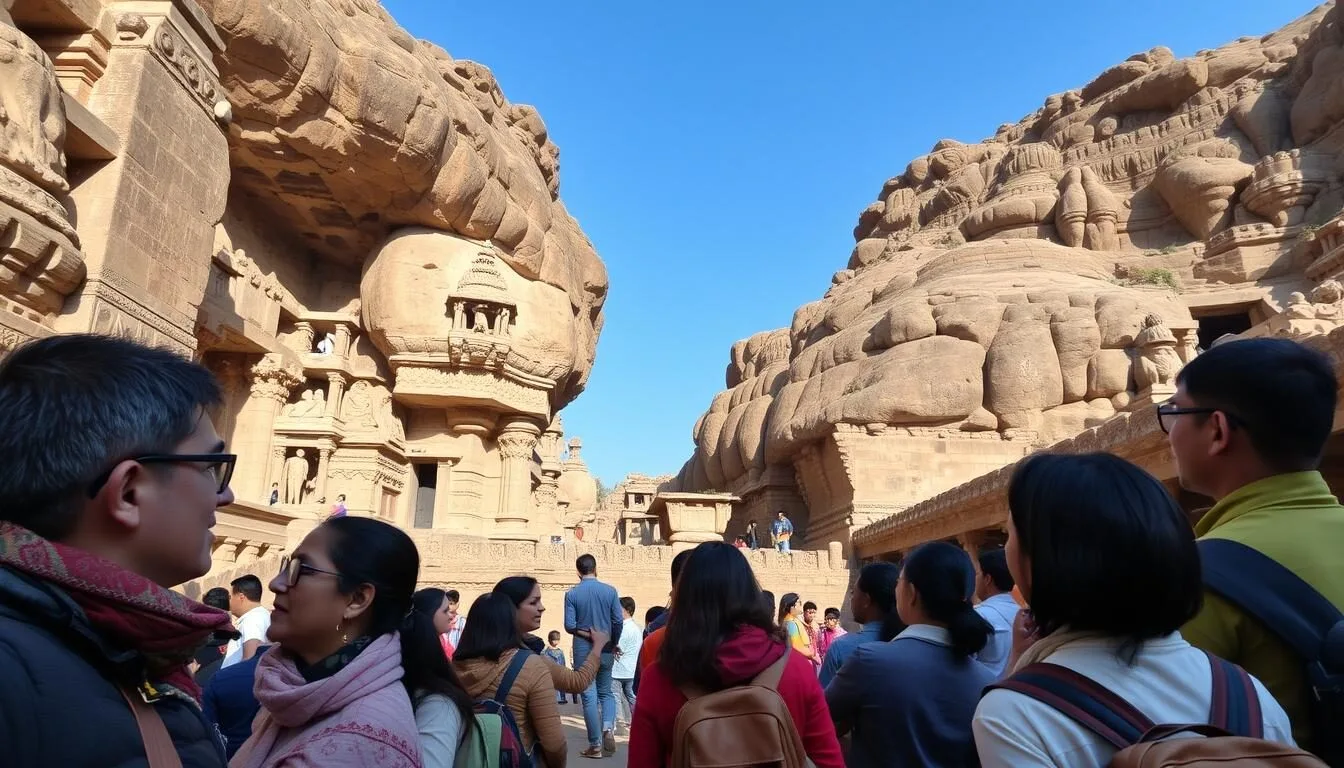
A UNESCO World Heritage Site, Ellora Caves feature 34 rock-cut temples spanning Buddhist, Hindu, and Jain religious monuments dating from 600-1000 CE. The highlight is Cave 16, the magnificent Kailasa Temple, which is the world’s largest monolithic structure carved from a single rock. Plan to spend at least 4-5 hours exploring these caves.
Location: 30 km from Aurangabad city center
Timings: 6 AM to 6 PM (Closed on Tuesdays)
Entry Fee: ₹40 for Indians, ₹600 for foreigners
Ajanta Caves

Another UNESCO World Heritage Site, these 29 Buddhist cave temples date back to the 2nd century BCE to 650 CE. The caves are renowned for their exquisite paintings and sculptures that have survived for over 2,000 years. The murals depicting the Jataka tales (stories of Buddha’s previous lives) are particularly remarkable.
Location: 100 km from Aurangabad city center
Timings: 9 AM to 5 PM (Closed on Mondays)
Entry Fee: ₹40 for Indians, ₹600 for foreigners
Bibi Ka Maqbara

Often called the “Taj of the Deccan,” this mausoleum was built by Aurangzeb’s son Azam Shah in memory of his mother, Dilras Banu Begum. While smaller than the Taj Mahal, it shares similar architectural elements and is particularly beautiful during sunset and when illuminated at night.
Location: 4 km from city center
Timings: 8 AM to 8 PM
Entry Fee: ₹25 for Indians, ₹300 for foreigners
Daulatabad Fort
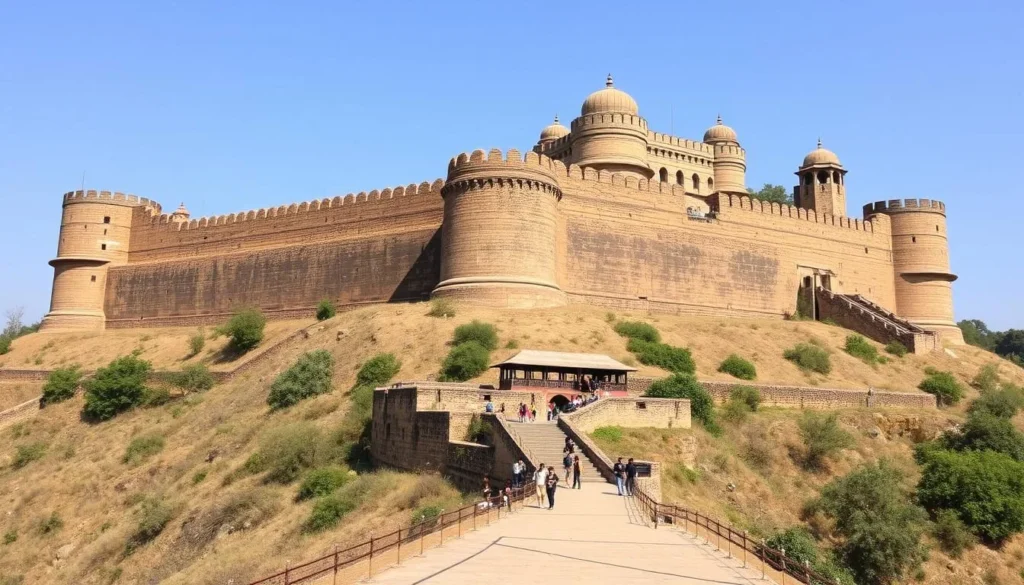
This 12th-century fort is known for its sophisticated defensive design and was once considered unconquerable. The climb to the top offers panoramic views of the surrounding countryside. Don’t miss the Chand Minar (Tower of the Moon), the Chini Mahal (Chinese Palace), and the clever defensive systems including a dark passage designed to confuse invaders.
Location: 16 km from city center
Timings: 9 AM to 6 PM
Entry Fee: ₹25 for Indians, ₹300 for foreigners
Grishneshwar Temple
Located near Ellora Caves, this is one of the 12 Jyotirlinga shrines dedicated to Lord Shiva in India. The temple features beautiful carvings and sculptures dating back to the 18th century and is an important pilgrimage site for Hindus.
Location: 30 km from city center, near Ellora Caves
Timings: 5:30 AM to 9:30 PM
Entry Fee: Free
Museums, Cultural Spots & Festivals

Chhatrapati Shivaji Museum
Dedicated to the legendary Maratha warrior king, this museum houses an impressive collection of artifacts, weapons, and manuscripts. Highlights include a 500-year-old suit of armor, ancient Paithani sarees, and a copy of the Quran written by Emperor Aurangzeb himself.
Location: Near Nehru Bal Udyan
Timings: 10:30 AM to 6 PM
Entry Fee: ₹85 for Indians, ₹300 for foreigners
Soneri Mahal
Also known as the “Golden Palace,” this 17th-century structure now houses a museum with artifacts from the Satavahana dynasty. The palace derives its name from the golden paintings that once adorned its walls.
Location: Near Bibi Ka Maqbara
Timings: 9 AM to 5 PM
Entry Fee: ₹10
Panchakki (Water Mill)
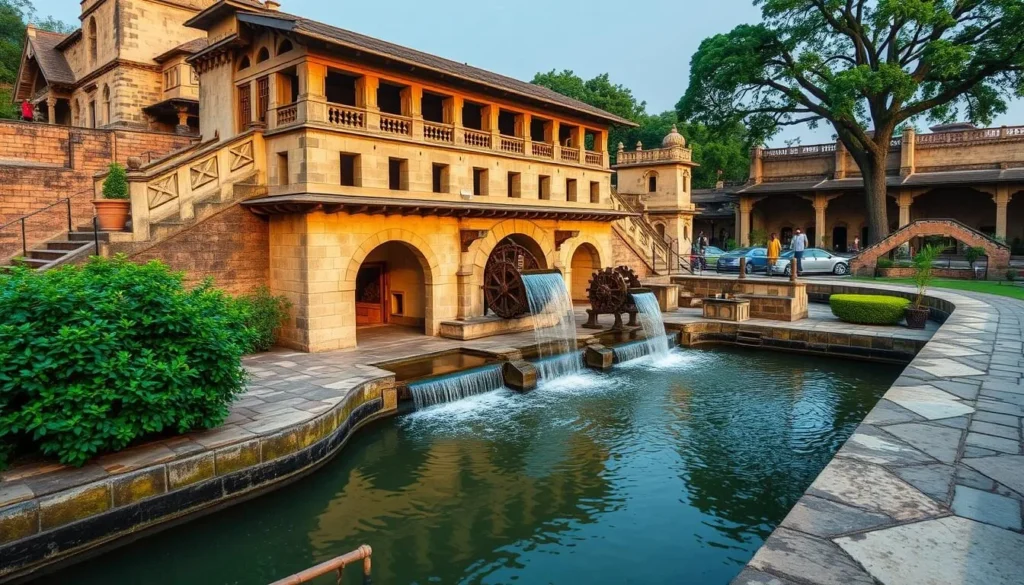
This 17th-century water mill demonstrates the engineering prowess of the medieval period. Powered by an underground water channel that brings water from a spring in a nearby mountain, it was used to grind grain for pilgrims. The complex also includes the tomb of Sufi saint Baba Shah Musafir.
Location: 3 km from city center
Timings: 8 AM to 8 PM
Entry Fee: ₹5
Local Festivals
If your visit coincides with these festivals, don’t miss the opportunity to experience local culture:
- Ellora-Ajanta Festival (November): A cultural extravaganza featuring dance, music, and art performances against the backdrop of the illuminated Ellora Caves.
- Aurangabad Festival (January): Celebrates the city’s rich cultural heritage with performances, food stalls, and handicraft exhibitions.
- Ganesh Chaturthi (August/September): Witness colorful processions and celebrations honoring Lord Ganesha.
Sports, Nature & Outdoor Experiences
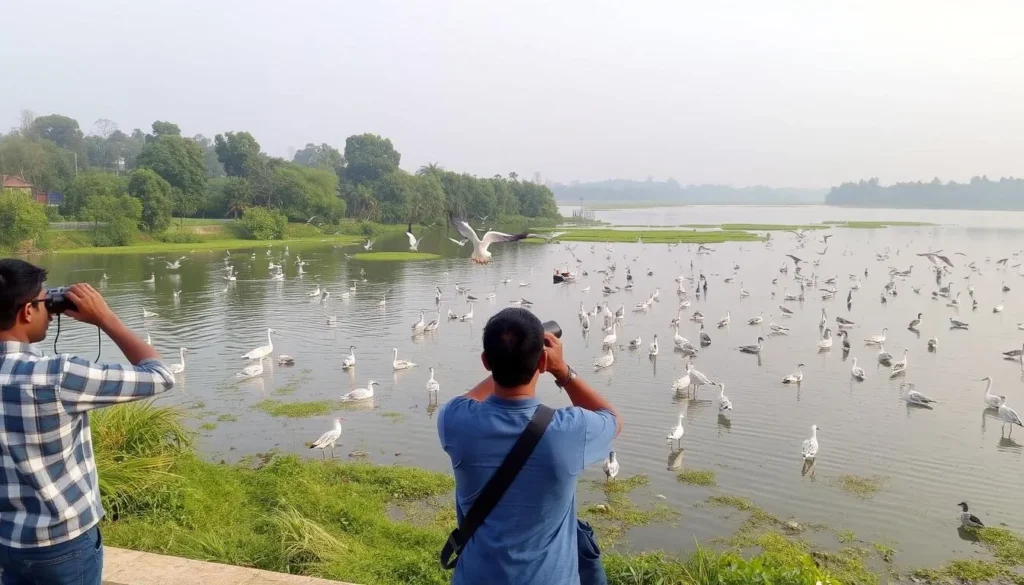
Salim Ali Lake & Bird Sanctuary
Named after the renowned ornithologist Dr. Salim Ali, this lake attracts numerous bird species, making it perfect for birdwatching. Early mornings are ideal for spotting kingfishers, herons, ducks, and occasionally, forest owlets.
Location: 3 km from city center
Timings: 7 AM to 6 PM
Entry Fee: Free
Goga Baba Hill
A popular spot for a short trek, Goga Baba Hill offers panoramic views of Aurangabad city. The 30-minute climb is relatively easy and rewards you with spectacular sunset views and vistas of landmarks like Bibi Ka Maqbara and Daulatabad Fort from above.
Location: 5 km from city center
Best Time: Early morning or late afternoon
Jayakwadi Dam & Bird Sanctuary

One of Asia’s largest earthen dams, Jayakwadi is surrounded by a bird sanctuary that hosts over 200 species of birds. The sanctuary, comprising 30 small islands, is particularly popular during winter when migratory birds arrive.
Location: 44 km from city center
Timings: 10 AM to 6 PM
Best Time to Visit: November to February
H2O Water Park
For a day of fun and relaxation, especially if traveling with family, this water park offers various slides, swimming pools, and recreational activities. It’s a welcome break from historical sightseeing, particularly during warmer months.
Location: On Daulatabad-Ellora Road
Timings: 10 AM to 6 PM
Entry Fee: Starting from ₹250
Safety, Etiquette & Local Customs

Safety Tips
- Aurangabad is generally safe for tourists, but standard precautions apply. Avoid displaying valuable items and be vigilant in crowded areas.
- When visiting caves and forts, wear comfortable, sturdy footwear as there can be uneven surfaces and numerous steps.
- Carry sufficient water, especially when exploring outdoor sites during warmer months.
- Use reputable transportation services, particularly for day trips to Ajanta Caves.
Cultural Etiquette
- Dress modestly when visiting religious sites. For temples and mosques, shoulders and knees should be covered.
- Remove shoes before entering temples and mosques.
- Ask permission before photographing locals, especially in rural areas.
- When visiting homes or small restaurants, it’s customary to wash hands before and after meals.
Local Customs
Aurangabad has a unique blend of Hindu and Muslim traditions. During religious festivals, you might witness processions and celebrations. The city observes both Hindu festivals like Diwali and Ganesh Chaturthi, as well as Muslim observances like Eid and Muharram.
The traditional greeting is “Namaste” with palms pressed together, though many locals also use “Salaam Alaikum” given the city’s Mughal heritage. Learning a few basic phrases in Marathi (the local language) or Hindi can enhance your experience and is appreciated by locals.
Map of Aurangabad
Visitor Comments About Aurangabad
“The Ellora Caves exceeded all my expectations. The Kailasa Temple carved from a single rock is mind-boggling—photos simply don’t do it justice. We hired a guide who explained the historical context, which made the experience so much richer. Don’t rush through this site; it deserves at least half a day.”
“We spent three days in Aurangabad and wished we had planned for more. The contrast between Ajanta’s paintings and Ellora’s sculptures was fascinating. Don’t miss trying the local food at Pratham Swayampak Ghar—their thali was one of the best meals we had in India, and incredibly affordable!”
“Bibi Ka Maqbara at sunset was magical. While smaller than the Taj Mahal, it has its own charm without the crowds. Daulatabad Fort was another highlight—the ingenious defense systems and the views from the top were worth the climb. Aurangabad deserves more recognition as a tourist destination.”
Additional Nearby Destinations

Shirdi
Famous for the shrine of Sai Baba, Shirdi is a major pilgrimage center located about 125 km from Aurangabad. Many devotees combine a visit to Aurangabad with Shirdi.
Travel Time: Approximately 3 hours by road
Lonar Crater Lake
This unique lake was formed by a meteor impact over 50,000 years ago. The saline soda lake measures 1.2 km in diameter and is surrounded by forest that hosts various bird species.
Distance: 150 km from Aurangabad
Travel Time: 3-4 hours by road
Paithan
Known for the exquisite Paithani sarees, this ancient town on the banks of the Godavari River is also home to the Jayakwadi Dam and Bird Sanctuary.
Distance: 56 km from Aurangabad
Travel Time: 1.5 hours by road
Practical Travel Tips

Money Matters
- ATMs are readily available in Aurangabad city, but carry some cash when visiting remote attractions.
- Major hotels and restaurants accept credit cards, but smaller establishments and shops may only accept cash.
- Keep small denominations handy for entrance fees, tips, and small purchases.
Communication
- Local SIM cards are available for purchase with proper identification (passport and visa).
- Most hotels offer Wi-Fi, though connection quality may vary.
- English is widely understood in tourist areas and hotels, though knowing a few basic Hindi or Marathi phrases can be helpful.
Shopping
- Gul Mandi is the largest market in Aurangabad, perfect for souvenirs and local products.
- Paithani sarees and Himroo shawls are renowned local textiles worth purchasing.
- Bidriware (metal handicrafts with silver inlay) makes for excellent souvenirs.
- Bargaining is expected in local markets, but not in fixed-price shops.
Suggested Itineraries
2-Day Itinerary:
- Day 1: Ellora Caves, Grishneshwar Temple, and Daulatabad Fort
- Day 2: Bibi Ka Maqbara, Panchakki, and local markets
3-Day Itinerary:
- Day 1: Ellora Caves and Daulatabad Fort
- Day 2: Full-day trip to Ajanta Caves
- Day 3: Bibi Ka Maqbara, city museums, and shopping
For photography enthusiasts, consider hiring a guide who knows the best lighting conditions and vantage points at the caves. Early morning visits to Ajanta and late afternoon visits to Ellora often provide the best natural lighting for photography.
Unveiling the Hidden Treasures of Aurangabad
Aurangabad stands as a testament to India’s rich and diverse cultural heritage, offering visitors an extraordinary journey through time. From the awe-inspiring rock-cut caves of Ajanta and Ellora to the majestic Daulatabad Fort and the elegant Bibi Ka Maqbara, this city rewards travelers with experiences that rival India’s more famous destinations—but without the overwhelming crowds.
As you plan your visit to this historical gem, remember that Aurangabad isn’t just about checking off UNESCO sites from your list. Take time to savor the local cuisine, interact with the friendly locals, and absorb the unique atmosphere created by centuries of cultural fusion. Whether you’re a history enthusiast, a photography lover, or simply a curious traveler, Aurangabad promises discoveries that will linger in your memory long after you’ve returned home.
Related Posts

Bandhagarh National Park, Madhya Pradesh: Best Things to Do – Top Picks
Bhubaneswar, Odisha: Best Things to Do – Top Picks
Chandigarh, Punjab: Best Things to Do – Top Picks
Puducherry, Puducherry (UT): Best Things to Do – Top Picks
Punjab, India: Best Things to Do – Top Picks