

Hotels by Trip.com
Flights by Trip.com
Did you know that Goa has over 100 kilometers (62 miles) of coastline—more than any other Indian state? This tiny paradise packs endless beaches, Portuguese heritage, and vibrant culture into just 3,702 km² (1,429 sq mi). As India’s smallest state, Goa delivers an outsized experience with its unique blend of Indian and Portuguese influences, creating a destination unlike anywhere else in the country.
Getting There & Planning Your Journey
Most international travelers arrive at Goa International Airport (GOI), also known as Dabolim Airport, located in Vasco da Gama. The airport connects to major Indian cities like Mumbai, Delhi, and Bangalore, as well as international destinations. Direct charter flights from Europe operate during the peak tourist season (October to March).
Alternatively, you can reach Goa by train from major Indian cities via the Konkan Railway, which offers a scenic journey along the western coast. The main railway stations are Madgaon (South Goa) and Thivim (North Goa). For budget travelers, overnight buses from Mumbai, Bangalore, and Pune are also available.
When planning your trip, consider allocating at least 5-7 days to explore both North and South Goa. This gives you enough time to experience the beaches, cultural sites, and natural attractions without rushing.
Best Time to Visit & Weather Tips
Goa experiences three distinct seasons, each offering a different experience:
Peak Season (November to February)
The best time to visit Goa is during the winter months from November to February. The weather is pleasantly cool with temperatures ranging from 21°C to 32°C (70°F to 90°F). This period offers perfect beach weather with clear skies and low humidity. However, this is also the most crowded and expensive time to visit, with peak prices for accommodations and activities.
Shoulder Season (March to May)
March to May marks the summer season with temperatures rising to 25°C to 35°C (77°F to 95°F). While the heat can be intense during midday, this period offers fewer crowds and better deals on accommodations. The sea remains calm, making it suitable for water sports and swimming. Many beach shacks begin closing by late April as they prepare for the monsoon.
Monsoon Season (June to September)
The monsoon transforms Goa into a lush green paradise, but heavy rainfall makes beach activities challenging. Temperatures range from 24°C to 30°C (75°F to 86°F) with high humidity. Many beach shacks and seasonal businesses close during this period. However, this is the best time to experience Goa’s natural beauty, waterfalls, and cultural festivals at significantly lower prices.
What to Pack
Pack light, breathable clothing for Goa’s tropical climate. Include swimwear, sunscreen, hats, and sunglasses for beach days. During monsoon season, bring a lightweight rain jacket or poncho and waterproof footwear. For visiting churches or temples, pack modest clothing that covers shoulders and knees. Don’t forget insect repellent, especially during the monsoon months.

Getting Around Locally
Navigating Goa requires some planning as public transportation is limited. Here are your best options:
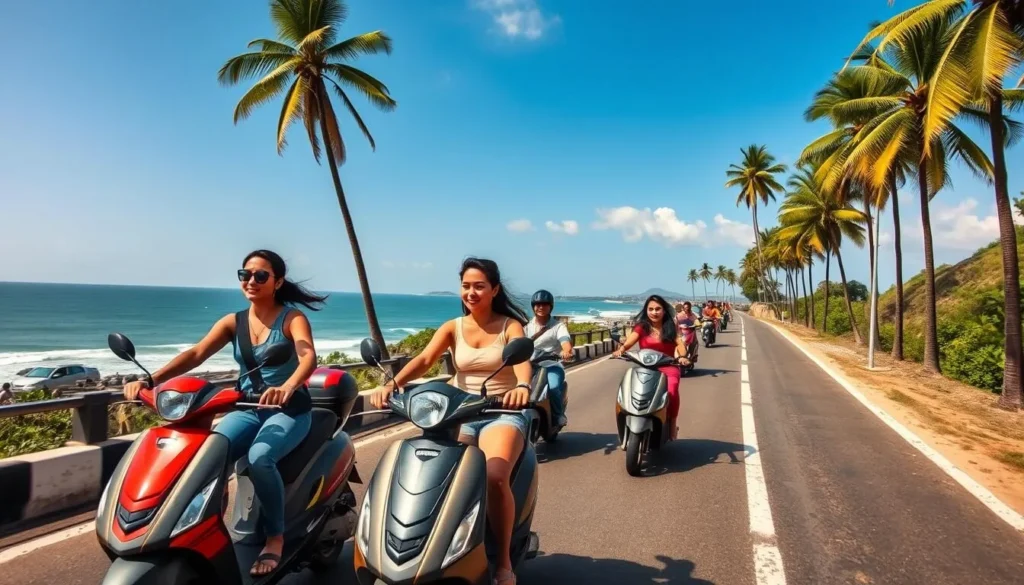
For hassle-free exploration, consider hiring a scooter or motorcycle if you’re comfortable riding one. This gives you the freedom to discover hidden beaches and villages at your own pace. For families or those less comfortable on two wheels, hiring a car with a driver who knows the local routes is recommended.
Where to Stay
Goa offers accommodations for every budget and preference, from luxury resorts to backpacker hostels. Your choice largely depends on the experience you’re seeking:
North Goa
Known for its vibrant nightlife, bustling markets, and popular beaches. Stay here if you want to be in the center of action.
Check 30,000+ Local Sightseeing Tours Worldwide
✓ Numerous languages and currencies are available
- Luxury: Taj Fort Aguada, W Goa (Vagator)
- Mid-range: Zostel Goa (Morjim), Casa Severina (Calangute)
- Budget: Jungle Hostel (Vagator), The Hosteller (Anjuna)
South Goa
Perfect for those seeking tranquility, pristine beaches, and a more relaxed atmosphere.
- Luxury: Alila Diwa, The Leela (Cavelossim)
- Mid-range: Palolem Beach Resort, Turiya Villa (Canacona)
- Budget: Ciarans (Palolem), Dreamcatcher Resort (Agonda)
Central Goa
Stay in Panjim or Old Goa for cultural immersion and easy access to both North and South.
- Luxury: Goa Marriott Resort, Cidade de Goa
- Mid-range: Old Quarter Hostel, Hospedaria Abrigo de Botelho
- Budget: The Hostel Crowd, Afonso Guest House
For an authentic experience, consider staying in a traditional Portuguese-style heritage home or a homestay with a local Goan family. These accommodations often provide insights into local culture and home-cooked Goan meals that you won’t find in hotels.
Dining & Local Cuisine
Goan cuisine is a delightful fusion of Indian and Portuguese flavors, with seafood playing a starring role. Here are some must-try dishes and dining experiences:
Must-Try Goan Dishes
- Fish Curry Rice: The staple meal of Goa, featuring fresh fish in a tangy coconut-based curry served with local red rice.
- Vindaloo: A spicy curry traditionally made with pork, vinegar, and garlic.
- Xacuti (pronounced “sha-ku-ti”): A complex curry with roasted coconut and spices, usually made with chicken or lamb.
- Bebinca: A traditional layered dessert made with coconut milk, eggs, and ghee.
- Feni: Goa’s potent local spirit distilled from either cashew apples or coconut palm sap.
Where to Eat
- Beach Shacks: For fresh seafood with your toes in the sand. Try Curlies (Anjuna) or Bobby’s Shack (Calangute).
- Traditional Goan Restaurants: Mum’s Kitchen (Panjim) and Bhatti Village (Nerul) serve authentic Goan cuisine.
- Fine Dining: La Plage (Ashwem) for French cuisine and Gunpowder (Assagao) for South Indian flavors.
- Street Food: Try ros omelette (spicy gravy with omelette) and choris pao (Goan sausage in bread) from local vendors.
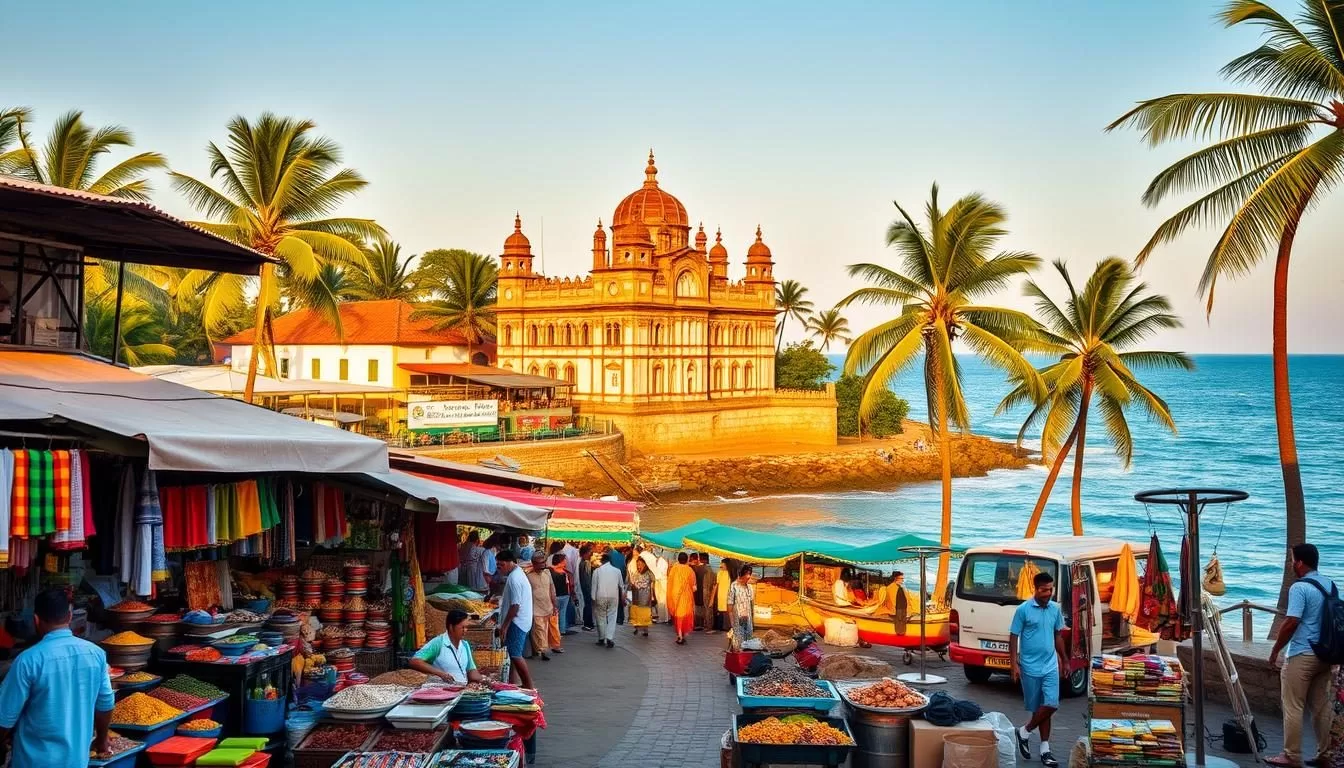
For an authentic culinary experience, visit the local markets like Mapusa Friday Market or Anjuna Flea Market, where you can sample local snacks, spices, and fresh produce. Many spice plantations also offer traditional Goan meals as part of their tour packages.

Attractions, Sightseeing & Activities
Goa offers a diverse range of attractions beyond its famous beaches. Here are the top sights and activities you shouldn’t miss:
Beaches
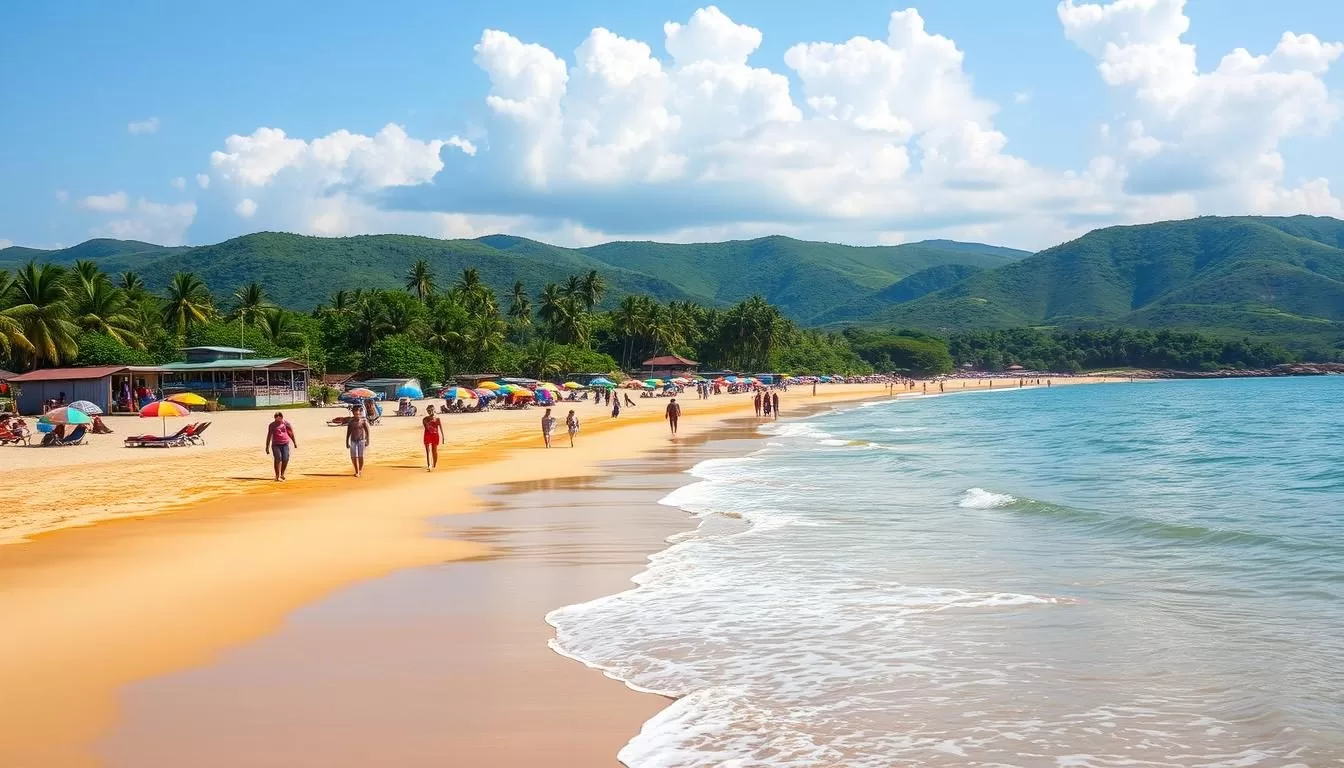
- North Goa: Baga, Calangute, and Anjuna for vibrant atmosphere and water sports.
- South Goa: Palolem, Agonda, and Benaulim for tranquility and pristine shores.
- Hidden Gems: Butterfly Beach (accessible by boat) and Cola Beach for seclusion.
Historical Sites
- Basilica of Bom Jesus: UNESCO World Heritage site housing the remains of St. Francis Xavier.
- Fort Aguada: 17th-century Portuguese fort with panoramic coastal views.
- Chapora Fort: Ancient fort made famous by Bollywood films, offering stunning sunset views.
Natural Attractions
- Dudhsagar Falls: One of India’s tallest waterfalls, especially impressive during monsoon.
- Spice Plantations: Tour aromatic plantations in Ponda to learn about spice cultivation.
- Mollem National Park: Home to diverse wildlife and the 12th-century Tambdi Surla Temple.

For a unique experience, take a river cruise along the Mandovi River at sunset. These cruises often feature traditional Goan folk dances and music performances. You can also explore the backwaters of Goa on a kayaking tour through mangroves, where you might spot crocodiles and diverse bird species.
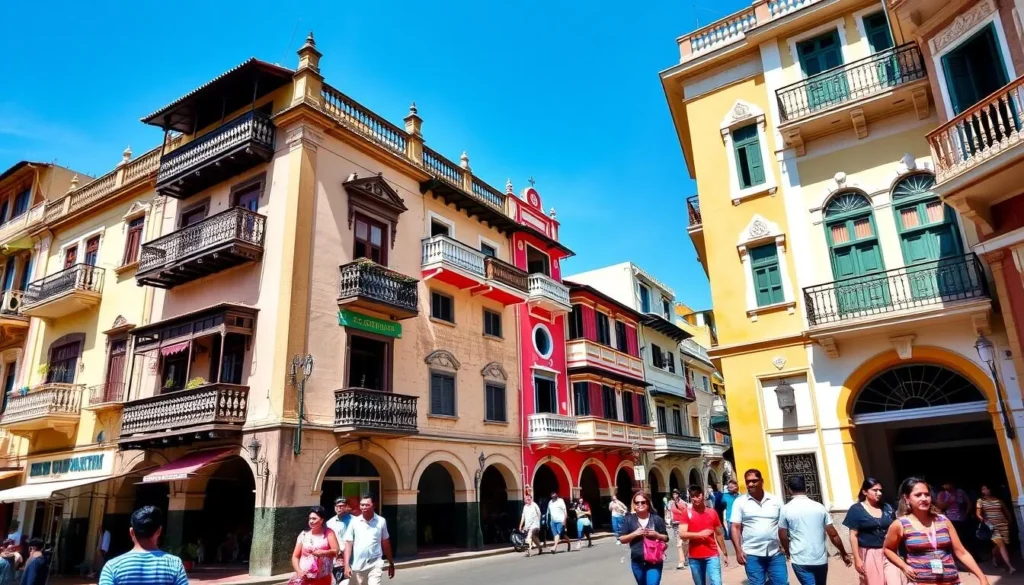
Don’t miss the opportunity to visit Fontainhas, Goa’s Latin Quarter in Panjim, with its colorful Portuguese-style houses, narrow streets, and heritage buildings. This area offers excellent photo opportunities and a glimpse into Goa’s colonial past.
Museums, Cultural Spots & Festivals
Goa’s rich cultural heritage is reflected in its museums, art galleries, and vibrant festivals that celebrate its unique Indo-Portuguese identity:
Museums & Cultural Venues
- Museum of Goa (MOG): Contemporary art museum in Bardez showcasing Goan art and culture.
- Goa State Museum: Houses artifacts from Goa’s history, including sculptures, paintings, and anthropological objects.
- Houses of Goa Museum: Dedicated to Goan architecture and building arts.
- Ancestral Goa: Open-air museum depicting traditional Goan village life.
- Literati Bookshop & Café: Cultural hub for book lovers with regular literary events.
Major Festivals
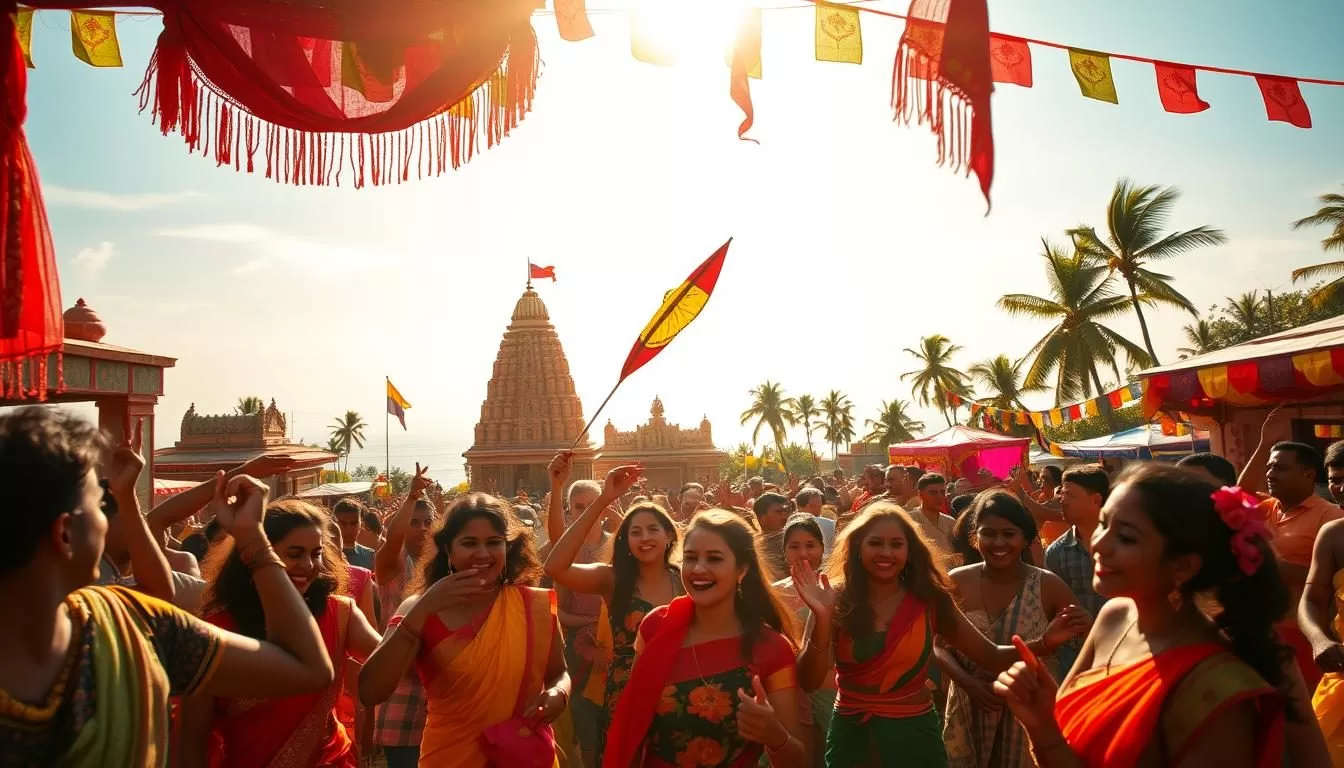
- Goa Carnival (February/March): Colorful parades, music, and dance celebrating the state’s Portuguese heritage.
- Shigmo (March): Goa’s version of Holi, featuring folk dances and colorful processions.
- Feast of St. Francis Xavier (December): Religious celebration at the Basilica of Bom Jesus.
- Sunburn Festival (December): One of Asia’s largest electronic dance music festivals.
- São João (June): Monsoon festival where young men jump into wells to retrieve gifts.

For a deeper cultural experience, attend a traditional Goan Tiatr (theater) performance or a Konkani music concert. The Kala Academy in Panjim regularly hosts cultural events showcasing local talent. You can also visit the Fontainhas Latin Quarter in Panjim for a walking tour of its heritage buildings, art galleries, and quaint cafés.
During Christmas and New Year, Goa transforms with decorations, midnight masses, and celebrations that blend Christian traditions with local customs. This is a magical time to experience Goa’s unique cultural identity, though accommodations should be booked well in advance for this peak period.
Sports, Nature & Outdoor Experiences
Goa offers numerous opportunities for adventure and nature enthusiasts. From water sports to wildlife encounters, here are the best outdoor experiences:
Water Sports
- Parasailing: Available at Calangute, Baga, and Candolim beaches.
- Jet Skiing: Try at Baga, Calangute, or Anjuna for an adrenaline rush.
- Scuba Diving: Grande Island offers the best diving spots with colorful marine life.
- Kayaking: Explore the backwaters and mangroves of Chorao Island.
- Surfing: Arambol Beach has gentle waves perfect for beginners.
Nature Experiences
- Bird Watching: Visit Salim Ali Bird Sanctuary on Chorao Island.
- Dolphin Spotting: Take a boat trip from Sinquerim or Palolem beaches.
- Butterfly Conservatory: See colorful species at the Butterfly Conservatory in Ponda.
- Spice Farm Tours: Walk through aromatic plantations learning about spice cultivation.
- Crocodile Spotting: Take a boat tour along the Cumbarjua Canal.
Land Adventures
- Hiking: Trek to Dudhsagar Falls or through Bhagwan Mahavir Wildlife Sanctuary.
- Cycling Tours: Explore villages and backroads on guided cycling expeditions.
- ATV Rides: Navigate off-road terrain in Vagator or Morjim.
- Hot Air Ballooning: Seasonal flights offering panoramic views of Goa’s landscape.
- Rock Climbing: Try the natural rock formations near Arambol Beach.

For a unique experience, join a sunrise yoga session on the beach or take a moonlight kayaking tour through the bioluminescent waters near Chorao Island. Many eco-tour operators offer responsible wildlife experiences that support conservation efforts while providing unforgettable encounters with Goa’s natural beauty.
Remember that water sports operators should provide proper safety equipment and briefings. Always choose operators who follow safety protocols and have good reviews. During monsoon season (June to September), many water activities are suspended due to rough seas, but this is the perfect time for waterfall treks and nature walks.
Safety, Etiquette & Local Customs
While Goa is generally safe for tourists, being aware of local customs and safety precautions will enhance your experience:
Safety Tips
- Swim only in designated areas with lifeguards present. Red flags indicate dangerous conditions.
- Avoid isolated beaches after dark, especially if traveling alone.
- Be cautious with your belongings at crowded beaches and markets.
- When renting vehicles, always wear helmets (mandatory by law) and carry valid licenses.
- Drink bottled water and ensure street food is freshly prepared and hot.
- Be wary of unofficial guides or touts offering suspiciously cheap deals.
- Keep emergency numbers handy: Police (100), Tourist Police (1800-832-3225), Ambulance (108).
Etiquette & Customs
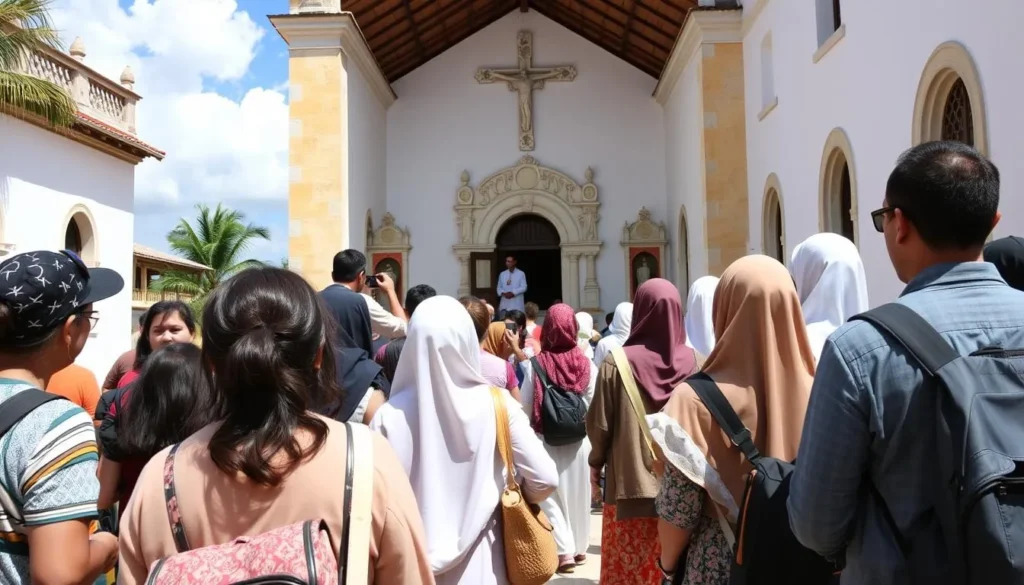
- Dress modestly when visiting churches, temples, or villages away from beaches.
- Ask permission before photographing locals, especially during religious ceremonies.
- Remove shoes before entering homes, temples, or mosques.
- Bargaining is expected in markets, but remain respectful and good-humored.
- Public displays of affection are generally frowned upon outside beach areas.
- Respect local fishing communities by not disturbing their boats or equipment.
- Tipping (10-15%) is appreciated but not mandatory in restaurants.
Goa is more liberal than many other parts of India, but cultural sensitivity is still important. While bikinis are acceptable on beaches, cover up when moving around towns and villages. Respect the local environment by avoiding single-use plastics and disposing of waste properly. Many beaches have clean-up initiatives that welcome volunteer participation.
Visitor Comments About Goa
“Goa surprised me with its perfect balance of relaxation and adventure. One day I was lounging on Palolem’s pristine beach, the next I was trekking through spice plantations and exploring Portuguese architecture. The seafood curry at beach shacks was the highlight of my culinary journey through India!”
“As someone who’s traveled extensively, I found Goa’s blend of cultures fascinating. The Portuguese influence is evident in everything from the architecture to the cuisine. Don’t miss the sunset river cruises on the Mandovi or the Saturday Night Market in Arpora. Renting a scooter was the best decision we made for exploring hidden gems.”
“We visited during monsoon season and were rewarded with lush landscapes, powerful waterfalls, and significantly fewer tourists. While some beach shacks were closed, we discovered authentic local restaurants inland. The spice plantation tour was educational and delicious! Just bring a good raincoat and embrace the occasional shower.”
Additional Nearby Destinations
If you have extra time, consider these worthwhile destinations near Goa:
Hampi (330 km)
A UNESCO World Heritage Site featuring ancient ruins of the Vijayanagara Empire. The boulder-strewn landscape dotted with temples, palaces, and market streets creates a surreal atmosphere. Allow 2-3 days to explore this archaeological wonder.
Gokarna (150 km)
A more laid-back alternative to Goa with pristine beaches and a sacred temple town. Om Beach, Kudle Beach, and Paradise Beach offer tranquility and natural beauty without the crowds. Perfect for a 2-day side trip.
Dandeli (110 km)
A wildlife sanctuary and adventure hub offering white water rafting on the Kali River, wildlife safaris, and nature walks. Ideal for outdoor enthusiasts looking for a 1-2 day adventure break from beach life.

Practical Travel Tips
Money Matters
- ATMs are widely available in tourist areas, but carry some cash for small vendors and remote locations.
- Major hotels and restaurants accept credit cards, but smaller establishments are cash-only.
- The Indian Rupee (₹) is the local currency. As of 2023, $1 USD equals approximately ₹75-80.
- Inform your bank about your travel plans to avoid card blocks for international transactions.
- Bargaining is expected in markets and with taxi drivers, but not in established shops or restaurants.
Connectivity & Essentials
- Purchase a local SIM card (Airtel, Jio, or Vodafone) for affordable data and calls. Bring your passport for registration.
- Wi-Fi is available in most accommodations but can be unreliable in budget options.
- Power outages occasionally occur, so keep a portable charger handy.
- Standard voltage is 230V with round-pin sockets (Type C, D, and M). Bring a universal adapter.
- Download offline maps, translation apps, and ride-hailing services (Ola) before your trip.
For a smoother experience, learn a few basic phrases in Konkani (the local language) or Hindi. Simple greetings like “Namaste” (hello) and “Dhanyavaad” (thank you) are appreciated by locals. If you’re planning to visit during peak season (December-January) or for popular festivals, book accommodations at least 3-4 months in advance to secure the best options and rates.

Your Goan Adventure Awaits
Goa captivates visitors with its unique blend of Indian and Portuguese heritage, creating an experience unlike anywhere else in the subcontinent. Whether you’re seeking relaxation on pristine beaches, cultural immersion in centuries-old churches, adventure in lush forests, or culinary delights that fuse East and West, this coastal paradise delivers in spades. The warmth of Goan hospitality, the rhythm of susegad (laid-back) living, and the kaleidoscope of experiences packed into India’s smallest state will leave you planning your return before you’ve even departed. From the moment your toes touch the golden sands to your final sunset over the Arabian Sea, Goa doesn’t just offer a vacation—it offers a transformation of pace and perspective that stays with you long after you’ve returned home.
Related Posts
Coming Soon: Clickable Maps