
Hotels by Trip.com
Flights by Trip.com
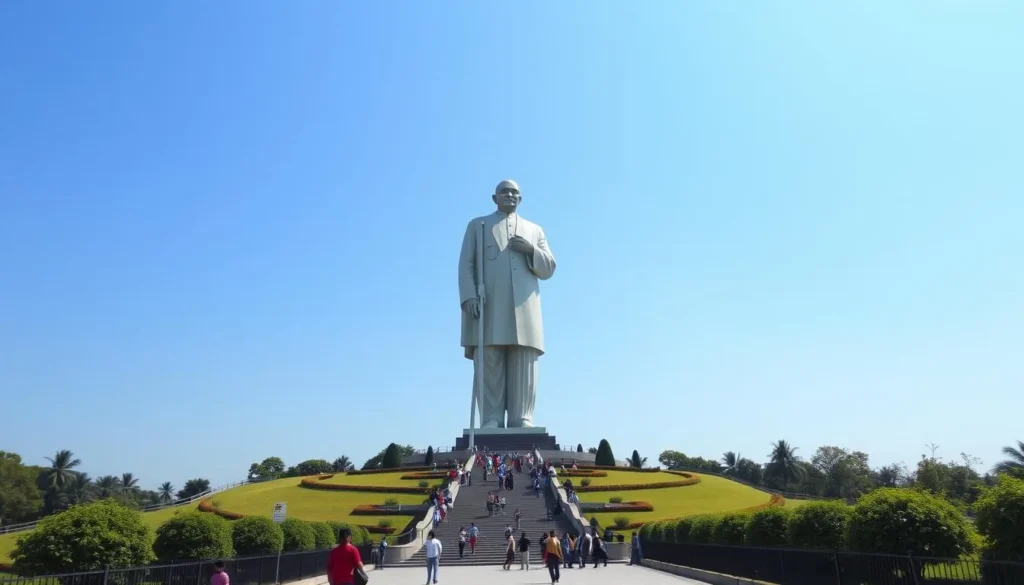
Did you know that Gujarat is home to the world’s tallest statue? Standing at an impressive 182 meters (597 feet), the Statue of Unity is nearly twice the height of the Statue of Liberty and represents just one of the many wonders awaiting visitors to this vibrant western Indian state. As the only place on Earth where you can spot Asiatic lions in the wild, witness the ethereal beauty of a vast salt desert, and explore ancient civilizations dating back 4,500 years, Gujarat offers experiences that can’t be found anywhere else in the world.
Getting There & Planning Your Journey
Gujarat is well-connected to major cities in India and international destinations through its multiple airports. The primary international gateway is Sardar Vallabhbhai Patel International Airport in Ahmedabad, which offers connections to major cities worldwide. Other significant airports include those in Vadodara, Surat, Rajkot, and Bhuj, providing convenient access to different regions of the state.
For travelers coming from within India, an extensive railway network connects Gujarat to all major Indian cities. The Western Railway zone serves Gujarat efficiently, with major junctions at Ahmedabad, Vadodara, Surat, and Rajkot. Premium trains like Shatabdi Express and Duronto Express offer comfortable travel options.
When planning your journey, consider allocating at least 7-10 days to explore Gujarat properly. The state is vast, and attractions are spread out across different regions. A well-planned itinerary might include:
- 2-3 days in Ahmedabad and surrounding areas
- 2 days for Kutch region and the Great Rann
- 2 days for Gir National Park and coastal areas
- 1-2 days for Vadodara and Champaner-Pavagadh
- 1 day for the Statue of Unity
Best Time to Visit & Weather Tips
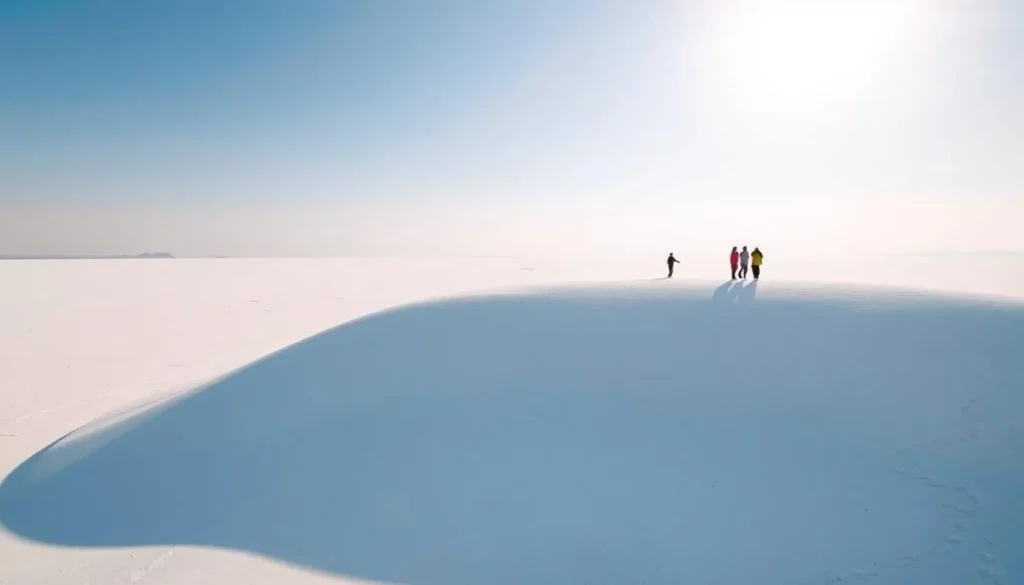
The best time to visit Gujarat is during the winter months from October to February when temperatures are pleasant and ideal for sightseeing. During this period, temperatures range from 10°C to 25°C (50°F to 77°F), making outdoor exploration comfortable.
Recommended Seasons:
- Winter (October to February): The most pleasant season with mild temperatures. This is also when the famous Rann Utsav festival takes place in the Kutch region, transforming the white salt desert into a vibrant cultural celebration.
- Monsoon (July to September): While some areas receive heavy rainfall, this season brings lush greenery to the state. The Saputara hill station and wildlife sanctuaries are particularly beautiful during this time.
Seasons to Avoid:
- Summer (March to June): Temperatures can soar to 40°C-45°C (104°F-113°F), making outdoor activities challenging. If you must visit during summer, plan your sightseeing during early mornings and evenings.
For wildlife enthusiasts, the best time to visit Gir National Park is from December to April when animals frequently visit water holes and visibility is excellent. The Rann of Kutch is most spectacular during the full moon nights of winter when the white salt desert glistens under moonlight.
Getting Around Locally
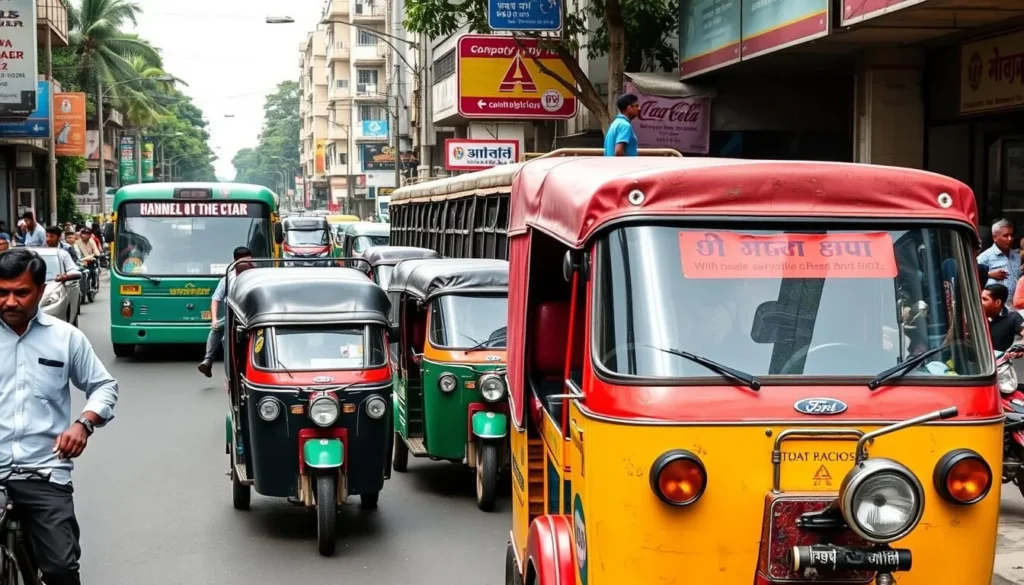
Navigating Gujarat is relatively straightforward with various transportation options available:
Public Transportation:
- State Buses: Gujarat State Road Transport Corporation (GSRTC) operates an extensive network of buses connecting cities, towns, and villages. These range from ordinary buses to more comfortable Volvo and sleeper services.
- Local Trains: Suburban trains operate in major cities like Ahmedabad and Vadodara, offering an economical way to travel within city limits.
- Auto-rickshaws: Available in all cities and towns, these three-wheeled vehicles are convenient for short distances. Always negotiate the fare before starting your journey or insist on using the meter.
Private Transportation:
- Rental Cars: Self-drive cars can be rented in major cities, but hiring a car with a driver is often more practical given the local driving conditions.
- Taxis: App-based services like Ola and Uber operate in major cities. Traditional taxi services are also available at airports, railway stations, and hotels.
For exploring remote areas like the Rann of Kutch or wildlife sanctuaries, consider hiring a private vehicle with a local driver who knows the terrain well. Many tour operators offer specialized packages that include transportation to these areas.
When traveling between cities, overnight buses or trains can save both time and accommodation costs. Book these in advance, especially during peak tourist season or festivals.
Where to Stay
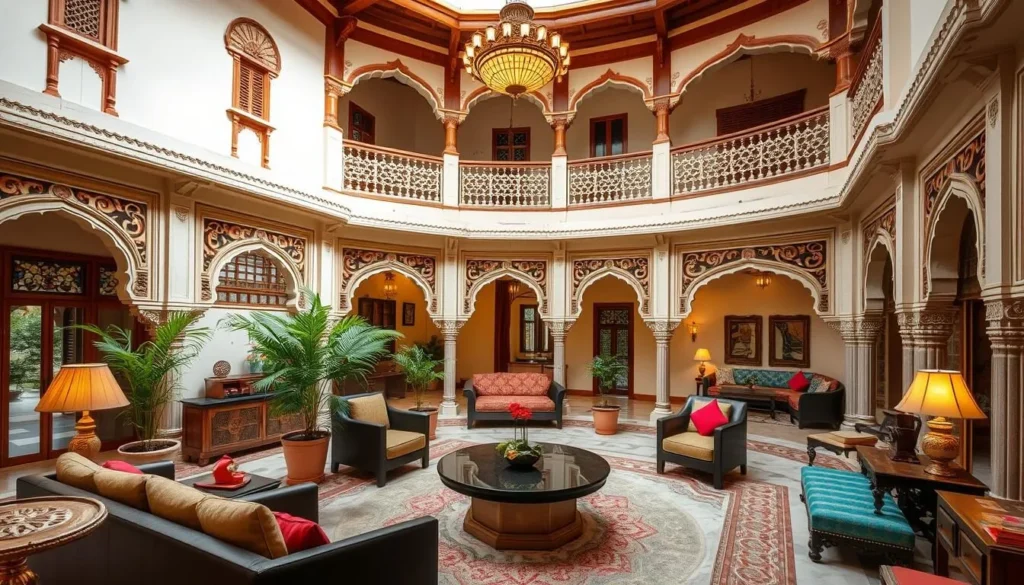
Gujarat offers a diverse range of accommodation options to suit every budget and preference:
Luxury Options:
- Heritage Hotels: Experience the royal lifestyle in converted palaces and havelis. The Nilambag Palace in Bhavnagar and House of MG in Ahmedabad offer luxurious stays with historical charm.
- Five-Star Hotels: International chains like Hyatt, Marriott, and Taj have properties in major cities offering world-class amenities.
- Luxury Tents: During the Rann Utsav (November to February), premium tent accommodations in the White Desert provide a unique experience with modern comforts.
Mid-Range Options:
- Boutique Hotels: Cities like Ahmedabad and Vadodara have charming boutique hotels that blend local culture with modern conveniences.
- State Tourism Properties: Gujarat Tourism Development Corporation (GTDC) operates comfortable hotels at major tourist destinations with reasonable rates.
Budget Options:
- Guesthouses: Family-run guesthouses offer affordable accommodation with a personal touch.
- Dharamshalas: Religious sites often have dharamshalas (pilgrim rest houses) with basic facilities at minimal cost.
- Homestays: Experience local life by staying with families, particularly popular in rural areas and tribal regions.
For wildlife enthusiasts, specialized forest lodges and resorts near Gir National Park provide comfortable stays with easy access to safari zones. In coastal areas like Dwarka and Somnath, ocean-view hotels cater to pilgrims and beach lovers alike.
Booking in advance is essential during peak tourist season (October to March) and during major festivals like Navratri, Diwali, and the Rann Utsav.
Dining & Local Cuisine
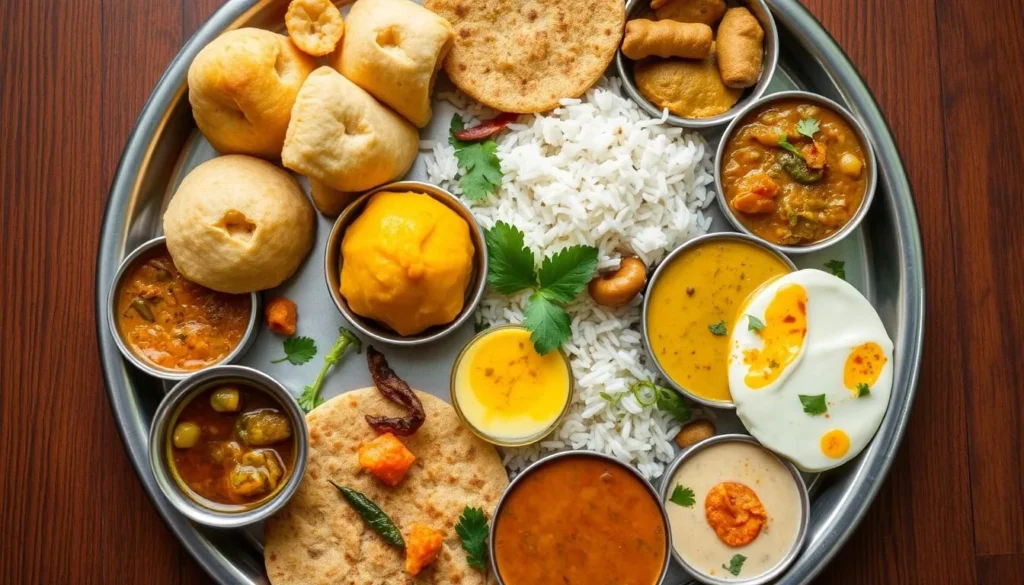
Gujarat’s cuisine is predominantly vegetarian and known for its unique blend of sweet, salty, and spicy flavors. The food culture here is diverse and offers something for every palate:
Check 30,000+ Local Sightseeing Tours Worldwide
✓ Numerous languages and currencies are available
Must-Try Dishes:
- Gujarati Thali: A complete meal served on a large plate with a variety of dishes including dal, kadhi, vegetables, rotis, rice, farsan (snacks), chutneys, and desserts.
- Dhokla: Steamed savory cake made from fermented rice and chickpea flour, typically served with green chutney and mustard seeds tempering.
- Khandvi: Soft, rolled bites made from gram flour and buttermilk, seasoned with mustard seeds and curry leaves.
- Undhiyu: A mixed vegetable dish prepared with winter vegetables, cooked in earthen pots underground. A seasonal specialty not to be missed if visiting in winter.
- Fafda-Jalebi: A popular breakfast combination of crispy gram flour strips (fafda) paired with sweet, syrupy jalebi.
Regional Specialties:
- Kathiyawadi Cuisine: From the Saurashtra region, known for spicy dishes like Kathiyawadi kadhi and ringan no olo (eggplant dish).
- Kutchi Cuisine: Influenced by the arid climate of Kutch, featuring dishes like Kutchi dabeli (spicy potato burger) and Kutchi pakwan dal.
- Surti Cuisine: From Surat, famous for street foods like Surti locho (steamed gram flour dish) and ponk (tender jowar grains).
Dining Experiences:
- Traditional Thali Restaurants: For an authentic experience, visit establishments like Gordhan Thal in Ahmedabad or Sasumaa in Vadodara for unlimited thali meals.
- Street Food: Cities like Ahmedabad and Surat are paradise for street food lovers. Law Garden Night Market in Ahmedabad is particularly famous.
- Farsan Houses: Specialized shops selling savory snacks and sweets that are perfect for quick bites or souvenirs.
Being a dry state, alcohol is not freely available in Gujarat. Non-residents can obtain permits for limited consumption at designated places or certain high-end hotels. Instead, enjoy refreshing local beverages like chaas (buttermilk), sharbat (fruit syrups), and various fruit juices.
Attractions, Sightseeing & Activities
Gujarat offers a diverse range of attractions that cater to all interests, from history buffs to nature enthusiasts:
Iconic Landmarks:
- Statue of Unity: The world’s tallest statue at 182 meters (597 feet), dedicated to Sardar Vallabhbhai Patel. The complex includes a museum, viewing gallery, valley of flowers, and various recreational facilities.
- Sabarmati Ashram: Mahatma Gandhi’s residence from 1917 to 1930, now a museum preserving his legacy and the history of India’s independence movement.
- Somnath Temple: One of the twelve sacred Jyotirlingas of Lord Shiva, with spectacular seaside location and impressive architecture.
- Dwarkadhish Temple: Believed to be the ancient kingdom of Lord Krishna, this coastal temple is one of the four most sacred Hindu pilgrimage sites (Char Dham).
Historical Sites:
- Champaner-Pavagadh Archaeological Park: A UNESCO World Heritage Site featuring a blend of Hindu and Muslim architecture from the 8th to 14th centuries.
- Rani ki Vav: This UNESCO-listed stepwell in Patan showcases extraordinary craftsmanship with over 500 principal sculptures and thousands of minor ones.
- Lothal: One of the most prominent cities of the ancient Indus Valley Civilization, dating back to 2400 BCE.
- Dholavira: Another remarkable Harappan site with well-planned city layout and water conservation systems from 4500 years ago.
Natural Wonders:
- Great Rann of Kutch: One of the largest salt deserts in the world, offering surreal landscapes especially during full moon nights.
- Little Rann of Kutch: Home to the Wild Ass Sanctuary, the only place to spot the endangered Indian Wild Ass.
- Gir National Park: The last abode of the Asiatic Lion, offering wildlife safaris to spot these majestic creatures in their natural habitat.
- Marine National Park: India’s first marine sanctuary in the Gulf of Kutch, with coral reefs and diverse marine life.
Architectural Marvels:
- Adalaj Stepwell: A five-story stepwell with intricate carvings and Islamic-Hindu architectural fusion.
- Modhera Sun Temple: An 11th-century temple dedicated to the Sun God with spectacular carvings and a geometrically designed tank.
- Laxmi Vilas Palace: One of the largest private dwellings, four times the size of Buckingham Palace, showcasing opulent Indo-Saracenic architecture.
- Hutheesing Jain Temple: An exquisitely carved temple in Ahmedabad with detailed marble work.
Museums, Cultural Spots & Festivals
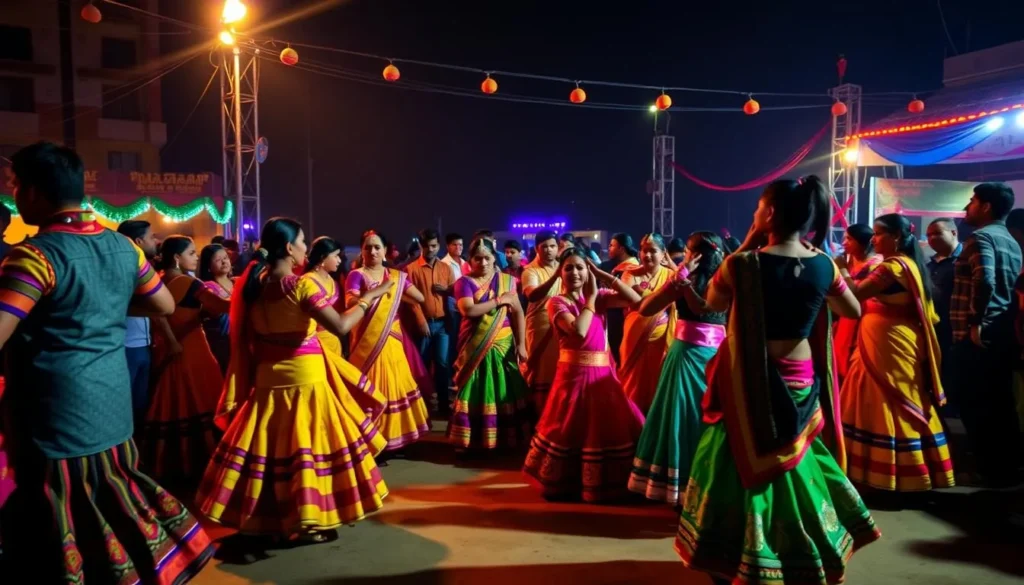
Gujarat’s rich cultural heritage is reflected in its museums, cultural institutions, and vibrant festivals:
Museums & Galleries:
- Calico Museum of Textiles: Housing one of the world’s finest collections of antique and modern Indian textiles in Ahmedabad.
- Maharaja Fateh Singh Museum: Located within the Laxmi Vilas Palace complex in Vadodara, featuring European paintings, sculptures, and royal artifacts.
- Watson Museum: In Rajkot, showcasing archaeological findings, colonial artifacts, and tribal heritage items.
- Kutch Museum: The oldest museum in Gujarat, displaying the region’s folk arts, crafts, and archaeological treasures.
Cultural Centers:
- Sanskar Kendra: A cultural center in Ahmedabad designed by Le Corbusier, housing exhibitions on city history and culture.
- Sardar Patel National Memorial: Dedicated to India’s “Iron Man,” featuring photographs, personal belongings, and interactive displays.
- Tribal Research and Training Institute: In Ahmedabad, documenting and preserving the heritage of Gujarat’s tribal communities.
Major Festivals:
- Navratri: The nine-night dance festival celebrating the goddess Durga, featuring traditional Garba and Dandiya Raas dances. Ahmedabad hosts some of the most spectacular celebrations.
- Rann Utsav: A three-month cultural festival (November to February) in the White Desert of Kutch, showcasing local crafts, music, dance, and cuisine.
- International Kite Festival: Held in January during Uttarayan (Makar Sankranti), when the skies of Ahmedabad fill with colorful kites from around the world.
- Tarnetar Fair: A vibrant matrimonial fair near Rajkot, featuring folk dances, music, and handicrafts.
- Modhera Dance Festival: Held against the backdrop of the Sun Temple, showcasing classical dance forms.
Craft Villages & Heritage Walks:
- Patola Weaving in Patan: Witness the intricate double ikat weaving technique preserved by a few remaining families.
- Kutch Handicraft Villages: Visit villages like Bhujodi, Ajrakhpur, and Nirona to see traditional crafts like bandhani (tie-dye), ajrakh block printing, and rogan art.
- Ahmedabad Heritage Walk: Explore the 600-year-old walled city with its pols (traditional neighborhoods), havelis, and historic sites.
Many cultural institutions offer workshops where visitors can learn traditional crafts like block printing, embroidery, or pottery. These hands-on experiences provide deeper insights into Gujarat’s artistic heritage and make for meaningful souvenirs.
Sports, Nature & Outdoor Experiences
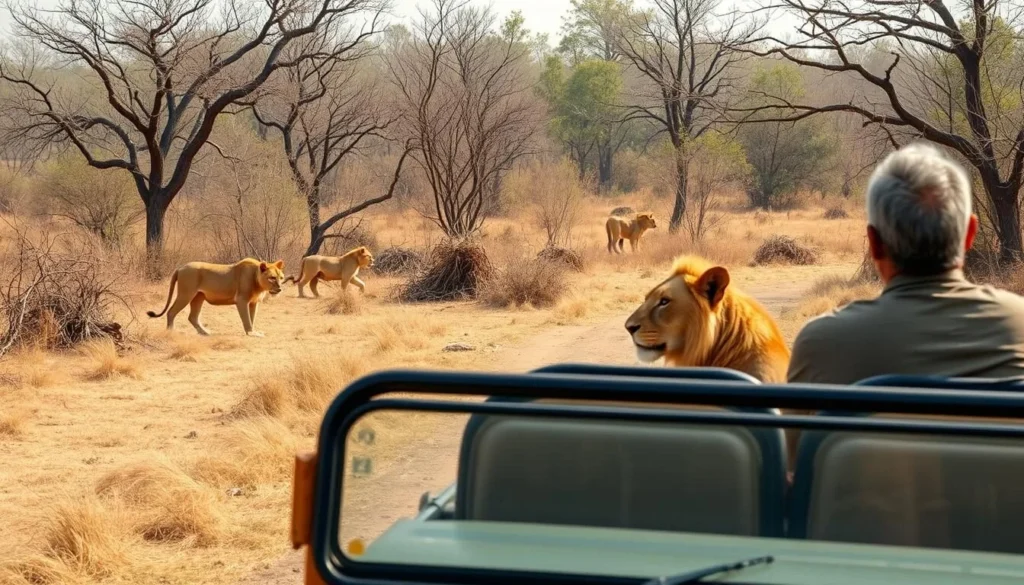
Gujarat offers diverse outdoor experiences from wildlife safaris to adventure sports:
Wildlife Experiences:
- Gir National Park Safari: The only place in the world to see Asiatic lions in the wild. Morning and evening safaris are available with advance booking required.
- Wild Ass Sanctuary: Explore the Little Rann of Kutch to spot the endangered Indian Wild Ass, along with flamingos and other migratory birds.
- Blackbuck National Park: Home to the largest population of blackbucks in India, along with wolves and various bird species.
- Nalsarovar Bird Sanctuary: A paradise for bird watchers with over 250 species of migratory birds visiting during winter.
Adventure Activities:
- Trekking: The Girnar Hills and Saputara offer excellent trekking opportunities with varying difficulty levels.
- Water Sports: Coastal areas like Mandvi Beach and Tithal Beach offer parasailing, jet-skiing, and banana boat rides.
- Desert Camping: Experience night camping in the Great Rann of Kutch with cultural performances and stargazing.
- Paragliding: Saputara hill station offers paragliding experiences with panoramic views of the Western Ghats.
Natural Attractions:
- Zarwani Waterfalls: Located in the Shoolpaneshwar Wildlife Sanctuary, these falls offer a refreshing retreat during the monsoon season.
- Wilson Hills: Gujarat’s only hill station apart from Saputara, offering cool climate and scenic views.
- Coral Reefs: Explore the marine ecosystem at Pirotan Island in the Marine National Park through guided boat tours.
- Polo Forest: Ancient ruins hidden within a dense forest, perfect for nature walks and photography.
Unique Experiences:
- Camel Rides: Experience the desert landscape of Kutch on traditional camel safaris.
- Rann Utsav Tent City: Stay in luxury tents in the middle of the White Desert during the winter festival.
- Tribal Village Tours: Visit traditional villages in the Dangs district to learn about tribal lifestyles and crafts.
- Farm Tourism: Several organic farms around Ahmedabad and Vadodara offer day visits and stays to experience rural life.
For outdoor activities, it’s advisable to book through reputable operators who provide proper safety equipment and trained guides. Many national parks and sanctuaries require advance permits, so plan accordingly.
Safety, Etiquette & Local Customs
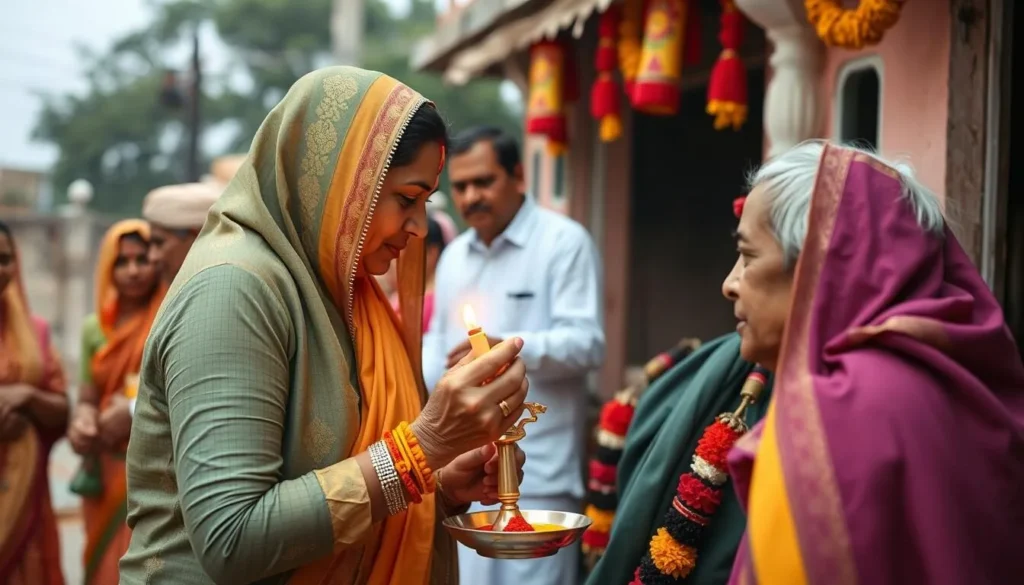
Understanding local customs and following safety guidelines will enhance your Gujarat experience:
Safety Tips:
- Health Precautions: Carry a basic medical kit, stay hydrated, and use sunscreen, especially when visiting desert areas like Kutch.
- Food Safety: Stick to bottled water and freshly cooked food. Gujarat’s vegetarian cuisine is generally safe, but street food should be chosen carefully.
- Wildlife Safety: During safaris, always follow guide instructions and never attempt to get close to wild animals.
- Weather Awareness: If visiting during summer (March-June), avoid outdoor activities during peak afternoon heat.
Cultural Etiquette:
- Dress Code: Gujarat is relatively conservative. Modest clothing is appreciated, especially at religious sites where covering shoulders and knees is expected. Head coverings may be required at certain places of worship.
- Temple Etiquette: Remove shoes before entering temples, avoid touching idols, and follow the clockwise direction when circumambulating sacred structures.
- Photography: Always ask permission before photographing people, especially in rural areas and at religious ceremonies. Photography may be restricted at certain sites.
- Greetings: “Kem Cho” (How are you?) is a common Gujarati greeting. Joining hands in Namaste is always appreciated.
Local Customs:
- Vegetarianism: Gujarat is predominantly vegetarian, and many locals follow strict vegetarian diets. Respect this cultural practice when dining with locals.
- Alcohol Restrictions: Gujarat is officially a dry state. Alcohol is not freely available except to non-residents with permits at designated places or certain high-end hotels.
- Footwear: Removing shoes before entering homes is customary. Some shops and restaurants may also request this.
- Hospitality: Gujaratis are known for their hospitality. If invited to a home, a small gift is appreciated. It’s polite to decline offers of food or drink initially before accepting.
Communication:
- Language: Gujarati is the primary language, but Hindi and English are widely understood in urban areas and tourist destinations.
- Bargaining: Negotiating prices is common in markets, but should be done respectfully. Fixed-price shops and malls do not expect bargaining.
Gujarat has a relatively low crime rate compared to many other Indian states, making it generally safe for tourists. However, standard travel precautions apply, such as safeguarding valuables and being aware of your surroundings, especially in crowded areas.
Visitor Comments About Gujarat
“The Great Rann of Kutch under a full moon was one of the most surreal landscapes I’ve ever witnessed. The endless white salt desert stretching to the horizon created an almost otherworldly experience. Don’t miss the local handicrafts in surrounding villages—the embroidery work is exquisite and makes for meaningful souvenirs.”
“As a wildlife photographer, Gir National Park exceeded all my expectations. Seeing Asiatic lions in their natural habitat was a privilege, and the knowledgeable guides enhanced the experience with their insights about conservation efforts. The early morning safari offered the best sightings, and I’d recommend booking well in advance.”
“Gujarat’s food scene was the highlight of my trip! The thalis are incredible value with so many different flavors in one meal. I took a cooking class in Ahmedabad where I learned to make dhokla and khandvi—skills I still use at home. The Ahmedabad heritage walk through the old city was another highlight, revealing hidden architectural gems in the historic pols.”
Additional Nearby Destinations
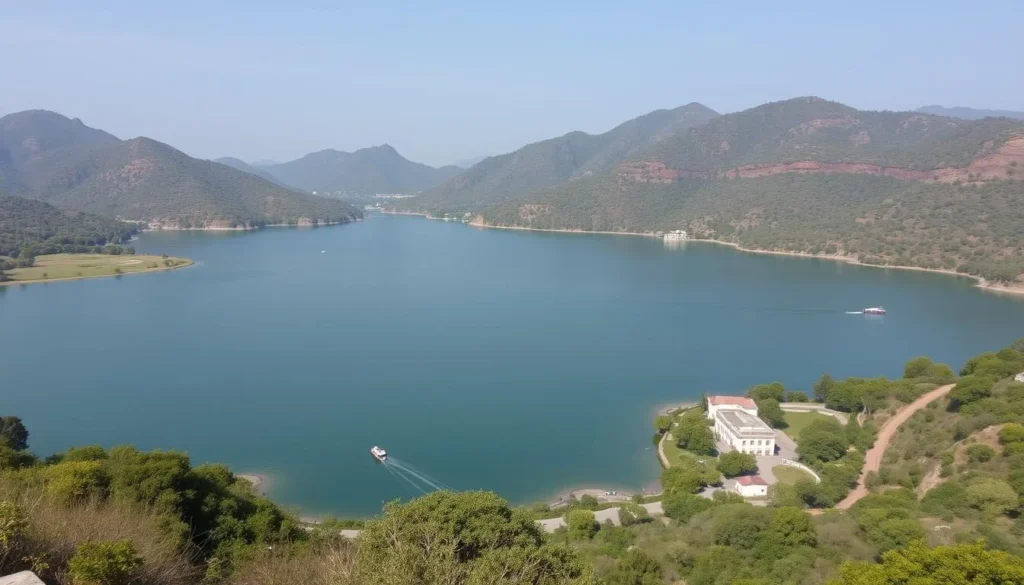
While exploring Gujarat, consider these nearby destinations that complement your journey:
Within Easy Reach (1-3 hours):
- Diu: A former Portuguese colony with beautiful beaches, historic forts, and a relaxed atmosphere. Just a few hours from Somnath, it makes for a perfect coastal extension.
- Mount Abu: Rajasthan’s only hill station is close to Gujarat’s northern border, offering cooler temperatures, Dilwara Jain Temples, and the scenic Nakki Lake.
- Silvassa: The capital of Dadra and Nagar Haveli, known for its tribal culture, Portuguese influence, and lush landscapes.
Worth the Extra Journey (4-8 hours):
- Mumbai: India’s financial capital is connected to Gujarat by excellent road and rail links, offering cosmopolitan experiences, colonial architecture, and vibrant cultural scene.
- Udaipur: The “City of Lakes” in Rajasthan is known for its romantic setting, palaces, and rich Rajput heritage.
- Indore: The largest city in Madhya Pradesh, famous for its street food, palaces, and nearby historical sites like Mandu.
These extensions can add diversity to your Gujarat itinerary, offering different landscapes, cuisines, and cultural experiences. Consider your interests and available time when planning these side trips.
Practical Travel Tips
Money Matters:
- Currency: Indian Rupee (INR) is the official currency. ATMs are widely available in cities and towns but may be limited in rural areas.
- Digital Payments: UPI-based payment apps like Google Pay, PhonePe, and Paytm are widely accepted, even by small vendors.
- Tipping: Not mandatory but appreciated. 5-10% in restaurants is standard if service charge isn’t included.
Connectivity:
- Mobile Networks: Jio, Airtel, and Vi offer good coverage across the state. Prepaid SIM cards are available for tourists with valid identification and passport-sized photos.
- Internet: Most hotels, restaurants, and cafes offer free Wi-Fi. Mobile data is affordable and reliable in urban areas.
Shopping Tips:
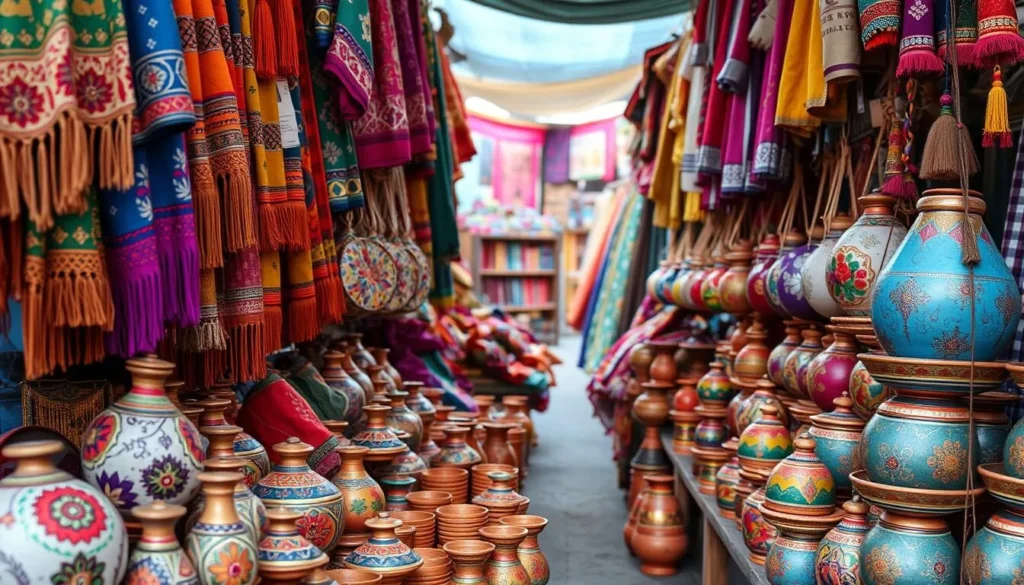
- Handicrafts: Gujarat is famous for bandhani (tie-dye), patola silk, embroidered textiles, and wooden crafts. The best places to shop include Law Garden Night Market in Ahmedabad and Kutch region for authentic tribal crafts.
- Souvenirs: Consider picking up traditional musical instruments, lacquerware, rogan art pieces, or Kutchi embroidery as unique souvenirs.
- Bargaining: Expected in local markets but not in fixed-price shops. Start by offering 50-60% of the quoted price and work your way up.
Practical Information:
- Language: While Gujarati is the primary language, Hindi is widely understood. English is common in tourist areas and among younger people.
- Electricity: 230V, 50Hz with round pin plugs (Types C, D, and M). Carry a universal adapter if needed.
- Emergency Numbers: Police: 100, Ambulance: 108, Tourist Helpline: 1800 200 5080
Travel Documents:
- Permits: Some border areas in Kutch require special permits for foreign nationals. These can be obtained from the District Collector’s office.
- Safari Bookings: For Gir National Park, advance booking is essential, especially during peak season. Online bookings open 120 days in advance.
- Alcohol Permits: Non-residents can obtain temporary alcohol permits from designated government offices or through certain hotels.
Keep digital and physical copies of important documents like your passport, visa, and travel insurance. Share your itinerary with someone back home, especially if visiting remote areas with limited connectivity.
Embrace the Vibrant Spirit of Gujarat
From the majestic Asiatic lions of Gir to the shimmering white expanse of the Rann of Kutch, from ancient civilizations to architectural marvels, Gujarat offers experiences that will stay with you long after your journey ends. This land of contrasts—where tradition harmoniously blends with modernity—invites you to immerse yourself in its rich tapestry of culture, cuisine, and natural wonders. Whether you’re tracing the footsteps of Mahatma Gandhi, marveling at intricate stepwells, or dancing to the rhythmic beats of Garba during Navratri, Gujarat will captivate your senses and warm your heart with its legendary hospitality. As the Gujaratis say, “Aavo padharo” (Welcome)—to a destination that truly embodies the diverse spirit of India.
Related Posts

Coming Soon: Clickable Maps