
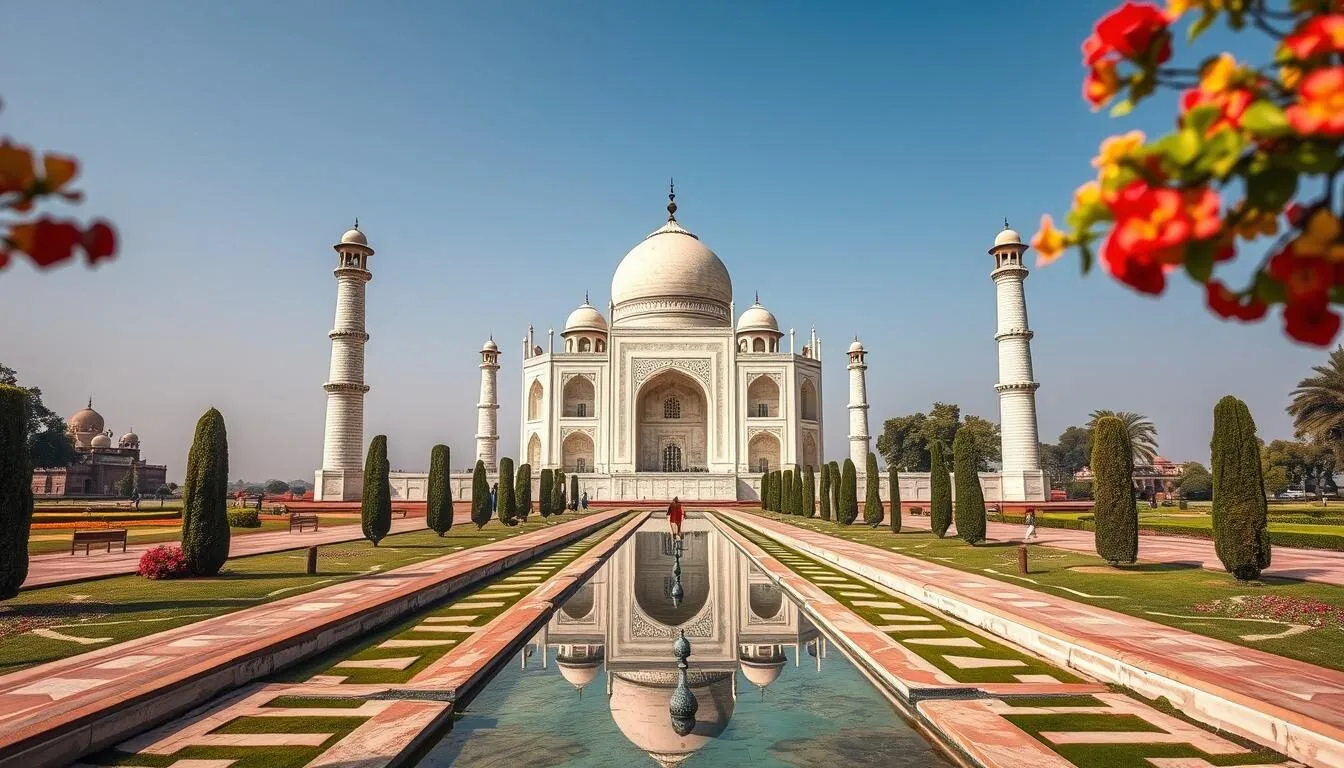
India welcomes over 10 million international visitors annually, yet most travelers explore less than 5% of what this vast subcontinent offers. With 28 states, 8 union territories, and more than 19,500 languages and dialects, India represents an astonishing tapestry of cultures, landscapes, and experiences that would take multiple lifetimes to fully discover. From the snow-capped Himalayas to tropical beaches, ancient temples to bustling bazaars, this guide highlights the absolute best experiences this magnificent country has to offer.
Getting There & Planning Your Journey
India is well-connected to the world through its major international airports. The busiest gateways include:
- Indira Gandhi International Airport (Delhi) – The primary entry point for Northern India
- Chhatrapati Shivaji Maharaj International Airport (Mumbai) – Ideal for Western India
- Kempegowda International Airport (Bangalore) – Gateway to Southern India
- Chennai International Airport – Serves Eastern and Southern regions
- Netaji Subhas Chandra Bose International Airport (Kolkata) – Entry to Eastern India
Most travelers require a visa to enter India. The e-Visa system allows tourists from over 160 countries to apply online before arrival. Processing typically takes 3-5 business days, so apply well in advance. Your passport should be valid for at least six months beyond your planned departure date.
When planning your itinerary, remember that India is enormous—roughly one-third the size of the United States. First-time visitors often underestimate travel times between destinations. For a two-week trip, focus on one or two regions rather than attempting to see the entire country. The classic “Golden Triangle” (Delhi, Agra, Jaipur) makes an excellent introduction, requiring 7-10 days to explore comfortably.
Best Time to Visit India
India’s climate varies dramatically by region, making it a year-round destination if you plan carefully. Here’s a seasonal breakdown:
| Season | Months | Best For | Regions to Visit | Weather |
| Winter | November to February | Most destinations, cultural experiences | Rajasthan, Kerala, Goa, Tamil Nadu | Pleasant 20-30°C (68-86°F) |
| Summer | March to June | Himalayan regions, hill stations | Himachal Pradesh, Uttarakhand, Sikkim, Ladakh | Hot in plains 35-45°C (95-113°F), pleasant in hills |
| Monsoon | July to September | Ayurvedic treatments, lush landscapes | Kerala, Northeast India, Rajasthan (late monsoon) | Heavy rainfall, high humidity |
| Post-Monsoon | October to November | Festivals, wildlife | West Bengal, Karnataka, Madhya Pradesh | Moderate 25-35°C (77-95°F) |
The winter months (November to February) are generally considered the best time to visit most of India, with comfortable temperatures and minimal rainfall. However, northern Himalayan regions may be extremely cold or even inaccessible during this period.
Avoid the summer months (April to June) in northern and central India, when temperatures regularly exceed 40°C (104°F). Similarly, the monsoon season (June to September) brings heavy rainfall to most regions, though this creates spectacular green landscapes in places like Kerala and the Western Ghats.
Getting Around Locally
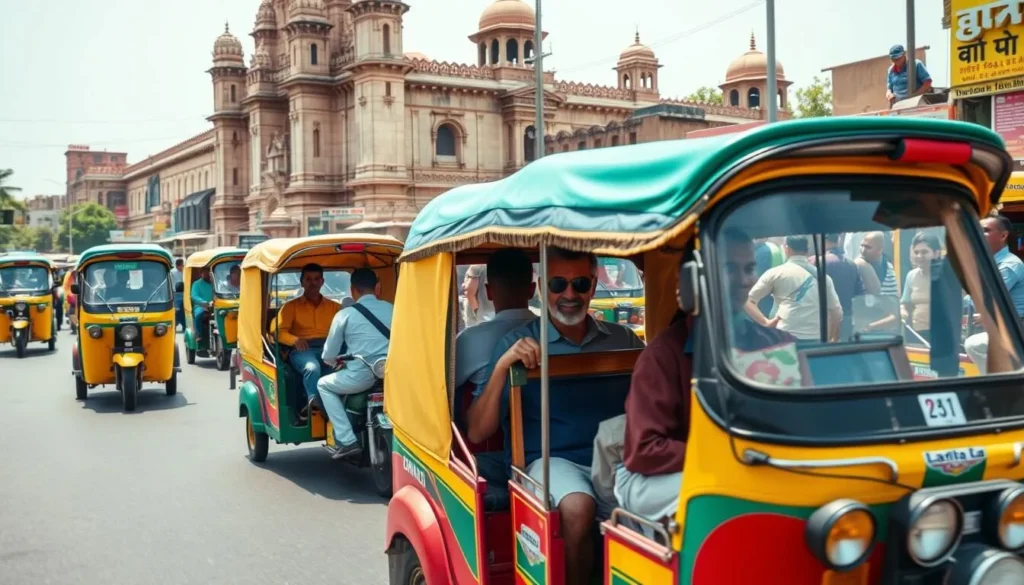
India offers diverse transportation options to suit every budget and comfort level:
Trains
India’s extensive railway network is the backbone of transportation, connecting nearly every corner of the country. The Indian Railways website allows advance booking (up to 120 days), which is essential for popular routes. Consider these train classes:
- 1AC/2AC/3AC – Air-conditioned sleeper coaches with varying privacy levels
- Sleeper Class – Non-AC, budget-friendly option for longer journeys
- Chair Car – Comfortable seating for daytime travel
- Luxury Trains – Palace on Wheels, Maharajas’ Express for premium experiences
The iconic toy trains in hill stations like Darjeeling and Shimla offer unforgettable scenic journeys through the mountains.
Road Transport
For flexibility and reaching places off the railway network:
- Auto-rickshaws – Three-wheeled vehicles ideal for short distances within cities
- Taxis – Available in all cities; use metered or app-based services when possible
- Buses – State-run and private options connecting towns and villages
- Car Rentals – Consider hiring a car with driver for multi-day excursions
In major cities, ride-hailing apps like Uber and Ola provide convenient, affordable transportation with transparent pricing.
Domestic flights save considerable time when traveling between distant cities. Airlines like IndiGo, Air India, SpiceJet, and Vistara offer extensive networks with competitive fares when booked in advance.
For a truly local experience, try unique regional transport like Goa’s motorcycle taxis, Kerala’s houseboats, or Kolkata’s hand-pulled rickshaws (though consider the ethical implications of the latter).
Where to Stay
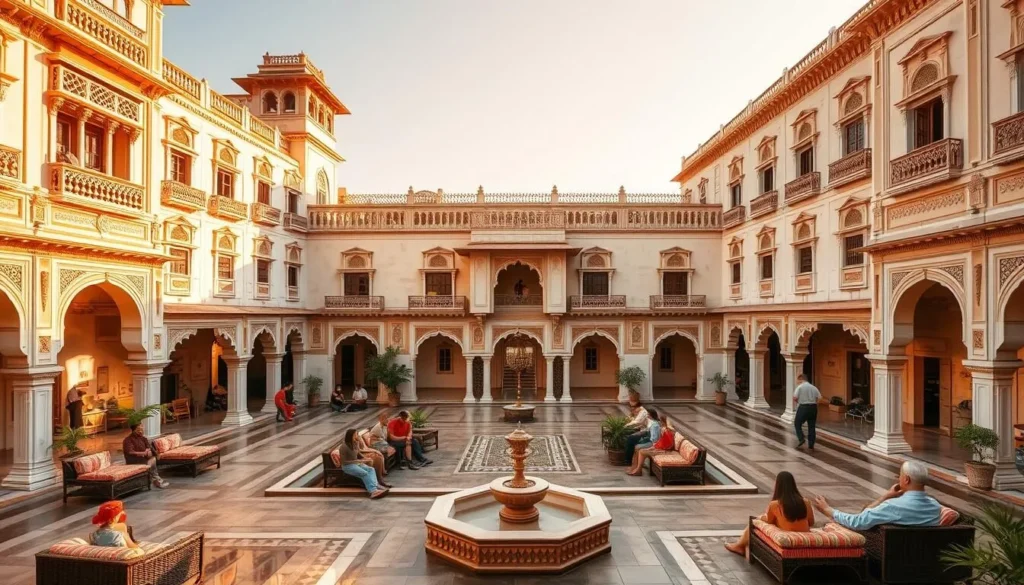
India offers accommodations for every budget and preference, from world-class luxury to simple guesthouses. Here are the main options:
Heritage Properties
For a truly memorable experience, stay in converted palaces, havelis (mansions), and forts. The Taj Hotels group manages many former royal residences, while heritage hotel associations list smaller properties. Top experiences include:
- Taj Lake Palace in Udaipur – A white marble palace floating on Lake Pichola
- Rambagh Palace in Jaipur – Former residence of the Maharaja of Jaipur
- Ahilya Fort in Maheshwar – 18th-century fort overlooking the sacred Narmada River
- Neemrana Fort-Palace – 15th-century property converted into a stunning hotel
Boutique Hotels & Homestays
For authentic cultural immersion, consider family-run boutique hotels and homestays. These provide personal attention and insights into local life. Popular options include:
- Kerala’s plantation homestays among tea and spice gardens
- Rajasthan’s haveli guesthouses with traditional architecture
- Farm stays in Punjab and Himachal Pradesh
- Artist retreats in creative hubs like Auroville
Budget Accommodations
Backpackers and budget travelers will find numerous affordable options:
- Hostels in major tourist destinations starting from ₹300-800 ($4-10) per night
- Guesthouses and budget hotels from ₹1,000-2,500 ($12-30)
- Ashrams offering simple accommodations with spiritual practices
- Government-run tourist lodges in remote areas
Booking platforms like MakeMyTrip and Cleartrip often offer better rates for Indian properties than international sites. In peak season (December-January and during major festivals), book accommodations several months in advance.
Dining & Local Cuisine
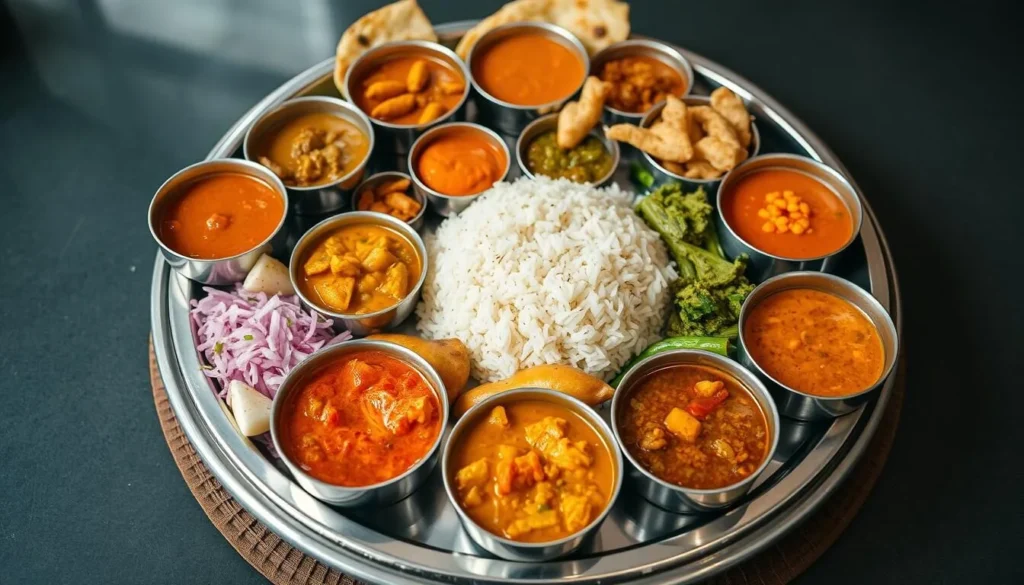
Indian cuisine varies dramatically by region, with distinct flavors, ingredients, and cooking techniques. Here’s a regional breakdown of must-try dishes:
North India
- Butter Chicken – Creamy tomato curry with tender chicken
- Chole Bhature – Spiced chickpeas with fried bread
- Kebabs – Especially in Lucknow’s Tunday Kababi
- Parathas – Stuffed flatbreads with various fillings
- Kashmiri Wazwan – Multi-course ceremonial feast
South India
- Dosa – Crispy fermented rice crepes
- Idli & Sambar – Steamed rice cakes with lentil soup
- Hyderabadi Biryani – Aromatic layered rice dish
- Kerala Fish Curry – Coconut-based seafood dish
- Filter Coffee – Strong coffee with chicory
East & West India
- Bengali Fish Curry – Mustard-based fish preparations
- Rasgulla – Sweet cheese dumplings in syrup
- Goan Vindaloo – Spicy Portuguese-influenced curry
- Dhokla – Steamed fermented rice cake from Gujarat
- Vada Pav – Mumbai’s potato burger street food
Street Food & Dining Tips
Street food is an essential part of India’s culinary landscape, but choose vendors wisely:
- Look for busy stalls with high turnover and locals in line
- Opt for freshly cooked items prepared in front of you
- Avoid raw vegetables and unfiltered water
- Carry digestive aids and probiotics, especially during your first week
For an authentic experience, try regional thalis (platters with multiple dishes) that offer a comprehensive taste of local cuisine. Vegetarians will find India a paradise, with countless delicious meat-free options available everywhere.
Attractions, Sightseeing & Activities
Iconic Landmarks
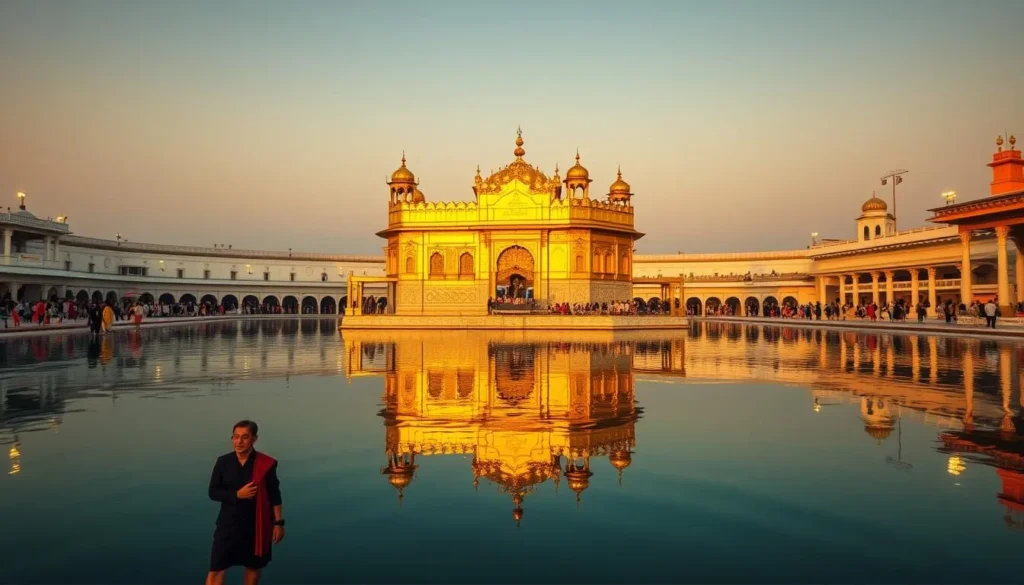
India’s most famous attractions deserve their reputation and should be on every traveler’s list:
- Taj Mahal (Agra) – This 17th-century marble mausoleum is India’s most recognizable landmark. Visit at sunrise for fewer crowds and magical lighting. The complex includes beautiful gardens and secondary structures worth exploring.
- Golden Temple (Amritsar) – The holiest shrine of Sikhism offers a spiritual experience regardless of your faith. The gold-plated temple sits in a sacred pool, creating stunning reflections. Visit at night when it’s illuminated, and don’t miss the community kitchen that feeds thousands daily.
- Varanasi Ghats – Experience the ancient rituals along the Ganges River. Take a sunrise boat ride to witness pilgrims performing morning prayers and rituals. The evening Ganga Aarti ceremony with fire and chanting is mesmerizing.
- Jaipur’s Amber Fort – This massive hilltop complex combines Hindu and Muslim architectural elements. The mirrored Sheesh Mahal (Palace of Mirrors) is particularly stunning.
Natural Wonders
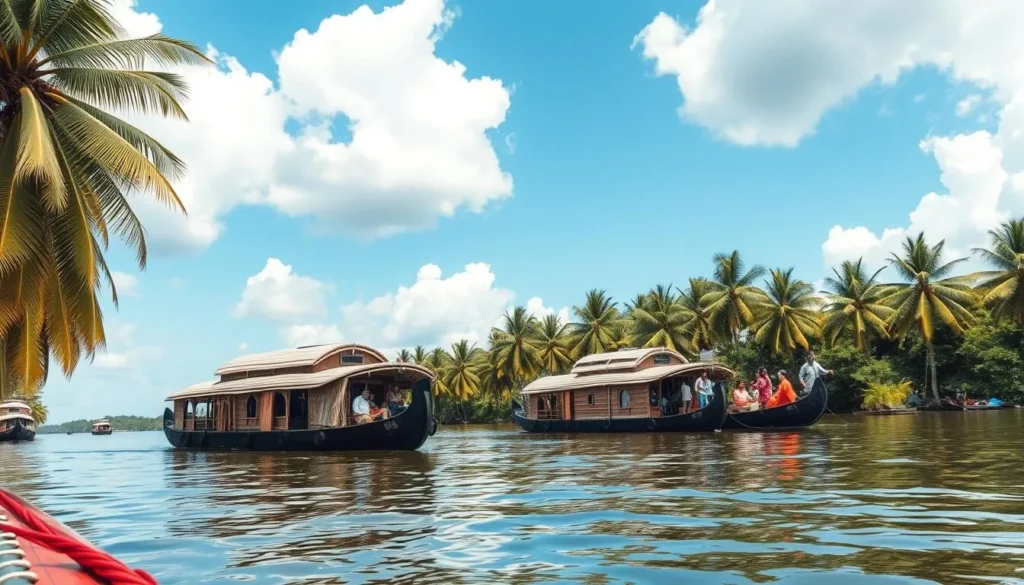
India’s diverse landscapes offer extraordinary natural experiences:
- Kerala Backwaters – Cruise these serene waterways on traditional houseboats (kettuvallams). The network of canals, rivers, and lakes is lined with coconut palms and villages where you can observe rural life.
- Himalayan Peaks – In states like Himachal Pradesh, Uttarakhand, and Sikkim, experience breathtaking mountain vistas. Dharamshala, Manali, and Darjeeling offer accessible Himalayan experiences.
- Thar Desert (Rajasthan) – Take a camel safari from Jaisalmer into the golden sand dunes. Overnight desert camps offer traditional food, music, and unparalleled stargazing.
- Andaman Islands – Explore pristine beaches, coral reefs, and tropical forests on these remote islands in the Bay of Bengal.
Historical Sites
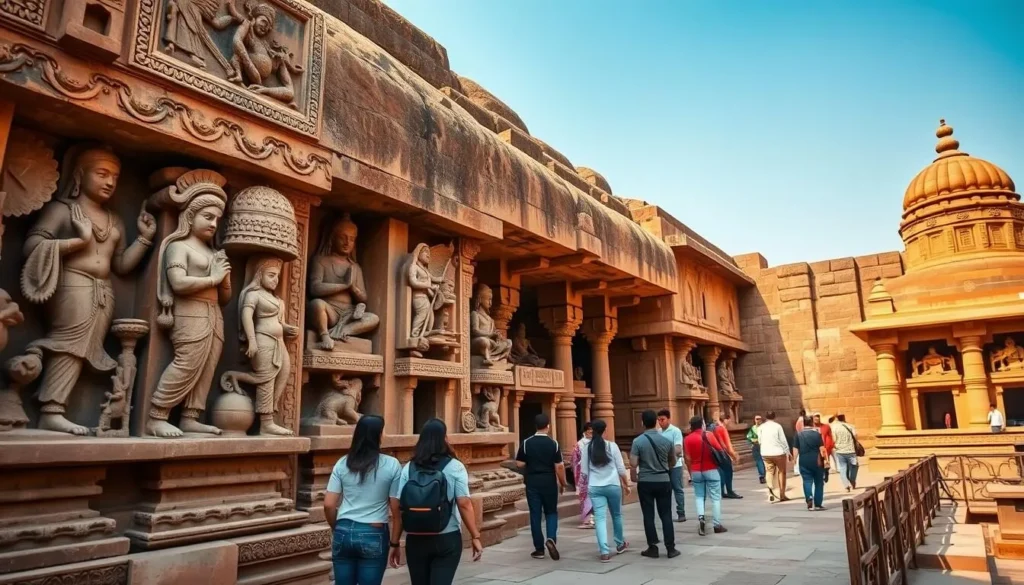
Beyond the famous landmarks, India’s historical depth is evident in these significant sites:
- Khajuraho Temples – Famous for their erotic sculptures, these 10th-century temples showcase exceptional Nagara-style architecture and intricate carvings depicting everyday life.
- Hampi Ruins – The remains of the Vijayanagara Empire spread across a surreal boulder-strewn landscape. The 15th-century Vittala Temple with its stone chariot is particularly impressive.
- Ajanta and Ellora Caves – These rock-cut cave temples near Aurangabad feature extraordinary Buddhist, Hindu, and Jain sculptures and paintings dating back to the 2nd century BCE.
- Konark Sun Temple – This 13th-century temple in Odisha is designed as a massive chariot with intricately carved stone wheels, pillars, and walls.
Museums, Cultural Spots & Festivals

Top Museums
India’s museums showcase its rich cultural heritage:
- National Museum (Delhi) – Houses over 200,000 artifacts spanning 5,000 years of Indian history
- City Palace Museum (Jaipur) – Royal artifacts in a stunning palace complex
- Indian Museum (Kolkata) – India’s oldest and largest museum
- CSMVS/Prince of Wales Museum (Mumbai) – Exceptional collection of art and archaeology
- Calico Museum of Textiles (Ahmedabad) – World-class collection of Indian textiles
Major Festivals
Experiencing an Indian festival provides unforgettable cultural insights:
| Festival | When | Where Best Celebrated | Experience |
| Diwali (Festival of Lights) | October/November | Jaipur, Varanasi, Amritsar | Illuminated buildings, fireworks, family celebrations |
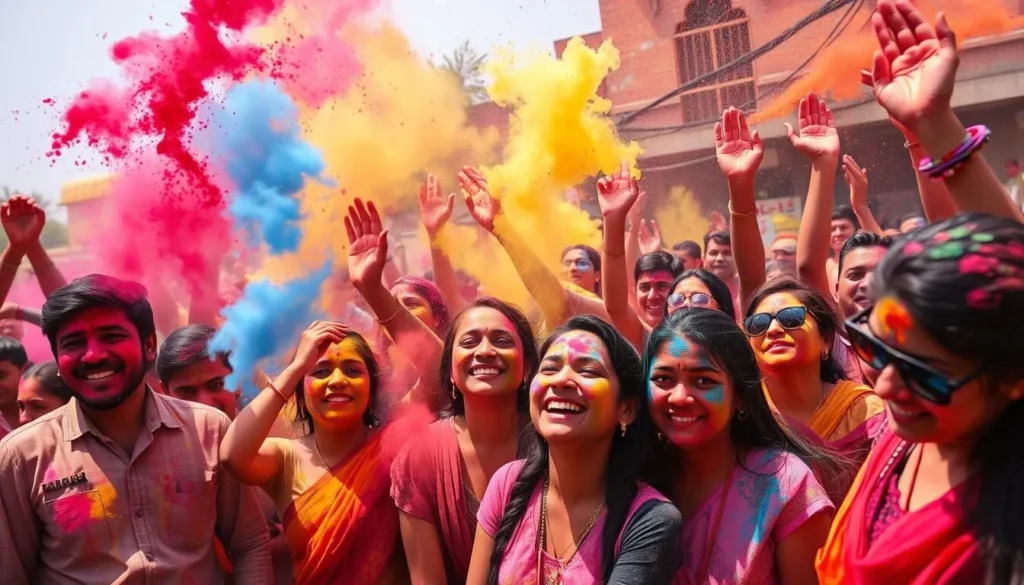
| Holi (Festival of Colors) | March | Mathura, Vrindavan, Jaipur | Color throwing, music, traditional sweets |
| Pushkar Camel Fair | November | Pushkar, Rajasthan | Camel trading, folk performances, competitions |
| Durga Puja | September/October | Kolkata | Elaborate pandals (temporary structures), processions |
| Ganesh Chaturthi | August/September | Mumbai, Pune | Ganesh idol processions, community celebrations |
Cultural Experiences
Immerse yourself in India’s living traditions:
- Classical Performances – Attend Bharatanatyam, Kathak, or Odissi dance performances
- Cooking Classes – Learn regional cuisines in cities like Delhi, Jaipur, and Kochi
- Textile Workshops – Try block printing in Jaipur or weaving in Varanasi
- Spiritual Retreats – Experience yoga and meditation in Rishikesh or Dharamshala
- Qawwali Music – Attend Sufi devotional singing at Nizamuddin Dargah in Delhi
Sports, Nature & Outdoor Experiences
Wildlife Safaris
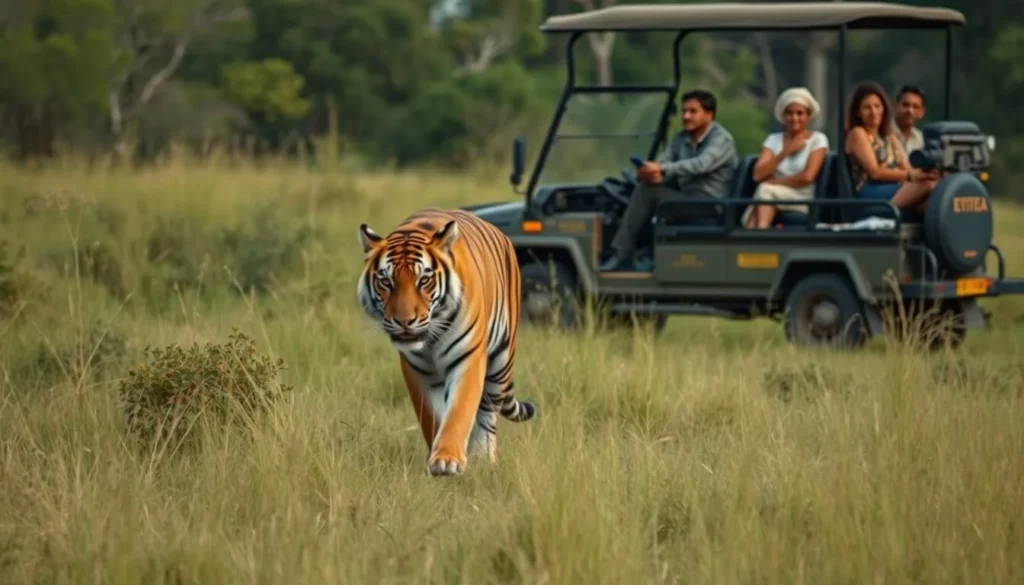
India is home to remarkable biodiversity and iconic wildlife:
- Bengal Tiger – Best spotted in Ranthambore (Rajasthan), Bandhavgarh and Kanha (Madhya Pradesh), and Corbett (Uttarakhand)
- One-horned Rhinoceros – Kaziranga National Park (Assam) protects the world’s largest population
- Asiatic Lion – Gir Forest (Gujarat) is their only natural habitat worldwide
- Snow Leopard – Winter treks in Hemis National Park (Ladakh) offer rare sighting opportunities
- Bird Watching – Keoladeo Ghana (Bharatpur) and Kumarakom (Kerala) are avian paradises
Adventure Activities
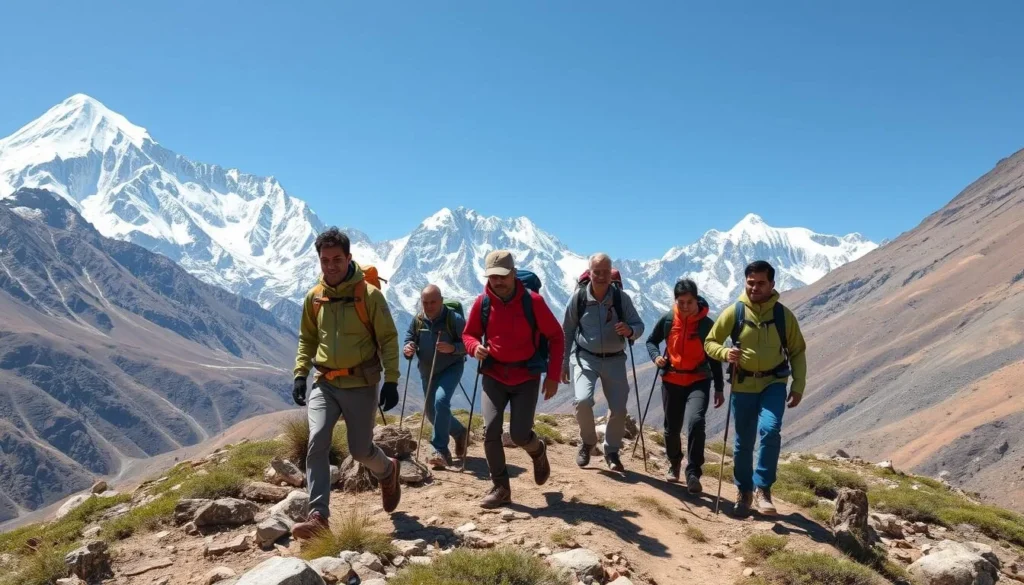
For adrenaline seekers, India offers numerous thrilling activities:
- Trekking – The Himalayas offer world-class routes like the Valley of Flowers (Uttarakhand), Markha Valley (Ladakh), and Goecha La (Sikkim)
- White Water Rafting – Navigate rapids on the Ganges near Rishikesh or the Zanskar River in Ladakh
- Scuba Diving – Explore coral reefs around the Andaman Islands or off Goa’s coast
- Paragliding – Soar above Bir-Billing (Himachal Pradesh), one of the world’s best paragliding sites
- Camel Safaris – Trek through the Thar Desert from Jaisalmer, spending nights under the stars
Wellness & Spiritual Experiences
India is the birthplace of yoga and Ayurveda, offering authentic wellness experiences:
- Yoga Retreats – Practice in Rishikesh, the “Yoga Capital of the World,” or at ashrams throughout the country
- Ayurvedic Treatments – Experience traditional healing in Kerala, where monsoon season (June-August) is considered ideal for rejuvenation therapies
- Meditation Courses – Learn Vipassana meditation at centers nationwide or Buddhist practices in Dharamshala
- Spiritual Pilgrimages – Walk in Buddha’s footsteps in Bihar or visit the four sacred Char Dham temples in the Himalayas
Safety, Etiquette & Local Customs
Safety Tips
India is generally safe for tourists, but standard precautions are advisable:
- Research your destinations thoroughly and stay informed about local conditions
- Register with your country’s embassy or consulate upon arrival
- Use reputable transportation and avoid traveling alone at night
- Keep valuables secure and be vigilant in crowded areas
- Purchase comprehensive travel insurance including medical evacuation
- Carry a basic medical kit with remedies for stomach issues
- Drink only bottled or purified water and be cautious with street food
Cultural Etiquette
Respecting local customs enhances your experience and shows consideration:
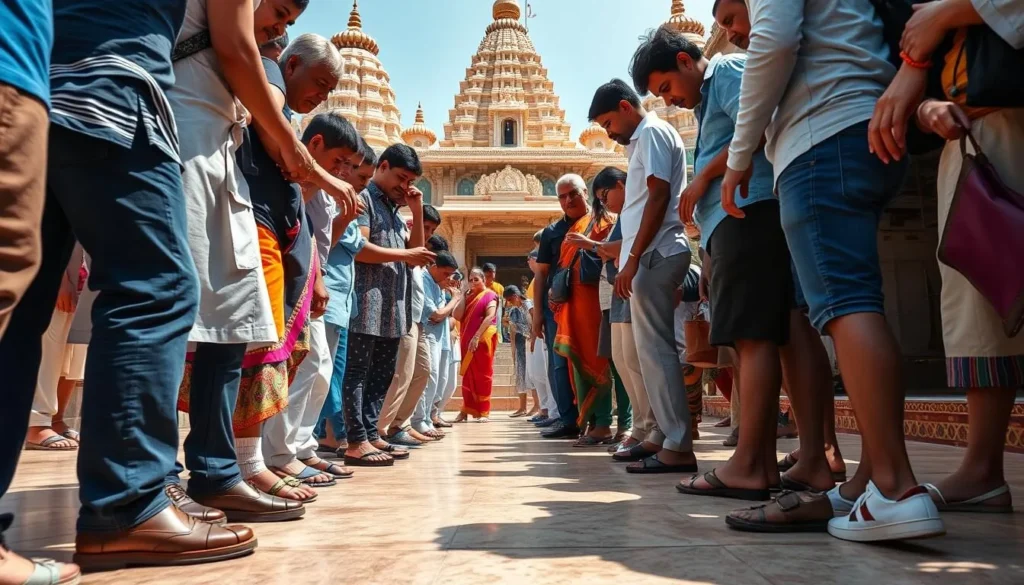
- Dress Modestly – Especially at religious sites and in rural areas. Women should cover shoulders and knees; men should avoid shorts in temples.
- Remove Shoes – Before entering temples, mosques, homes, and some shops
- Ask Permission – Before photographing people, especially in rural areas and at religious sites
- Use Right Hand – For eating, giving, and receiving (the left hand is considered unclean)
- Greetings – “Namaste” with palms pressed together is universally appropriate
- Public Displays of Affection – Avoid in public, as they may cause offense
Religious Etiquette
India’s diverse faiths have specific customs for visitors:
- Hindu Temples – Remove shoes, avoid leather items, follow directional signs for circumambulation
- Mosques – Remove shoes, women should cover heads, avoid visiting during prayer times
- Sikh Gurdwaras – Remove shoes, cover head with provided scarves, accept prasad (blessed food) with cupped hands
- Buddhist Monasteries – Walk clockwise around stupas, speak softly, don’t point feet toward Buddha images
- Jain Temples – Remove shoes and all leather items, avoid bringing food
Visitor Comments About India
“India completely transformed my perspective on travel. The juxtaposition of ancient traditions alongside modern innovation creates an energy unlike anywhere else. My highlights were sunrise at the Taj Mahal, which truly lives up to the hype, and a homestay in Kerala where I learned to cook with a local family. Don’t rush your trip—India rewards those who slow down and embrace its beautiful chaos.”
“As a solo female traveler, I was initially hesitant about visiting India, but it ended up being one of my most rewarding journeys. The key was careful planning and respecting local customs. Varanasi was spiritually profound—watching the evening aarti ceremony along the Ganges moved me to tears. I also loved the tranquility of Darjeeling’s tea plantations, which offered a peaceful contrast to the vibrant cities.”
“Our family trip through Rajasthan exceeded all expectations. The children were fascinated by the history of the forts and palaces, while we adults appreciated the architectural details and cultural experiences. The highlight was our desert safari from Jaisalmer—sleeping under the stars while our guides prepared traditional Rajasthani food over an open fire. My advice: bring half the clothes and twice the patience you think you’ll need!”
Additional Nearby Destinations
While India offers enough to fill multiple trips, these nearby countries complement an Indian journey:
Nepal
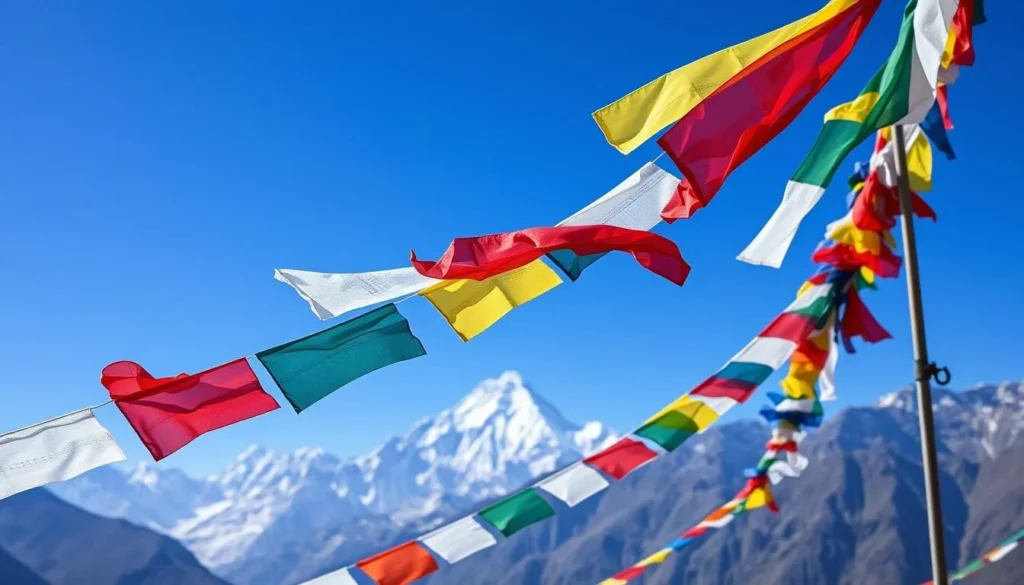
Just north of India, Nepal offers spectacular Himalayan trekking, including the Everest Base Camp and Annapurna Circuit. Kathmandu’s ancient temples and Pokhara’s lakeside tranquility provide cultural and natural beauty. Many travelers combine northern India with Nepal in a single trip.
Distance: 1-hour flight from Delhi to Kathmandu
Bhutan
This Buddhist kingdom measures progress by Gross National Happiness rather than GDP. Visitors discover pristine monasteries like Tiger’s Nest, dramatic mountain landscapes, and a deeply preserved culture. Bhutan requires all tourists to book through authorized tour operators with a minimum daily spending requirement.
Distance: 2-hour flight from Kolkata to Paro
Sri Lanka
This island nation offers ancient Buddhist sites, colonial architecture, wildlife safaris, and pristine beaches. The cultural triangle (Anuradhapura, Polonnaruwa, Sigiriya) pairs well with southern India’s temple circuit, while the hill country tea plantations complement experiences in Darjeeling or Munnar.
Distance: 1.5-hour flight from Chennai to Colombo
The Maldives (1.5 hours from Kochi) provides a relaxing beach finale to an Indian adventure, while Bangladesh (45 minutes from Kolkata) offers the Sundarbans mangrove forests and cultural experiences in Dhaka.
Practical Travel Tips
Money Matters
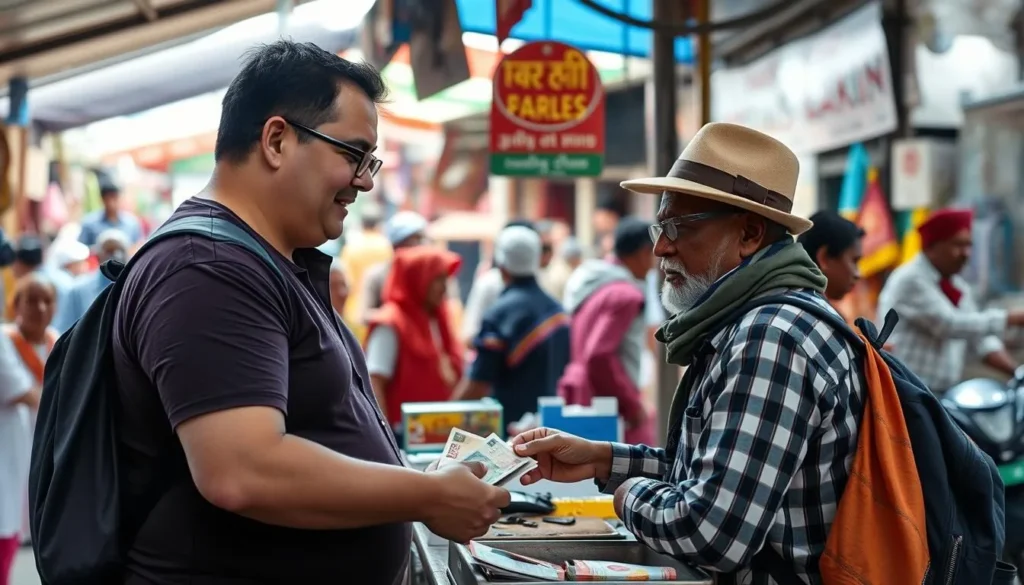
- The Indian Rupee (₹) is the official currency; ATMs are widely available in cities but can be scarce in rural areas
- Inform your bank of travel plans to prevent card blocks
- Carry some cash for small purchases and places that don’t accept cards
- Tipping is customary: 10% in restaurants, ₹100-300 for guides, and ₹50-100 for porters
- Bargaining is expected in markets but not in fixed-price shops
Communication
- Purchase a local SIM card upon arrival for affordable data and calls (Airtel, Jio, and Vodafone offer tourist plans)
- Download offline maps, translation apps, and key phrases in Hindi and regional languages
- English is widely spoken in tourist areas and by educated Indians
- Save emergency contacts: 100 (Police), 102 (Ambulance), 101 (Fire)
Health Precautions
- Consult a travel doctor 4-6 weeks before departure for recommended vaccinations
- Pack prescription medications with their original labels
- Bring insect repellent, sunscreen, and a basic first-aid kit
- Consider malaria prophylaxis if visiting risk areas
- Stay hydrated but drink only bottled or purified water
Packing Essentials
- Modest, lightweight clothing with layers for temperature variations
- Comfortable walking shoes and sandals
- Scarf or shawl for women (useful for covering head at religious sites)
- Portable power bank and universal adapter
- Hand sanitizer and toilet paper (not always available in public restrooms)
- Photocopy of passport and visa stored separately from originals
Embrace the Extraordinary: Your Indian Adventure Awaits
India isn’t merely a destination; it’s a profound journey that engages all your senses and challenges your perspectives. From the moment you arrive, you’ll be immersed in a symphony of colors, flavors, sounds, and spiritual energy that has captivated travelers for centuries. The initial sensory overload gradually transforms into a deep appreciation for this land of extraordinary contrasts—where ancient traditions thrive alongside cutting-edge innovation, where chaotic city streets lead to serene mountain retreats, and where strangers often become friends through simple shared moments.
Whether you’re watching the sun rise over the Taj Mahal, drifting through Kerala’s peaceful backwaters, meditating in a Himalayan ashram, or savoring street food in a bustling market, India offers experiences that will remain vivid in your memory long after you’ve returned home. The country’s greatest gift to travelers is perhaps its ability to surprise—just when you think you’ve understood India, it reveals another layer of complexity and beauty.
Pack your curiosity, patience, and sense of adventure. India awaits, ready to transform your journey into something truly extraordinary.
The above is subject to change.
Check back often to TRAVEL.COM for the latest travel tips and deals.


0 Comments