Jaipur, India: Best Things to Do – Top Picks

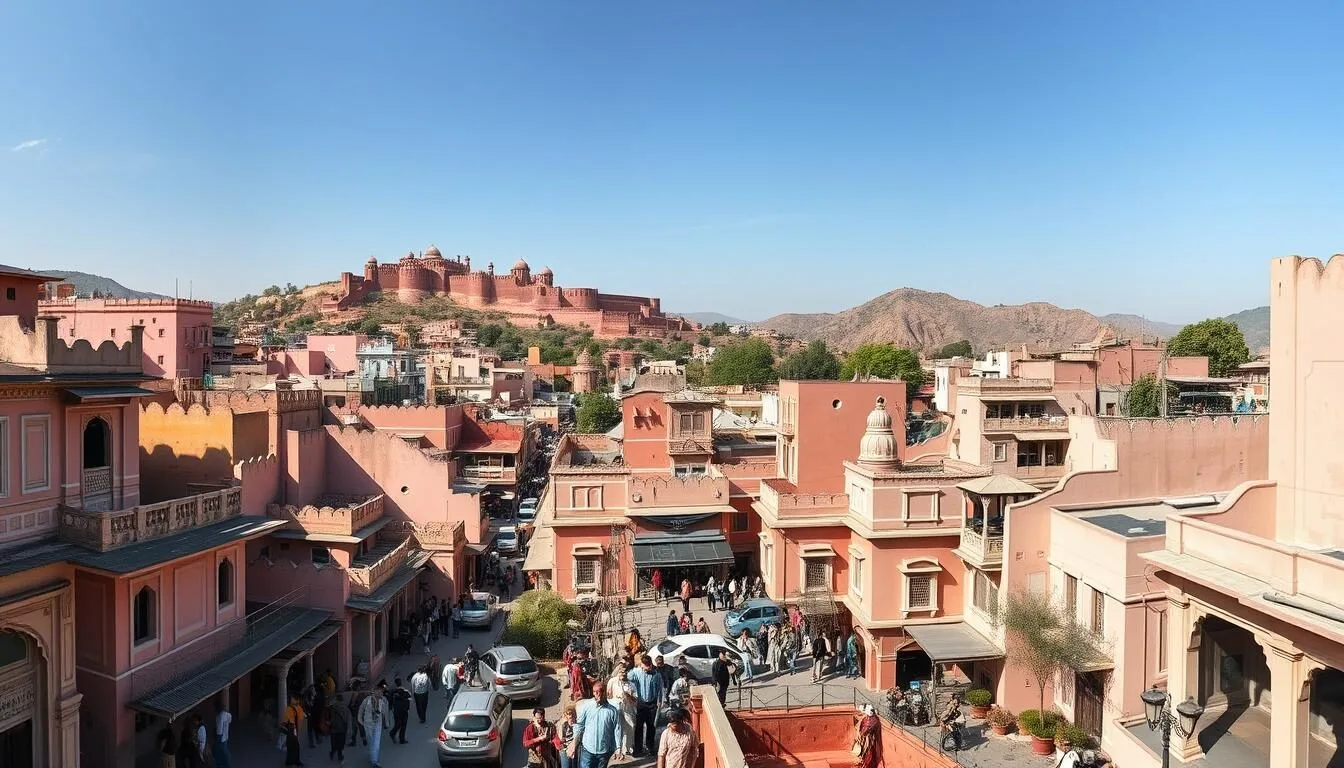
Aerial view of Jaipur's pink-colored buildings with Amber Fort in the distance, showcasing why it's called the Pink City

Did you know that Jaipur wasn’t always pink? The entire city was painted terracotta pink in 1876 to welcome Prince Albert and Queen Victoria, and the tradition continues by law today. This fascinating blend of history and vibrant culture makes Jaipur one of India’s most captivating destinations, attracting over 3 million visitors annually who come to explore its majestic forts, ornate palaces, and bustling bazaars.

Getting There & Planning Your Journey

Jaipur is well-connected to the rest of India and the world, making it easily accessible for international travelers. The city serves as a key point in India’s famous Golden Triangle tourist circuit, which also includes Delhi and Agra.

By Air

Jaipur International Airport (JAI), also known as Sanganer Airport, is located just 13 km from the city center. It handles both domestic and international flights, with direct connections to major Indian cities like Delhi, Mumbai, and Bangalore. International travelers can find connecting flights from hubs like Dubai, Bangkok, and Kuala Lumpur. For the best deals, consider booking flights 2-3 months in advance.

By Train

India’s extensive railway network makes train travel a convenient and authentic way to reach Jaipur. The main railway station, Jaipur Junction, is well-connected to major cities across India. The journey from Delhi takes approximately 4-5 hours on the Shatabdi Express or Rajdhani Express, both offering comfortable travel experiences. Train tickets can be booked through the official Indian Railways website or at the station.

By Road

If you’re already in northern India, traveling to Jaipur by road is straightforward. The city is connected via National Highways 8, 11, and 12. The drive from Delhi takes around 5-6 hours on the well-maintained NH-8. Regular bus services operate from Delhi, Agra, and other nearby cities, with both government-run and private options available.
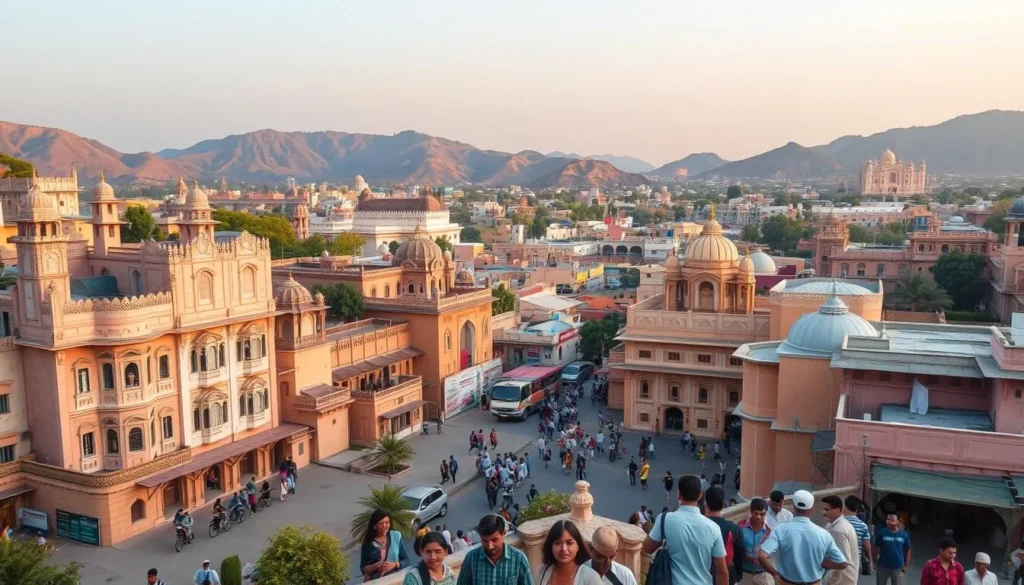
Beautiful view of Jaipur cityscape with historic buildings and mountains in background

Best Time to Visit & Weather Tips

Jaipur experiences a semi-desert climate with distinct seasons, each offering a different experience for travelers. Timing your visit right can make a significant difference in your enjoyment of the Pink City.

Recommended Seasons

  • October to March: The best time to visit Jaipur. Winter brings pleasant daytime temperatures ranging from 15°C to 25°C (59°F to 77°F), perfect for sightseeing and exploring outdoor attractions. Nights can be chilly, dropping to around 8°C (46°F) in December and January, so pack a light jacket.
  • February and March: Ideal months with warm days and cool evenings. This period also coincides with the vibrant Elephant Festival (March) and Holi celebrations.
  • September and early October: Post-monsoon season offers lush landscapes and moderate temperatures between 25°C to 33°C (77°F to 91°F).
  • Seasons to Avoid

  • April to June: Summer brings extreme heat with temperatures regularly exceeding 40°C (104°F), making outdoor exploration uncomfortable. If you must visit during this time, plan activities for early mornings and evenings.
  • July and August: The monsoon season brings heavy rainfall and high humidity. While this turns the surrounding landscape green, it can disrupt travel plans and outdoor activities.
  • Seasonal Events Worth Planning For

  • January: Jaipur Literature Festival, the world’s largest free literary festival
  • March/April: Holi and Elephant Festival (dates vary based on lunar calendar)
  • August: Teej Festival, celebrating the onset of monsoon
  • October/November: Diwali celebrations illuminate the entire city
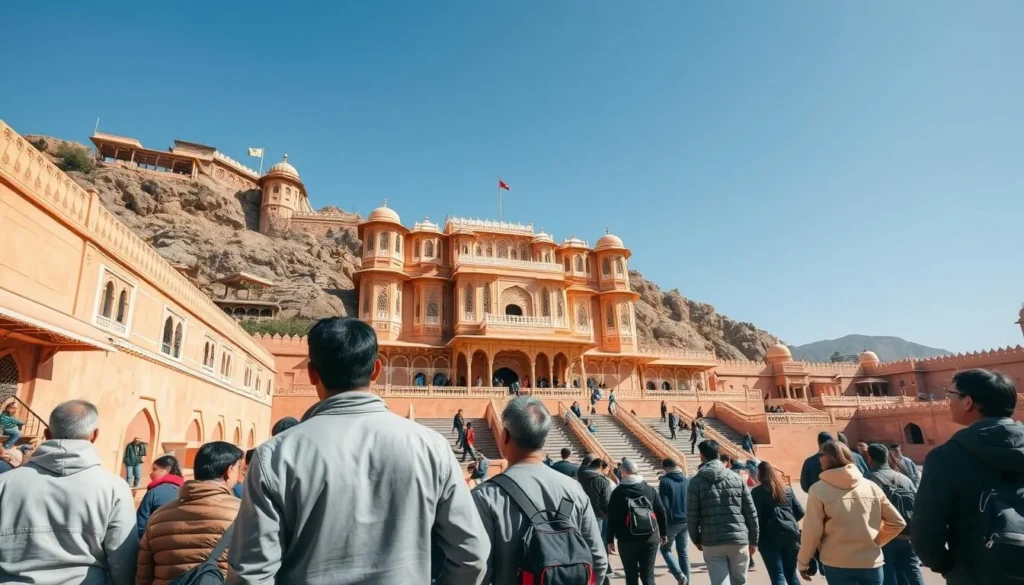
  • Tourists exploring Amber Fort in Jaipur during the pleasant winter season

    Getting Around Locally

    Navigating Jaipur is part of the adventure, with various transportation options to suit different preferences and budgets. The city’s layout is relatively straightforward, with many major attractions concentrated in the walled Pink City area.

    Auto-Rickshaws and Tuk-Tuks

    These three-wheeled vehicles are ubiquitous in Jaipur and offer an authentic local experience. They’re ideal for short to medium distances and navigating narrow streets. Always negotiate the fare before starting your journey, as meters are rarely used. A typical ride within the city should cost between INR 50-150 depending on distance.

    Ride-Hailing Services

    Uber and Ola operate extensively in Jaipur, providing air-conditioned rides at reasonable rates. These services are particularly useful for longer journeys or when you need to travel during extreme weather. They also eliminate the need for haggling over prices.

    Private Driver

    For maximum convenience, consider hiring a private car with driver for the day. This option typically costs INR 1,000-1,500 per day and allows you to explore at your own pace. Many hotels can arrange this service for you, or you can book through local travel agencies.

    Public Buses

    Jaipur’s public bus system is extensive and very affordable, though buses can be crowded and challenging to navigate for first-time visitors. The low-floor Jaipur City Transport Service Ltd (JCTSL) buses connect major parts of the city.

    Walking

    The old walled city area is compact enough to explore on foot, especially in the cooler months. Walking allows you to discover hidden gems and experience the vibrant street life, though be prepared for uneven pavements and busy traffic.
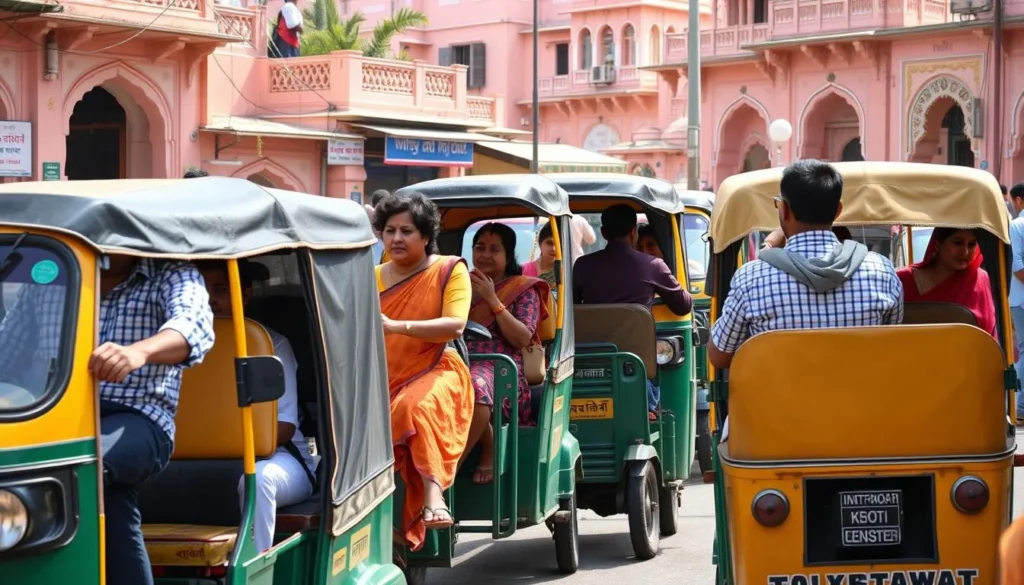
    Colorful auto-rickshaws and tuk-tuks on a busy street in Jaipur with tourists boarding

    Where to Stay

    Jaipur offers accommodation options for every budget and preference, from lavish heritage hotels in converted palaces to charming guesthouses and modern budget-friendly options. Each area of the city provides a different experience for travelers.

    Luxury Heritage Hotels

  • Rambagh Palace: Once home to the Maharaja of Jaipur, this opulent palace hotel offers an authentic royal experience with luxurious rooms, sprawling gardens, and world-class amenities. Rooms start from INR 25,000 per night.
  • Samode Haveli: A 175-year-old traditional Indian mansion converted into a luxury hotel, featuring ornate frescoes, elegant courtyards, and a beautiful pool. Located in the old city, it offers a perfect blend of heritage and comfort.
  • Fairmont Jaipur: Designed in the style of a Mughal palace, this 5-star property offers spacious rooms, multiple dining options, and excellent spa facilities just outside the city.
  • Mid-Range Options

  • Umaid Mahal: A heritage-style hotel providing authentic Rajasthani hospitality with traditionally decorated rooms and a rooftop restaurant offering city views.
  • Jas Vilas: A family-run boutique hotel set in a quiet residential area, featuring a refreshing pool and home-cooked Rajasthani meals.
  • Hotel Pearl Palace: Popular with travelers for its excellent value, clean rooms, and renowned rooftop restaurant with panoramic views.
  • Budget Stays

  • Hotel Kalyan: Offering clean, comfortable rooms and a friendly atmosphere with a pleasant rooftop area, perfect for budget-conscious travelers.
  • Zostel Jaipur: A modern hostel with both dormitory and private rooms, popular with backpackers and solo travelers for its social atmosphere.
  • Madhav Guest House: A simple, family-run guesthouse in the old city offering basic but clean accommodations at very reasonable rates.
  • Best Areas to Stay

  • Old City (Pink City): Stay here to be close to major attractions like Hawa Mahal and City Palace, though it can be noisy and congested.
  • Bani Park: A quieter residential area still close to the city center, with many mid-range heritage hotels.
  • C-Scheme: An upscale area with modern amenities, shopping, and restaurants, popular with business travelers.
  • Civil Lines: A peaceful area with wider roads and greenery, home to several luxury hotels.
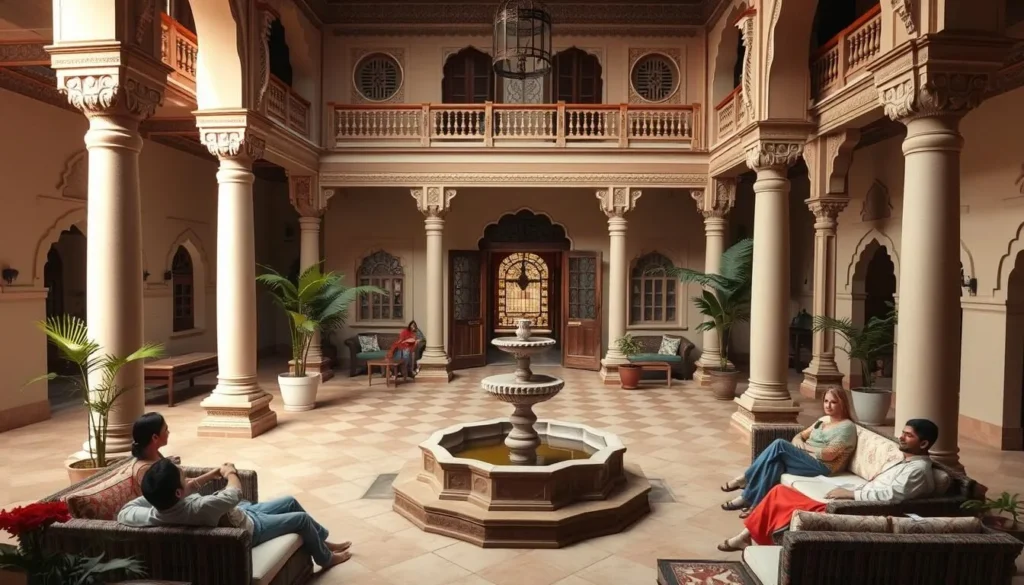
  • Interior courtyard of a heritage hotel in Jaipur with traditional Rajasthani architecture

    Dining & Local Cuisine

    Rajasthani cuisine is known for its rich flavors, aromatic spices, and unique cooking techniques developed to cope with the scarcity of water and fresh vegetables in the desert region. Jaipur offers countless opportunities to sample these distinctive dishes, from street food stalls to fine dining restaurants.

    Must-Try Rajasthani Dishes

  • Dal Baati Churma: The signature dish of Rajasthan consisting of hard wheat rolls (baati) served with lentil curry (dal) and a sweet crumbled mixture (churma).
  • Laal Maas: A fiery meat curry made with red chilies, yogurt, and spices, traditionally prepared with game meat but now usually made with goat or lamb.
  • Ker Sangri: A unique vegetarian dish made from dried desert beans and berries, cooked with spices.
  • Gatte ki Sabzi: Gram flour dumplings cooked in a spicy yogurt gravy.
  • Pyaaz Kachori: Deep-fried pastry filled with spiced onions and served with tangy tamarind chutney.
  • Mawa Kachori: A sweet version filled with mawa (reduced milk) and dry fruits, a specialty of Jaipur.
  • Where to Eat

    Fine Dining

  • Suvarna Mahal at Rambagh Palace: Experience royal dining in an opulent setting with classical Rajasthani cuisine.
  • Cinnamon at Jai Mahal Palace: Offers contemporary Indian cuisine in an elegant atmosphere.
  • Caffé Palladio: Beautiful Art Deco-inspired restaurant serving Italian cuisine with an Indian twist.
  • Mid-Range Restaurants

  • Peacock Rooftop Restaurant: Popular for its varied menu of Indian and international dishes, served with panoramic city views.
  • Niros: A Jaipur institution since 1949, known for excellent North Indian cuisine.
  • Handi: Specializes in traditional Rajasthani dishes cooked in clay pots (handis).
  • Street Food and Budget Eats

  • Lassiwala on MI Road: Serving the city’s most famous lassi (yogurt drink) in traditional clay cups since 1944.
  • Rawat Misthan Bhandar: Famous for its pyaaz kachori and other Rajasthani snacks.
  • Chokhi Dhani: A cultural village complex offering an authentic Rajasthani thali (platter) experience with folk performances.
  • Dining Tips

  • Rajasthani food tends to be spicy; ask for milder versions if you’re sensitive to heat.
  • Vegetarian food is widely available and often exceptional in quality.
  • Street food is delicious but choose vendors with high turnover and good hygiene practices.
  • Drinking filtered or bottled water is recommended for visitors.
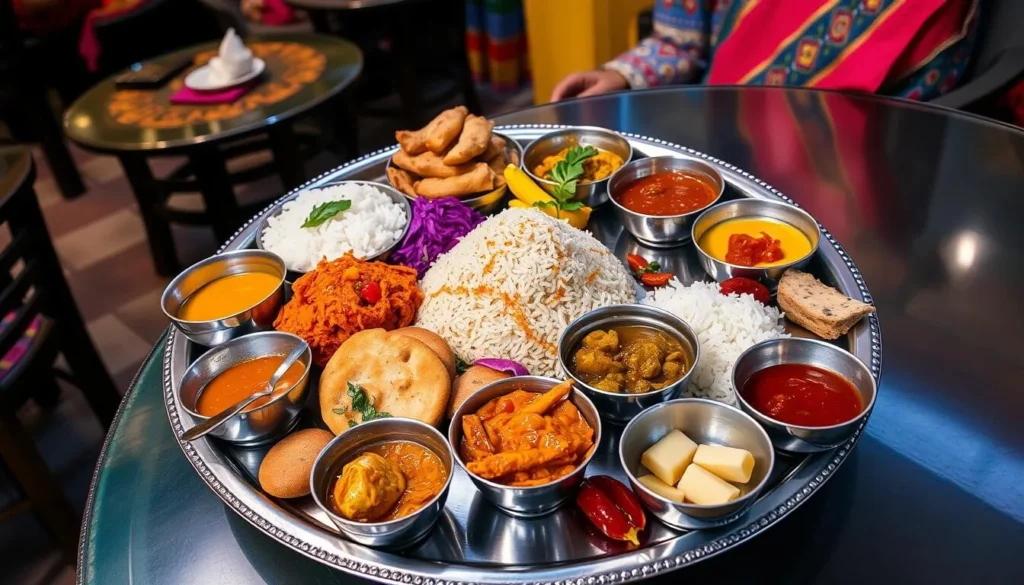
  • Traditional Rajasthani thali meal with various dishes served on a metal plate

    Attractions, Sightseeing & Activities

    Jaipur boasts an impressive array of historical and cultural attractions that showcase the city’s royal heritage and architectural splendor. Here are the must-visit sites that should be on every traveler’s itinerary.

    Amber Fort

    Located 11 km from the city center, this magnificent hilltop fort is one of Jaipur’s most spectacular attractions. Built in 1592 by Raja Man Singh I, the fort features a stunning blend of Hindu and Mughal architectural styles. Don’t miss the Sheesh Mahal (Mirror Palace), where a single candle can illuminate the entire room through thousands of mirror pieces. Allow 2-3 hours to explore the fort thoroughly. Entrance fee: INR 500 for foreigners, INR 100 for Indians.

    Hawa Mahal (Palace of Winds)

    This iconic five-story pink sandstone structure features 953 small windows (jharokhas) that allowed royal ladies to observe street festivals while remaining unseen. The honeycomb facade is best photographed in the morning light. For the best views, visit the rooftop cafes across the street. Entrance fee: INR 200 for foreigners, INR 50 for Indians.

    City Palace

    In the heart of the old city, this vast palace complex continues to be the residence of the royal family. The museum displays royal costumes, weapons, and artwork. The highlight is Chandra Mahal, where visitors can tour the royal apartments with a special ticket. Entrance fee: INR 700 for foreigners (basic entry), INR 2,500 for royal apartments tour.

    Jantar Mantar

    This UNESCO World Heritage site is an astronomical observatory built by Maharaja Jai Singh II in the early 18th century. It houses the world’s largest stone sundial and 19 other instruments used to measure time, predict eclipses, and track stars. Hiring a guide is recommended to understand the complex instruments. Entrance fee: INR 200 for foreigners, INR 50 for Indians.

    Jal Mahal (Water Palace)

    This picturesque palace appears to float in the middle of Man Sagar Lake. While visitors cannot enter the palace, the view from the shoreline is spectacular, especially at sunset. There’s no entrance fee to view the palace from the shore.
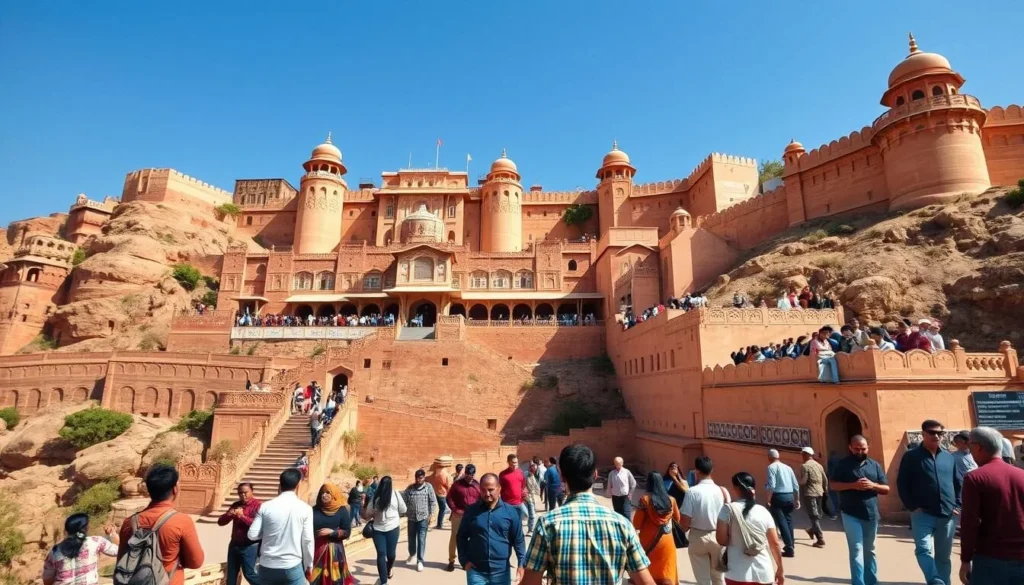
    The magnificent Amber Fort in Jaipur with its impressive architecture and walls

    Nahargarh Fort

    Perched on the Aravalli Hills, this fort offers breathtaking panoramic views of Jaipur city, especially at sunset. Built in 1734 as a defense structure, it later became a summer retreat for the royal family. The fort houses Madhavendra Bhawan, a series of suites for the king and his queens. Entrance fee: INR 200 for foreigners, INR 50 for Indians.

    Albert Hall Museum

    The oldest museum in Rajasthan, this stunning Indo-Saracenic building houses a rich collection of artifacts including paintings, jewelry, carpets, ivory, stone, metal sculptures, and works from different civilizations. Entrance fee: INR 150 for foreigners, INR 40 for Indians.

    Patrika Gate

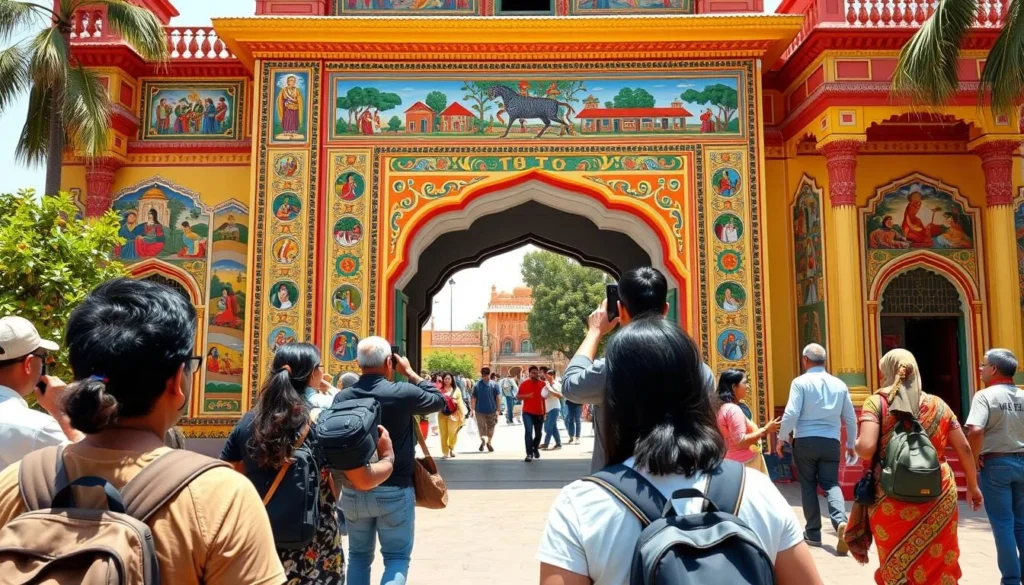
    One of Jaipur’s most colorful and Instagram-worthy spots, this ornate gate is the entrance to Jawahar Circle Garden. The gate features intricate paintings depicting the history, culture, and architecture of Rajasthan. Entry is free.

    Galta Ji (Monkey Temple)

    This ancient Hindu pilgrimage site features natural spring water pools and is home to hundreds of macaque and langur monkeys. The complex includes several temples dedicated to various deities. Located about 10 km from the city center. Entry is free, but there’s a small camera fee.
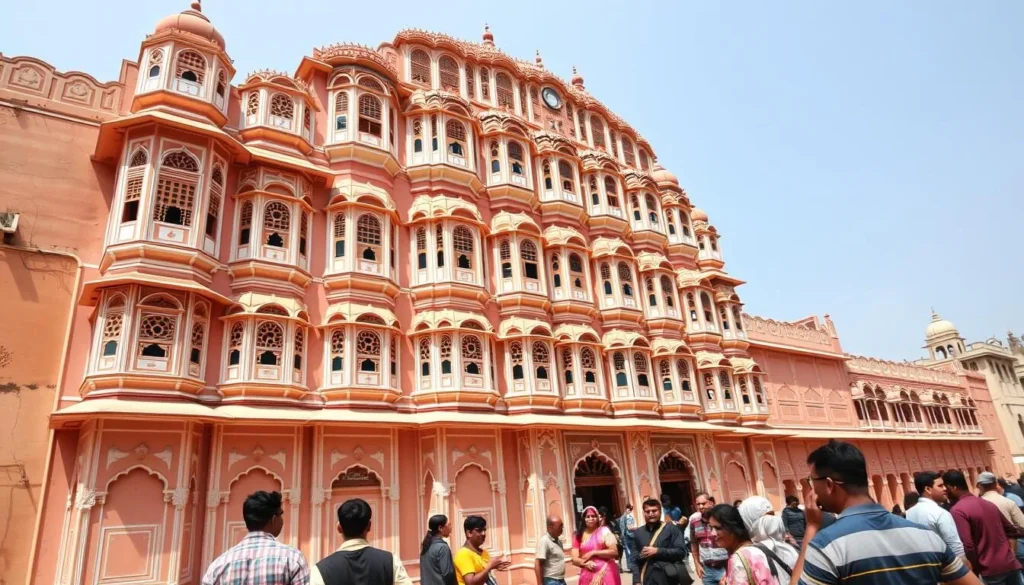
    The intricate facade of Hawa Mahal (Palace of Winds) in Jaipur with its many windows

    Museums, Cultural Spots & Festivals

    Beyond its architectural wonders, Jaipur offers rich cultural experiences through its museums, artisan communities, and vibrant festivals that showcase Rajasthan’s living heritage.

    Museums and Cultural Institutions

  • Anokhi Museum of Hand Printing: Located near Amber Fort, this museum showcases the traditional art of block printing on textiles. Visitors can watch artisans at work and even try their hand at the craft. Entrance fee: INR 80 for foreigners.
  • Amrapali Museum: A stunning collection of traditional Indian jewelry and artifacts that tells the story of India’s rich jewelry-making traditions. Entrance fee: INR 600.
  • Jawahar Kala Kendra: A cultural center designed by architect Charles Correa that hosts exhibitions, performances, and workshops celebrating Rajasthani arts. Entry is free for most exhibitions.
  • Museum of Legacies: Housed in a restored heritage building, this museum displays traditional crafts, textiles, and artifacts from across Rajasthan. Entrance fee: INR 100.
  • Artisan Communities and Crafts

  • Sanganer: Famous for its handmade paper and block printing industries, this town 16 km from Jaipur offers workshops where visitors can see the entire process.
  • Bagru: Known for its unique natural dye printing technique using wooden blocks, this village is worth a half-day trip from Jaipur.
  • Jewelry Making: Jaipur is renowned for its gemstone cutting and jewelry craftsmanship. Visits to workshops can be arranged through hotels or tour operators.
  • Blue Pottery: This distinctive ceramic work came to Jaipur from Persia and is characterized by its vibrant blue and turquoise colors. Several workshops offer demonstrations.
  • Major Festivals

  • Jaipur Literature Festival (January): The world’s largest free literary festival attracts authors, intellectuals, and book lovers from around the globe for five days of readings, discussions, and musical performances.
  • Elephant Festival (March, before Holi): A spectacular event featuring decorated elephants, folk performances, and traditional games. Note that in recent years, this festival has sometimes been canceled due to animal welfare concerns.
  • Teej Festival (July/August): Celebrating the onset of monsoon, this festival honors the goddess Parvati with processions, swinging ceremonies, and special markets for women.
  • Diwali (October/November): The Festival of Lights is celebrated with special fervor in Jaipur, with buildings and markets beautifully illuminated and firework displays lighting up the night sky.
  • Jaipur International Film Festival (January): An annual event showcasing independent cinema from India and around the world.
  • Cultural Experiences

  • Chokhi Dhani: This cultural village recreates traditional Rajasthani rural life with folk performances, puppet shows, camel rides, and authentic cuisine. Entrance with dinner: approximately INR 800-1,200.
  • Puppet Shows: Kathputli, the traditional string puppet theater of Rajasthan, can be enjoyed at various venues including Jawahar Kala Kendra and some hotels.
  • Block Printing Workshops: Several organizations offer hands-on workshops where visitors can learn the art of block printing and create their own textiles to take home.
  • Cooking Classes: Learn to prepare traditional Rajasthani dishes through cooking classes offered by various restaurants and cultural centers.
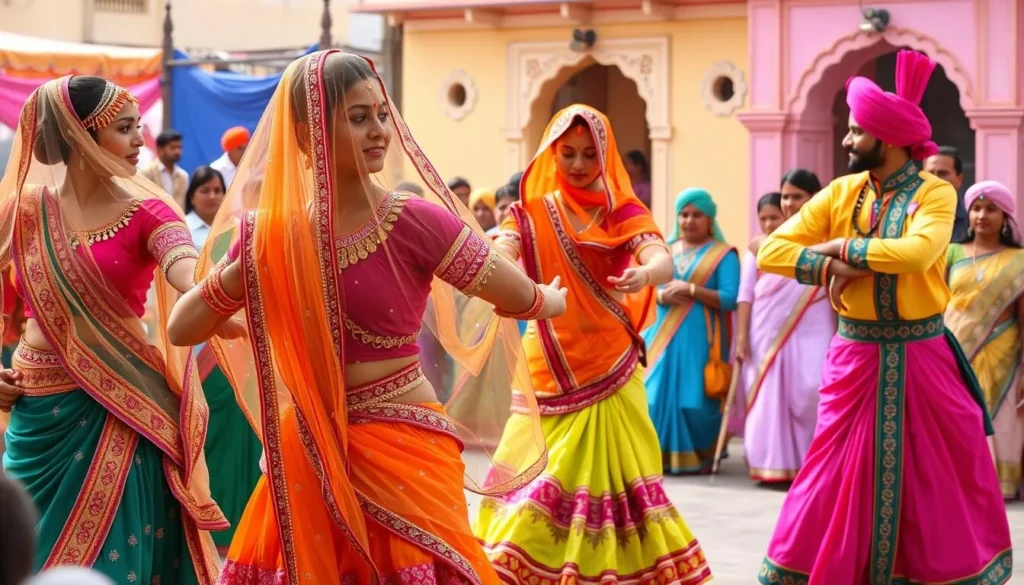
  • Traditional Rajasthani folk dancers performing at a cultural event in Jaipur

    Sports, Nature & Outdoor Experiences

    While Jaipur is primarily known for its architectural and cultural attractions, the city and its surroundings offer several opportunities for nature lovers and outdoor enthusiasts to experience the natural beauty of Rajasthan.

    Hot Air Balloon Rides

    One of the most magical ways to experience Jaipur is from the air. Early morning balloon flights offer breathtaking views of the Pink City, surrounding forts, and the Aravalli Hills. Several operators offer this experience, with prices starting from approximately INR 12,000 per person. The best season for ballooning is October to March when weather conditions are ideal.

    Nahargarh Biological Park

    Located near Nahargarh Fort, this 720-hectare (1,779-acre) park is home to various species of wildlife including lions, tigers, leopards, and bears. The park offers safari rides and walking trails, providing a chance to experience Rajasthan’s natural habitat. Entrance fee: INR 200 for foreigners, INR 50 for Indians. Safari charges are additional.

    Jhalana Leopard Reserve

    Just 5 km from the city center, Jhalana is one of the few places in the world where you can spot leopards in their natural habitat so close to a major city. Morning and evening safaris are available, with a good chance of leopard sightings. Safari costs approximately INR 2,000-4,000 depending on the vehicle type.

    Cycling Tours

    Several companies offer guided cycling tours of Jaipur, ranging from early morning rides through the old city to full-day excursions to nearby villages. These tours provide a unique perspective on the city and rural life. Prices start from approximately INR 2,000 per person.

    Trekking in the Aravalli Hills

    The ancient Aravalli range surrounding Jaipur offers several trekking opportunities. Popular routes include treks to Charan Mandir Temple and around the hills near Amber Fort. These treks are best undertaken early in the morning or late afternoon, especially during the warmer months.
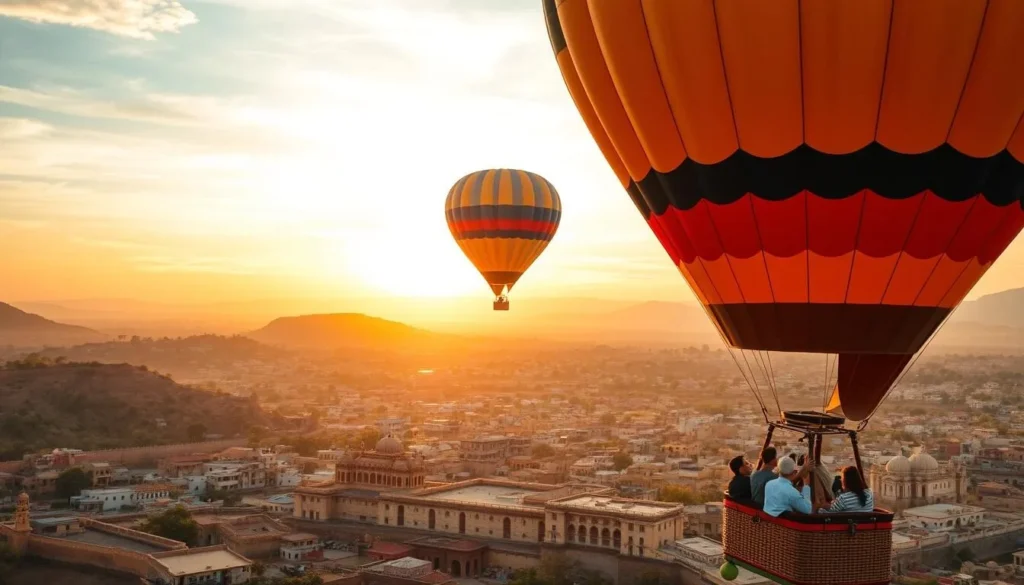
    Hot air balloons floating over Jaipur at sunrise with views of forts and palaces below

    Elefantastic

    For those interested in ethical elephant experiences, this sanctuary allows visitors to feed, bathe, and interact with elephants in a humane environment. The facility focuses on elephant welfare and education rather than riding or entertainment. Half and full-day programs are available, starting from INR 5,000 per person.

    Nearby Natural Attractions

  • Sambhar Salt Lake: India’s largest inland salt lake, located about 80 km from Jaipur, is a wetland of international importance and home to flamingos and other migratory birds during winter.
  • Samode: This picturesque village 40 km from Jaipur offers beautiful countryside views and hiking opportunities in the surrounding hills.
  • Bhangarh Fort: Often called the most haunted place in India, this 17th-century fort is surrounded by beautiful wilderness and is located about 85 km from Jaipur.
  • Gardens and Parks

  • Ram Niwas Garden: A historic garden that houses the Albert Hall Museum, offering peaceful walking paths and green spaces.
  • Central Park: The city’s largest park features a musical fountain, walking and jogging tracks, and a 206-foot-tall national flag.
  • Jawahar Circle Garden: The largest circular park in Asia, known for its musical fountain shows and the colorful Patrika Gate.
  • Tourists exploring the colorful Patrika Gate at Jawahar Circle Garden in Jaipur

    Safety, Etiquette & Local Customs

    Understanding local customs and practicing appropriate etiquette will enhance your experience in Jaipur and show respect for the local culture. Here’s what you should know before your visit.

    Safety Tips

  • General Safety: Jaipur is generally safe for tourists, but standard precautions apply. Keep valuables secure and be aware of your surroundings, especially in crowded areas.
  • Women Travelers: Women should dress modestly to avoid unwanted attention. Solo female travelers may experience staring or unwanted conversation but serious harassment is uncommon. Consider joining guided tours when visiting remote attractions.
  • Health Precautions: Drink only bottled or filtered water. Use reputable restaurants and be cautious with street food. Carry basic medications, sunscreen, and insect repellent.
  • Traffic Safety: Roads can be chaotic with various vehicles, animals, and pedestrians sharing the space. Cross streets carefully and be vigilant when walking along roadways.
  • Emergency Numbers: Police: 100, Ambulance: 108, Tourist Police: 0141-5194444
  • Cultural Etiquette

  • Dress Code: Dress modestly, especially when visiting religious sites. For women, shoulders and knees should be covered. Men should avoid shorts at temples and formal sites.
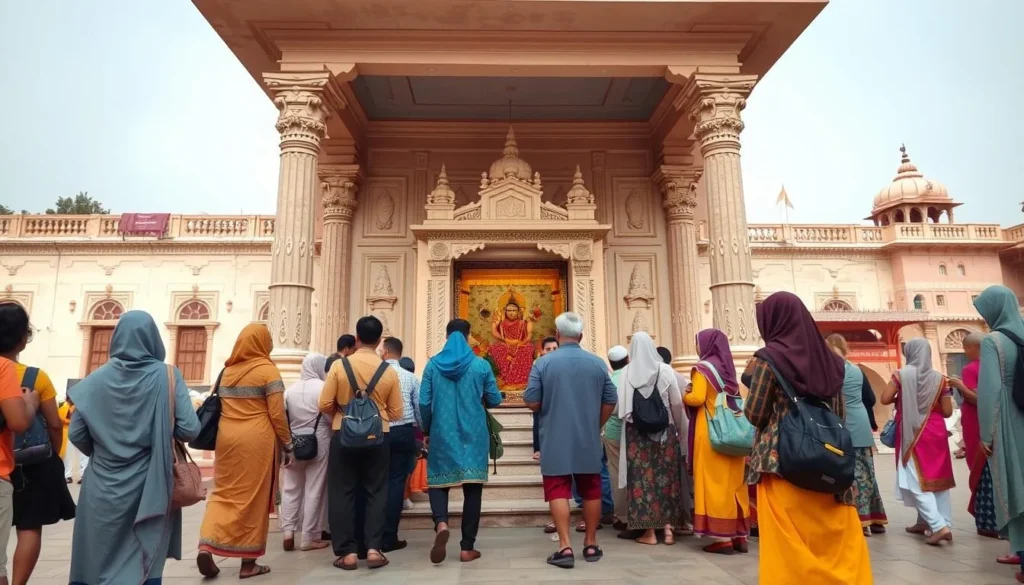
  • Temple Etiquette: Remove shoes before entering temples and religious sites. Some temples may not allow leather items inside. Ask permission before taking photographs, and never photograph deities directly.
  • Greetings: The traditional greeting is “Namaste” with palms pressed together. Handshakes are common in business settings, though some traditional women may prefer not to shake hands with men.
  • Personal Space: Indians may stand closer during conversations than Westerners are accustomed to. This is normal and not meant to be intrusive.
  • Eating Customs: Traditionally, food is eaten with the right hand only, as the left hand is considered unclean. However, restaurants frequented by tourists will provide cutlery.
  • Local Customs and Traditions

  • Bargaining: Negotiating prices is expected in markets and with tuk-tuk drivers. Start at about 50-60% of the initial asking price and work toward a middle ground. Keep the interaction friendly and be prepared to walk away.
  • Tipping: Tipping is customary but not mandatory. In restaurants, 10% is appropriate if service charge isn’t included. For guides and drivers, INR 300-500 per day is typical.
  • Head Movements: The famous Indian head wobble (a side-to-side tilt) can mean yes, maybe, or I understand, depending on context. You’ll quickly learn to interpret this common gesture.
  • Photography: Always ask permission before photographing locals, especially women and children. Some sites charge camera fees, so check before entering.
  • Shoes: Removing shoes before entering homes, temples, and some shops is customary. Look for shoes at entrances as a cue.
  • Tourists respectfully visiting a temple in Jaipur with appropriate dress and behavior

    Visitor Comments About Jaipur

    “Jaipur exceeded all my expectations! The Amber Fort at sunrise was magical – worth waking up early for the perfect light and fewer crowds. Don’t miss the step wells near Amber Fort, they’re less known but architecturally fascinating. I found the locals incredibly welcoming, always ready to share stories about their city’s history. My tip: spend at least one evening at a rooftop restaurant overlooking the Pink City as the sun sets.”

    R.M., Sunrise Manor

    “As a photographer, Jaipur was paradise. The colors, the architecture, the people – everything was picture-perfect. Hawa Mahal is even more impressive in person than in photos. I recommend visiting early morning for the best light. The bazaars were overwhelming at first but became my favorite part of the trip – the textiles and jewelry are incredible quality. Make time for Patrika Gate; it’s a bit out of the way but worth it for the stunning colors and designs.”

    P.T., Pocatello

    “My family spent five days in Jaipur and it wasn’t enough! The City Palace tour with access to the royal apartments was worth every rupee – such opulence and history. Our children loved the elephant sanctuary and the puppet shows at Chokhi Dhani. We found the street food delicious but stuck to vendors recommended by our hotel. The hot air balloon ride over the city was the highlight of our entire India trip – expensive but an unforgettable experience.”

    Y.H., Leipzig

    Practical Travel Tips

    Money Matters

  • Currency: The Indian Rupee (INR) is the local currency. ATMs are widely available in Jaipur, but carry some cash for small purchases and places that don’t accept cards.
  • Cards: Major credit cards are accepted at hotels, upscale restaurants, and larger shops, but many smaller establishments are cash-only.
  • Budgeting: Jaipur can be enjoyed on various budgets. Budget travelers can manage on INR 2,000-3,000 per day, mid-range travelers on INR 5,000-8,000, and luxury travelers should expect to spend INR 15,000+ daily.
  • Bargaining: Always negotiate prices in markets and for services like tuk-tuks. A good rule is to aim for 50-60% of the initial asking price.
  • Communication

  • Language: Hindi is the primary language, but English is widely understood in tourist areas, hotels, and restaurants.
  • Internet: Most hotels, cafes, and restaurants offer free Wi-Fi. For constant connectivity, consider purchasing a local SIM card (Airtel, Jio, or Vodafone) with a data plan.
  • SIM Cards: Available at the airport and in city shops. Bring your passport and a passport-sized photo for registration.
  • Packing Essentials

  • Clothing: Lightweight, breathable fabrics and modest attire. Include a light jacket for winter evenings.
  • Sun Protection: Hat, sunglasses, and high-SPF sunscreen are essential year-round.
  • Footwear: Comfortable walking shoes that are easy to slip on and off (for temple visits).
  • Health Items: Personal medications, hand sanitizer, wet wipes, and a basic first-aid kit.
  • Other: Universal power adapter, portable charger, and a reusable water bottle with filter.
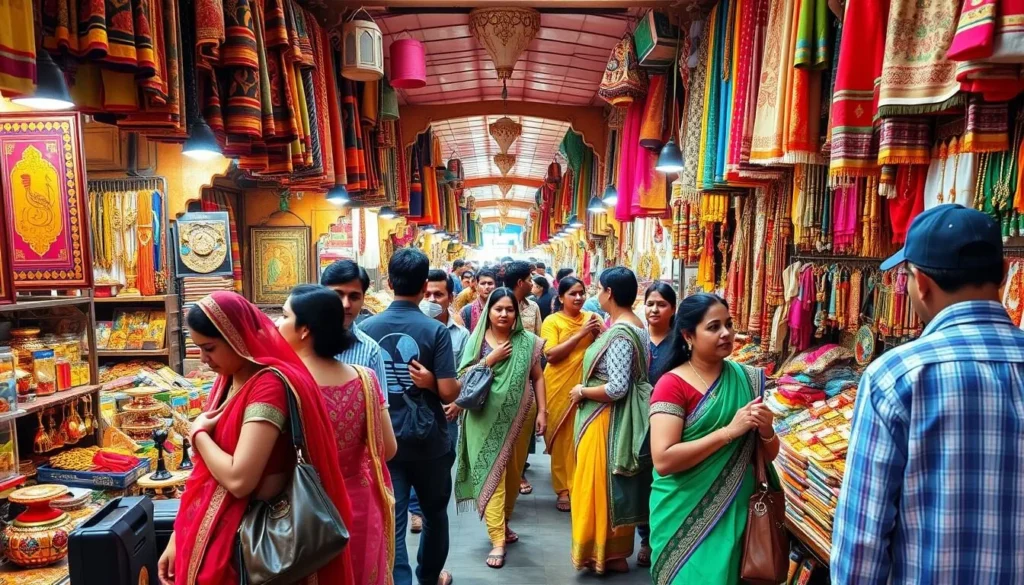
  • Tourists shopping in a colorful bazaar in Jaipur with traditional textiles and crafts

    Planning Your Itinerary

  • Duration: Allow at least 3 full days to explore Jaipur’s main attractions. 4-5 days is ideal if you want to include day trips and cultural experiences.
  • Timing: Start sightseeing early in the morning (8-9 AM) to avoid crowds and heat, especially at popular sites like Amber Fort.
  • Grouping: Plan your itinerary by location to minimize travel time. For example, combine Amber Fort, Jaigarh Fort, and Nahargarh Fort in one day.
  • Rest: Build in downtime, especially during hot afternoons. Many attractions close by 5-6 PM, so evenings are perfect for shopping or dining.
  • Transportation Tips

  • Airport Transfer: Pre-arrange through your hotel or use a prepaid taxi service at the airport (approximately INR 500-700).
  • Day Tours: Consider hiring a driver for full-day sightseeing (INR 1,000-1,500) to maximize your time.
  • Ride Apps: Download Uber or Ola for convenient, fixed-price transportation within the city.
  • Walking: The old city is compact and walkable, but be prepared for heat, uneven pavements, and busy streets.
  • Your Royal Adventure Awaits

    Jaipur is more than just a destination—it’s a journey through time, where ancient traditions blend seamlessly with modern life. From the moment you step into the Pink City, you’ll be enveloped in a world of color, history, and warm hospitality that defines Rajasthan. Whether you’re marveling at the architectural splendors of Amber Fort, haggling for treasures in vibrant bazaars, or savoring the rich flavors of Rajasthani cuisine, Jaipur offers experiences that will linger in your memory long after you’ve returned home. The city’s majestic forts, ornate palaces, and cultural riches tell stories of a glorious past, while its dynamic present promises adventures at every turn. As you plan your journey to this jewel of India, prepare to be enchanted, challenged, and transformed by the royal city of Jaipur.

    The above is subject to change.

    Check back often to TRAVEL.COM for the latest travel tips and deals.

    0 Comments

    Related Posts

    Bhubaneswar, Odisha: Best Things to Do – Top Picks

    Bhubaneswar, Odisha: Best Things to Do – Top Picks

    Did you know that Bhubaneswar houses over 700 temples, earning it the nickname "Temple City of India"? This extraordinary city blends ancient spirituality with modern charm, offering a unique journey through time. From temples dating back to the 3rd century BCE to...

    Chandigarh, Punjab: Best Things to Do – Top Picks

    Chandigarh, Punjab: Best Things to Do – Top Picks

    Did you know that Chandigarh is the only city in the world designed entirely by Swiss-French architect Le Corbusier? This architectural marvel is also the first planned city of independent India and holds the unique distinction of being the capital for two states:...

    Punjab, India: Best Things to Do – Top Picks

    Punjab, India: Best Things to Do – Top Picks

    Did you know that Punjab serves over 100,000 free meals daily at the Golden Temple, making it the world's largest free community kitchen? This northwestern Indian state, whose name literally means "land of five rivers," offers a vibrant tapestry of experiences that...