
Hotels by Trip.com
Flights by Trip.com
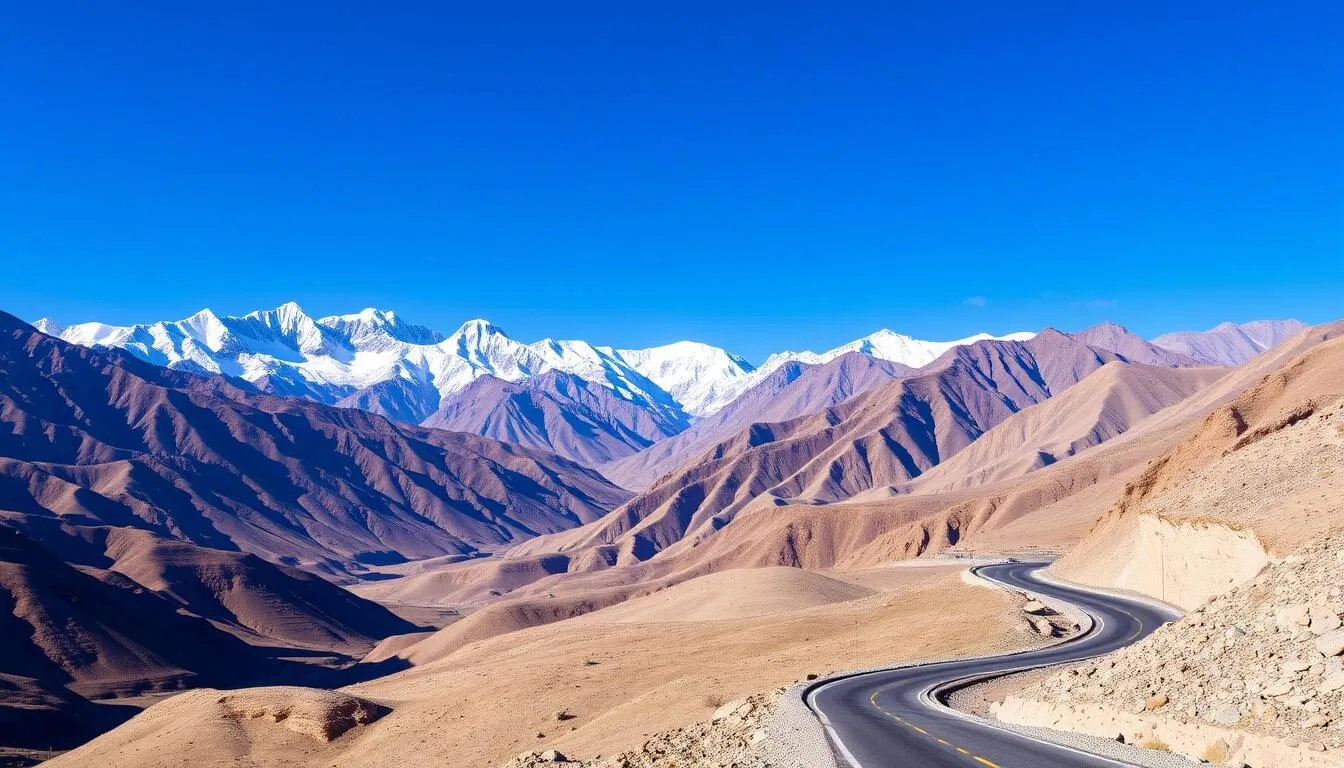
Nestled at an average altitude of 3,500 meters (11,500 feet), Ladakh is home to the world’s highest motorable road at Umling La Pass, reaching a breathtaking 5,798 meters (19,024 feet) above sea level. This remote Himalayan region, often called “Little Tibet,” offers travelers an otherworldly landscape where ancient Buddhist monasteries perch on rocky outcrops, turquoise lakes shimmer against barren mountains, and a unique culture thrives in one of the world’s most extreme environments.
Getting There & Planning Your Journey
Reaching Ladakh is an adventure in itself. The region is accessible by air year-round and by road during summer months. Here’s how to get there:
By Air
Kushok Bakula Rimpochee Airport in Leh is the main gateway to Ladakh. Daily flights operate from Delhi (1.5 hours), with some connections from Mumbai, Srinagar, and Chandigarh. Book flights well in advance, especially during peak season (June-August), when prices can triple. Morning flights offer spectacular views of the Himalayas but are subject to weather conditions.
By Road
Two spectacular highways connect Ladakh to the rest of India, both open only from May/June to October:
- Manali-Leh Highway (473 km): A breathtaking 2-day journey crossing five high mountain passes, including Tanglang La at 5,328 meters (17,480 feet).
- Srinagar-Leh Highway (434 km): A slightly easier route with a more gradual altitude gain, passing through Kargil and beautiful valleys.
Public buses, shared taxis, and private vehicles ply these routes during summer. The journey by shared taxi costs approximately 3,000 rupees (US$36) per person from Manali to Leh.
Best Time to Visit & Weather Tips
Recommended Seasons
- Summer (June to August): Peak tourist season with pleasant daytime temperatures of 20-30°C (68-86°F), clear skies, and all roads open. Perfect for trekking and exploring remote areas.
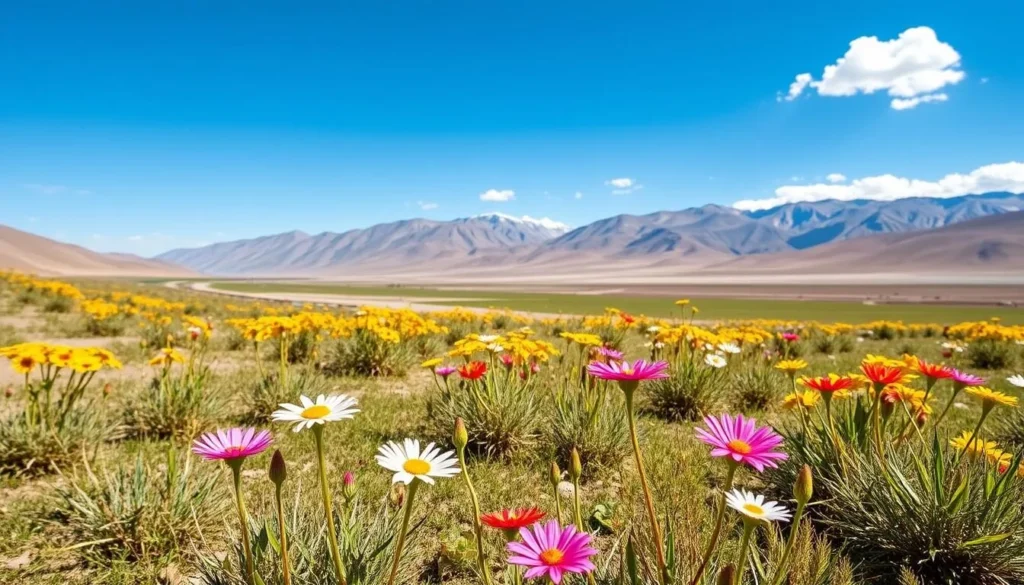
- Spring (April to May): Fewer crowds, snow-capped mountains, and the beginning of wildflower blooms. Temperatures range from 10-20°C (50-68°F) during the day.
- Autumn (September to mid-October): Crisp weather, golden landscapes, and thinning crowds make this an excellent time for photography and peaceful exploration.
Seasons to Avoid
- Winter (November to March): Extremely harsh with temperatures dropping to -20°C (-4°F) or lower. Many areas become inaccessible, though winter has its own charm for those seeking snow leopard sightings or the frozen Zanskar River trek (Chadar Trek).
Pack for dramatic temperature variations regardless of when you visit. Days can be warm while nights remain cold year-round. UV protection is essential as the thin atmosphere at high altitudes offers little protection from the sun.
Getting Around Locally
Navigating Ladakh’s vast landscapes requires planning. Here are your options:
Shared Tours
The most economical option for solo travelers or couples. Travel agencies in Leh organize shared jeep tours to popular destinations like Pangong Lake and Nubra Valley. A standard 3-day tour costs around 5,000-7,000 rupees (US$60-85) per person including permits, transportation, and basic accommodation.
Private Taxis
Taxis operate on fixed rates set by the taxi union. A day trip to nearby monasteries costs approximately 2,500 rupees (US$30), while a 3-day Nubra-Pangong circuit runs about 18,000-22,000 rupees (US$215-265) total. Negotiate and book through your hotel or at the taxi stand in Leh market.
Motorcycle Rental
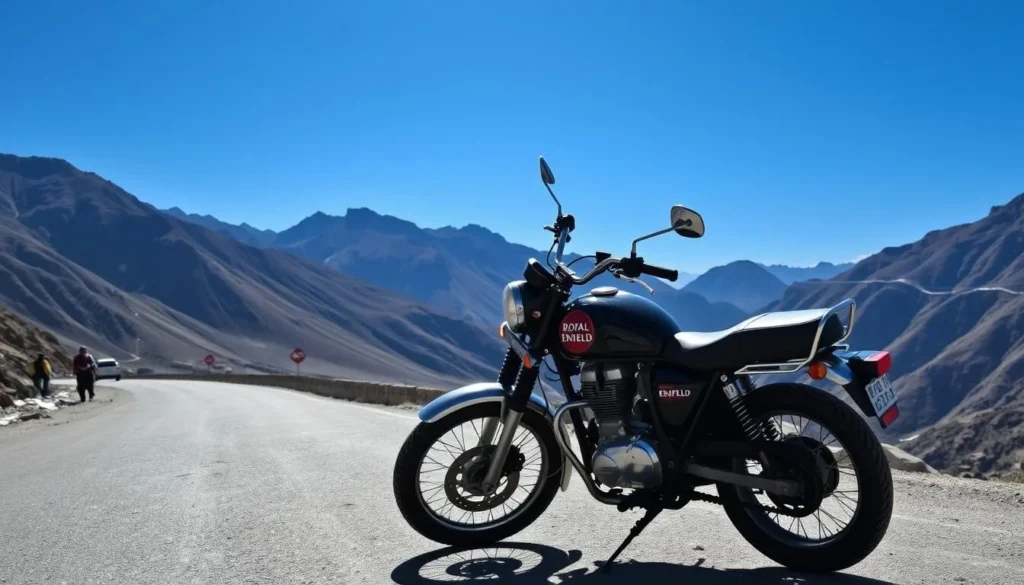
For adventure enthusiasts, renting a Royal Enfield or similar motorcycle offers freedom to explore at your own pace. Rentals cost 1,200-2,000 rupees (US$15-25) per day depending on the model. Ladakh Bike Rental and Royal Ladakh Enfield are reputable rental agencies in Leh.
Public Buses
Local JKSRTC buses connect Leh to major towns like Diskit, Hunder, and Kargil. They’re extremely affordable but infrequent and slow. Check schedules at the Leh bus station as they change seasonally.
For exploring Leh town itself, walking is the best option as most attractions are within a 2-3 km radius of the main market.
Where to Stay
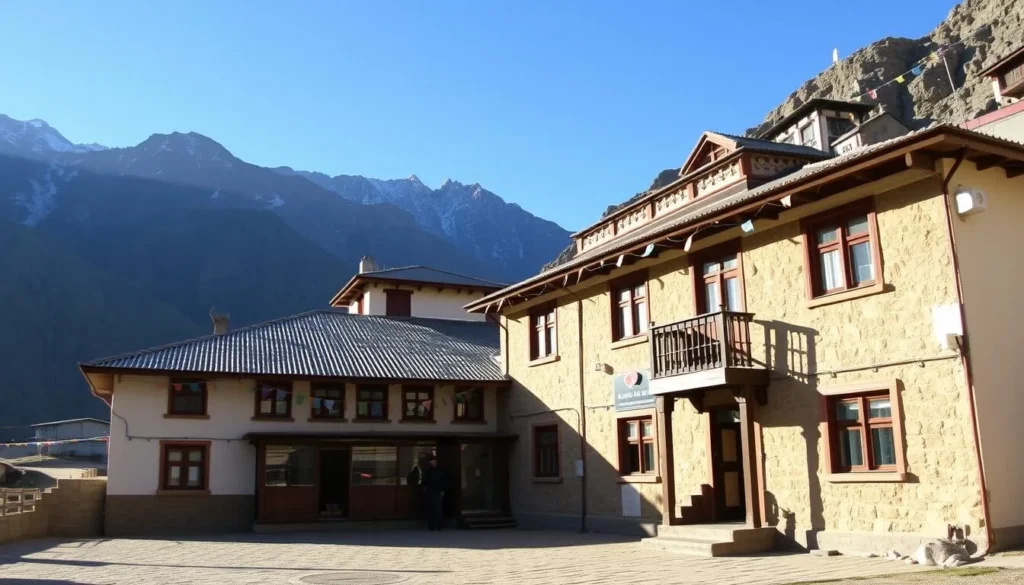
Ladakh offers accommodation options ranging from basic homestays to luxury glamping. Most are concentrated in Leh, with limited options in remote areas.
Leh Town
Budget Options
- Peace Guest House: Family-run with garden views, 800-1,500 rupees (US$10-18)
- Raybo Hostel: Popular with backpackers, dormitory beds from 500 rupees (US$6)
- New Moon Guesthouse: Simple rooms with mountain views, 1,000-1,800 rupees (US$12-22)
Mid-range Options
- Chandan Guest House: Comfortable rooms with Ladakhi décor, 2,500-4,000 rupees (US$30-48)
- Rock Castle Residency: Modern amenities with traditional touches, 3,000-5,000 rupees (US$36-60)
- The Courtyard Bunks: Stylish rooms and dormitories, 2,000-4,500 rupees (US$24-54)
Luxury Options
- Grand Dragon: Leh’s premier hotel with panoramic views, 12,000-20,000 rupees (US$145-240)
- The Zen Ladakh: Boutique property with spa facilities, 8,000-15,000 rupees (US$96-180)
- Stok Palace Heritage Hotel: Stay in a converted royal palace, 18,000-25,000 rupees (US$215-300)
Remote Areas
In places like Pangong Lake, Nubra Valley, and Tso Moriri, accommodation is primarily in the form of tented camps or basic guesthouses. Prices range from 2,000-6,000 rupees (US$24-72) per person, often including meals. Popular options include Nirvana Resort in Spangmik (Pangong Lake) and Himalayan Regal House in Diskit (Nubra Valley).
Book accommodation in advance during peak season (June-August). In shoulder seasons, you can often find rooms upon arrival in Leh, but remote areas always require advance booking.
Dining & Local Cuisine
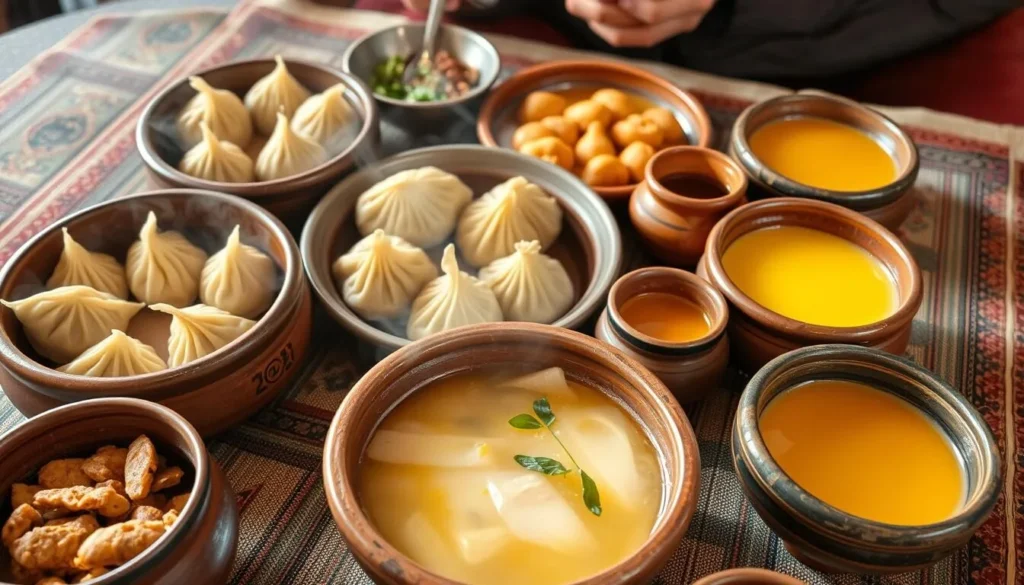
Ladakhi cuisine reflects the harsh mountain environment, featuring hearty, warming dishes that provide energy for high-altitude living. Here are must-try local specialties:
Local Specialties
- Thukpa: Tibetan noodle soup with vegetables and sometimes meat, perfect for cold evenings
- Skyu: Thumb-pressed pasta cooked with vegetables and meat in a thick broth
- Momos: Steamed dumplings filled with vegetables or meat, served with spicy chutney
- Butter Tea: Traditional salty tea made with yak butter, an acquired taste but excellent for energy at high altitudes
- Chhang: Local barley beer, mildly alcoholic and often served in homestays
Where to Eat in Leh
Budget Eats
- Tibetan Kitchen: Authentic Tibetan dishes at reasonable prices
- Biryani Hut: Economical North Indian food popular with locals
- Solja Cafe: Women-run establishment with simple Ladakhi fare
Mid-range Options
- Bodhi Terrace: Vegetarian cafe with rooftop views
- Achos Pizza: Surprisingly excellent pizza and sandwiches
- De Khambir: Traditional Ladakhi meals in a cozy setting
Cafes & Bakeries
- Lala’s Cafe: Set in a preserved traditional house
- Kafenio Cafe: Best coffee in Leh with outdoor seating
- Apple Tree German Bakery: Fresh pastries and breads
Many restaurants in Leh close during winter months. During Buddhist festivals, some establishments become completely vegetarian. Outside of Leh, most meals will be at your accommodation, with limited restaurant options in smaller towns.
Attractions, Sightseeing & Activities
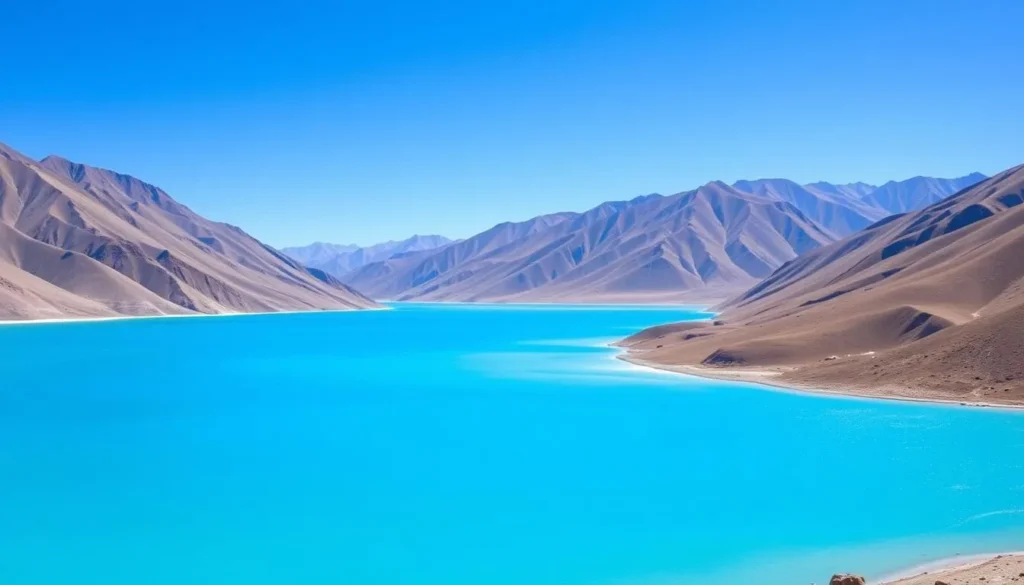
Ladakh’s attractions range from ancient monasteries to breathtaking natural wonders. Here are the must-visit sites:
Top Attractions in Leh
- Leh Palace: Nine-story royal residence built in the 17th century, offering panoramic views of Leh town
- Shanti Stupa: White-domed Buddhist monument with spectacular sunset views over the valley
- Namgyal Tsemo Monastery: Ancient monastery perched high above Leh with incredible vistas
- Main Bazaar: Vibrant market area with shops selling Tibetan handicrafts, pashmina shawls, and Buddhist artifacts
- Central Asian Museum: Fascinating collection housed in an old mosque, showcasing Ladakh’s Silk Road history
Must-Visit Lakes
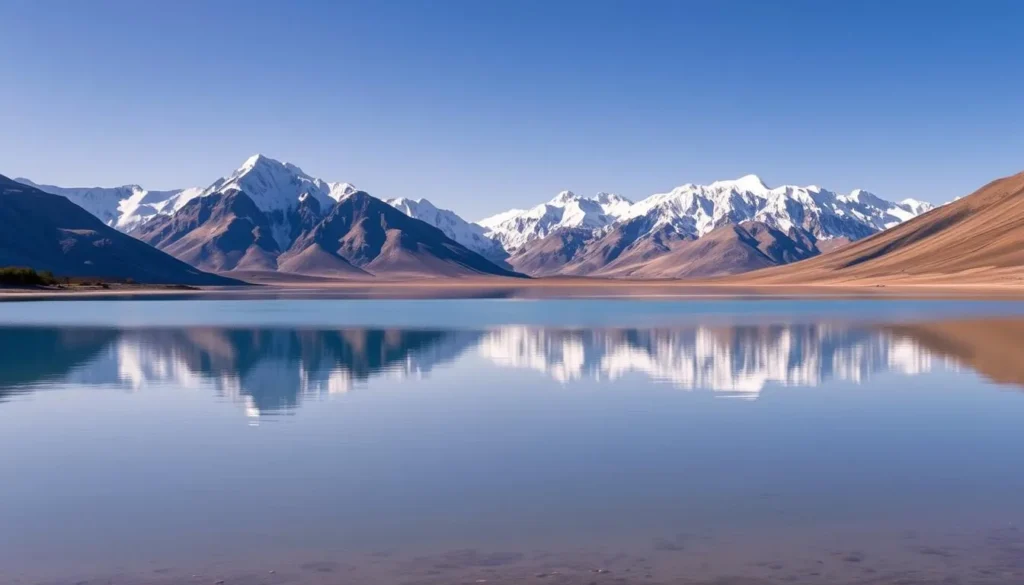
- Pangong Lake: The famous blue lake at 4,350 meters (14,270 feet), changing colors throughout the day. Located 150 km from Leh, it requires a full day’s journey and permits.
- Tso Moriri: Less visited but equally stunning lake at 4,522 meters (14,836 feet) in the Changthang region. The lake covers approximately 120 square kilometers (29,654 acres).
Valleys and Passes
- Nubra Valley: Known for sand dunes, double-humped Bactrian camels, and the impressive Diskit Monastery
- Zanskar Valley: Remote region with dramatic landscapes and ancient Buddhist culture
- Khardung La: High mountain pass at 5,359 meters (17,582 feet), offering spectacular views of the Karakoram Range
- Sham Valley: Accessible region with beautiful villages and moderate trekking opportunities
Unique Experiences
- Turtuk Village: The northernmost accessible village in India, showcasing Balti culture
- Magnetic Hill: Natural optical illusion where vehicles appear to roll uphill
- Donkey Sanctuary: Heartwarming refuge for working animals on the outskirts of Leh
- Cosmohub in Phyang: Women-led stargazing initiative with telescopes and local folklore
Monasteries & Cultural Spots
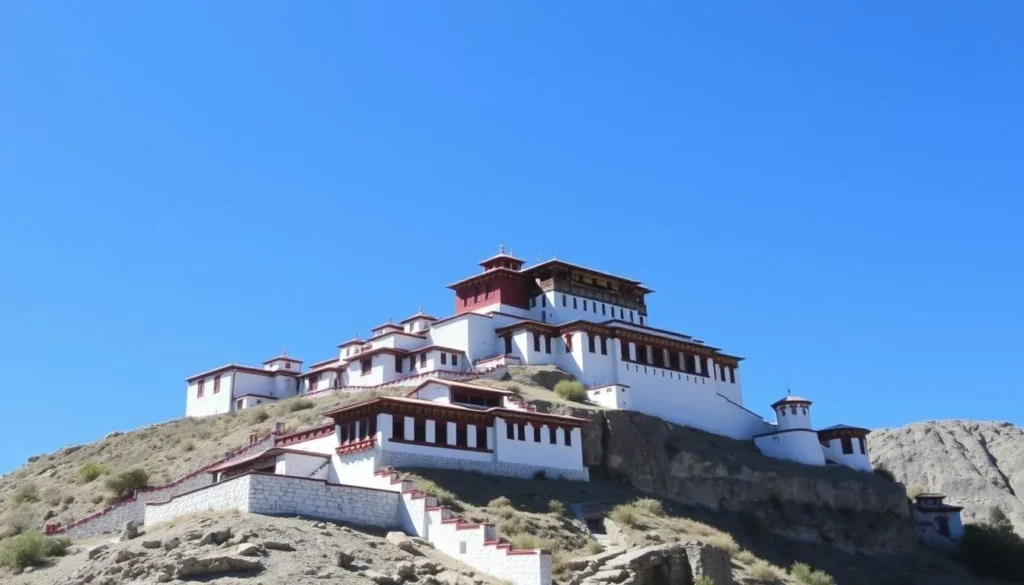
Ladakh’s Buddhist monasteries (gompas) are not just religious centers but repositories of ancient art, culture, and wisdom. Many date back centuries and continue to function as active places of worship and learning.
Must-Visit Monasteries
- Hemis Monastery: Ladakh’s largest monastery, famous for its annual festival featuring masked dances
- Thiksey Monastery: Often compared to Tibet’s Potala Palace, housing a 15-meter (49-foot) tall Maitreya Buddha statue
- Alchi Monastery: Contains some of the oldest surviving paintings in Ladakh, showing strong Kashmiri influence
- Lamayuru Monastery: One of the oldest in Ladakh, set in an otherworldly “moonscape” terrain
- Diskit Monastery: Features a 32-meter (105-foot) Maitreya Buddha statue overlooking Nubra Valley
- Spituk Monastery: Close to Leh with excellent views and less crowded than other monasteries
Cultural Festivals
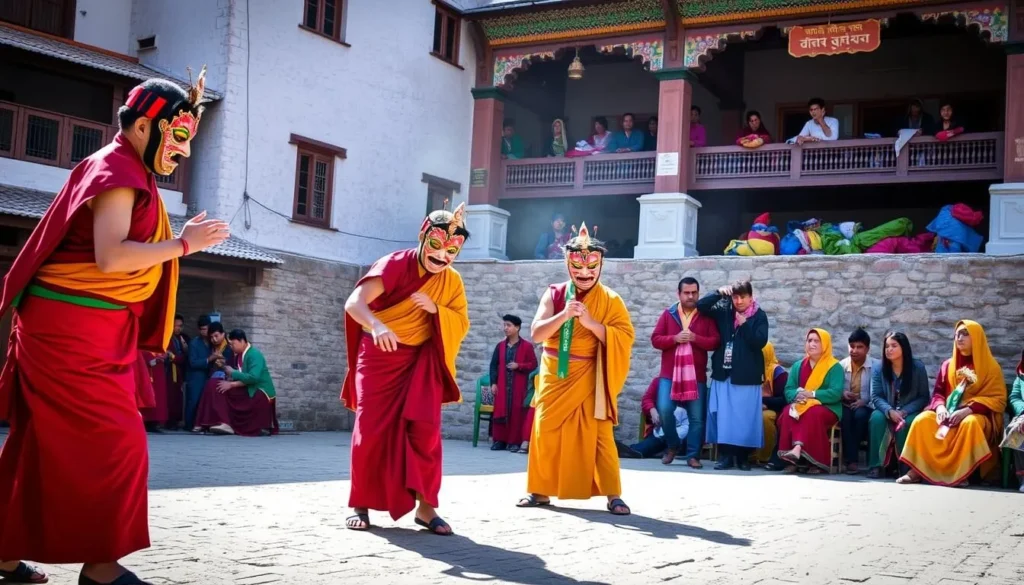
Monastery festivals (Tsechus) are spectacular events featuring masked dances, music, and religious ceremonies. Major festivals include:
- Hemis Festival (June/July): Commemorates Guru Padmasambhava’s birth with elaborate masked dances
- Phyang Tsedup (July/August): Features the unfurling of a massive thangka (religious painting)
- Ladakh Festival (September): Week-long celebration of Ladakhi culture with parades, music, and dance
- Losar (Tibetan New Year, February): Marked by prayers, feasts, and family gatherings
When visiting monasteries, dress modestly (covering shoulders and knees), remove shoes before entering temples, walk clockwise around religious structures, and ask permission before photographing monks or ceremonies. Most monasteries charge a small entrance fee of 30-100 rupees (US$0.40-1.20).
Nature & Outdoor Experiences
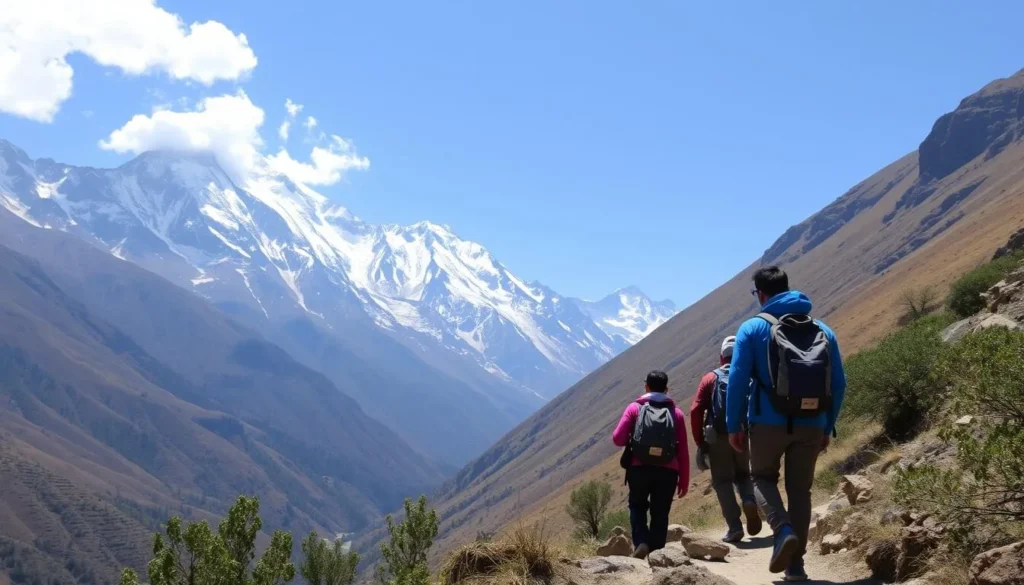
Ladakh’s pristine wilderness offers exceptional opportunities for outdoor enthusiasts:
Trekking
Ladakh offers some of the world’s most spectacular high-altitude treks:
- Markha Valley Trek (4-6 days): The most popular independent trek with homestay accommodations
- Sham Valley Trek (3 days): Easier “Baby Trek” perfect for beginners and acclimatization
- Chadar Trek (8 days, winter only): The famous frozen river trek through the Zanskar gorge
- Stok Kangri (3-5 days): Non-technical peak climbing to 6,153 meters (20,187 feet)
Reliable trekking agencies include Ancient Tracks and Ecological Footprint Ladakh. Budget approximately 3,000-5,000 rupees (US$36-60) per day for guided treks including equipment, food, and porters.
Wildlife Watching
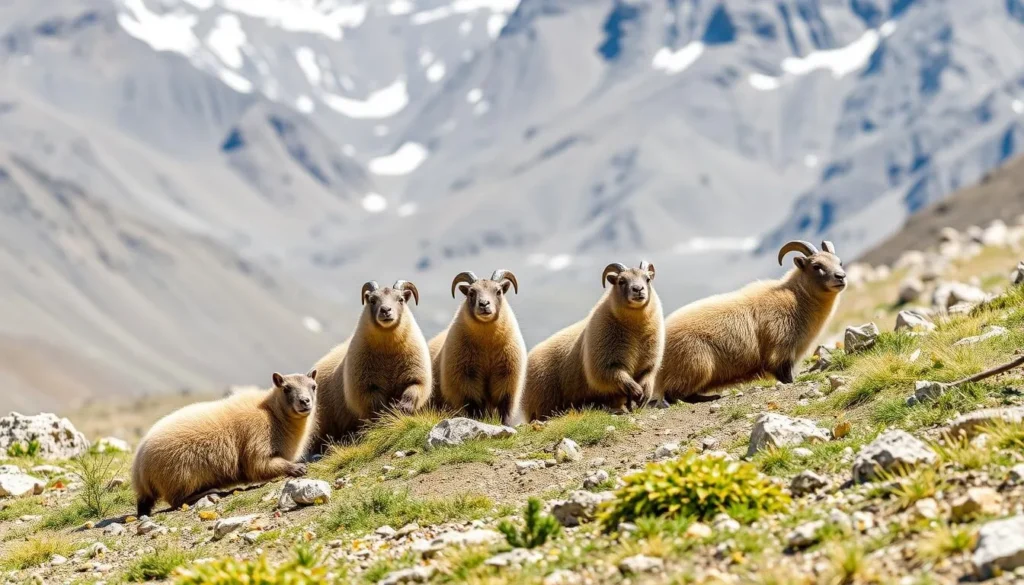
Ladakh’s remote valleys harbor unique wildlife adapted to extreme conditions:
- Snow Leopards: Best spotted in Hemis National Park between January and March
- Himalayan Brown Bears: Occasionally seen in the Suru and Zanskar valleys
- Tibetan Wild Ass (Kiang): Common in the Changthang region near Tso Moriri
- Himalayan Marmots: Frequently spotted along highways and trekking routes
- Migratory Birds: Black-necked cranes and bar-headed geese visit Ladakh’s high-altitude lakes
Specialized wildlife tours can be arranged through operators like Lungmar Remote Camp, particularly for snow leopard expeditions which typically cost 25,000-35,000 rupees (US$300-420) per person for a 7-day expedition.
Mountain Biking
Cycling the high passes of Ladakh is challenging but rewarding. Popular routes include the Manali-Leh highway and the Khardung La descent. Bike rentals cost 800-1,500 rupees (US$10-18) per day in Leh, with guided expeditions available through operators like Cycle Ladakh.
River Rafting
The Zanskar and Indus rivers offer thrilling white-water rafting experiences from Grade I to IV rapids. Half-day trips on the Indus near Leh cost around 1,500 rupees (US$18), while the more adventurous 2-day Zanskar expedition runs approximately 15,000 rupees (US$180).
Safety, Etiquette & Local Customs
Altitude Sickness
The biggest health concern in Ladakh is Acute Mountain Sickness (AMS). Symptoms include headache, nausea, dizziness, and fatigue. To minimize risk:
- Spend at least 2-3 days acclimatizing in Leh before attempting any strenuous activity
- Drink plenty of water (3+ liters daily)
- Avoid alcohol and heavy meals initially
- Consider taking Diamox (acetazolamide) after consulting your doctor
- If symptoms persist or worsen, descend immediately and seek medical help
Leh has good medical facilities including the SNM Hospital and several private clinics that understand altitude-related issues.
Cultural Etiquette
- Always walk clockwise around Buddhist religious structures (mani walls, stupas, monasteries)
- Remove shoes before entering temples and homes
- Ask permission before photographing people, especially monks during ceremonies
- Dress modestly, particularly when visiting religious sites
- Use your right hand for giving and receiving items
- Respect local customs regarding tobacco use, as Leh is largely a tobacco-free city
Practical Safety Tips
- Carry a good sunscreen (SPF 50+), sunglasses, and a hat as UV radiation is intense at high altitudes
- Bring warm clothing regardless of season, as nights are cold year-round
- Obtain necessary permits for restricted areas (available in Leh)
- Carry basic medications, as pharmacies are limited outside Leh
- Use bottled or purified water and be cautious with raw foods
- Inform someone of your itinerary when trekking or visiting remote areas
Despite its proximity to sensitive border areas, Ladakh is generally very safe for tourists with minimal crime. The heavy military presence adds to security rather than indicating danger.
Visitor Comments About Ladakh
“Ladakh changed my perspective on what true wilderness means. The stark beauty of the mountains against impossibly blue skies, monasteries that seem to grow from the rocks themselves, and the warmth of Ladakhi people despite the harsh environment—it’s a place that stays with you long after you’ve left.”
“Don’t underestimate the altitude! I spent three days in Leh doing nothing but short walks and drinking water before attempting any activities, and I’m glad I did. Once acclimatized, the Markha Valley trek was the highlight of my trip—stunning landscapes and staying with local families in homestays made for an authentic experience you can’t find elsewhere.”
“We visited during the Hemis Festival and it was spectacular—monks in colorful masks performing sacred dances that have remained unchanged for centuries. If you can time your visit around one of the monastery festivals, do it! Also, don’t miss Pangong Lake. Yes, it’s touristy now, but the changing colors of the water against the barren mountains is still breathtaking.”
Additional Nearby Destinations
While Ladakh itself offers enough for weeks of exploration, these nearby destinations can complement your journey:
Kashmir Valley
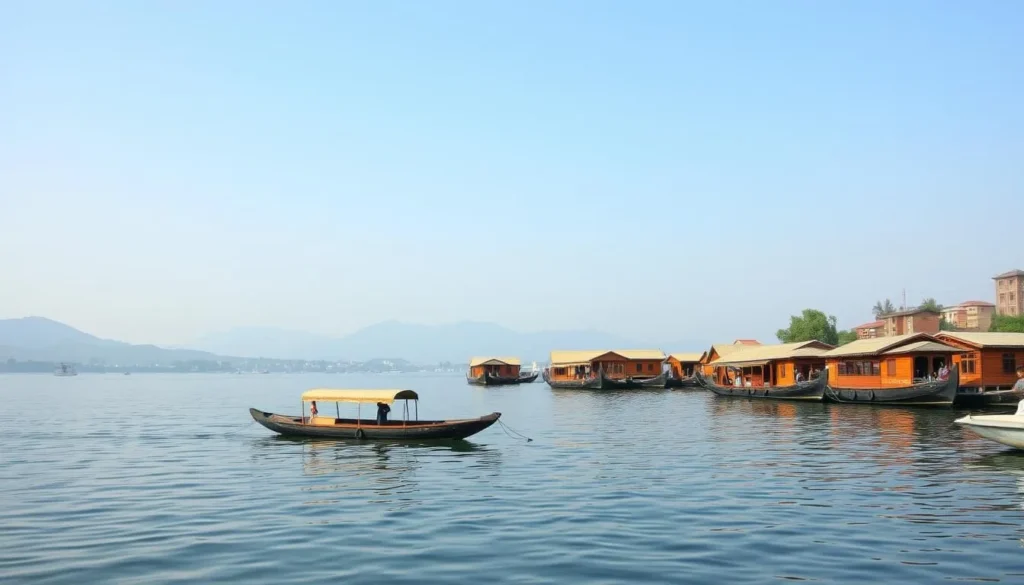
If traveling via the Srinagar-Leh highway, spend a few days in the Kashmir Valley. Srinagar’s Dal Lake with its houseboats, historic gardens, and floating markets offers a lush contrast to Ladakh’s arid landscape. The valley is approximately 434 km (270 miles) from Leh, requiring 1-2 days of travel.
Spiti Valley
Often called “Little Ladakh,” Himachal Pradesh’s Spiti Valley shares similar Tibetan Buddhist culture and dramatic landscapes but with fewer tourists. It can be reached via the Manali-Kaza road and makes an excellent alternative or addition to a Ladakh trip. Spiti is approximately 425 km (264 miles) from Leh.
Manali
This popular hill station in Himachal Pradesh serves as the southern gateway to Ladakh. With its lush forests, hot springs, and adventure activities, Manali provides a gentle introduction to the mountains before ascending to Ladakh’s higher altitudes. Manali is 473 km (294 miles) from Leh via the Manali-Leh Highway.
Practical Travel Tips
Permits
Foreign tourists require Inner Line Permits (ILP) to visit certain areas including Pangong Lake, Nubra Valley, and Tso Moriri. These can be obtained in Leh through your hotel or travel agency for approximately 560 rupees (US$7) per person. The permit is valid for up to 7 days. Indian tourists need a Protected Area Permit for the same regions, which is simpler to obtain.
Money Matters
ATMs are available in Leh town but can be unreliable or run out of cash during peak season. Bring sufficient cash, particularly when heading to remote areas where card payments are rarely accepted. Major hotels and some restaurants in Leh accept cards, but smaller establishments are cash-only.
Connectivity
Mobile coverage is limited to Leh and major towns. BSNL offers the best coverage in remote areas, though still patchy. Wi-Fi is available in most Leh hotels but is typically slow. Satellite phones are strictly prohibited for tourists in this border region.
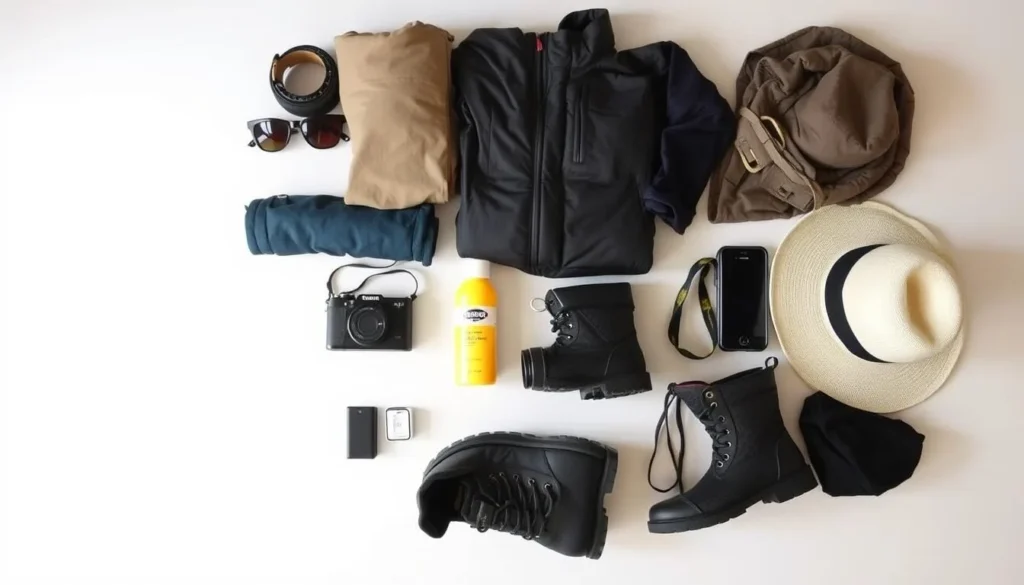
Packing Essentials
- Layered clothing for dramatic temperature variations
- High SPF sunscreen, sunglasses, and wide-brimmed hat
- Lip balm and moisturizer (the air is extremely dry)
- Comfortable hiking shoes with ankle support
- Basic first-aid kit including altitude sickness medication
- Reusable water bottle and water purification tablets
- Headlamp or flashlight (power outages are common)
- Power bank for charging devices
Responsible Tourism
Ladakh’s fragile ecosystem faces increasing pressure from tourism. Do your part by:
- Using refillable water bottles instead of buying plastic bottles
- Carrying all non-biodegradable waste back to Leh for proper disposal
- Using biodegradable soaps and shampoos
- Supporting locally-owned businesses
- Respecting wildlife by maintaining distance and not feeding animals
- Conserving water, which is precious in this desert environment
Embracing the Roof of the World
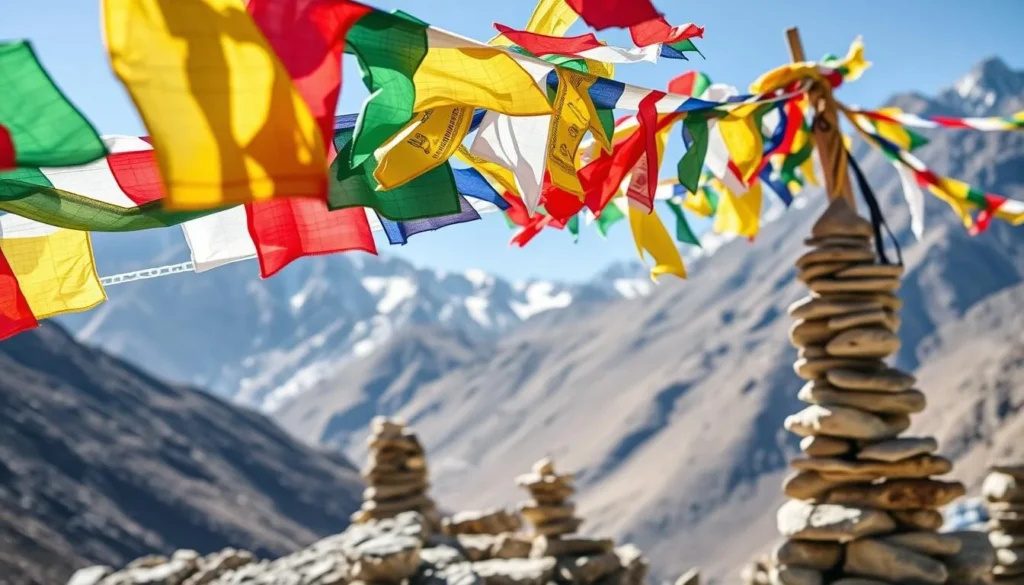
Ladakh is not merely a destination; it’s an experience that challenges and transforms. In this land where prayer flags flutter against impossibly blue skies and ancient monasteries stand sentinel over valleys that have witnessed centuries pass unchanged, travelers find something increasingly rare in our connected world—genuine wilderness and cultural authenticity. Whether you’re meditating in a thousand-year-old monastery, trekking through remote valleys, or simply marveling at stars that seem close enough to touch, Ladakh offers a rare opportunity to step outside ordinary life and experience something truly extraordinary. As the Ladakhi greeting goes, “Julley”—welcome to a journey that will remain with you long after you’ve descended from the roof of the world.
Related Posts
Srinagar and Jammu, Jammu and Kashmir (UT): Best Things to Do – Top Picks
Jammu and Kashmir (UT), India: Best Things to Do – Top Picks
Srinagar, Jammu and Kashmir (UT): Best Things to Do – Top Picks
Jammu and Kashmir (UT), India: Official and Widely Spoken Languages
Jammu and Kashmir (UT), India: Top Festivals to Check Out When Visiting
Jammu and Kashmir (UT), India: Best Months for a Weather-Savvy Trip
Coming Soon: Clickable Maps