Hotels by Trip.com
Flights by Trip.com
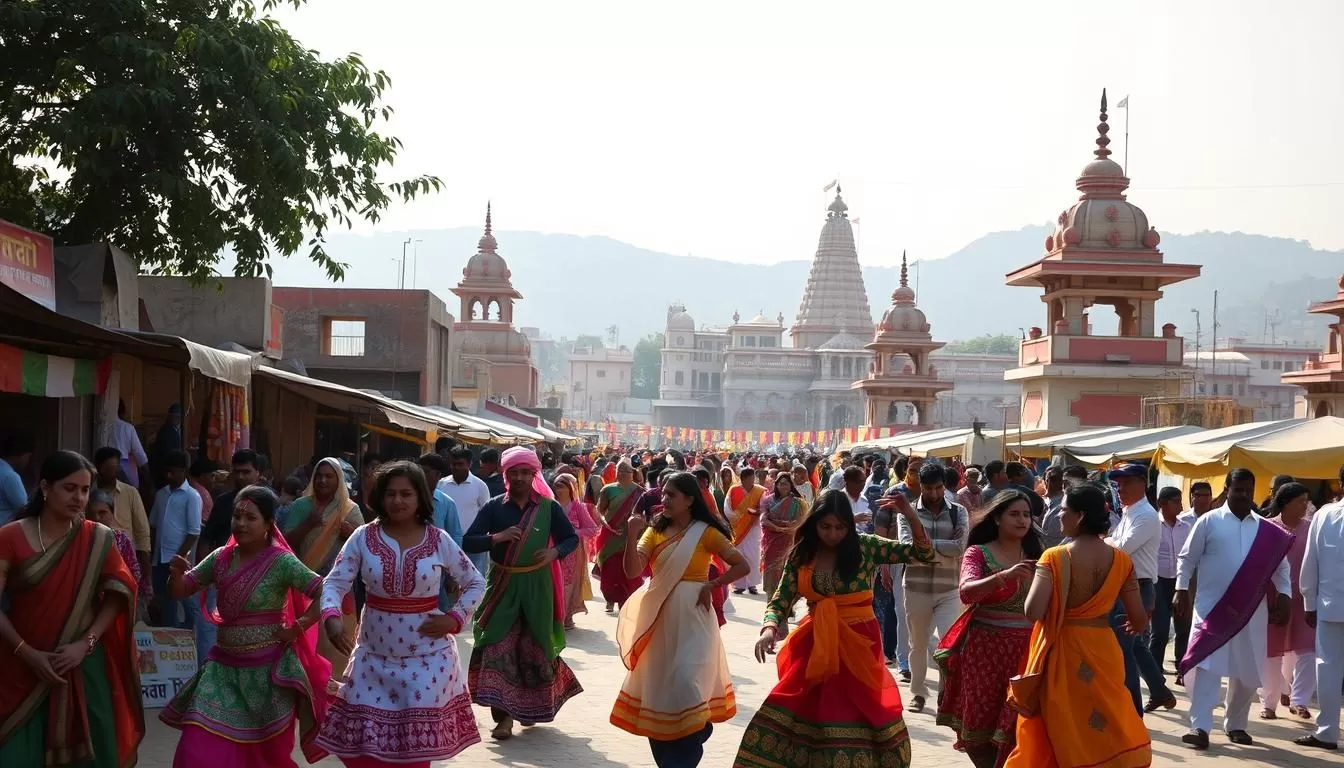
Did you know that Jharkhand, which translates to “Land of Forests,” is home to one-third of India’s mineral resources while also harboring some of the country’s most pristine waterfalls and wildlife sanctuaries? This eastern Indian state, carved out of Bihar in 2000, remains one of India’s best-kept travel secrets, offering a perfect blend of natural wonders, tribal heritage, and industrial marvels that few travelers have discovered.
Getting There & Planning Your Journey
Jharkhand is well-connected to major Indian cities through air, rail, and road networks. The primary gateway to the state is Birsa Munda Airport in Ranchi, the capital city, which offers regular flights from Delhi, Mumbai, Kolkata, and other major Indian cities. If you’re traveling from international destinations, you’ll likely connect through these major Indian hubs.
For those who prefer train travel, Jharkhand has several important railway junctions including Ranchi Junction, Tatanagar Junction (Jamshedpur), and Dhanbad Junction. These stations are well-connected to major cities across India through regular express and superfast trains.
When planning your journey, consider allocating at least 5-7 days to explore Jharkhand’s diverse attractions. This will give you enough time to visit the major cities like Ranchi and Jamshedpur while also experiencing the natural beauty of places like Netarhat and the wildlife at Betla National Park.
Best Time to Visit & Weather Tips
The ideal time to visit Jharkhand is between October and March when the weather is pleasant and perfect for sightseeing and outdoor activities. During these months, temperatures range from a comfortable 10°C to 25°C (50°F to 77°F), making it ideal for exploring the state’s natural attractions.
Recommended Seasons:
- Post-Monsoon (October-November): This is perhaps the best time to visit as the landscape is at its greenest and the waterfalls are in full flow after the monsoon rains. The weather is pleasant with temperatures ranging from 15°C to 25°C (59°F to 77°F).
- Winter (December-February): The winter months are cool and comfortable for sightseeing, though nights can get chilly with temperatures occasionally dropping to 5°C (41°F). This is an excellent time for wildlife spotting at Betla National Park.
- Spring (March): March offers warm days and cool evenings, making it suitable for exploring both cities and natural attractions.
Seasons to Avoid:
- Summer (April-June): Summers can be extremely hot with temperatures soaring up to 40°C (104°F), making outdoor exploration uncomfortable.
- Monsoon (July-September): While the monsoon transforms the landscape into a lush green paradise, heavy rainfall can disrupt travel plans and some areas might become inaccessible due to flooding or landslides.
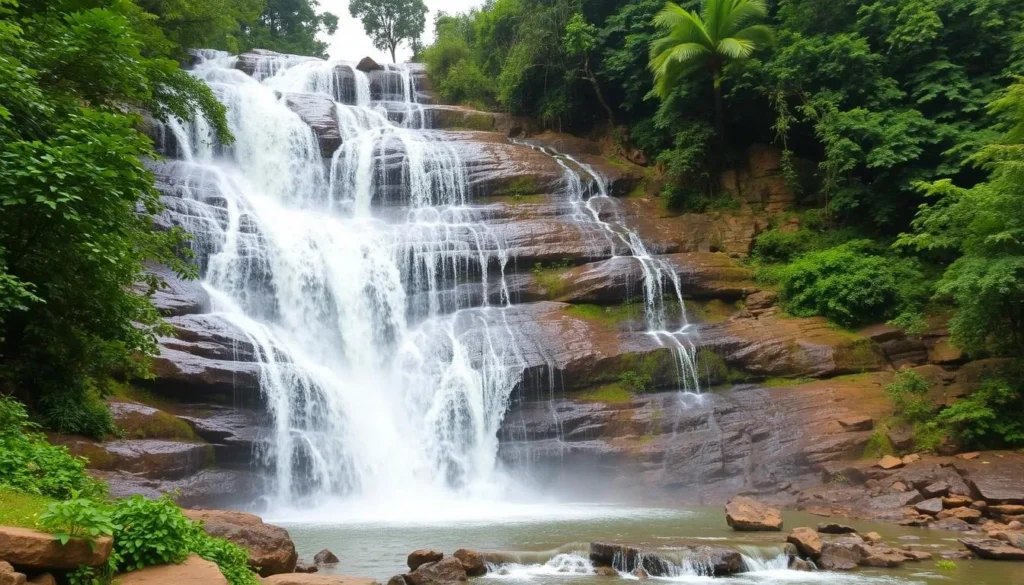
If you’re specifically interested in witnessing Jharkhand’s famous waterfalls like Hundru, Dassam, and Jonha at their magnificent best, plan your visit during or just after the monsoon season (late September to early November).
Getting Around Locally
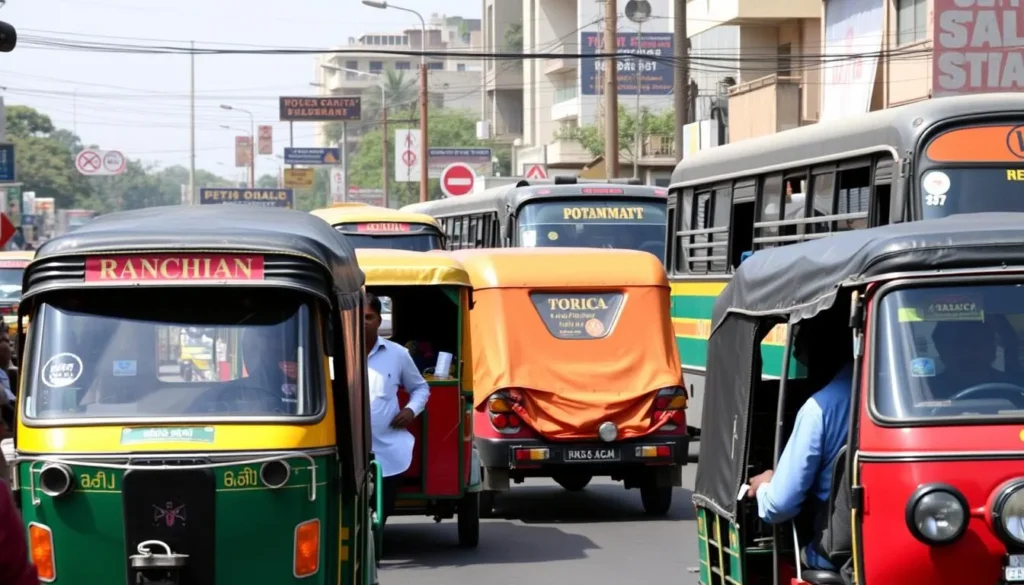
Navigating Jharkhand’s cities and attractions requires a mix of transportation options. Here’s how to get around efficiently:
Within Cities:
- Auto-rickshaws: These three-wheeled vehicles are ubiquitous in Jharkhand’s cities and are convenient for short distances. Always negotiate the fare before starting your journey.
- Taxis and Ride-sharing Services: App-based services like Ola and Uber operate in major cities like Ranchi and Jamshedpur, offering a comfortable way to travel around.
- City Buses: Public buses run within major cities but can be crowded. They’re economical but might not be the most comfortable option for tourists.
Between Cities and Attractions:
- State Transport Buses: Jharkhand State Transport Corporation operates regular bus services connecting major cities and towns. These are economical but might not always be comfortable for long journeys.
- Private Taxis: For more flexibility, especially when visiting remote attractions like waterfalls or wildlife sanctuaries, hiring a private taxi for the day is recommended. Most hotels can arrange this service.
- Trains: For longer distances between major cities, trains are a comfortable and economical option.
For exploring natural attractions like Betla National Park, guided jeep safaris are available and are the best way to navigate the terrain while spotting wildlife. Similarly, for hill stations like Netarhat, local taxis are the most convenient option as public transportation might be limited.
Where to Stay
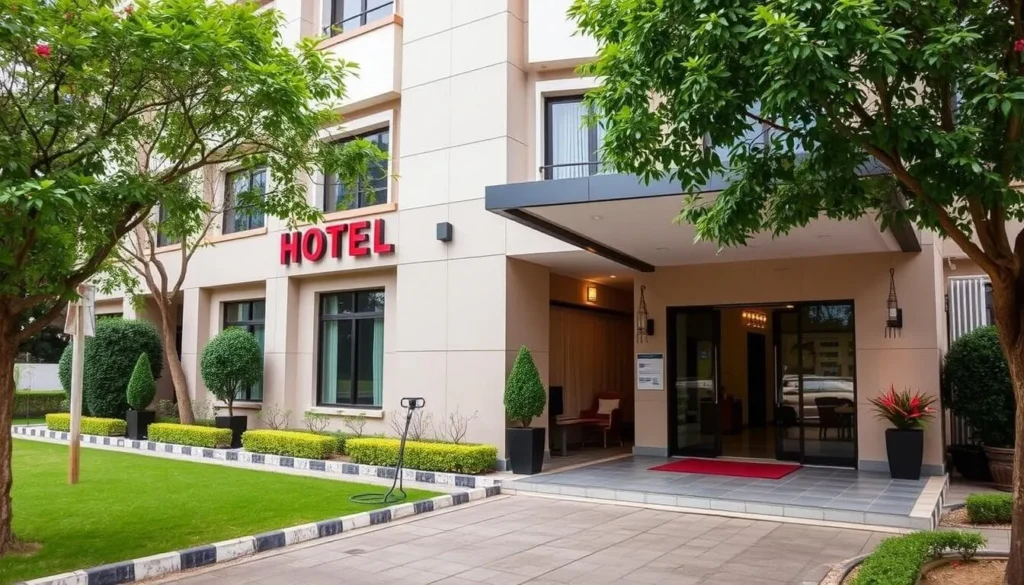
Jharkhand offers a range of accommodation options to suit different budgets and preferences. Here’s a breakdown of where to stay in the major tourist destinations:
Ranchi (Capital City)
- Luxury: Radisson Blu Hotel Ranchi offers upscale amenities including a swimming pool, spa, and multiple dining options.
- Mid-range: Le Lac Sarovar Portico and Capitol Residency provide comfortable stays with good amenities at reasonable prices.
- Budget: Hotel Accord and Hotel Yuvraj Palace offer clean, basic accommodations for budget travelers.
Jamshedpur
- Luxury: The Sonnet and Ramada by Wyndham offer premium accommodations with modern amenities.
- Mid-range: The Alcor Hotel and Fortune Park Center Point provide comfortable stays with good service.
- Budget: Hotel Jiva and Hotel Natraj offer affordable options without compromising on cleanliness.
Netarhat
Being a hill station, Netarhat has limited but charming accommodation options:
- Government Guesthouses: Prabhat Vihar and Netarhat Tourist Complex offer basic but clean rooms with beautiful views.
- Private Resorts: Jhoomariya Residency and Nature Hat Meditation Resort provide a more comfortable stay amidst nature.
Near Betla National Park
- Jungle Lodges: Betla Forest Rest House and Palamu Tiger Reserve Forest Lodge offer authentic jungle experiences.
- Resorts: Betla Jungle Camp provides comfortable accommodation with guided safari options.
For an authentic cultural experience, some areas offer homestays with tribal families, though these are limited and best arranged through local tourism offices. Booking accommodation in advance is recommended, especially during the peak tourist season from October to March.
Dining & Local Cuisine
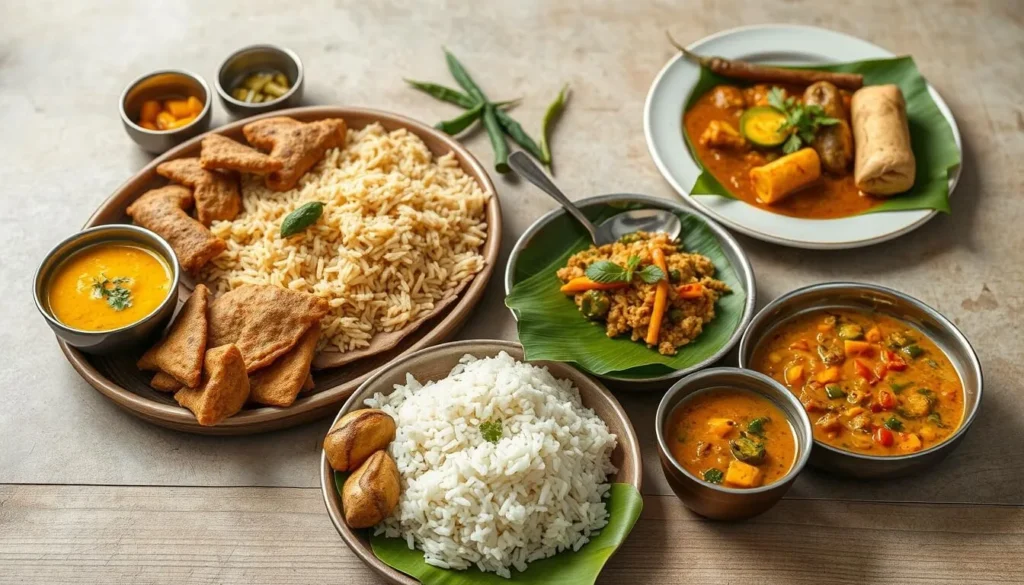
Jharkhand’s cuisine is a delightful blend of tribal flavors and influences from neighboring states like Bihar and West Bengal. The food is characterized by its simplicity, use of local ingredients, and distinctive cooking techniques. Here’s what you should try during your visit:
Must-Try Local Dishes
- Dhuska: A deep-fried savory cake made from rice and gram flour, typically served with ghugni (a spicy chickpea curry) or chutney.
- Litti Chokha: Wheat balls stuffed with sattu (roasted gram flour) and served with a mashed vegetable mix. This hearty dish is popular throughout the region.
- Bamboo Shoot Curry: A tribal specialty where tender bamboo shoots are cooked with minimal spices to create a unique flavor profile.
- Pittha: Rice flour dumplings stuffed with sweet or savory fillings, steamed or fried to perfection.
- Rugra: A type of mushroom that grows during the monsoon season, cooked simply to highlight its natural flavors.
- Chilka Roti: A rice flour flatbread that’s a staple in tribal households, often served with vegetable curry or chutney.
Local Beverages
- Handia: A traditional rice beer consumed by tribal communities during festivals and special occasions.
- Mahua: A potent alcoholic drink made from the flowers of the mahua tree, with cultural significance in tribal communities.
- Fresh Fruit Juices: The region’s abundant fruits make for refreshing natural beverages.
Where to Eat
In major cities like Ranchi and Jamshedpur, you’ll find a range of dining options:
Check 30,000+ Local Sightseeing Tours Worldwide
✓ Numerous languages and currencies are available
- Ranchi: Visit Ajam Emba for authentic tribal cuisine, The Yellow Chilli for North Indian dishes, and Kaveri Restaurant for South Indian fare.
- Jamshedpur: Try Brubeck Bakery for continental options, Pind Balluchi for North Indian cuisine, and Novelty Restaurant for local flavors.
- Street Food: Don’t miss street food stalls in Ranchi’s Firayalal Chowk area, where you can sample local snacks like dhuska and litti chokha at affordable prices.
For an authentic experience, consider visiting during local festivals when special traditional dishes are prepared and shared. Remember that in smaller towns and rural areas, dining options might be limited, so it’s advisable to check with your accommodation for recommendations.
Attractions, Sightseeing & Activities
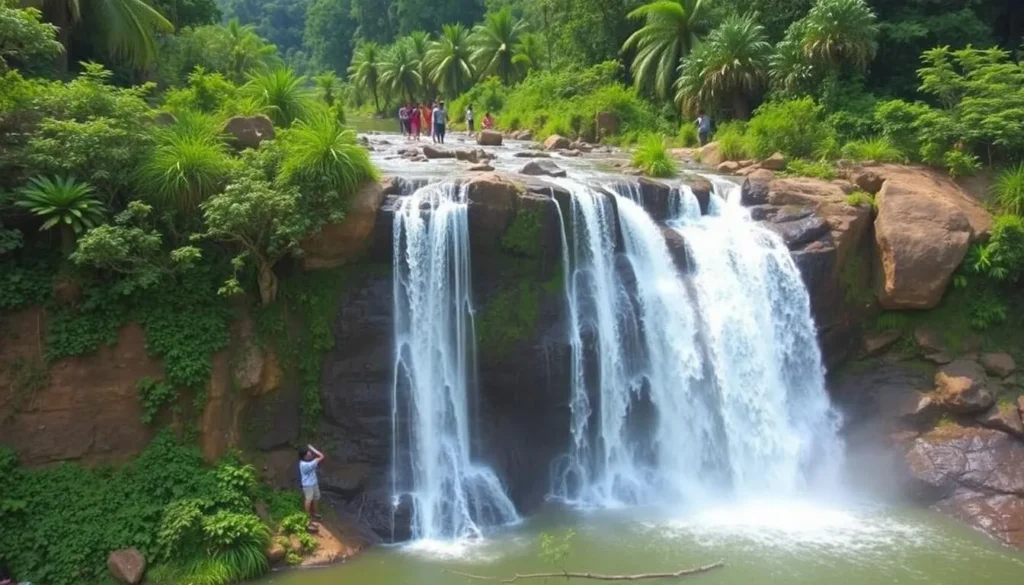
Jharkhand offers a diverse range of attractions from stunning waterfalls and wildlife sanctuaries to historical sites and industrial marvels. Here are the top sights and activities you shouldn’t miss:
Magnificent Waterfalls
- Hundru Falls: Located 45 km from Ranchi, this spectacular waterfall drops from a height of 98 meters (322 feet) and is one of the highest in Jharkhand. The sight of the Subarnarekha River plunging down the rocky terrain is truly mesmerizing.
- Dassam Falls: Also known as Dassam Ghagh, this waterfall is located 40 km from Ranchi where the Kanchi River cascades down from a height of 44 meters (144 feet). The surrounding landscape makes it perfect for picnics.
- Jonha Falls: Located near Ranchi, these falls offer not just natural beauty but also a spiritual experience with the nearby Gautam Buddha Ashram.
Wildlife Sanctuaries and National Parks
- Betla National Park: Part of the Palamau Tiger Reserve, this park is home to tigers, elephants, leopards, and various bird species. The forest rest houses inside the park offer a unique opportunity to stay amidst wilderness.
- Dalma Wildlife Sanctuary: Located near Jamshedpur, this sanctuary is known for its elephant population and offers excellent trekking opportunities.
- Hazaribagh Wildlife Sanctuary: Home to tigers, panthers, and various deer species, this sanctuary also features beautiful plateaus and valleys.
Hill Stations and Scenic Spots
- Netarhat: Known as the “Queen of Chotanagpur,” this hill station offers breathtaking sunrise and sunset views, especially from Magnolia Point.
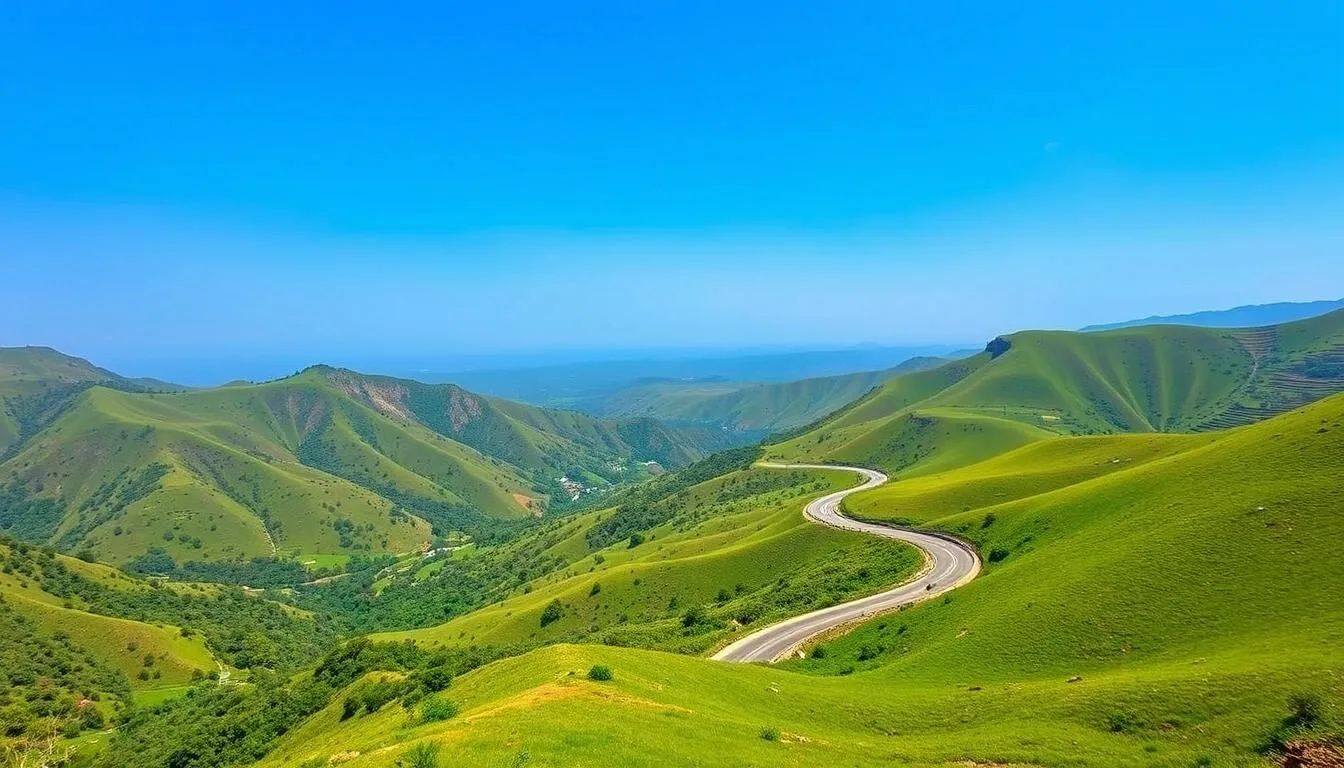
- Patratu Valley: Famous for its serpentine road and scenic beauty, this valley near Ranchi is perfect for a day trip.
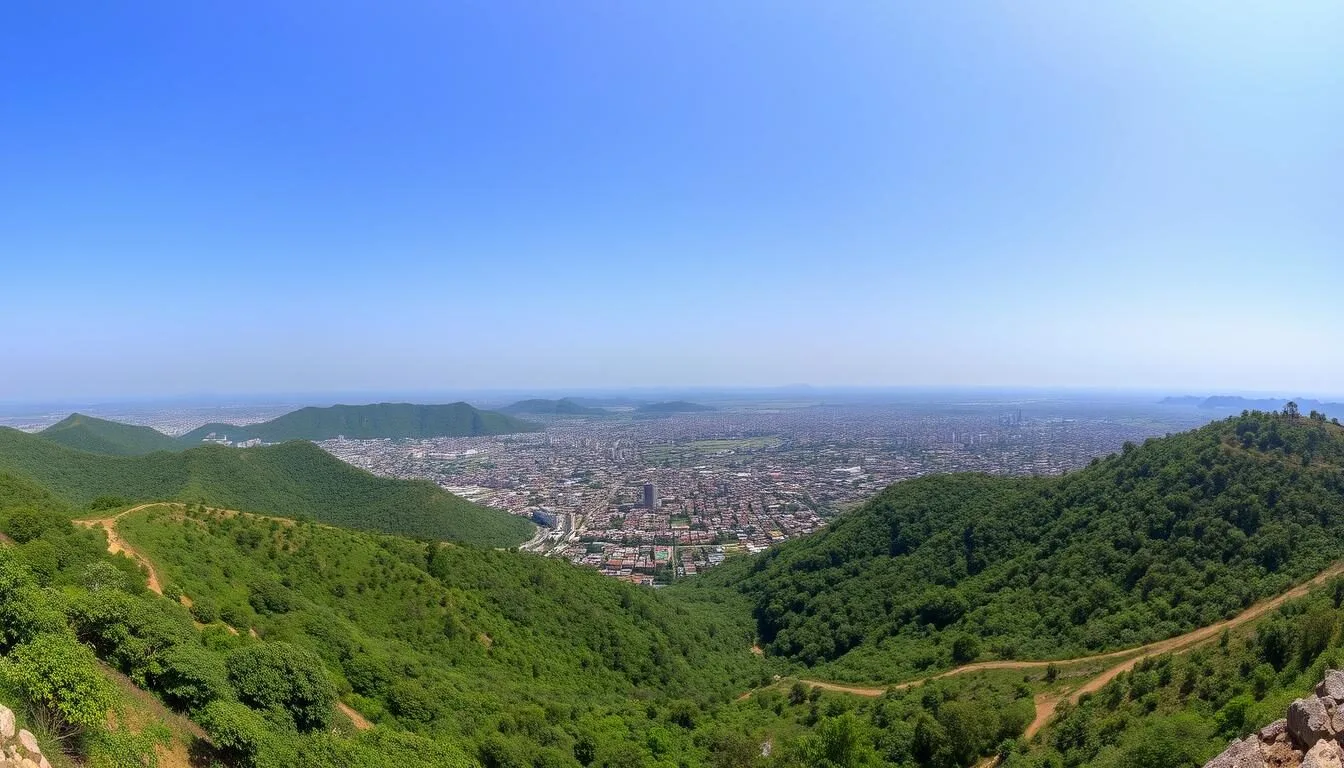
- Tagore Hill: Named after Rabindranath Tagore’s elder brother who lived here, this hill in Ranchi offers panoramic views of the city.
For those interested in industrial tourism, a visit to the Tata Steel Plant in Jamshedpur offers insights into one of India’s oldest and most significant industrial establishments. The city itself, being India’s first planned industrial city, is worth exploring for its unique urban design and green spaces like Jubilee Park.
Museums, Cultural Spots & Festivals
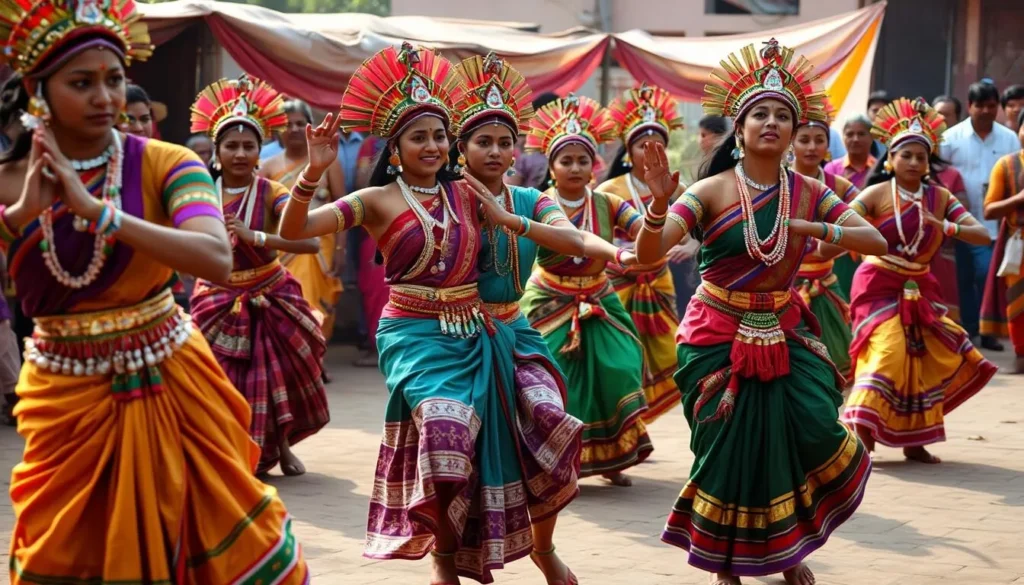
Jharkhand’s rich tribal heritage and cultural diversity are reflected in its museums, cultural sites, and vibrant festivals. Exploring these aspects offers a deeper understanding of the state’s identity.
Museums and Cultural Centers
- Tribal Research Institute Museum, Ranchi: This museum houses a remarkable collection of tribal artifacts, including traditional weapons, musical instruments, ornaments, and paintings that showcase the rich cultural heritage of Jharkhand’s tribal communities.
- Sanskriti Museum, Hazaribagh: Dedicated to preserving the prehistoric rock art found in the region, this museum offers fascinating insights into ancient civilizations.
- Tata Steel Zoological Park, Jamshedpur: Beyond being a zoo, it includes a Nature Education Center that highlights the region’s biodiversity and conservation efforts.
- Jamshedpur Coin Museum: Houses a fascinating collection of ancient and modern coins, offering a glimpse into the economic history of the region.
Religious and Historical Sites
- Baba Baidyanath Dham, Deoghar: One of the twelve Jyotirlingas (sacred abodes of Lord Shiva), this temple complex attracts thousands of devotees, especially during the month of Shravan (July-August).
- Jagannath Temple, Ranchi: Built in 1691, this temple on a hilltop offers both spiritual significance and panoramic views of Ranchi city.
- Parasnath Hill, Giridih: The highest mountain in Jharkhand at 1,350 meters (4,429 feet), it’s a sacred site for Jains as 20 of the 24 Jain Tirthankaras attained salvation here.
- Maluti Temples, Dumka: This village houses 72 intricately carved terracotta temples dating back to the 17th-18th centuries.
Major Festivals
Jharkhand’s festivals offer a window into its vibrant cultural tapestry:
- Sarhul: Celebrated by the Oraon, Munda, and Ho tribes in spring, this festival marks the beginning of the new year and honors the Sal tree.
- Karma: A harvest festival celebrated in August-September with traditional dances around the Karma tree.
- Sohrai: The most important tribal festival, celebrated after the harvest in October-November, featuring cattle worship and vibrant wall paintings.
- Tusu: A winter harvest festival celebrated primarily by women with colorful processions and folk songs.
- Karam: Celebrated to honor the Karam tree, believed to bring good fortune and prosperity.
To experience Jharkhand’s living culture, visit tribal villages like Khunti, Gumla, or Chaibasa where traditional lifestyles are still preserved. Many villages welcome respectful visitors and sometimes offer demonstrations of traditional crafts, music, and dance.
Nature & Outdoor Experiences
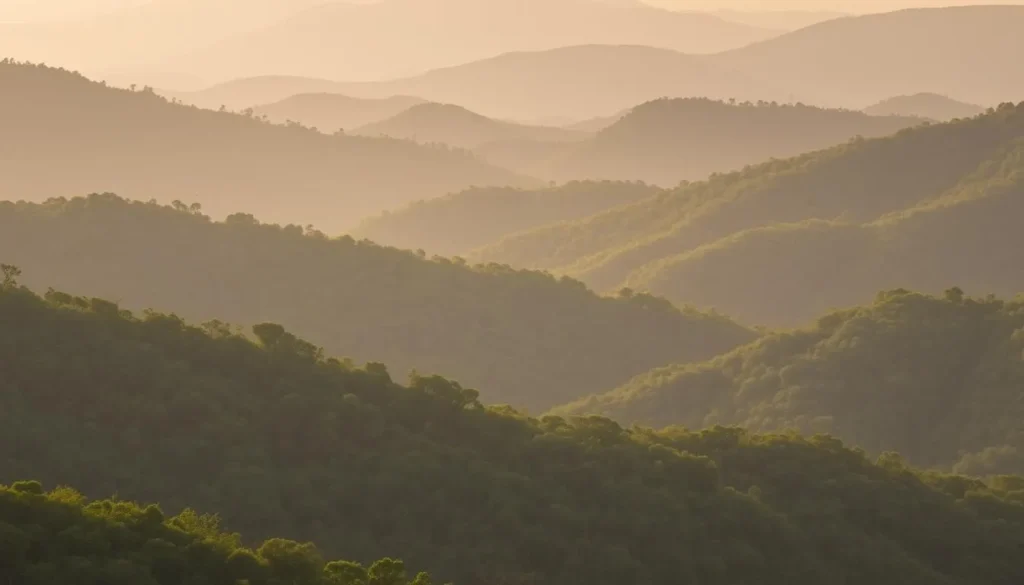
Jharkhand’s name literally means “Land of Forests,” and true to its name, the state offers abundant natural beauty and outdoor adventures. From dense forests and rolling hills to serene lakes and rushing rivers, nature lovers will find plenty to explore.
Trekking and Hiking
- Parasnath Hill: The highest peak in Jharkhand offers challenging trekking routes with 27 temples along the way, making it both a spiritual and adventure experience.
- Netarhat Hills: With moderate trails through pine forests and stunning viewpoints like Magnolia Point and Sunrise Point, these hills are perfect for day hikes.
- Dalma Hills: Located near Jamshedpur, these hills offer well-marked trails with opportunities to spot wildlife, especially elephants.
- Tagore Hill: An easy trek in Ranchi that’s perfect for beginners and offers panoramic views of the city.
Lakes and Boating
- Dimna Lake: This artificial reservoir near Jamshedpur is nestled at the foot of the Dalma Hills and offers boating facilities and picturesque surroundings.
- Ranchi Lake: One of the oldest artificial lakes in India, it offers boating facilities and is a popular recreational spot for locals and tourists alike.
- Topchanchi Lake: Located near Dhanbad, this lake serves as a reservoir and a picnic spot with beautiful surroundings.
- Kanke Dam: This reservoir in Ranchi offers a peaceful environment for relaxation and boating.
Wildlife Viewing
- Betla National Park: Take a jeep safari to spot tigers, elephants, gaur (Indian bison), and various deer species in their natural habitat.
- Dalma Wildlife Sanctuary: Known for its elephant population, this sanctuary also houses various other mammals and birds.
- Hazaribagh National Park: Home to tigers, panthers, and sambars, this park offers both wildlife viewing and beautiful landscapes.
- Birding at Udhwa Lake Bird Sanctuary: This sanctuary hosts numerous migratory birds during winter months, making it a paradise for bird watchers.
For a unique natural experience, visit the Upper and Lower Ghaghri waterfalls near Netarhat or explore the caves and hills of Tapovan near Deoghar. Adventure enthusiasts can also try rock climbing at Phuldungri Hills near Ghatshila or camping in the forests around Netarhat.
Safety, Etiquette & Local Customs
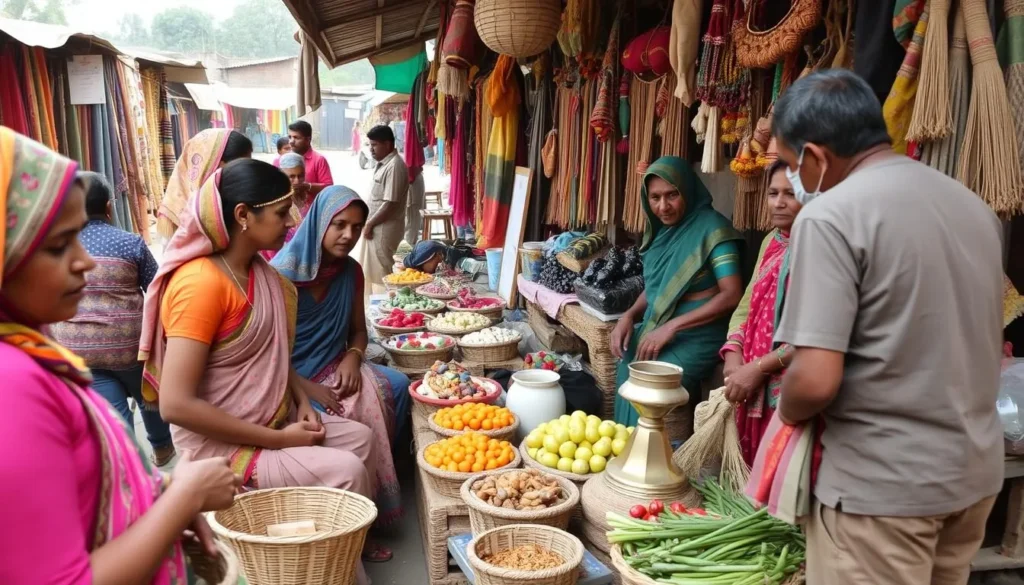
Traveling through Jharkhand can be a rewarding experience, but it’s important to be aware of safety considerations, local customs, and proper etiquette to ensure a respectful and trouble-free visit.
Safety Tips
- Travel Advisory: Some remote areas of Jharkhand have historically experienced Naxalite (Maoist) activity. Stick to tourist areas and check current travel advisories before visiting off-the-beaten-path locations.
- Night Travel: Avoid traveling on highways and remote roads after dark. Plan your journeys to reach your destination before sunset.
- Waterfall Safety: During monsoon season, waterfalls can be dangerous due to strong currents and slippery rocks. Observe warning signs and avoid swimming in prohibited areas.
- Wildlife Precautions: When visiting national parks and wildlife sanctuaries, always follow guide instructions and maintain a safe distance from wild animals.
- Valuables: Keep your belongings secure, especially in crowded areas, and avoid displaying expensive items or large amounts of cash.
Cultural Etiquette
- Tribal Communities: When visiting tribal villages, seek permission before taking photographs and respect any local restrictions or customs.
- Religious Sites: Remove shoes before entering temples and cover your head in certain religious places. Modest dress is appreciated at all religious sites.
- Local Festivals: If attending tribal festivals, be respectful observers rather than participants unless invited. Some ceremonies may have restrictions for outsiders.
- Photography: Always ask permission before photographing individuals, especially in tribal areas where people may have specific beliefs about photography.
Local Customs
Jharkhand’s tribal communities have rich traditions and customs that vary between different tribes:
- Greetings: A simple “Namaste” with folded hands is universally accepted. In tribal areas, learning a few words of the local dialect is appreciated.
- Food Customs: When invited to a local home, it’s polite to accept food offerings. Using your right hand for eating is customary.
- Tribal Art: The state is known for its distinctive tribal art forms like Sohrai and Khovar paintings. Purchasing authentic tribal art supports local communities.
- Sacred Groves: Many tribal communities maintain sacred groves (Sarna) where cutting trees or disturbing the environment is prohibited. Respect these protected areas.
Understanding and respecting local customs enhances your experience and fosters positive interactions with the warm and hospitable people of Jharkhand.
Visitor Comments About Jharkhand
“My trip to Jharkhand was an unexpected delight! The waterfalls were absolutely spectacular, especially Hundru Falls which took my breath away. What surprised me most was how few tourists there were compared to other Indian destinations. It felt like discovering a hidden gem. The tribal villages offered a genuine cultural experience that you can’t find in more commercialized places.”
“Betla National Park was the highlight of our Jharkhand adventure. We were lucky enough to spot wild elephants and various deer species during our jeep safari. The accommodation at the forest rest house was basic but clean, and falling asleep to the sounds of the jungle was magical. I’d recommend spending at least two days here to fully appreciate the wildlife.”
“Jamshedpur surprised me with its cleanliness and organization. As India’s first planned industrial city, it offers a unique glimpse into the country’s industrial heritage. Jubilee Park was beautiful, and the Tata Steel Zoological Park was one of the best-maintained zoos I’ve visited in India. Don’t miss trying the local tribal cuisine – the bamboo shoot dishes and dhuska were delicious!”
Additional Nearby Destinations
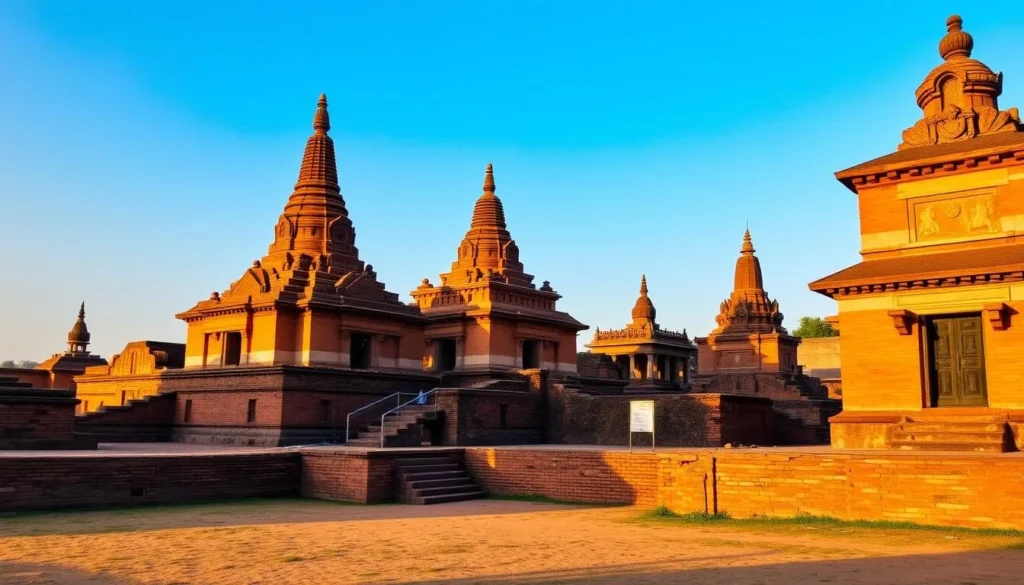
While exploring Jharkhand, consider extending your journey to these fascinating nearby destinations that complement your experience:
Bihar
- Bodh Gaya: Just 160 km from Ranchi, this UNESCO World Heritage Site is where Buddha attained enlightenment. The Mahabodhi Temple complex is a significant Buddhist pilgrimage site.
- Nalanda: Explore the ruins of this ancient Buddhist university, one of the world’s oldest academic institutions, dating back to the 5th century.
- Patna: Bihar’s capital offers historical attractions like Golghar, Patna Museum, and the ancient Pataliputra ruins.
West Bengal
- Kolkata: About 270 km from Jamshedpur, this vibrant metropolis offers colonial architecture, cultural institutions, and delicious Bengali cuisine.
- Santiniketan: Visit Rabindranath Tagore’s vision of an open-air school and immerse yourself in Bengali art and culture.
- Sundarbans: Though requiring more travel time, this UNESCO World Heritage Site offers unique mangrove forests and the chance to spot Royal Bengal tigers.
Odisha
- Simlipal National Park: Located near the Jharkhand-Odisha border, this tiger reserve offers dense forests, waterfalls, and diverse wildlife.
- Bhitarkanika National Park: Famous for its saltwater crocodiles and mangrove forests, this park provides a different ecological experience.
- Puri and Konark: Though further away, these destinations offer the famous Jagannath Temple and the Sun Temple, both architectural marvels.
These nearby destinations can be combined with your Jharkhand itinerary to create a comprehensive Eastern India experience, showcasing the region’s diverse cultural, historical, and natural attractions.
Practical Travel Tips
Make the most of your Jharkhand adventure with these practical tips that will help you navigate the region smoothly and enjoy an authentic experience:
Essential Packing
- Clothing: Pack lightweight, breathable clothes for summer and warmer layers for winter evenings. Include modest attire for visiting religious sites.
- Footwear: Comfortable walking shoes or hiking boots are essential for exploring waterfalls and wildlife sanctuaries.
- Protection: Bring sunscreen, insect repellent, and a hat, especially during summer months.
- Medications: Carry a basic first-aid kit and any personal medications, as pharmacies might be limited in remote areas.
Communication
- Language: Hindi is widely spoken and understood. English is common in urban areas and tourist establishments, but less so in rural regions.
- Mobile Connectivity: Major telecom providers have good coverage in cities and towns, but signal may be patchy in remote areas and wildlife sanctuaries.
- Internet: Reliable Wi-Fi is available in most hotels in major cities but may be limited elsewhere.
Money Matters
- Currency: Indian Rupee (INR) is the local currency. Carry sufficient cash, especially when traveling to rural areas.
- ATMs: Readily available in cities like Ranchi, Jamshedpur, and Dhanbad, but may be scarce in smaller towns.
- Cards: Major hotels and restaurants in cities accept credit cards, but smaller establishments and markets are cash-only.
Health and Hygiene
- Water: Stick to bottled water for drinking and brushing teeth.
- Food Safety: Enjoy local cuisine but choose busy establishments with high turnover for fresher food.
- Medical Facilities: Good hospitals are available in major cities, but rural areas have limited healthcare options.
Local Transportation Tips
- Booking Services: Use apps like Ola for city travel in Ranchi and Jamshedpur.
- Shared Transport: Shared jeeps are common for intercity travel and can be an economical option.
- Road Conditions: While main highways are good, interior roads may be in varying conditions. Allow extra time for journeys.
Remember that Jharkhand operates at a relaxed pace compared to major tourist destinations in India. Embrace this slower rhythm and allow yourself time to truly experience the natural beauty and cultural richness of this underexplored state.
Map of Jharkhand
The Forest Land’s Hidden Treasures Await
Jharkhand may not feature on typical Indian tourist itineraries, but that’s precisely what makes it special. This “Land of Forests” offers authentic experiences away from the crowds – cascading waterfalls that you might have entirely to yourself, wildlife sanctuaries where nature thrives undisturbed, and tribal villages where ancient traditions continue uninterrupted by mass tourism.
From the industrial marvel of Jamshedpur to the spiritual significance of Baba Baidyanath Dham, from the wilderness of Betla National Park to the serene beauty of Netarhat hills, Jharkhand presents a multifaceted destination that rewards the curious traveler. The state’s rich tribal heritage, distinctive cuisine, and warm hospitality add layers to your journey that go beyond mere sightseeing.
As you plan your Indian adventure, consider venturing off the well-trodden path to discover Jharkhand’s treasures. In this overlooked eastern state, you’ll find not just beautiful landscapes and cultural experiences, but also the increasingly rare gift of exploring a destination that still feels genuinely authentic and undiscovered.
Related Posts
Ranchi, Jharkhand: Best Things to Do – Top Picks
Bokaro Steel City, Jharkhand: Best Things to Do – Top Picks
Jamshedpur, Jharkhand: Best Things to Do – Top Picks
Dhanbad, Jharkhand: Best Things to Do – Top Picks
Jharkhand, India: Best Months for a Weather-Savvy Trip