
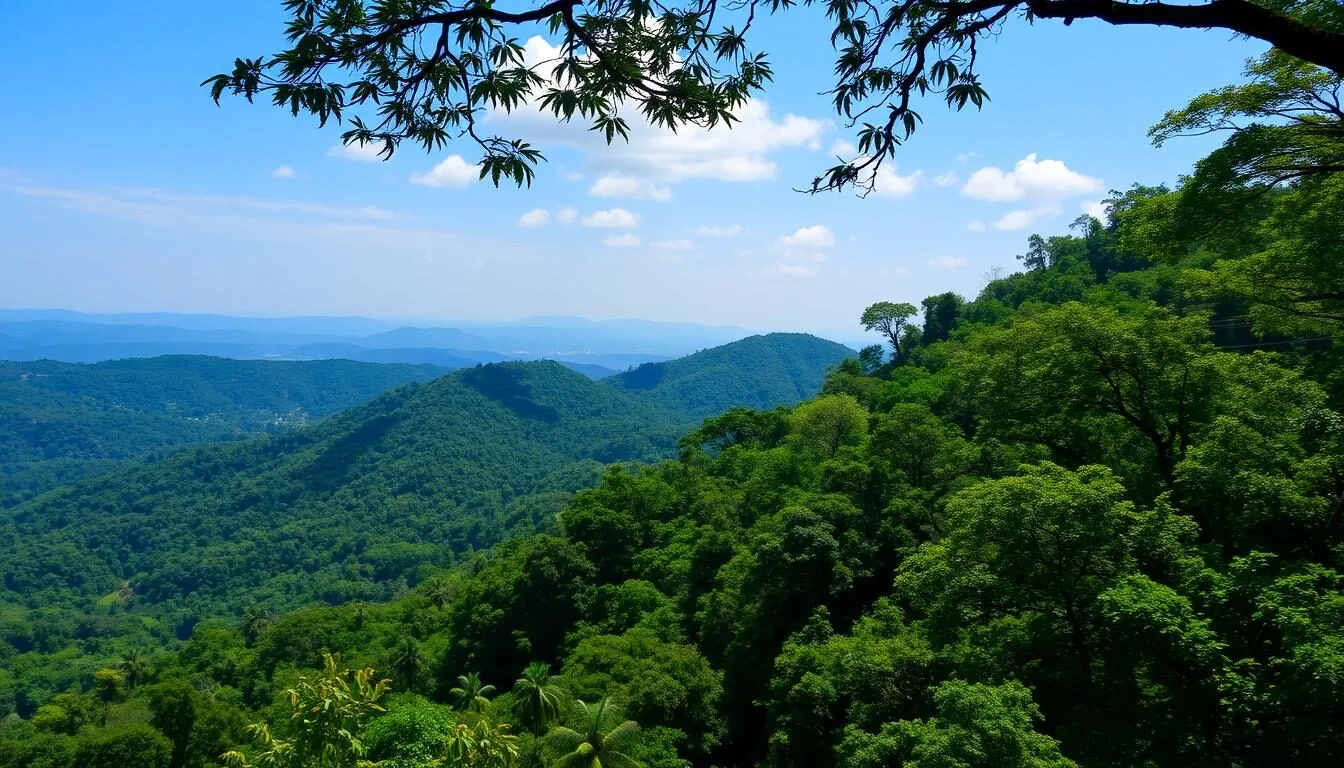
Did you know that Bandipur National Park is home to the second-highest tiger population in India, with approximately 120 Bengal tigers roaming freely within its boundaries? This stunning wildlife sanctuary, established in 1974 as part of Project Tiger, spans an impressive 874 square kilometers across Karnataka’s Western Ghats. Once the private hunting grounds of the Maharaja of Mysore, today it stands as a testament to India’s conservation success story.
As you venture into this pristine wilderness, you’ll discover a remarkable ecosystem that supports not just tigers, but also over 200 bird species and a diverse range of wildlife including elephants, leopards, and the endangered Indian bison. Whether you’re a wildlife enthusiast, nature photographer, or simply seeking an escape from urban life, Bandipur offers an unforgettable journey into the wild heart of Karnataka.
Getting There & Planning Your Journey
Bandipur National Park is conveniently located in southern Karnataka, making it accessible from several major cities. The closest airport is Bengaluru International Airport, approximately 220 kilometers away, offering excellent connectivity to major Indian cities and international destinations.
For those preferring rail travel, Mysuru Railway Station (80 km) and Nanjangud Railway Station (65 km) are the nearest options with regular connections to major cities. From these points, you can hire a taxi or take a state transport bus to reach the park.
Routes from Major Cities
| Starting Point | Distance | Estimated Travel Time | Route Highlights |
| Bengaluru | 220 km | 4-5 hours | Scenic drive through Ramanagara and Mandya |
| Mysuru | 80 km | 2 hours | NH-766, passes through Nanjangud |
| Ooty | 120 km | 3 hours | Beautiful drive through Mudumalai National Park |
Important Note: The road through Bandipur National Park closes at night (9:00 PM to 6:00 AM) to protect wildlife crossing the roads. For two-wheelers, the road closes at 6:00 PM. Plan your journey accordingly to avoid being stranded.
Best Time to Visit & Weather Tips
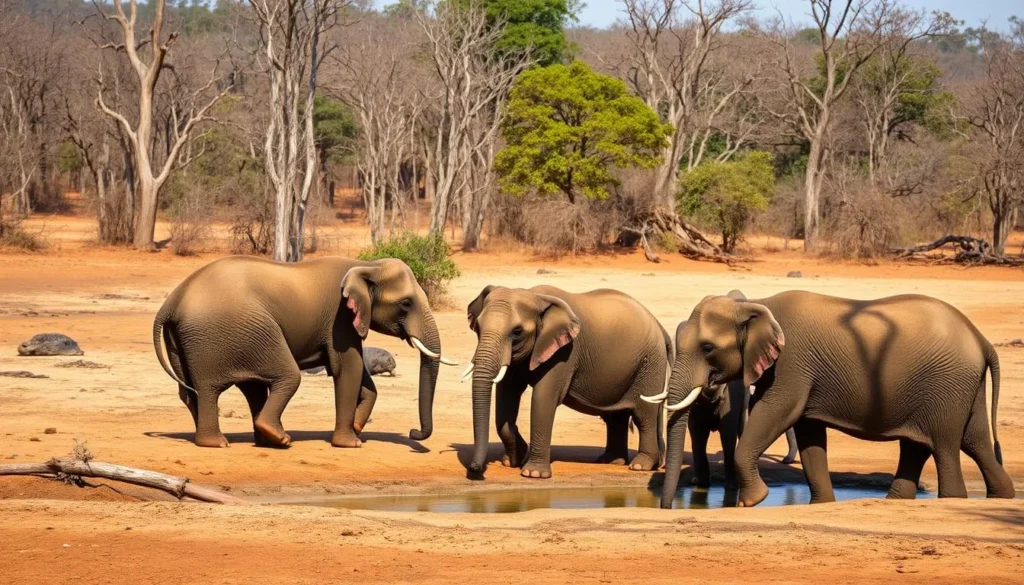
Bandipur National Park experiences three distinct seasons, each offering a unique wildlife viewing experience. The park remains open year-round, but certain months provide better opportunities for wildlife sightings and comfortable exploration.
Recommended Seasons
| Season | Months | Temperature | Wildlife Viewing |
| Winter (Best Overall) | October to March | 15°C to 25°C (59°F to 77°F) | Excellent – comfortable weather and good visibility |
| Summer (Best for Wildlife) | March to June | 25°C to 35°C (77°F to 95°F) | Very good – animals gather near water sources |
| Monsoon (Avoid) | July to September | 20°C to 28°C (68°F to 82°F) | Limited – heavy rainfall and reduced visibility |
For wildlife photographers, February to June is particularly rewarding as animals frequently visit water holes, creating perfect photo opportunities. The lush greenery after the monsoons (October-November) provides a beautiful backdrop for landscape photography.
Weather Advisory: Summer temperatures can rise significantly during midday. Carry sufficient water, wear light cotton clothing, and apply sunscreen if visiting between March and June. During winter mornings, temperatures can drop, so bring a light jacket for early safari rides.
Getting Around Locally
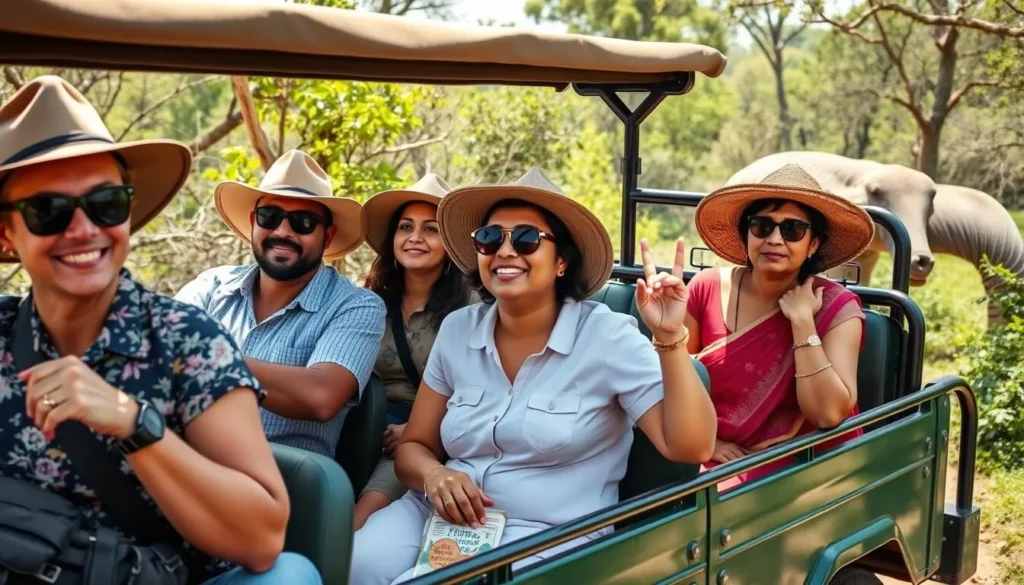
Exploring Bandipur National Park is primarily done through organized safaris managed by the Forest Department. Private vehicles are not permitted inside the core areas of the park, ensuring minimal disturbance to wildlife and their habitats.
Safari Options
Jeep Safari
- Duration: 2-3 hours
- Timings: 6:00 AM to 9:00 AM and 3:00 PM to 6:00 PM
- Capacity: 6 passengers per jeep
- Cost: ₹1,500-2,000 per jeep (approximate)
- Booking: At the tourist reception center, Melukammanahalli
Bus Safari
- Duration: 45 minutes to 1 hour
- Timings: 6:30 AM to 9:00 AM and 3:30 PM to 5:30 PM
- Capacity: 20-25 passengers
- Cost: ₹300-400 per person (approximate)
- Booking: Same-day at the tourist reception center
Elephant Safari
A limited number of elephant safaris are available from 10:00 AM to 11:00 AM. These provide a unique perspective and can access areas that vehicles cannot. However, availability is restricted and subject to change based on the condition and availability of the elephants.
Pro Tip: Safari tickets are issued on a first-come, first-served basis. Arrive at least 30-45 minutes before the counter opens, especially during weekends and peak season, to secure your spot. Morning safaris typically offer better wildlife sightings than afternoon ones.
Where to Stay
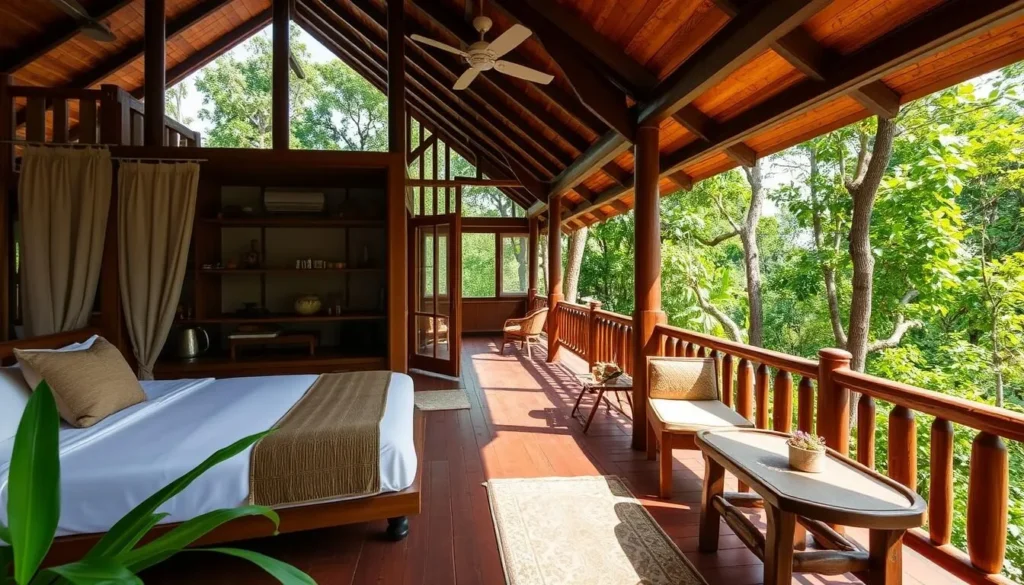
Bandipur offers a range of accommodation options from luxury eco-resorts to budget-friendly lodges. Most properties are located along the periphery of the national park, providing easy access to safari starting points while ensuring a comfortable stay amidst nature.
Accommodation Types
Luxury Eco-Resorts
Premium properties offering spacious rooms, private balconies with forest views, swimming pools, spa services, and curated wildlife experiences. Prices range from ₹12,000 to ₹23,000 per night.
Mid-Range Jungle Lodges
Comfortable accommodations with essential amenities, restaurant services, and organized safari arrangements. Prices typically range from ₹6,000 to ₹12,000 per night.
Budget Stays
Basic but clean accommodations with fundamental facilities, ideal for travelers prioritizing the wildlife experience over luxury. Prices range from ₹2,000 to ₹5,000 per night.
The government-run Bandipur Safari Lodge, operated by Jungle Lodges and Resorts, offers all-inclusive packages with accommodation, meals, and safari activities. This is a popular choice for visitors seeking a comprehensive wildlife experience with knowledgeable naturalists.
“Falling asleep to the sounds of the jungle and waking up to bird calls is an experience that stays with you long after you’ve returned to the city.”
Booking Advice: Reserve your accommodation at least 2-3 months in advance for peak season visits (October to March). Most lodges offer packages that include safaris, nature walks, and meals, providing better value than booking these separately.
Dining & Local Cuisine
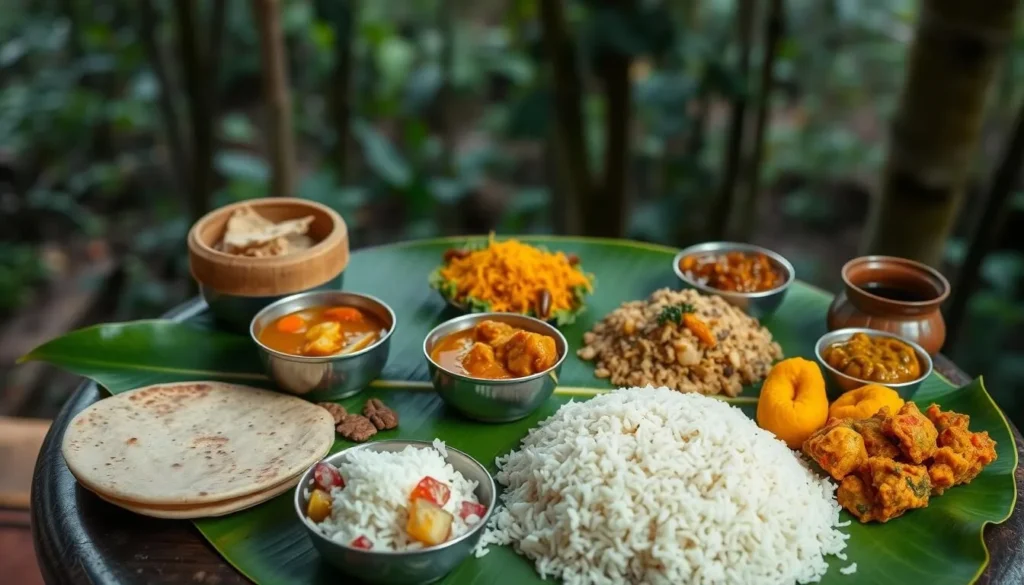
Dining options within Bandipur National Park are primarily limited to in-house restaurants at lodges and resorts. These establishments offer a mix of South Indian specialties, North Indian favorites, and some continental dishes to cater to international visitors.
Culinary Experiences
Most jungle lodges serve buffet-style meals featuring local Karnataka cuisine. Don’t miss these regional specialties:
- Akki Rotti – Rice flour flatbread often served with coconut chutney
- Bisi Bele Bath – Spicy rice dish with lentils and vegetables
- Neer Dosa – Thin rice crepes served with coconut chutney or sambar
- Coorg-style Pork Curry – Influenced by nearby Coorg region
- Bamboo Shoot Curry – A local delicacy using fresh bamboo shoots
Some resorts offer special dining experiences such as campfire dinners or bush lunches during safari breaks. These provide a unique opportunity to enjoy meals amidst nature, though they typically come at a premium.
Food Tip: If you have specific dietary requirements or food allergies, inform your accommodation in advance. Options for vegetarians are plentiful, but specialized diets (vegan, gluten-free) may require prior arrangement, especially at smaller properties.
For those traveling on a budget, there are a few small eateries and dhabas along the highway near the park entrance serving simple, affordable meals. Khan’s Resort and Pugmark Restaurant, located within 4 km of the park entrance, are popular options for travelers seeking dining alternatives outside their accommodation.
Wildlife Safari Adventures
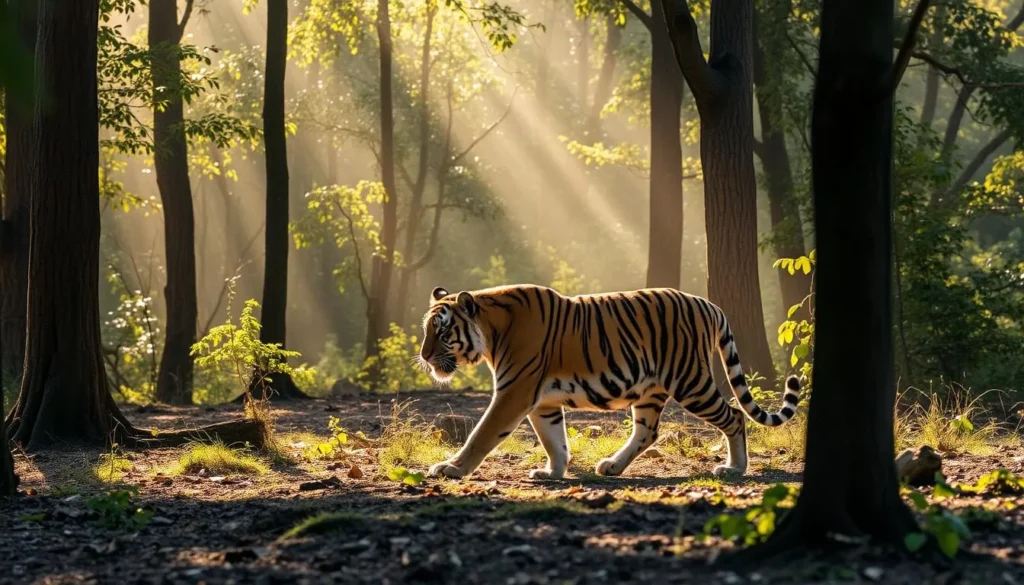
Wildlife safaris are the highlight of any visit to Bandipur National Park. The park’s diverse ecosystem supports an impressive array of wildlife, making each safari a unique adventure into the heart of the jungle.
Wildlife Highlights
Mammals
- Bengal Tiger
- Indian Elephant
- Leopard
- Gaur (Indian Bison)
- Sloth Bear
- Sambar Deer
- Spotted Deer
- Wild Boar
Birds
- Malabar Pied Hornbill
- Crested Serpent Eagle
- Indian Roller
- Great Hornbill
- Paradise Flycatcher
- Peafowl
- Grey Junglefowl
- Racket-tailed Drongo
Safari Tips for Wildlife Enthusiasts
“Patience is the wildlife photographer’s greatest lens. Sometimes the most magical moments come after waiting quietly for nature to reveal itself.”
- Timing is crucial – Early morning safaris (6:00 AM to 9:00 AM) offer the best wildlife sightings as animals are most active during these cooler hours.
- Dress appropriately – Wear neutral-colored clothing (olive green, khaki, brown) to blend with the environment. Avoid bright colors and strong perfumes.
- Bring the right gear – Binoculars, a camera with telephoto lens (200-400mm range), hat, sunscreen, and water are essential.
- Maintain silence – Wildlife is easily startled by loud noises. Keep conversations to whispers and turn mobile phones to silent mode.
- Follow guide instructions – The naturalists and guides are experienced in tracking wildlife and ensuring safety. Always follow their directions.
Photography Tip: For wildlife photography, use fast shutter speeds (1/1000 sec or higher) to capture animals in motion. Early morning and late afternoon provide the best natural lighting with the golden hour enhancing the colors of the landscape and wildlife.
Nature Trails and Trekking Experiences
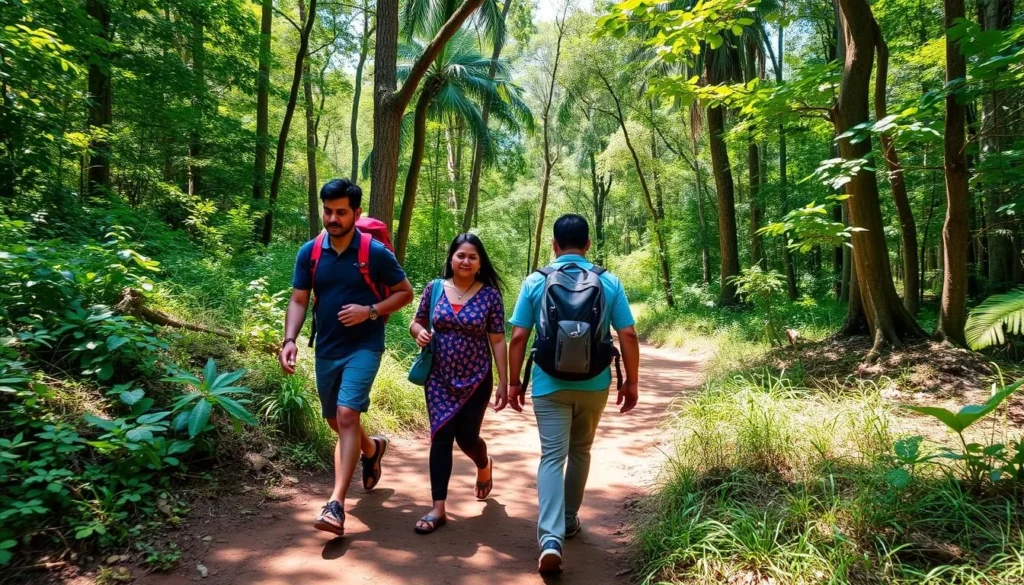
Beyond safaris, Bandipur offers guided nature walks and trekking opportunities that allow visitors to experience the forest ecosystem up close. These activities are conducted under the supervision of trained forest guides to ensure both visitor safety and minimal disturbance to wildlife.
Popular Trekking Trails
| Trail Name | Difficulty | Distance | Duration | Highlights |
| Forest Fringe Trail | Easy | 3-5 km | 2-3 hours | Bird watching, butterflies, medicinal plants |
| Wilderness Explorer | Moderate | 8-10 km | 4-5 hours | Varied terrain, small mammals, forest ecology |
| Himavad Gopalaswamy Betta | Moderate to Challenging | 12-15 km | 6-7 hours | Highest peak in the park, temple, panoramic views |
Nature walks are typically conducted early in the morning or late afternoon when the forest is most active with bird calls and wildlife movement. These walks focus on understanding the ecosystem, identifying various plant species, observing animal tracks, and learning about the intricate relationships between different forest inhabitants.
Safety Note: Trekking is only permitted with authorized forest guides. Independent hiking is prohibited to ensure visitor safety and wildlife protection. Always carry sufficient water, wear sturdy walking shoes, and apply insect repellent before setting out.
Himavad Gopalaswamy Betta
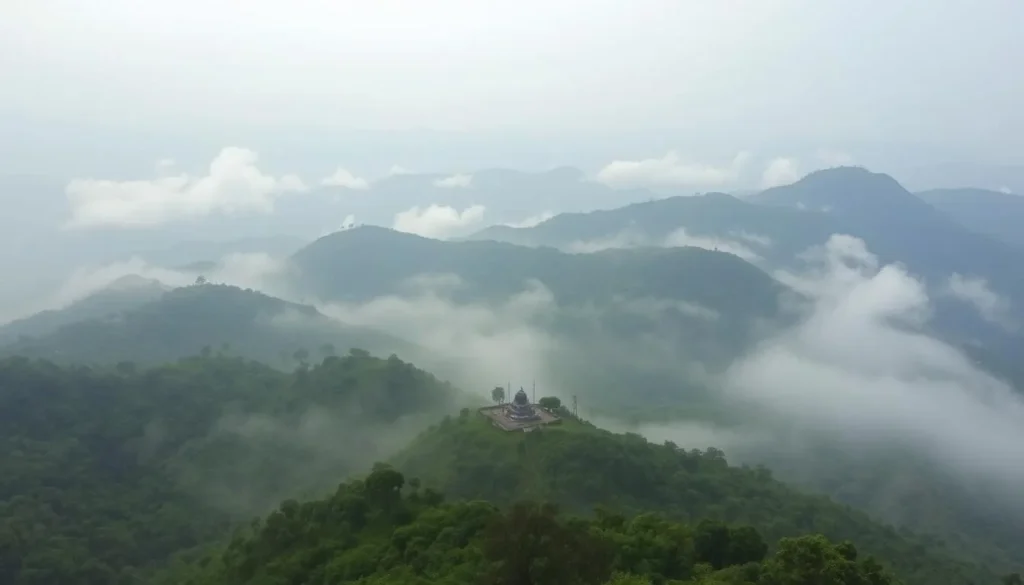
A special highlight is the trek to Himavad Gopalaswamy Betta, the highest peak in Bandipur National Park. The hill is frequently covered in mist, earning it the name “Himavad” (snowy). At the summit stands an ancient temple dedicated to Lord Venugopalaswamy, offering both spiritual significance and breathtaking views of the surrounding landscape.
Bird Watching Paradise
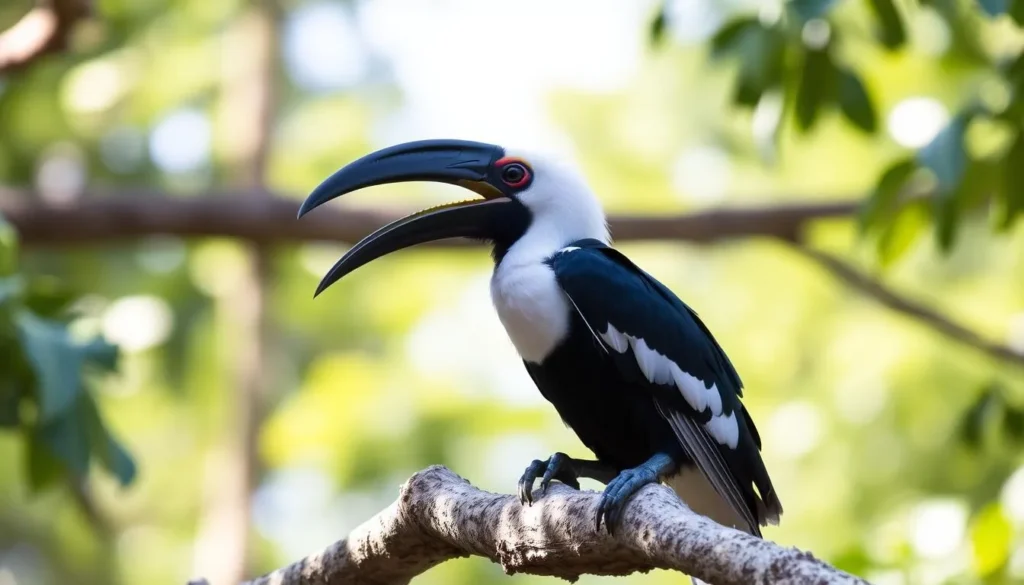
With over 200 bird species, Bandipur National Park is a haven for bird enthusiasts. The diverse habitats within the park—from deciduous forests to grasslands and water bodies—support a remarkable variety of resident and migratory birds throughout the year.
Bird Watching Hotspots
- Forest Edges – Great for spotting woodpeckers, barbets, and flycatchers
- Grassland Areas – Ideal for ground birds like partridges, quails, and lapwings
- Water Bodies – Attract waterfowl, kingfishers, and wading birds
- Canopy Trails – Perfect for observing hornbills, drongos, and minivets
Seasonal Bird Watching Guide
| Season | Months | Bird Activity | Special Sightings |
| Winter | October to March | Peak activity with migratory birds | Flycatchers, thrushes, warblers |
| Summer | March to June | Breeding season for many species | Nesting behaviors, courtship displays |
| Monsoon | July to September | Reduced visibility but unique opportunities | Breeding plumage, fledglings |
Essential Bird Watching Equipment
Basic Gear
- Binoculars (8×42 or 10×42 recommended)
- Field guide to birds of South India
- Notebook and pencil
- Hat and sunscreen
- Comfortable walking shoes
For Photography
- Camera with telephoto lens (300mm+)
- Tripod or monopod for stability
- Extra batteries and memory cards
- Lens cleaning kit
- Camera rain cover
“The thrill of spotting a Great Hornbill in flight or catching the iridescent flash of a Malabar Trogon makes every early morning wake-up call worthwhile for the dedicated bird watcher.”
Bird Watching Tip: Early mornings (6:00 AM to 9:00 AM) offer the best bird activity. Wear neutral colors, move slowly and quietly, and listen for calls to locate birds before seeing them. Many lodges offer specialized bird watching walks with expert naturalists who can identify species by their calls.
Cultural Spots & Nearby Attractions
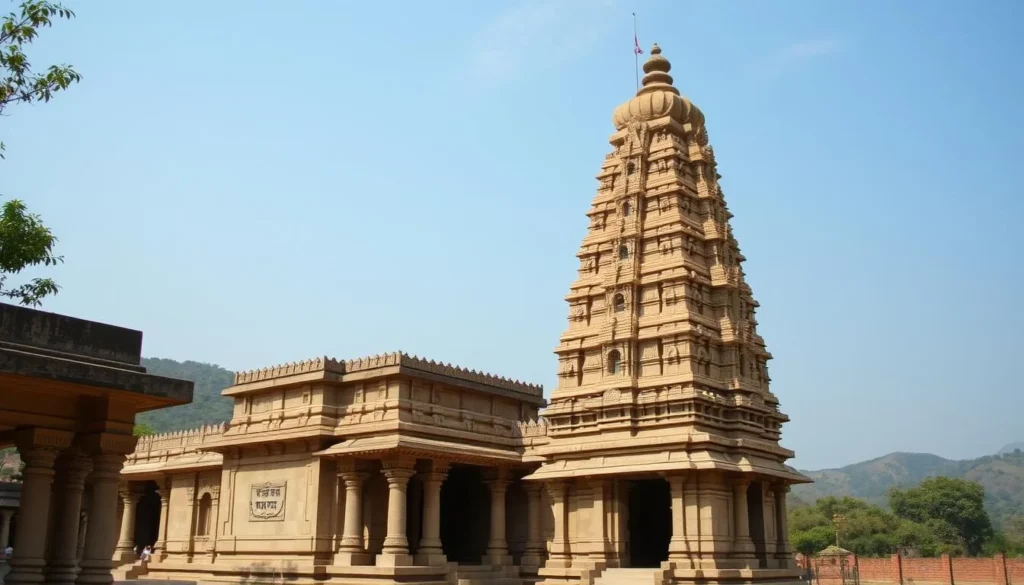
While Bandipur National Park is primarily known for its wildlife, the surrounding region offers several cultural and historical attractions that are worth exploring, especially if you’re planning a longer stay in the area.
Within and Near Bandipur
- Gopalaswamy Temple – Ancient temple atop Himavad Gopalaswamy Betta with stunning views
- Moyar River Gorge – Impressive canyon formed by the Moyar River with spectacular vistas
- Tribal Villages – Opportunities to learn about indigenous communities and their traditional lifestyles
Day Trips from Bandipur
| Destination | Distance | Travel Time | Highlights |
| Ooty | 49 km | 1.5 hours | Colonial hill station, botanical gardens, Nilgiri Mountain Railway |
| Wayanad Wildlife Sanctuary | 69 km | 2 hours | Rich biodiversity, bamboo forests, Edakkal Caves |
| Mudumalai National Park | 22 km | 45 minutes | Complementary ecosystem, elephant camp, different safari experience |
| Mysuru (Mysore) | 80 km | 2 hours | Mysore Palace, Chamundi Hill, traditional markets |

Pykara Falls
Located about 82 km from Bandipur on the way to Ooty, Pykara Falls is formed by the Pykara River cascading down in a series of beautiful waterfalls. The area is considered sacred by the tribal Todas and features a small temple. Visitors can also enjoy boating on the Pykara reservoir and visit nearby Toda settlements to learn about this ancient tribal culture.
Cultural Tip: If visiting tribal villages or temples, dress modestly (covering shoulders and knees) and ask permission before taking photographs. Many tribal communities have specific customs regarding visitors, and respecting these enhances the cultural exchange experience.
Safety, Etiquette & Local Customs
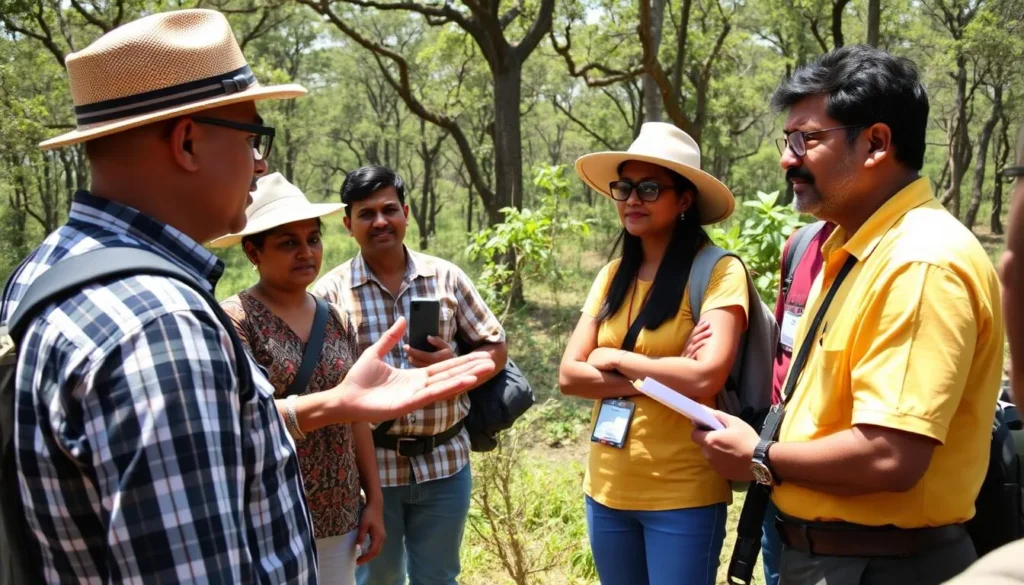
Visiting a wildlife sanctuary comes with responsibilities toward both personal safety and wildlife conservation. Following these guidelines ensures a safe, enjoyable experience while minimizing your impact on the delicate ecosystem.
Wildlife Safety
- Always remain inside the vehicle during safaris
- Maintain a safe distance from all wildlife
- Never feed or attempt to touch animals
- Follow guide instructions without exception
- Avoid wearing bright colors or strong perfumes
- Keep noise levels to a minimum
Park Regulations
Important Rules: Smoking, alcohol consumption, and littering are strictly prohibited within the national park. Plastic bags and disposable water bottles are discouraged. Drones are not permitted under any circumstances.
Photography is allowed for personal use, but professional filming requires prior permission from the Forest Department. Flash photography is prohibited as it can disturb wildlife.
Local Customs & Etiquette
The communities around Bandipur have their own cultural practices and traditions. When interacting with local people:
- Greet people with a smile and “Namaskara” (local greeting)
- Ask permission before photographing people or their homes
- Dress modestly, especially when visiting temples or villages
- Remove shoes before entering homes or religious places
- Support local businesses and artisans when possible
“Conservation is not just about protecting animals, but preserving an entire ecosystem and respecting the communities that have lived alongside it for generations.”
Visitor Comments About Bandipur National Park
“Our morning safari exceeded all expectations! We spotted a majestic tiger drinking at a waterhole, followed by a herd of elephants with calves. The naturalist was incredibly knowledgeable about animal behavior and helped us understand the ecosystem. Bandipur is truly a wildlife photographer’s dream.”
“The Jungle Lodge experience was perfect for our family. Kids were thrilled by the elephant safari, and we all enjoyed the evening nature walks. The staff went above and beyond to accommodate our dietary needs, and the traditional Karnataka meals were delicious. Don’t miss the sunrise view from the watchtower!”
“As a bird enthusiast, I was amazed by Bandipur’s diversity. In just three days, I spotted over 80 species including the elusive Malabar Trogon. The early morning guided bird walks were exceptional. Pro tip: book accommodations well in advance if visiting during winter months when migratory birds are present.”
Practical Travel Tips

What to Pack
- Neutral-colored clothing (olive, khaki, brown)
- Light jacket for early morning safaris
- Hat, sunglasses, and sunscreen
- Insect repellent
- Comfortable walking shoes
- Binoculars and camera equipment
- Reusable water bottle
- Basic first aid supplies
- Hand sanitizer and wet wipes
Practical Information
- Park Entry Fee: ₹300 for Indians, ₹1,100 for foreigners
- Camera Fee: ₹200 for still cameras, ₹400 for video
- Safari Booking: First-come, first-served basis
- ATMs: Limited availability; bring sufficient cash
- Mobile Network: Spotty within the park
- Electricity: Occasional outages; bring power banks
- Medical Facilities: Basic first aid at lodges; nearest hospital in Gundlupet (30 km)
Responsible Tourism Practices
- Carry reusable water bottles and refill at your accommodation
- Dispose of waste properly; pack out what you pack in
- Stay on designated paths and trails
- Support local businesses and artisans
- Minimize use of plastic and disposable items
- Respect wildlife by maintaining distance and silence
Planning Tip: Consider combining your Bandipur visit with nearby wildlife sanctuaries like Mudumalai, Wayanad, or Nagarhole for a comprehensive Western Ghats wildlife experience. Many tour operators offer packages covering multiple parks in a single itinerary.
Location Map
The Wild Heart of Karnataka Awaits
Bandipur National Park offers a rare glimpse into the untamed wilderness of the Western Ghats, where ancient forests shelter some of India’s most magnificent wildlife. From the thrill of spotting a tiger in its natural habitat to the peaceful experience of waking up to bird songs in a jungle lodge, Bandipur creates memories that last a lifetime.
As you plan your journey to this remarkable sanctuary, remember that each visit contributes to conservation efforts that help preserve this ecosystem for future generations. The park’s transformation from a royal hunting ground to a vital tiger reserve stands as a powerful reminder of how our relationship with nature can evolve from exploitation to protection.
Whether you’re a wildlife enthusiast, photographer, bird watcher, or simply seeking connection with nature, Bandipur National Park welcomes you to discover its treasures. The forests, grasslands, and hills of this Karnataka gem await your exploration—where every safari brings the possibility of extraordinary encounters and every sunset promises the wild magic of India’s natural heritage.
The above is subject to change.
Check back often to TRAVEL.COM for the latest travel tips and deals.


0 Comments