

Did you know that Alappuzha’s intricate network of backwaters spans over 900 km (560 miles) of canals, rivers, and lakes—making it one of the most extensive freshwater ecosystems in India? This stunning labyrinth of waterways has earned Alappuzha the nickname “Venice of the East,” where life flows at the gentle pace of rippling water and swaying palms. Whether you’re gliding through serene canals on a traditional houseboat or exploring golden beaches kissed by the Arabian Sea, Alappuzha offers a glimpse into Kerala’s soul that few other destinations can match.
Getting There & Planning Your Journey
Reaching Alappuzha is relatively straightforward, with several transportation options available depending on your starting point. The nearest major airport is Cochin International Airport, located approximately 85 km (53 miles) away. From there, you can hire a taxi or take a pre-arranged transfer to reach Alappuzha in about 2-2.5 hours, depending on traffic conditions.
If you prefer traveling by train, Alappuzha has its own railway station with good connectivity to major cities like Kochi, Trivandrum, and Bangalore. The railway station is conveniently located just 2 km (1.2 miles) from the town center, making it easy to reach your accommodation upon arrival.
For budget travelers, Kerala State Road Transport Corporation (KSRTC) operates regular bus services to Alappuzha from nearby cities. These buses are affordable but can get crowded during peak travel seasons.
When planning your journey, consider allocating at least 2-3 days to fully experience Alappuzha’s charms. This will give you enough time to enjoy a houseboat stay, explore the beaches, and visit the cultural attractions without feeling rushed.
Best Time to Visit & Weather Tips

The ideal time to visit Alappuzha is between October and March when the weather is pleasantly cool and dry. During these months, temperatures typically range from 23°C to 32°C (73°F to 90°F), creating perfect conditions for exploring the backwaters and beaches.
Seasonal Breakdown:
- October to February (Peak Season): Excellent weather with minimal rainfall and comfortable temperatures. This is the best time for houseboat cruises and outdoor activities, though prices are higher and attractions more crowded.
- March to May (Summer): Temperatures rise to 30°C-38°C (86°F-100°F), making it quite hot and humid. However, you’ll find fewer tourists and better deals on accommodations and houseboats.
- June to September (Monsoon): Heavy rainfall makes this the least favorable time to visit. Many outdoor activities are limited, and houseboat cruises may be canceled during heavy downpours. However, the landscape turns lush green, and you can experience the famous snake boat races if you visit in August.
If you’re interested in witnessing the spectacular Nehru Trophy Boat Race, plan your visit for the second Saturday of August when this thrilling event takes place on Punnamada Lake.
Weather Tip: Even during the dry season, it’s advisable to carry a light raincoat or umbrella as unexpected short showers can occur in this tropical region. Also, pack lightweight, breathable clothing, sunscreen, and insect repellent regardless of when you visit.
Getting Around Locally

Navigating Alappuzha is an adventure in itself, with various transportation options that allow you to experience the region’s unique geography. Here are the best ways to get around:
Water Transport:
- Houseboats: The quintessential Alappuzha experience, these floating accommodations double as transportation, taking you through the main backwater channels at a leisurely pace.
- Shikara Boats: Smaller than houseboats, these motorized canopied boats are perfect for half-day excursions and can navigate narrower canals.
- Traditional Canoes: For an authentic experience, hire a country canoe (kettuvallam) to explore the smallest canals and get closer to village life.
- Public Water Ferries: An economical option used by locals, these ferries connect various islands and settlements across the backwaters.
Land Transport:
- Auto Rickshaws: Readily available and affordable for short distances within town. Always agree on a fare before starting your journey or insist on using the meter.
- Bicycles: Many guesthouses and hotels offer bicycle rentals, which are ideal for exploring the town and nearby villages at your own pace.
- Local Buses: Inexpensive but often crowded, local buses connect Alappuzha town with surrounding areas.
- Taxis: Available for longer journeys or day trips to nearby attractions like Kumarakom or Kochi.
Local Tip: For the most authentic backwater experience, combine different modes of transport. Start with a houseboat stay, then switch to a canoe to explore the narrower canals where houseboats can’t reach.
Where to Stay

Alappuzha offers diverse accommodation options to suit every preference and budget. Here are the main types of stays you can choose from:
Houseboats (Kettuvallams):
The most iconic accommodation option in Alappuzha, these converted rice barges range from basic to ultra-luxurious. A typical houseboat features 1-3 bedrooms, a dining area, and a sundeck. Prices vary from ₹6,000 to ₹15,000 per night depending on the season and level of luxury, including meals and cruising. Book well in advance during peak season (December-January).
Backwater Resorts:
Several resorts are situated along the backwaters, offering beautiful views and modern amenities. Many feature Ayurvedic spas, swimming pools, and restaurants serving authentic Kerala cuisine. Mid-range to luxury options are available, with prices starting from ₹3,000 per night.
Beach Resorts:
Properties near Marari Beach (11 km from Alappuzha town) offer a different experience with access to the Arabian Sea. These resorts typically feature coconut groves, Ayurvedic treatments, and beachfront access. Prices range from ₹4,000 to ₹20,000 per night.
Homestays:
For an authentic cultural experience, consider staying with a local family. Homestays in Alappuzha often provide home-cooked meals and personalized attention at affordable rates (₹1,500-₹3,000 per night). Many are located on small islands within the backwaters, offering unique insights into local life.
Budget Hotels:
Alappuzha town has numerous budget-friendly options starting from ₹800 per night. These are ideal if you’re planning to spend most of your time exploring rather than at your accommodation.
Accommodation Tip: For the best experience, split your stay between a houseboat (1-2 nights) and a land-based accommodation. This gives you both the iconic backwater cruise experience and more time to explore the region’s attractions.
Dining & Local Cuisine

Alappuzha’s cuisine is a delightful reflection of its coastal geography and cultural heritage. Seafood, coconut, and rice form the foundation of most local dishes, creating flavors that are both distinctive and memorable.
Must-Try Local Dishes:
- Karimeen Pollichathu: Pearl spot fish marinated in spices, wrapped in banana leaf, and grilled to perfection—a backwater specialty.
- Kerala Fish Curry: Fish cooked in a tangy gravy of kokum, tamarind, and coconut milk.
- Appam with Stew: Lacy rice pancakes served with a mild coconut milk stew containing vegetables or meat.
- Puttu and Kadala Curry: Steamed rice cake cylinders served with spicy chickpea curry—a traditional breakfast.
- Kappa (Tapioca) and Fish Curry: A staple combination beloved by locals.
- Toddy: Fermented coconut palm sap—a mildly alcoholic local beverage often served at “toddy shops” alongside spicy seafood dishes.
Where to Eat:
Alappuzha offers dining experiences ranging from street food to upscale restaurants:
- Toddy Shops: For an authentic local experience, visit a toddy shop where you can enjoy fresh toddy with spicy fish preparations. These are simple establishments frequented by locals.
- Seafood Restaurants: Several restaurants along Beach Road specialize in fresh seafood preparations. Look for places where you can select your fish from a display.
- Houseboat Meals: If staying on a houseboat, you’ll be served traditional meals prepared by an onboard cook, often featuring fresh catch from the backwaters.
- Hotel Restaurants: Most hotels and resorts offer good quality Kerala cuisine, sometimes with continental options as well.
- Street Food: Try local snacks like pazham pori (banana fritters) and unniyappam (sweet fried rice balls) from street vendors.
Dining Tip: For the most authentic experience, look for restaurants where locals eat. If you’re vegetarian, specify “pure veg” as some dishes may contain fish sauce or other seafood ingredients that aren’t immediately apparent.
Attractions, Sightseeing & Activities

Backwater Experiences:
- Houseboat Cruise: The quintessential Alappuzha experience, a houseboat cruise through the backwaters offers unparalleled views of village life, paddy fields, and coconut groves. Options range from 2-hour rides to overnight stays.
- Shikara Boat Ride: More maneuverable than houseboats, these smaller boats can navigate narrower canals, offering a more intimate backwater experience.
- Canoe Tours: For the adventurous, traditional canoe rides allow you to explore the smallest canals and get closest to local life.
- Kuttanad Region: Known as the “Rice Bowl of Kerala,” this area features vast paddy fields that lie below sea level, creating a unique agricultural landscape.
Beaches:
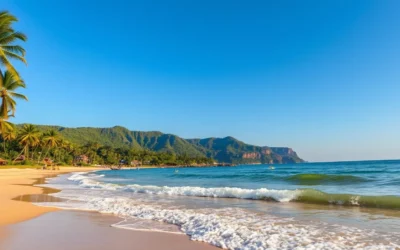
- Alappuzha Beach: A clean, golden-sand beach with a 150-year-old pier extending into the sea. The beach is perfect for watching spectacular sunsets.
- Marari Beach: Located 11 km from town, this less-crowded beach offers pristine sands, swaying palms, and a more relaxed atmosphere.
- Thumpoly Beach: A coastal town with the Arabian Sea on one side and a quaint lake on the other, offering beautiful views and a peaceful environment.
- Punnapra Beach: An isolated beach perfect for those seeking solitude and famous for its Ayurvedic massages.
Historic Sites:
- Alappuzha Lighthouse: Built in 1862, this historic lighthouse offers panoramic 360-degree views of the town, beach, and sea from its top.
- Krishnapuram Palace: Located 47 km from Alappuzha, this 18th-century palace showcases traditional Kerala architecture and houses an archaeological museum with ancient artifacts.
- Revi Karunakaran Museum: A private museum displaying a collection of Swarovski crystals, ivory artifacts, and antique furniture.
- International Coir Museum: Learn about the history and process of coir (coconut fiber) production, an industry for which Alappuzha is famous.
Museums, Cultural Spots & Festivals

Religious Sites:
- Ambalapuzha Sree Krishna Temple: A 17th-century temple famous for its delicious ‘Pal Payasam’ (sweet milk pudding) offered as prasad to devotees.
- Mannarasala Sree Nagaraja Temple: A unique temple dedicated to serpent deities, featuring thousands of snake images and sculptures.
- Mullakkal Rajarajeswari Temple: A peaceful temple in the heart of Alappuzha town dedicated to Goddess Rajarajeswari.
- St. Mary’s Forane Church: One of Kerala’s oldest churches, dating back to the 9th century, with beautiful architecture and historical significance.
- St. Andrew’s Basilica Arthunkal: Considered the largest shrine of Saint Sebastian in the world, this church attracts pilgrims from across Kerala.
Cultural Experiences:
- Toddy Tapping: Watch locals climb palm trees to collect sap for making toddy, a traditional alcoholic beverage.
- Coir Making: Visit small-scale industries to observe the traditional process of extracting coir from coconut husks and weaving it into products.
- Fishing: Early mornings offer opportunities to watch fishermen setting out or returning with their catch using traditional methods.
- Village Walks: Explore the rural backwater villages to witness the simple lifestyle of local communities.
Festivals:
- Nehru Trophy Boat Race: Held on the second Saturday of August on Punnamada Lake, this thrilling snake boat race attracts thousands of spectators.
- Champakulam Boat Race: One of the oldest boat races in Kerala, typically held in June-July.
- Chettikulangara Bharani: A colorful temple festival celebrated at the Chettikulangara Devi Temple in February-March.
- Alappuzha Beach Festival: A vibrant celebration of local culture held on the beach during December-January.
Cultural Tip: If your visit coincides with any local temple festival, make time to attend. These festivals offer a fascinating glimpse into Kerala’s cultural traditions with colorful processions, traditional music, and dance performances.
Nature & Outdoor Experiences

Bird Watching:
- Pathiramanal Island: A small island in Vembanad Lake that serves as a haven for migratory birds. Over 90 species of local and 50 species of migratory birds can be spotted here.
- Kumarakom Bird Sanctuary: Located on the eastern banks of Vembanad Lake, this sanctuary is home to numerous native and migratory birds. Best visited early morning or late afternoon.
- Vembanad Lake: Kerala’s largest lake spanning 36,300 hectares (89,700 acres) offers excellent bird-watching opportunities, especially during winter months when migratory birds arrive.
Water Activities:
- Kayaking: Paddle through narrow canals and experience the backwaters up close. Several operators offer guided kayaking tours.
- Swimming: Marari Beach offers safe swimming areas, though always check for warning flags and lifeguard advice.
- Fishing: Try traditional fishing methods with local fishermen, who sometimes offer tourists a chance to join them.
Nature Walks:
- Paddy Field Walks: Explore the below-sea-level farming areas of Kuttanad, known as the “Rice Bowl of Kerala.”
- Coconut Groves: Wander through the abundant coconut plantations that give Kerala its name (Kerala means “land of coconuts”).
- Sunset Points: Several spots along the backwaters and beaches offer spectacular sunset views, perfect for photography enthusiasts.
Nature Tip: Early mornings offer the best wildlife sightings and photography opportunities. The light is soft, temperatures are cooler, and birds are most active just after sunrise.
Safety, Etiquette & Local Customs

Safety Tips:
- Water Safety: Always wear life jackets during boat rides, even if not strictly enforced. Avoid swimming in the backwaters as currents can be unpredictable.
- Beach Safety: Follow lifeguard instructions and warning flags at beaches. The Arabian Sea can have strong currents.
- Health Precautions: Drink bottled or filtered water. Apply mosquito repellent, especially during evening hours in backwater areas.
- Valuables: Keep valuables secure, particularly when visiting crowded areas like beaches and markets.
Local Etiquette:
- Dress Code: Kerala is relatively conservative. Wear modest clothing, especially when visiting religious sites. Cover shoulders and knees in temples and churches.
- Temple Visits: Remove shoes before entering temples. Non-Hindus may not be allowed into the inner sanctums of some temples.
- Photography: Always ask permission before photographing locals, especially during religious ceremonies.
- Greetings: A simple “Namaste” with palms pressed together is a respectful greeting. Many locals also speak English.
Cultural Insights:
- Eating Customs: Traditionally, food is eaten with the right hand (not utensils). Wash hands before and after meals if dining traditionally.
- Head Gestures: A side-to-side head wobble often means “yes” or acknowledgment in Kerala.
- Footwear: Removing shoes before entering homes is customary and appreciated.
- Bargaining: Gentle bargaining is expected in markets, but not in established shops with fixed prices.
Important: Kerala has strict anti-littering laws. Avoid disposing of plastic or other waste in the backwaters or public areas. The state is working hard to preserve its natural beauty.
Visitor Comments About Alappuzha
“Our overnight houseboat experience in Alappuzha was the highlight of our India trip. Watching the sunset over the backwaters while our chef prepared fresh Kerala fish curry was magical. Don’t miss the smaller canals—that’s where you’ll see the real local life.”
“Marari Beach was a wonderful surprise—much less crowded than we expected and incredibly clean. We spent three days between the backwaters and the beach, and I wish we had planned for more time. The food everywhere was outstanding, especially the seafood dishes.”
“We visited during the Nehru Trophy Boat Race and it was an unforgettable experience! The energy of the crowds, the rhythmic chanting of the rowers, and the competitive spirit made for an amazing cultural immersion. Plan your trip around this event if you can.”
Additional Nearby Destinations

While Alappuzha offers plenty to keep you occupied, several fascinating destinations nearby are worth exploring if you have extra time:
Within 1-2 Hours:
- Kumarakom (20 km): Another backwater destination with a famous bird sanctuary and luxury resorts.
- Kochi (53 km): Historic port city with colonial architecture, Chinese fishing nets, and a vibrant arts scene.
- Kottayam (46 km): Known as the “Land of Letters, Lakes, and Latex” with beautiful churches and rubber plantations.
Within 3-4 Hours:
- Munnar (175 km): Hill station famous for its tea plantations, cool climate, and stunning mountain views.
- Thekkady (145 km): Home to Periyar Wildlife Sanctuary where you can spot elephants and other wildlife.
- Vagamon (120 km): An emerging hill station with meadows, pine forests, and a peaceful atmosphere.
Within 5-6 Hours:
- Kovalam (159 km): Popular beach destination with lighthouse and water sports facilities.
- Varkala (120 km): Beach town known for its dramatic cliff-side setting and laid-back vibe.
- Athirapally Falls (145 km): Magnificent waterfall often called the “Niagara of India.”
Travel Tip: Consider a multi-center Kerala itinerary combining Alappuzha’s backwaters with Munnar’s hills and either Kochi’s history or a beach destination like Kovalam. This gives you a comprehensive experience of Kerala’s diverse landscapes.
Practical Travel Tips

Money Matters:
- Currency: Indian Rupee (INR). ATMs are available in Alappuzha town but may be scarce in rural areas.
- Banking: State Bank of India (SBI) ATMs typically accept foreign cards without extra charges.
- Cards vs. Cash: While major hotels and restaurants accept cards, carry cash for small shops, local transportation, and rural areas.
- Tipping: 5-10% is appreciated but not mandatory in restaurants. For boat operators and guides, ₹100-200 is appropriate for good service.
Communication:
- Languages: Malayalam is the local language, but English is widely understood in tourist areas.
- Mobile Connectivity: Purchase a local SIM card (Airtel, Jio, or Vodafone) for better connectivity. You’ll need your passport and a passport-sized photo.
- Internet: Most accommodations offer Wi-Fi, though connection may be slower in remote backwater areas.
Shopping:
- Coir Products: Alappuzha is famous for items made from coconut fiber, including mats, rugs, and decorative items.
- Spices: Kerala spices like cardamom, pepper, cinnamon, and vanilla make excellent souvenirs.
- Handicrafts: Look for wooden boats, brass lamps, and handloom textiles in local markets.
- Ayurvedic Products: Kerala is known for authentic Ayurvedic oils, soaps, and medicines.
Health & Wellness:
- Ayurvedic Treatments: Kerala is the birthplace of Ayurveda. Many resorts and dedicated centers offer authentic treatments and massages.
- Medical Facilities: Alappuzha has decent medical facilities, with more advanced care available in Kochi.
- Water: Stick to bottled or filtered water. Avoid ice in smaller establishments.
Packing Tip: Pack light, breathable clothing, a hat, sunglasses, sunscreen, insect repellent, and a light rain jacket regardless of season. A small flashlight can be useful during power outages, which occasionally occur in rural areas.
Your Backwater Paradise Awaits
Alappuzha offers a rare glimpse into a world where water and land exist in perfect harmony. As you glide through the serene backwaters, walk along golden beaches, and immerse yourself in the rich cultural tapestry of this region, you’ll discover why Kerala is rightfully called “God’s Own Country.” The unhurried pace of life here provides a welcome respite from the chaos of modern existence, allowing you to reconnect with nature and yourself.
Whether you’re watching the sun set over the Arabian Sea, savoring the complex flavors of Kerala cuisine, or simply swaying in a hammock beneath coconut palms, Alappuzha invites you to embrace its gentle rhythms. This isn’t just a destination; it’s an experience that lingers in your memory long after you’ve returned home—a place where time slows down and the simple pleasures of life take center stage.
The above is subject to change.
Check back often to TRAVEL.COM for the latest travel tips and deals.


0 Comments