
Hotels by Trip.com
Flights by Trip.com
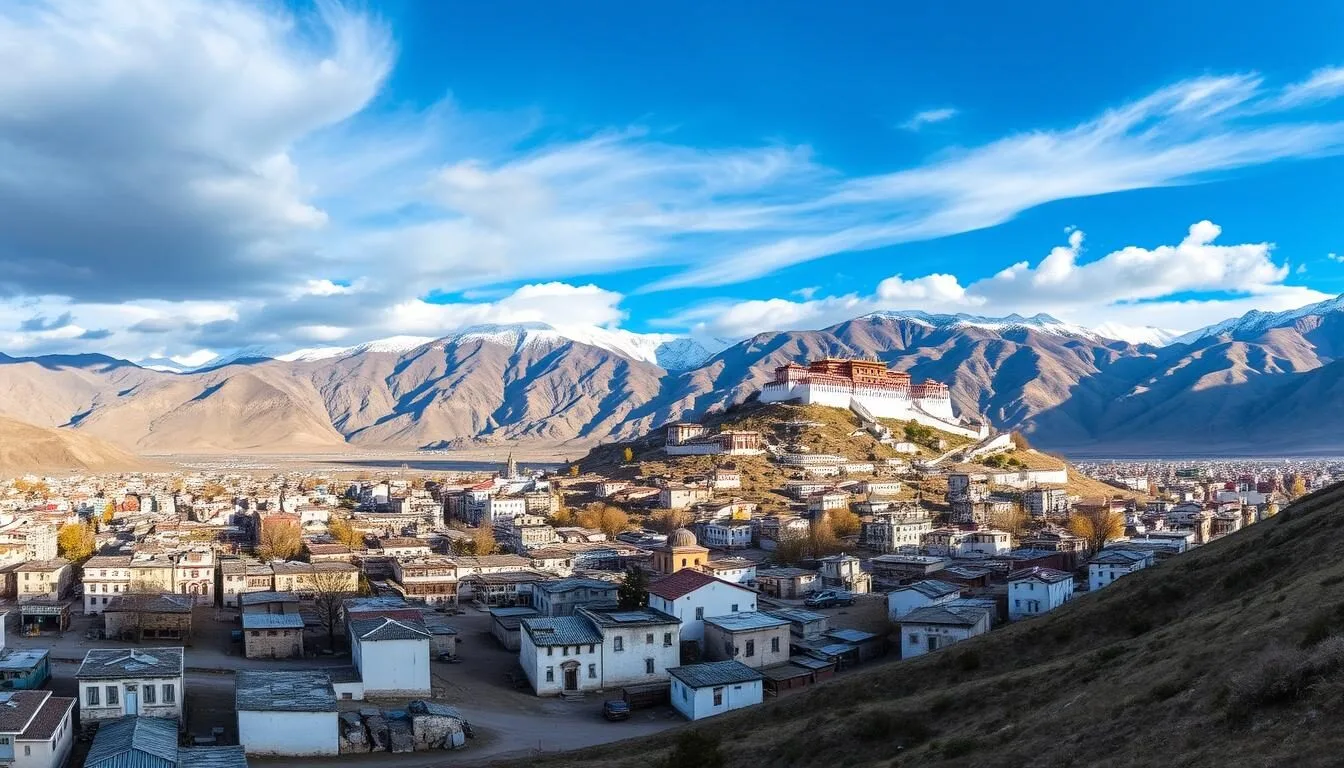
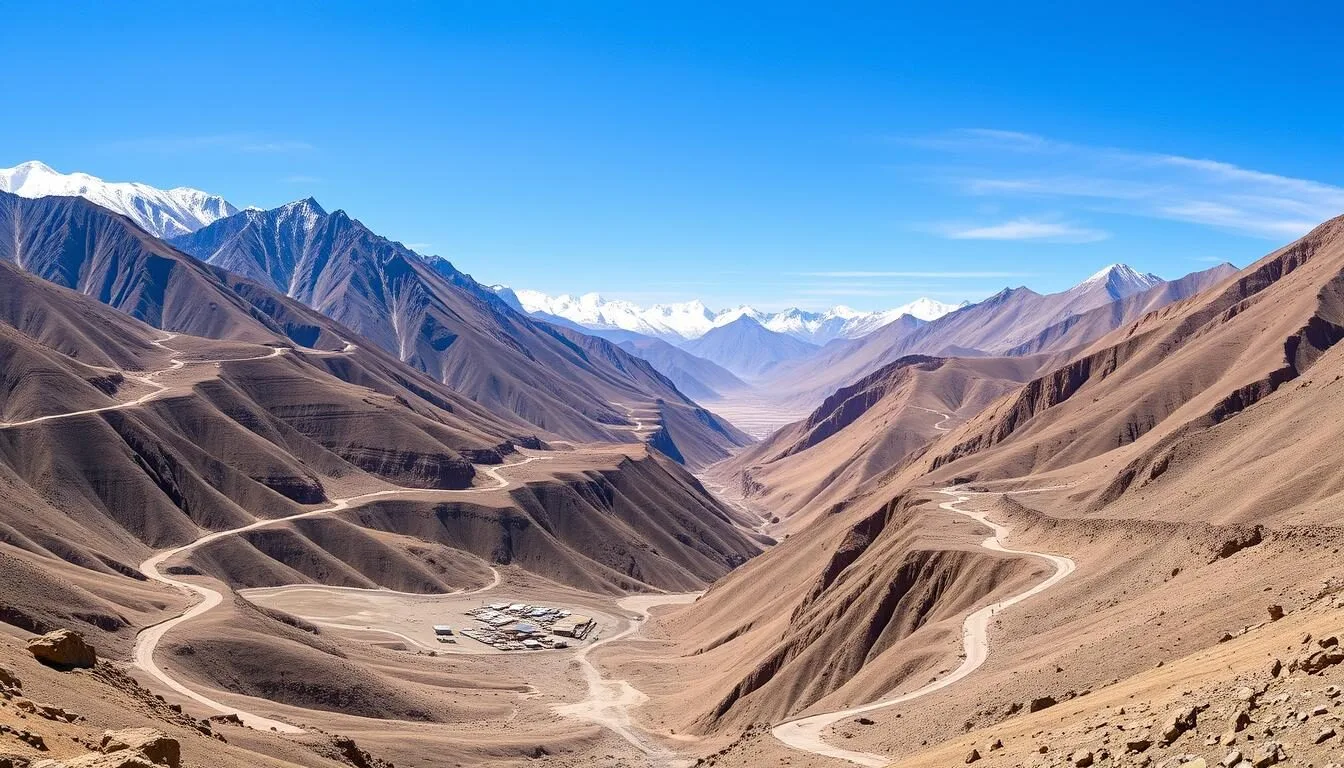
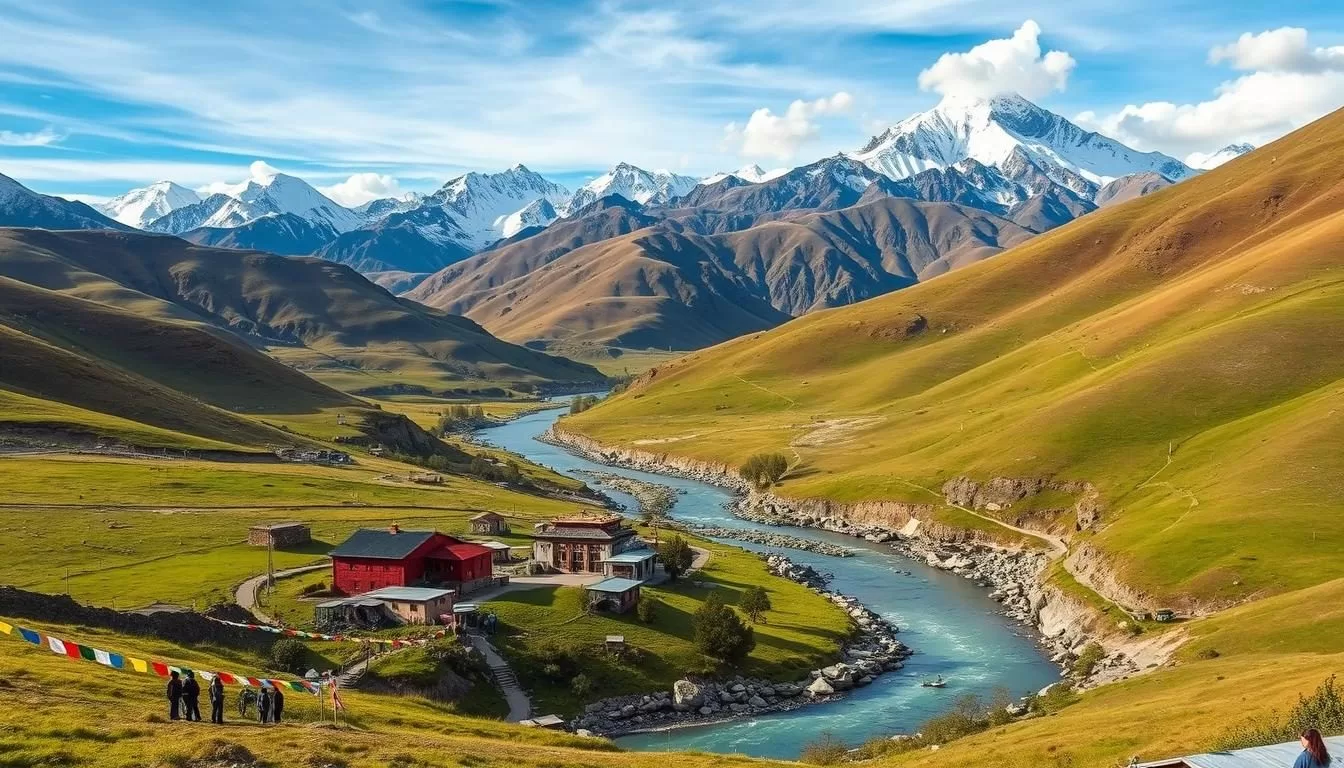
Perched at a breathtaking 3,500 meters (11,483 feet) above sea level, Leh Ladakh is home to the world’s highest motorable roads and some of the most pristine high-altitude lakes on the planet. This remote Himalayan region, often called “Little Tibet,” sees fewer than 300,000 tourists annually despite housing over 20 ancient Buddhist monasteries dating back to the 11th century. Unlike the rest of India, Ladakh’s unique Tibetan-influenced culture, stark lunar landscapes, and crystal-clear night skies offer an experience that feels like stepping onto another planet.
Getting There & Planning Your Journey
Reaching this Himalayan paradise requires some planning, but the journey is well worth the effort. Leh Ladakh’s remote location is part of its charm and what keeps it pristine compared to more accessible Indian destinations.
By Air
The most convenient way to reach Leh is by air. Kushok Bakula Rimpochee Airport (IXL) in Leh has daily direct flights from:
- Delhi (1.5 hours)
- Mumbai (3 hours with connection)
- Srinagar (30 minutes)
Flights operate year-round but are subject to weather conditions. Morning flights have the highest likelihood of operating as scheduled. Airfares range from 3,000-9,000 INR (36-108 USD) one way, depending on the season and how far in advance you book.
By Road
For the adventurous traveler, reaching Leh by road is an unforgettable experience. There are two main routes:
Manali-Leh Highway
This 473 km (294 mile) journey crosses five high mountain passes, including Tanglang La at 5,328 meters (17,480 feet). The road is typically open from late May to mid-October. The journey takes 2 days with an overnight stop in Keylong or Jispa.
Srinagar-Leh Highway
A 434 km (270 mile) route passing through Kargil. This road usually opens earlier (April) and closes later (November) than the Manali route. The journey takes about 2 days with an overnight stop in Kargil.
Both routes offer shared taxis (3,000 INR/36 USD per person) and public buses (1,500 INR/18 USD per person). Private taxis are also available for approximately 15,000-20,000 INR (180-240 USD) for the entire vehicle.
Best Time to Visit & Weather Tips
Recommended Seasons
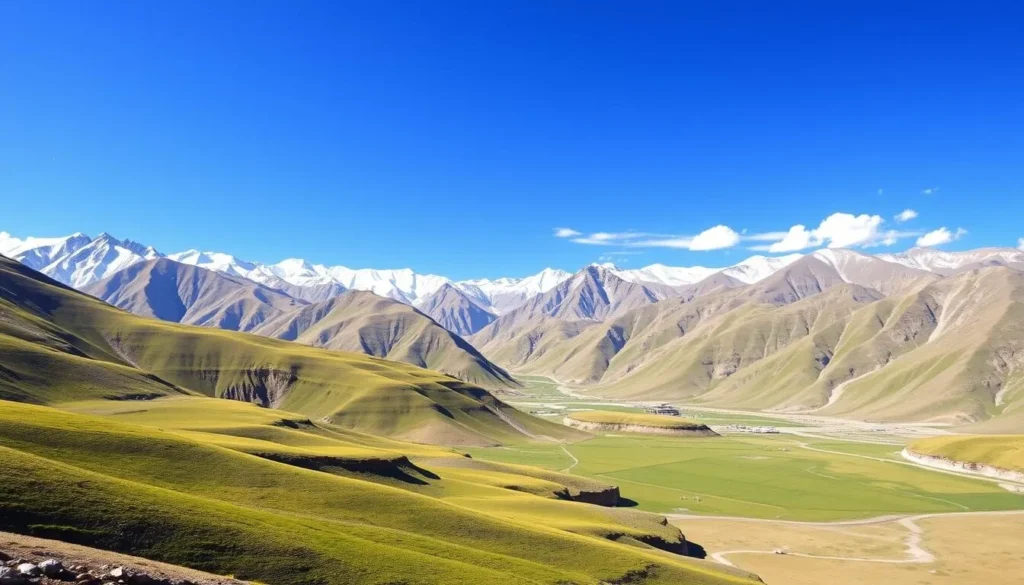
- Summer (June to August): Peak tourist season with warm days (20-30°C/68-86°F) and cool nights (5-10°C/41-50°F). Roads are clear, and all attractions are accessible. This is the best time for most travelers, especially first-timers.
- Early Autumn (September): Excellent for trekking with stable weather, fewer tourists, and temperatures ranging from 15-25°C (59-77°F) during the day and 0-5°C (32-41°F) at night.
- Late Spring (May): The landscape begins to bloom, temperatures are moderate, and tourist numbers are lower. Some high passes may still be closed.
Seasons to Avoid
- Winter (November to February): Extremely cold with temperatures dropping to -20°C (-4°F). Many accommodations close, and road access is limited to flights only. Only recommended for experienced winter travelers or those specifically seeking snow leopard sightings.
- Early Spring (March-April): Melting snow can cause landslides and road closures. Weather is unpredictable.
- Late Autumn (October-November): Increasingly cold with risk of early snowfall closing mountain passes.
Weather Considerations
Ladakh’s weather can be extreme and change rapidly. The region receives minimal rainfall due to its location in the rain shadow of the Himalayas. Days can be surprisingly warm with intense sun exposure, while nights are significantly cooler. Pack layers, sun protection, and prepare for temperature variations of up to 20°C (36°F) between day and night.
Getting Around Locally
Navigating Leh and the broader Ladakh region offers various options depending on your budget, time constraints, and sense of adventure.
Within Leh Town
- Walking: Leh’s main market area and popular attractions like Leh Palace and Shanti Stupa are within walking distance of each other. However, the high altitude makes even short walks challenging for newly arrived visitors.
- Taxis: Local taxis are readily available in Leh. Short rides within town cost around 200-300 INR (2.50-3.60 USD).
- Auto-rickshaws: Less common but available for short distances within Leh.
Exploring Beyond Leh
- Private Taxis: The most convenient option. Taxis operate on fixed government-approved rates with no room for negotiation. A day trip to nearby monasteries costs approximately 2,500-3,700 INR (30-45 USD).
- Shared Taxis: More economical option that can be arranged through your accommodation or travel agencies in Leh. Popular routes like Leh to Pangong Lake cost around 4,000 INR (48 USD) per person for a round trip.
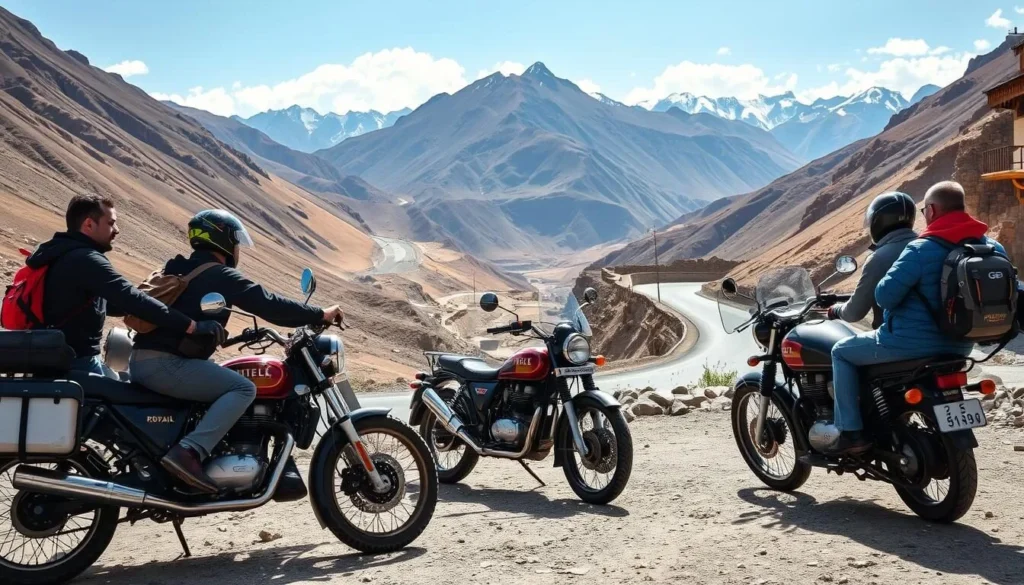
- Motorcycle Rentals: Popular among adventure enthusiasts. Royal Enfield bikes cost around 1,300 INR (16 USD) per day, while scooters are available for 800 INR (10 USD) per day. Fuel costs approximately 100 INR (1.20 USD) per liter.
- Public Transport: Limited but available to some destinations. Local buses run from Leh to places like Thiksey, Hemis, and Lamayuru, costing between 50-150 INR (0.60-1.80 USD) one way.
For remote destinations like Nubra Valley, Pangong Lake, or Tso Moriri, joining an organized tour is often the most practical option, especially for solo travelers or those short on time. These typically cost 3,000-5,000 INR (36-60 USD) per person per day, including transportation and sometimes accommodation.
Check 30,000+ Local Sightseeing Tours Worldwide
✓ Numerous languages and currencies are available
Where to Stay
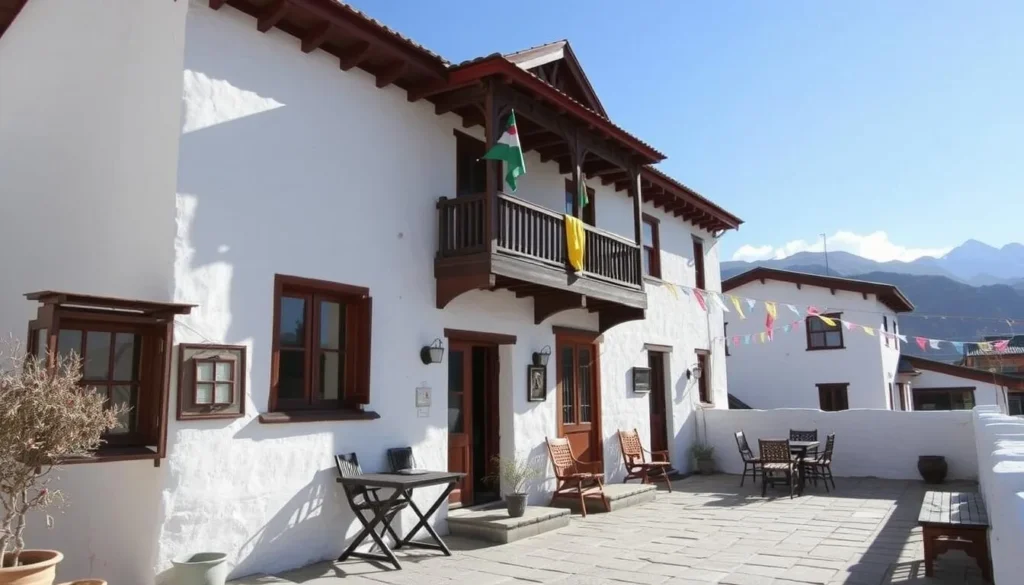
Leh offers a wide range of accommodation options to suit every budget and preference. Most places are concentrated in and around Leh town, with increasing options in popular tourist areas like Nubra Valley and Pangong Lake.
Budget Options (500-1,500 INR/6-18 USD per night)
- Guesthouses: Family-run establishments offering basic rooms with shared bathrooms. Many include breakfast and have lovely gardens. Peace Guest House and Raybo Hostel are popular choices.
- Hostels: Dormitory-style accommodations with shared facilities, perfect for solo travelers. The Courtyard Bunks offers both dorms and private rooms.
- Homestays: Authentic experience living with local families, especially in villages. Typically include home-cooked meals.
Mid-Range Options (1,500-4,000 INR/18-48 USD per night)
- Boutique Hotels: Comfortable rooms with private bathrooms and additional amenities like in-house restaurants and room service. Chandan Guest House and Rock Castle Residency offer good value.
- Eco-Resorts: Environmentally conscious accommodations, often featuring solar power and organic gardens.
- Heritage Hotels: Converted traditional Ladakhi houses offering authentic architecture with modern comforts.
Luxury Options (4,000+ INR/48+ USD per night)
- Premium Hotels: Full-service establishments with amenities like restaurants, spas, and organized tours. The Grand Dragon is a popular luxury option.
- Glamping Sites: Luxury tented accommodations at locations like Pangong Lake and Nubra Valley, offering comfort in remote settings.
Accommodation Tips
Book in advance during peak season (June-August). Most accommodations in Leh have heating for chilly nights but may lack air conditioning as days are rarely hot enough to require it. Many places close during winter (November-April), with only a few hotels remaining operational year-round. When staying in remote areas, expect more basic facilities and potential electricity and hot water limitations.
Dining & Local Cuisine
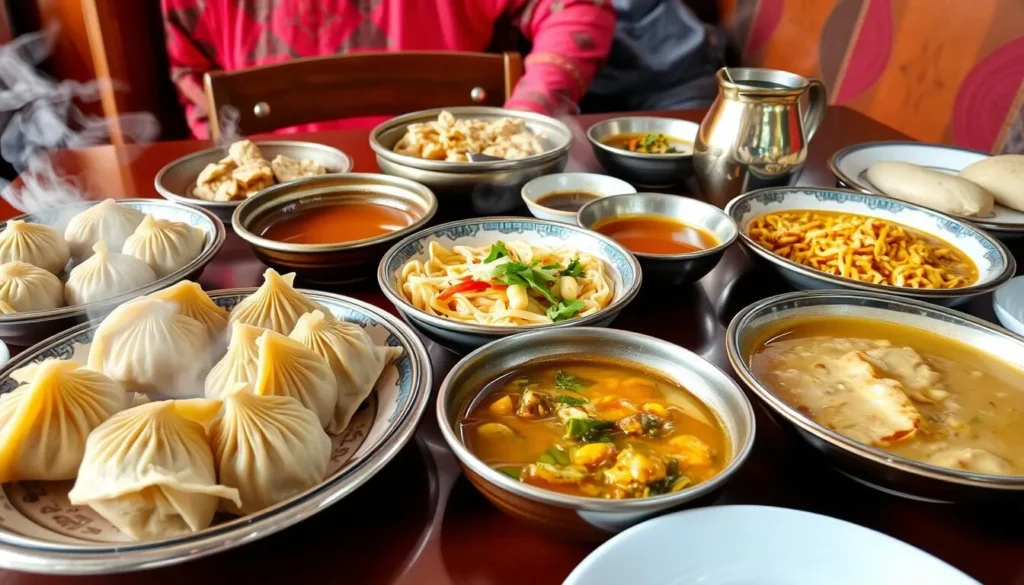
Ladakhi cuisine reflects the region’s harsh climate and cultural influences from Tibet, Central Asia, and India. The food is hearty, nutritious, and designed to provide energy in the high-altitude environment.
Must-Try Local Dishes
- Thukpa: A hearty noodle soup with vegetables and sometimes meat, perfect for cold evenings.
- Momos: Steamed or fried dumplings filled with vegetables or meat, served with spicy chutney.
- Skyu: Traditional pasta dish with root vegetables in a thick broth.
- Butter Tea: Salty tea made with yak butter, an acquired taste but excellent for energy at high altitudes.
- Chhutagi: Bow-shaped pasta cooked with vegetables in a flavorful broth.
- Khambir: Local bread often served with butter tea for breakfast.
- Chang: Mild fermented barley beer, a traditional alcoholic beverage.
Where to Eat in Leh
- Tibetan Kitchen: Authentic Tibetan cuisine in a cozy setting. Popular for dinner with dishes ranging from 180-350 INR (2.20-4.20 USD).
- Chopsticks: Excellent for Tibetan, Chinese, and Thai cuisine. Mid-range prices.
- Bodhi Terrace: Vegetarian restaurant with a beautiful rooftop setting and diverse menu.
- Lala’s Café: Set in a preserved traditional house, perfect for breakfast and light meals.
- Wanderers Terrace: Popular for its varied menu and relaxed atmosphere.
- Asian Corner: Good for Indian and Asian cuisine at reasonable prices.
Dining Tips
Many restaurants in Leh close during winter months. Vegetarian food is widely available and often of excellent quality. Some Buddhist festivals and holy days may see restaurants serving only vegetarian food. Drink plenty of water with meals to help with altitude acclimatization. For authentic local experiences, consider dining at homestays where meals are typically included and prepared with local ingredients.
Attractions, Sightseeing & Activities
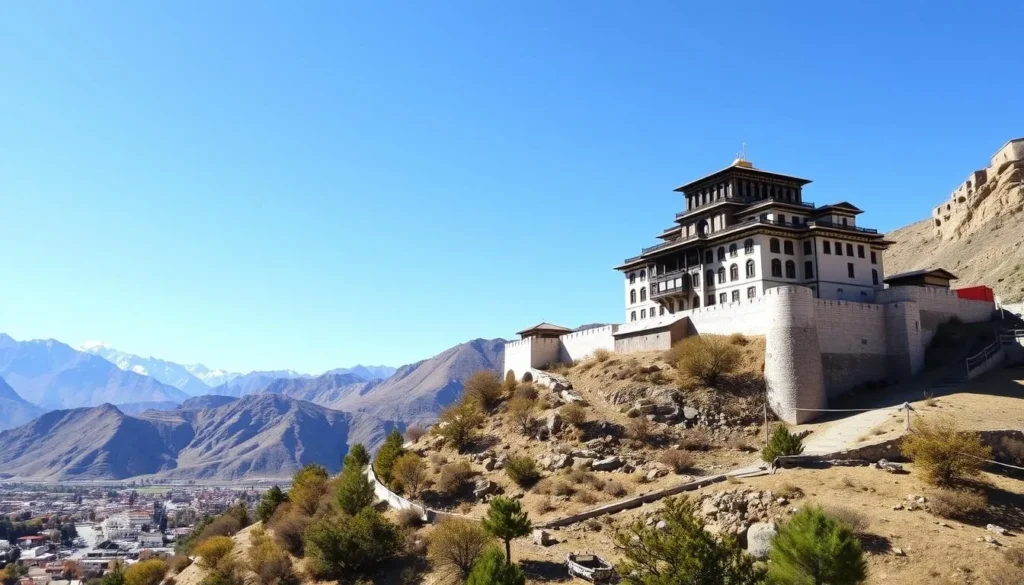
Leh Ladakh offers a wealth of attractions that showcase its unique cultural heritage, stunning landscapes, and spiritual significance. Here are the must-visit sites and experiences in and around Leh.
Within Leh Town
- Leh Palace: A nine-story royal palace built in the 17th century, offering panoramic views of Leh and surrounding mountains. Entry fee: 100 INR (1.20 USD).
- Shanti Stupa: A white-domed Buddhist stupa offering spectacular sunset views over Leh. Built in 1991 with Japanese collaboration. Entry fee: 50 INR (0.60 USD).
- Leh Market: The bustling heart of Leh with shops selling everything from Pashmina shawls to Tibetan handicrafts and local produce.
- Tsemo Maitreya Temple: Ancient temple complex above Leh Palace with stunning views. Entry fee: 30 INR (0.36 USD).
- Jama Masjid: Historic mosque showcasing the harmonious coexistence of different religions in Ladakh.
Day Trips from Leh
- Thiksey Monastery: Often compared to Tibet’s Potala Palace, this 12-story monastery houses a 15-meter tall Buddha statue. Located 19 km from Leh. Entry fee: 50 INR (0.60 USD).
- Hemis Monastery: Ladakh’s largest monastery, famous for its annual festival featuring masked dances. Located 45 km from Leh. Entry fee: 100 INR (1.20 USD).
- Shey Palace: Former summer palace of Ladakhi kings with a large copper-gold Buddha statue. Located 15 km from Leh.
- Alchi Monastery: One of the oldest monasteries in Ladakh (11th century) with well-preserved ancient murals. Located 70 km from Leh. Entry fee: 100 INR (1.20 USD).
- Magnetic Hill: A natural optical illusion where vehicles appear to roll uphill. Located 30 km from Leh.
- Pathar Sahib Gurudwara: Sikh temple with historical significance, maintained by the Indian Army. Located 25 km from Leh.
Multi-Day Excursions
- Nubra Valley: Famous for sand dunes, double-humped Bactrian camels, and the Diskit Monastery. Typically a 2-day trip crossing Khardung La pass. Entry permit required.
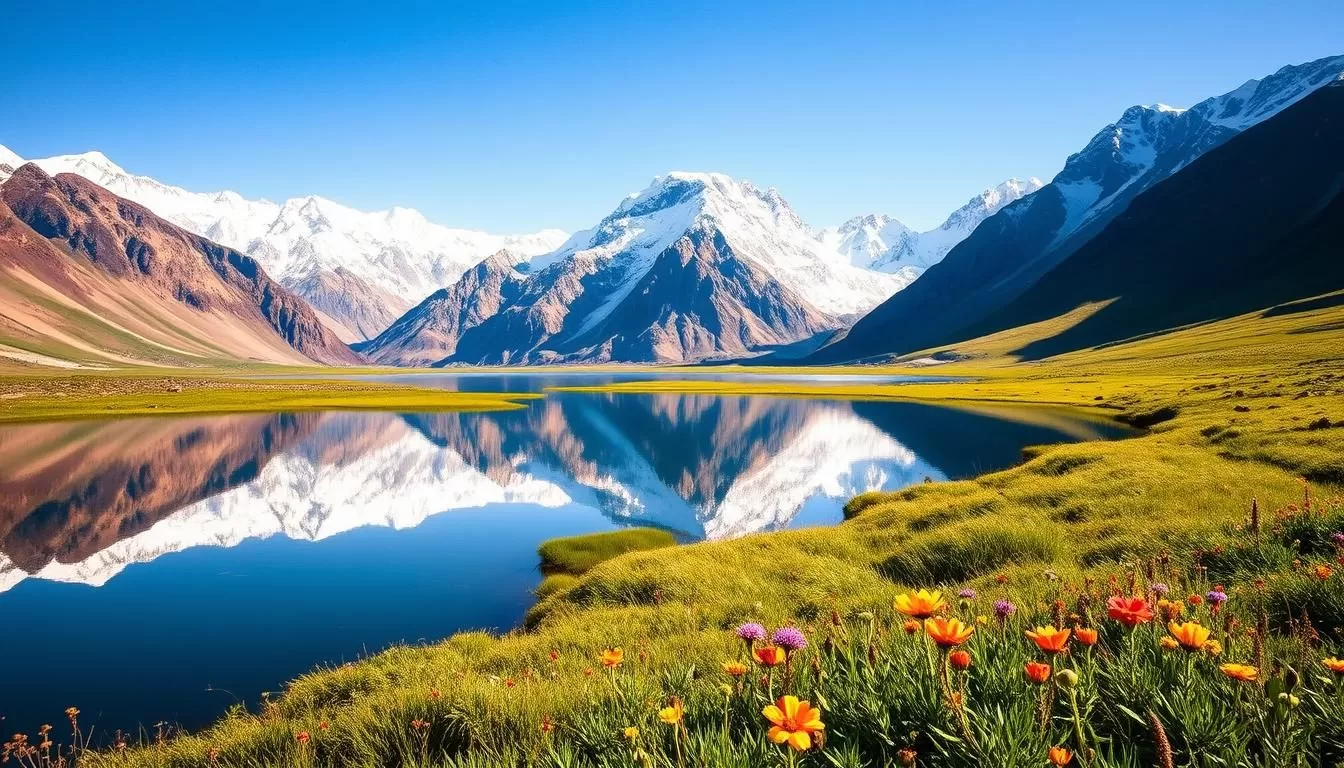
- Pangong Tso Lake: Stunning high-altitude lake (4,350 m/14,270 ft) with changing blue hues. A 5-hour drive from Leh, usually done as a 2-day trip. Entry permit required.
- Tso Moriri Lake: Less visited than Pangong but equally beautiful at 4,522 m (14,836 ft). Home to numerous bird species and surrounded by mountains. Entry permit required.
- Lamayuru: Home to one of the oldest monasteries in Ladakh and the surreal “Moonland” landscape. Usually a 2-day trip.
- Turtuk: The northernmost village in India, showcasing unique Balti culture. Usually combined with a Nubra Valley trip. Entry permit required.
Museums, Cultural Spots & Festivals
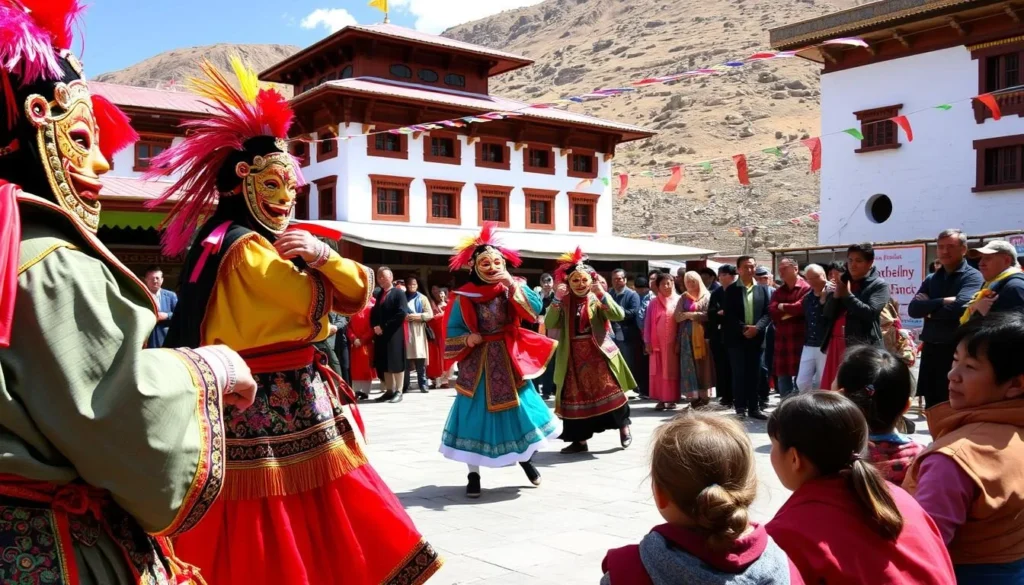
Ladakh’s rich cultural heritage is preserved in its museums, cultural institutions, and vibrant festivals that offer visitors a deeper understanding of this unique Himalayan region.
Museums & Cultural Institutions
- Central Asian Museum: Located in Leh’s old town, this four-story museum showcases Ladakh’s position on the ancient Silk Route with artifacts from Tibet, China, and Central Asia. Entry fee: 100 INR (1.20 USD).
- Hall of Fame: Museum maintained by the Indian Army commemorating the Indo-Pakistani wars, particularly the Kargil War. Also features exhibits on Ladakhi culture. Located 4 km from Leh. Entry fee: 100 INR (1.20 USD).
- Stok Palace Museum: Royal artifacts, jewelry, and costumes displayed in the 200-year-old palace that still houses the Ladakhi royal family. Located 15 km from Leh. Entry fee: 100 INR (1.20 USD).
- Ladakh Arts & Media Organization (LAMO): Cultural center in a restored 17th-century building hosting exhibitions, performances, and workshops.
- Lotsava Lhakhang: Ancient temple with a library of rare Buddhist manuscripts and texts.
Major Festivals
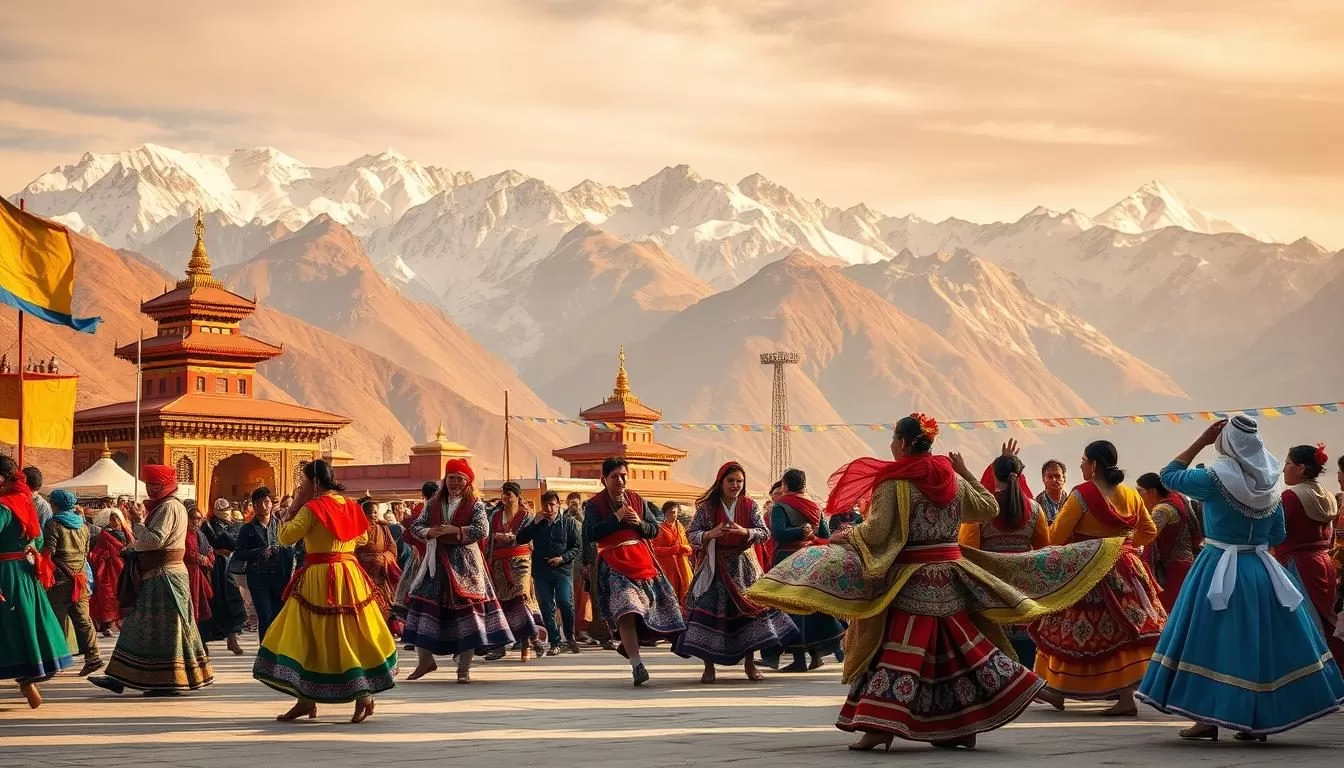
- Hemis Festival (June/July): Ladakh’s largest and most famous festival celebrating Guru Padmasambhava’s birth. Features masked dances, music, and the display of a massive thangka (Buddhist painting).
- Losar (December/January): Tibetan New Year celebrations with prayers, feasts, and traditional dances lasting up to two weeks.
- Ladakh Festival (September): Week-long celebration organized by the tourism department featuring cultural processions, archery contests, polo matches, and musical performances.
- Phyang Tsedup (July/August): Two-day festival at Phyang Monastery with sacred masked dances and the unveiling of a giant thangka.
- Dosmoche (February): Winter festival in Leh featuring monks performing ritual dances to ward off evil spirits.
- Tak-Tok Festival (July/August): Unique festival at Tak-Tok Monastery with masked dances performed in a cave believed to be where Padmasambhava meditated.
Cultural Experiences
- Monastery Stays: Some monasteries offer visitors the opportunity to stay overnight and participate in daily rituals.
- Meditation Retreats: Several centers offer guided meditation sessions and retreats.
- Traditional Cooking Classes: Learn to prepare Ladakhi specialties like momos and thukpa from local families.
- Handicraft Workshops: Try your hand at traditional crafts like thangka painting or textile weaving.
- Cultural Performances: Evening shows featuring traditional music and dance are held regularly in Leh during the tourist season.
Nature & Outdoor Experiences
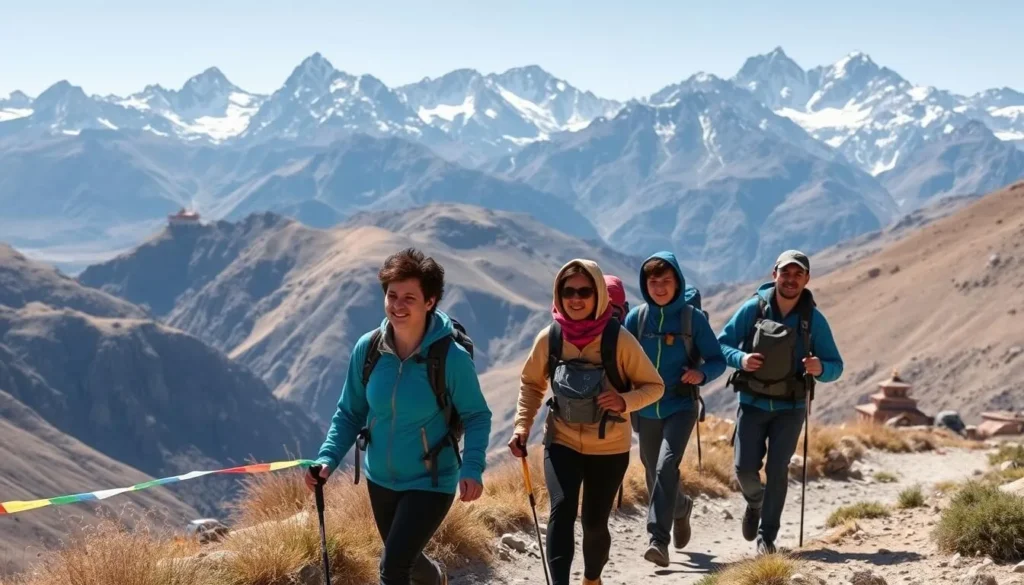
Ladakh’s pristine natural environment offers some of the most spectacular outdoor experiences in the Himalayas. From challenging treks to wildlife spotting, nature enthusiasts will find plenty to explore in this high-altitude desert.
Trekking
Ladakh offers treks ranging from easy day hikes to challenging multi-week expeditions. The best trekking season is from July to mid-September when mountain passes are clear of snow.
Popular Treks
- Markha Valley Trek (4-7 days): The most popular trek in Ladakh, featuring traditional villages, high passes, and stunning mountain views. Maximum elevation: 5,200 m (17,060 ft).
- Sham Valley Trek (3-4 days): Known as the “Baby Trek,” ideal for beginners and acclimatization. Maximum elevation: 3,900 m (12,795 ft).
- Nubra Valley Trek (2-6 days): Less frequented route through remote landscapes. Requires camping equipment.
- Rumtse to Tso Moriri (8 days): Challenging trek passing nomadic settlements and high-altitude lakes. Maximum elevation: 5,400 m (17,717 ft).
- Stok Kangri (3-4 days): For experienced mountaineers, this trek leads to the summit of Stok Kangri at 6,153 m (20,187 ft).
Wildlife Watching
Ladakh’s diverse ecosystems support unique wildlife adapted to extreme conditions.
Key Wildlife Areas
- Hemis National Park: Home to the endangered snow leopard, Himalayan wolf, and numerous bird species. Area: 4,400 square km (1,700 square miles).
- Changthang Wildlife Sanctuary: Vast high-altitude wetlands supporting black-necked cranes, bar-headed geese, and kiang (Tibetan wild ass).
- Tso Kar: Salt lake area known for its bird population and potential sightings of Tibetan wolves.
Notable Species
- Snow Leopard: Best spotted during winter (January-March) on specialized tours.
- Himalayan Marmot: Commonly seen along roadsides during summer months.
- Bharal (Blue Sheep): Often spotted on mountain slopes.
- Lammergeier (Bearded Vulture): Impressive bird of prey with a 2.5-3 m (8-10 ft) wingspan.
- Kiang: Wild ass native to the Tibetan Plateau, often seen in eastern Ladakh.
Other Outdoor Activities
- Mountain Biking: Challenging routes through high mountain passes and remote valleys. Bikes can be rented in Leh for 800-1,500 INR (10-18 USD) per day.
- River Rafting: White water rafting on the Zanskar and Indus rivers. Available from June to August, with trips ranging from half-day excursions to multi-day expeditions.
- Rock Climbing: Several established climbing areas near Leh for various skill levels.
- Camel Safaris: Ride double-humped Bactrian camels in the sand dunes of Nubra Valley.
- Stargazing: Ladakh’s clear skies and minimal light pollution make it perfect for astronomy enthusiasts. Hanle in eastern Ladakh houses India’s highest observatory.
- Photography: Endless opportunities for landscape, wildlife, and cultural photography in unique light conditions.
Safety, Etiquette & Local Customs
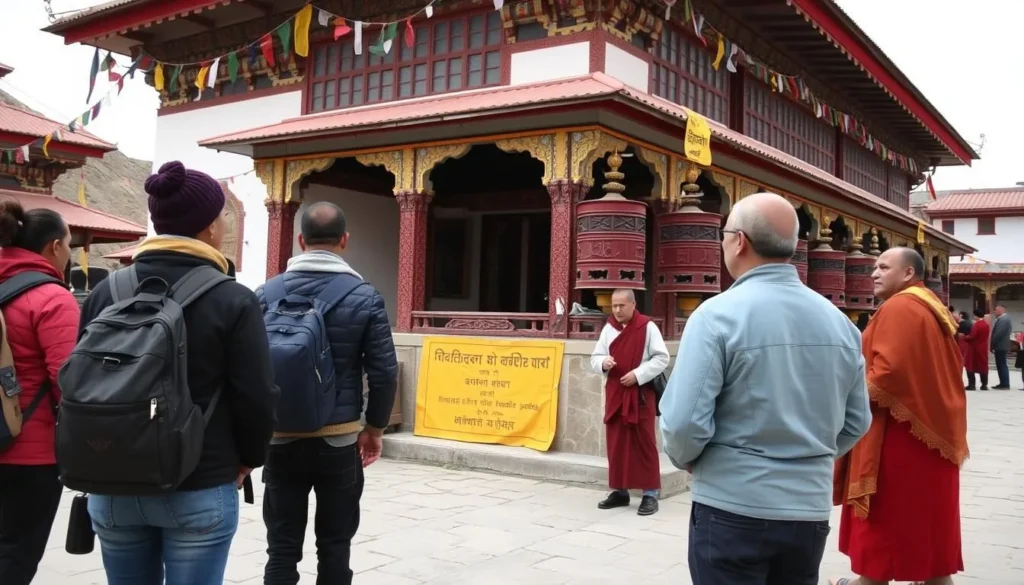
Understanding local customs and safety considerations will enhance your experience in Ladakh while showing respect for the local culture and environment.
Health & Safety
- Altitude Sickness: The most common health issue in Ladakh. Symptoms include headache, nausea, dizziness, and fatigue. Prevention measures include:
- Spend at least 2-3 days acclimatizing in Leh before any strenuous activity or higher elevation travel
- Drink plenty of water (3+ liters daily)
- Avoid alcohol and heavy meals initially
- Consider medication like Diamox (consult your doctor before travel)
- Ascend gradually when possible
- Sun Exposure: UV radiation is intense at high altitudes. Use SPF 50+ sunscreen, wear a hat, and use sunglasses with UV protection.
- Dehydration: The dry climate can cause rapid dehydration. Carry water at all times.
- Medical Facilities: Leh has basic hospitals and clinics, but facilities are limited. Bring any prescription medications you need, plus a basic first aid kit.
- Travel Insurance: Essential for covering emergency evacuation, which can be extremely expensive.
Cultural Etiquette
- Monastery Etiquette:
- Remove shoes before entering temples
- Ask permission before taking photographs, especially of ceremonies or monks
- Walk clockwise around religious structures (stupas, mani walls, prayer wheels)
- Speak quietly and turn off mobile phones
- Dress modestly (cover shoulders and knees)
- Photography: Always ask permission before photographing local people. Some monasteries charge a small fee for photography inside.
- Dress Code: While Ladakh is relatively liberal, modest dress is appreciated, especially when visiting religious sites.
- Greetings: “Julley” (pronounced joo-lay) is a multipurpose greeting used for hello, thank you, and goodbye.
- Environmental Respect: Ladakh’s ecosystem is fragile. Carry out all trash, use biodegradable products, and minimize water usage.
Local Customs & Traditions
- Religious Practices: Buddhism dominates in Ladakh, with Islam also having a significant presence. Respect religious customs and observances.
- Dietary Practices: Many Ladakhis are vegetarian due to Buddhist principles. Some days are designated as vegetarian-only days when meat is not served in restaurants.
- Social Hierarchy: Elders are highly respected in Ladakhi society. Stand when elderly people enter a room and offer them seating.
- Homestay Etiquette: If staying with a local family, observe their customs regarding shoes in the house, meal times, and use of facilities.
- Bargaining: While common in markets, bargain respectfully and remember that fair prices support the local economy.
Visitor Comments About Leh, Ladakh
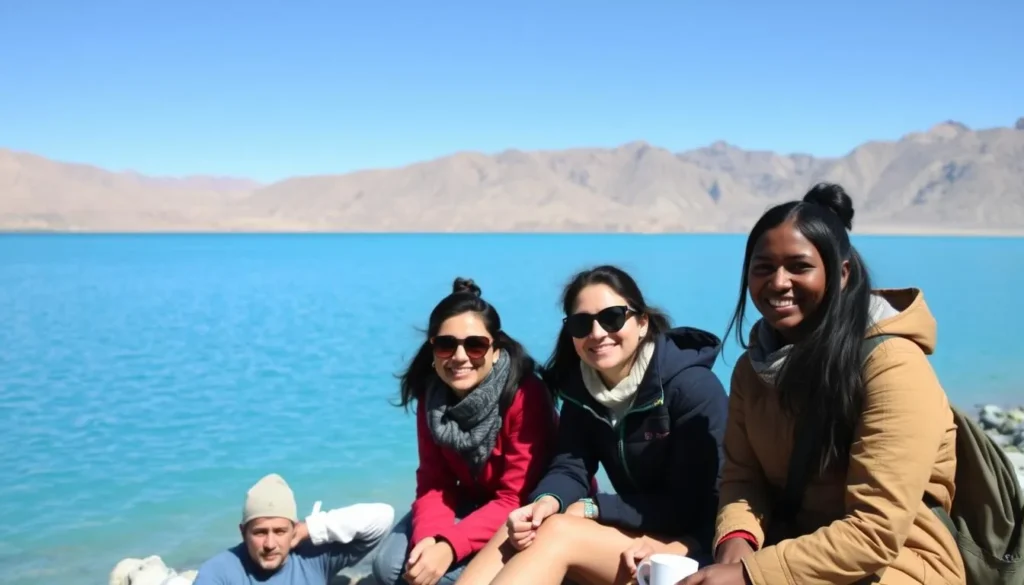
“My journey through Ladakh was life-changing. The monasteries perched on impossible cliffs, the ever-changing colors of Pangong Lake, and the warmth of Ladakhi people despite the harsh climate they endure—it all creates an experience unlike anywhere else on earth. My advice: spend at least 10 days to properly acclimatize and explore. The altitude is no joke, but the rewards are immeasurable.”
“As an avid photographer, Ladakh was paradise. The light quality is extraordinary—crisp and clear with dramatic shadows across the mountains. I spent three weeks traveling through the region and could have stayed longer. The Markha Valley trek was challenging but offered incredible views and cultural insights as we stayed in homestays along the route. Don’t rush your trip here; Ladakh reveals itself slowly to those who take their time.”
“Having traveled extensively through the Himalayas, I found Ladakh to be uniquely preserved both culturally and environmentally. The Buddhist monasteries are still active centers of learning, not just tourist attractions. I was fortunate to witness the Hemis Festival—the masked dances were hypnotic and the atmosphere electric with centuries of tradition. Take time to sit with locals and share butter tea; their perspectives on life in this extreme environment are humbling.”
Additional Nearby Destinations
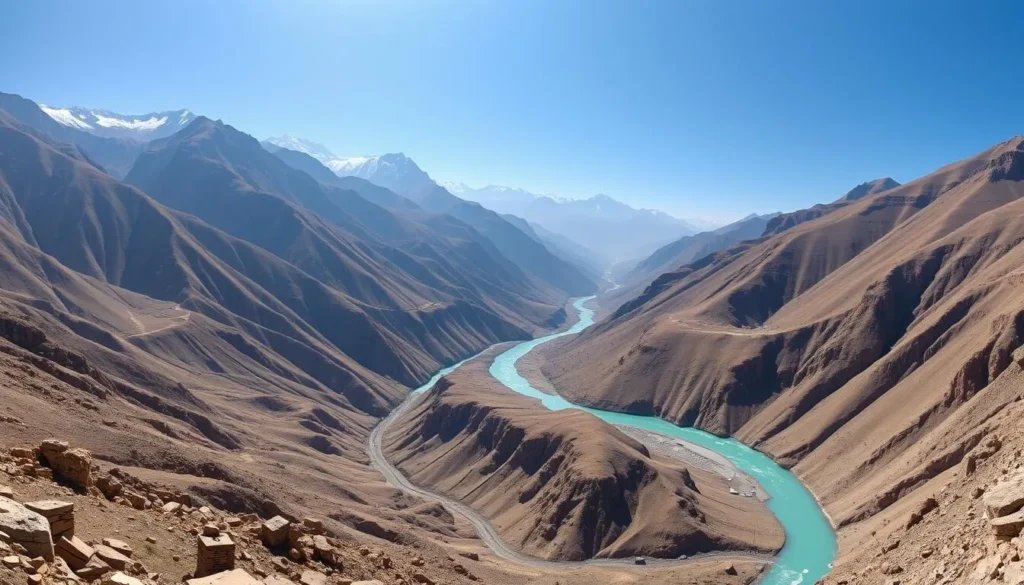
While Ladakh itself offers enough to fill weeks of exploration, several fascinating destinations in neighboring regions can complement your journey.
Kashmir Valley
Located to the west of Ladakh, the Kashmir Valley offers a stark contrast with its lush landscapes, floating gardens, and distinctive culture.
- Srinagar: Famous for Dal Lake with its houseboats and floating markets. The city features beautiful Mughal gardens and historic mosques. Distance from Leh: 434 km (270 miles).
- Gulmarg: Premier ski destination in winter and a beautiful meadow filled with wildflowers in summer. Home to one of the world’s highest gondolas.
- Pahalgam: Picturesque valley with excellent trekking opportunities and the starting point for the Amarnath pilgrimage.
Spiti Valley
Often called “Little Tibet” like Ladakh, Spiti in Himachal Pradesh shares many cultural similarities but features its own distinct landscape and monasteries.
- Kaza: The administrative center of Spiti, a good base for exploring the valley.
- Key Monastery: Spectacular Buddhist monastery perched at 4,166 m (13,668 ft).
- Chandratal Lake: Beautiful crescent-shaped lake at 4,300 m (14,100 ft).
Zanskar Valley
A remote sub-district of Ladakh, Zanskar remains one of the least explored regions, offering pristine landscapes and ancient culture.
- Padum: The main town and base for exploring the region.
- Phuktal Monastery: Spectacular monastery built into a cave on a cliff face.
- Chadar Trek: The famous winter trek along the frozen Zanskar River (January-February only).
Manali
A popular hill station in Himachal Pradesh that serves as the southern gateway to Ladakh via the Manali-Leh Highway.
- Old Manali: Charming area with cafes, shops, and traditional architecture.
- Solang Valley: Adventure sports hub offering paragliding, zorbing, and skiing (winter).
- Rohtang Pass: Scenic mountain pass at 3,978 m (13,050 ft) offering spectacular views.
Note that travel between these regions and Ladakh is seasonal, with road connections typically open only from June to September/October. Winter travel would require flights or longer alternative routes.
Practical Travel Tips
Permits & Documentation
- Inner Line Permit (ILP): Required for visiting protected areas like Pangong Lake, Nubra Valley, and Tso Moriri. Available in Leh at the DC Office or through travel agencies. Cost: approximately 600 INR (7 USD) for a standard multi-destination permit valid for 7 days.
- Passport & Visa: Carry your passport at all times as ID and for checkpoints.
- Multiple Photocopies: Bring several copies of your passport, visa, and permits for various checkpoints.
Money Matters
- ATMs: Available in Leh town but can be unreliable or run out of cash. Withdraw sufficient cash upon arrival.
- Credit Cards: Accepted at higher-end hotels and some restaurants in Leh, but cash is essential for most transactions.
- Currency Exchange: Available in Leh for major currencies, but rates may not be favorable. Best to exchange money before arriving.
- Tipping: Not mandatory but appreciated. Guides and drivers typically expect 300-500 INR (4-6 USD) per day.
Communication
- Mobile Network: Regular Indian SIM cards don’t work in Ladakh. Purchase a local BSNL or Airtel SIM in Leh (passport and photos required).
- Internet: Wi-Fi is available in most hotels and cafes in Leh but is often slow and unreliable. Connectivity is limited or non-existent in remote areas.
- Satellite Phones: Prohibited for tourists in India without special permission.
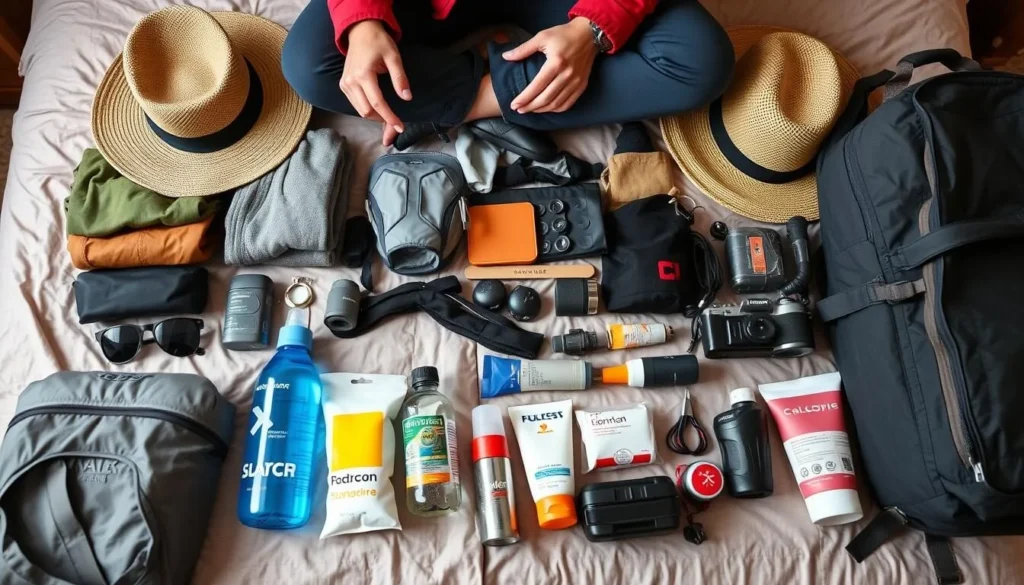
Packing Essentials
- Clothing: Layered clothing for temperature variations, warm jacket, thermal underwear (even in summer), rain/windproof outer layer, sun hat, warm hat, gloves.
- Footwear: Comfortable hiking boots, casual shoes for town.
- Sun Protection: High SPF sunscreen, lip balm with SPF, sunglasses with UV protection.
- Health Items: Personal medications, altitude sickness medication (consult doctor), first aid kit, insect repellent, hand sanitizer, toilet paper, wet wipes.
- Electronics: Camera with extra batteries (cold depletes batteries faster), power bank, universal adapter (India uses 230V, Type C, D, and M plugs).
- Other: Reusable water bottle, water purification tablets/filter, headlamp/flashlight, sleeping bag liner (for homestays), quick-dry towel.
Sustainable Travel
- Water Conservation: Ladakh is a high-altitude desert with limited water resources. Take short showers and reuse towels.
- Waste Management: Carry a reusable water bottle with a filter to avoid buying plastic bottles. Pack out all trash when trekking or visiting remote areas.
- Local Economy: Support locally-owned accommodations, restaurants, and guides. Purchase handicrafts directly from artisans when possible.
- Cultural Respect: Learn about and respect local customs, dress modestly, and ask permission before photographing people or religious ceremonies.
The Timeless Magic of Ladakh Awaits
Ladakh isn’t merely a destination; it’s an experience that transforms visitors through its stark beauty, spiritual depth, and the resilience of its people and culture. In this land where ancient traditions thrive against a backdrop of some of the world’s most dramatic landscapes, you’ll find yourself slowing down, breathing deeper, and connecting with something larger than yourself. Whether you’re watching the sunrise paint the mountains gold from a monastery perched on an impossible cliff, sharing butter tea with a local family, or standing beneath the clearest night sky you’ve ever witnessed, Ladakh offers moments of profound beauty and peace that remain long after you’ve returned home. This remote corner of the Himalayas, with its challenging terrain and extreme conditions, rewards those who approach it with respect, patience, and an open heart. The journey may not always be easy, but like all truly meaningful adventures, it promises to be unforgettable.
Related Posts
Coming Soon: Clickable Maps