
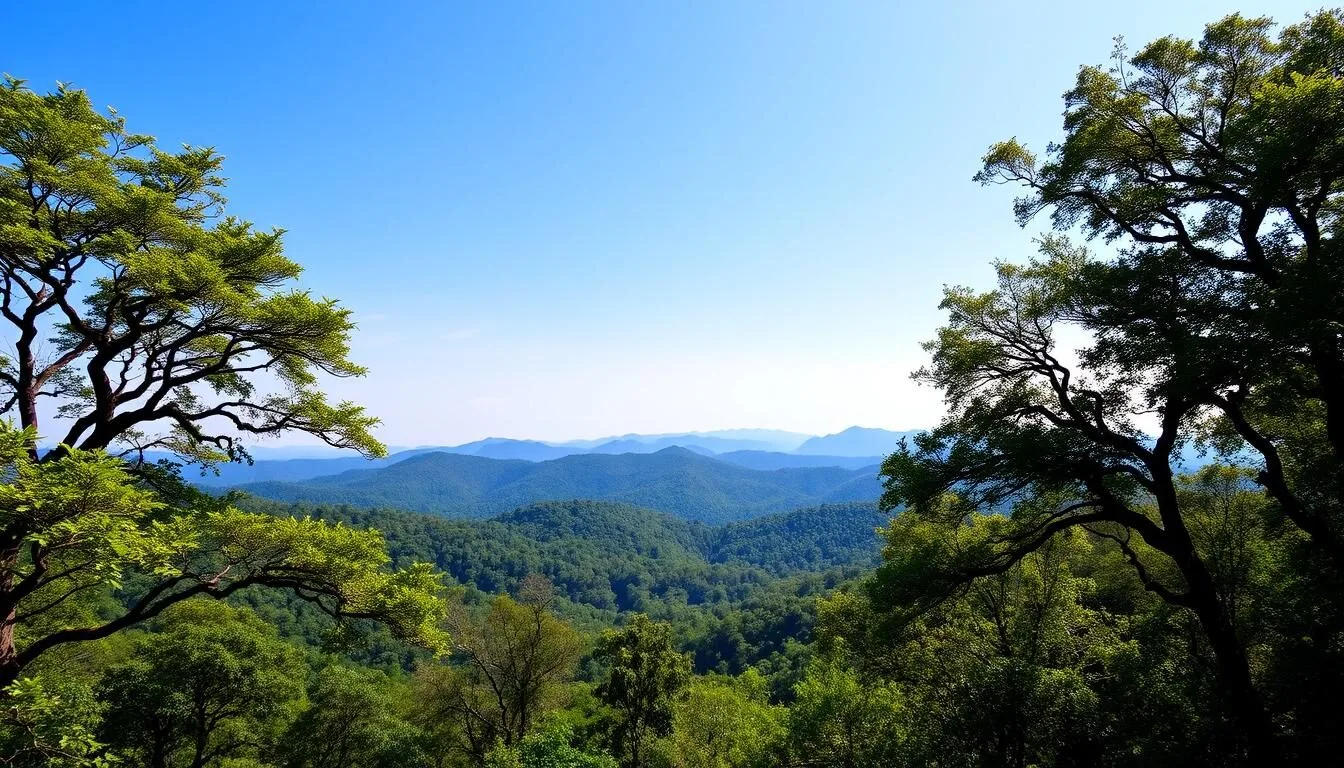
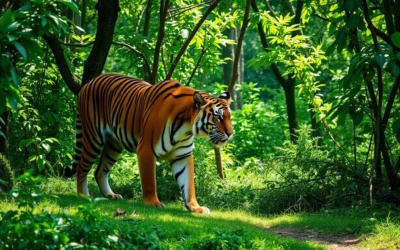
Did you know that Bandhavgarh National Park boasts the highest density of Royal Bengal tigers in India? With over 50 majestic big cats roaming freely across 1,536 square kilometers (594 square miles), your chances of spotting these magnificent creatures are higher here than anywhere else in the country. This wildlife haven in the heart of Madhya Pradesh isn’t just about tigers – it’s a mesmerizing blend of ancient history, diverse ecosystems, and unforgettable adventures waiting to be discovered.
Getting There & Planning Your Journey
Reaching Bandhavgarh National Park requires some planning, but the journey is well worth the effort. The park is nestled in the Umaria district of Madhya Pradesh, central India.
Nearest Airports
- Jabalpur Airport (JLR): 210 km (130 miles) away, approximately 4-5 hours by road
- Khajuraho Airport (HJR): 250 km (155 miles) away, approximately 5-6 hours by road
- Raja Bhoj Airport, Bhopal (BHO): 500 km (310 miles) away, approximately 9-10 hours by road
By Train
The closest railway station is Umaria, located just 32 km (20 miles) from the park entrance. Katni Junction (95 km/59 miles) is another option with better connectivity to major cities. From these stations, you can hire a taxi to reach the park.
By Road
If you enjoy road trips, Bandhavgarh is well-connected by highways. The journey from Jabalpur takes approximately 4 hours, while from Khajuraho it’s about 5-6 hours. The roads are generally in good condition, though some stretches may be bumpy.
Best Time to Visit & Weather Tips
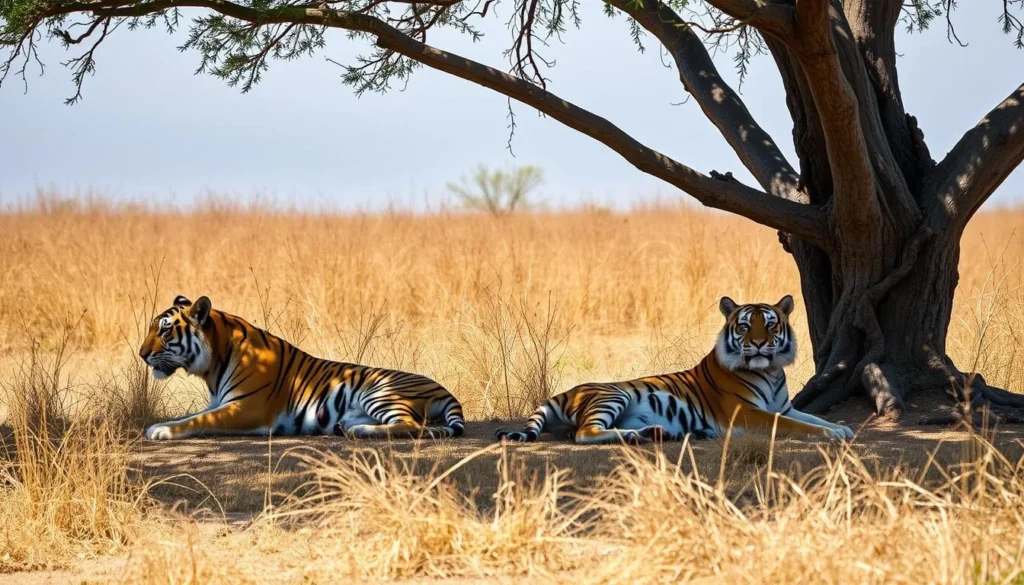
Timing your visit to Bandhavgarh National Park is crucial for the best wildlife experience. The park remains closed during the monsoon season from July to September.
Recommended Seasons
| Season | Months | Temperature | Wildlife Viewing | Notes |
| Winter | November to February | 5-25°C (41-77°F) | Excellent | Pleasant weather, animals frequent water holes |
| Summer | March to June | 25-45°C (77-113°F) | Best for tigers | Hot but highest tiger sightings as they seek water |
| Post-Monsoon | October | 20-30°C (68-86°F) | Good | Lush greenery, fewer tourists |
| Monsoon | July to September | 20-35°C (68-95°F) | Park Closed | Avoid this season as the park is closed |
Peak Season vs. Off-Peak
April to June is considered the peak season for tiger sightings, though temperatures can be extremely hot. If you prefer more comfortable weather, visit between November and February. October offers a good balance with fewer crowds, lush landscapes after the monsoon, and reasonable wildlife sightings.
Pro Tip: Book your safari permits at least 90 days in advance if visiting during peak season (April-June), as they sell out quickly.
Getting Around Locally
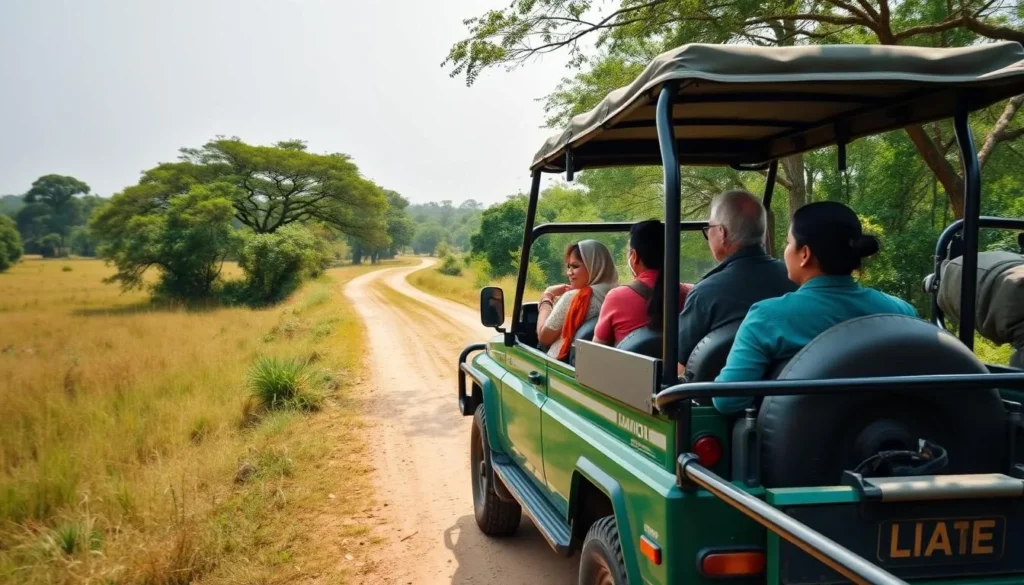
Exploring Bandhavgarh National Park is strictly regulated to protect the wildlife and their habitat. Here are your options for getting around:
Safari Options
Jeep Safari
The most popular and flexible option. Open-top 4×4 Gypsies accommodate up to 6 tourists plus a guide and driver. Jeep safaris allow you to cover more ground and access different terrains.
Cost: ₹4,000-7,000 (approximately $50-85) per jeep, plus park entry fees
Elephant Safari
A traditional way to spot tigers, though availability is limited and only offered in the morning. These short rides (15-30 minutes) are arranged on the spot if tigers are spotted.
Cost: ₹1,000-1,500 (approximately $12-18) per person
Safari Zones
Bandhavgarh is divided into three main safari zones, each offering unique landscapes and wildlife viewing opportunities:
- Tala Zone: The most popular zone with highest tiger density and historical sites including Bandhavgarh Fort
- Magadhi Zone: Known for beautiful meadows and good tiger sightings
- Khitauli Zone: Less crowded with diverse bird life and occasional tiger sightings
Local Transportation
For moving between your accommodation and the park gates, or exploring nearby villages:
- Most resorts offer complimentary transfers to park gates
- Taxis can be hired for local sightseeing (₹1,500-2,500 or $18-30 per day)
- Some resorts offer bicycle rentals for exploring nearby villages
Important: Independent exploration inside the national park is strictly prohibited. All visits must be accompanied by authorized guides and follow designated routes.
Where to Stay
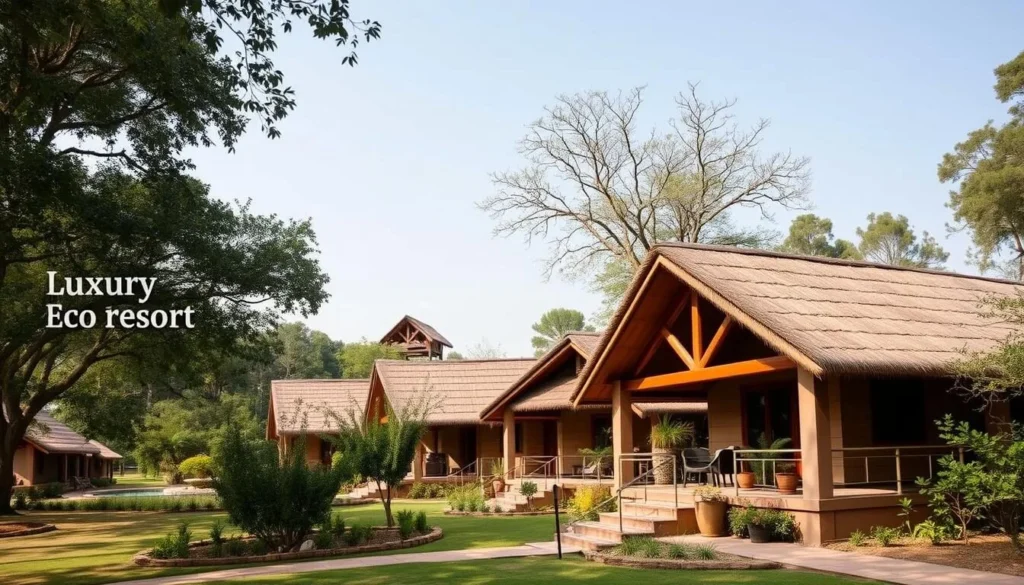
Bandhavgarh offers a range of accommodation options to suit different budgets and preferences. Most properties are located near the park gates, particularly around Tala village.
Luxury Resorts
Taj Mahua Kothi
Luxury jungle lodge with 12 kutiyas (jungle cottages) spread across 40 acres of natural forest. Offers exceptional service, gourmet dining, and expert naturalists.
Price range: ₹25,000-50,000 ($300-600) per night
Kings Lodge
Eco-friendly luxury resort with 10 cottages and 8 stilt cottages in a natural forest setting. Features a swimming pool, spa, and excellent dining options.
Price range: ₹15,000-30,000 ($180-360) per night
Tree House Hideaway
Unique accommodation with five exclusive tree houses built on mahua trees. Offers an immersive forest experience with modern amenities.
Price range: ₹18,000-35,000 ($220-420) per night
Mid-Range Options
Bandhav Vilas
Boutique property with 20 luxury villas, each with private courtyards. Offers comfortable accommodations with good amenities.
Price range: ₹8,000-15,000 ($100-180) per night
Tiger’s Den Resort
Well-established resort with cottage-style rooms and a central location near Tala gate. Features a restaurant serving Indian and continental cuisine.
Price range: ₹6,000-12,000 ($70-145) per night
Nature Heritage Resort
Comfortable resort with air-conditioned cottages and rooms. Offers a restaurant, garden, and helpful staff for arranging safaris.
Price range: ₹5,000-10,000 ($60-120) per night
Budget Accommodations
For budget travelers, options include:
- Wildflower Resort: Simple but clean rooms from ₹2,500 ($30) per night
- Forest Rest Houses: Basic government-run accommodations from ₹1,500 ($18) per night (book through MP Tourism)
- Homestays in Tala Village: Authentic local experience from ₹1,500-3,000 ($18-36) per night
Booking Tip: Most resorts offer all-inclusive packages that cover accommodation, meals, and safari arrangements. These packages often provide better value than booking components separately.
Dining & Local Cuisine

Culinary experiences around Bandhavgarh blend traditional Madhya Pradesh flavors with traveler-friendly options. Most meals are enjoyed at your accommodation, as standalone restaurants are limited in this remote area.
Local Specialties
Don’t miss these regional dishes during your stay:
- Bhutte Ka Kees: A unique corn dish with spices and grated coconut
- Dal Bafla: Wheat dumplings served with ghee and lentil curry
- Chakki Ki Shaak: A specialty made from wheat flour dumplings in spicy gravy
- Mawa Bati: Sweet dumplings filled with khoya (reduced milk) and dry fruits
- Mahua Preparations: Seasonal dishes and beverages made from the local mahua flower
Dining Options
Resort Restaurants
Most lodges and resorts offer full-board packages with breakfast, lunch, and dinner included. The cuisine typically includes Indian, continental, and some local specialties. Many properties organize special jungle dinners or barbecue evenings.
Recommended: Aangan at Tiger’s Den Resort and Citrus Cafe at Lemon Tree Wildlife Resort offer excellent dining experiences.
Local Eateries
In Tala village, you’ll find a few simple eateries serving authentic local food at budget prices. Her Cafe offers good pizzas and Indian dishes, while Cafe Malaya serves fresh, tasty meals in a casual setting.
Try: Baghera Cafe by Mogli for reasonably priced Indian and Chinese dishes in a relaxed atmosphere.
Dining Etiquette
When enjoying local cuisine:
- Traditional meals are often eaten with the right hand (though cutlery is available)
- It’s customary to wash hands before and after meals
- Vegetarian options are plentiful and well-prepared in this region
- Alcohol availability varies by establishment (some resorts require advance notice)
Local Experience: Ask your resort if they can arrange a traditional Baiga tribal meal experience, featuring indigenous cooking techniques and foraged ingredients from the forest.
Attractions, Sightseeing & Activities
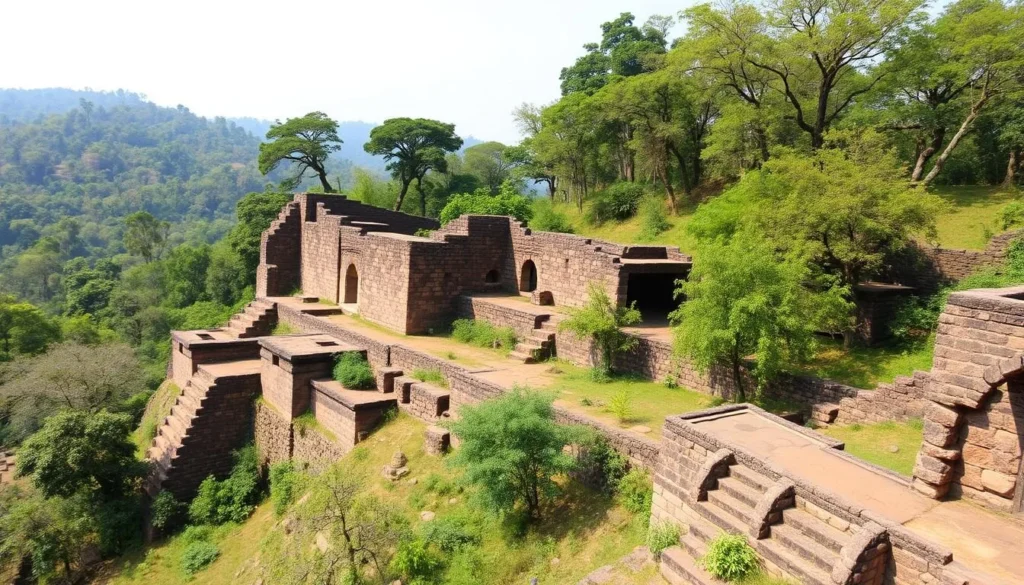
While tiger safaris are the main attraction, Bandhavgarh offers a wealth of other experiences that showcase its natural beauty and cultural heritage.
Top Attractions
Bandhavgarh Fort
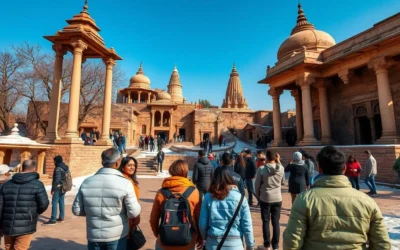
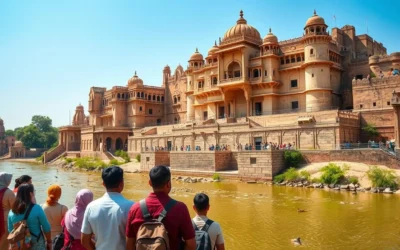
This 2,000-year-old fort sits atop a hill at 807 meters (2,648 feet) above sea level. The one-hour trek to the fort offers panoramic views and glimpses of ancient caves with inscriptions and artwork. Don’t miss the 35-foot statue of Lord Vishnu reclining on Shesh Nag (the cosmic serpent).
Shesh Shaiya
This 11-meter (36-foot) sandstone statue of Lord Vishnu dates back to the 10th century. Located at the source of the Charanganga River, it’s a site of religious significance and natural beauty. The statue depicts Vishnu reclining on the seven-headed serpent Sheshnag.
Ancient Caves
Explore some of the 39 caves scattered across the Bandhavgarh hills. The most impressive is Badi Gufa (Big Cave), dating to the 10th century, featuring nine spacious rooms and multiple pillars. Many caves contain Brahmi inscriptions and embossed figures of animals and horsemen.
Must-Do Activities
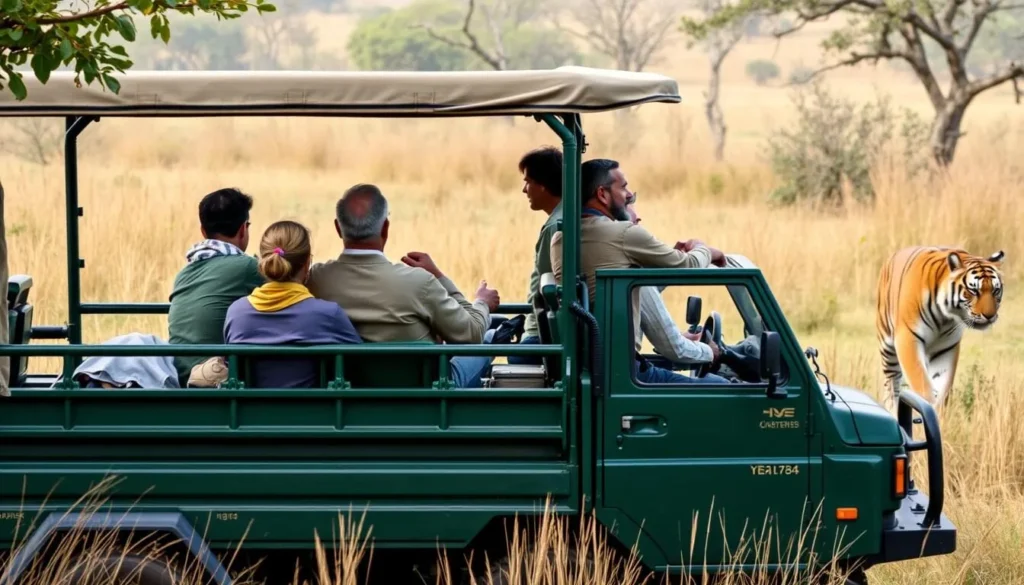
- Tiger Safari at Chakradhara: This meadow area in the Tala zone offers the highest chances of tiger sightings. Early morning safaris (6:00 AM to 10:00 AM) provide the best opportunities.
- Bird Watching: With over 250 bird species, Bandhavgarh is a paradise for bird enthusiasts. Look for hornbills, kingfishers, eagles, and many more in the diverse habitats.
- Nature Walks: Guided walks in the buffer zone offer insights into the park’s flora, fauna, and ecology from expert naturalists.
- Cycling Trails: Explore the villages and buffer zones around the park on guided cycling excursions.
- Village Visits: Experience local culture by visiting nearby villages to interact with indigenous communities and learn about their traditional way of life.
Safari Information
| Safari Detail | Information |
| Timings | Morning: 6:00 AM to 10:00 AM Afternoon: 2:30 PM to 6:00 PM (varies seasonally) |
| Entry Fee | Indians: ₹1,500-2,500 per safari Foreigners: ₹3,000-6,000 per safari |
| Booking | Online through MP Forest Department website 90 days in advance recommended for peak season |
| What to Bring | ID proof (mandatory), binoculars, camera, hat, sunscreen, water bottle |
Photography Tip: Bring a camera with a good zoom lens (at least 300mm) for wildlife photography. Early morning and late afternoon offer the best lighting conditions.
Cultural Experiences & Local Interactions
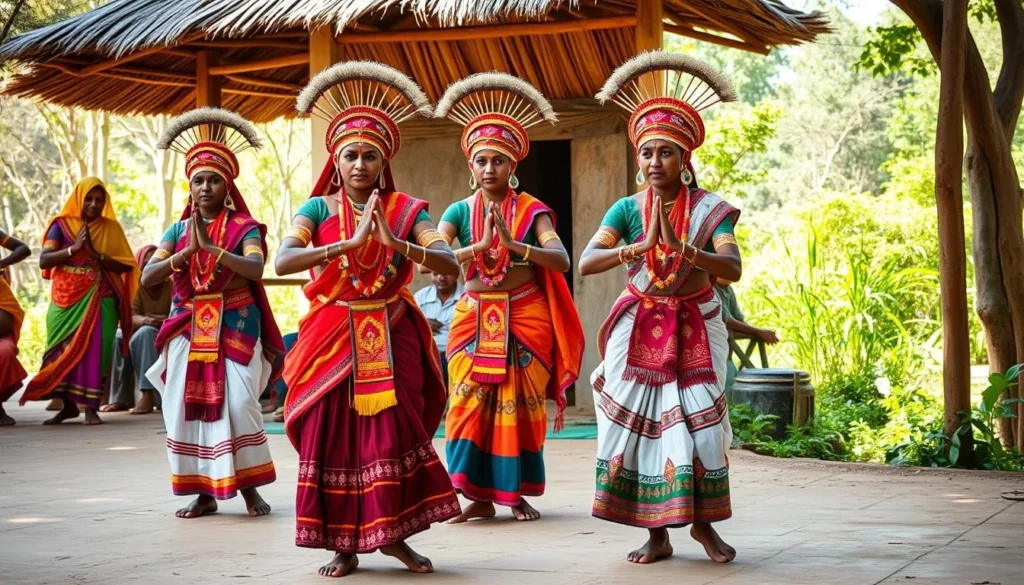
Beyond wildlife, Bandhavgarh offers rich cultural experiences that provide insights into the traditional ways of life in central India.
Baiga Tribal Community
The indigenous Baiga tribe has inhabited the forests of central India for generations. Their deep connection with nature and traditional knowledge systems offer fascinating cultural insights:
- Experience traditional Baiga dance performances arranged by some resorts
- Learn about their medicinal plant knowledge and sustainable forest practices
- Sample authentic Baiga cuisine featuring foraged ingredients and ancient recipes
- Observe traditional crafts and daily activities in Baiga settlements
Local Museums and Heritage Sites
Explore these cultural attractions near Bandhavgarh:
- Baghel Museum: Located in Rewa (about 110 km/68 miles from Bandhavgarh), this museum houses royal artifacts including the preserved body of the first white tiger discovered in the wild
- Bandhavgarh Museum: A small but informative display near Tala gate showcasing the park’s history, wildlife, and conservation efforts
- Jwalamukhi Temple: An ancient temple on the banks of the Charan Ganga River, about 10 km (6 miles) from the park
Cultural Activities
Village Walks
Visit Tala and other nearby villages to observe rural life, traditional architecture, and local farming practices. Many resorts can arrange guided village walks with local community members.
Craft Demonstrations
Some resorts organize demonstrations of local crafts such as pottery, weaving, and traditional food preparation. These interactive sessions provide hands-on cultural experiences.
“The Baiga people possess an encyclopedic knowledge of forest plants and their medicinal properties, representing thousands of years of traditional wisdom that’s increasingly relevant in our search for sustainable living.”
Nature & Outdoor Experiences
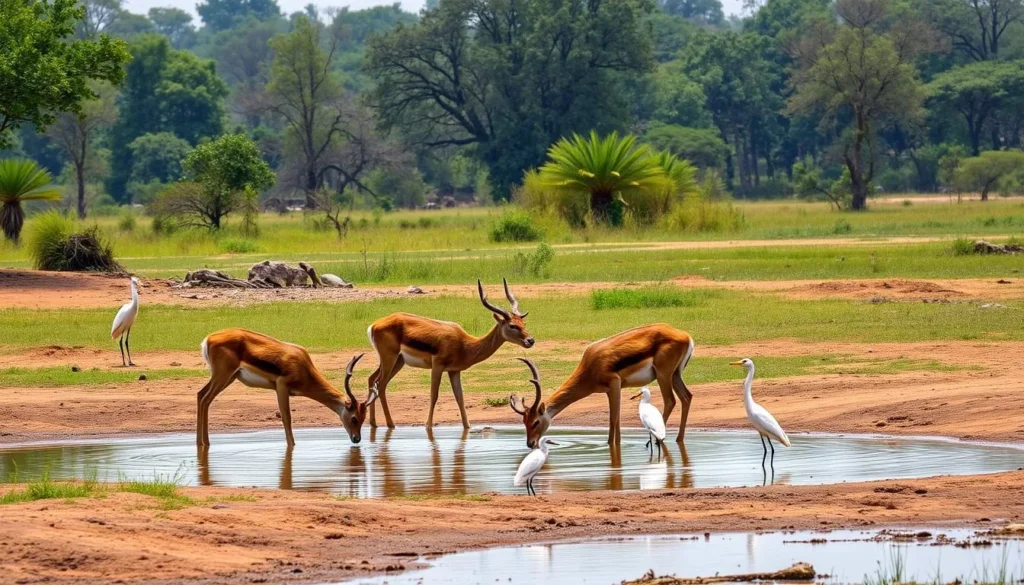
Bandhavgarh’s rich biodiversity extends far beyond its famous tigers. The park’s varied ecosystems support an incredible array of wildlife and offer numerous opportunities for nature enthusiasts.
Wildlife Beyond Tigers
Keep your eyes peeled for these fascinating creatures:
- Leopards: More elusive than tigers but present throughout the park
- Sloth Bears: Often spotted digging for termites or feeding on mahua flowers
- Indian Bison (Gaur): The world’s largest wild cattle species
- Deer Species: Spotted deer (chital), sambar, barking deer, and the rare four-horned antelope
- Wild Dogs (Dhole): Pack hunters that are increasingly rare across India
- Jackals, Foxes, and Hyenas: Important scavengers in the ecosystem
- Primates: Langurs and rhesus macaques are common throughout the park
Bird Watching Hotspots
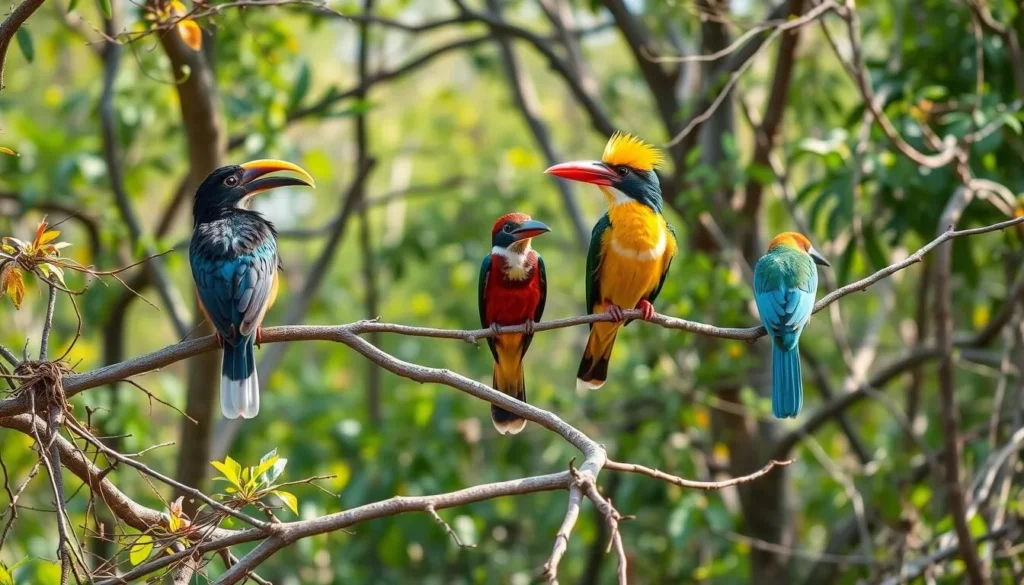
With over 250 bird species, Bandhavgarh is a paradise for birders. Prime locations include:
- Chakradhara Meadows: Great for open-country birds and raptors
- Bhadrashila Dam: Attracts numerous waterbirds and waders
- Sal Forests: Home to woodpeckers, barbets, and various forest specialists
- Bamboo Thickets: Look for specialized bamboo-dwelling species
Notable species include white-rumped vultures, crested serpent eagles, paradise flycatchers, Malabar pied hornbills, and numerous kingfisher species.
Flora and Landscapes
Bandhavgarh’s vegetation is primarily mixed deciduous forest with these dominant habitats:
- Sal Forests: Covering about 70% of the park with majestic Shorea robusta trees
- Grasslands: Open meadows like Chakradhara that support grazing animals
- Bamboo Forests: Dense stands that provide shelter for many species
- Mixed Forests: With species like tendu, mahua, and arjun trees
- Riparian Areas: Along streams and water bodies with specialized vegetation
Nature Walks and Treks
Explore the buffer zone and periphery of the park on guided nature walks:
- Buffer Zone Walks: Learn about plants, insects, and smaller wildlife from expert naturalists
- Bandhavgarh Fort Trek: A one-hour guided hike to the ancient fort with historical and natural highlights
- Bird Watching Walks: Early morning excursions focused on avian species
- Botanical Walks: Specialized tours highlighting medicinal plants and traditional uses
Conservation Note: Bandhavgarh is part of important tiger conservation efforts. The park’s tiger population has grown from 12 individuals in the 1970s to over 50 today, demonstrating successful conservation practices.
Safety, Etiquette & Local Customs
Ensuring a safe and respectful visit to Bandhavgarh enhances both your experience and helps protect this precious ecosystem.
Safari Safety
- Always follow your guide’s instructions without exception
- Remain seated in the safari vehicle at all times
- Maintain silence when observing wildlife to avoid disturbing animals
- Keep a safe distance from all wildlife – never attempt to get closer for photos
- Wear neutral-colored clothing (avoid bright colors and white)
- Secure loose items that might make noise in the wind
- Never feed any animals, including monkeys around tourist areas
Health Precautions
- Carry sufficient water to stay hydrated, especially in summer
- Use sunscreen, wear a hat, and use insect repellent
- Bring any personal medications as pharmacies are limited in the area
- Consider antimalarial precautions (consult your doctor before travel)
- The nearest medical facilities are basic – comprehensive healthcare is available in Jabalpur (210 km/130 miles away)
Cultural Etiquette
Interacting with Locals
The communities around Bandhavgarh are generally conservative and traditional:
- Dress modestly, especially when visiting villages (shoulders and knees covered)
- Ask permission before photographing local people
- Remove shoes before entering homes or temples
- Use your right hand for eating and giving/receiving objects
Environmental Respect
Help preserve this fragile ecosystem:
- Never litter – carry all trash until proper disposal is available
- Avoid single-use plastics – bring reusable water bottles
- Stay on designated paths to prevent soil erosion
- Don’t collect plants, stones, or other natural items as souvenirs
Photography Guidelines
- Camera fees apply in the park (approximately ₹200-1,500 depending on equipment)
- Flash photography is strictly prohibited around wildlife
- Drones are not permitted in or around the national park
- Maintain silence when photographing animals
- Photography is restricted in some sacred areas of temples and the fort
Important: Cell phone coverage is limited within the park. Inform someone of your plans when exploring areas outside your resort, and always carry your resort’s contact information.
Visitor Comments About Bandhavgarh National Park
“We spotted six different tigers during our three-day stay! The morning safari in the Tala zone was particularly rewarding. Our naturalist from Kings Lodge was incredibly knowledgeable about tiger behavior and helped us understand what we were seeing. The ancient fort trek was an unexpected highlight – the views are spectacular.”
“The biodiversity at Bandhavgarh is impressive. Beyond tigers, we saw sloth bears, wild dogs, and countless bird species. I recommend visiting in November when the weather is pleasant and the post-monsoon greenery is stunning. The Baiga cultural experience arranged by our resort gave us insights into traditional forest knowledge we wouldn’t have discovered otherwise.”
“We stayed at Tree House Hideaway and the experience was magical – falling asleep to jungle sounds while in a comfortable tree house was unforgettable. Though we visited in April when temperatures reached 40°C (104°F), the heat was worth it for our amazing tiger encounters. Don’t miss the Shesh Shaiya statue – it’s a remarkable piece of ancient art in a beautiful setting.”
Additional Nearby Destinations
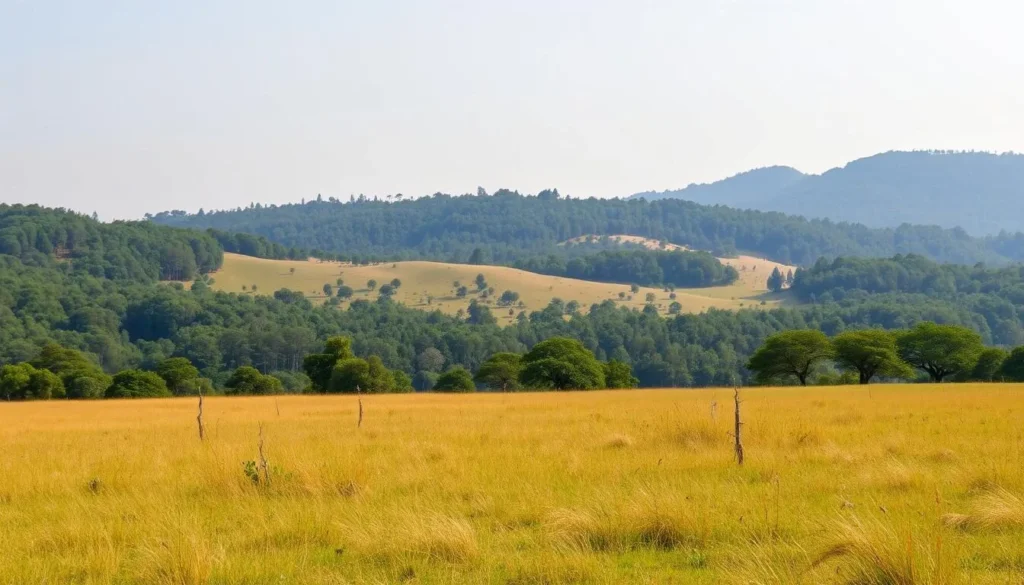
Extend your central Indian adventure by visiting these remarkable destinations near Bandhavgarh:
Kanha National Park
Located about 250 km (155 miles) from Bandhavgarh, Kanha inspired Rudyard Kipling’s “The Jungle Book.” Known for its large meadows, sal forests, and healthy tiger population, it offers a different landscape and wildlife viewing experience.
Travel time: 5-6 hours by road
Panna National Park
Situated 200 km (124 miles) from Bandhavgarh near Khajuraho, Panna features dramatic gorges and the Ken River. It’s a successful tiger reintroduction site and offers excellent opportunities to spot crocodiles, gharials, and numerous bird species.
Travel time: 4-5 hours by road
Khajuraho Temples
These UNESCO World Heritage temples, famous for their intricate carvings, are about 250 km (155 miles) from Bandhavgarh. Built between 950 and 1050 CE by the Chandela dynasty, they represent some of India’s most impressive medieval architecture.
Travel time: 5-6 hours by road
Other Nearby Attractions
- Amarkantak: The source of the Narmada River and a significant pilgrimage site with ancient temples (200 km/124 miles)
- Bansagar Dam: A massive reservoir on the Son River offering boating and bird watching opportunities (85 km/53 miles)
- Chenchpur Waterfall: A picturesque cascade located about 50 km (31 miles) from Bandhavgarh
- Rewa: Historic city known for the Baghel Museum and white tiger discovery (110 km/68 miles)
Central India Circuit: Many travelers combine Bandhavgarh with Kanha and Pench National Parks for a comprehensive tiger safari experience across Madhya Pradesh’s finest wildlife reserves.
Practical Travel Tips
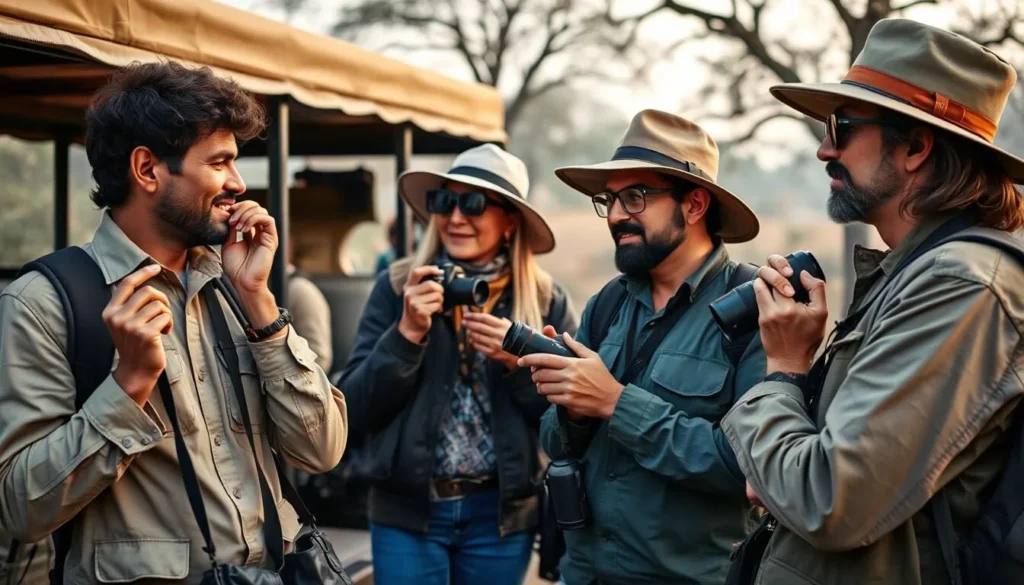
Essential Planning Advice
- Book in Advance: Safari permits are limited and sell out quickly, especially in peak season. Book at least 90 days ahead for the best chances.
- Stay Duration: A minimum of 3 nights/4 days is recommended to maximize wildlife sighting opportunities.
- Safari Allocation: The online booking system randomly assigns zones. For specific zones (like the popular Tala zone), book through your resort which may have zone-specific quotas.
- Packing Essentials: Binoculars, camera with zoom lens, hat, sunglasses, sunscreen, insect repellent, light layers for morning chill, and a reusable water bottle.
- Cash: ATMs are limited in the area – bring sufficient cash for incidentals, tips, and purchases.
Safari Optimization
Best Practices
- Book both morning and afternoon safaris for maximum wildlife exposure
- Request the same naturalist for continuity in tracking and information
- Wear layers – mornings can be cool even in summer
- Be patient – wildlife viewing requires time and persistence
- Learn basic tracking signs from your guide to enhance the experience
Photography Tips
- Bring a lens with at least 300mm focal length for wildlife
- Pack extra batteries and memory cards
- Use a beanbag or similar support for stability in the moving vehicle
- Learn your camera settings before arrival to react quickly
- Consider the golden hours (early morning/late afternoon) for best light
Connectivity & Utilities
- Internet: Wi-Fi is available at most resorts but can be slow and intermittent
- Mobile Network: Jio and BSNL offer the best coverage in the area, though signal is limited inside the park
- Electricity: Power outages can occur; bring a power bank for essential devices
- Language: Hindi is widely spoken; English is understood at resorts and by many guides
Responsible Tourism Tip: Support local conservation efforts by purchasing handicrafts from community initiatives, participating in village visits that benefit local economies, and following all environmental guidelines during your stay.
The Wild Heart of India Awaits
Bandhavgarh National Park offers a rare glimpse into India’s wild soul – a place where ancient forests shelter magnificent tigers, historic ruins whisper tales of bygone eras, and traditional communities maintain their deep connection with the natural world. Whether you’re tracking the elusive Royal Bengal tiger through misty morning grasslands, exploring centuries-old caves adorned with mysterious inscriptions, or simply absorbing the symphony of jungle sounds from your veranda, Bandhavgarh promises experiences that will remain etched in your memory long after you’ve returned home. As you plan your journey to this remarkable wilderness, remember that patience and respect for nature’s rhythms yield the most rewarding encounters. The tigers of Bandhavgarh have roamed these forests for generations – it’s now your turn to walk briefly in their realm.
The above is subject to change.
Check back often to TRAVEL.COM for the latest travel tips and deals.

0 Comments