
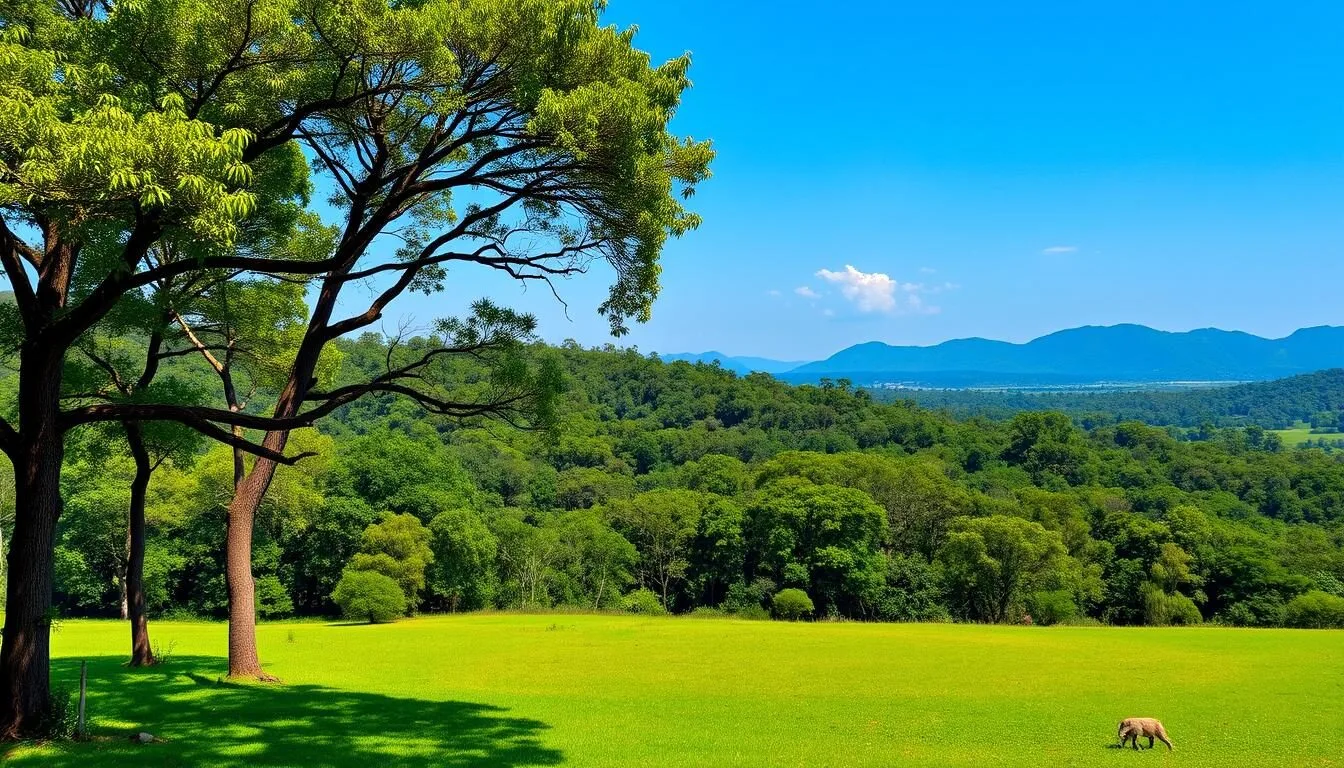
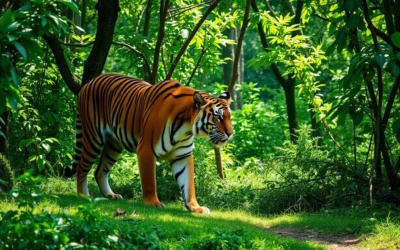
Did you know that Kanha National Park inspired Rudyard Kipling’s timeless classic “The Jungle Book”? This magnificent wildlife sanctuary spans 940 square kilometers (363 square miles) and boasts one of India’s highest tiger densities with approximately 60 Royal Bengal tigers roaming its diverse landscapes. As the heart of Madhya Pradesh’s wildlife scene, Kanha offers an unparalleled opportunity to witness these majestic creatures in their natural habitat while exploring one of India’s most pristine ecosystems.
Getting There & Planning Your Journey
Kanha National Park is nestled in the Mandla and Balaghat districts of Madhya Pradesh, central India. The park is accessible through multiple entry points, with the most popular being Khatia, Mukki, and Sarhi gates.
Nearest Airports
- Jabalpur Airport (JLR): The closest airport, approximately 160 km (99 miles) from the Khatia Gate. Well-connected with major Indian cities like Delhi, Mumbai, and Bangalore.
- Raipur Airport (RPR): About 250 km (155 miles) from the Mukki Gate, offering another convenient option for travelers.
By Train
The nearest railway stations are Jabalpur (160 km from Khatia Gate) and Gondia (145 km from Mukki Gate). Both stations are well-connected to major Indian cities. From the stations, you can hire a taxi or take a bus to reach the park.
By Road
Kanha is well-connected by road from major cities in central India:
- Jabalpur to Khatia Gate: 160 km (3-4 hours)
- Nagpur to Mukki Gate: 260 km (5-6 hours)
- Raipur to Mukki Gate: 250 km (5 hours)
Pro Tip: Book your transportation and safari permits well in advance, especially during peak season (October to March). The park authorities limit the number of vehicles allowed each day to preserve the ecosystem.
Best Time to Visit & Weather Tips
Kanha National Park is open from October 16th to June 30th and remains closed during the monsoon season (July to mid-October) for ecological regeneration and maintenance.
Seasonal Guide
| Season | Months | Temperature | Wildlife Visibility | Recommendation |
| Winter | October to February | 10°C to 25°C (50°F to 77°F) | Good | Comfortable weather, ideal for long safaris |
| Summer | March to June | 25°C to 40°C (77°F to 104°F) | Excellent | Best for tiger sightings near water bodies |
| Monsoon | July to mid-October | 20°C to 30°C (68°F to 86°F) | N/A | Park closed |
Recommended Months
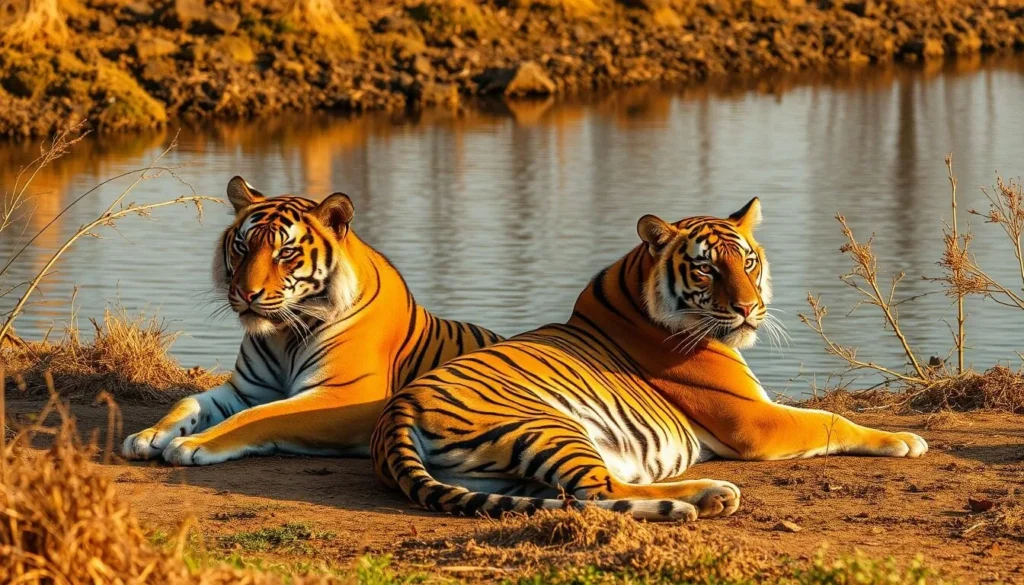
The best time to visit Kanha National Park is from February to April when wildlife is most active and visible. During these months, animals frequently gather around water sources, increasing your chances of spotting tigers and other wildlife.
Months to Avoid
Avoid visiting during the monsoon season (July to mid-October) as the park remains closed. Also, the peak summer months of May and June can be extremely hot, making afternoon safaris uncomfortable without proper preparation.
“Summer months offer the highest probability of tiger sightings as animals congregate near limited water sources, but be prepared for the heat with appropriate clothing and plenty of water.”
Getting Around Locally
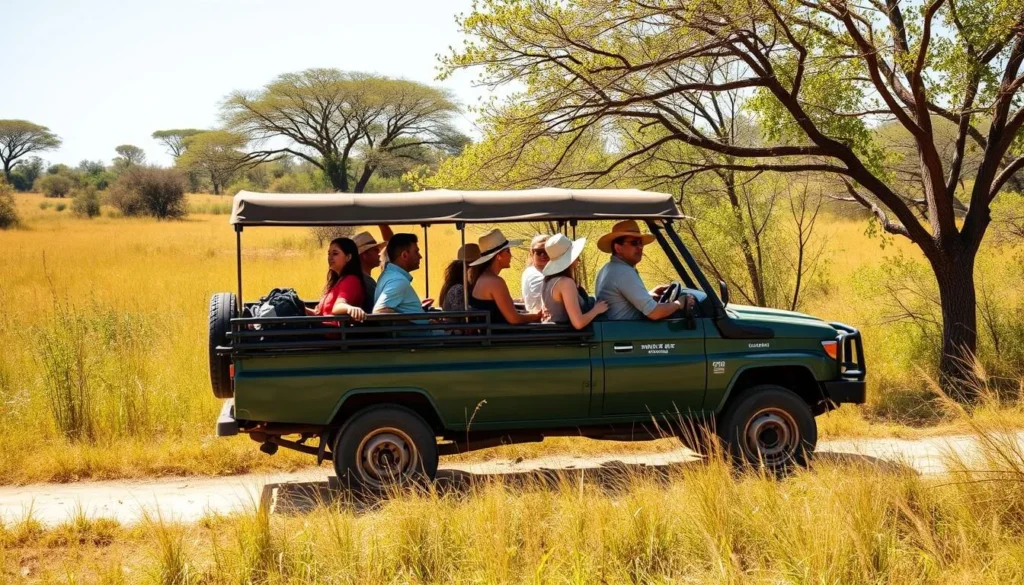
Exploring Kanha National Park is strictly regulated to protect the wildlife and their habitat. Here are the primary ways to get around:
Safari Options
- Jeep Safari: The most popular way to explore Kanha. Open 4×4 Gypsy vehicles take you through designated routes with an experienced naturalist and driver. Each jeep accommodates up to 6 tourists.
- Elephant Safari: Available primarily in the morning, elephant safaris offer a unique perspective and can venture into areas inaccessible to vehicles. These are often used for special tiger sighting programs.
- Canter Safari: Larger open vehicles that can accommodate up to 20 people, suitable for larger groups or budget travelers.
Safari Zones
Kanha National Park is divided into four main safari zones, each offering unique wildlife experiences:
- Kanha Zone: Known for its expansive meadows and high tiger density
- Mukki Zone: Famous for diverse wildlife and bird species
- Kisli Zone: Features dense forests and varied terrain
- Sarhi Zone: Less crowded with good opportunities for wildlife sightings
Safari Timings
| Season | Morning Safari | Evening Safari |
| October 16 to February 15 | 6:30 AM to 11:00 AM | 2:00 PM to 5:30 PM |
| February 16 to April 15 | 6:00 AM to 11:00 AM | 3:00 PM to 6:00 PM |
| April 16 to June 30 | 5:30 AM to 10:00 AM | 3:30 PM to 6:30 PM |
Booking Information: Safari permits must be booked in advance through the official Madhya Pradesh Forest Department website or through your accommodation. During peak season, permits can sell out weeks in advance. The park is closed every Wednesday afternoon for maintenance.
Where to Stay
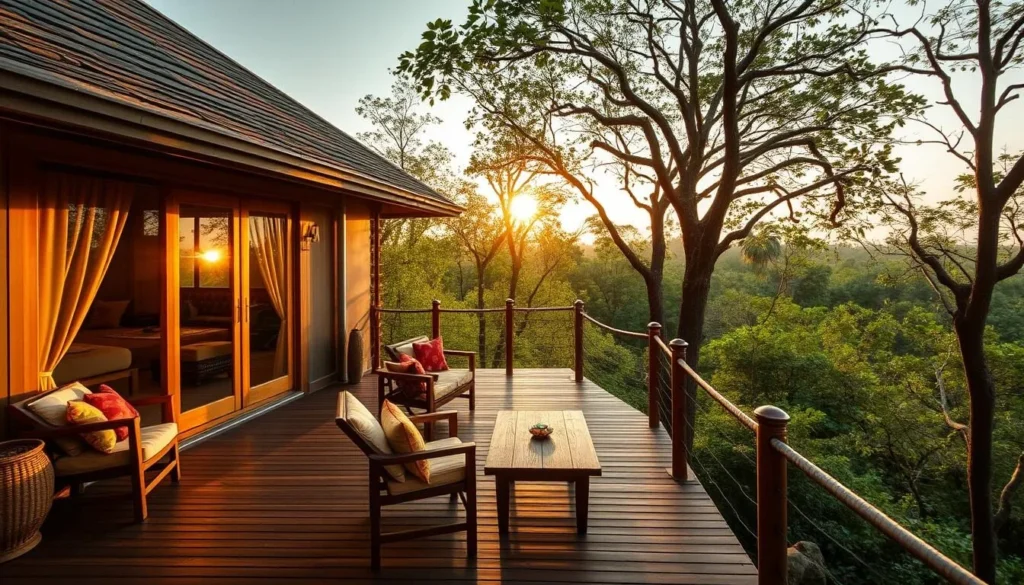
Kanha National Park offers a range of accommodation options to suit various budgets and preferences. Most lodges and resorts are located in the buffer zone around the park’s periphery, providing easy access to safari entry points.
Luxury Eco-Lodges
- Kanha Earth Lodge: Situated on 16 hectares (40 acres) of natural forest, this eco-friendly lodge offers 12 luxury bungalows built with local materials and sustainable practices.
- Banjaar Tola: A Taj Safari Lodge featuring 18 luxury tented suites set along the banks of the Banjaar River with private decks overlooking the water.
- Singinawa Jungle Lodge: Spread across 45 hectares (110 acres) of forest, offering 12 cottages and 2 luxury bungalows with private pools.
Mid-Range Options
- Kanha Jungle Lodge: One of the oldest establishments near the park, offering comfortable rooms and excellent naturalist guides.
- Chitvan Jungle Lodge: Features 12 spacious cottages with modern amenities while maintaining an eco-friendly approach.
- Tuli Tiger Resort: Located near the Mukki gate, offering comfortable rooms, a swimming pool, and spa facilities.
Budget Accommodations
- MPTDC White Tiger Forest Lodge: Government-run accommodation offering clean, basic rooms at affordable rates.
- Mogli Resort: Simple but comfortable rooms located near the Khatia gate.
- Kanha Safari Lodge: Budget-friendly option with basic amenities and good location.
“Staying within the buffer zone not only provides convenient access to the park but also offers its own wildlife experiences, with many animals visiting the lodge premises, especially at night.”
Booking Tip: Reserve your accommodation at least 2-3 months in advance during peak season (October to March). Many lodges offer package deals that include safaris, meals, and transfers from nearby airports or train stations.
Dining & Local Cuisine

Most visitors to Kanha National Park dine at their lodges or resorts, as there are limited standalone restaurants in the area. The dining experience typically features a mix of Indian, regional Madhya Pradesh specialties, and international cuisine.
Local Madhya Pradesh Specialties
- Dal Bafla: A local variation of dal baati, featuring wheat balls served with lentil curry
- Bhopali Gosht: Slow-cooked mutton in a rich, spicy gravy
- Mawa Bati: Sweet dumplings filled with khoya (reduced milk) and dry fruits
- Chakki ki Shaak: A unique dish made from wheat dough and spices
- Poha: Flattened rice cooked with spices, a popular breakfast item
Dining Experiences
Many lodges offer special dining experiences that enhance your stay:
- Bush Dinners: Outdoor dining experiences in natural settings
- Campfire Dinners: Evening meals around a bonfire with cultural performances
- Farm-to-Table: Several eco-lodges grow their own organic produce
Practical Dining Tips
- Most safari packages include all meals during your stay
- Carry water and snacks during safaris as they can last 3-4 hours
- Inform your accommodation about any dietary restrictions in advance
- Try the local tribal cuisine for an authentic experience
“The culinary experience at Kanha combines the rustic flavors of central India with modern interpretations, often using locally sourced ingredients that reflect the region’s agricultural heritage.”
Attractions, Sightseeing & Activities
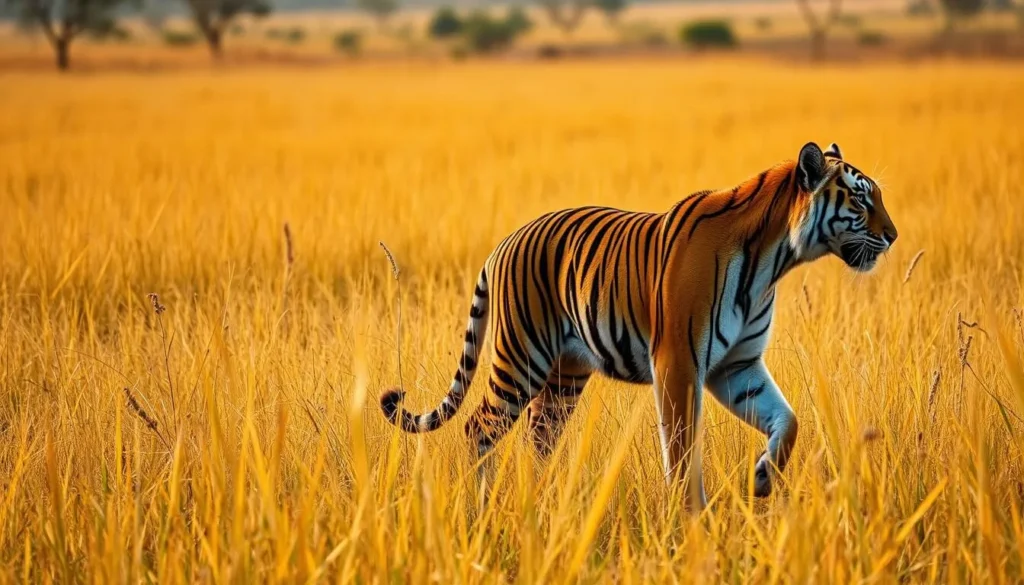
1. Wildlife Safari Adventures
The primary attraction at Kanha is the wildlife safari, offering opportunities to spot the magnificent Bengal tiger, leopards, sloth bears, and wild dogs (dholes). Each safari zone offers unique landscapes and wildlife viewing opportunities.
2. Tiger Tracking
Join specialized tiger tracking safaris led by expert naturalists who can identify tiger territories and recent movements. These focused excursions increase your chances of spotting the elusive big cats.
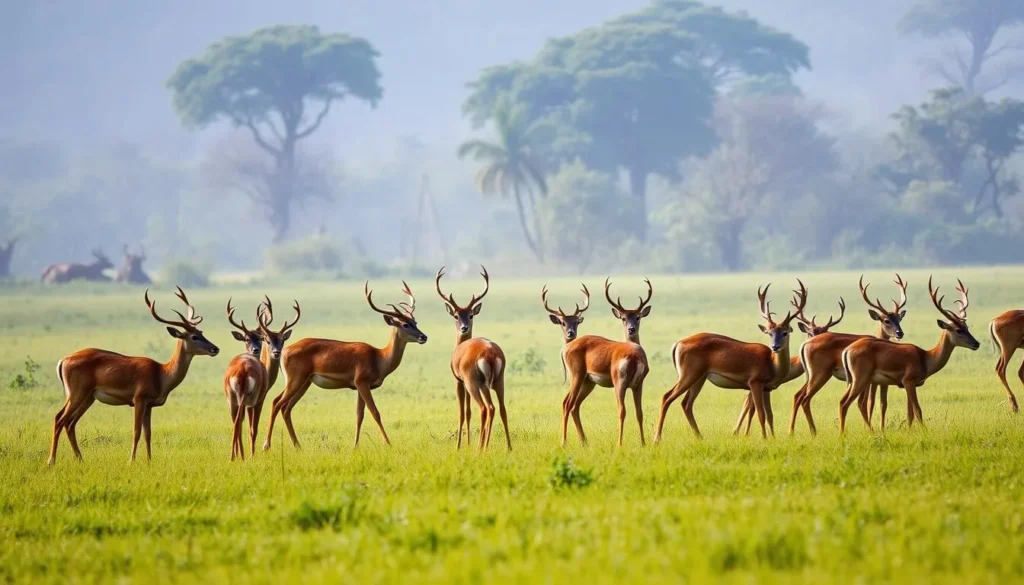
3. Barasingha Conservation
Kanha is famous for saving the hard-ground barasingha (swamp deer) from extinction. Once down to just 66 individuals, conservation efforts have increased their population to over 700. Special viewing areas allow you to observe these magnificent deer.
4. Elephant Safari
Experience the forest from a different perspective on an elephant-back safari. These gentle giants can access areas that vehicles cannot, offering unique wildlife viewing opportunities.
5. Night Safari in Buffer Zone
Explore the buffer zone of Kanha after dark on a night safari to spot nocturnal creatures like civets, porcupines, and nightjars. These safaris operate from 7:00 PM to 10:00 PM in designated areas.
6. Bamni Dadar (Sunset Point)
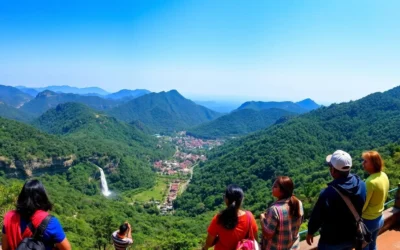
Visit the famous sunset point for breathtaking views of the park as the sun sets over the horizon. This vantage point offers excellent photography opportunities and panoramic views of the forest.
7. Nature Trails
Several guided nature walks are available in the buffer zone, allowing you to explore the rich biodiversity of the forest on foot. These walks focus on smaller creatures, plants, and birds often missed during vehicle safaris.
8. Bird Watching
With over 300 bird species, Kanha is a paradise for bird enthusiasts. Look for the Indian roller, paradise flycatcher, crested serpent eagle, and many migratory species during winter months.
Activity Booking: Most activities can be arranged through your accommodation. Safari permits should be booked well in advance through the official Madhya Pradesh Forest Department website or through your lodge.
Museums, Cultural Spots & Festivals
Kanha Museum
Located near the Khatia gate, the Kanha Museum offers insights into the park’s history, biodiversity, and conservation efforts. Displays include information about local wildlife, tribal cultures, and the successful conservation of the barasingha.
Tribal Village Visits
The buffer zone around Kanha is home to indigenous tribes like the Gond and Baiga communities. Several lodges organize guided visits to nearby villages where you can learn about traditional lifestyles, crafts, and cultural practices.
Local Crafts
The region is known for its tribal art, particularly Gond paintings characterized by intricate patterns and nature motifs. You can purchase authentic handicrafts and artwork from local artisans in villages around the park.
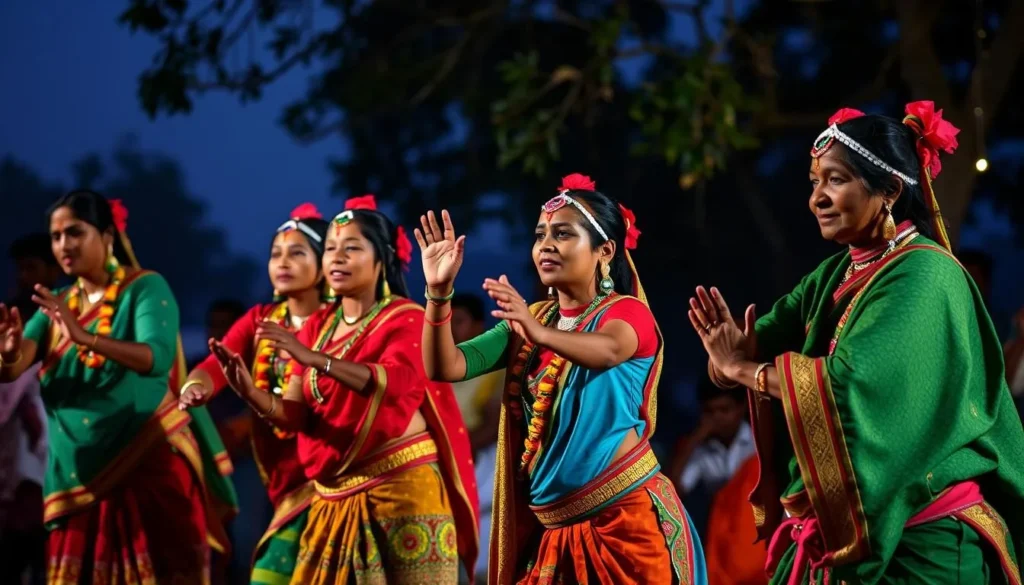
Cultural Performances
Many lodges arrange evening cultural programs featuring traditional tribal dances and music. These performances offer insights into the rich cultural heritage of the region.
Festivals
- Diwali (October/November): The festival of lights is celebrated throughout the region.
- Holi (March): The colorful spring festival is celebrated with enthusiasm in local villages.
- Navratri (September/October): Nine nights of dance and celebration dedicated to the goddess Durga.
- Wildlife Week (October): Special conservation awareness programs and activities are organized in and around the park.
“The tribal communities around Kanha have coexisted with the forest for generations, developing a deep understanding of the ecosystem that continues to inform conservation efforts today.”
Nature & Outdoor Experiences
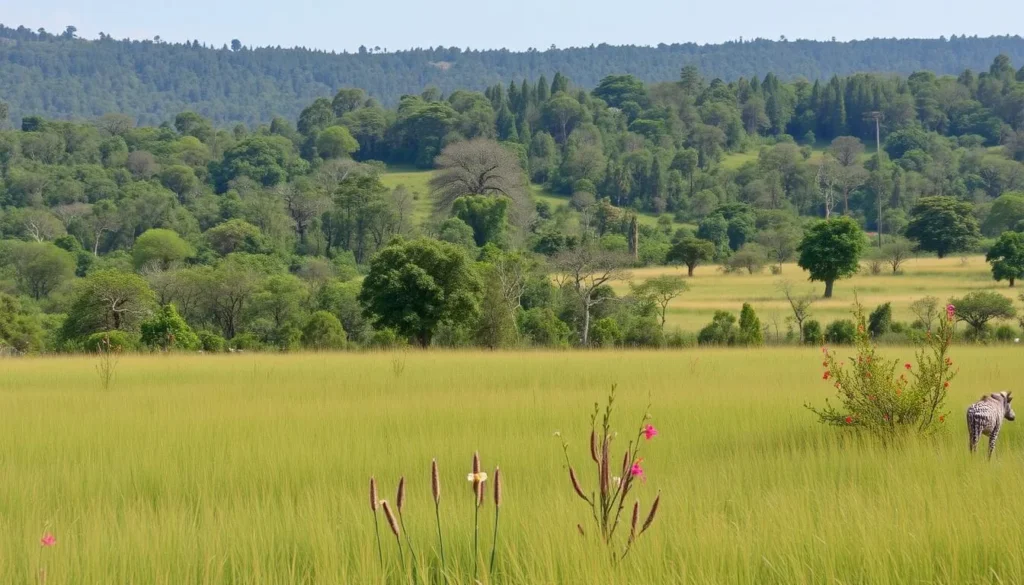
Flora Diversity
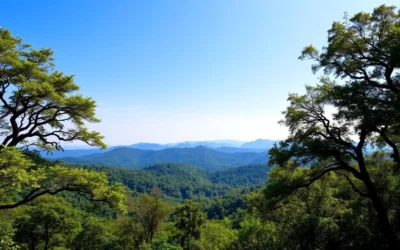
Kanha National Park features diverse vegetation zones including moist deciduous forests, dry deciduous forests, and extensive meadows. The park is home to over 600 flowering plant species. The dominant tree is sal, accompanied by other species like tendu, mahua, and bamboo thickets.
Wildlife Highlights
Beyond the famous tigers, Kanha hosts an impressive array of wildlife:
- Mammals: Leopards, sloth bears, wild dogs (dholes), jackals, Indian gaur (bison), sambar deer, spotted deer, and the rare hard-ground barasingha
- Birds: Over 300 species including the Indian roller, paradise flycatcher, black ibis, crested serpent eagle, and various hornbills
- Reptiles: Python, cobra, krait, viper, and monitor lizards
Nature Walks
Guided nature walks in the buffer zone offer opportunities to explore the forest’s smaller wonders – butterflies, insects, medicinal plants, and bird life – that are often missed during vehicle safaris.
Photography Opportunities
Kanha offers exceptional wildlife photography opportunities. The most photogenic locations include:
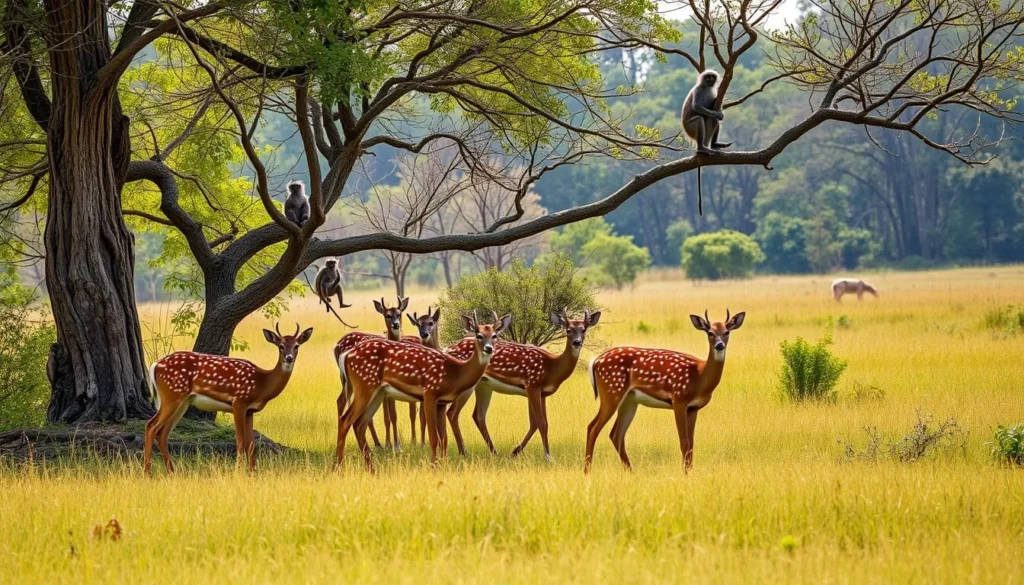
- Meadows: Open grasslands where herbivores gather, especially at dawn
- Water Holes: Particularly during summer months when animals congregate
- Bamni Dadar: The sunset point offering panoramic views
- Sal Forests: Beautiful light filtering through the canopy in early morning
Stargazing
The minimal light pollution around Kanha makes it an excellent location for stargazing. Many lodges offer guided stargazing sessions with information about constellations and celestial bodies.
“Kanha’s meadows, known locally as ‘maidans,’ are among the most beautiful in any Indian national park. These grassy expanses, ringed by sal forests, create perfect stages for wildlife viewing and photography.”
Safety, Etiquette & Local Customs
Safari Safety
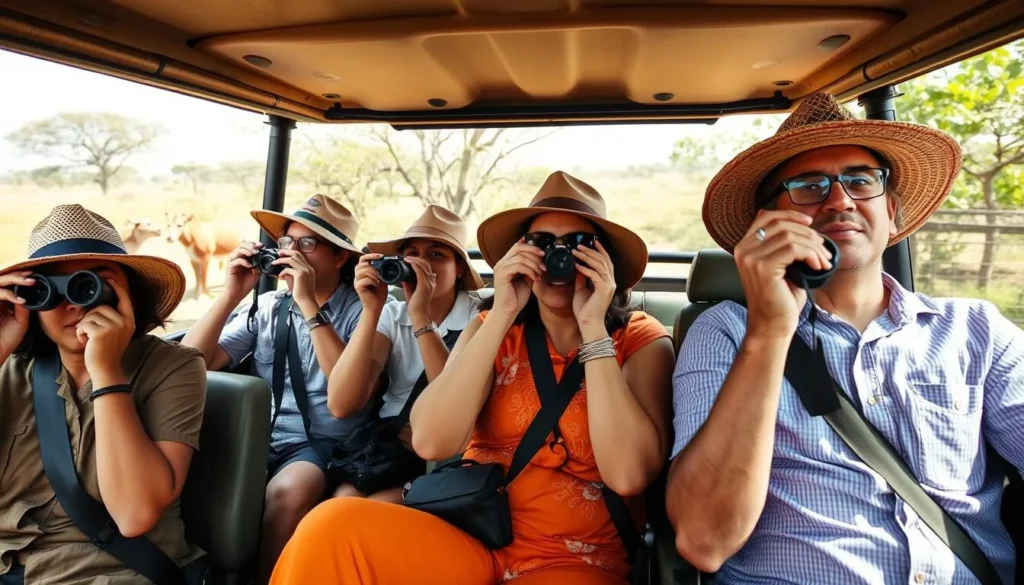
- Always remain seated in your safari vehicle unless instructed otherwise by your guide
- Maintain a safe distance from wildlife – never attempt to get closer for photos
- Follow your guide’s instructions at all times
- Wear neutral-colored clothing (avoid bright colors and white)
- Apply sunscreen and insect repellent before safaris
- Carry water to stay hydrated, especially during summer months
Park Etiquette
- Maintain silence during safaris to avoid disturbing wildlife
- No smoking or consumption of alcohol inside the park
- Do not litter – carry all trash back with you
- Photography is permitted, but flash photography is prohibited
- Drones are strictly prohibited in and around the park
- Respect park timings and rules
Cultural Sensitivity
When visiting local villages or interacting with tribal communities:
- Ask permission before photographing people
- Dress modestly, especially when visiting villages
- Remove shoes when entering homes if requested
- Accept offered hospitality (like tea) as a gesture of goodwill
- Support local artisans by purchasing authentic handicrafts
Health Precautions
- Carry basic medications and a first-aid kit
- Drink only bottled or filtered water
- Use insect repellent to protect against mosquitoes
- Inform your accommodation about any allergies or medical conditions
Important: Medical facilities around Kanha are limited. The nearest hospitals with advanced care are in Jabalpur and Nagpur. Consider travel insurance that covers emergency evacuation.
Visitor Comments About Kanha National Park
“Our three-day stay at Kanha was magical. We saw tigers on two consecutive safaris, including a mother with cubs! The guides were incredibly knowledgeable about animal behavior, which enhanced our experience tremendously. Don’t miss the early morning safaris when the forest comes alive with sounds and activity.”
“Kanha exceeded all our expectations. Beyond the thrill of spotting tigers, we were captivated by the sheer beauty of the landscape. The meadows surrounded by sal forests create picture-perfect settings. We stayed at an eco-lodge that arranged a visit to a local village, adding a cultural dimension to our wildlife adventure.”
“As an avid bird watcher, I found Kanha to be a paradise. While everyone else was focused on tigers, I logged over 120 bird species in just four days! The naturalists at our lodge were exceptional at spotting and identifying birds. The buffer zone walks were particularly rewarding for bird watching. Bring a good pair of binoculars!”
Additional Nearby Destinations
Bandhavgarh National Park
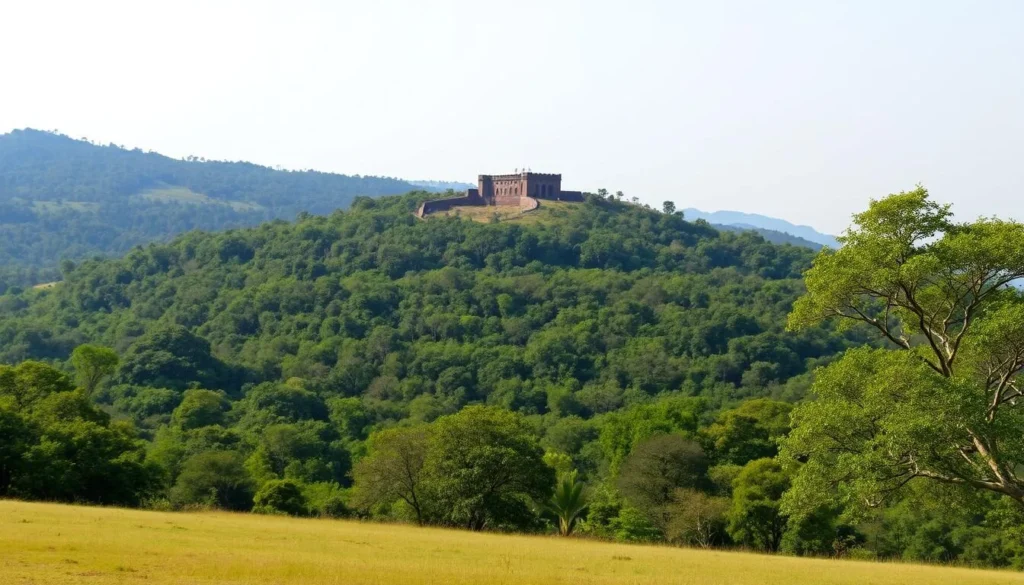
Located about 250 km (155 miles) from Kanha, Bandhavgarh boasts the highest density of tigers in India. The park is also home to an ancient fort and numerous caves with centuries-old rock paintings. Many travelers combine Kanha and Bandhavgarh for a comprehensive central Indian tiger safari experience.
Pench National Park
About 200 km (124 miles) from Kanha, Pench is another tiger reserve that inspired Rudyard Kipling’s “The Jungle Book.” The park features teak forests and the meandering Pench River, creating a different ecosystem from Kanha.
Jabalpur and Marble Rocks
The city of Jabalpur (160 km/99 miles from Kanha) is worth a visit for the spectacular Marble Rocks at Bhedaghat. These towering white marble cliffs line the Narmada River, creating a stunning gorge best explored by boat. Don’t miss the impressive Dhuandhar Falls nearby.
Amarkantak
About 150 km (93 miles) from Kanha, Amarkantak is a sacred pilgrimage site located at the meeting point of the Vindhya and Satpura mountain ranges. It’s the source of the Narmada River and features numerous temples and natural springs.
Tribal Villages of Chhattisgarh
The neighboring state of Chhattisgarh, accessible from the eastern side of Kanha, offers opportunities to explore traditional tribal villages and weekly markets where various indigenous communities gather to trade goods.
Practical Travel Tips
Safari Booking
- Book safari permits at least 2-3 months in advance through the official MP Forest Department website: www.forest.mponline.gov.in
- Consider booking through your accommodation for a hassle-free experience
- Plan for at least 4-6 safaris (2-3 days) to maximize wildlife sighting opportunities
- Try different zones for varied experiences
What to Pack
- Neutral-colored clothing (olive green, khaki, brown)
- Layered clothing (mornings can be cool, afternoons hot)
- Hat, sunglasses, and sunscreen
- Comfortable walking shoes
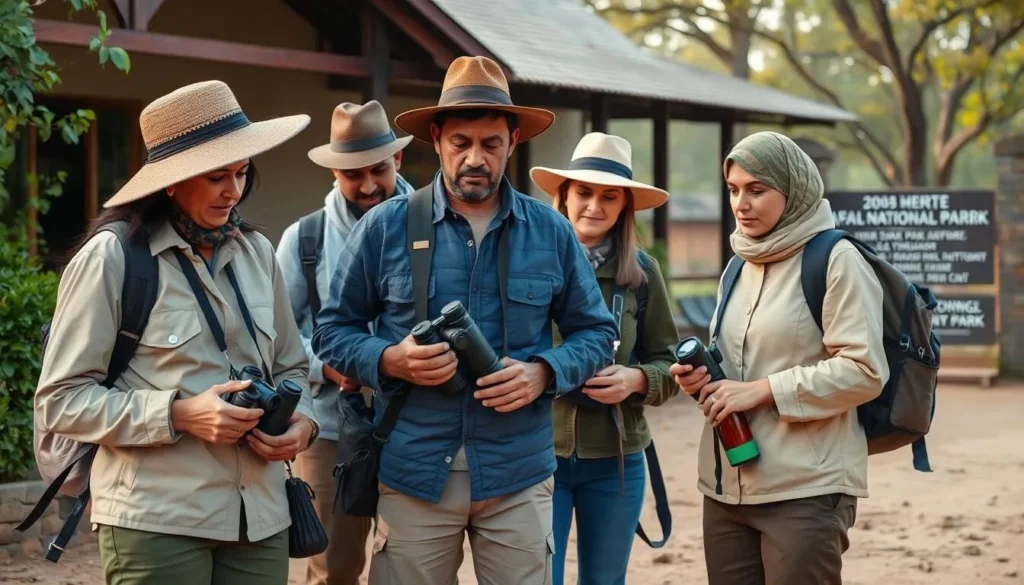
- Binoculars (essential for wildlife viewing)
- Camera with telephoto lens
- Insect repellent
- Reusable water bottle
Communication
Mobile network coverage is limited inside the park. Major providers like Airtel, Jio, and BSNL have coverage in the buffer zone and near the gates. Most accommodations offer Wi-Fi, though it may be slow or intermittent.
Money Matters
- Carry sufficient cash as ATMs are limited in the area
- The nearest ATMs are in Baihar and Mandla towns
- Most upscale accommodations accept credit cards
- Budget approximately ₹5,000-8,000 per safari (including vehicle, guide, and permit fees)
Language
Hindi is widely spoken. English is understood in tourist facilities and by guides. Learning a few basic Hindi phrases can enhance your interaction with locals.
For safari booking assistance, contact the Kanha National Park office:
Embrace the Wild Heart of India
Kanha National Park stands as a testament to India’s commitment to wildlife conservation and offers visitors a chance to witness nature at its most magnificent. From the thrill of spotting a Royal Bengal tiger in its natural habitat to the serene beauty of misty meadows at dawn, Kanha creates memories that last a lifetime. The park’s successful conservation stories, particularly that of the barasingha, demonstrate how tourism and conservation can work hand in hand to preserve these precious ecosystems for future generations. Whether you’re a wildlife enthusiast, photographer, or simply seeking connection with nature, Kanha National Park promises an authentic wilderness experience in the heart of incredible India. Plan your journey to this magical destination and discover why it continues to inspire visitors and conservationists alike.
The above is subject to change.
Check back often to TRAVEL.COM for the latest travel tips and deals.
0 Comments