
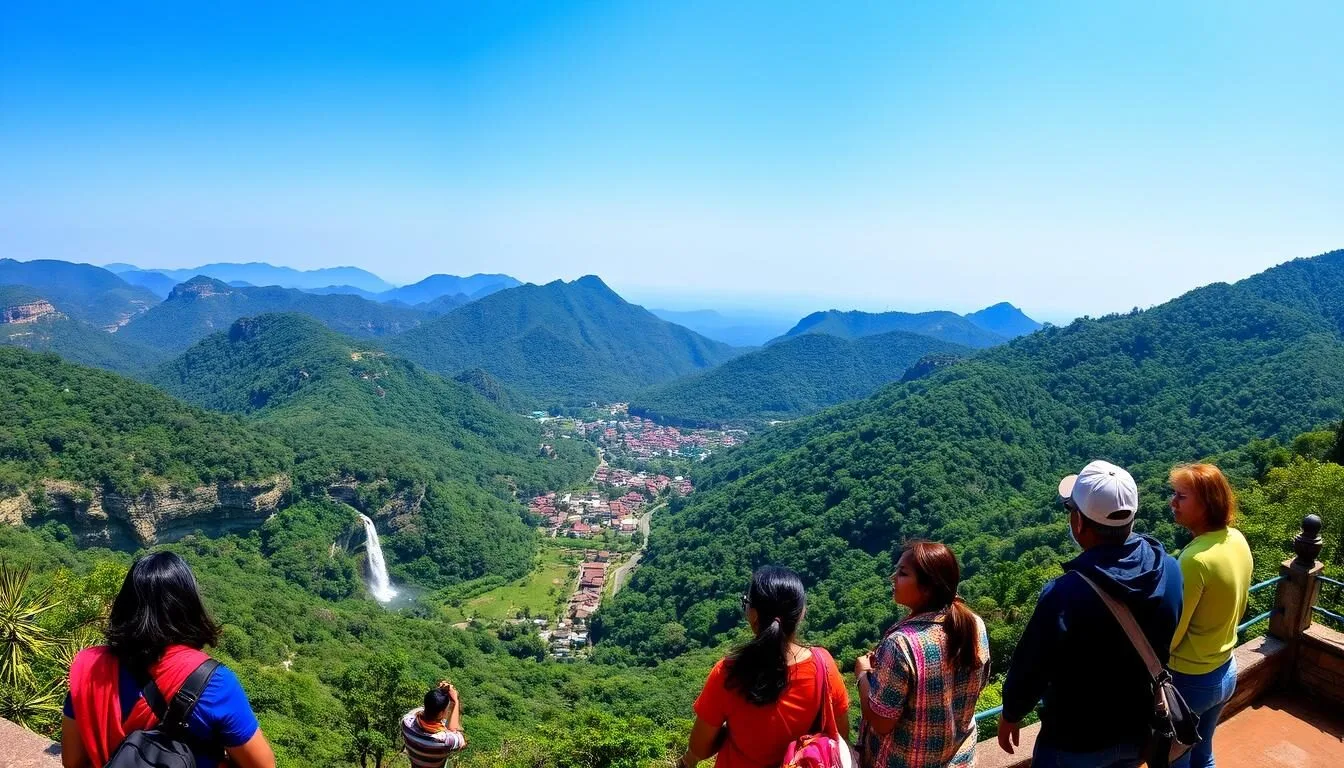
Did you know Pachmarhi is the only hill station in Madhya Pradesh, sitting at an elevation of 1,067 meters (3,500 feet) above sea level? Often called the “Queen of Satpura,” this hidden gem was discovered by Captain James Forsyth in 1857 and later developed into a hill resort during British rule. Today, this pristine destination offers a perfect blend of natural beauty, adventure, and spiritual experiences that make it a must-visit for travelers seeking respite from India’s bustling cities.
Getting There & Planning Your Journey
Reaching Pachmarhi requires some planning as it’s tucked away in the Satpura mountain range. The journey itself becomes part of the adventure as you traverse through changing landscapes of central India.
By Air
The nearest airports to Pachmarhi are:
- Raja Bhoj Airport in Bhopal (195 km)
- Jabalpur Airport (260 km)
From either airport, you’ll need to arrange road transportation to complete your journey to Pachmarhi.
By Train
Pipariya Railway Station (54 km from Pachmarhi) is the closest rail connection, well-connected to major cities like Delhi, Mumbai, Bhopal, and Jabalpur. Regular taxis and buses operate between Pipariya and Pachmarhi.
By Road
Pachmarhi is accessible by road from several major cities:
- Bhopal to Pachmarhi: 195 km (approximately 4-5 hours)
- Jabalpur to Pachmarhi: 260 km (approximately 6 hours)
- Nagpur to Pachmarhi: 250 km (approximately 6 hours)
State transport buses and private operators run regular services to Pachmarhi from these cities. The roads are generally well-maintained, making for a comfortable journey.
Best Time to Visit Pachmarhi
Pachmarhi enjoys pleasant weather throughout the year thanks to its elevation, but certain seasons offer better experiences depending on your interests.
Recommended Seasons
October to March (Best Overall)
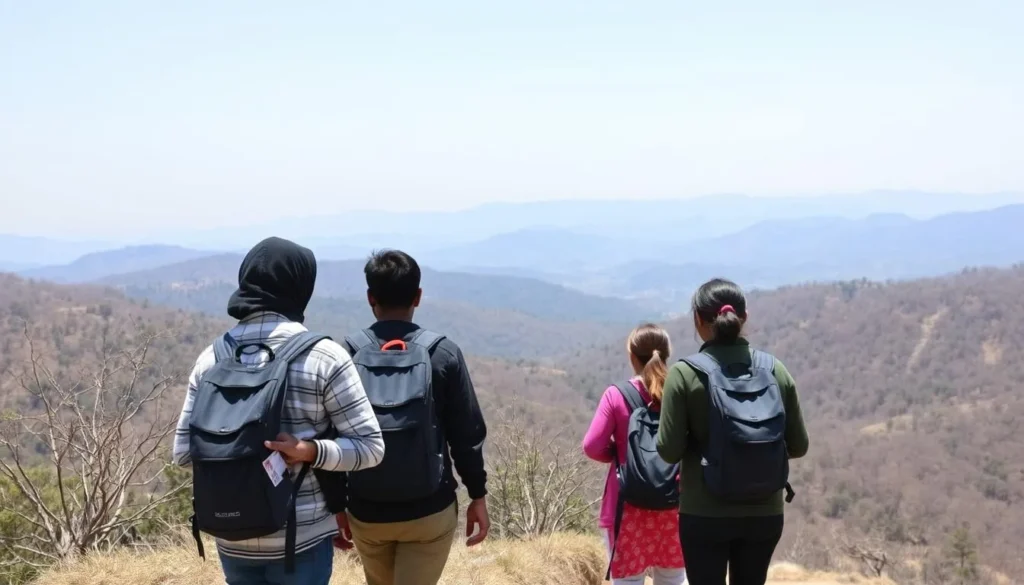
Winter brings pleasant temperatures ranging from 10°C to 25°C (50°F to 77°F). The clear skies and comfortable climate make this the ideal time for sightseeing, hiking, and outdoor activities. The forests are lush after the monsoon, and waterfalls remain full while being safely accessible.
April to June (Summer)
While the plains of Madhya Pradesh experience intense heat, Pachmarhi remains relatively cooler at 20°C to 35°C (68°F to 95°F). This makes it a popular summer retreat, though it can get crowded during school holidays. Early mornings and evenings are best for outdoor activities.
Seasons to Avoid
July to September (Monsoon): While Pachmarhi looks incredibly lush and the waterfalls are at their magnificent best during monsoon, heavy rainfall can cause landslides and make many trails inaccessible. Some attractions close during heavy rain periods, and leeches become common in the forests. If you do visit during monsoon, bring appropriate rain gear and check which attractions are open.
Getting Around Locally
Pachmarhi is a compact hill station where most attractions are spread across the town and surrounding forests. There are several ways to explore this charming destination.
Walking
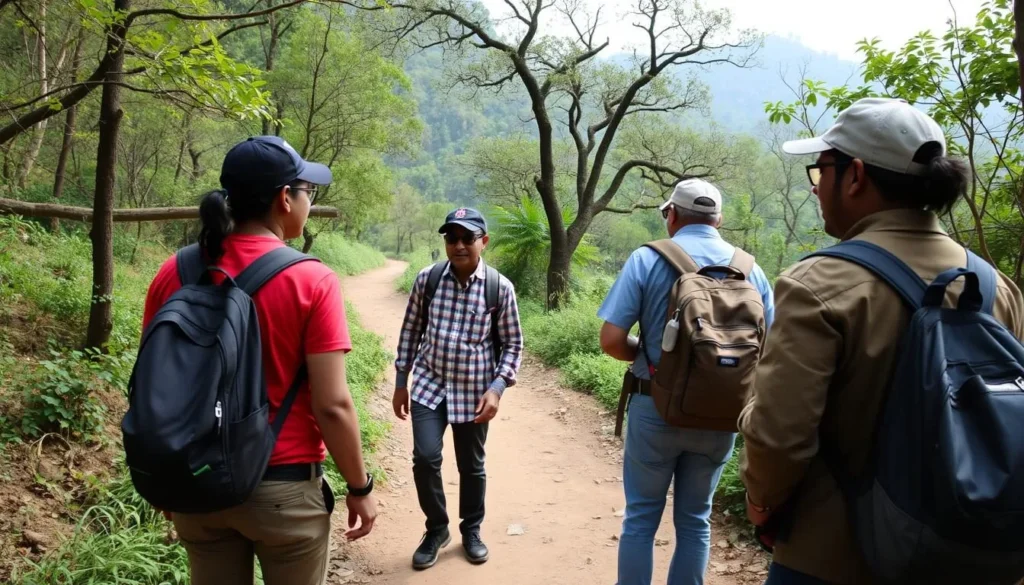
The town center is compact and best explored on foot. Many attractions within the town like Pandava Caves and Christ Church are within walking distance of each other.
Bicycles
Renting a bicycle is an eco-friendly way to explore Pachmarhi. Several shops in the main market offer bicycles for rent at approximately ₹100-200 per day.
Taxis and Auto-rickshaws
For visiting attractions that are further away, local taxis and auto-rickshaws are readily available. You can hire them for half-day or full-day tours. A full-day taxi tour costs approximately ₹1,500-2,000.
Guided Tours
The Forest Department organizes guided tours to various attractions in Pachmarhi. These tours include transportation and a guide who can provide valuable insights about the places you visit.
Note that some attractions in Pachmarhi are located within the Satpura Tiger Reserve, and you’ll need to obtain permits from the Forest Department to visit these places. The permits can be arranged at the Bison Lodge Museum.
Where to Stay
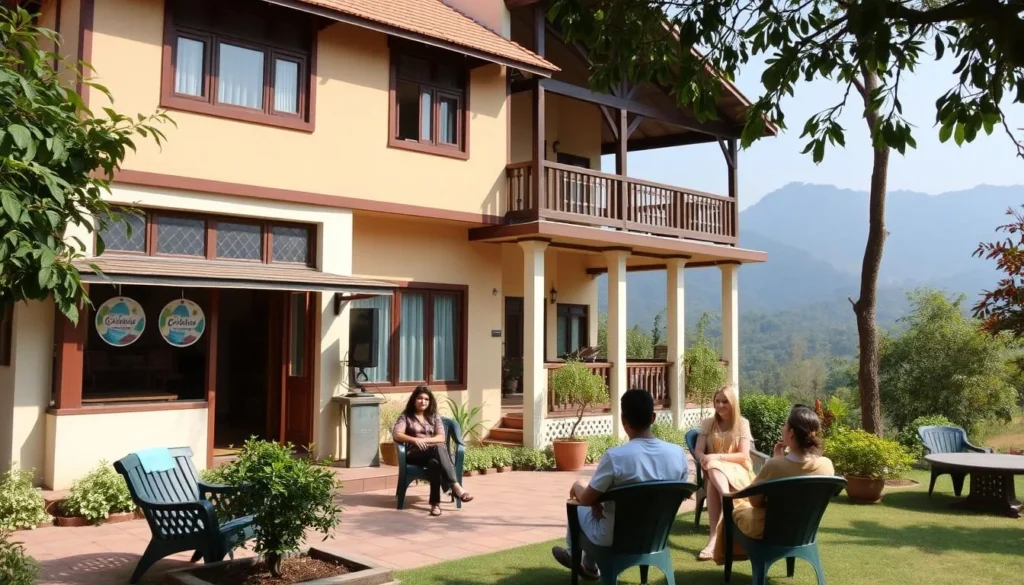
Pachmarhi offers a range of accommodation options to suit different budgets and preferences. From luxury resorts to budget guesthouses, you’ll find something that meets your needs.
Luxury Options
MPT Rock End Manor and Champak Bungalow offer heritage accommodation with modern amenities. These properties are managed by Madhya Pradesh Tourism and provide excellent service with rates ranging from ₹4,500 to ₹7,000 per night.
Mid-range Options
Golf View Resort and Woodland Resort offer comfortable stays with good amenities at rates between ₹2,500 and ₹4,000 per night. These resorts typically include gardens and in-house restaurants.
Budget Options
Several guesthouses and homestays like Jain Residency offer clean, basic accommodation at ₹1,000 to ₹2,000 per night. These are perfect for travelers on a budget who still want a comfortable place to rest.
Most accommodations in Pachmarhi are concentrated around the main market area or on the outskirts with scenic views. It’s advisable to book in advance, especially during peak season (October to March) and weekends when occupancy rates are high.
Dining & Local Cuisine
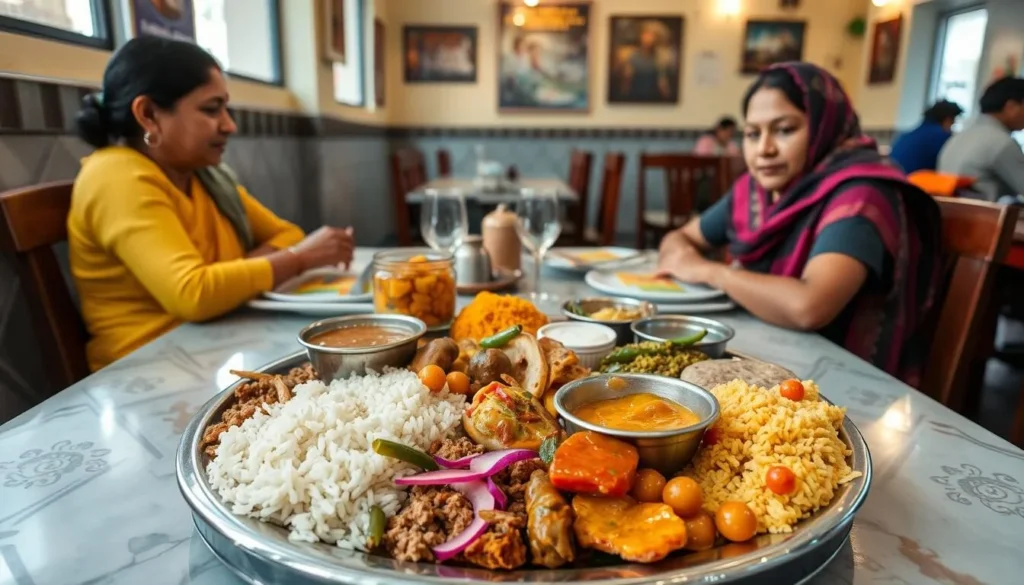
Pachmarhi’s food scene offers a mix of local Madhya Pradesh cuisine, North Indian favorites, and some continental options to cater to tourists. While not known as a culinary destination, you’ll find satisfying meals throughout your stay.
Where to Eat
Restaurant Options
- MPT Champak Bungalow Restaurant – Multi-cuisine dining in a heritage setting
- Golf View Heritage Restaurant – Quality dining with garden seating
- Marhaba Restaurant – Popular for North Indian dishes
- Green Valley Restaurant – Budget-friendly local cuisine
Local Specialties
- Dal Bafla – A variation of dal baati with wheat balls soaked in ghee
- Bhopali Gosht – Slow-cooked meat dish with rich spices
- Mawa Bati – Sweet dumplings filled with khoya and dry fruits
- Local honey – Pachmarhi is famous for its forest honey
Most resorts and hotels have in-house restaurants that serve quality food. For budget travelers, the main market area has several small eateries and street food stalls. Don’t miss trying the local forest honey, which makes for a great souvenir to take back home.
Attractions, Sightseeing & Activities
Pachmarhi is blessed with an abundance of natural beauty, historical sites, and adventure opportunities. Here are the must-visit attractions that should be on every traveler’s itinerary.
Waterfalls
Bee Falls
One of Pachmarhi’s most popular waterfalls, Bee Falls (also known as Jamuna Prapat) cascades from a height of 35 meters. The waterfall gets its name from the buzzing sound it creates as water flows through the rocks. It’s not just a scenic spot but also provides drinking water to Pachmarhi town.
Rajat Prapat (Silver Fall)
This magnificent 107-meter waterfall looks like a silver strip against the green forest backdrop, especially when sunlight falls on it. The trek to reach this waterfall is moderately challenging but rewarding with spectacular views.
Apsara Vihar
A small but picturesque waterfall with a natural pool that’s perfect for a refreshing dip. Local legend says British women used to bathe here, and locals thought they looked like apsaras (celestial nymphs), hence the name.
Caves and Historical Sites
Pandava Caves
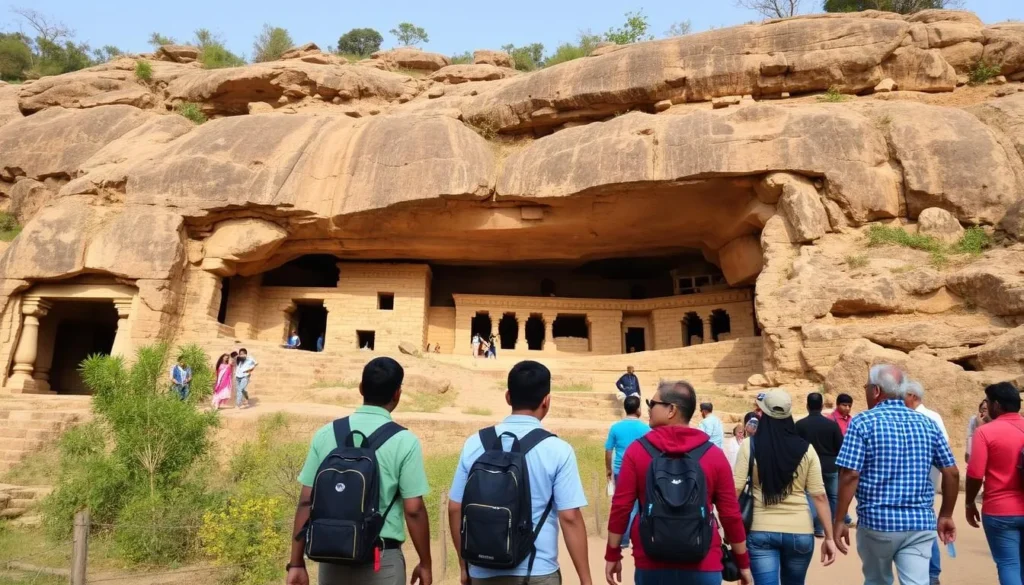
These five ancient rock-cut caves are believed to have sheltered the Pandava brothers during their exile, giving Pachmarhi its name (‘Panch’ meaning five and ‘marhi’ meaning caves). These Buddhist-era caves are now protected monuments.
Jata Shankar Caves
A sacred cave with natural rock formations resembling Lord Shiva’s matted locks (jata). The cave also has a formation resembling the hood of Sheshnag (the cosmic serpent) and houses a natural Shiva lingam.
Bison Lodge Museum
Built in 1862, this is the oldest building in Pachmarhi and was Captain Forsyth’s residence. Now converted into a museum, it displays the rich flora and fauna of the region through exhibits and photographs.
Viewpoints
Dhoopgarh
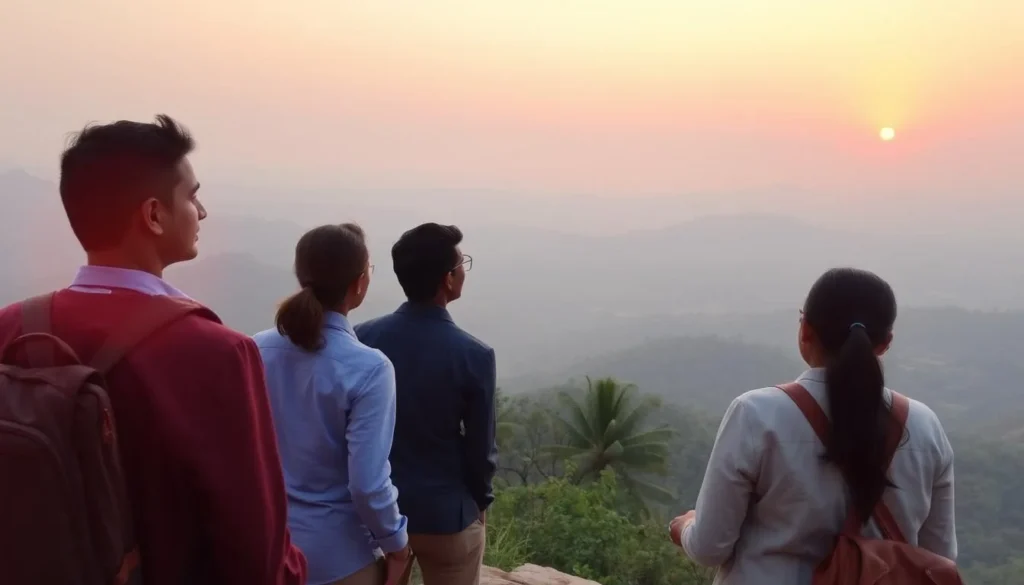
The highest point in the Satpura Range at 1,350 meters (4,429 feet) above sea level, offering breathtaking sunrise and sunset views. On a clear day, you can see the entire Satpura range stretching before you.
Priyadarshini Point (Forsyth Point)
This historic viewpoint is where Captain Forsyth first discovered Pachmarhi. It offers spectacular views of the valley and the Satpura ranges, including a clear view of the Handi Khoh ravine.
Museums, Cultural Spots & Festivals
Pachmarhi’s rich history and cultural heritage are reflected in its colonial architecture, temples, and seasonal festivals that bring the town to life.

Cultural and Religious Sites
Christ Church
Built in 1875, this Anglican church features beautiful Gothic architecture with Belgian stained glass windows and a peaceful atmosphere. The church stands as a reminder of Pachmarhi’s colonial past.
Chauragarh Temple
Perched atop Chauragarh peak, this temple dedicated to Lord Shiva requires climbing 1,380 steps to reach. The temple is famous for the thousands of tridents (trishuls) offered by devotees that create a unique spectacle.
Gupt Mahadev
A cave temple with a natural Shiva lingam, accessed through a narrow 40-foot passage. According to legend, Lord Shiva hid here to escape the demon Bhasmasur, giving the cave its name which means “Hidden Mahadev.”
Festivals
Pachmarhi comes alive during several festivals throughout the year:
- Pachmarhi Utsav (February/March) – A cultural festival celebrating local arts, crafts, and performances
- Mahashivratri (February/March) – Celebrated with great devotion at the Chauragarh Temple
- Monsoon Marathon (July/August) – A unique running event through the rain-soaked landscapes of Pachmarhi
- Pachmarhi Climbing Challenge (October) – A rock climbing competition that attracts adventure enthusiasts
Nature & Outdoor Experiences
The natural beauty of Pachmarhi offers numerous opportunities for outdoor enthusiasts to connect with nature and enjoy adventure activities.
Wildlife and Nature
Satpura National Park
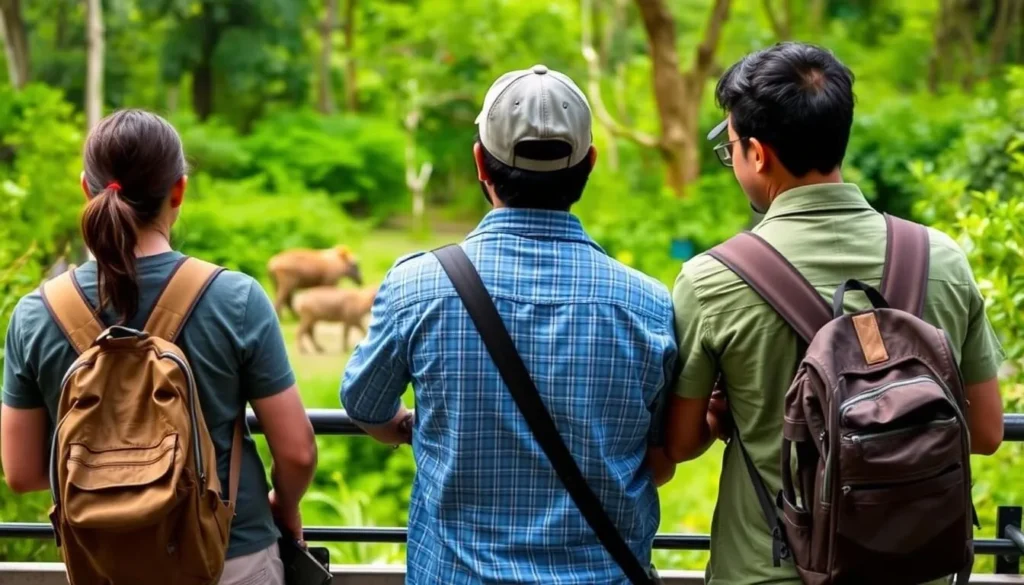
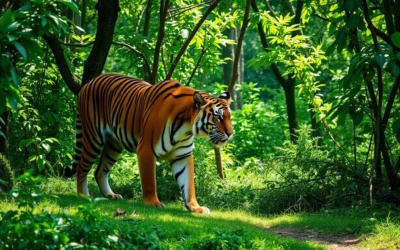
Part of the Pachmarhi Biosphere Reserve, this national park is home to tigers, leopards, gaur, sambar deer, and over 300 species of birds. Safari options include jeep safaris, walking safaris, and boat safaris on Denwa River.
Satpura Tiger Reserve
One of India’s lesser-known tiger reserves, offering a more intimate wildlife experience away from crowds. The reserve covers 524 square kilometers of diverse habitats including dense forests, grasslands, and rocky terrain.
Adventure Activities
Pachmarhi offers numerous adventure activities for thrill-seekers:
- Trekking – Popular trails include the trek to Duchess Fall, Chauragarh Temple, and Reechgarh
- Rock Climbing – The Satpura range offers excellent opportunities for rock climbing and rappelling
- Mountain Biking – Explore the forest trails on mountain bikes available for rent in town
- Horse Riding – Available near Pansy Pool and the main market area
- Paragliding – Seasonal paragliding opportunities with views of the Satpura range
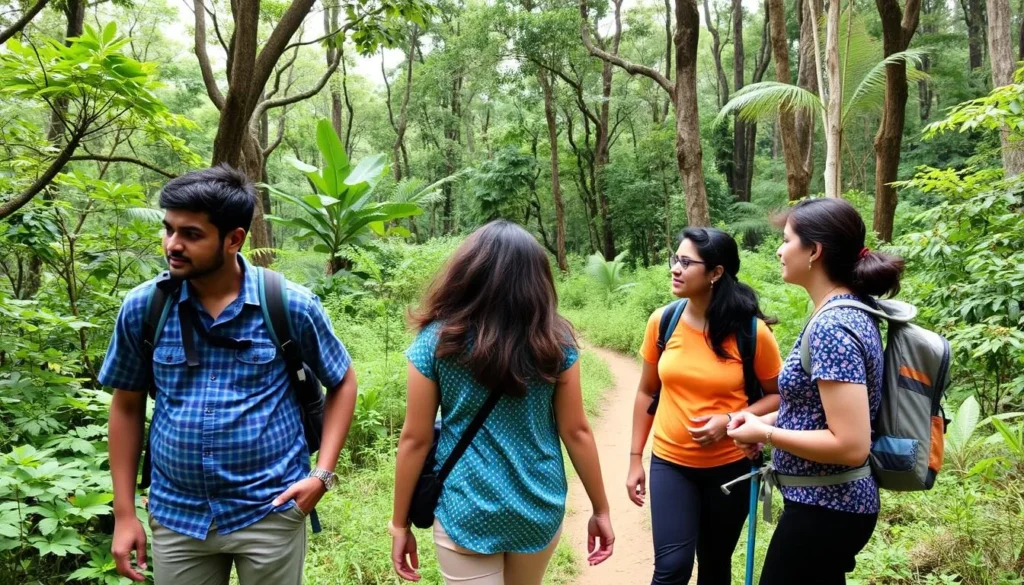
For those seeking a more relaxed experience, nature walks through the forests of Pachmarhi offer opportunities to spot birds, butterflies, and medicinal plants with the guidance of local naturalists.
Safety, Etiquette & Local Customs
Ensuring a safe and respectful visit to Pachmarhi enhances your experience while preserving the natural and cultural heritage of this beautiful hill station.
Safety Tips
- Carry basic medications, insect repellent, and sunscreen, especially when trekking
- Wear comfortable footwear suitable for walking on uneven terrain
- During monsoon, be cautious of slippery paths and potential landslides
- Always follow guidelines when visiting wildlife areas and never feed wild animals
- Carry sufficient water when exploring remote areas
- Inform your hotel about your itinerary if venturing into forests or on long treks
Local Etiquette
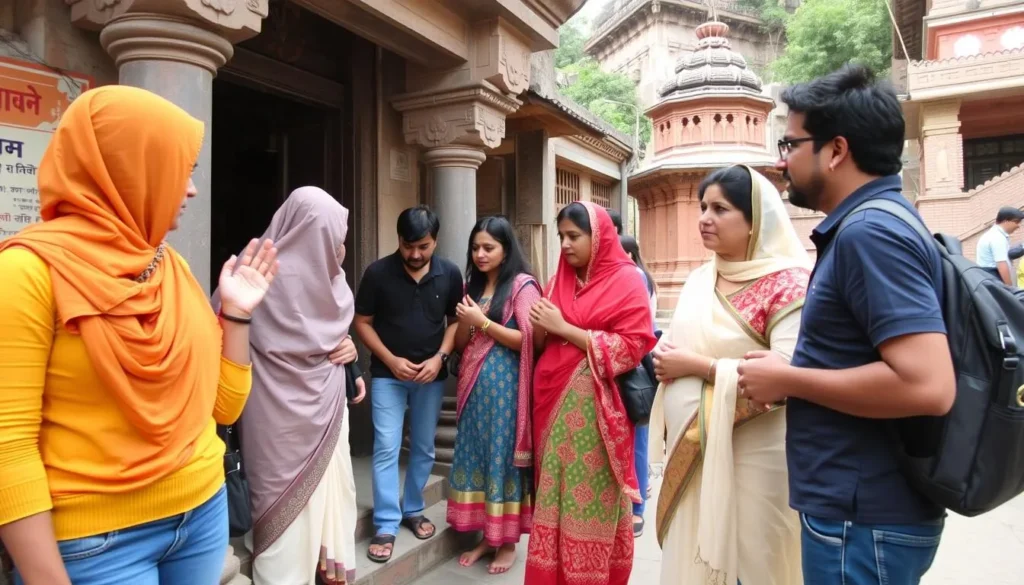
- Dress modestly when visiting temples and religious sites
- Remove shoes before entering temples and sacred places
- Ask permission before photographing local people
- Respect the tranquility of natural spaces by avoiding loud music or noise
- Follow “Leave No Trace” principles by not littering and respecting wildlife
Pachmarhi is generally a safe destination with friendly locals. The town has a significant military presence due to the Army cantonment, adding to the overall security. Basic medical facilities are available in town, but for serious medical issues, larger hospitals are in Pipariya or Bhopal.
Visitor Comments About Pachmarhi
“Pachmarhi was the highlight of our Madhya Pradesh trip. The waterfalls were spectacular, especially Bee Falls where we spent hours just enjoying the natural pool. The trek to Chauragarh Temple was challenging but worth every step for the panoramic views and spiritual atmosphere. Don’t miss watching the sunset from Dhoopgarh!”
“As an avid nature photographer, Pachmarhi was paradise. The biodiversity in Satpura National Park is incredible, and I spotted over 40 bird species in just two days. The morning mist in the valleys creates magical lighting conditions. The local guides were knowledgeable and helped me find perfect spots for landscape photography.”
“We visited Pachmarhi with our family during winter, and it was perfect weather for exploring. The colonial charm of the town, combined with natural attractions, kept everyone engaged. The Pandava Caves fascinated our history-loving teenagers, while the younger kids enjoyed splashing in Apsara Vihar. Accommodation at MPT Rock End Manor was comfortable with excellent service.”
Additional Nearby Destinations
While Pachmarhi offers plenty to see and do, there are several interesting destinations nearby that can be combined with your Pachmarhi trip.
Tamia (49 km)
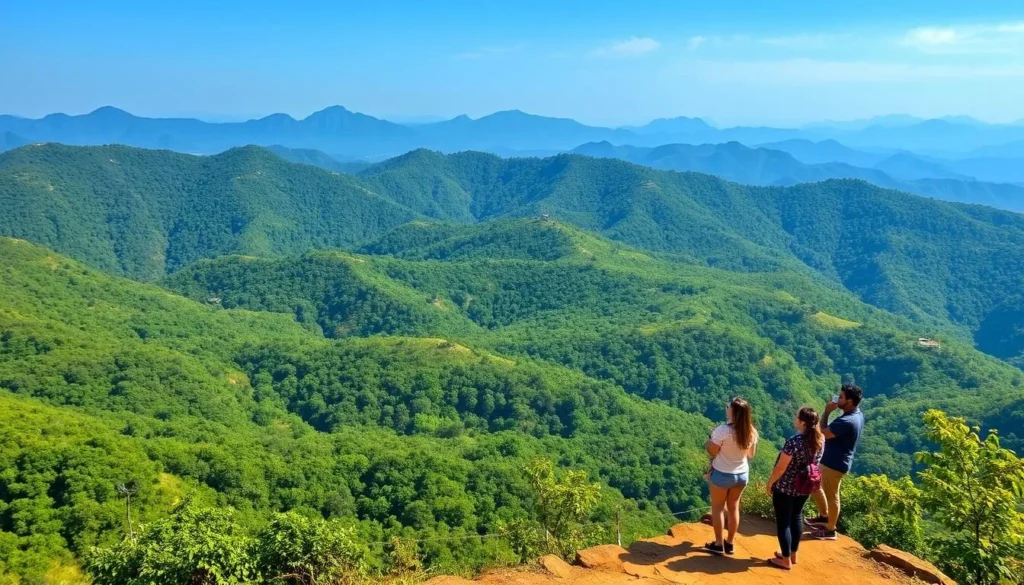
A lesser-known hill destination with spectacular viewpoints and tribal villages. Tamia offers pristine natural beauty without crowds and is perfect for those seeking solitude and authentic experiences.
Tawa Reservoir (114 km)
A large reservoir offering boating opportunities and beautiful landscapes. The surrounding forests are rich in wildlife, and the reservoir itself is a haven for bird watchers.
Bhopal (195 km)
The capital city of Madhya Pradesh, known for its lakes, museums, and historical monuments including the impressive Taj-ul-Masjid, one of India’s largest mosques.
If you have more time, consider extending your trip to include Pench National Park (about 250 km) or Kanha National Park (about 350 km) for world-class tiger safaris and wildlife experiences.
Practical Travel Tips
These practical tips will help you make the most of your Pachmarhi adventure while avoiding common pitfalls.
Essential Information
- Language: Hindi is widely spoken. English is understood in tourist areas and hotels.
- Currency: Indian Rupee (INR). ATMs are available in town, but carry cash for remote areas.
- Electricity: 230V, 50Hz with Indian-style sockets (Type D). Carry adapters if needed.
- Mobile Connectivity: Major networks like Airtel, Jio, and BSNL work well in town but may be limited in remote areas.
- Forest Permits: Required for visiting certain areas within the Satpura Tiger Reserve.
Packing Essentials
- Comfortable walking shoes with good grip
- Light woolens during winter (October to February)
- Rain gear if visiting during or just after monsoon
- Insect repellent and sunscreen
- Reusable water bottle to reduce plastic waste
- Binoculars for wildlife spotting and birdwatching
- Power bank for charging devices during long outings
Time Management
A minimum of 3 days is recommended to explore Pachmarhi properly. If you’re interested in wildlife safaris in Satpura National Park, add at least one more day. Most attractions close by sunset, so plan your day accordingly, starting early to make the most of daylight hours.
Your Satpura Sanctuary Awaits
Pachmarhi offers a rare combination of natural beauty, adventure, spirituality, and colonial heritage that makes it a unique destination in central India. Whether you’re watching the sun set from Dhoopgarh, taking a refreshing dip in the waterfalls, exploring ancient caves, or spotting wildlife in Satpura National Park, Pachmarhi rewards visitors with experiences that linger in memory long after the journey ends. This “Queen of Satpura” may require some effort to reach, but as countless travelers have discovered, the rewards far outweigh the journey. Pack your bags, bring your sense of adventure, and prepare to be enchanted by this hidden gem in the heart of India.
The above is subject to change.
Check back often to TRAVEL.COM for the latest travel tips and deals.


0 Comments