
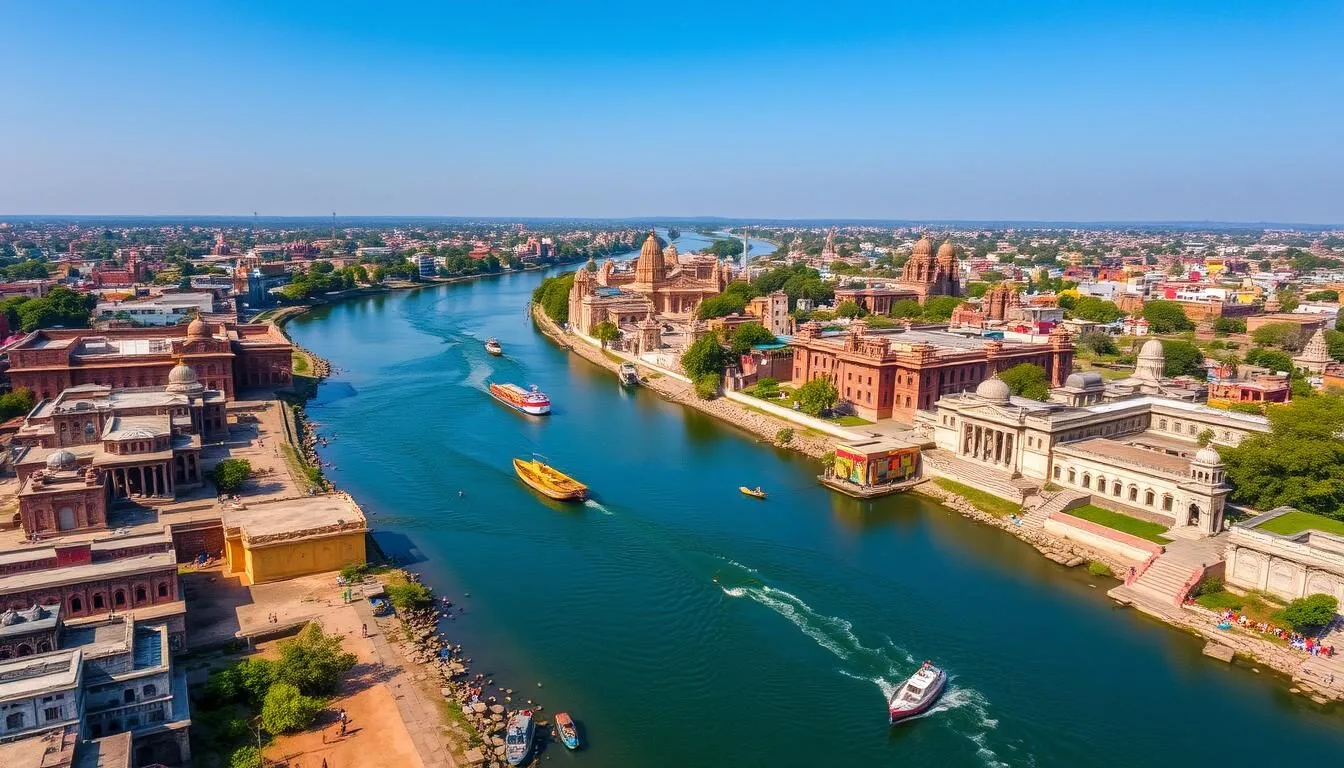
Did you know that Ujjain is home to one of the 12 sacred Jyotirlingas in India, where the Shiva lingam is believed to be self-manifested, drawing over 20,000 devotees daily? This ancient city, dating back 5,000 years, stands as one of India’s seven sacred cities and was once the prime meridian for Hindu astronomers, marking the first longitude of ancient Indian geography.
Located on the eastern banks of the sacred Shipra River in Madhya Pradesh, Ujjain blends spiritual significance with historical grandeur. Whether you’re seeking spiritual enlightenment, fascinated by ancient astronomy, or simply exploring India’s cultural heritage, Ujjain offers a journey through time that connects you with centuries of tradition and devotion.
Getting There & Planning Your Journey
The closest airport to Ujjain is Devi Ahilyabai Holkar Airport in Indore, approximately 55 km (34 miles) away. From there, you can hire a taxi or take a bus to reach Ujjain. The journey typically takes about 1.5 hours by road.
Ujjain is well-connected by rail, with Ujjain Junction being a major railway station on the Western Railway zone. Direct trains connect Ujjain to major cities like Delhi, Mumbai, Kolkata, and Bangalore.
If you prefer traveling by road, Ujjain has excellent bus connectivity with major cities in Madhya Pradesh and neighboring states. The Madhya Pradesh State Road Transport Corporation (MPSRTC) operates regular bus services to and from Ujjain.
When planning your trip, consider allocating at least 2-3 days to fully explore the city’s spiritual and historical attractions. For pilgrims visiting during major festivals like Kumbh Mela, longer stays may be necessary due to the large crowds and extensive celebrations.
Best Time to Visit & Weather Tips
Recommended Seasons
The best time to visit Ujjain is from October to March when the weather is pleasant and ideal for sightseeing. During these months, temperatures range from 10°C to 25°C (50°F to 77°F), making it comfortable to explore the city’s numerous temples and historical sites.
- October to November: Post-monsoon season with clear skies and moderate temperatures
- December to February: Winter season with cool, pleasant weather perfect for extended sightseeing
- March: Early spring with gradually warming temperatures but still comfortable
Seasons to Avoid
Summer months (April to June) can be extremely hot in Ujjain, with temperatures often exceeding 40°C (104°F). This makes outdoor exploration challenging, especially during midday hours.
The monsoon season (July to September) brings heavy rainfall to the region. While this makes the surroundings lush and green, it can hamper sightseeing plans and access to certain attractions.
Festival Considerations
If you’re interested in experiencing the Simhasth Kumbh Mela, which occurs in Ujjain every 12 years, plan well in advance. The next Kumbh Mela in Ujjain is scheduled for 2028. During this period, the city hosts millions of pilgrims, so accommodations should be booked months ahead.
| Season | Months | Temperature Range | Crowd Level | Recommendation |
| Winter | December-February | 10-25°C (50-77°F) | Moderate | Highly Recommended |
| Spring | March | 15-30°C (59-86°F) | Moderate | Recommended |
| Summer | April-June | 30-45°C (86-113°F) | Low | Not Recommended |
| Monsoon | July-September | 25-35°C (77-95°F) | Low | Not Ideal |
| Autumn | October-November | 15-30°C (59-86°F) | Moderate | Highly Recommended |
Getting Around Locally
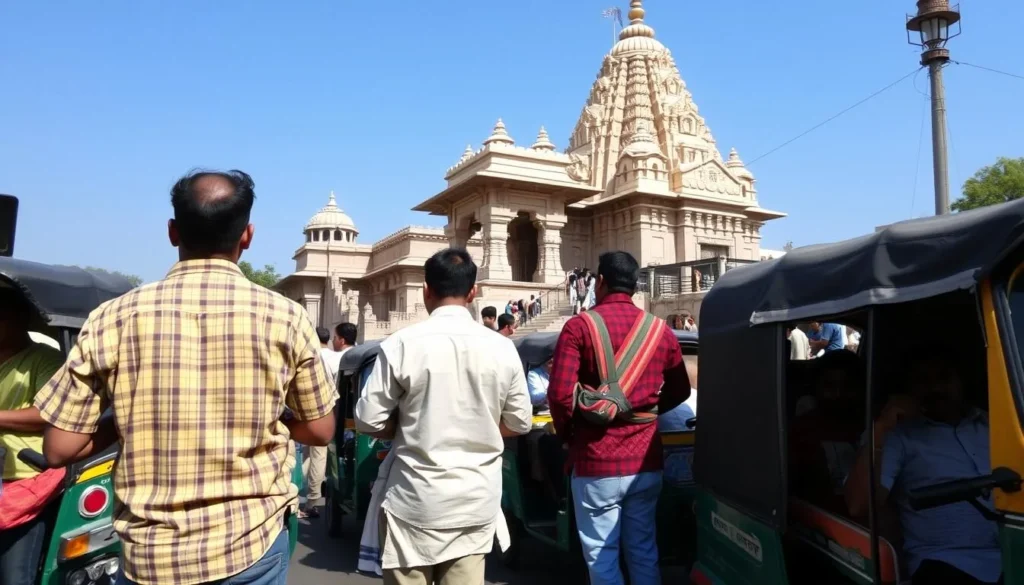
Navigating Ujjain is relatively straightforward, with several affordable and convenient transportation options available:
Auto Rickshaws
The most popular mode of transportation in Ujjain is the auto rickshaw. Shared auto rickshaws operate on fixed routes and cost around ₹10-15 per person, making them an economical choice. Private auto rickshaws can be hired for around ₹100-150 per hour, depending on your negotiation skills.
Cycle Rickshaws
For shorter distances, especially around the temple areas, cycle rickshaws are a good option. They’re environmentally friendly and can navigate through narrow lanes that vehicles can’t access.
Tongas
Horse-drawn carriages known as tongas offer a traditional way to explore the city. They’re particularly popular among tourists for their novelty value and are reasonably priced.
Local Buses
The Madhya Pradesh State Road Transport Corporation operates city buses that connect major parts of Ujjain. Fares range from ₹5-20 depending on the distance. While economical, they may not be the most convenient option for tourists due to crowding and limited frequency.
Taxis and Ride-Sharing
App-based ride-sharing services and local taxi services are available in Ujjain. These provide a comfortable way to explore the city, especially if you’re traveling in a group or visiting multiple locations in a day.
Most of Ujjain’s major attractions are concentrated in a relatively small area, making it possible to cover several sites on foot if you’re staying in the central part of the city. However, for visiting attractions on the outskirts like Kaliadeh Palace, hiring a vehicle is recommended.
Where to Stay
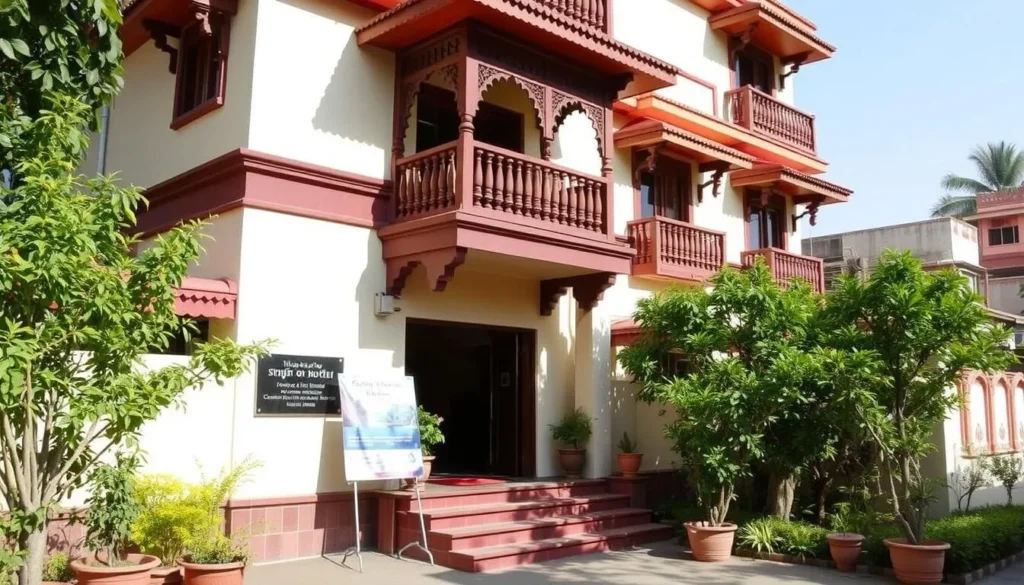
Ujjain offers a range of accommodation options to suit different budgets and preferences. Most hotels are concentrated around the temple areas and the city center, providing easy access to major attractions.
Luxury Options
For travelers seeking comfort and premium amenities, Ujjain has several 4-star and 5-star properties. These hotels typically offer spacious rooms, multiple dining options, and additional facilities like swimming pools and spa services. Prices range from ₹4,000-8,000 (approximately €40-80) per night.
- Shipra Residency
- Anjushree Hotel
- Hotel Ashray
Mid-Range Accommodations
Mid-range hotels in Ujjain provide comfortable stays with essential amenities at reasonable prices. These properties are popular among families and travelers looking for good value. Expect to pay between ₹1,500-3,500 (approximately €15-35) per night.
- Hotel Avika
- Hotel Rajhans
- Hotel Samrat
Budget Stays
Budget travelers will find numerous affordable options in Ujjain, including small hotels and guesthouses. While basic in amenities, these accommodations are clean and conveniently located. Prices typically range from ₹500-1,500 (approximately €5-15) per night.
Dharamshalas and Ashrams
For pilgrims and those seeking a more authentic spiritual experience, Ujjain has several dharamshalas (pilgrim rest houses) and ashrams that offer simple accommodations at minimal cost. These are often located near major temples and provide basic facilities with a focus on spiritual ambiance rather than luxury.
During major festivals, especially the Kumbh Mela, accommodation prices in Ujjain can increase significantly, and availability becomes limited. If you’re planning to visit during such periods, it’s advisable to book well in advance.
Dining & Local Cuisine
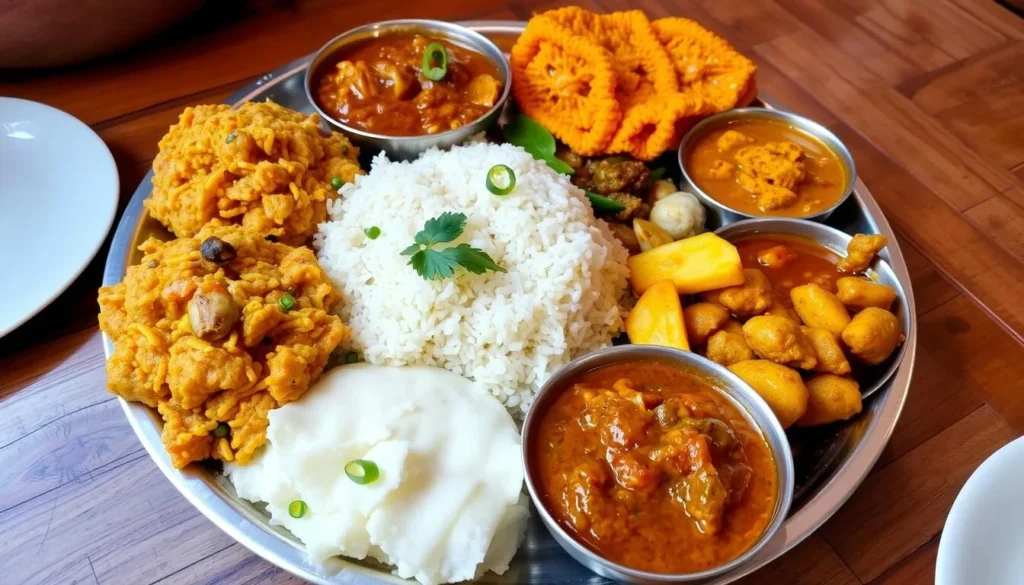
Ujjain’s culinary scene reflects the rich flavors of Malwa cuisine, characterized by its unique blend of spices and predominantly vegetarian offerings. The city’s food culture is deeply influenced by its spiritual significance, with many restaurants serving pure vegetarian fare.
Must-Try Local Specialties
- Poha-Jalebi: A popular breakfast combination featuring flattened rice flakes (poha) seasoned with spices, paired with sweet, crispy jalebis
- Dal Bafla: A regional variation of dal baati, where wheat dough balls are baked, then soaked in ghee and served with dal
- Mawa Bati: A sweet delicacy made from khoya (reduced milk) stuffed with dry fruits and cardamom
- Thandai: A refreshing milk-based drink flavored with almonds, fennel seeds, saffron, and cardamom, often served during festivals
- Bhang: A traditional drink made from cannabis leaves, particularly popular during the Mahashivratri festival (consume with caution as it contains mild intoxicants)
Dining Areas
The area around Mahakaleshwar Temple is dotted with numerous eateries serving traditional food. Sarafa Bazaar transforms into a bustling food street in the evenings, offering a variety of street food options and sweets.
Restaurant Recommendations
For an authentic local dining experience, consider visiting established restaurants like Shri Nath Ji Restaurant, Purohit Restaurant, or Hotel Avika Restaurant. These establishments serve traditional Malwa cuisine in clean, comfortable settings.
Street Food
Ujjain’s street food scene is vibrant and offers a taste of local flavors at affordable prices. Popular street food items include kachoris, samosas, and various chaat preparations. The evening food stalls at Ram Ghat provide a unique dining experience with views of the Shipra River.
“The true flavor of Ujjain isn’t just in its temples but also in its traditional Malwa cuisine that has remained unchanged for centuries.”
As Ujjain is a religious city, most restaurants serve vegetarian food only. Alcohol is generally not served in restaurants near temple areas, though some hotels may offer it in their in-house restaurants.
Attractions, Sightseeing & Activities
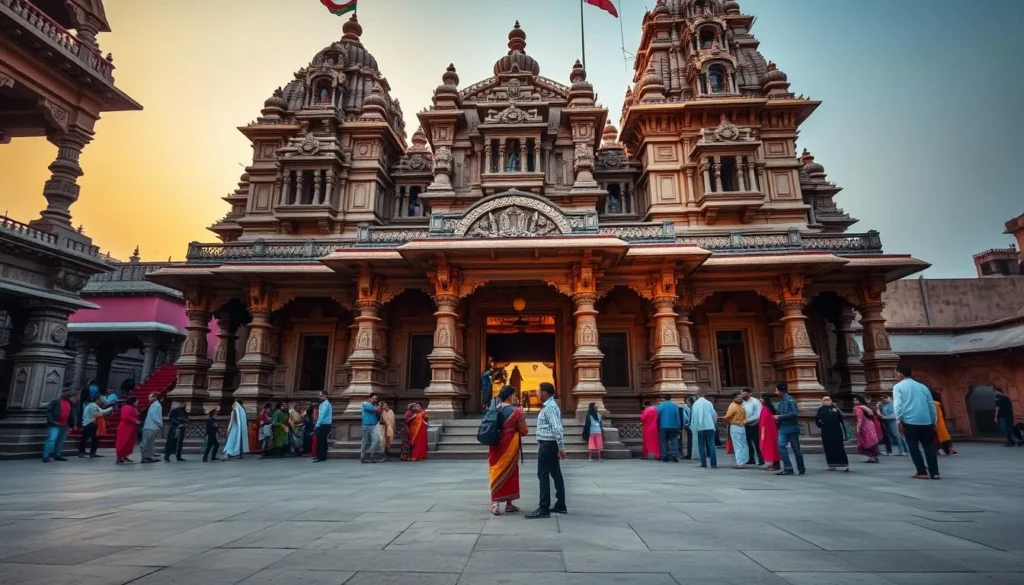
Mahakaleshwar Temple
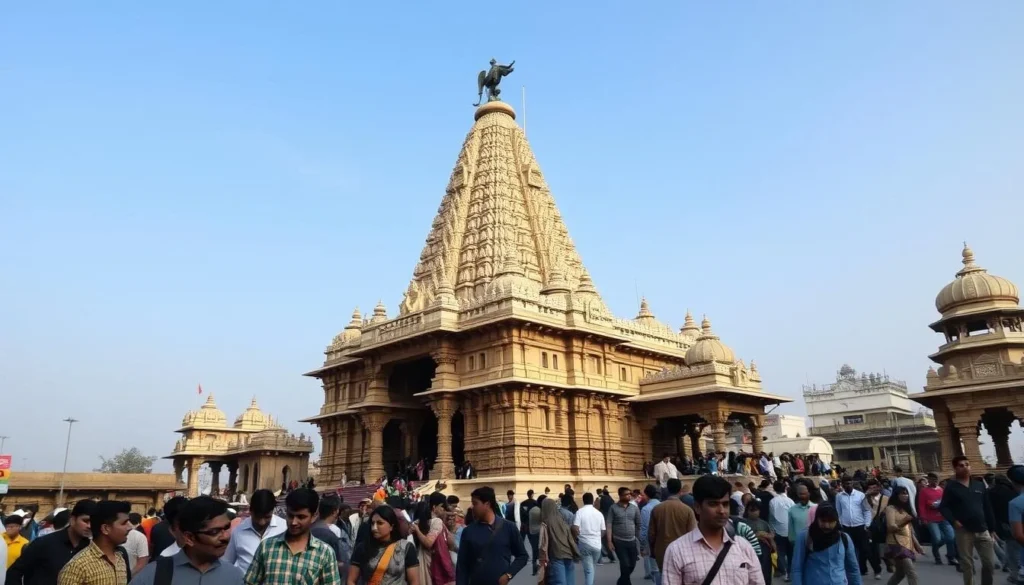
The crown jewel of Ujjain, Mahakaleshwar Temple houses one of the twelve Jyotirlingas (self-manifested lingams) of Lord Shiva. The temple’s distinctive feature is its south-facing deity, unique among the Jyotirlingas. The temple’s multi-tiered structure showcases exquisite Maratha architecture.
Don’t miss the Bhasma Aarti, a special pre-dawn ritual performed at 4:00 AM where the Shiva lingam is bathed in sacred ash. This ceremony is considered one of the most divine experiences in Ujjain.
Kal Bhairav Temple
Dedicated to Kal Bhairav, the fierce manifestation of Lord Shiva who is considered the guardian deity of Ujjain, this temple dates back to the 18th century. The temple is famous for its unique offering tradition where liquor is presented to the deity, one of the few places in India where such a practice exists.
Ram Ghat
The most sacred of Ujjain’s ghats along the Shipra River, Ram Ghat is where pilgrims gather for ritual bathing. The evening aarti (prayer ceremony) performed here is a mesmerizing spectacle of lights, sounds, and devotion. Boat rides on the Shipra River offer a peaceful way to experience the spiritual ambiance of Ujjain.
Harsiddhi Temple
One of the 51 Shakti Peethas in India, Harsiddhi Temple is dedicated to Goddess Annapurna. The temple is known for its distinctive architecture featuring two tall ornate pillars adorned with oil lamps, creating a spectacular sight when lit during festivals, especially Navratri.
Kaliadeh Palace
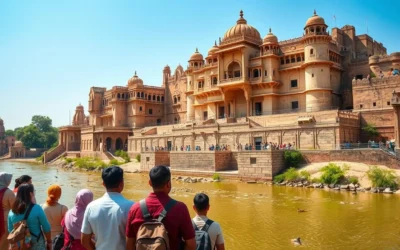
Located on an island in the Shipra River about 8 km from the city center, this Persian-style palace dates back to 1458 CE. The palace was restored in 1920 after being damaged during the Pindari War. Its beautiful gardens, flowing water channels, and Persian inscriptions make it a must-visit historical site.
Museums, Cultural Spots & Festivals
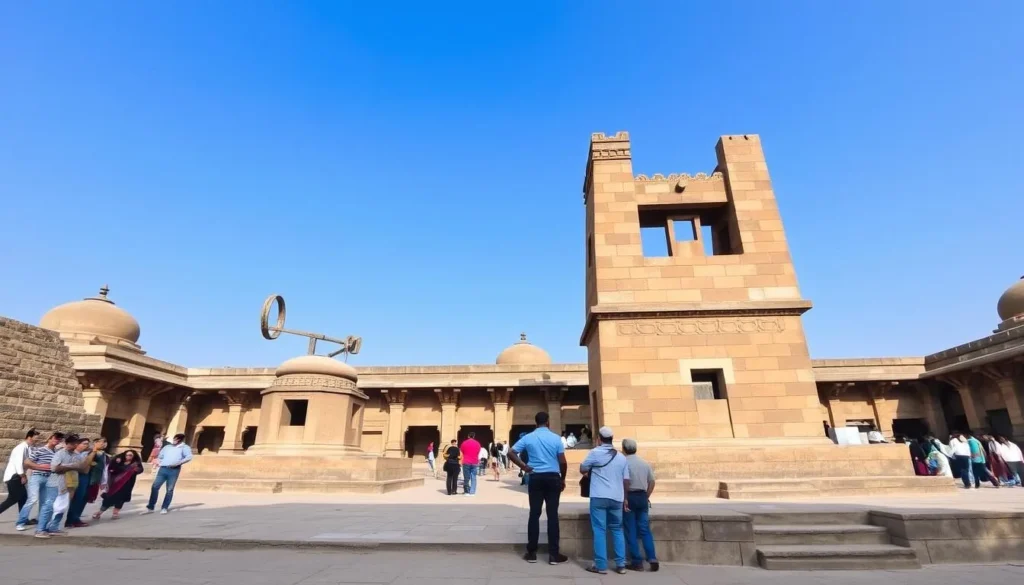
Jantar Mantar (Vedh Shala Observatory)
Built in the 17th century by Maharaja Jai Singh II, Ujjain’s Jantar Mantar is one of the five astronomical observatories constructed by the king. The observatory houses various instruments used for astronomical calculations and time-keeping, showcasing the advanced scientific knowledge of ancient India.
The observatory continues to be used for astronomical studies and publishes an annual ephemeris (astronomical almanac). A small planetarium on the premises offers educational shows about astronomy.
Vikram Kirti Mandir Museum
Dedicated to the legendary King Vikramaditya, this museum houses a collection of sculptures, coins, and manuscripts that showcase Ujjain’s rich cultural heritage. The museum also features exhibits related to the famous Sanskrit poet Kalidasa, who was one of the nine gems in King Vikramaditya’s court.
Kalidasa Academy
Established to preserve and promote Sanskrit literature and performing arts, the Kalidasa Academy hosts cultural programs, seminars, and workshops throughout the year. The academy has a rich library of Sanskrit texts and works dedicated to Kalidasa’s literary contributions.
Major Festivals
- Simhasth Kumbh Mela: Held every 12 years when Jupiter enters Leo (Simha), this massive gathering attracts millions of pilgrims who come to take a holy dip in the Shipra River. The next Kumbh Mela in Ujjain is scheduled for 2028.
- Mahashivratri: Celebrated with great fervor at the Mahakaleshwar Temple, this festival honors Lord Shiva with special prayers, processions, and cultural performances.
- Navratri: The nine-night festival dedicated to Goddess Durga is celebrated with colorful decorations and traditional dance performances, particularly at the Harsiddhi Temple.
- Kartik Mela: Held during the month of Kartik (October-November), this month-long fair features religious activities, cultural performances, and a vibrant market.
The cultural calendar of Ujjain is rich with religious and traditional celebrations throughout the year. Visiting during any major Hindu festival provides a unique opportunity to witness the city’s spiritual fervor and cultural traditions in full display.
Nature & Outdoor Experiences
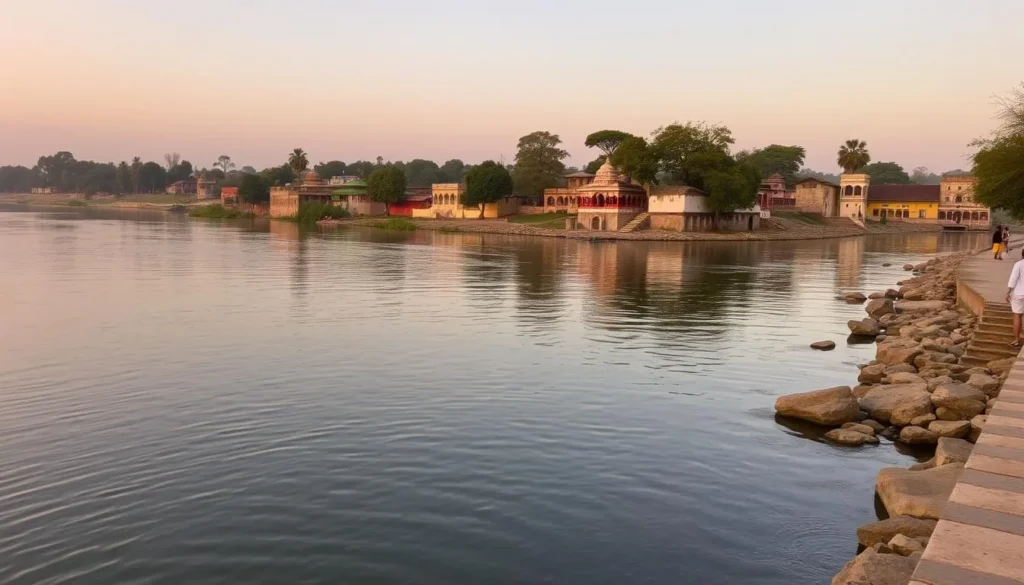
Shipra River Experience
The sacred Shipra River flows through Ujjain, offering serene natural settings amidst the city’s spiritual landscape. A leisurely boat ride on the river provides a unique perspective of the ghats and temples lining its banks. The river is particularly beautiful during sunrise and sunset when the golden light reflects off the water.
Kaliadeh Island
The island where Kaliadeh Palace is situated offers beautiful gardens and natural surroundings. The flowing water channels and well-maintained lawns make it an ideal spot for a peaceful retreat from the city’s hustle and bustle.
Chintaman Ganesh Garden
Adjacent to the Chintaman Ganesh Temple, this garden provides a green space for relaxation. The garden features walking paths, sitting areas, and seasonal flowers, making it popular among locals and visitors alike.
Triveni Ghat
Located at the confluence of three water bodies, Triveni Ghat offers a picturesque setting for nature lovers. The area is particularly beautiful during early mornings when devotees gather for ritual bathing and prayers.
Sunset at Ram Ghat
Watching the sunset at Ram Ghat is a magical experience as the sky changes colors and reflects on the Shipra River. The evening aarti performed against this backdrop creates a perfect blend of natural beauty and spiritual ambiance.
While Ujjain is primarily known for its religious significance, these natural spaces provide welcome respites for visitors looking to connect with nature amidst their spiritual journey.
Safety, Etiquette & Local Customs
Temple Etiquette
When visiting temples in Ujjain, observe these important customs:
- Remove shoes before entering temple premises
- Dress modestly, covering shoulders and knees (both men and women)
- Women may be restricted from entering certain areas during menstruation
- Photography may be prohibited inside the main sanctum of temples
- Maintain silence and respect for ongoing rituals
- Follow the direction of movement inside temples, usually clockwise around the deity
Cultural Sensitivities
Ujjain is a deeply religious city, and visitors should be mindful of local sensitivities:
- Non-vegetarian food and alcohol are generally not consumed near temple areas
- Public displays of affection are frowned upon
- Ask permission before photographing locals, especially sadhus (holy men)
- Respect religious processions and ceremonies by not obstructing them
Safety Considerations
Ujjain is generally a safe city for tourists, but standard precautions should be taken:
- Be cautious of pickpockets in crowded temple areas and markets
- Avoid carrying large amounts of cash or valuable items
- Use reputable transportation services, especially at night
- Stay hydrated and protected from the sun, particularly during summer months
- During major festivals like Kumbh Mela, be extra vigilant in crowds and keep emergency contacts handy
Health Precautions
Visitors should take standard health precautions:
- Drink only bottled or purified water
- Be cautious with street food, ensuring it’s freshly prepared and hot
- Carry basic medications for common ailments
- Use insect repellent, especially during monsoon season
Following these guidelines will help ensure a respectful and safe experience while exploring the spiritual and cultural treasures of Ujjain.
Visitor Comments About Ujjain
“The Bhasma Aarti at Mahakaleshwar Temple was one of the most profound spiritual experiences of my life. Waking up at 3 AM was completely worth it to witness this ancient ritual that has remained unchanged for centuries. The energy in the temple during the ceremony was palpable, and even as a non-Hindu, I felt deeply moved.”
“Ujjain surprised me with its perfect blend of spirituality and scientific heritage. The Jantar Mantar observatory was fascinating—imagine calculating celestial movements with such precision using stone instruments built centuries ago! I’d recommend hiring a knowledgeable guide to fully appreciate the astronomical significance of this place.”
“Don’t miss the evening aarti at Ram Ghat! The combination of rhythmic chants, the smell of incense, and hundreds of lamps reflecting on the Shipra River creates a magical atmosphere. We visited during Kartik month when the ghat was beautifully decorated with flowers and lights. The local street food available nearby after the ceremony was delicious too!”
Additional Nearby Destinations
Omkareshwar (77 km)
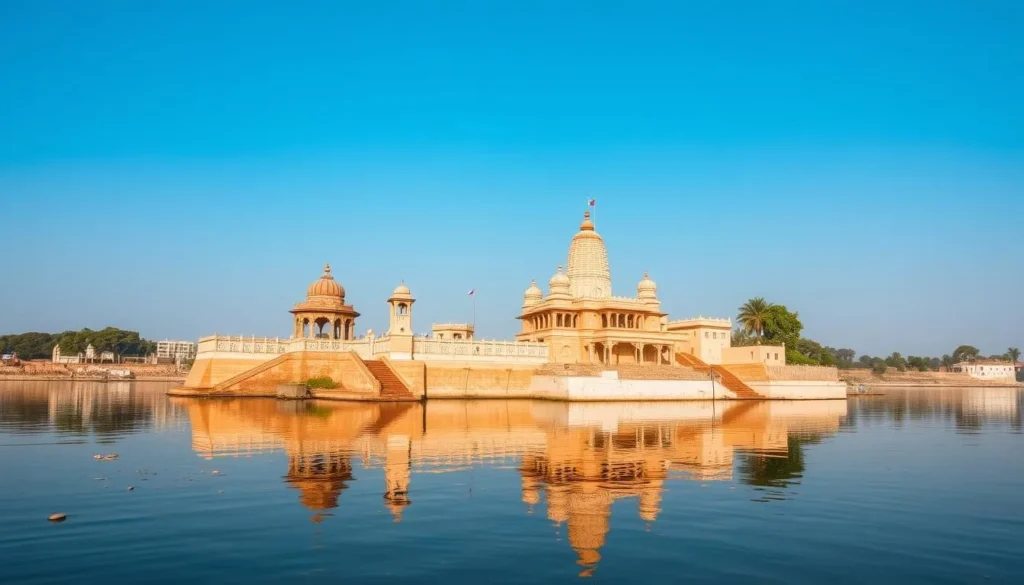
Home to one of the 12 Jyotirlingas, Omkareshwar is situated on an island shaped like the sacred ‘Om’ symbol in the Narmada River. The island houses the Shri Omkar Mandhata temple and offers beautiful riverside views. A day trip from Ujjain is feasible, though an overnight stay allows for a more relaxed experience.
Indore (55 km)
The largest city in Madhya Pradesh, Indore offers a contrast to Ujjain’s spiritual atmosphere with its urban charm. Visit the magnificent Rajwada Palace, the unique Kanch Mandir (Glass Temple), and experience the famous street food at Sarafa Bazaar and Chappan Dukan.
Maheshwar (130 km)
Known for its handloom textiles and ghats along the Narmada River, Maheshwar features the impressive Maheshwar Fort and ancient temples. The town’s peaceful atmosphere and architectural heritage make it worth the journey from Ujjain.
Mandu (140 km)
This ancient fortress town is famous for its Afghan architectural heritage. Key attractions include the Jahaz Mahal (Ship Palace), Hindola Mahal (Swinging Palace), and Roopmati’s Pavilion. The extensive ruins spread across a large plateau offer insights into medieval royal life.
Bhopal (190 km)
The capital city of Madhya Pradesh features a mix of Islamic architecture, museums, and lakes. Visit the impressive Taj-ul-Masajid (one of Asia’s largest mosques), the Tribal Museum, and the UNESCO World Heritage Site of Bhimbetka Rock Shelters nearby.
These destinations can be combined with your Ujjain trip to create a comprehensive exploration of Madhya Pradesh’s diverse cultural and historical landscape.
Practical Travel Tips
Language
Hindi is the primary language spoken in Ujjain. While English is understood in tourist areas and hotels, learning a few basic Hindi phrases can enhance your experience and interactions with locals.
Currency and Payments
The Indian Rupee (₹) is the local currency. While major hotels and restaurants accept credit cards, smaller establishments and temples operate primarily with cash. ATMs are available throughout the city, but it’s advisable to carry some cash, especially when visiting temples and markets.
Mobile Connectivity
Mobile network coverage is good in Ujjain. Visitors can purchase prepaid SIM cards from providers like Airtel, Jio, or Vodafone with proper identification (passport and visa). Many accommodations and restaurants offer free Wi-Fi.
Temple Offerings
When visiting temples, you may wish to purchase offering items like flowers, coconuts, or sweets. These are readily available at shops near temple entrances. Temple priests may expect small donations for performing rituals or giving blessings.
Photography
While photography is generally permitted in public areas, many temples restrict photography inside the main sanctum. Always look for signs or ask permission before taking photos in religious places. Some sites may charge a small fee for camera use.
Guided Tours
Consider hiring a local guide to fully appreciate Ujjain’s rich history and spiritual significance. Guides can be arranged through hotels or at major attractions. A knowledgeable guide can provide insights into rituals, mythology, and historical context that might otherwise be missed.
Packing Essentials
- Modest clothing that covers shoulders and knees
- Comfortable walking shoes as many sites require extensive walking
- Sun protection (hat, sunglasses, sunscreen)
- Reusable water bottle
- Small towel or scarf to cover your head in certain temples
- Hand sanitizer and tissues
With these practical tips in mind, you’ll be well-prepared to navigate Ujjain comfortably and respectfully, allowing you to focus on the rich spiritual and cultural experiences the city has to offer.
Embrace the Divine Journey
Ujjain stands as a living testament to India’s spiritual heritage, where ancient traditions continue to thrive alongside astronomical wonders and architectural marvels. From the mystical Bhasma Aarti at Mahakaleshwar Temple to the scientific precision of Jantar Mantar, this sacred city offers experiences that resonate with both the soul and the intellect.
As you walk along the ghats of the Shipra River, explore centuries-old temples, and immerse yourself in the rhythms of ritual and devotion, you’ll discover that Ujjain isn’t merely a destination—it’s a transformative journey through time and tradition. Whether you’re a spiritual seeker, a history enthusiast, or a curious traveler, Ujjain’s timeless charm will leave an indelible impression, calling you to return to its sacred shores again and again.
The above is subject to change.
Check back often to TRAVEL.COM for the latest travel tips and deals.

0 Comments