
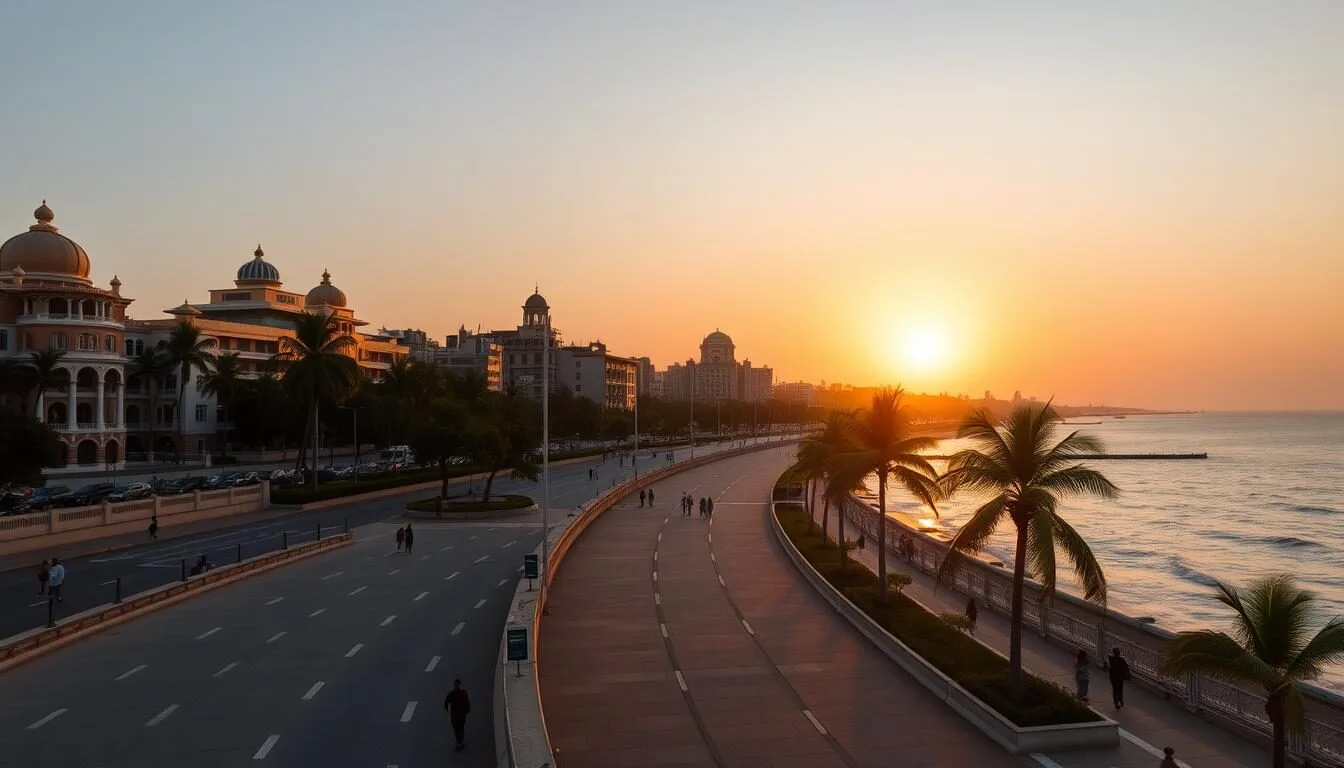
Did you know that Mumbai houses the world’s second-largest collection of Art Deco buildings, surpassed only by Miami? This surprising architectural heritage is just one of the many contrasts that make Mumbai, India’s financial powerhouse, such a fascinating destination. From the colonial grandeur of South Mumbai to the world’s most densely populated slum generating over $1 billion in annual revenue, Mumbai is a city of extremes that will challenge and inspire you at every turn.
Mumbai Travel Guide Quick Links
Essential Planning
- Getting There & Planning
- Best Time to Visit
- Getting Around Locally
- Where to Stay
Experiences
- Top Attractions
- Cultural Spots & Museums
- Local Cuisine
- Outdoor Activities
Practical Info
- Safety Tips
- Local Customs
- Nearby Destinations
- Travel Tips
Getting There & Planning Your Journey
Mumbai is served by Chhatrapati Shivaji Maharaj International Airport (BOM), one of India’s busiest international gateways. Direct flights connect Mumbai to major cities worldwide, including London, New York, Dubai, Singapore, and many European capitals. The airport is located approximately 28 km (17 miles) north of South Mumbai, where most tourists stay.
International Flights
Major carriers like Air India, Emirates, British Airways, and Lufthansa offer regular services to Mumbai. Flight times range from 8-9 hours from Europe, 14-16 hours from the US East Coast, and 16-19 hours from the US West Coast. Expect to pay between $700-1,200 USD for economy tickets, depending on the season.
Domestic Connections
If Mumbai is part of a larger India itinerary, domestic carriers like IndiGo, SpiceJet, and Air India connect Mumbai to all major Indian cities. Delhi to Mumbai is a particularly busy route with flights taking approximately 2 hours.
Airport Transfers
Pre-paid taxi counters at the airport offer the most reliable way to reach your hotel. Expect to pay around 700-800 INR ($8-10 USD) for a non-AC taxi to South Mumbai or 900-1,000 INR ($11-12 USD) for an air-conditioned option. The journey takes 1-2 hours depending on traffic conditions.
By Train
Mumbai is well-connected to India’s extensive rail network, with major terminals at Chhatrapati Shivaji Maharaj Terminus (CSMT) and Mumbai Central. Trains from Delhi take approximately 16 hours, while those from Goa take about 12 hours. Train travel offers a more authentic Indian experience and beautiful scenery at a fraction of the cost of flying.
Best Time to Visit & Weather Tips
Recommended Months to Visit
The ideal time to visit Mumbai is from November to February, when temperatures are pleasant (24-32°C/75-90°F) and humidity levels are manageable. This winter period offers clear skies and comfortable conditions for sightseeing. February is particularly special as it hosts the popular Kala Ghoda Arts Festival in the first half of the month.
Shoulder Season
March and October can also be good times to visit. March sees rising temperatures but remains relatively dry, while October marks the end of the monsoon with occasional showers but increasingly pleasant weather.
Months to Avoid
Avoid visiting Mumbai during these periods:
- June to September (Monsoon Season): Extremely heavy rainfall, frequent flooding, and high humidity make sightseeing difficult. Mumbai receives some of the heaviest monsoon rains in India, with daily downpours that can paralyze the city.
- April to May (Summer): Temperatures soar to 35-38°C (95-100°F) with oppressive humidity, making outdoor exploration uncomfortable. May is typically the hottest month of the year.
What to Pack
For winter visits (Nov-Feb), pack light cotton clothing with a light jacket or shawl for evenings. During summer or monsoon, lightweight, quick-drying fabrics are essential. Regardless of season, bring comfortable walking shoes, a hat, sunglasses, and sunscreen. Conservative clothing is recommended for visiting religious sites.
Getting Around Locally
Local Trains
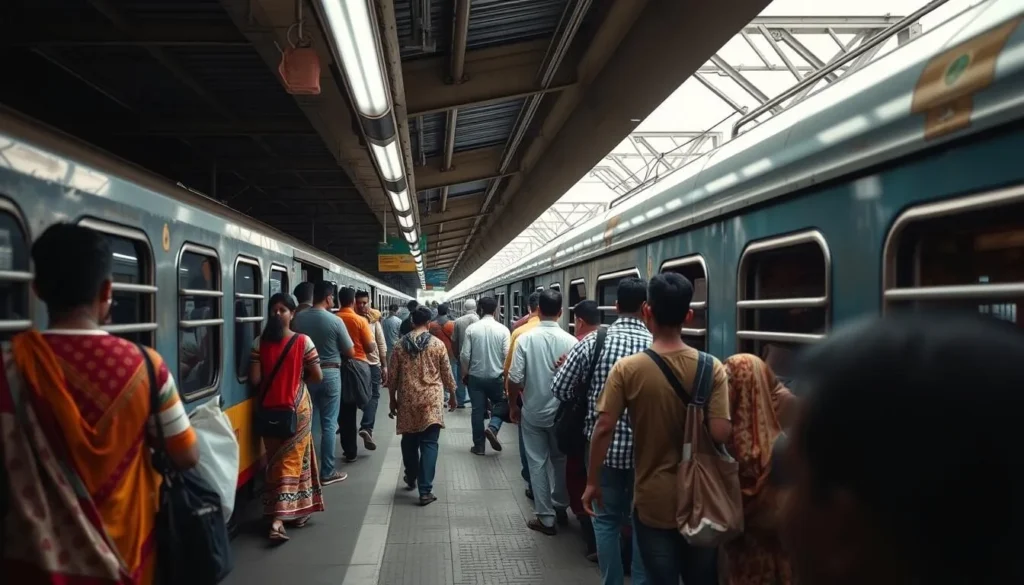
Mumbai’s lifeline is its extensive suburban railway network, which carries over 7.5 million passengers daily. The trains run on three main lines: Western, Central, and Harbour. For tourists, this is the fastest and most economical way to travel, with fares ranging from 10-40 INR ($0.12-0.50 USD) per journey. First-class compartments offer more comfort at higher prices. Avoid rush hours (8-10 AM and 6-8 PM) when trains become extremely crowded.
Metro
Mumbai’s growing metro system currently has one operational line connecting the eastern and western suburbs, with several more under construction. It’s clean, air-conditioned, and relatively uncrowded compared to local trains.
Taxis and Auto-rickshaws
Mumbai’s iconic black and yellow taxis are abundant in South Mumbai, while auto-rickshaws operate primarily in the suburbs. Both run on meters, though you may need to insist they use them. Alternatively, ride-hailing apps like Uber and Ola offer convenient, fixed-price options.
BEST Buses
The Brihanmumbai Electric Supply and Transport (BEST) operates an extensive bus network throughout the city. While slower than trains due to traffic, they reach areas trains don’t cover. Bus routes can be confusing for visitors, so ask locals for help or use Google Maps for navigation.
Walking
South Mumbai, particularly the Colaba and Fort areas, is best explored on foot. The colonial architecture, tree-lined streets, and seaside promenades make for pleasant walking, especially in the cooler morning or evening hours.
Where to Stay
South Mumbai (Colaba & Fort)
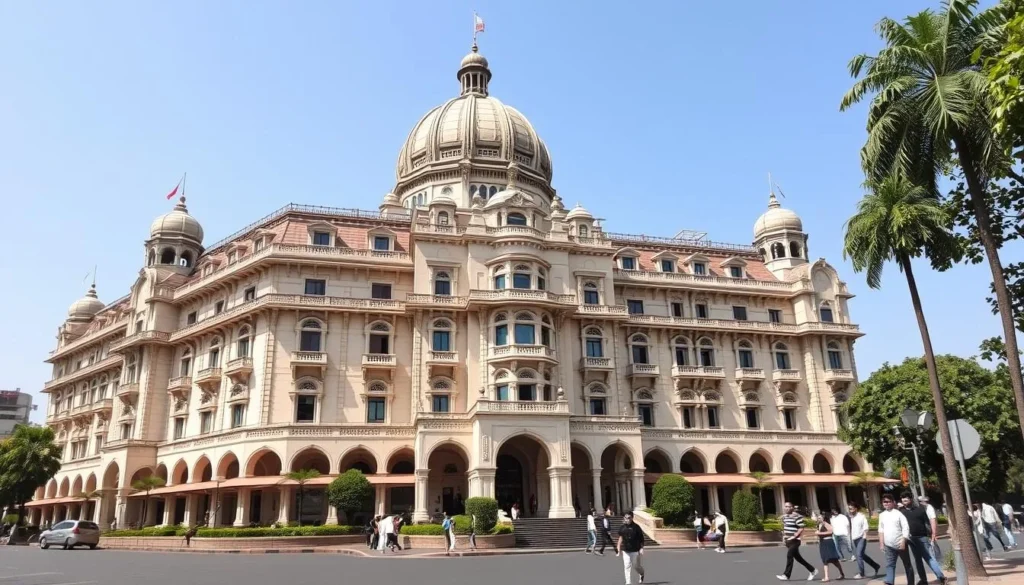
For first-time visitors, South Mumbai offers the perfect base with its colonial architecture, major attractions, and proximity to the sea. This area houses the Gateway of India, Taj Mahal Palace, and numerous museums and galleries.
Luxury Options
- Taj Mahal Palace: Mumbai’s most iconic hotel, offering unparalleled luxury and history. The original Palace Wing dates back to 1903, while the Tower Wing provides more modern accommodations.
- The Oberoi Mumbai: Contemporary luxury with spectacular views of Marine Drive and the Arabian Sea.
Mid-range Options
- Residency Hotel Fort: Well-located boutique hotel with excellent service and comfortable rooms near CSMT.
- Hotel Harbour View: Offering sea views and proximity to major attractions in Colaba.
Budget Options
- Backpacker Panda Colaba: Clean, social hostel with private and dormitory options.
- Hotel Flora Fountain: Simple but clean accommodations in the Fort area.
Marine Drive & Chowpatty
This area offers beautiful sea views and access to Mumbai’s Art Deco district. The 3.6 km promenade known as the “Queen’s Necklace” is perfect for evening strolls.
- InterContinental Marine Drive: Luxury option with a rooftop pool overlooking the Arabian Sea.
- Hotel Marine Plaza: Mid-range option with sea-facing rooms.
Bandra & Western Suburbs
For those seeking a more local experience away from the tourist centers, Bandra offers trendy neighborhoods, boutique shopping, and proximity to Bollywood.
- Taj Lands End: Luxury property overlooking the sea and Bandra-Worli Sea Link.
- Juhu Beach hotels: Properties like JW Marriott Mumbai offer beachfront locations and proximity to Bollywood studios.
Dining & Local Cuisine
Must-Try Mumbai Street Food
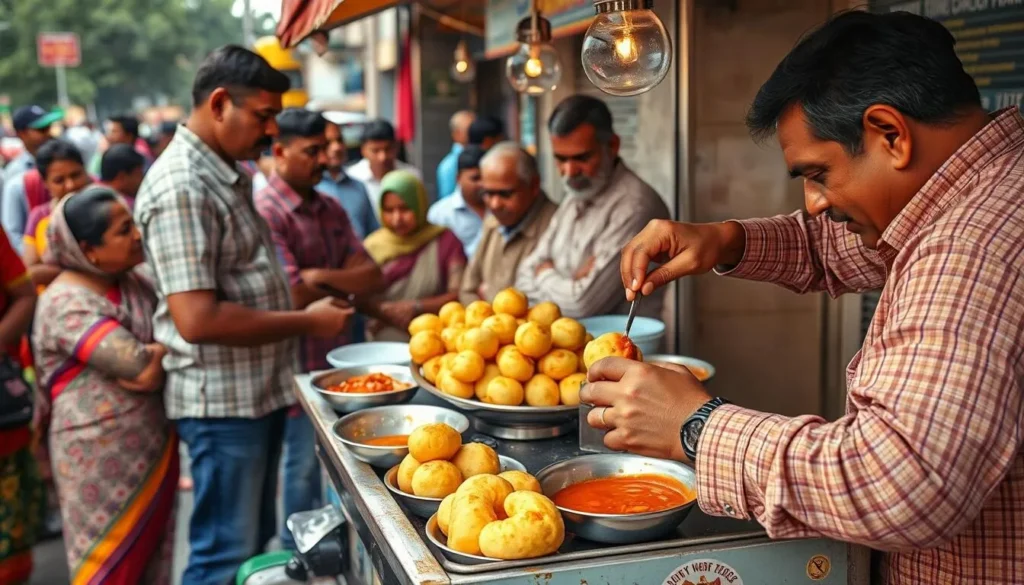
Mumbai’s street food scene is legendary, offering flavors that define the city’s culinary identity:
- Vada Pav: Often called the “Bombay Burger,” this consists of a spiced potato fritter (vada) in a bread roll (pav) with chutneys. Try it at Ashok Vada Pav in Dadar.
- Pav Bhaji: Mashed vegetables (bhaji) cooked with spices and served with buttered bread rolls. Sardar Pav Bhaji near Tardeo is famous for this dish.
- Bombay Sandwich: Multi-layered vegetable sandwich with beetroot, potato, cucumber, and mint chutney. Find excellent versions at Sanjay Singh Sandwichwala in Fort area.
- Bhel Puri: A crunchy, tangy mixture of puffed rice, vegetables, and tamarind chutney. Best enjoyed at Chowpatty Beach.
- Bombay Duck Fry: Despite the name, this is actually a type of fish (lizardfish) that’s battered and fried. Try it at Gomantak Boarding House in Dadar.
Restaurants Worth Visiting
South Mumbai
- Trishna: Famous for butter garlic crab and seafood specialties in the Fort area.
- Britannia & Co.: Iconic Parsi restaurant serving berry pulao and other Parsi specialties in a colonial setting.
- Leopold Cafe: Historic cafe featured in the novel “Shantaram,” offering Indian and international dishes.
Mid-range and Budget Options
- Hotel Deluxe: Despite the name, this is a restaurant serving excellent South Indian thalis on banana leaves.
- Bademiya: Famous late-night kebab stall behind the Taj Mahal Palace Hotel.
- Khau Gallis: Food streets like the one at Nariman Point offer multiple street food vendors in one location.
Fine Dining Experiences
- The Table: Contemporary global cuisine in Colaba with farm-to-table philosophy.
- Ziya at The Oberoi: Modern Indian cuisine by Michelin-starred chef Vineet Bhatia.
- Masala Library: Molecular gastronomy meets traditional Indian flavors.
Dining Tips
For street food, follow the locals and choose busy stalls with high turnover. To minimize the risk of “Delhi Belly,” stick to cooked foods and avoid raw vegetables or tap water. Many restaurants in tourist areas add service charges automatically, so check your bill before tipping extra.
Attractions, Sightseeing & Activities
South Mumbai Highlights
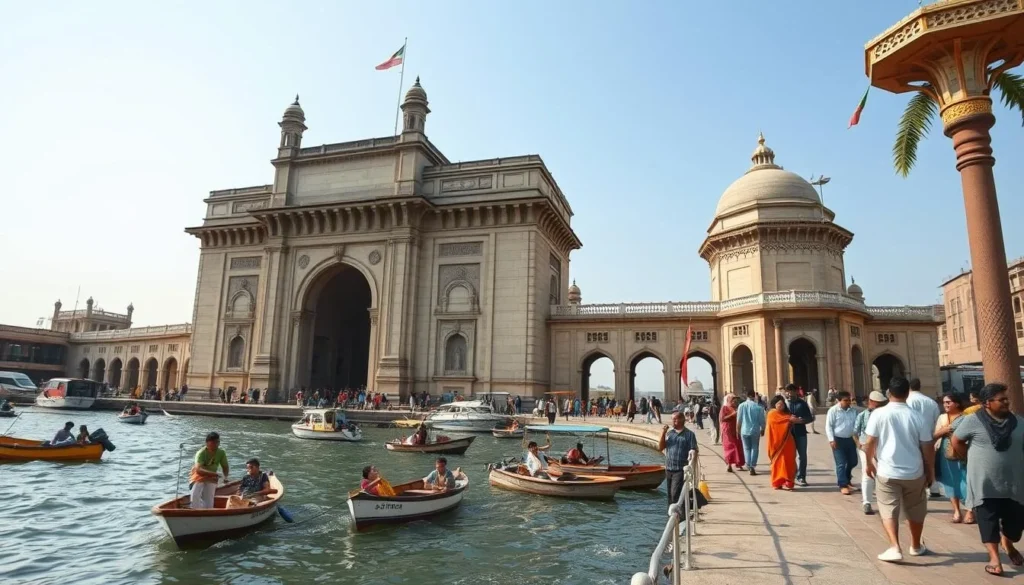
- Gateway of India: Mumbai’s most iconic landmark, built to commemorate the visit of King George V and Queen Mary in 1911. The stone arch overlooks Mumbai Harbor and is the departure point for boats to Elephanta Caves.
- Taj Mahal Palace: Even if you’re not staying here, the exterior of this historic hotel is worth admiring. Built in 1903 by Jamsetji Tata, it has hosted royalty, presidents, and celebrities for over a century.
- Chhatrapati Shivaji Maharaj Terminus (CSMT): This UNESCO World Heritage Site is a masterpiece of Victorian Gothic Revival architecture. The railway station is particularly magical when illuminated at night.
- Marine Drive: Known as the “Queen’s Necklace” for its nighttime appearance, this 3.6 km curved boulevard offers stunning views of the Arabian Sea. Perfect for sunset strolls or morning jogs.
Unique Mumbai Experiences
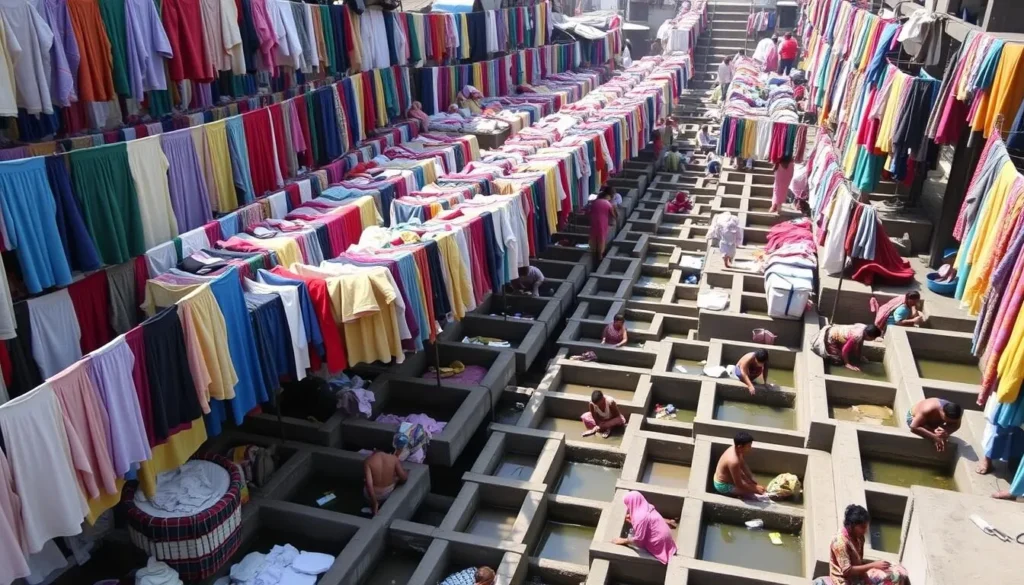
- Dhobi Ghat: The world’s largest open-air laundry where washermen (dhobis) clean clothes from hotels and hospitals across the city. Best viewed from the bridge near Mahalaxmi station in the morning hours.
- Dharavi Guided Tour: Gain insight into the economic engine of one of Asia’s largest slums, where industries generate an estimated $1 billion annually. Choose ethical tour operators like Reality Tours that reinvest profits in community programs.
- Dabbawalas in Action: Witness Mumbai’s legendary lunch delivery system near Churchgate Station around noon on weekdays. These efficient workers deliver over 200,000 home-cooked lunches daily with astonishing accuracy.
- Chor Bazaar: Explore the “Thieves Market,” one of India’s largest flea markets selling everything from antiques to automobile parts.
Day Trips from Mumbai
- Elephanta Caves: A UNESCO World Heritage Site featuring ancient rock-cut temples dedicated to Lord Shiva. Located on an island about 10 km from Mumbai, accessible by hourly ferries from the Gateway of India. Allow half a day for this excursion.
- Kanheri Caves: Located within Sanjay Gandhi National Park, these 109 Buddhist cave temples date back to the 1st century BCE. The park itself offers a green escape from the city.
Museums, Cultural Spots & Festivals
Must-Visit Museums
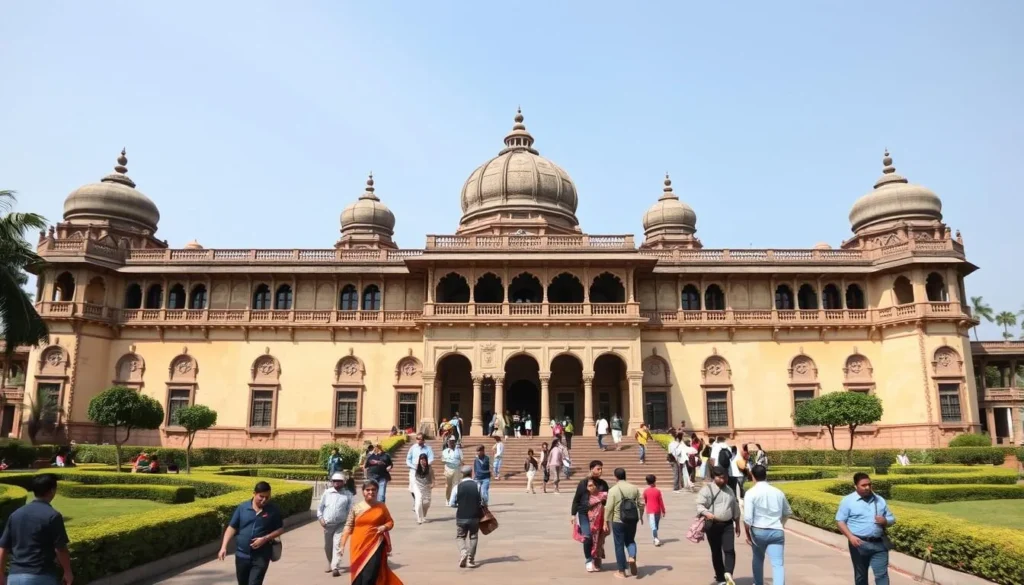
- Chhatrapati Shivaji Maharaj Vastu Sangrahalaya: Formerly known as the Prince of Wales Museum, this is Mumbai’s premier cultural institution housing art, archaeology, and natural history collections. The Indo-Saracenic building itself is a masterpiece.
- Dr. Bhau Daji Lad Mumbai City Museum: The oldest museum in Mumbai showcases the city’s history and culture in a beautifully restored Victorian building.
- Mani Bhavan Gandhi Museum: The house where Mahatma Gandhi stayed during his visits to Mumbai between 1917-1934, now preserved as a museum with his personal artifacts.
- RBI Monetary Museum: An interesting look at the evolution of currency in India from ancient times to the present day.
Cultural Districts
- Kala Ghoda Arts District: Mumbai’s premier art district houses numerous galleries, boutiques, and cafes. It’s especially vibrant during the annual Kala Ghoda Arts Festival in February.
- Bandra: Known as the “Queen of the Suburbs,” this area blends Portuguese heritage with contemporary culture and is home to many Bollywood celebrities.
Religious Sites
- Haji Ali Dargah: A beautiful mosque and tomb located on an islet off the coast of Worli, connected to the mainland by a narrow causeway that disappears during high tide.
- Siddhivinayak Temple: One of Mumbai’s most famous Hindu temples dedicated to Lord Ganesha, visited by thousands of devotees daily.
- Banganga Tank: An ancient water tank in Walkeshwar with mythological significance, surrounded by temples and a peaceful atmosphere that contrasts with Mumbai’s chaos.
Major Festivals
- Ganesh Chaturthi (August/September): Mumbai’s biggest festival celebrates the birth of Lord Ganesha with elaborate processions and immersion ceremonies at Chowpatty Beach and other seafronts.
- Diwali (October/November): The Festival of Lights sees Mumbai adorned with lamps and decorations.
- Kala Ghoda Arts Festival (February): Nine days of art installations, performances, workshops, and cultural events in South Mumbai.
- Mumbai Film Festival (October): International film festival showcasing independent cinema from around the world.
Sports, Nature & Outdoor Experiences
Beaches
Despite being a coastal city, Mumbai’s beaches are more for atmosphere than swimming due to pollution concerns:
- Juhu Beach: Popular with locals and tourists alike, famous for its street food and as a celebrity-spotting location near Bollywood studios.
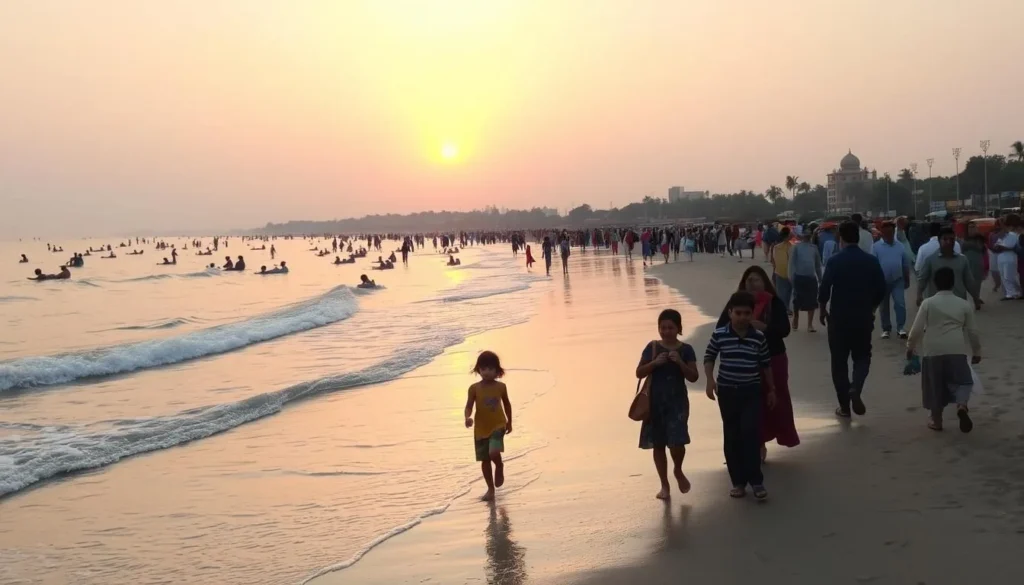
- Chowpatty Beach: Located at the end of Marine Drive, this is more of a social gathering place than a swimming spot. Visit in the evening for the vibrant atmosphere and food stalls.
- Versova Beach: Once heavily polluted, this beach has undergone a remarkable community-led cleanup and now hosts various activities.
Parks and Green Spaces
- Sanjay Gandhi National Park: One of the few national parks located within city limits, offering hiking trails, the Kanheri Caves, and even leopard sightings (though rare).
- Hanging Gardens: Terraced gardens on Malabar Hill offering sunset views over Marine Drive and the Arabian Sea.
- Maharashtra Nature Park: A reclaimed garbage dump transformed into an urban forest with over 14,000 trees and 300 species of birds, butterflies, and reptiles.
Water Activities
While Mumbai’s immediate waters aren’t ideal for recreation, there are some options:
- Harbor Cruises: Short boat trips from the Gateway of India offer views of the Mumbai skyline from the water.
- Sailing: The Mumbai Harbor hosts sailing clubs where visitors can arrange sailing experiences.
- Fishing: Join local fishermen for traditional fishing experiences in the early morning hours.
Sports Culture
- Cricket: Experience India’s cricket obsession at Wankhede Stadium, home to the Mumbai Indians IPL team and venue for international matches.
- Mahalaxmi Racecourse: Dating back to 1883, this historic racecourse hosts horse racing events from November to April.
Safety, Etiquette & Local Customs
Safety Tips
- General Safety: Mumbai is relatively safe compared to other major Indian cities, but standard precautions apply. Avoid displaying expensive jewelry or electronics, especially in crowded areas.
- Women Travelers: Women should dress modestly, particularly when visiting religious sites. The ladies’ compartment on local trains provides a safer, less crowded option for female travelers.
- Health Precautions: Drink only bottled water and be cautious with street food to avoid “Delhi Belly.” Stick to busy food stalls with high turnover and avoid raw vegetables or unpeeled fruits.
- Traffic Safety: Roads can be chaotic, so cross carefully and be vigilant when walking. If using taxis, insist on using the meter or agree on a fare before starting your journey.
Cultural Etiquette
- Greetings: A simple “Namaste” with palms pressed together is universally accepted. Handshakes are common in business settings.
- Religious Sites: Remove shoes before entering temples and mosques. Cover your head in Sikh temples (gurdwaras) and some mosques. Some Hindu temples restrict entry to non-Hindus, so always ask before entering.
- Photography: Always ask permission before photographing people, especially at religious ceremonies or in less touristy areas.
- Bargaining: Negotiating prices is expected in markets but not in fixed-price shops. Start at about 50-60% of the initial asking price and work toward a middle ground.
Local Customs
- Head Wobble: The famous Indian head wobble (a side-to-side tilt) can mean “yes,” “I understand,” or “okay.” You’ll see this frequently in Mumbai.
- Eating Customs: Traditionally, many Indians eat with their right hand (never the left, which is considered unclean). If invited to a home, wait to be told where to sit and when to start eating.
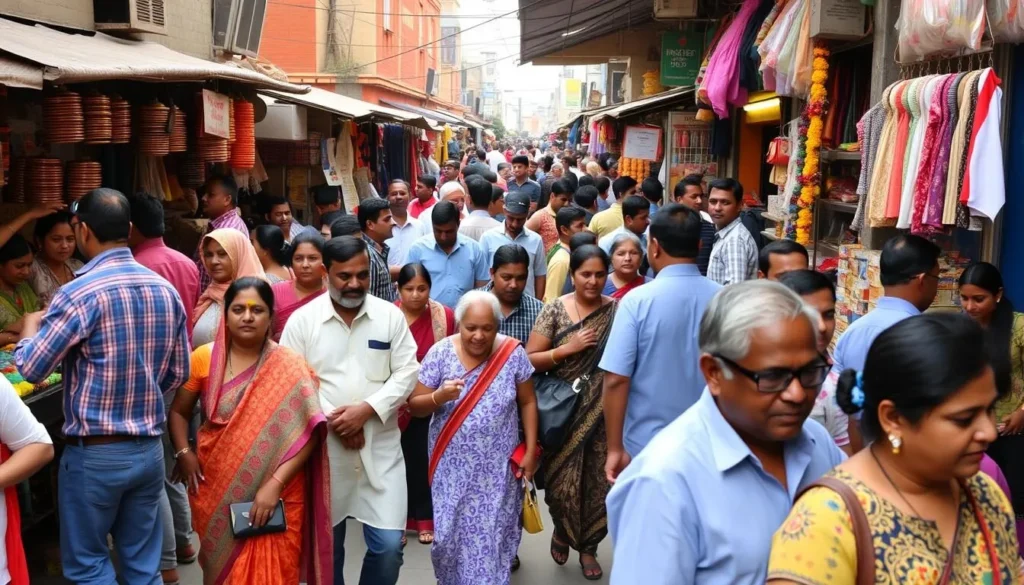
- Personal Space: Mumbai is densely populated, and personal space concepts differ from Western norms. Expect crowds and less personal space in public areas.
- Tipping: A 10% tip is standard in restaurants if service charge isn’t included. Small tips are appreciated for porters, guides, and drivers.
Visitor Comments About Mumbai
“Mumbai’s energy is unlike anywhere else I’ve been. The contrast between colonial architecture and modern skyscrapers, extreme wealth and poverty, chaos and order – it’s all part of the experience. Don’t miss the early morning tour of Dhobi Ghat and sunset at Marine Drive. The city feels overwhelming at first but reveals its charm once you embrace its rhythm.”
“As a solo female traveler, I was initially apprehensive about visiting Mumbai, but it turned out to be one of my favorite destinations in India. The local train experience was a highlight – I used the ladies’ compartment and found it perfectly safe. The food scene is incredible; the vada pav alone is worth the trip! Just be prepared for the humidity and bring comfortable shoes.”
“Three days in Mumbai wasn’t enough! The Dharavi tour completely changed my perspective – it’s not about poverty tourism but understanding the incredible entrepreneurial spirit and community. The colonial architecture in South Mumbai transported me to another era, while the contemporary art scene at Kala Ghoda was world-class. Mumbai deserves at least 4-5 days to truly appreciate its complexity.”
Additional Nearby Destinations
Weekend Getaways (2-3 Days)
- Lonavala and Khandala: Hill stations about 80 km (50 miles) from Mumbai, offering cool mountain air, waterfalls, and hiking trails. Perfect during monsoon season when the hills turn lush green.
- Alibaug: A coastal town with beaches and forts, accessible by ferry from the Gateway of India (1 hour) or by road (3 hours).
- Matheran: Asia’s only automobile-free hill station, reached by a narrow-gauge toy train through beautiful scenery.
Extended Trips (4+ Days)
- Goa: India’s beach paradise is just a 1-hour flight or overnight train journey from Mumbai. Known for its Portuguese heritage, relaxed atmosphere, and beautiful beaches.
- Aurangabad: Gateway to the UNESCO World Heritage Ajanta and Ellora Caves, with their remarkable ancient Buddhist and Hindu rock-cut temples.
- Pune: Maharashtra’s cultural capital offers a more relaxed atmosphere than Mumbai, with historical sites, thriving arts scene, and cooler climate.
Practical Travel Tips
Money Matters
- Currency: The Indian Rupee (INR) is the local currency. ATMs are widely available in Mumbai, though some international cards may not work at all machines.
- Exchange: For the best rates, exchange currency at official exchange offices like UAE Exchange near Indira Dock or Thomas Cook at D.N. Road rather than at hotels or the airport.
- Cards vs. Cash: While major establishments accept credit cards, smaller shops, street food vendors, and local transportation require cash. Always keep small denominations handy.
Connectivity
- SIM Cards: Prepaid SIM cards are available for tourists with a passport copy and photograph. Airtel and Jio offer good coverage in Mumbai.
- Wi-Fi: Most hotels and many cafes offer free Wi-Fi, though speeds can vary. Consider a portable Wi-Fi device for consistent connectivity.
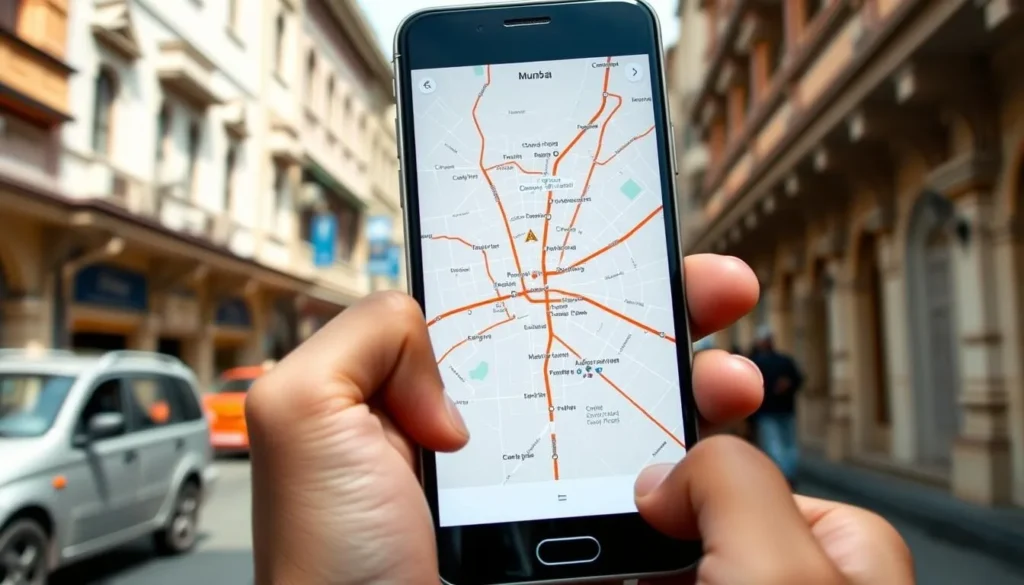
- Apps: Download Google Maps for navigation, Uber/Ola for taxis, and m-Indicator for Mumbai’s public transportation schedules.
Health & Comfort
- Medications: Bring basic medications including anti-diarrheal medicine, pain relievers, and any prescription medications you need.
- Hydration: Mumbai’s humidity can be draining. Carry bottled water at all times and stay hydrated.
- Mosquito Protection: Bring insect repellent, especially during monsoon season when mosquitoes are prevalent.
Language
While Marathi is the official language of Maharashtra state, Hindi and English are widely spoken in Mumbai, especially in tourist areas. Learning a few basic Hindi phrases can enhance your experience and is appreciated by locals.
The Spirit of Maximum City Awaits You
Mumbai defies simple descriptions – it’s a city of stark contrasts where ancient traditions coexist with cutting-edge innovation, where colonial grandeur meets modern skyscrapers, and where extreme wealth neighbors extreme poverty. Yet somehow, it all works together in a symphony of organized chaos that captivates visitors.
Whether you’re exploring the Gothic architecture of South Mumbai, savoring street food at Chowpatty Beach, witnessing the efficiency of the dabbawalas, or simply people-watching along Marine Drive, Mumbai offers experiences that will challenge your perceptions and stay with you long after you leave.
Embrace the city’s energy, adapt to its rhythm, and allow yourself to be surprised by its hidden charms. Mumbai, the “Maximum City,” rewards those who approach it with an open mind and a sense of adventure. Your Mumbai story awaits.
The above is subject to change.
Check back often to TRAVEL.COM for the latest travel tips and deals.


0 Comments